
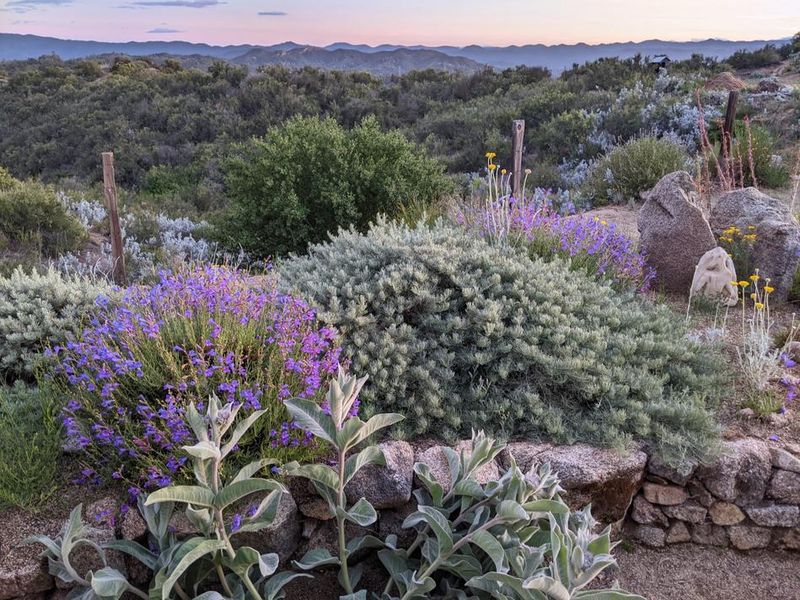
Picture a silvery-green shrub with feathery leaves that sways in the breeze and sips very little water. California sagebrush is a native plant that many coastal gardeners use for exactly that look.
Rats like thick, low cover, so how you arrange your plants matters as much as which ones you pick. Here is what this shrub can and cannot do for your yard.
California sagebrush offers a loose, upright form
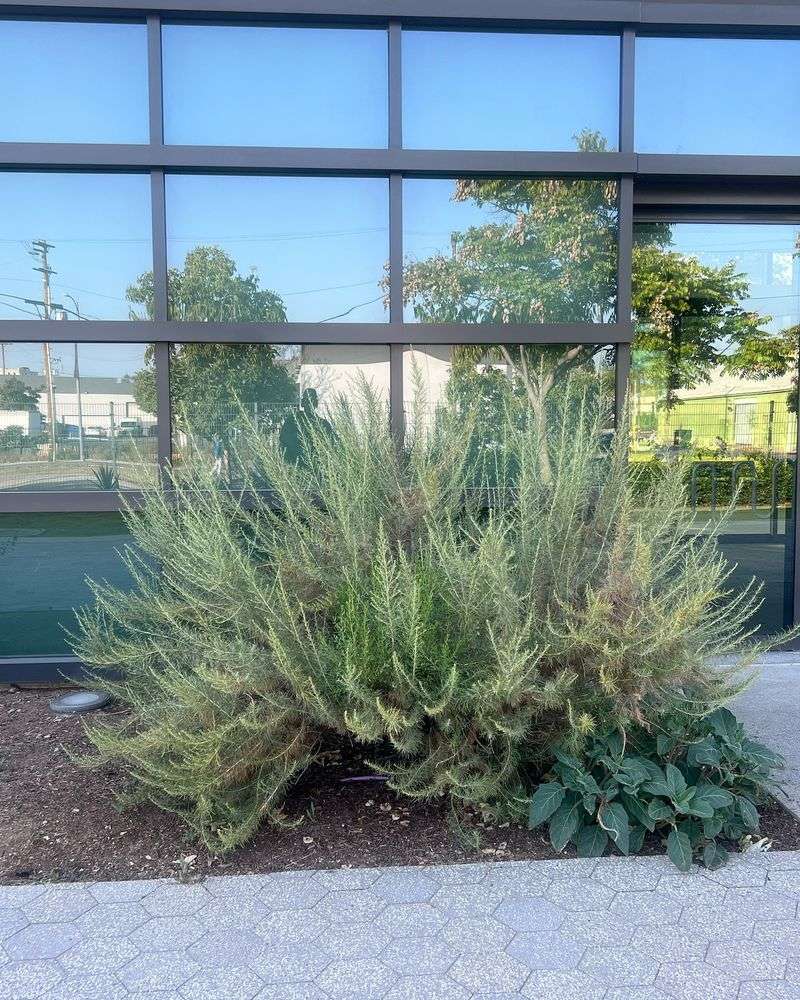
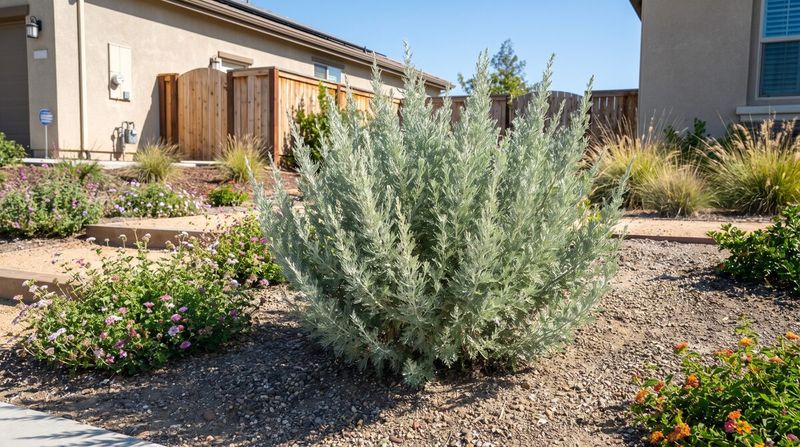
Meet California sagebrush, known to botanists as Artemisia californica. It is a woody, evergreen native shrub with a loose, upright shape.
According to the Theodore Payne Foundation plant database, it typically grows about 3 to 4 feet tall and roughly 4 feet wide.
Picture the foliage: fine, thread-like leaves in soft gray-green, held on slender stems that move with every breeze. Because the branching is airy rather than tightly packed, you can often see light and ground between the stems.
That is a very different look from a dense hedge or a thick groundcover mat.
That open habit is why the shrub comes up in conversations about yard design. A plant with a loose form can fit into a layout where you keep gaps between shrubs, and gaps are easier to keep tidy and easy to inspect.
Still, a plant’s looks are not proof that it keeps rats away. No source we reviewed shows that California sagebrush repels rats or lowers their numbers.
So think of this article as a look at a landscape-design option, not a rat-proof shrub.
Over the next sections, we will cover where the plant grows well, how to space it, the fire risk to weigh, and the other steps that do the heavy lifting around a home.
Thinning dense cover may make a yard less inviting to rats
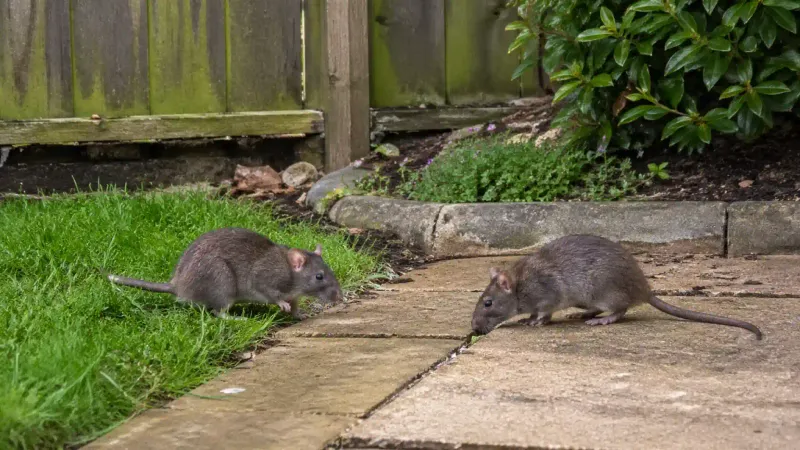
Rats like to tuck themselves into thick, low growth. The UC Statewide IPM Program notes that both common rat species are drawn to dense or ground-level vegetation, and it recommends thinning dense plantings to make the habitat less desirable.
Think about the spots where cover piles up: ivy against a fence, a tangle of overgrown groundcover, shrubs crowded shoulder to shoulder along a wall. Those are the places where a rat can move around without being seen.
Opening them up removes some of that shelter.
Notice what this advice does and does not say. It is general landscaping guidance from UC IPM.
It is not a finding about California sagebrush, and we found no source showing that this shrub repels rats or reduces rat populations.
So the realistic goal is modest: reduce sheltered cover around your home. A loose, upright shrub planted with room around it may fit that goal better than a dense mass of foliage, but the plant is not doing the work by itself.
The layout and upkeep are.
Walk your yard with fresh eyes this weekend. Look low, near the ground, and ask where a small animal could hide from view.
Those are your first thinning targets.
Check the plant’s range and drought limits
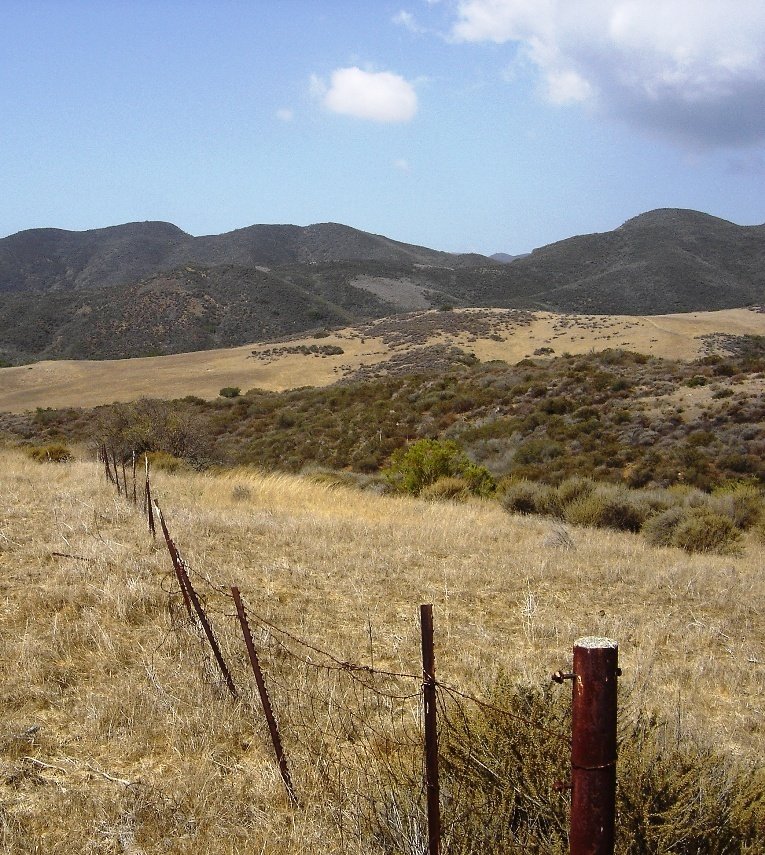
Before you buy, check where the plant actually belongs. The USDA plant guide places California sagebrush mainly along the Pacific coast, from southwestern Oregon through California into northern Baja California.
It is adapted to wet winters and dry summers.
That makes it a sensible candidate for coastal and nearby California yards. It does not make it a good pick for Florida, Texas, or the wider Southern U.S.
A California native is native to a specific place, so gardeners elsewhere should look up shrubs suited to their own climate and soils.
The plant is also drought-adapted, which suits a water-wise yard. It is classified as evergreen, as described in the Theodore Payne plant entry.
Evergreen does not mean it never loses leaves, though. During extreme drought stress, the shrub can drop foliage and look thin or bare for a while.
So do not count on a perfectly leafy plant in every season or every year.
A practical check: look at nearby slopes with native plants in late summer. If you see sagebrush growing there, it is a good sign your conditions are close to what the plant expects.
Keep plantings open with spacing and maintenance
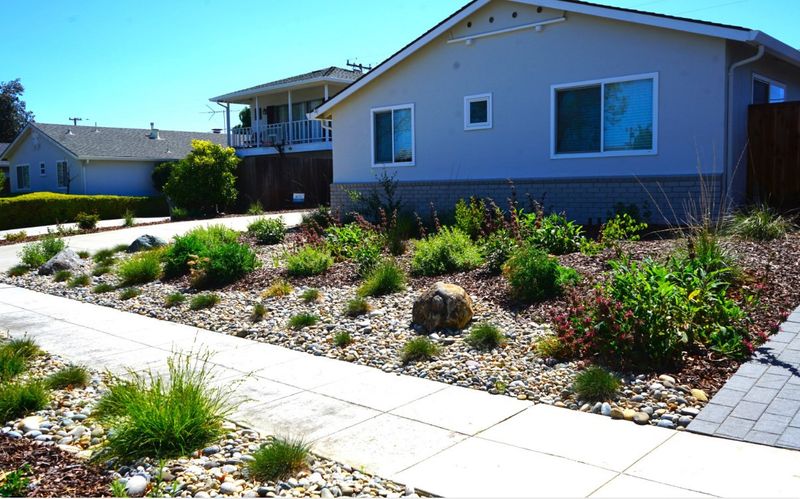
Turning the thinning advice into a layout is straightforward. UC IPM recommends keeping at least 2 feet between shrubs, and at least 2 feet between shrubs and buildings.
Grab a tape measure and mark those gaps before you dig.
With a plant that reaches about 4 feet wide at maturity, plan for its full size, not the size of the nursery pot. A small plant set too close to the house or its neighbor will grow into a solid mass in a few seasons.
Maintenance matters just as much as the first planting. Every year, check for branches that lean into the wall, spots where stems have knit together, and leaf litter piling up at the base.
Prune and clear as needed so the gaps stay gaps.
Keep the ground between shrubs fairly clear rather than filling it with thick groundcover that could bring back low shelter. Gravel, bare soil, or a thin layer of mulch can all keep the area open.
This is general UC IPM habitat guidance, not a special rat-control recipe for California sagebrush. Good spacing makes a yard less cozy for rats, but it does not guarantee they will stay away.
Weigh the shrub’s summer fire risk

Fire is the big caution here. The USDA plant guide says California sagebrush foliage contains substantial oils and is highly flammable in summer.
If you live in a fire-prone area, that changes where you put the plant. Shrubs near a house, under eaves, or beside a wooden fence deserve extra thought, even when they look tidy and green.
Check your local defensible-space requirements before you choose a spot. CAL FIRE’s defensible space guidance explains how recommended spacing varies with factors such as shrub height and slope, and your city or county may have stricter rules.
We are not giving a single clearance number here, because there is not one that fits every yard. Your fire department or local planning office can tell you what applies to your lot.
If your property sits in a wildland-urban interface, it can be wise to keep this shrub farther from structures or choose a different plant for the zone closest to the house.
Pair vegetation management with sanitation and exclusion
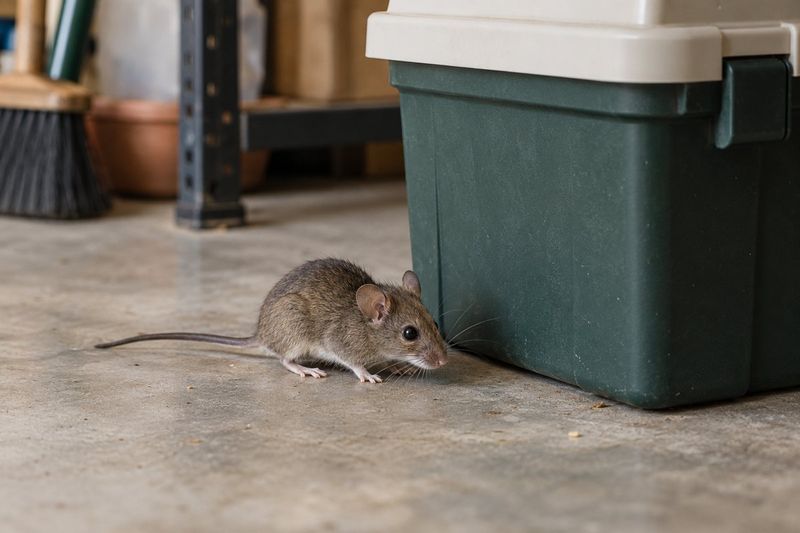
Plants are only one piece of the puzzle. UC IPM also recommends removing fallen fruit and garden debris, securing garbage and pet food, and trimming tree limbs near the roof so rats cannot use them as bridges.
Walk the outside of your house and look for food and entry points. Is there a bag of kibble in the garage with a torn corner?
A lemon tree dropping fruit that no one picks up? A compost pile with open scraps?
Fixing those can matter more than any shrub choice.
Then look at the building itself. UC IPM advises sealing openings larger than a quarter inch, since rats can squeeze through surprisingly small gaps.
Check around pipes, vents, foundation edges, and garage doors.
According to UC IPM, building exclusion is the most successful and longest-lasting strategy around structures. Open planting design supports the effort, but it cannot replace it.
If you already have rats, planting a shrub will not solve the problem. Combine sanitation, sealing, and habitat changes, and call a pest professional if signs continue.
Choose the shrub for its fit, not as a rat remedy
Pick California sagebrush because it suits your place: a coastal or nearby California yard, with drought-adapted evergreen foliage that may thin out in extreme drought. Check your local fire rules first, and keep the layout open following UC IPM guidance.
Pair it with tidy habits and sealed buildings. A shrub with room around it is a good design choice, and a sealed house is the real defense.