
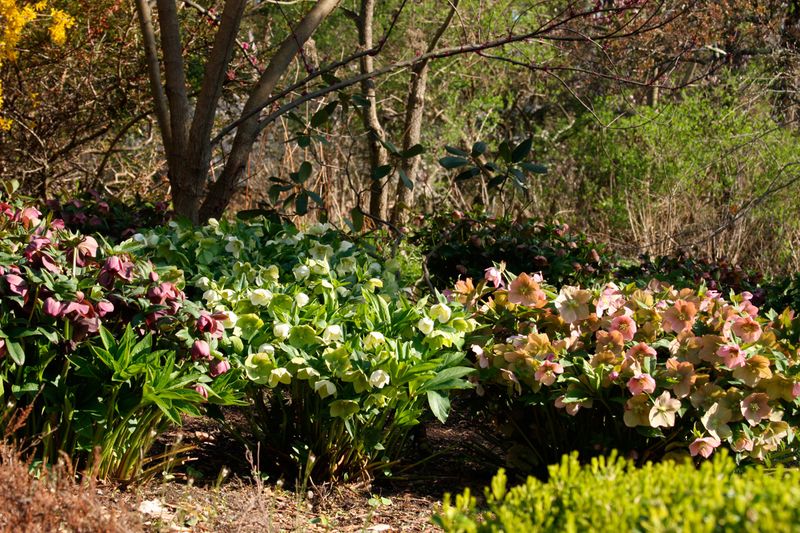
Hellebores planted in a shady corner can bloom while snow is still on the ground, giving you flowers when your garden looks asleep. These tough perennials open in late winter or early spring, a time when relatively few plants are blooming.
Planting one near a porch or path lets you enjoy the show from a warm doorway. Here is how to pick the spot, plant it well, and know what to expect.
Hellebores bring flowers to a quiet season
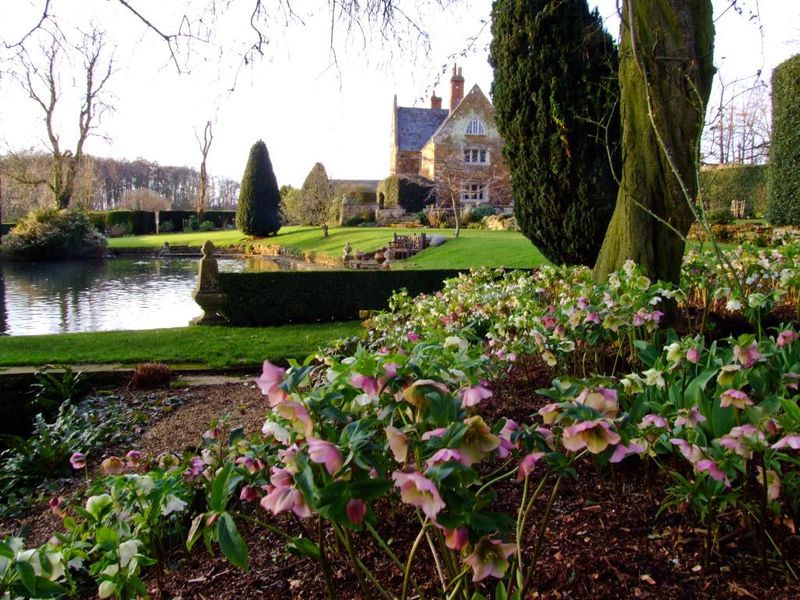
Picture stepping onto the porch in late winter and seeing flowers where the bed used to look bare. That is the appeal of hellebores.
They bloom when relatively few other plants are flowering, so each open bud gets noticed.
The blooms are also patient. According to the University of Wisconsin-Madison Extension, the flowers can last for weeks, which is a long run for a cold-season garden.
Here is a small botanical twist. The colorful parts that look like petals are mostly sepals, which are tougher and hold their color longer.
Many flowers also hang with their faces tipped down, so you may need to lift one to see inside. Because of that nodding habit, plant where you will pass often, such as beside a path or step.
The Chicago Botanic Garden notes that some selections face upward, which can be handy for a spot seen from a window.
A shady corner needs some light
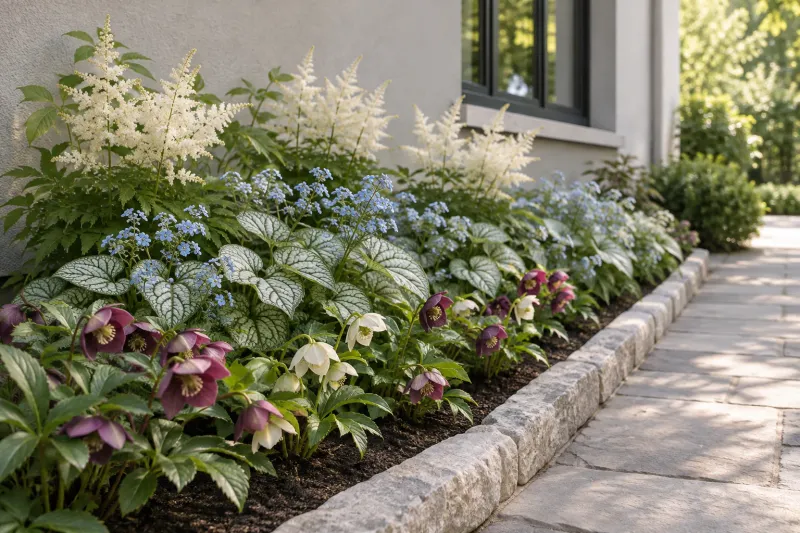
Shade-tolerant does not mean shade-proof. The Royal Horticultural Society says most hellebores do best in light or dappled shade, often with some sun.
A spot under a tree that loses its leaves is a classic choice, since winter sun reaches the plant when it matters.
Deep, dark shade can mean fewer flowers. A gloomy, dry nook by the foundation is not a bargain spot just because little else grows there.
Drainage matters just as much. The University of Vermont Extension advises well-drained soil, and soil that stays soggy is a poor choice.
After a heavy rain, see whether water pools there for long.
Finally, stand where you would see the flowers. Since many nod, a bed along a walkway or by the steps lets you enjoy them up close.
Plant while the soil is still workable
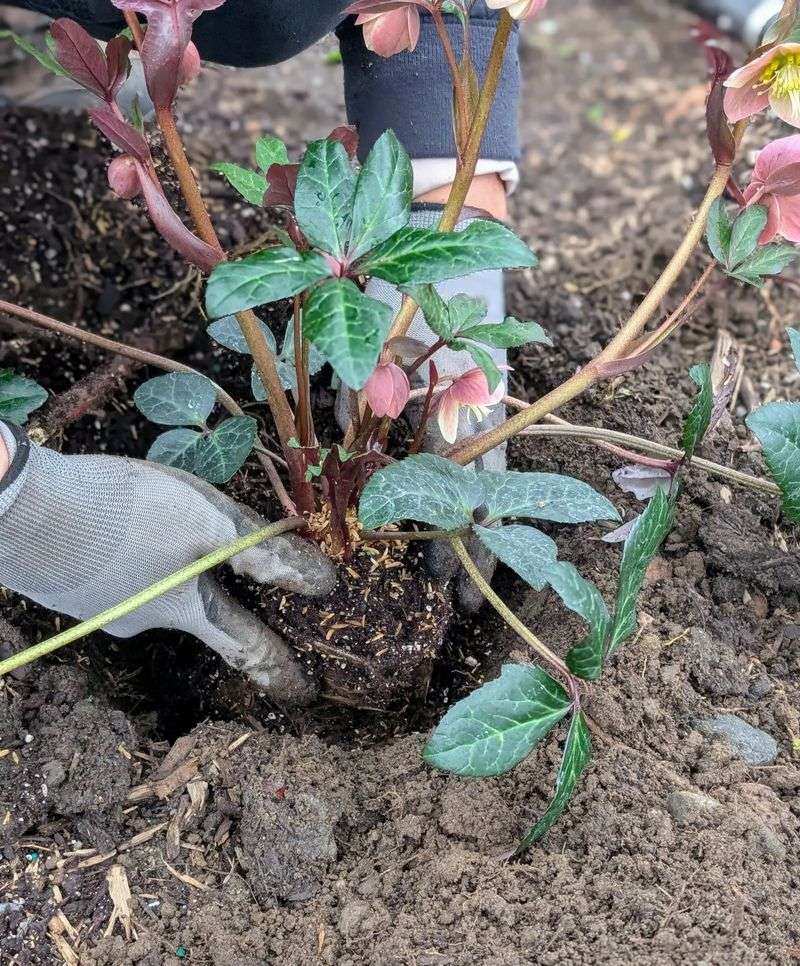
Fall is a suitable time to plant, and spring works too. In a late-fall garden the goal is simple: get the plant in while the soil can still be dug, before the ground freezes.
Skip any bed that is waterlogged. University of Missouri Extension recommends spring or fall planting.
Dig a hole about as deep as the pot and a bit wider, and loosen the soil around it. Set the plant at the same depth it grew in the pot.
The RHS cautions against planting too deeply.
Firm the soil gently and water well. Keep the new plant watered as it settles in, as the Chicago Botanic Garden advises, but let the soil drain rather than stay soggy.
Bloom time depends on the hellebore you choose
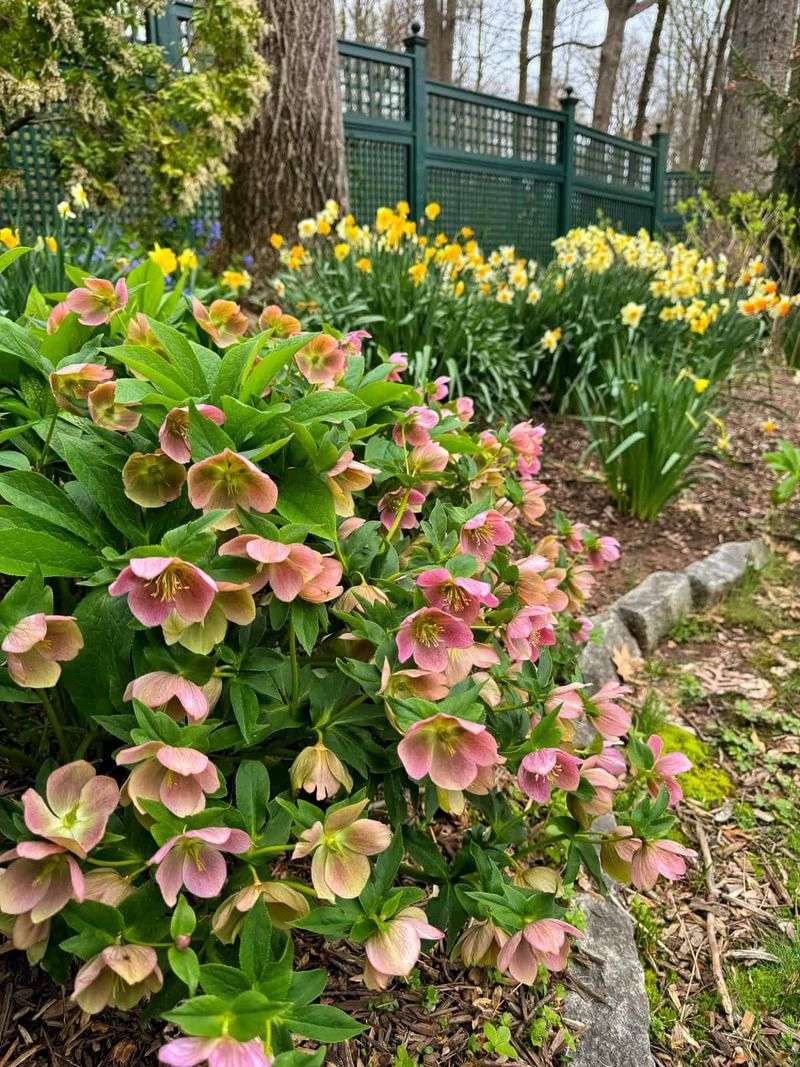
The word hellebore covers several species and hybrids, and they do not all open on the same schedule. University of Missouri Extension describes flowering from about January to April, depending on species and latitude.
Your region matters as much as the plant.
Christmas rose (Helleborus niger) commonly blooms earlier than Lenten rose hybrids, according to Clemson Extension. Lenten roses, as the Wisconsin extension notes, tend to carry the show into late winter and early spring.
Hardiness differs too, so no single zone range fits every plant. Read the tag, check with a local nursery or extension office, and pick a cultivar suited to your conditions.
Also be patient. A new plant may not flower in its first year, sometimes because it is young or already bloomed before you bought it.
Snow can interrupt the display without ending it
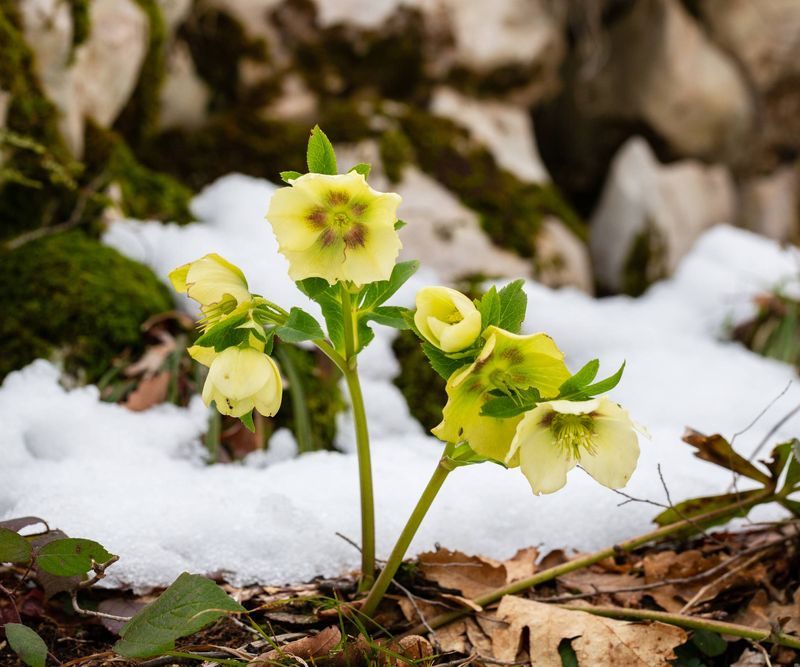
Snow and hellebores can share a garden, but the plant does not always look its best under a white blanket. The Chicago Botanic Garden says flowers and leaves may droop after snowfall and then recover.
So if you spot a wilted-looking clump after a storm, give it time. As the snow melts and temperatures ease, the stems often perk back up.
Do not count on upright, undamaged flowers after every snowfall, or on blooms you can see all winter. Deep snow can hide them, and a hard freeze can set them back.
Think of the show as a series of good days in the cold season rather than a nonstop display.
Established plants need less attention, not no care
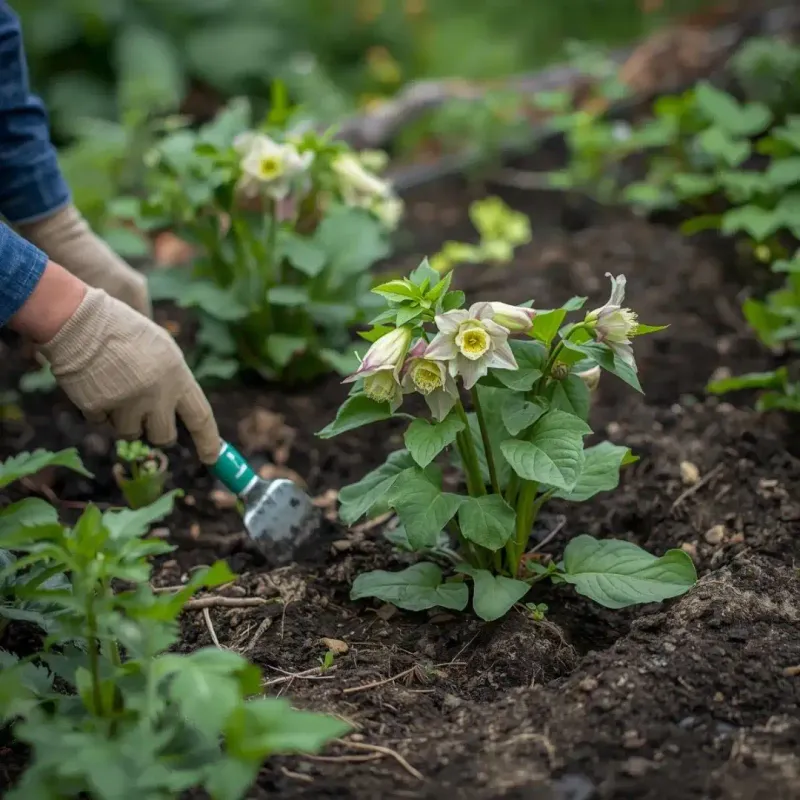
A newly planted hellebore needs steady attention at first. Water it regularly while the roots settle, keeping the soil moist but never soggy.
The RHS stresses watering during establishment.
Once a plant has been in the ground for a while, the routine eases up. An established clump mostly asks for a drink during long dry spells, a point the Chicago Botanic Garden also makes.
A useful check is to push a finger a couple of inches into the soil. If it is dry, water slowly.
If it feels wet, wait.
That is a modest routine, but it is still care. Low effort is not the same as maintenance-free.
Keep hellebores away from curious mouths
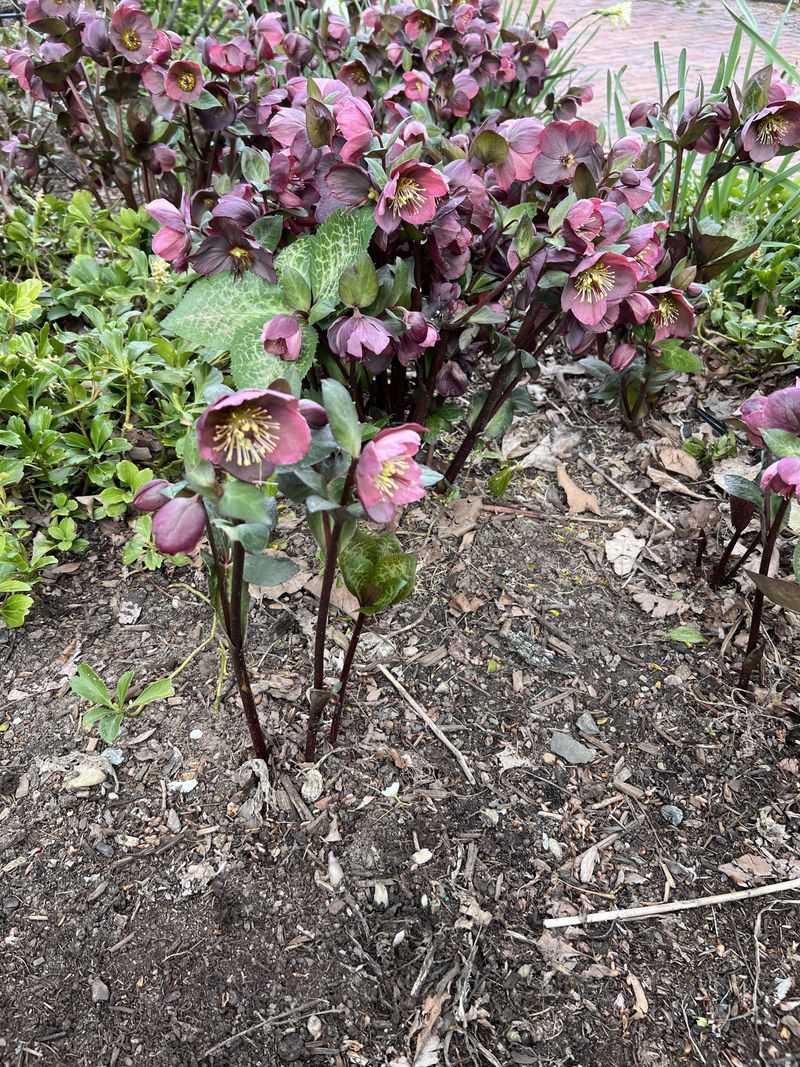
Hellebores are ornamental plants, not food. Keep children and pets from ingesting any part, as the University of Vermont Extension advises, and wear gloves when you handle them.
The ASPCA lists Helleborus niger as toxic to dogs, cats, and horses. If a pet chews on a plant, call your vet or a poison hotline.
Plan for a seasonal display, not a guarantee
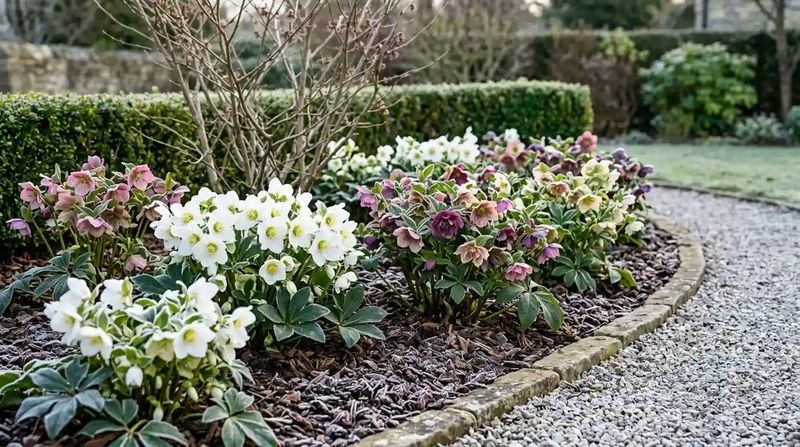
Pick a lightly shaded, well-drained spot you can see from the porch, and plant while the ground is still workable. The RHS and Missouri Extension both support that approach.
Bloom timing will vary with your plant and local weather, and the first year may be quiet. Some winter days will be better than others.
Still, a clump of hellebores gives you something to look forward to when the rest of the yard is resting.