
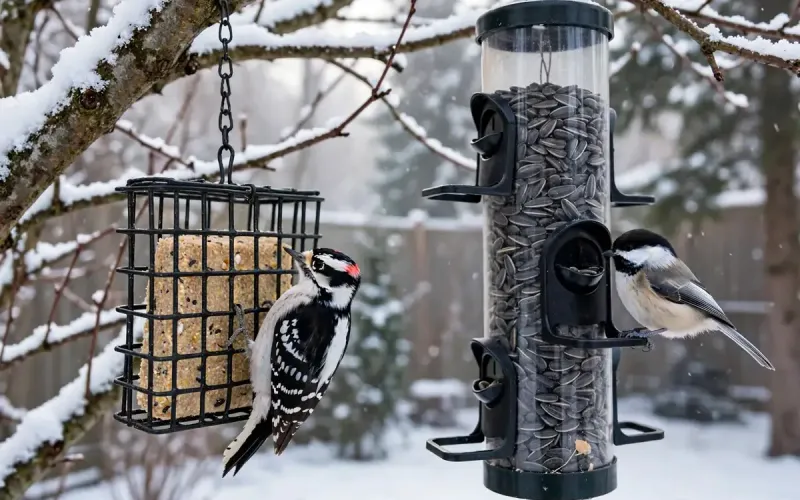
Suet left hanging into a warm spell can go bad, and raw, unrendered suet can turn rancid quickly when the weather heats up. Most feeder owners never check it, so a spoiled chunk can sit there while birds visit.
Rendered and store-bought cakes vary in how they handle heat, so the answer is not the same for every product. A quick look and sniff, plus a few storage habits, can help you decide what stays up and what goes in the trash.
Suet products handle heat differently
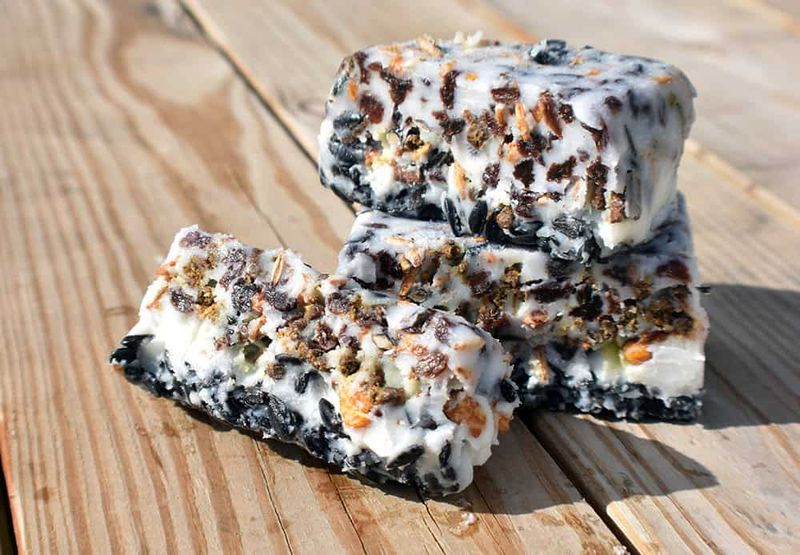
Walk down the bird-food aisle and you will see how loose the word suet really is. It can mean raw beef fat from a butcher, fat that has been melted and reshaped, or a store-bought cake blended with seeds, grains, fruit, or insects.
Each type reacts to warm days in its own way. Raw, unrendered suet is the one most likely to turn rancid quickly in warm weather.
Rendered fat and commercial cakes often hold up better, though some still soften or melt. UF/IFAS Extension notes that true beef suet is less prone to softening in heat than lard-based cakes, and that some commercial cakes are made for year-round use.
That does not mean any type always stays firm or fresh. A Cornell Lab Q&A with David Bonter covers summer feeding concerns.
Read the label on your cake, then think about where it hangs. A feeder in full afternoon sun faces a tougher test than one in shade.
Softness alone does not mean suet is rancid

A cake that droops in a wire cage on a hot afternoon has been softened by warmth. That is a different problem from rancidity, mold, or bacterial growth, and softness by itself does not prove the fat has gone bad.
It still deserves attention. Virginia’s wildlife agency advises against offering suet in warm weather unless it is a no-melt product, partly because melting suet can get messy.
If a cake is turning greasy or starting to smear, take it down.
Soft, oily suet can rub onto feathers and may affect feather condition. You may have read that it clogs eggshell pores, but that claim is not firmly established, so there is no need to lean on it.
Cornell Lab guidance on suet discusses these concerns.
Think of softness as a sign to act on the mess, then use your nose and eyes to judge the rest. A cake that has gone soft and also smells off belongs in the trash.
Check for an off smell, mold, or dampness
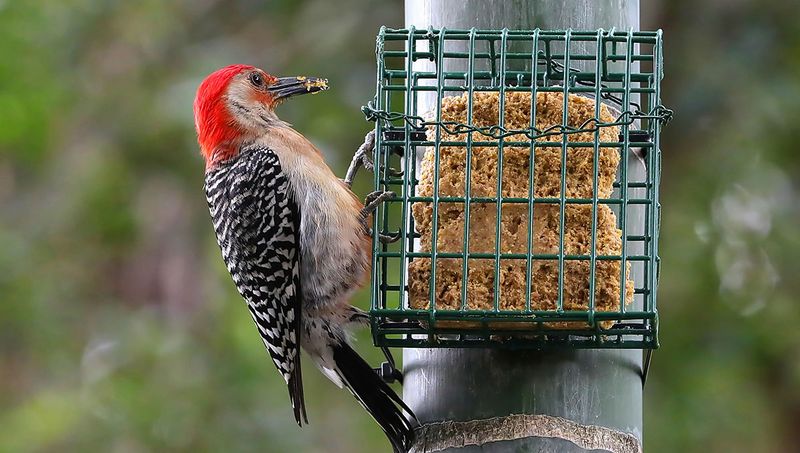
Your nose is the simplest tool you have. Rancid fat gives off an unpleasant odor, and the Canadian Food Inspection Agency describes rancidity as something identified by bad smell or taste.
If the suet smells off, throw it away rather than offering it to birds.
Look it over too. Fuzzy or discolored mold, or a damp, wet-looking cake, is reason enough to remove it.
Virginia DWR recommends taking down suspect food.
Dust and crumbs are another matter. A dusty or crumbly cake is not an established sign of rancidity, so do not toss it on looks alone and do not assume it is spoiled.
The reverse also holds. A normal smell and a clean look do not prove the suet is free of microbes.
Cornell treats rancidity and bacterial growth as separate risks, and some cakes with added ingredients can harbor bacteria. Treat the sniff-and-look check as a helpful first step, not a safety guarantee.
Store unused suet sealed and cool
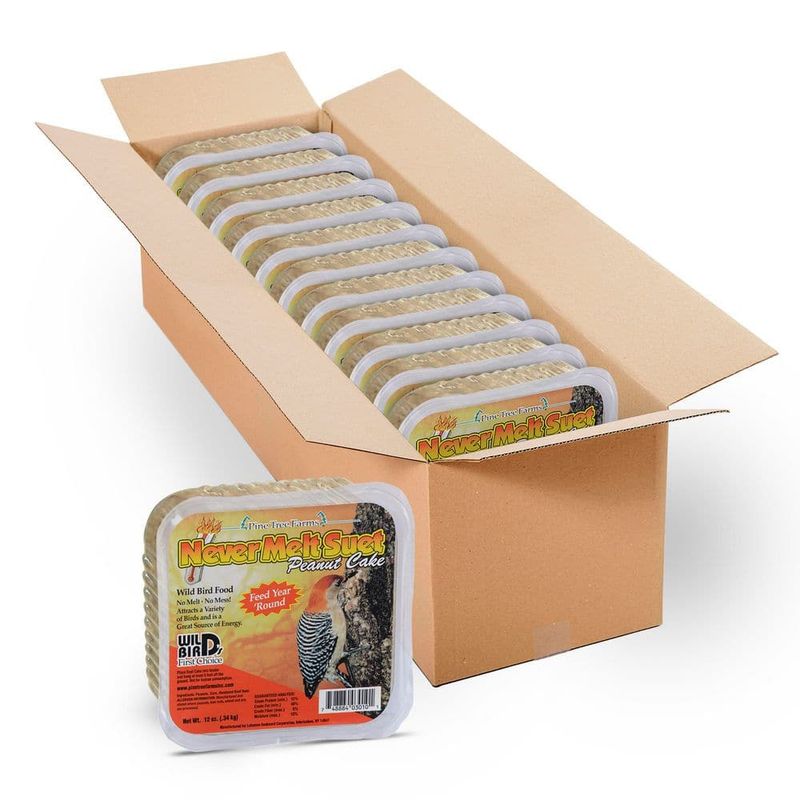
Spare cakes in the garage or on a sunny shelf can spoil before they ever reach the feeder. Keeping them sealed is a good first move, and the package directions should guide the details.
The Canadian Food Inspection Agency says airtight storage and refrigeration slow rancidity. That makes a zip bag or lidded tub in a cool spot a sensible habit, and the fridge or freezer can work for extra cakes if you have room.
Some cakes call for more care. Cornell Lab suggests refrigeration may be prudent for cakes that contain corn, cornmeal, or peanuts.
Not every product has the same storage needs, though. A shelf-stable commercial cake may say it is fine at room temperature, while homemade or raw suet is a better candidate for the cold.
Check the label, write the purchase date on the package if it helps, and use older cakes first.
Adjust suet feeding as the weather warms
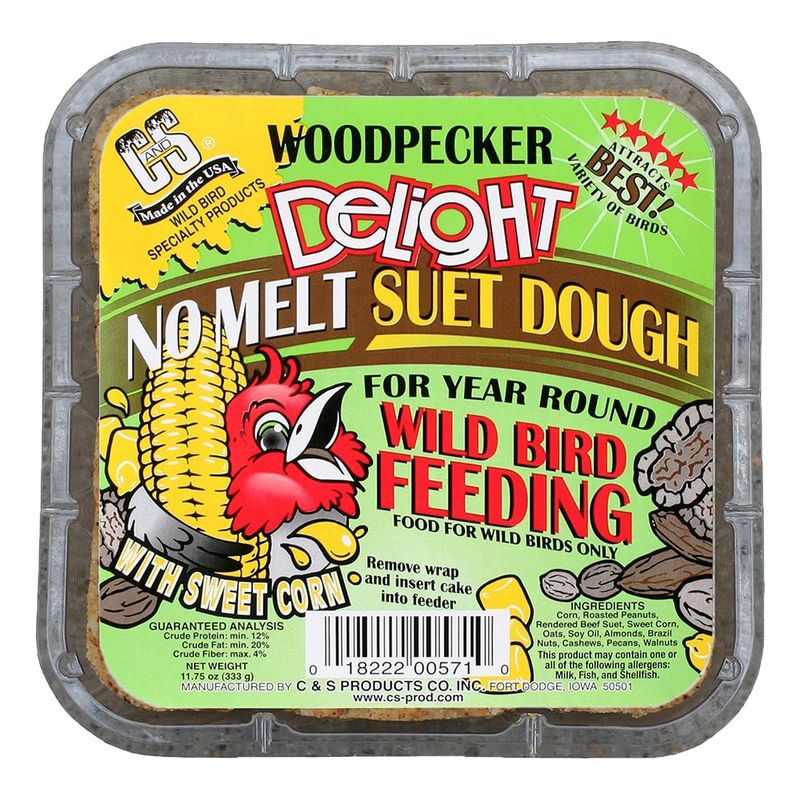
When days turn warm, check your feeder more often. Raw suet and ordinary cakes that are softening should come down.
If you want to keep offering suet, choose a product intended for warmer conditions. Virginia DWR recommends avoiding suet in warm weather unless it is a no-melt type.
Those products are an option, not a guarantee against every heat or storage problem, so follow the instructions on the package.
Advice does differ. UF/IFAS says commercial cakes can be left out year-round, while warning about melting in Florida heat.
The two views fit together once you separate product types.
There is no set temperature or number of days that works for everyone. A shady feeder may handle a cake that a sunny one cannot.
Cornell’s summer feeding Q&A is a good read for weighing your own setup. When in doubt, take it down and try again when it cools.
Clean and dry the feeder before refilling it
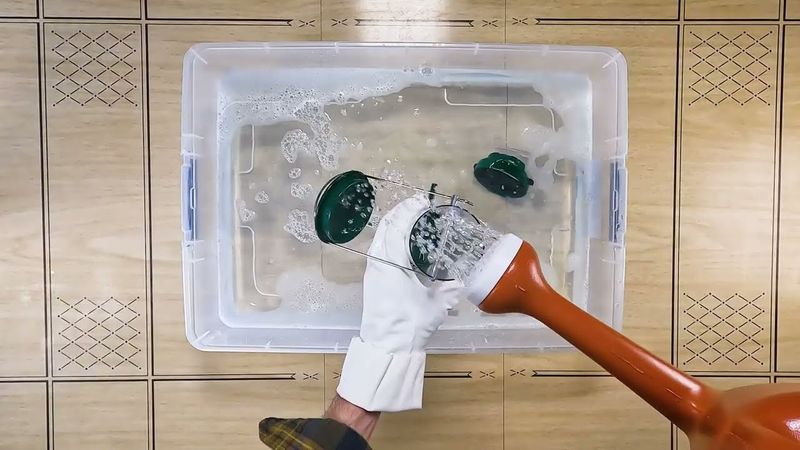
Once the suspect suet is gone, the feeder needs attention too. Greasy residue and old crumbs can cling to the cage, so scrub it clean before any new cake goes in.
Let it dry fully before refilling. A damp feeder can leave fresh suet sitting in moisture, which is the kind of dampness you were trying to avoid in the first place.
Virginia DWR recommends cleaning feeders about every two weeks, and more often with heavy use or wet weather. Treat that as routine guidance, not a promise that problems cannot happen.
Cleaning helps, and it works best alongside checking the food itself.
A simple routine keeps it easy. Remove old food, scrub, dry, then refill with a fresh cake.
Wash your hands afterward.
Birds cannot tell you when something is wrong with breakfast, so that job falls to you.