
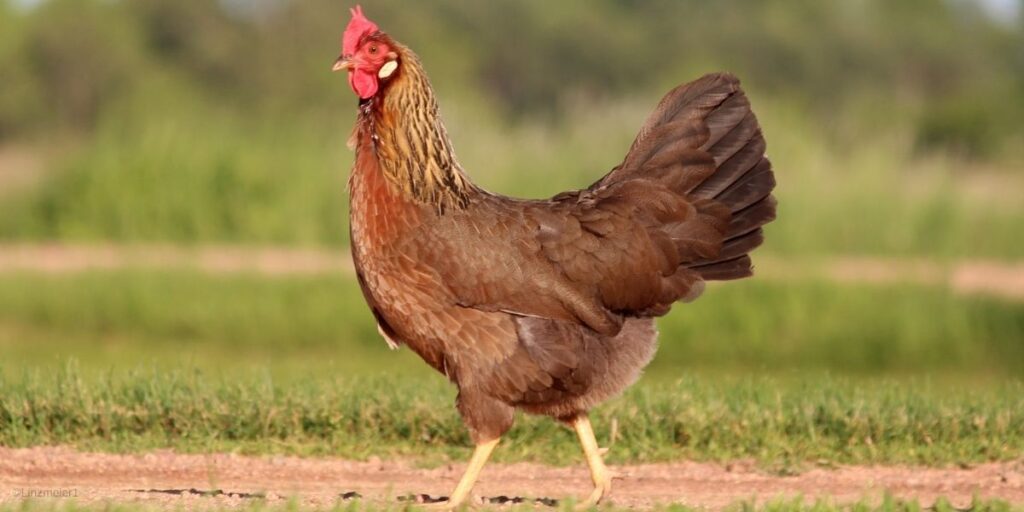
Chickens are susceptible to a variety of worm infestations that can impact their health and productivity.
Understanding these common worm types can help poultry farmers and enthusiasts manage and prevent infestations effectively.
This blog post explores eleven prevalent worms found in chickens, providing insights into their characteristics, habitats, and effects on poultry health.
1. Ascaridia galli
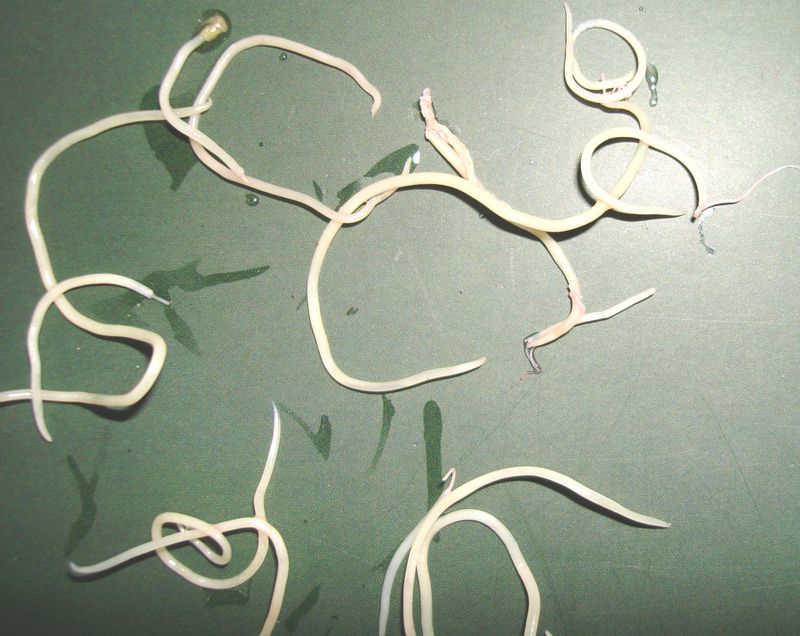
Ascaridia galli is a prevalent intestinal parasite in chickens. This large, roundworm typically inhabits the small intestine, where it feeds on the host’s nutrients. These worms can grow up to 12 centimeters long, making them visible to the naked eye.
Infected birds often show signs of weight loss and decreased egg production due to nutrient competition. Young birds are particularly vulnerable, as their immune systems are not fully developed.
Regular deworming and maintaining a clean living environment are effective control measures. Always consult a veterinarian for advice on appropriate treatment strategies for affected poultry.
2. Heterakis gallinarum
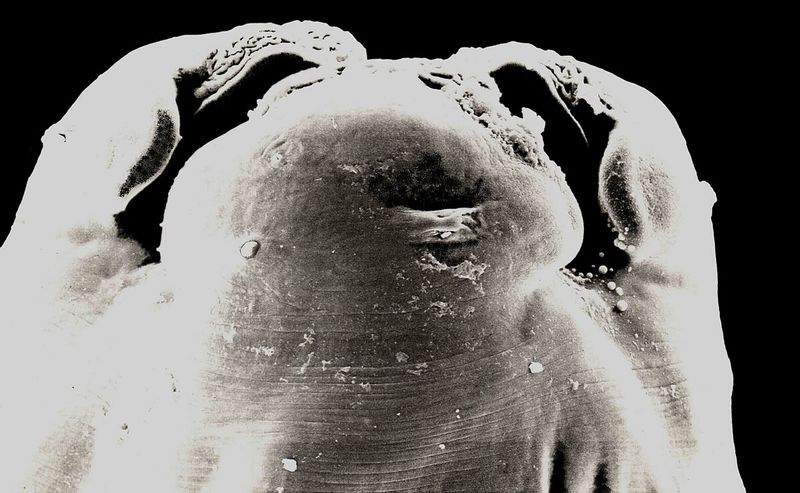
Heterakis gallinarum, commonly known as the cecal worm, resides in the ceca of chickens. Although often not highly pathogenic, it can carry Histomonas meleagridis, leading to blackhead disease.
These worms are small, usually about 1.5 centimeters in length, and can be challenging to detect. Affected birds may exhibit signs of reduced growth and poor feed conversion.
Regular fecal examinations and strategic deworming programs can help manage these pests. Ensuring dry and clean environments for your flock reduces worm burdens and minimizes transmission risks.
Coordination with veterinary professionals is recommended for effective control.
3. Capillaria obsignata
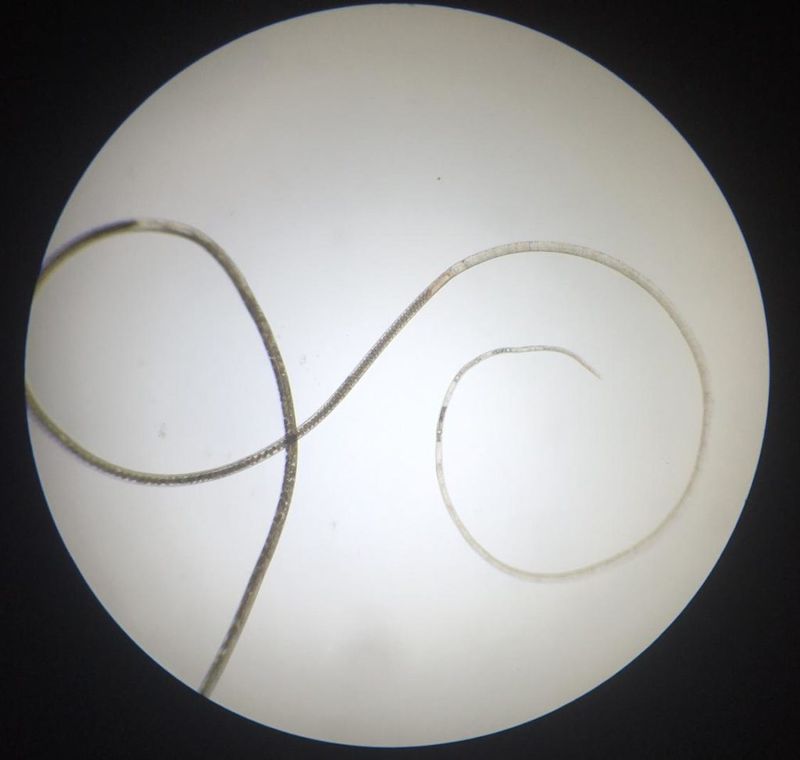
Capillaria obsignata, an intestinal threadworm, is known for impairing nutrient absorption in chickens. These slender, hair-like worms can severely affect young birds, causing diarrhea and poor growth rates.
They typically inhabit the small intestine, leading to inflammation and tissue damage. Prevention is key, with regular deworming and proper sanitation practices being essential.
Overcrowding in coops can exacerbate infestations, so maintaining appropriate stocking densities is crucial.
Always seek professional advice for suitable treatment options to ensure the health and productivity of your poultry. Monitoring for symptoms and early intervention can mitigate severe impacts.
4. Syngamus trachea
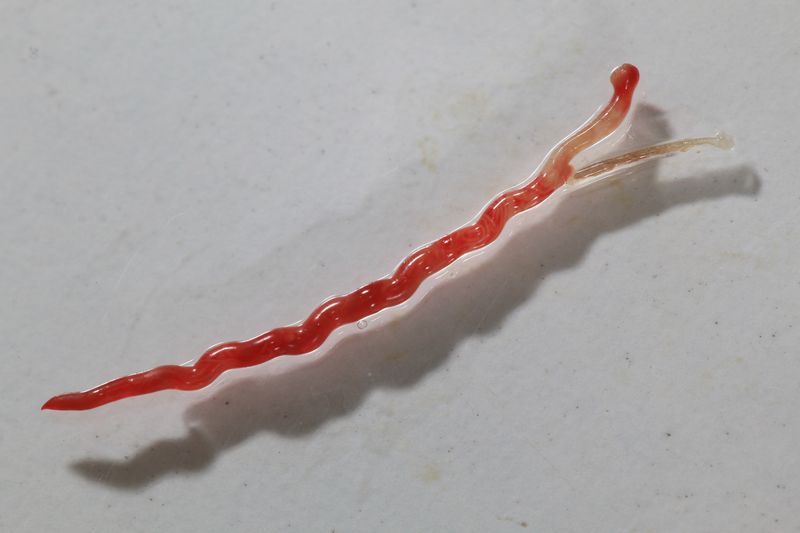
Syngamus trachea, known as the gapeworm, infests the trachea of chickens, causing respiratory distress. These worms attach to the tracheal lining, leading to coughing, gaping, and labored breathing.
In severe cases, the worms can obstruct the airway, posing a serious threat to the bird’s life. Chickens housed in damp conditions are more susceptible to these parasites.
Regular deworming and maintaining dry, clean housing are effective preventive measures. Observing for symptoms and early intervention are crucial.
Consulting with a veterinarian for appropriate treatment options can help manage outbreaks and protect your flock’s respiratory health.
5. Raillietina spp.
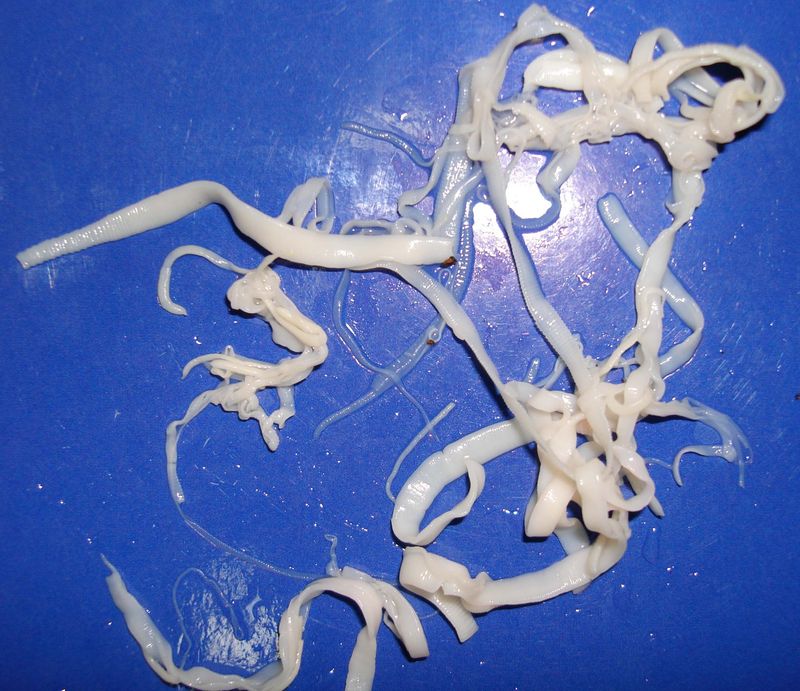
Raillietina spp. are a group of tapeworms frequently encountered in poultry, living in the intestines. These segmented worms absorb nutrients through their skin, depriving the host bird of essential sustenance.
Affected chickens may show signs of weight loss and decreased vitality. Tapeworms are often transmitted through intermediate hosts like beetles or flies. Implementing pest control and regular deworming are essential to prevent infestations.
Ensuring a balanced diet and clean living conditions support the birds’ health and resilience. Veterinary consultation for tailored treatment plans is beneficial, especially in heavy infestations that affect flock productivity.
6. Raillietina tetragona
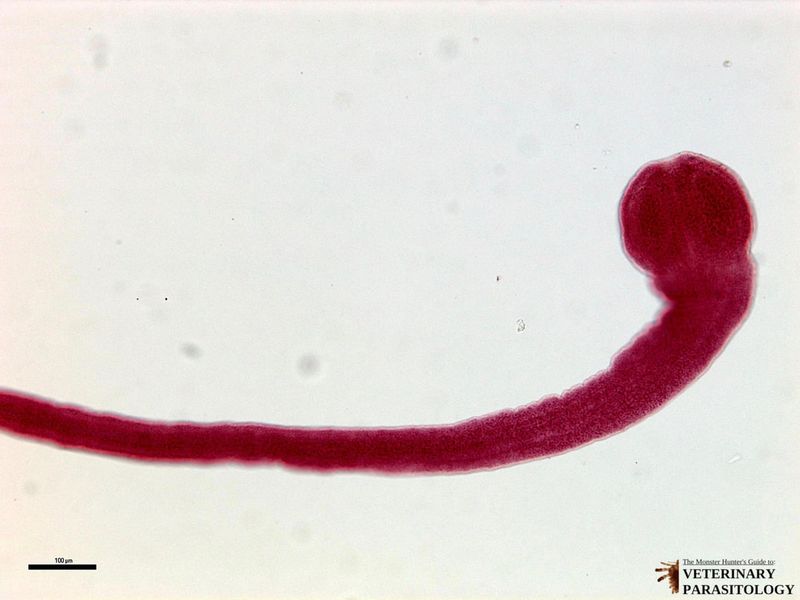
Raillietina tetragona is a specific tapeworm species that infects chickens. These worms attach to the intestinal wall, using suckers to remain in place while they absorb nutrients.
Infected birds often display reduced growth rates, weight loss, and decreased egg production, as the worms compete for nutrients. Prevention involves controlling intermediate hosts like ants and beetles.
Regular deworming and hygiene management are crucial to reduce the burden of infestation. Providing a clean environment minimizes the risk of transmission.
Veterinary advice is essential for implementing effective control measures and ensuring the overall health of your poultry flock.
7. Davainea proglottina
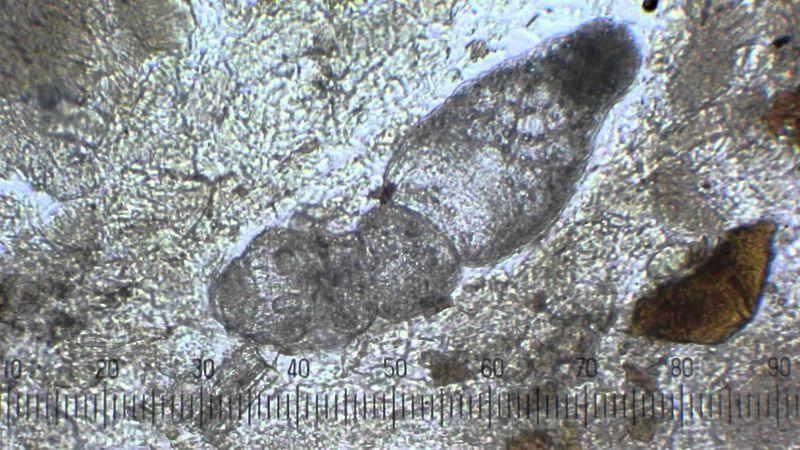
Davainea proglottina is another tapeworm species found in chickens, known for its small size and segmented body. These worms inhabit the intestines, disrupting normal digestion and nutrient absorption.
Infested birds may appear lethargic and exhibit poor growth due to the worms’ nutrient competition. Controlling intermediate hosts like slugs and snails is vital for prevention.
Regularly cleaning the coop and implementing deworming programs help manage these parasites. Consulting with a veterinarian can provide insights into suitable treatment options and preventive strategies.
Maintaining flock health through good husbandry practices enhances resistance to infestations.
8. Prosthogonimus ovatus
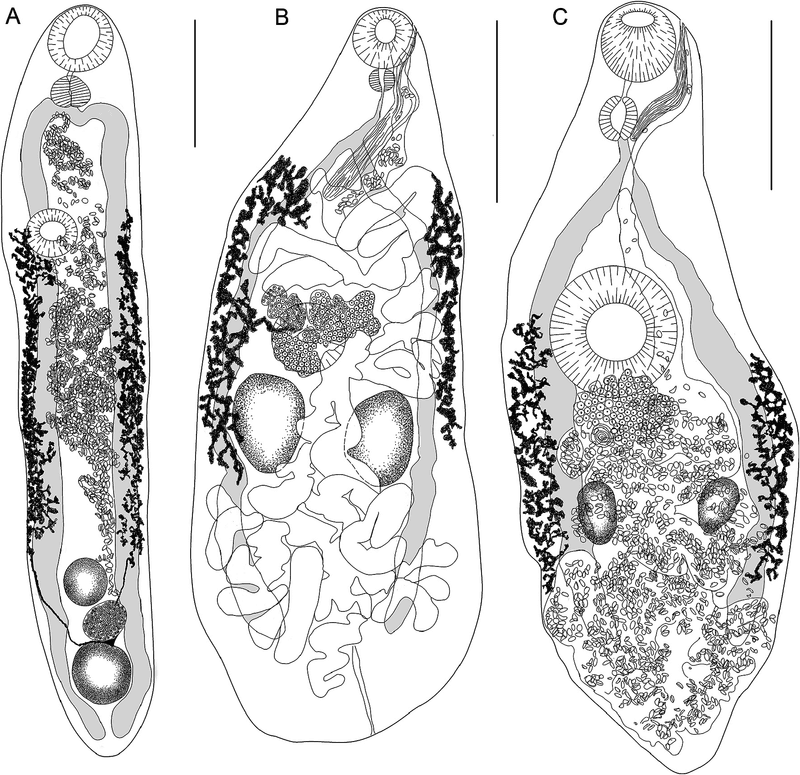
Prosthogonimus ovatus is a trematode or fluke that infects the oviducts of chickens, sometimes affecting egg production. These flatworms can cause inflammation and damage to the oviductal tissue, leading to reduced egg output and quality.
Infected birds may display discomfort and decreased reproductive efficiency. Controlling intermediate hosts like dragonflies and snails is essential to prevent infestation. Regular monitoring and strategic deworming can help manage the risk.
Veterinary guidance is crucial for identifying the presence of these parasites and implementing effective control measures. Supporting the birds’ overall health enhances their resilience against infections.
9. Oxyspirura mansoni
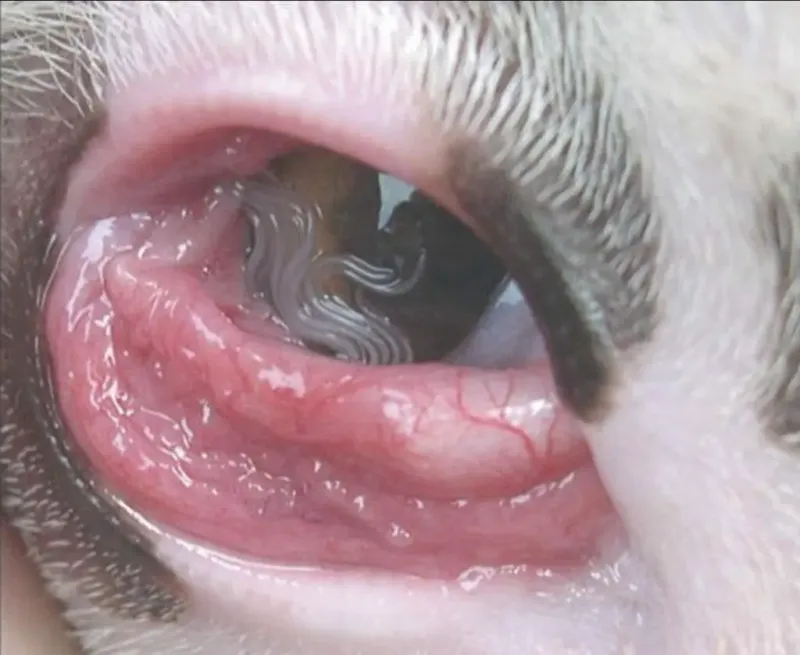
Oxyspirura mansoni, commonly known as the eyeworm, causes irritation and ocular issues in chickens. These worms inhabit the eye, leading to watery discharge, swelling, and redness. Affected birds may rub their eyes frequently, indicating discomfort.
Transmission often occurs through intermediate hosts like cockroaches. Preventive measures include controlling these insect populations and maintaining clean living environments.
Regular health checks and prompt treatment are vital to prevent severe infections. Consulting with a veterinarian for diagnosis and treatment options ensures effective management.
Protecting the eyes from potential irritants and infections is crucial for maintaining flock welfare.
10. Subulura brumpti
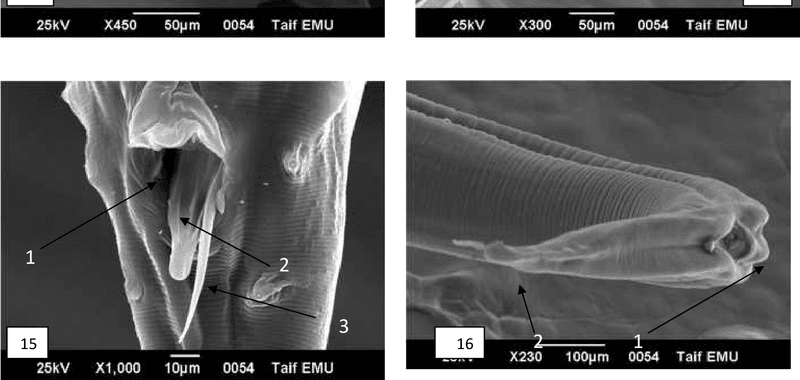
Subulura brumpti is a nematode that targets the ceca of chickens, contributing to digestive disturbances. These worms can cause inflammation and irritation, leading to reduced feed efficiency and growth.
Birds infested with these parasites may exhibit signs of diarrhea, weight loss, and poor condition. Regular fecal testing and deworming are essential components of managing these infestations.
Ensuring clean coops and proper waste disposal minimizes the risk of transmission. Veterinary advice can help tailor effective treatment and prevention strategies.
Maintaining good nutrition and stress management supports the birds’ resilience against parasitic infections.
11. Echinostoma revolutum
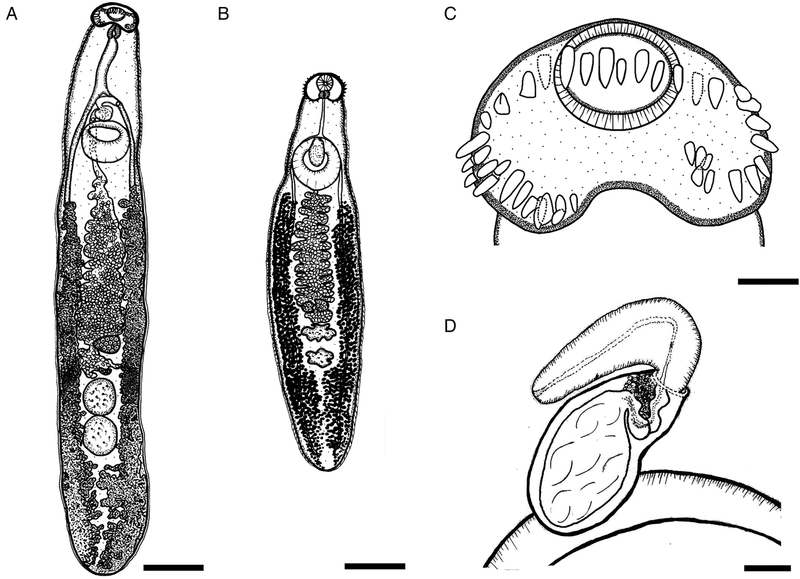
Echinostoma revolutum is a trematode occasionally infecting chickens, acquired through intermediate hosts like snails. These flukes have a distinctive spiny collar and inhabit the digestive tract.
Affected birds may show signs of digestive upset, including diarrhea and weight loss, as the worms disrupt normal function. Preventive measures involve controlling intermediate host populations and maintaining clean environments.
Regular deworming and health monitoring are crucial for managing these parasites. Veterinary support provides insights into effective treatment options.
Ensuring the overall health and hygiene of the flock reduces susceptibility to infections and promotes robust immunity.