
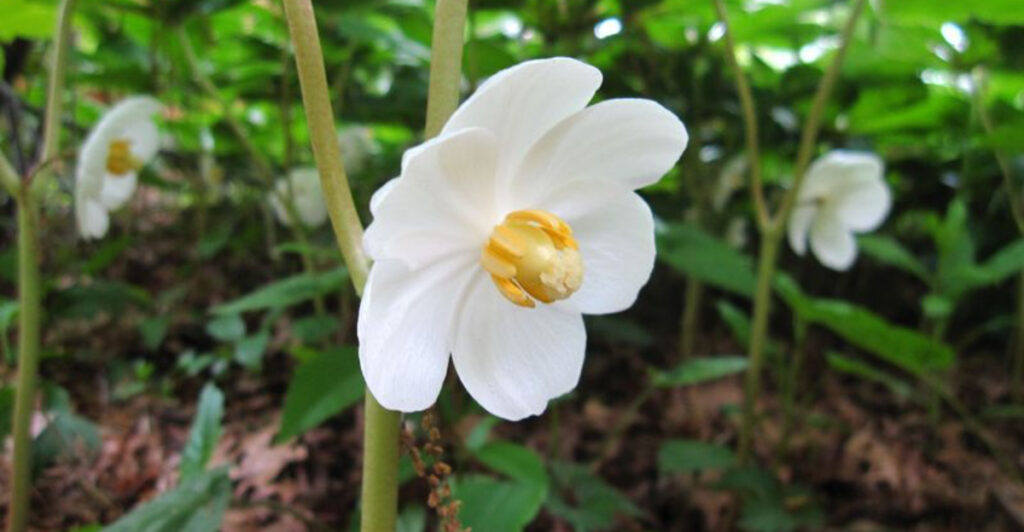
Dive into the captivating realm of native plants that thrive even in the deepest shade. These remarkable greens flourish with minimal sunlight, not only beautifying your space but also supporting local wildlife and maintaining ecological balance.
Whether you have a shady backyard or a softly lit indoor nook, these resilient plants add a burst of lush vitality to any environment.
With each species uniquely adapted to its habitat, they demonstrate extraordinary resilience where others might falter. Which shade-loving native plant will you choose to transform your space?
1. Ghost Pipe
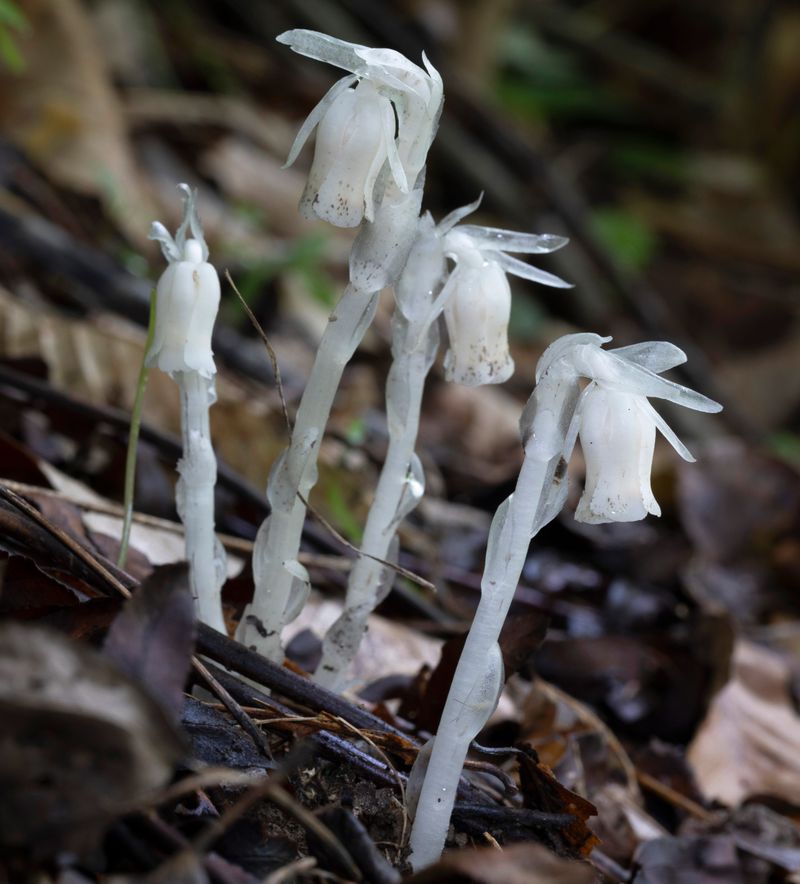
The Ghost Pipe, also known as Monotropa uniflora, is an ethereal plant that stands out in shadowed forests. Its unique translucent white appearance can be mistaken for fungi rather than a flowering plant. Ghost Pipe lacks chlorophyll, relying instead on a symbiotic relationship with fungi to derive nutrients.
This plant flourishes in dense, shaded woodlands across North America. Its ghostly stalks emerge from the forest floor, adding an almost otherworldly charm to any shaded garden. While not a common choice, it offers a rare glimpse into the diverse world of shade-loving flora.
2. Lizard’s Tail
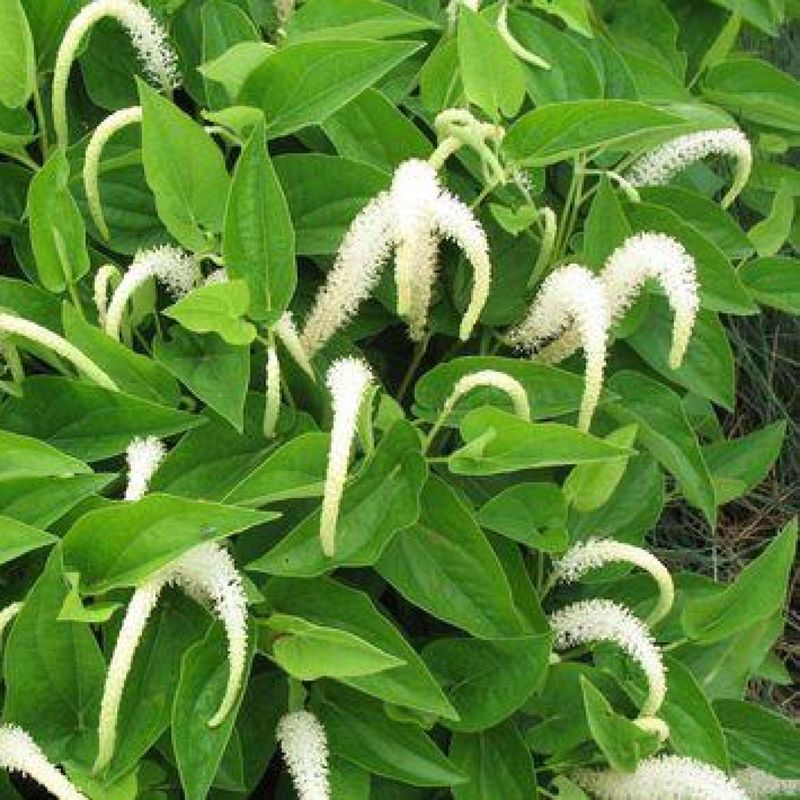
Lizard’s Tail, or Saururus cernuus, is an intriguing native plant found in wet, shaded regions. Its name comes from the long, drooping white flower spikes that resemble a lizard’s tail. The plant thrives in marshes and along stream banks, where it receives little direct sunlight.
Its lush, heart-shaped leaves provide excellent ground cover, making it an ideal choice for shaded garden areas prone to dampness. The plant’s unique structure adds both texture and a touch of whimsy to the landscape, making it a conversation starter among garden enthusiasts.
3. Skunk Cabbage
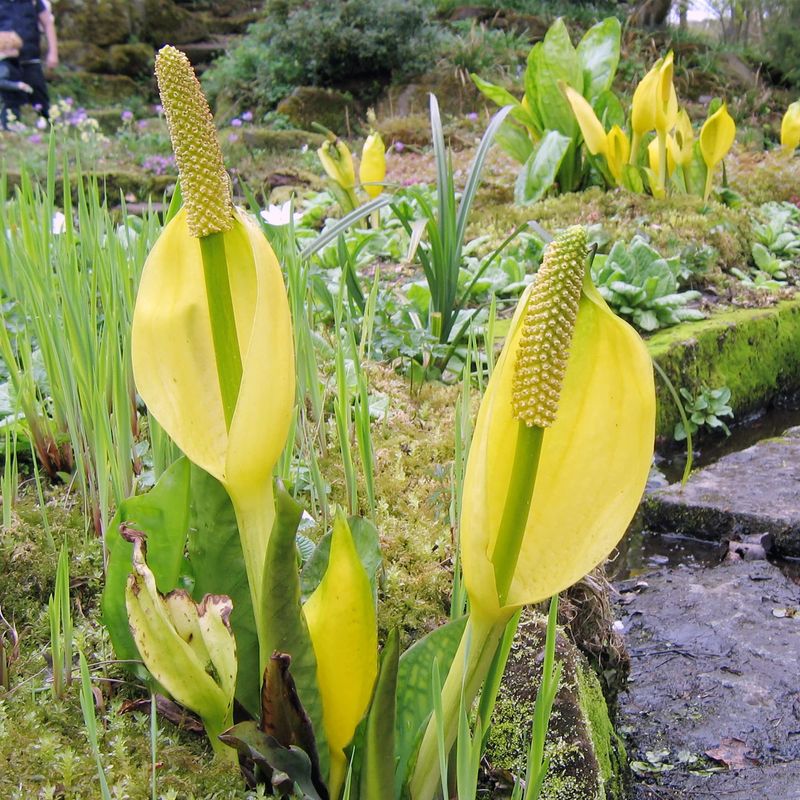
Skunk Cabbage, or Symplocarpus foetidus, is a fascinating plant native to North American wetland areas. It is one of the first to bloom in spring, often by melting snow around it with the heat generated by its metabolism. Its hooded, maroon flowers are a unique feature in shaded areas.
Despite its somewhat unpleasant odor, which attracts pollinators, Skunk Cabbage is valued for its bold foliage that unfurls into large, lush green leaves. Ideal for adding a wild touch to shaded water gardens, this plant is both functional and visually striking.
4. Foamflower
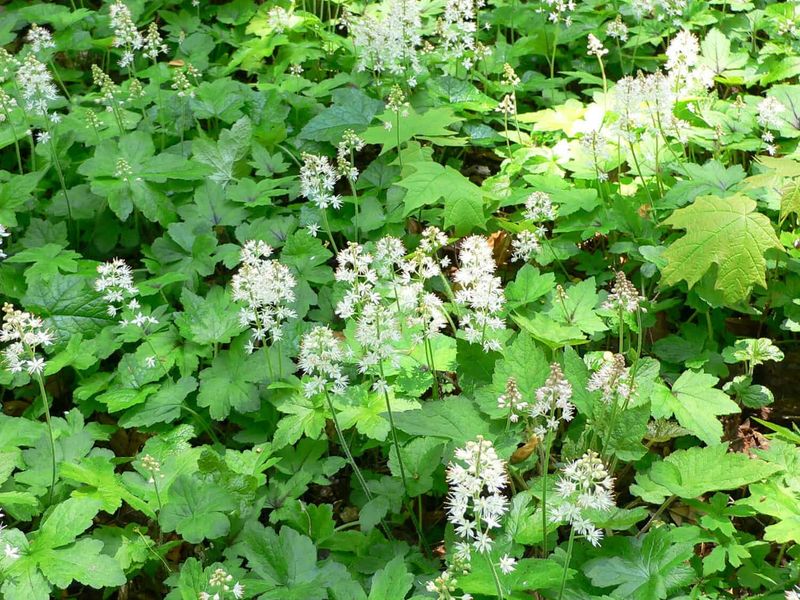
The Foamflower is a charming perennial that produces delicate, white, foamy blooms. It thrives in shaded areas and is often used as a ground cover.
This plant prefers rich, moist soil and benefits from regular watering to keep its foliage lush. Its leaves can produce an attractive reddish hue in the fall.
Ideal for adding a splash of color to shady spots, the Foamflower is perfect for those looking to enhance their garden’s dynamism without relying on sunlight. Its adaptability makes it a favorite among shade gardeners.
5. Virginia Bluebells
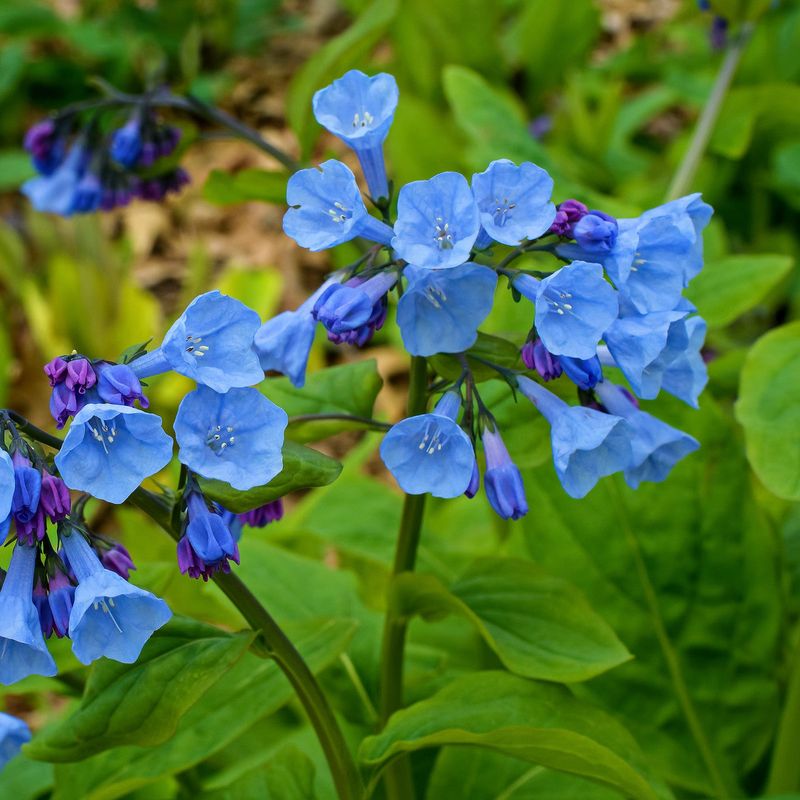
Virginia Bluebells bring a burst of color to shaded gardens with their striking blue, bell-shaped flowers. These native plants thrive in moist, well-drained soils.
During early spring, they light up shaded areas with their vibrant hues, attracting bees and butterflies. As the season progresses, the foliage fades, providing a natural mulch.
Virginia Bluebells are perfect for gardeners looking to add a seasonal splash of color to their shade garden. Their ability to thrive in low-light areas makes them a cherished addition.
6. Maidenhair Fern
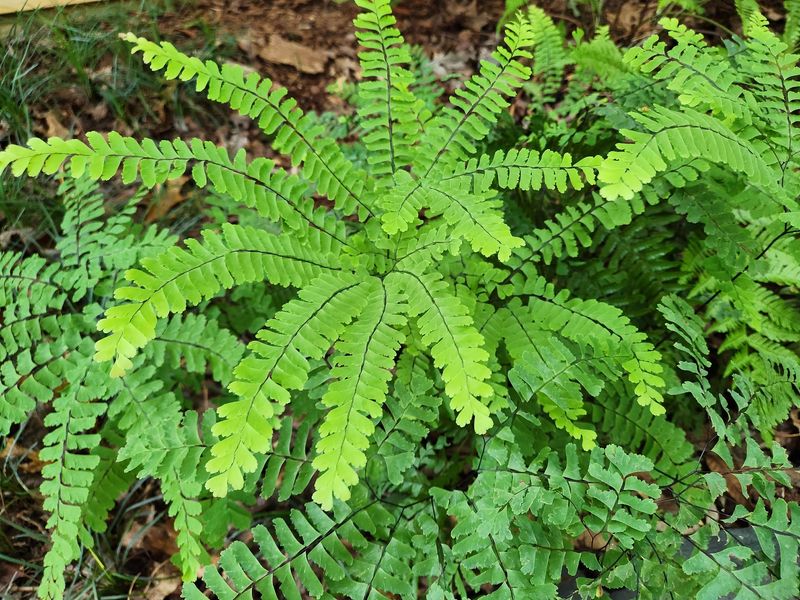
The Maidenhair Fern is known for its delicate, fan-shaped fronds that offer a soft, lush appearance. It thrives in damp, shaded environments, making it perfect for woodland gardens.
These ferns require consistently moist soil to maintain their vibrant green color. Adding compost or organic matter can enhance their growth.
With its airy texture, the Maidenhair Fern adds elegance and a serene touch to any shaded landscape. It’s a favorite among shade gardeners for its beauty and adaptability to low-light conditions.
7. American Wild Ginger
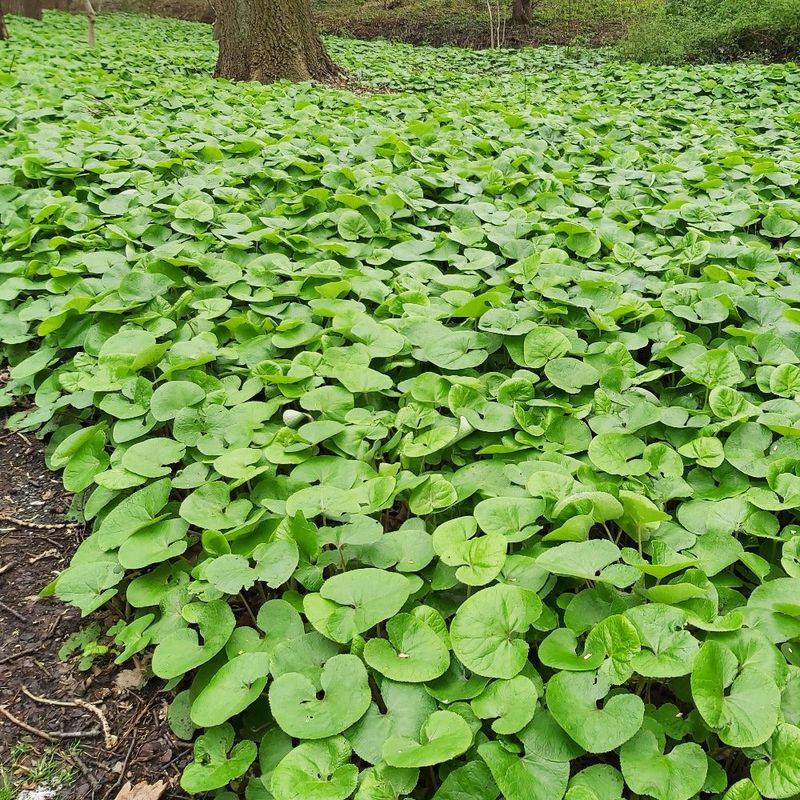
American Wild Ginger features unique heart-shaped leaves that thrive in shaded areas. Its low-growing nature makes it an excellent ground cover. The plant’s intriguing reddish-brown flowers often hide beneath the leaves, attracting various insects for pollination.
This plant prefers moist, well-drained soil, making it ideal for shaded gardens where other plants might struggle. Regular watering and mulching help maintain its lush appearance.
It’s an excellent choice for gardeners looking to add texture to their garden without needing direct sunlight. Its resilience is truly remarkable and adds diversity to shady spaces.
8. Wild Bleeding Heart
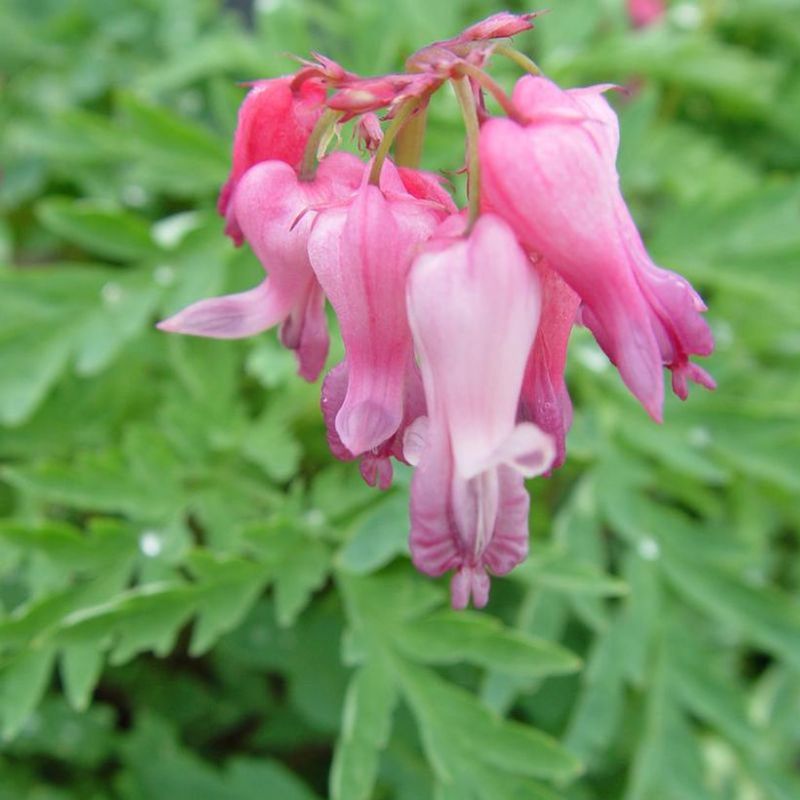
Wild Bleeding Heart is cherished for its stunning, heart-shaped pink flowers that dangle gracefully from arching stems. It flourishes in shaded areas with moist, well-drained soil.
This perennial blooms in late spring, offering a romantic and whimsical touch to any shade garden. Its fern-like foliage adds texture.
Ideal for gardeners seeking a plant with visual interest, Wild Bleeding Heart’s delicate beauty and shade tolerance make it a favorite in low-light landscapes. Its enchanting appearance adds a touch of elegance.
9. Bloodroot
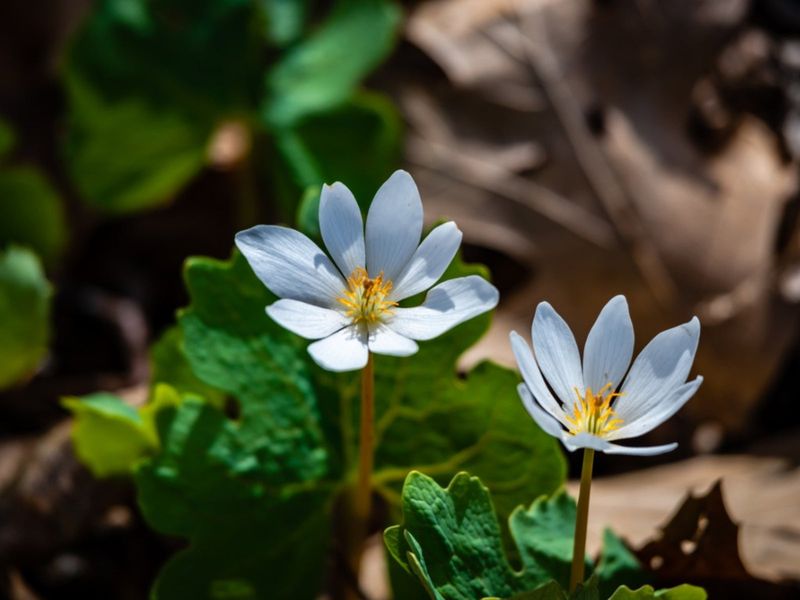
Bloodroot is a woodland plant known for its beautiful white, star-shaped flowers. It thrives in shaded, moist environments.
This plant’s name comes from the red sap found in its roots. It blooms early in spring, providing an early burst of color.
Bloodroot is perfect for gardeners who want to introduce early bloomers to their shade garden. Its unique appearance and ability to adapt to low-light conditions make it a valuable addition to any garden.
10. Jack-in-the-Pulpit
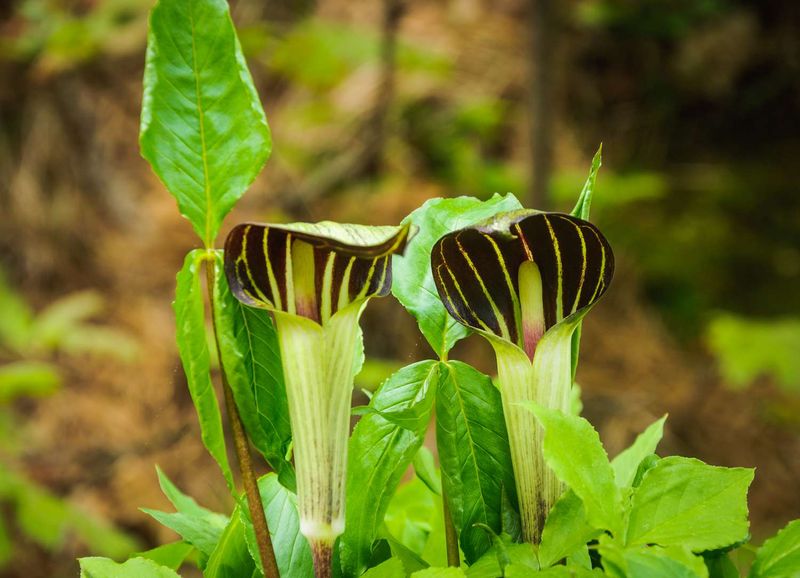
Jack-in-the-Pulpit is a unique woodland plant with a distinct flower structure. Its striped spathe encloses a spadix, creating a captivating appearance.
Thriving in rich, damp soil, this plant is perfect for shaded woodland or native plant gardens. Its red berries in late summer add another layer of interest.
Gardeners appreciate Jack-in-the-Pulpit for its unusual look and ability to thrive in low-light conditions. It’s a standout plant that adds character and intrigue to any shaded garden.
11. Eastern Red Columbine
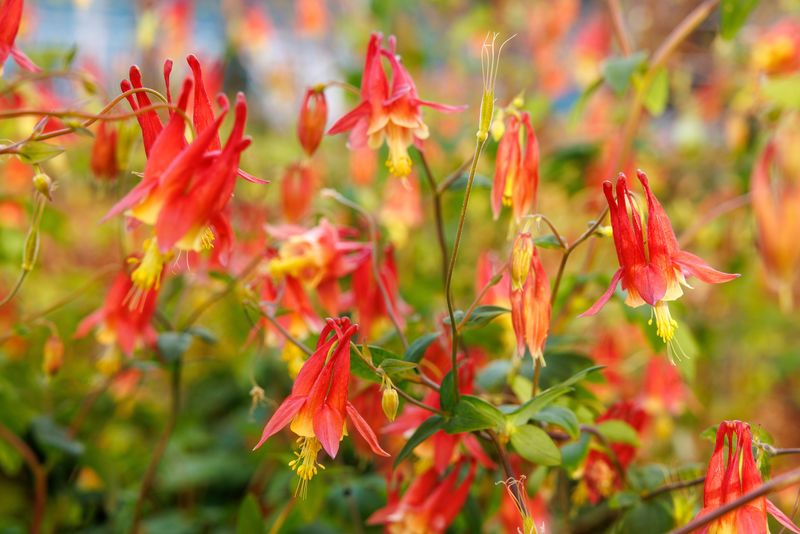
Eastern Red Columbine is a striking plant with red and yellow, bell-shaped flowers. It thrives in shaded areas, particularly on rocky outcrops.
This plant prefers well-drained soil and attracts hummingbirds and pollinators with its vibrant blooms. It blooms in late spring.
Gardeners appreciate Eastern Red Columbine for its colorful display and adaptability to shady environments. It adds a splash of color and supports local wildlife.
12. Mayapple
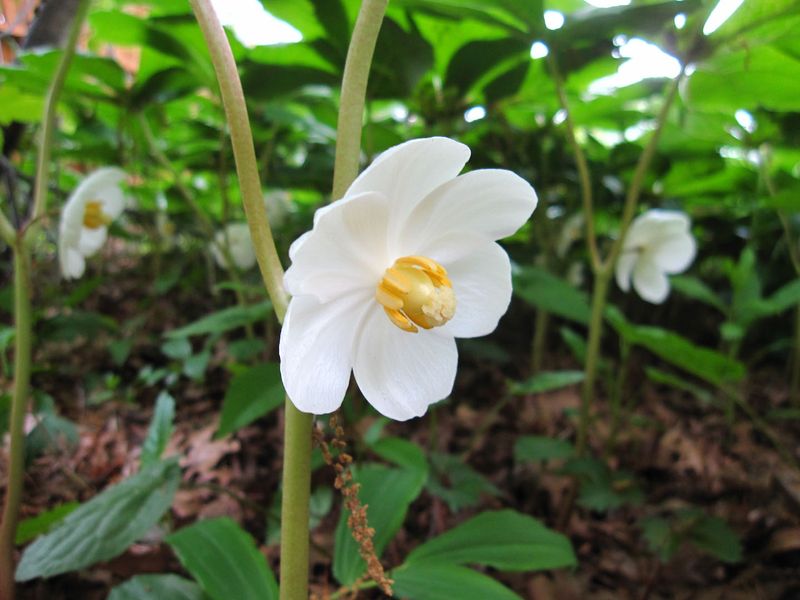
Mayapple is a unique plant with large, umbrella-shaped leaves that provide ground cover in shaded areas. It produces white flowers hidden beneath the foliage.
This plant prefers rich, well-drained soil and can form dense colonies. Its fruit ripens in late summer, although it’s not edible for humans.
Mayapple is ideal for gardeners who wish to create a woodland feel in their gardens. Its lush foliage and ability to thrive in low-light conditions make it an excellent choice for shaded landscapes.
13. Siberian Bugloss
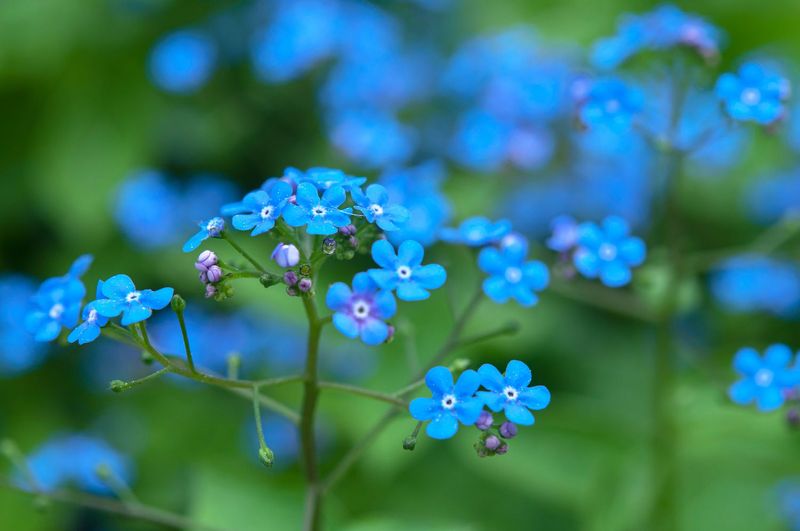
Siberian Bugloss is admired for its small, blue flowers resembling forget-me-nots and large, heart-shaped leaves. It thrives in shaded garden areas.
This plant requires moist, well-drained soil and offers a beautiful ground cover option. Its foliage remains attractive throughout the growing season.
Gardeners appreciate Siberian Bugloss for its reliable beauty and shade tolerance. It’s ideal for adding a splash of blue to shaded garden spots.
14. Trillium
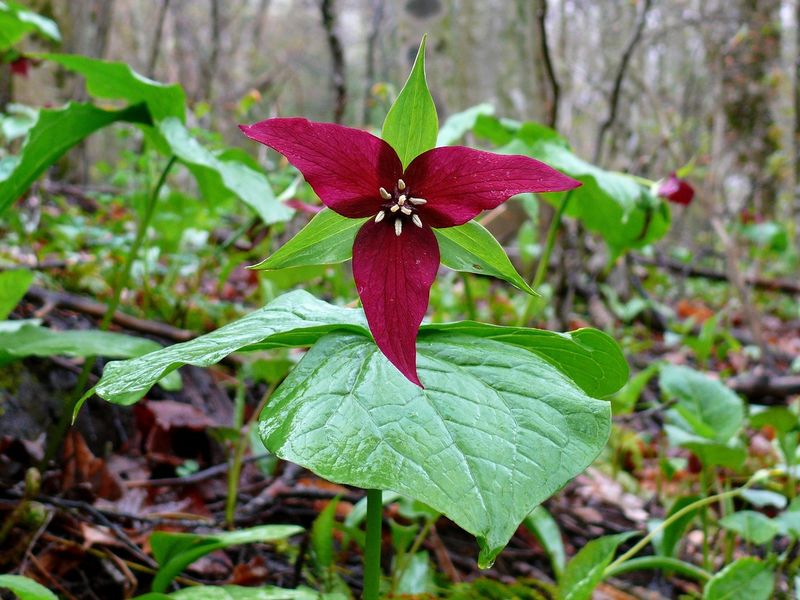
Trillium is a woodland favorite, known for its distinctive three-petaled flowers and large leaves. It flourishes in shaded, forested areas.
This plant prefers rich, well-drained soil and blooms in early spring, offering an elegant touch to shade gardens. It’s often a sign of healthy woodlands.
Gardeners value Trillium for its beauty and ecological significance. Its ability to thrive in low-light conditions makes it a treasured addition to shaded areas.
15. Christmas Fern
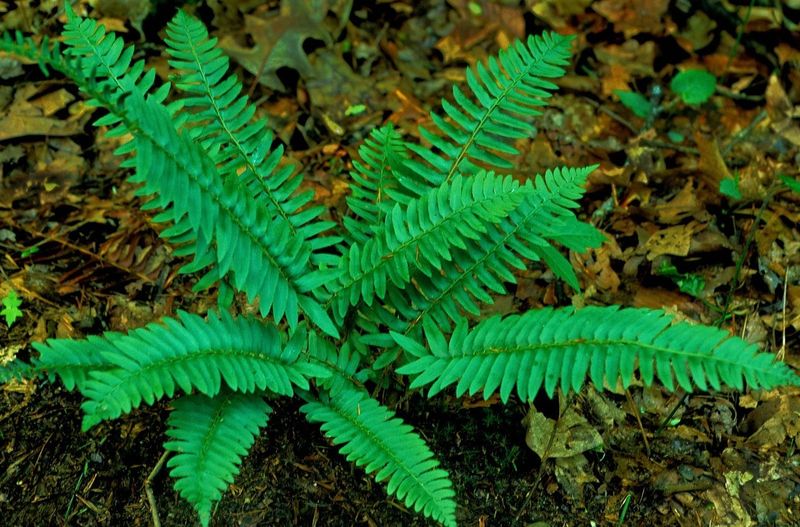
Christmas Fern is an evergreen plant that provides year-round beauty with its leathery, dark green fronds. It thrives in shaded, forested environments.
This fern is low-maintenance, requiring well-drained soil and minimal watering once established. It’s a great choice for erosion control on shaded slopes.
Gardeners appreciate Christmas Fern for its durability and ability to remain green throughout the winter. Its resilience and texture add interest to any shaded garden area.
16. Yellow Trout Lily
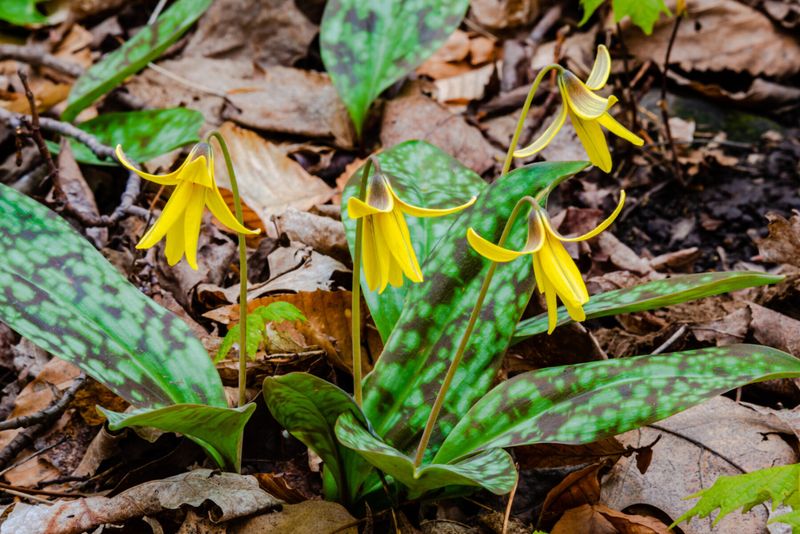
Yellow Trout Lily is a charming plant with nodding yellow flowers and distinctive mottled leaves. It thrives in shaded woodland areas.
This perennial blooms in early spring, creating a carpet of color on the forest floor. It prefers moist, well-drained soil.
Gardeners love Yellow Trout Lily for its early bright blooms and unique foliage. It’s an excellent choice for adding early spring interest to shaded gardens.
17. Wild Ginger
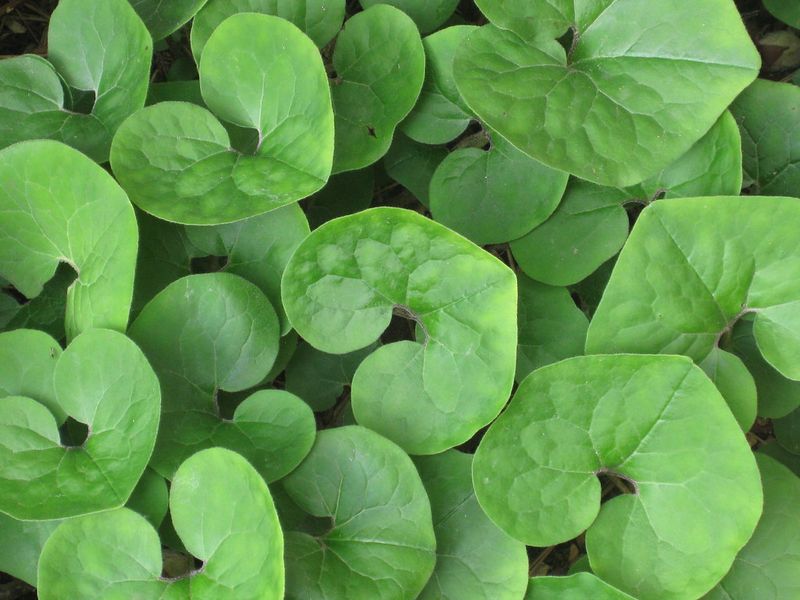
Wild Ginger features glossy, heart-shaped leaves and small, reddish-brown flowers. It thrives in shaded, woodland environments.
This plant prefers moist, well-drained soil and can serve as an attractive ground cover. Its unusual flowers add a touch of intrigue.
Gardeners value Wild Ginger for its lush foliage and ability to thrive in low-light conditions. It’s a perfect choice for adding texture to shaded garden areas.
18. Wood Anemone
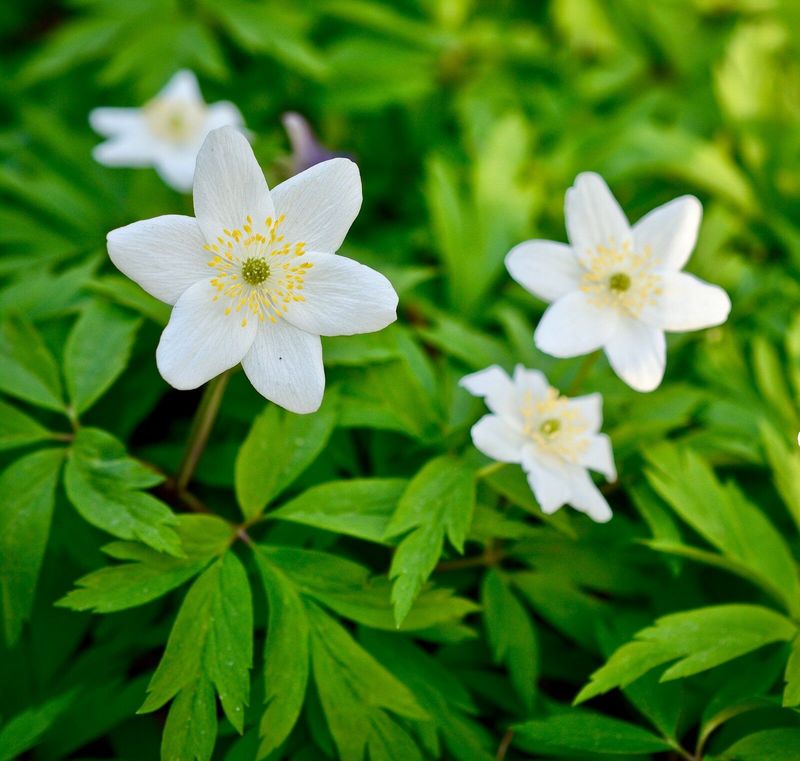
Wood Anemone is a delicate plant with white, daisy-like flowers that bloom in early spring. It thrives in shaded forest clearings.
This plant prefers moist, well-drained soil and can spread to form a lovely ground cover. Its flowers provide early season interest.
Gardeners value Wood Anemone for its simple beauty and ability to adapt to low-light conditions. It’s perfect for adding an early splash of color to shade gardens.
19. Lady Fern
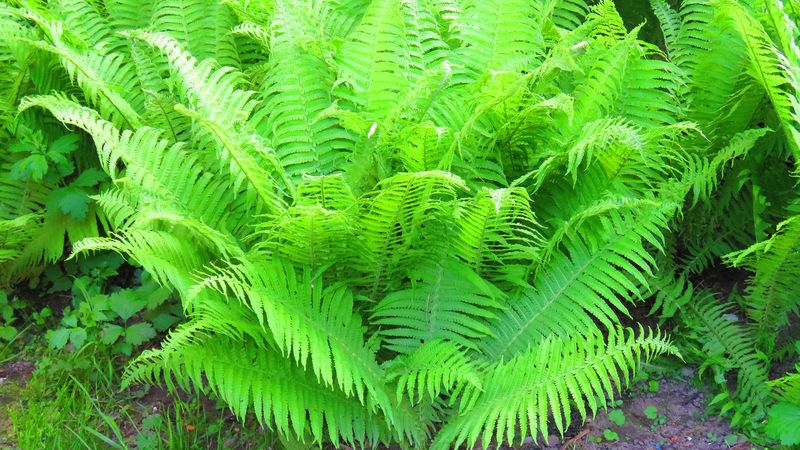
Lady Fern is known for its delicate, feathery fronds that add a soft texture to shaded areas. It thrives in moist, well-drained soil.
This fern is highly adaptable, making it an excellent choice for woodland gardens. It requires regular watering to maintain its lush appearance.
Gardeners love Lady Fern for its graceful look and ease of care. It’s perfect for adding texture and elegance to shaded landscapes.
20. Blue Cohosh
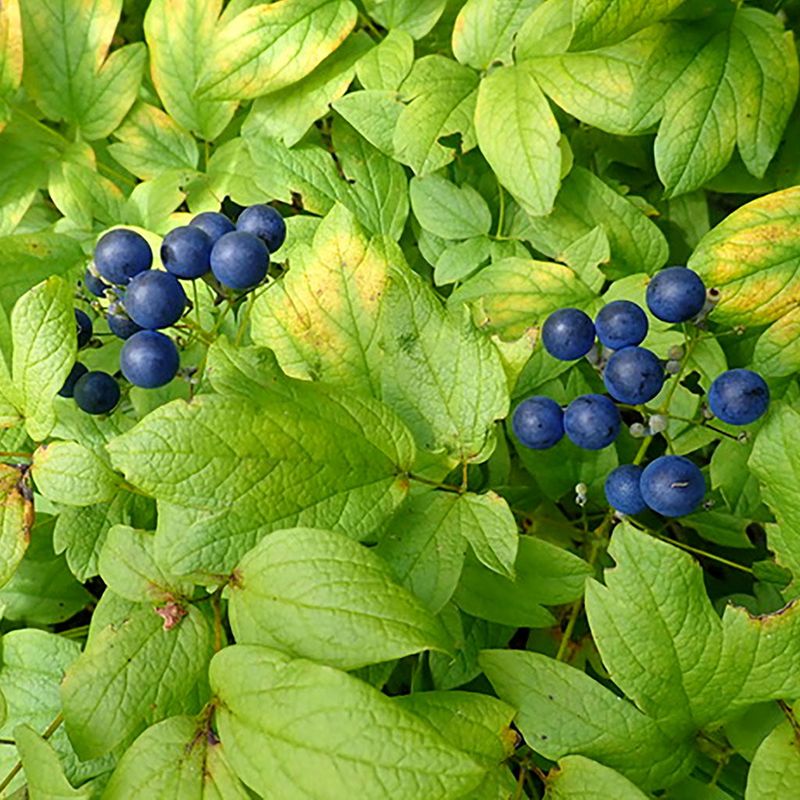
Blue Cohosh is an intriguing plant known for its striking blue-green foliage and delicate yellow flowers. It thrives in deeply shaded areas, making it a unique choice for woodland gardens. Later in the season, it produces attractive blue berries.
This plant is not just beautiful; it’s also easy to care for. Once established, it requires little maintenance. Add Blue Cohosh to your garden for a touch of the wild and unexpected.
21. Celandine Poppy
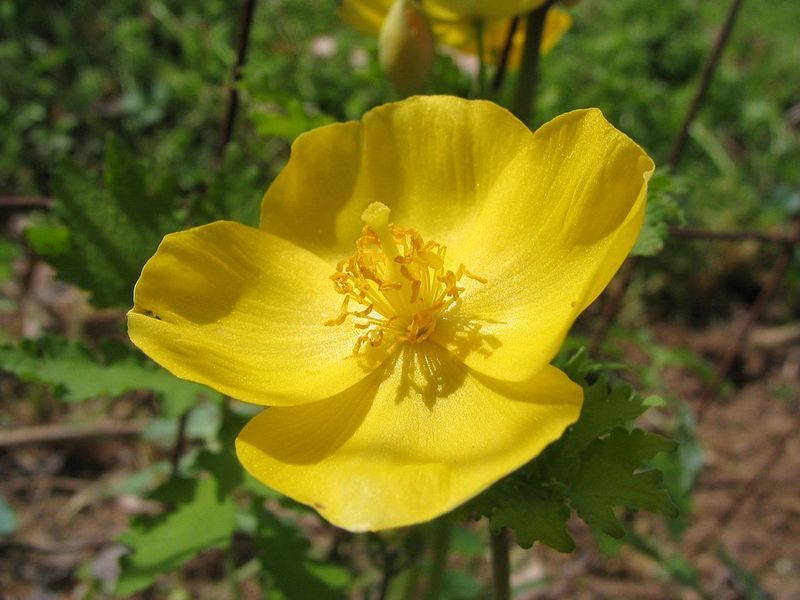
Celandine Poppy brings bright yellow blooms to shaded gardens, offering a cheerful touch. It thrives in rich, moist soil.
This perennial blooms in late spring, adding vibrant color to shaded areas. Its lobed leaves remain attractive throughout the season.
Gardeners appreciate Celandine Poppy for its bold color and adaptability to low-light conditions. It’s ideal for those looking to brighten up their shade garden.
22. Creeping Jenny
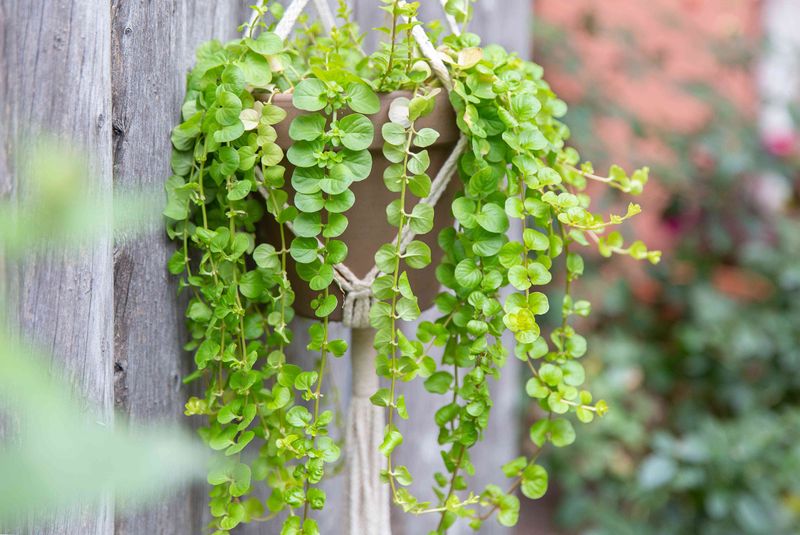
Creeping Jenny is a low-growing plant known for its bright yellow-green leaves that form a lush carpet in shaded areas.
This plant prefers moist, well-drained soil and can spread quickly, making it ideal for ground cover. It’s especially effective in hanging baskets or trailing over walls.
Gardeners love Creeping Jenny for its vibrant foliage and ground-hugging habit. It’s perfect for adding color and brightness to shaded spots.
23. Solomon’s Seal
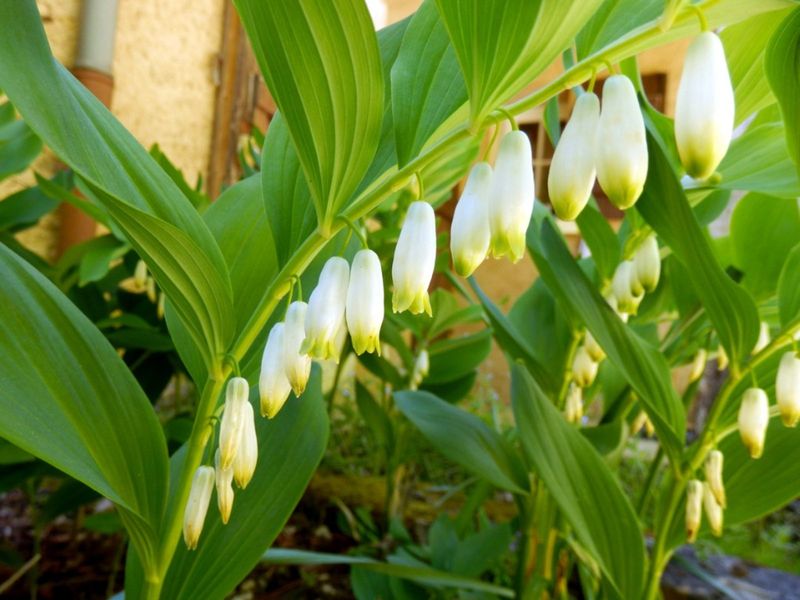
Solomon’s Seal is a graceful plant with arching stems and dangling, bell-shaped flowers. It thrives in shaded areas and is particularly striking in woodland gardens.
This plant prefers rich, well-drained soil and benefits from regular watering to maintain its lush appearance. Its foliage turns a golden yellow in the fall, adding seasonal interest.
Solomon’s Seal offers a sophisticated elegance and is perfect for gardeners seeking a plant with both aesthetic appeal and adaptability to low-light environments.