
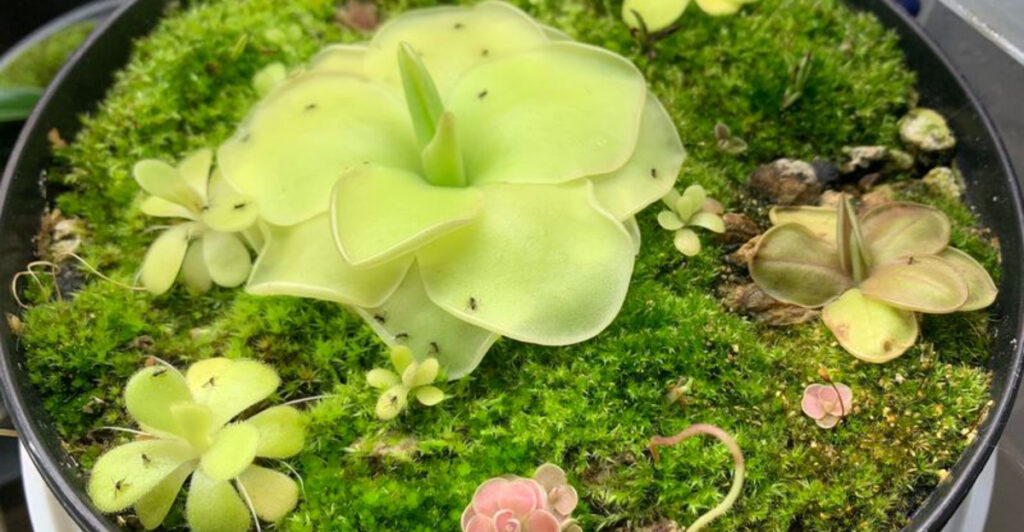
Carnivorous houseplants not only add a lush, exotic touch to your home, but they also serve a practical purpose by controlling unwanted insects.
These fascinating plants have evolved unique ways to capture and digest their prey, making them excellent natural pest deterrents.
Whether you’re an experienced gardener or a curious beginner, these ten carnivorous plants can add both beauty and functionality to your indoor space.
1. Byblis (Rainbow Plant)
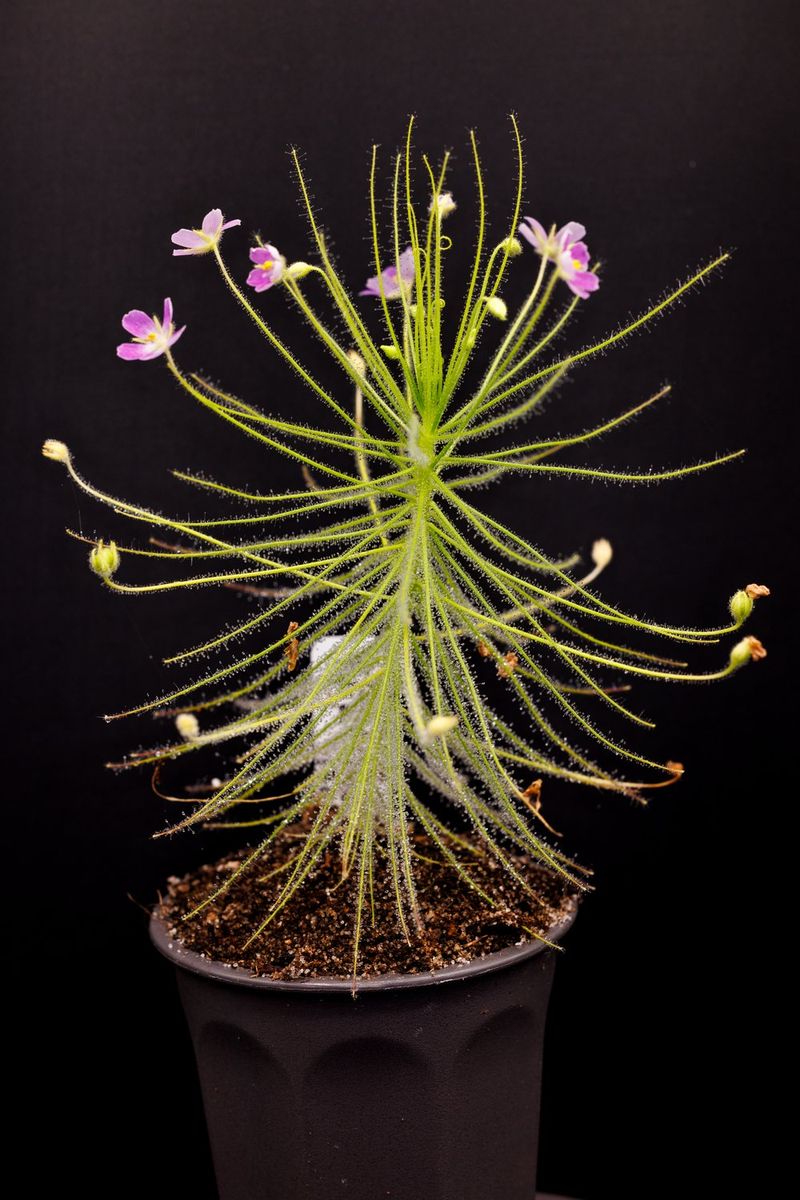
Byblis, commonly known as the Rainbow Plant, offers an enchanting addition to any home with its glistening, sticky leaves that shimmer under sunlight. This captivating plant showcases nature’s artistry with its vibrant colors and ability to trap insects effectively.
Each leaf is adorned with sticky glands that glisten like dew, attracting unsuspecting prey. Byblis thrives in bright light and humid conditions, making it a perfect fit for sunny windowsills or terrariums.
It requires minimal care, needing only occasional watering and a well-draining soil mix. This plant’s unique beauty and functionality make it a delightful choice for plant enthusiasts.
2. Dewy Pine (Drosophyllum lusitanicum)
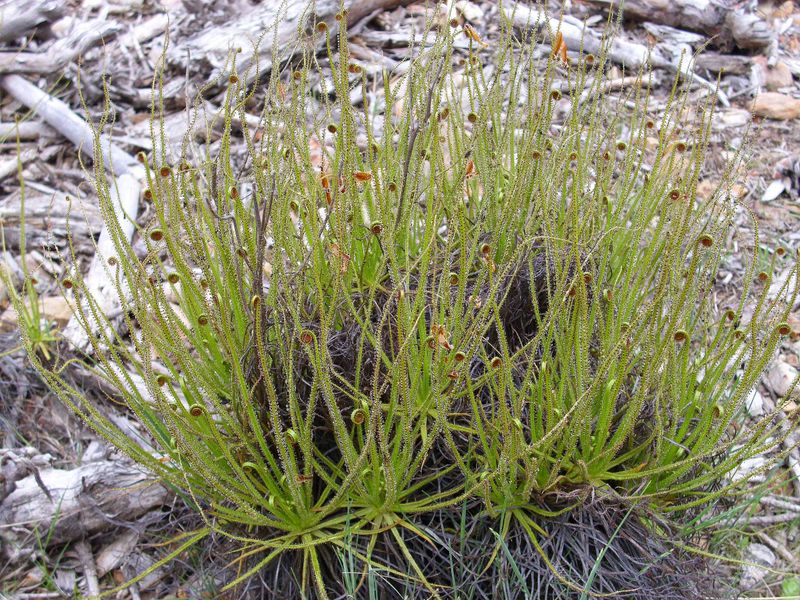
Dewy Pine, scientifically known as Drosophyllum lusitanicum, is a remarkable carnivorous plant adapted to drier environments. Its long, narrow leaves resemble pine needles, glistening with sticky dew that lures and captures insects.
Unlike many other carnivorous plants, Dewy Pine does well in dry conditions, making it suitable for less humid indoor environments. It thrives in sandy soil with excellent drainage and requires bright light to flourish.
Regular misting can help mimic its natural habitat. This plant is not only an effective insect trap but also a fascinating addition that brings a touch of the wild into your living space.
3. Australian Pitcher Plant (Cephalotus follicularis)
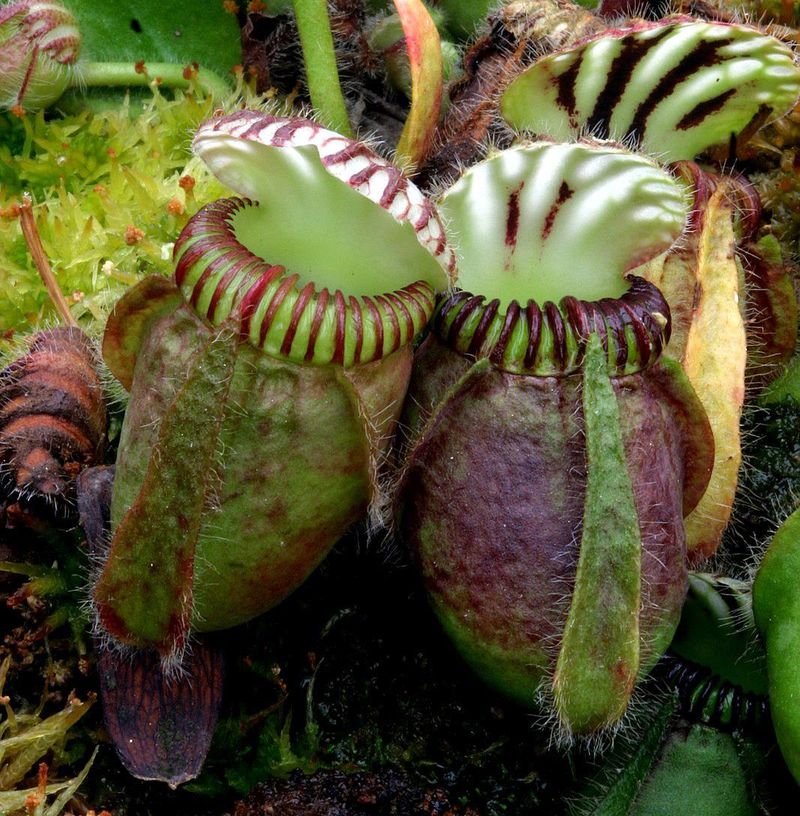
The Australian Pitcher Plant, or Cephalotus follicularis, is a rare and captivating plant known for its unique pitcher-shaped leaves. These small, colorful pitchers are both decorative and functional, attracting and trapping insects as a natural form of pest control.
This plant is well-suited for indoor spaces, thanks to its compact size and fascinating appearance. It thrives in bright, indirect light and prefers a moist but well-draining soil mix.
Regular watering with distilled water helps maintain its health. The Australian Pitcher Plant is an ideal choice for those looking to showcase a rare botanical gem within their home.
4. Tropical Pitcher Plant (Nepenthes alata & hybrids)
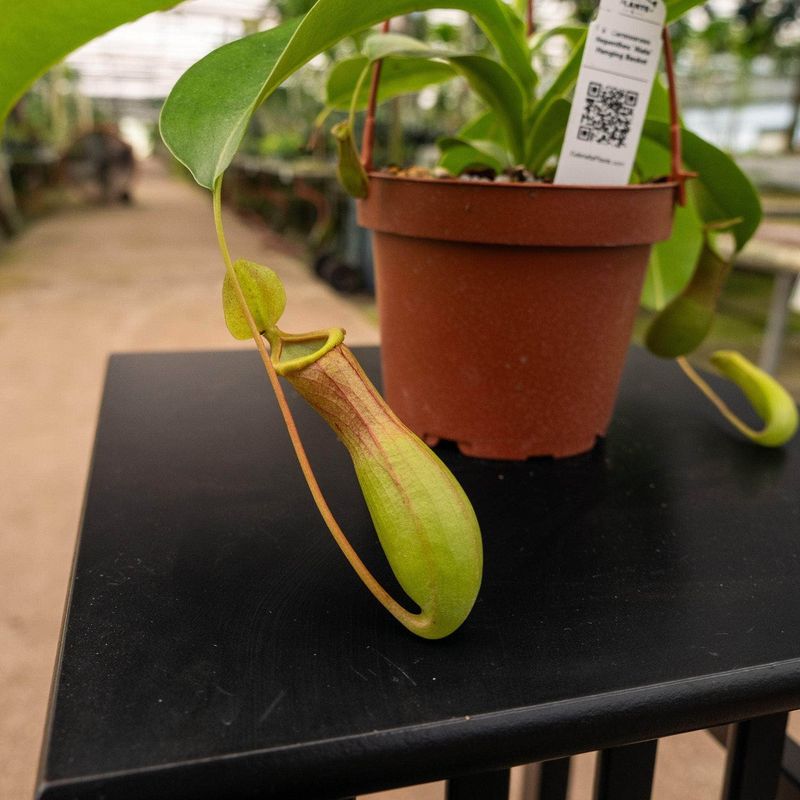
Tropical Pitcher Plants, including Nepenthes alata and its hybrids, bring a stunning display to any indoor setting. These plants produce hanging pitchers in a range of brilliant colors, creating a dramatic and eye-catching feature.
Each pitcher is uniquely designed to lure, trap, and digest insects, serving as a natural pest control solution. These plants thrive in humid conditions and prefer bright, indirect light, making them ideal for bathrooms or kitchens.
Regular watering and maintaining humidity levels are key to their success. Tropical Pitcher Plants add a bold statement to your home while keeping unwanted bugs at bay.
5. Bladderwort (Utricularia spp.)
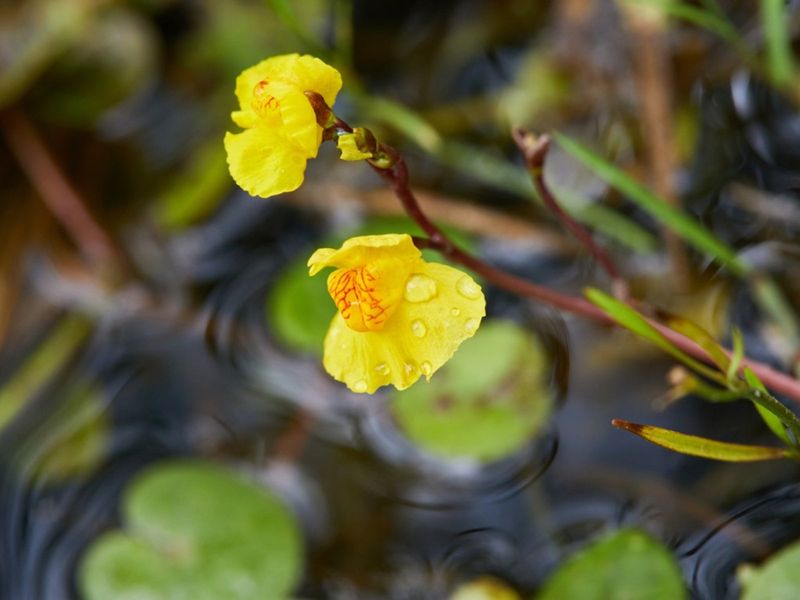
Bladderworts, part of the Utricularia genus, are fascinating aquatic or semi-aquatic carnivorous plants. Their microscopic bladders act as vacuum traps, capturing tiny aquatic prey with incredible speed.
These plants are an excellent conversation starter, especially when grown in aquariums or wet terrariums. They thrive in nutrient-poor, waterlogged environments and require minimal maintenance.
Bladderworts prefer bright, indirect light and can adapt well to varying water conditions. Their unique trapping mechanism and delicate flowers make them a remarkable addition to any indoor aquatic setup, adding both intrigue and functionality to your plant collection.
6. Cobra Lily (Darlingtonia californica)
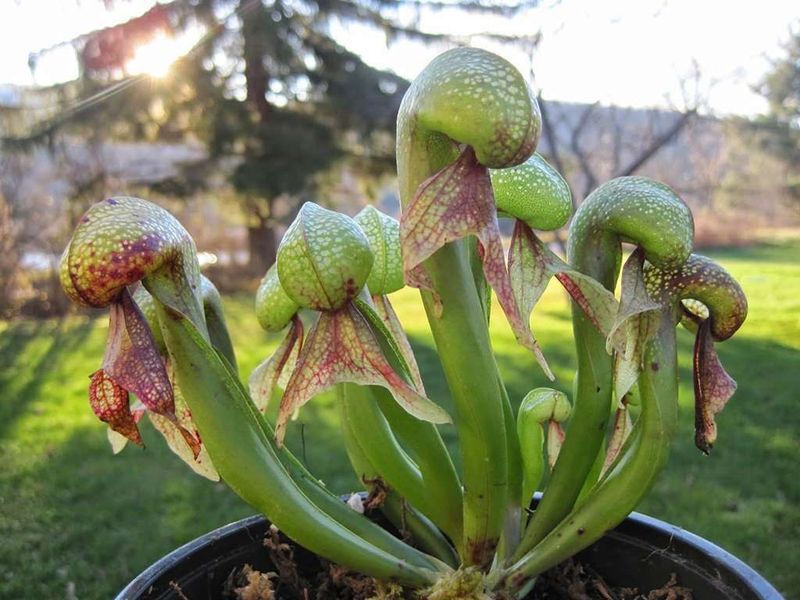
The Cobra Lily, or Darlingtonia californica, is a captivating carnivorous plant known for its snake-like appearance and mysterious hooded top. This plant is both stunning and stealthy, with tubular leaves that lure insects into a trap.
Cobra Lilies thrive in cool, moist environments with bright, indirect light, making them suitable for indoor planters. They require consistent moisture and benefit from being planted in a sphagnum moss-based medium.
This plant’s unique structure and intriguing behavior make it a standout choice for those looking to add an exotic and functional element to their home décor.
7. Butterwort (Pinguicula spp.)
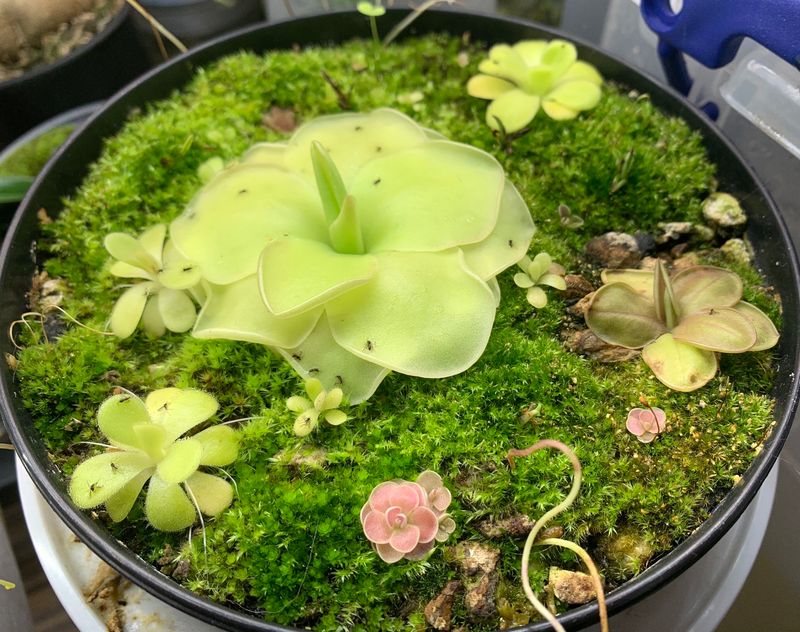
Butterworts, belonging to the Pinguicula genus, are charming carnivorous plants that resemble pretty succulents. Their leaves are coated with sticky glands that efficiently trap small insects, helping to control indoor pests.
Butterworts thrive in bright, indirect light and prefer a slightly alkaline soil mix. They require moderate watering and benefit from a well-drained environment to avoid root rot.
These plants are easy to care for and provide a unique aesthetic appeal with their rosette-like growth and colorful flowers. Butterworts make a delightful addition to any room, combining beauty with practical pest control.
8. Sundew (Drosera spp.)
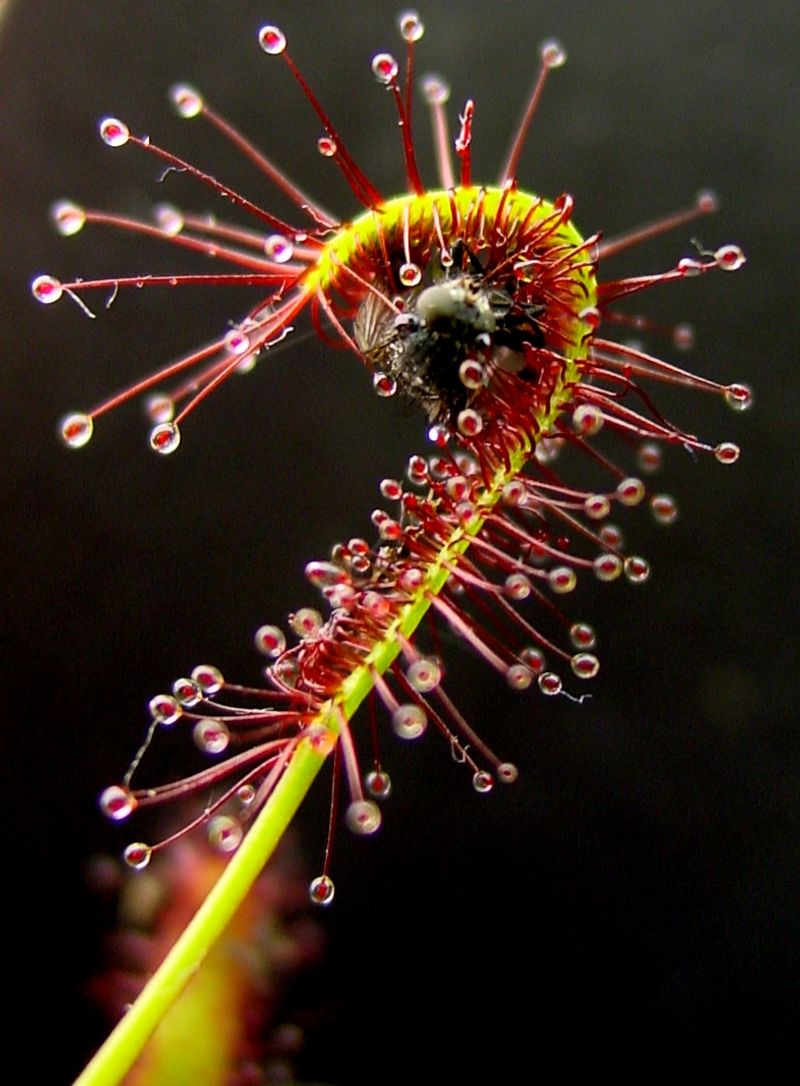
The Sundew, part of the Drosera genus, is a mesmerizing carnivorous plant with tentacle-like leaves that glisten with sticky droplets. These droplets attract and ensnare insects, which the plant then digests.
Sundews thrive in bright, indirect light and require a humid environment to flourish. They prefer a moist, well-drained soil mix and benefit from regular watering with distilled water.
These plants are not only effective at capturing small insects but also add a captivating touch to any indoor setting. With their delicate beauty and intriguing trapping mechanism, Sundews are a popular choice among carnivorous plant enthusiasts.
9. Pitcher Plant (Nepenthes spp. & Sarracenia spp.)
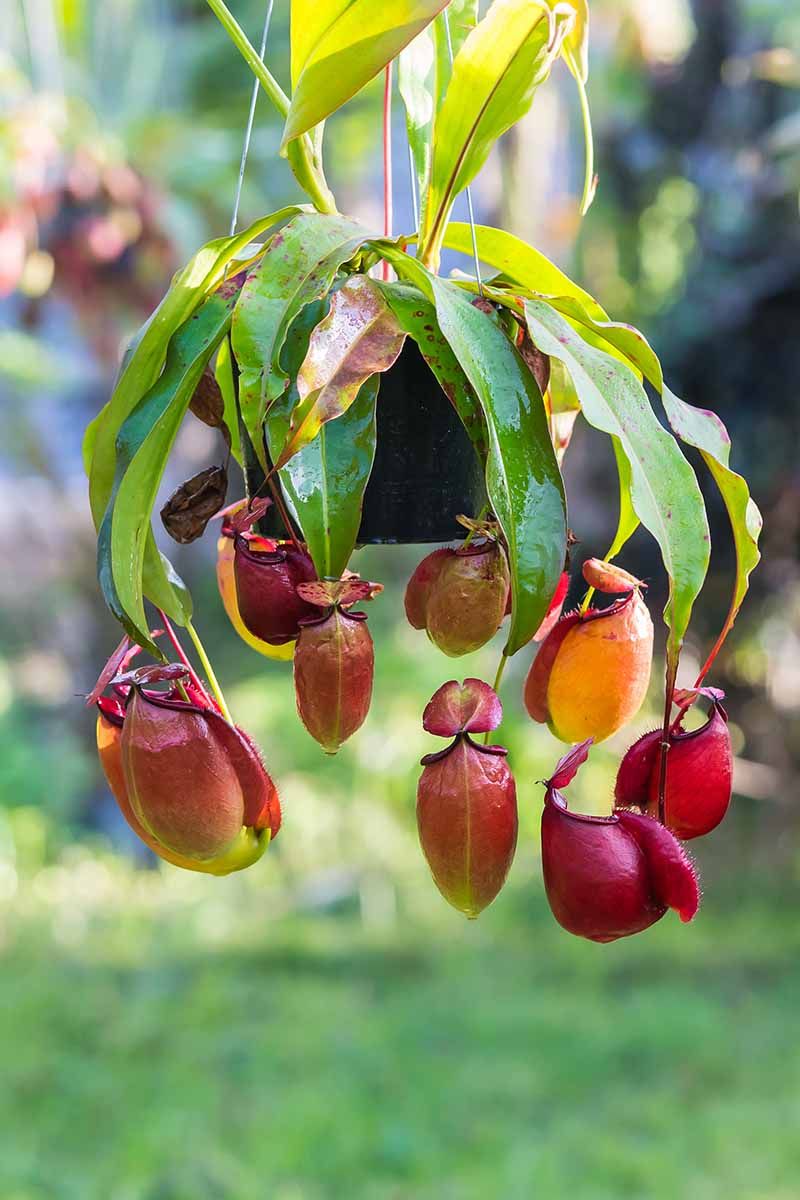
Pitcher Plants, including species from the Nepenthes and Sarracenia genera, are iconic carnivorous plants known for their fluid-filled pitchers. These pitchers lure, trap, and digest insects, providing a natural and effective pest control solution.
Pitcher Plants thrive in bright, indirect light and require a high humidity environment. They prefer a soil mix that retains moisture while allowing for proper drainage. Regular watering with rainwater or distilled water helps maintain their health.
With their striking appearance and functional design, Pitcher Plants are a must-have for those looking to enhance their indoor garden with both beauty and utility.
10. Venus Flytrap (Dionaea muscipula)
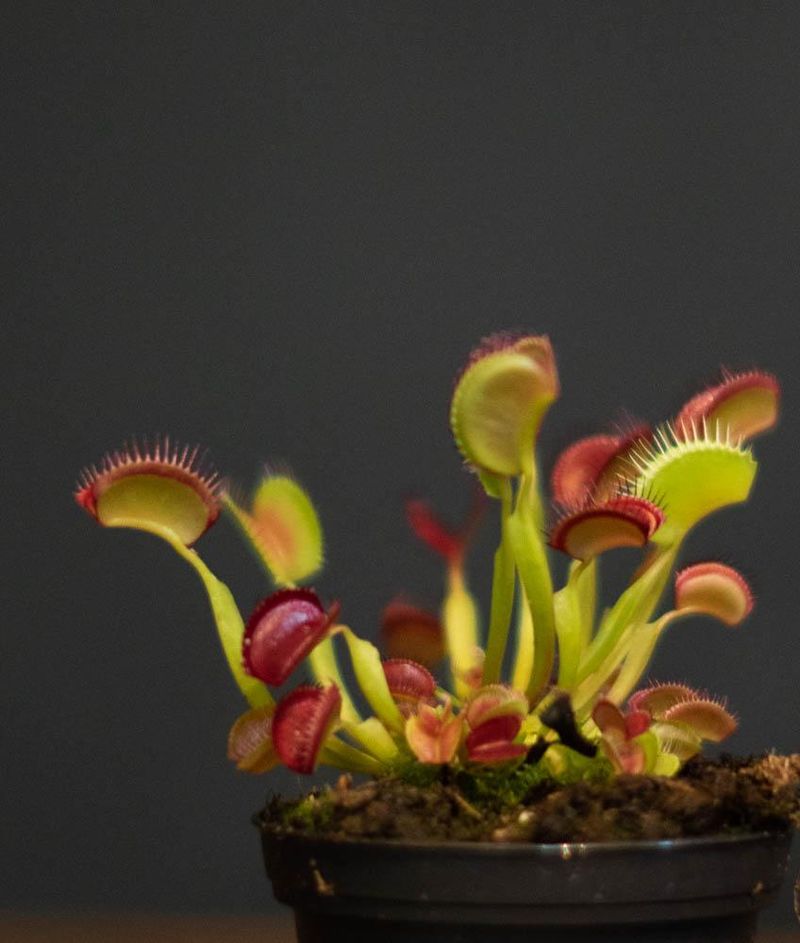
The Venus Flytrap, scientifically termed Dionaea muscipula, is perhaps the most iconic of all carnivorous plants. Known for its unique snapping traps, this plant captures the curiosity of both novice and experienced gardeners.
Each trap is engineered to snap shut when triggered by unsuspecting insects. Venus Flytraps thrive in bright, direct light and require a humid environment to prosper. They prefer a well-draining, nutrient-poor soil mix and need regular watering with distilled or rainwater.
Their fascinating trapping mechanism and manageable care requirements make them an engaging and rewarding choice for any indoor plant collection.