
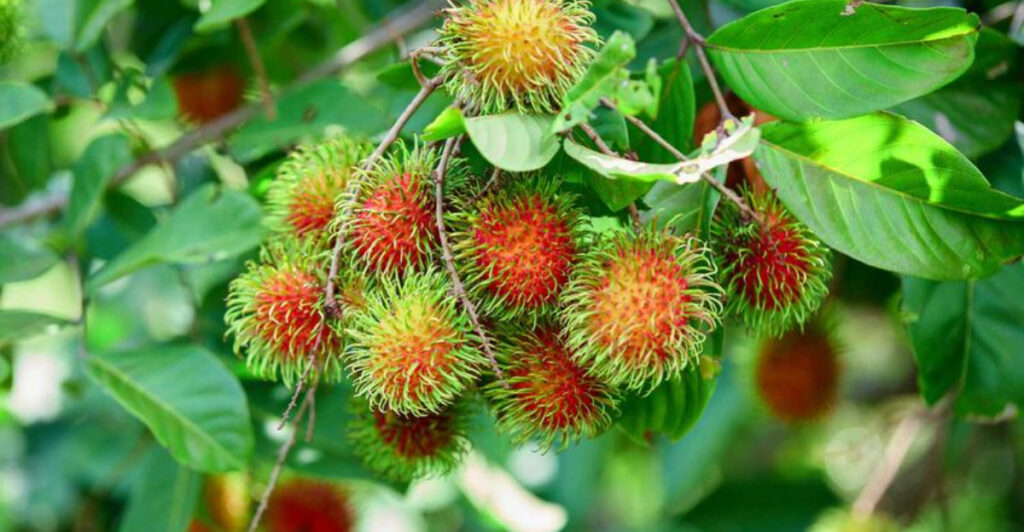
Cultivating exotic fruits at home is more than just a fulfilling hobby—it’s a culinary adventure waiting to unfold. Picture yourself harvesting a perfectly ripe fruit from your backyard, a treat rarely seen in local markets.
These fruits not only bring distinct flavors and health benefits but also infuse your garden with a tropical vibe.
In this blog post, we’ll introduce you to 23 rare and exotic fruits that you can grow at home, transforming your garden into a vibrant oasis bursting with color and enticing aromas.
1. Soursop
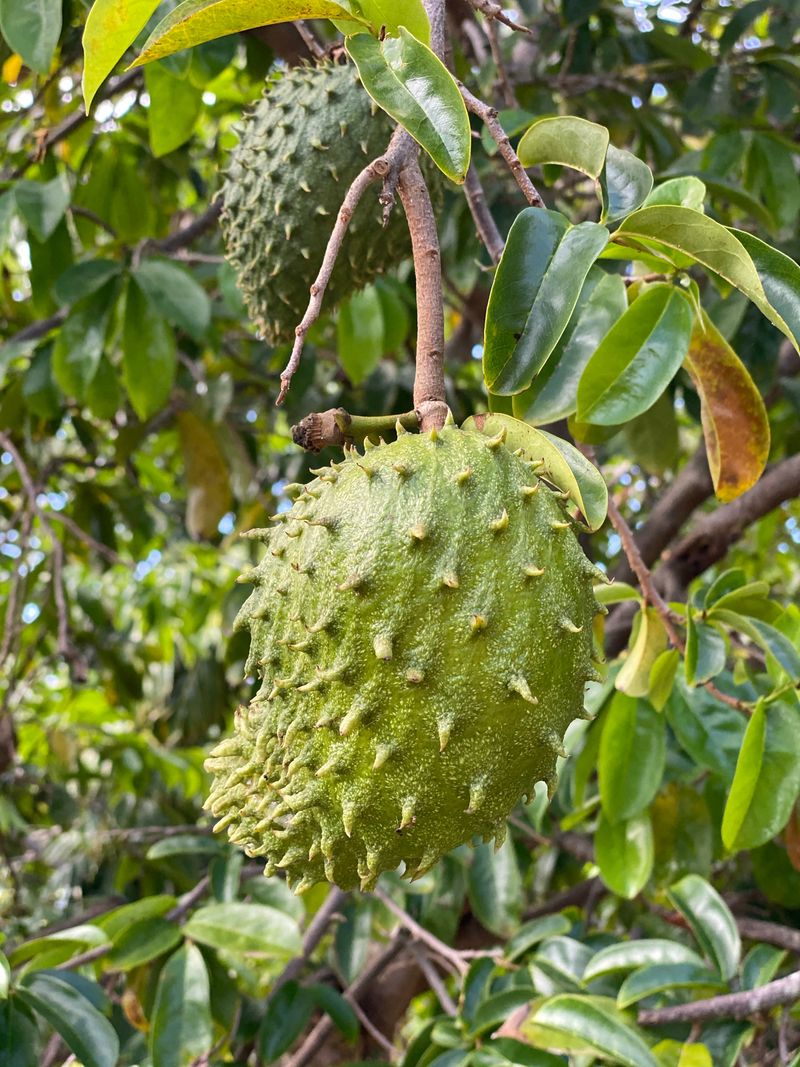
The soursop is a tropical fruit with a spiky green exterior and soft, creamy inside. Its taste is a mix of strawberry and apple with a hint of citrus. Not only is it delicious, but it’s also known for its potential health benefits.
Growing soursop requires a warm climate and rich, well-draining soil. It’s ideal for those in tropical or subtropical regions, where it can flourish and provide bountiful harvests.
2. Hala Fruit
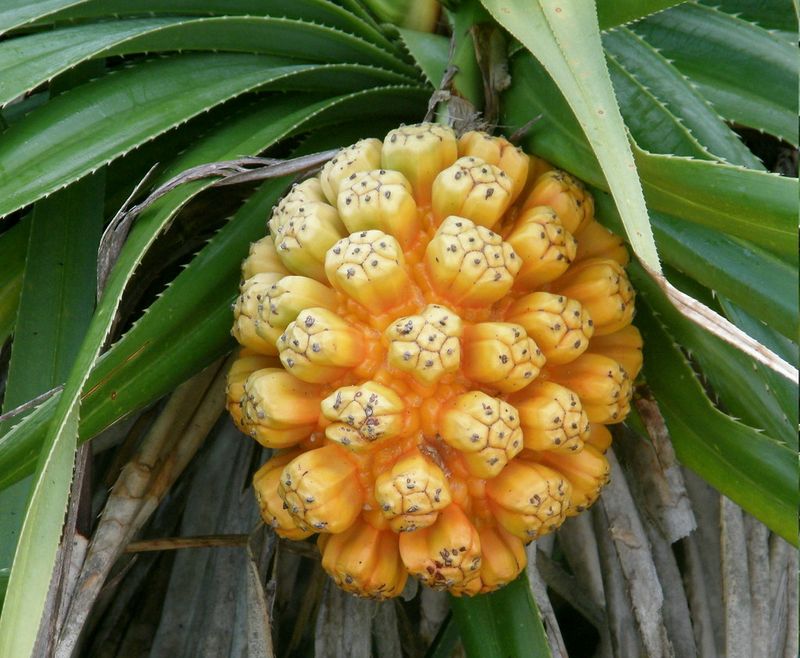
Hala Fruit, also known as Pandanus tectorius, is a tropical fruit from the Pacific Islands. Resembling a large, spiky pineapple, it boasts a unique appearance that’s as intriguing as its taste. The fruit’s segments, called keys, can be chewed for their sweet juice.
Growing a Hala tree requires patience and a warm, coastal climate. It thrives in sandy, well-drained soils and can serve as a striking ornamental tree.
Not just a fruit, its leaves are often used in weaving, adding utility to its beauty. Embrace a piece of paradise with this exotic plant.
3. Baobab Fruit
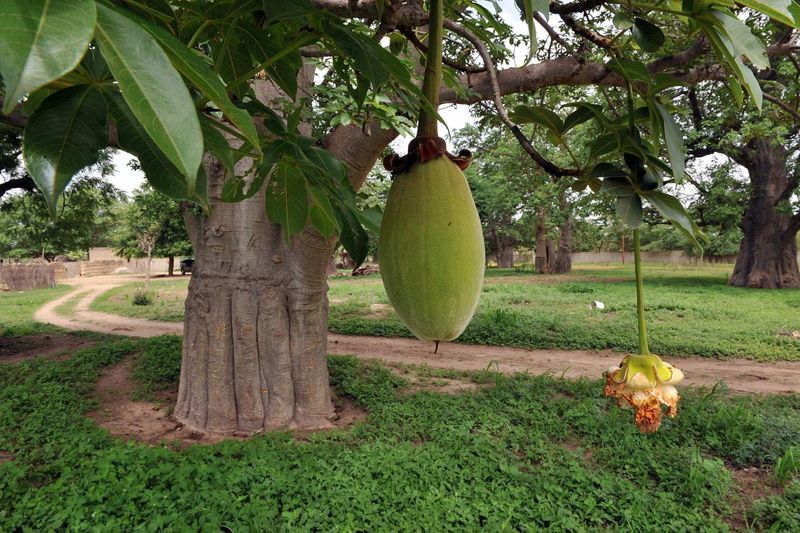
The Baobab Fruit, from Africa’s iconic Baobab tree, is often called the ‘tree of life’ for its impressive nutritional profile. Encased in a hard shell, the fruit contains a dry, powdery pulp rich in vitamin C, calcium, and antioxidants.
Baobab trees can be grown in warmer climates, making them suitable for adventurous gardeners. They require deep soil and plenty of sunlight.
Besides being a nutritional powerhouse, the tree itself is a conversation starter, known for its enormous trunk and longevity. Cultivating a Baobab means adding a piece of African heritage to your home.
4. Atemoya
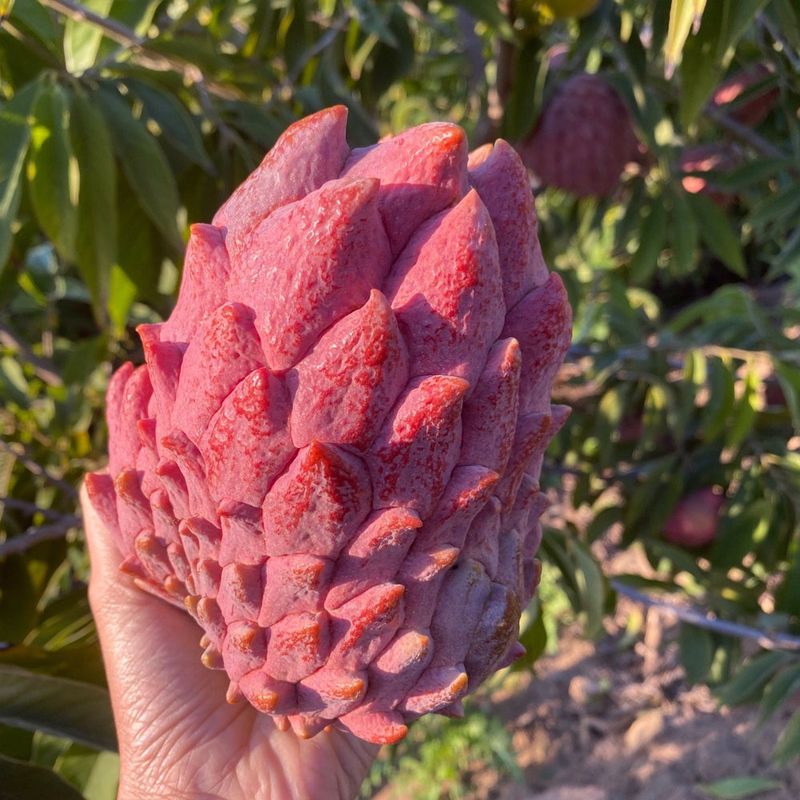
Atemoya is a hybrid fruit resulting from the cross between Cherimoya and Sugar Apple. It combines the best of both, offering a creamy texture and a sweet, tropical flavor.
Atemoya trees thrive in warm climates and well-drained soil. They require hand pollination but reward with delicious fruits.
Growing Atemoya offers a taste of the tropics right in your garden. The fruit’s unique flavor and appearance make it a prized addition for those seeking something different.
5. Dragon Fruit (Pitaya)
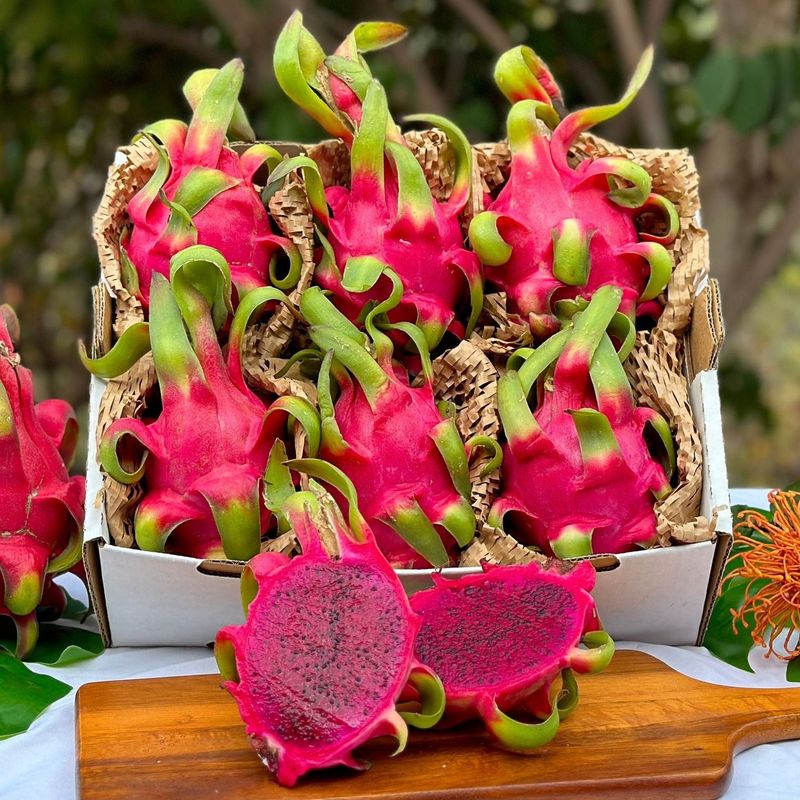
Dragon Fruit, or Pitaya, is a stunning fruit that grows on a cactus species native to Central America. With its vibrant pink skin and speckled flesh, it makes a striking addition to any garden.
The fruit is mildly sweet and often used in smoothies and desserts. Dragon Fruit plants need a sunny spot and well-drained soil to thrive. They are drought-tolerant and relatively low-maintenance.
By adding Dragon Fruit to your garden, you can enjoy its unique flavor and impressive appearance. Plus, it’s a great conversation starter for plant enthusiasts.
6. Pitanga (Surinam Cherry)
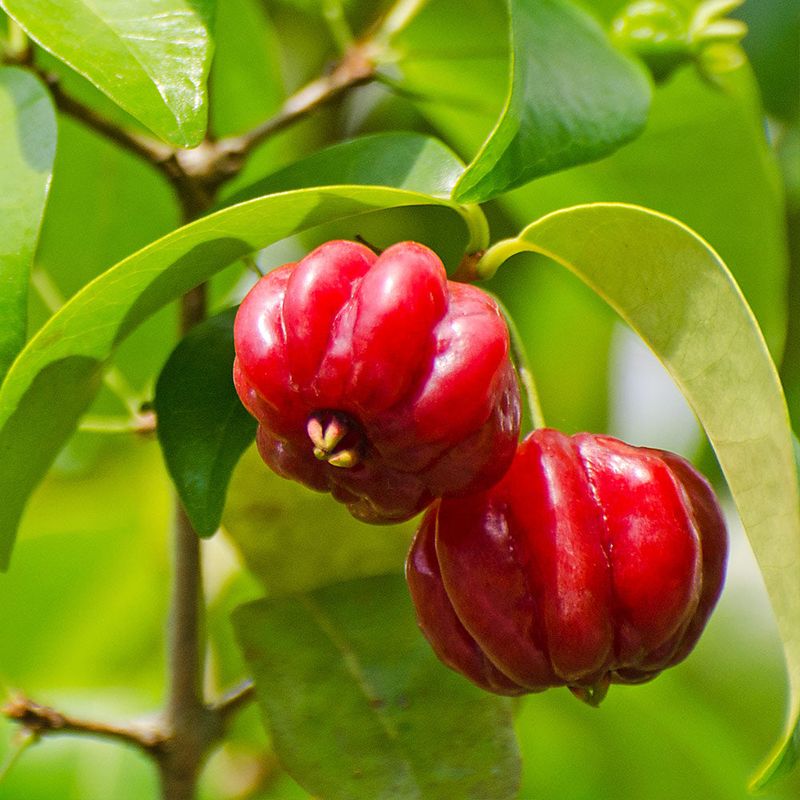
Pitanga, or Surinam Cherry, is a small, ribbed fruit native to tropical regions of the Americas. The fruit varies in color from orange to deep red and is known for its tangy, sweet flavor.
It is rich in vitamin C and can be eaten fresh or used in jellies and beverages. Pitanga plants thrive in warm climates and are drought-tolerant once established.
These bushes grow well in containers, making them ideal for small gardens or balconies. With minimal care, you can enjoy a bountiful harvest of these vibrant cherries.
7. Sapodilla
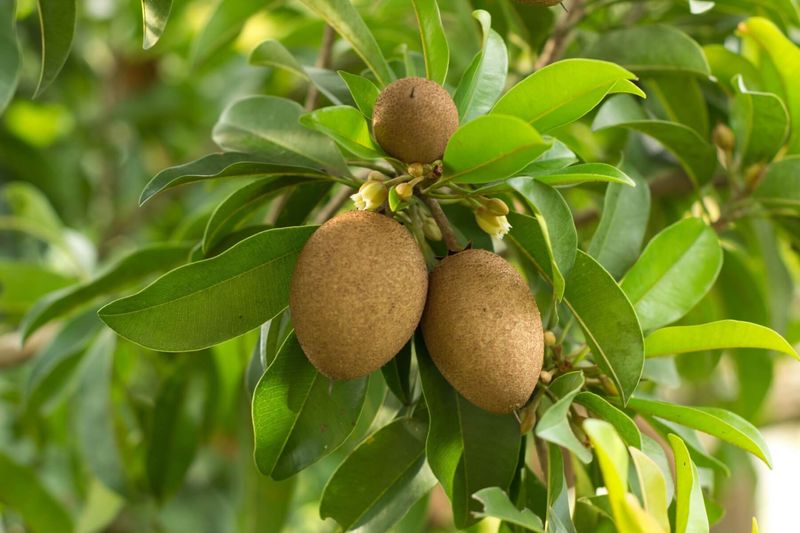
Sapodilla is a sweet fruit native to Central America, known for its brown, grainy texture and caramel-like flavor. The round fruits grow on evergreen trees that flourish in tropical climates.
Sapodilla trees are drought-tolerant and can be grown in large pots, making them suitable for home gardens. They require minimal care and produce fruits almost year-round.
Enjoy Sapodilla fresh or in desserts and beverages. Growing this fruit at home provides a constant supply of sweetness and adds tropical charm to your garden.
8. Finger Lime
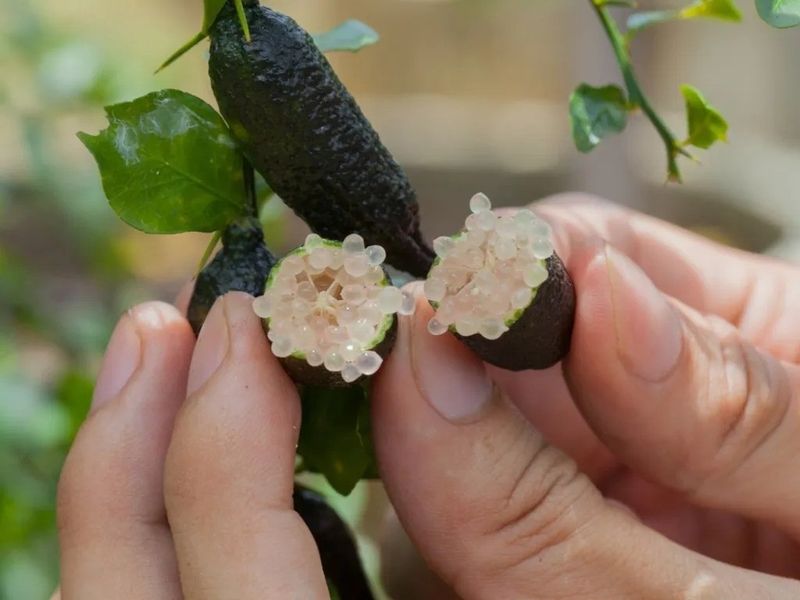
Finger Lime, often referred to as “citrus caviar,” is a unique fruit native to the rainforests of Australia. Its elongated shape and bumpy skin hide tiny, juice-filled vesicles. These vesicles burst with flavor when eaten, resembling fish roe.
Ideal for garnishing dishes, this fruit thrives in subtropical climates. It can be grown in pots or small spaces, making it perfect for urban gardening. Finger Limes are not only delicious but also add an exotic touch to your meals.
With proper care, you can enjoy these citrus gems right from your own garden.
9. Loquat
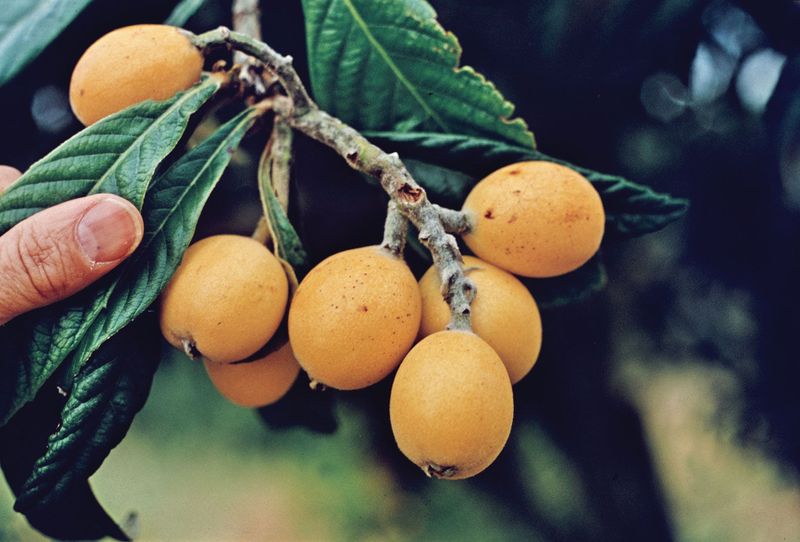
Loquat is a delicious fruit tree native to Southern China, now popular in Mediterranean climates. Its small, orange-yellow fruits have a sweet, tangy flavor with hints of apricot and citrus.
Loquat trees are easy to grow and can thrive in pots or gardens, making them ideal for home cultivation. They bloom in the fall and fruit in late spring, providing a seasonal treat.
These trees are not only productive but also add beauty to your garden with their glossy leaves and fragrant flowers. Enjoy fresh Loquats as a healthy snack or in desserts.
10. Jaboticaba
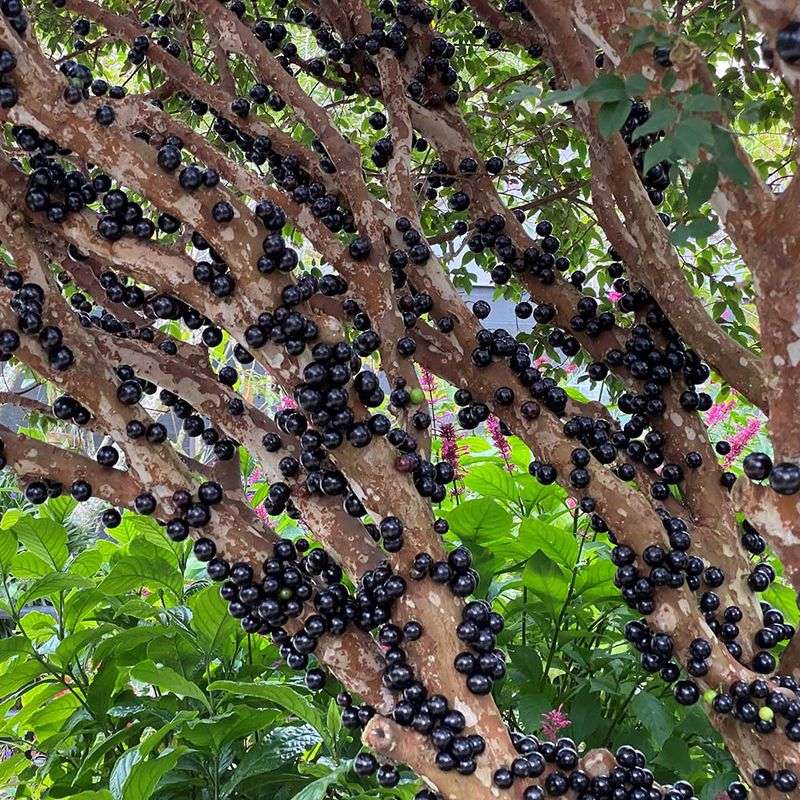
Jaboticaba is a fascinating fruit tree native to Brazil, known for its grape-like fruits that grow directly on the trunk and branches. This unusual growth pattern makes it a striking addition to any garden.
The fruits are sweet and can be eaten fresh or used in jams and wines. Jaboticaba trees prefer warm climates and can be grown in large pots, making them suitable for patios.
Patience is key, as these trees may take several years to fruit. However, the visual appeal and unique taste make it worth the wait.
11. Blue Sausage Fruit (Decaisnea fargesii)
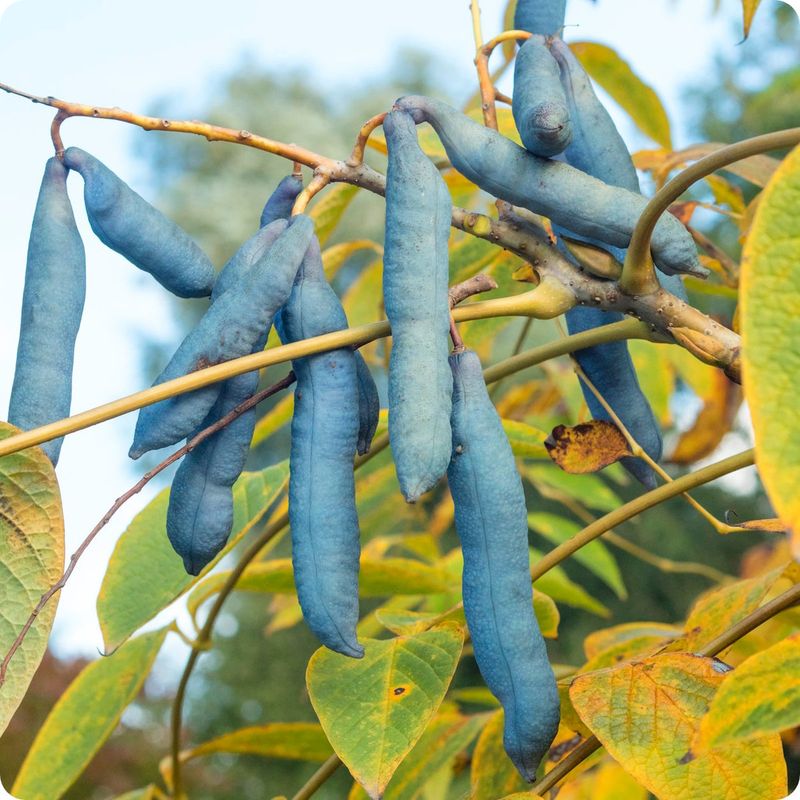
Blue Sausage Fruit, or Decaisnea fargesii, is an ornamental plant known for its unusual, long blue pods. The fruit inside is sweet and jelly-like, offering a unique taste.
Native to the Himalayas, it can be grown in temperate climates and prefers well-drained soil. The plant is hardy and can add a striking visual element to your garden.
Growing Blue Sausage Fruit provides both an aesthetic appeal and a sweet treat. Its distinct appearance and taste make it a conversation starter for gardening enthusiasts.
12. Mangosteen
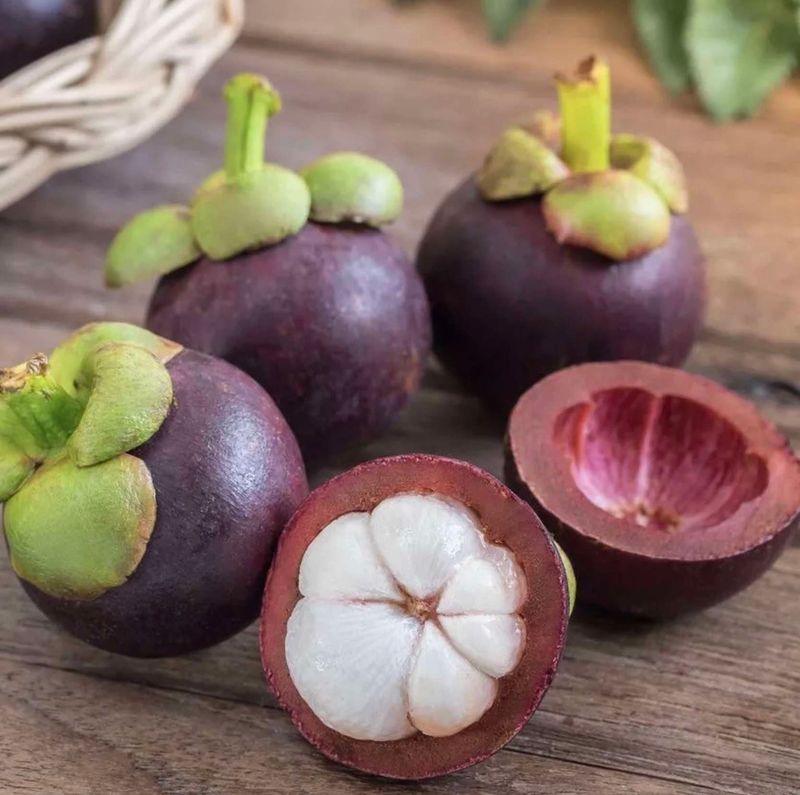
Mangosteen, hailed as the “queen of fruits,” is native to Southeast Asia. Its round, purple exterior hides a juicy, sweet-tart interior divided into segments.
Mangosteen trees require a tropical climate and well-drained soil to thrive. They are slow-growing and can be a bit challenging to cultivate.
However, the reward is a fruit renowned for its exquisite taste and health benefits. Growing Mangosteen at home adds a touch of the exotic to your garden and provides a conversation-worthy delicacy.
13. Feijoa (Pineapple Guava)
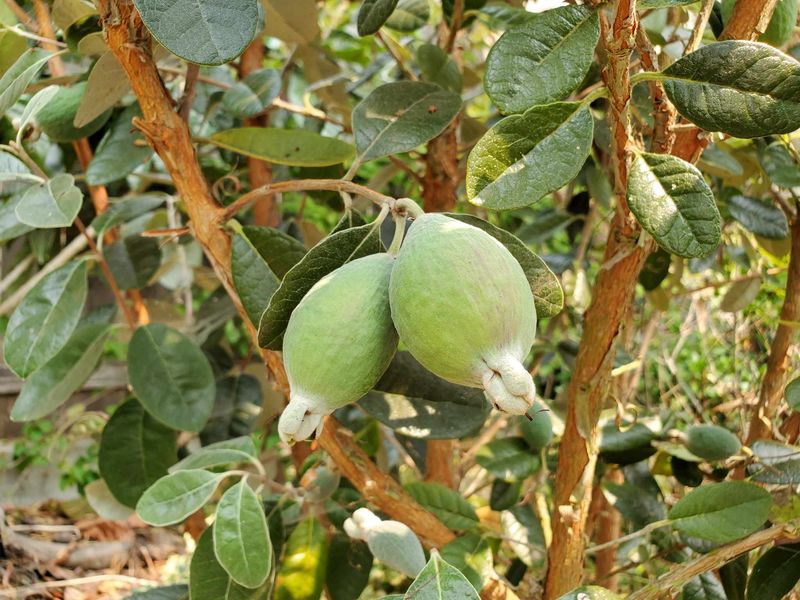
Feijoa, also known as Pineapple Guava, is a small evergreen shrub native to South America. Its oval green fruits have a sweet, aromatic flavor that resembles a mix of pineapple and mint.
These shrubs are hardy and can be grown in various climates, thriving in well-drained soil. They also produce beautiful red flowers, making them an attractive addition to gardens.
Feijoa fruits can be eaten fresh, used in desserts, or made into jellies. Growing Feijoa offers not only delicious fruits but also ornamental beauty for your home garden.
14. White Sapote
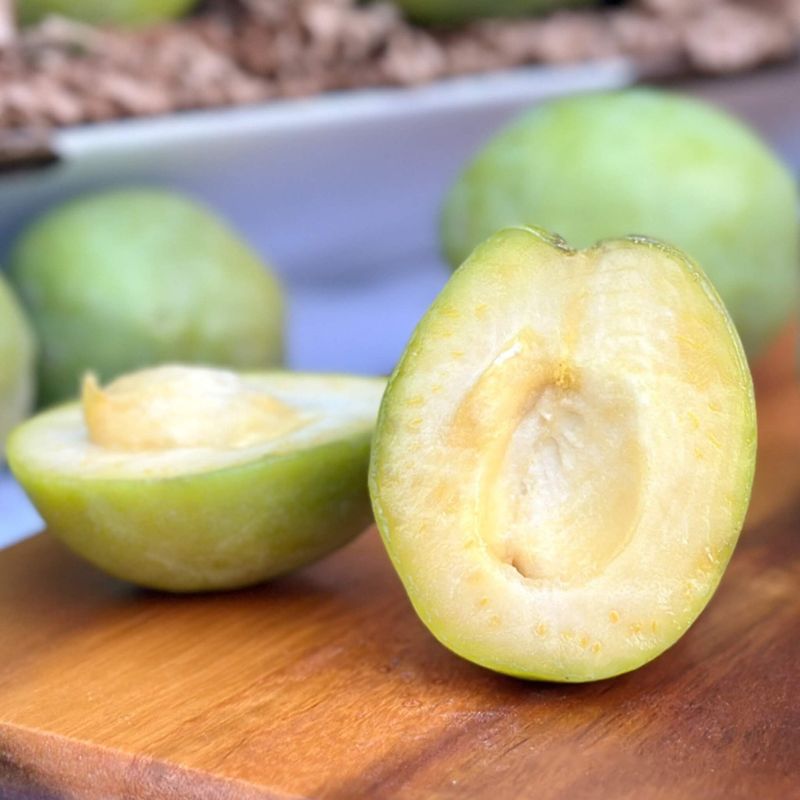
White Sapote is a subtropical fruit native to Central America, known for its creamy texture and sweet, custard-like flavor. The fruits grow on evergreen trees that flourish in warm climates.
The trees are relatively easy to care for and can be grown in large pots or gardens. White Sapote fruits are versatile and can be enjoyed fresh or in recipes.
Adding White Sapote to your garden provides a delightful taste experience and lush greenery. Its unique flavor and ease of growth make it a popular choice for fruit enthusiasts.
15. Rambutan
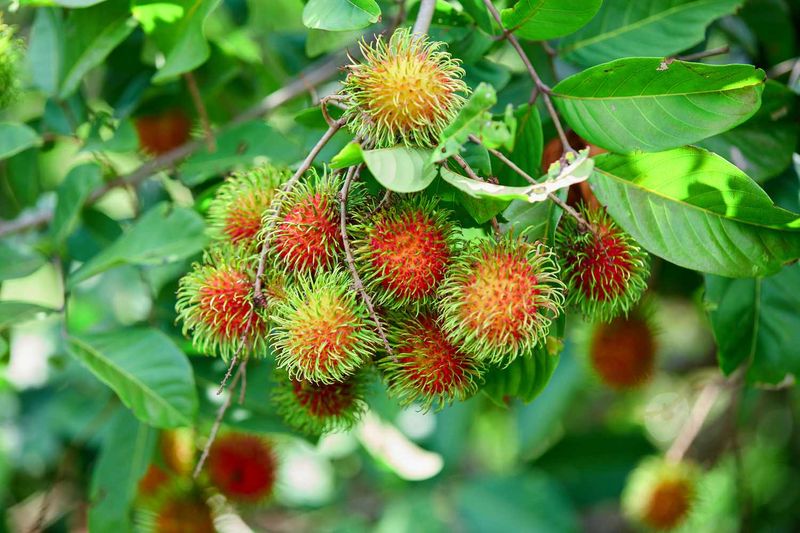
Rambutan is a tropical fruit native to Southeast Asia, recognizable by its hairy, red skin. The fruit inside is sweet and juicy, reminiscent of lychee.
Rambutan trees thrive in hot, humid climates and require well-drained soil. They are a bit challenging to grow but reward with unique and delicious fruits.
Growing Rambutan at home adds an exotic element to your garden. The visual appeal and delightful taste make it a prized fruit among tropical gardeners. Imagine enjoying fresh Rambutan from your own tree.
16. Breadfruit
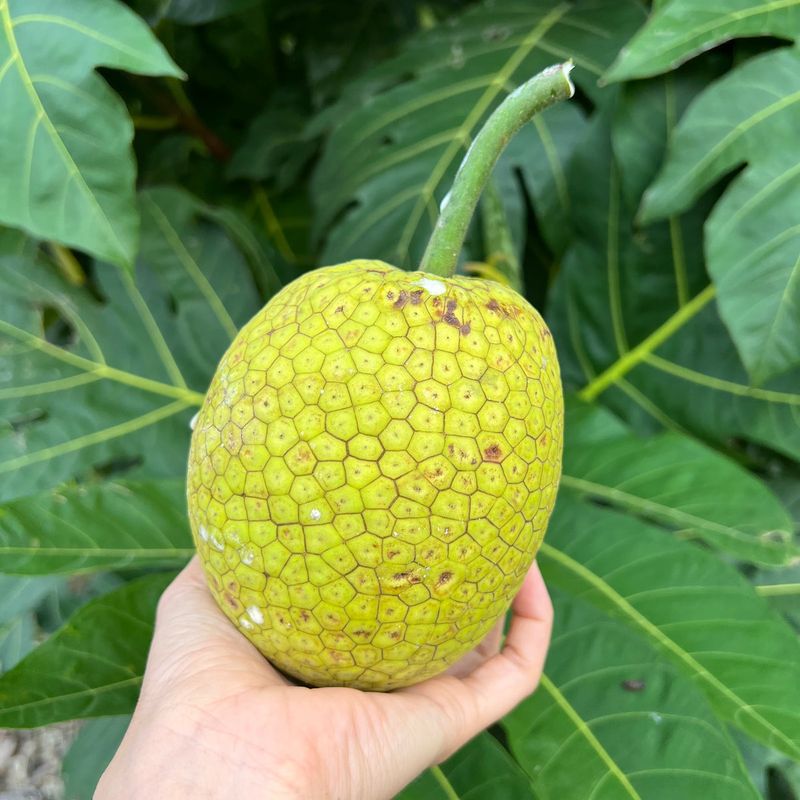
Breadfruit is a staple fruit in tropical regions, known for its starchy texture and versatility in cooking. The fruit grows on tall trees with broad leaves.
Breadfruit can be baked, boiled, or fried, making it a versatile ingredient in many dishes. The trees require a hot climate and well-drained soil to thrive.
Growing Breadfruit at home provides a sustainable food source and adds lush greenery to your garden. Its unique appearance and culinary uses make it a fascinating addition for tropical fruit enthusiasts.
17. Cherimoya
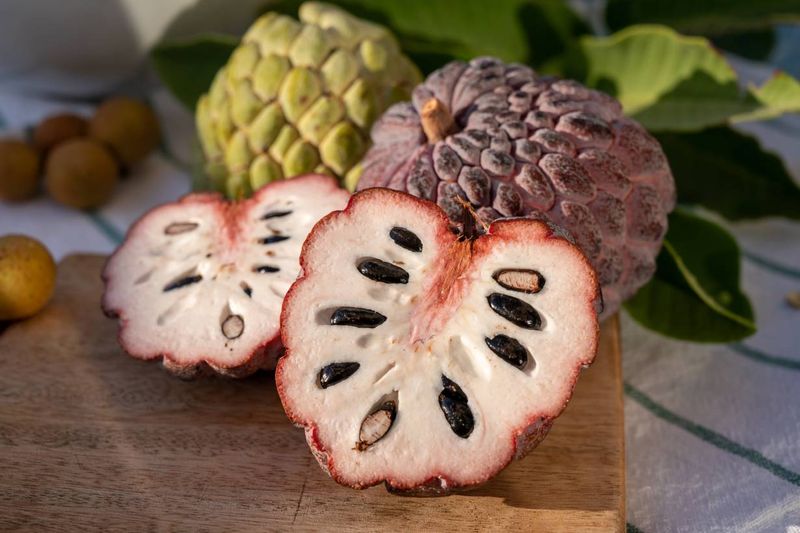
Cherimoya, often called the “custard apple,” is a fruit native to South America. Its creamy texture and blend of banana, pineapple, and strawberry flavors delight the palate. This fruit can be enjoyed fresh or in desserts.
Cherimoya trees thrive in well-drained soil and mild climates. They require hand pollination to set fruit, making them a rewarding challenge for home gardeners.
Growing Cherimoya provides a tropical taste to your garden, and their large, lush leaves add an ornamental touch. Imagine savoring this exotic fruit fresh from your backyard.
18. Goji Berry
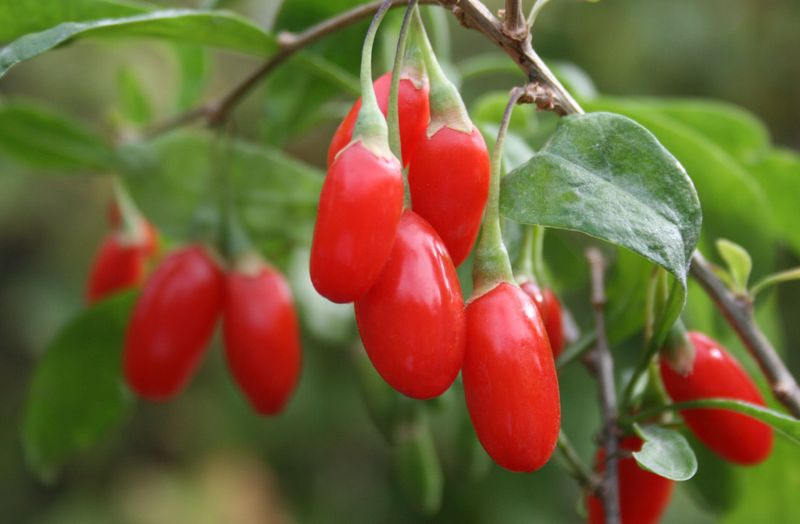
Goji Berries are small, red fruits native to Asia, celebrated for their high antioxidant content and health benefits. These berries grow on hardy shrubs that thrive in sunny locations.
They are easy to grow and can tolerate a variety of soil types, making them ideal for home gardens. Goji Berries are often used in teas, smoothies, and snacks.
By cultivating Goji Berries, you can enjoy a nutritious addition to your diet and a visually appealing plant. Their vibrant color and health appeal make them a popular choice among gardeners.
19. Cupuacu
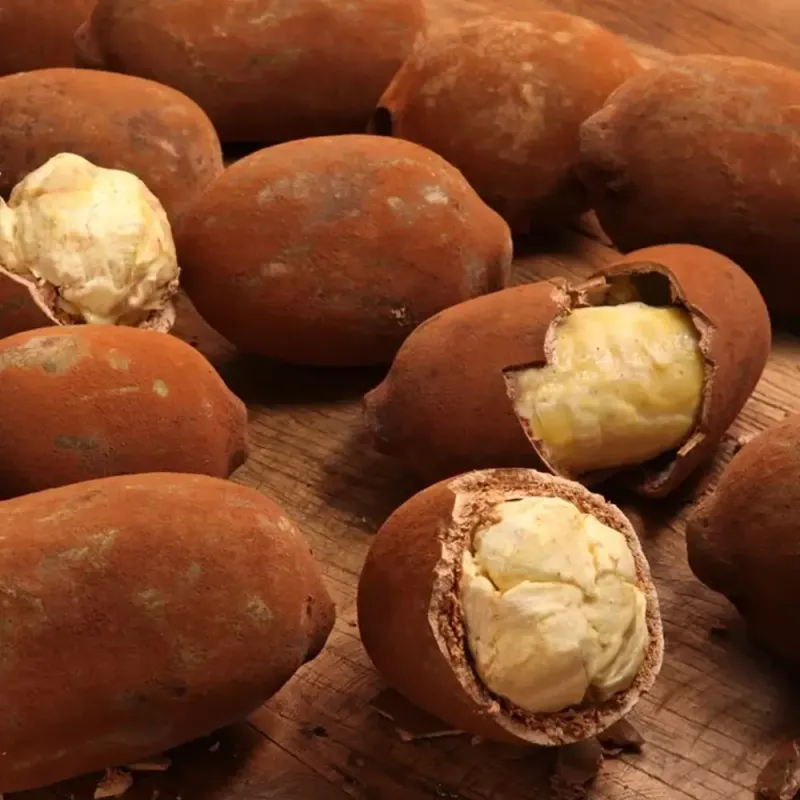
Cupuacu, a close relative of cacao, is a tropical fruit native to the Amazon rainforest. Its large, oblong fruits have a creamy, aromatic pulp.
The fruit is often used in desserts and beverages, offering a taste similar to chocolate and pineapple. Cupuacu trees require a hot, humid environment to thrive.
Growing Cupuacu at home can be challenging but rewarding for those in suitable climates. Its unique flavor and potential as a chocolate alternative make it an intriguing choice for adventurous gardeners.
20. Kiwi Berry
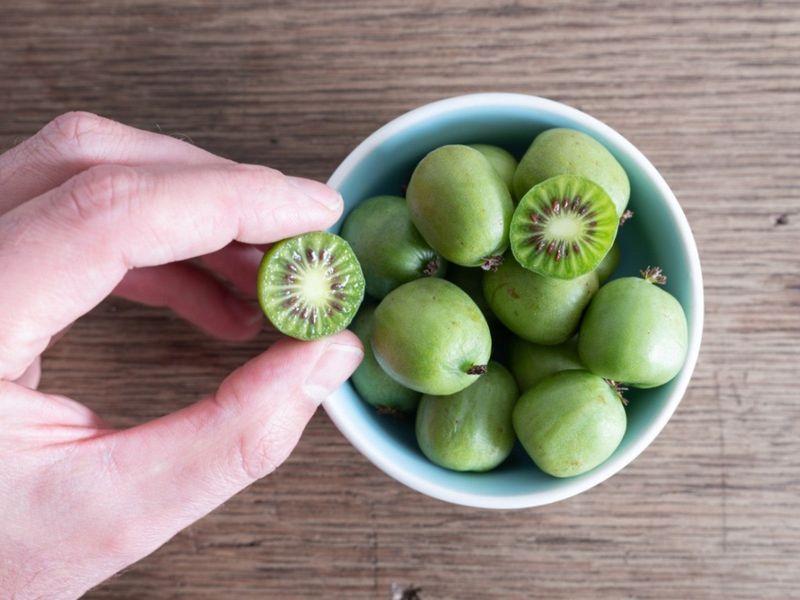
Kiwi Berry, a smaller cousin of the common Kiwi, is a grape-sized fruit with smooth, edible skin. It offers a sweet, tangy flavor and is high in vitamin C.
Kiwi Berry plants are hardy and can be grown in various climates, often climbing trellises or fences. They require well-drained soil and regular pruning.
Growing Kiwi Berries at home allows you to enjoy these bite-sized delights fresh from the vine. Their ease of cultivation and delicious taste make them a favorite for home gardeners.
21. Salak (Snake Fruit)
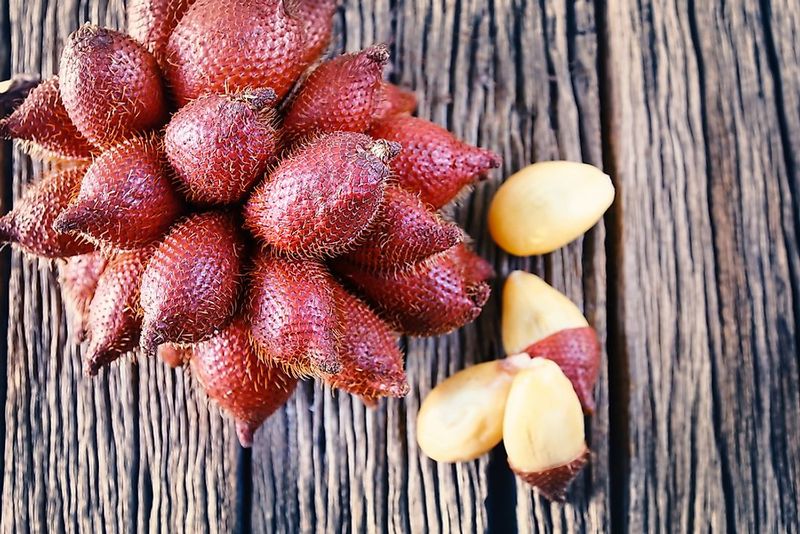
Salak, or Snake Fruit, is a tropical fruit native to Indonesia. Its reddish-brown, scaly skin gives it a distinctive appearance. Inside, the fruit is sweet and crisp.
Salak palms thrive in hot, humid environments and require well-drained soil. They can be grown in pots, making them suitable for home cultivation.
Enjoy Salak fresh, and savor its unique flavor and texture. Growing this exotic fruit adds an intriguing element to your garden, capturing the interest of both gardeners and food enthusiasts alike.
22. Pawpaw
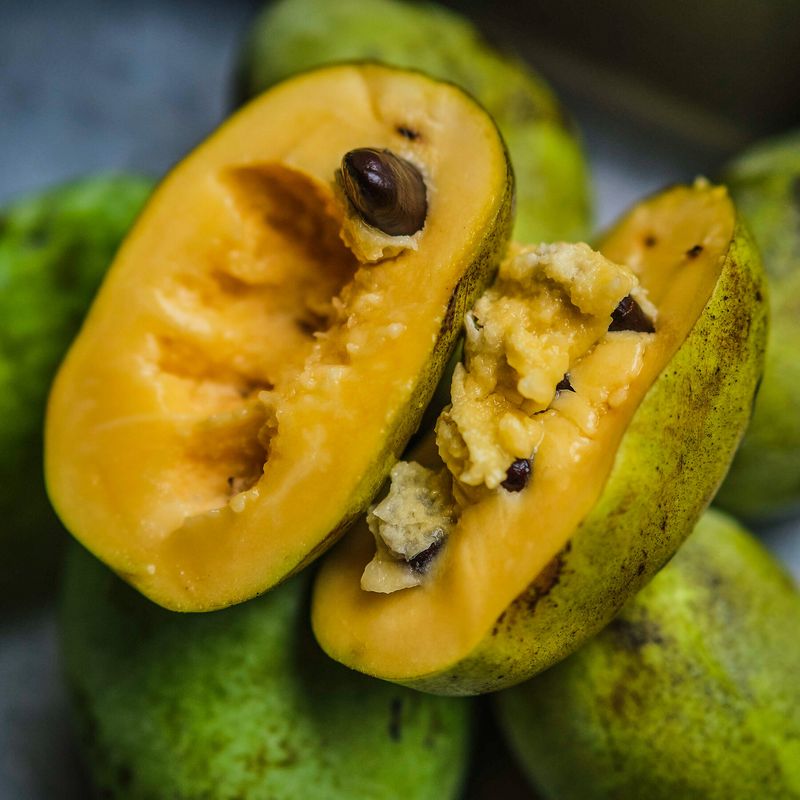
Pawpaw, often referred to as the “American banana,” is a fruit native to North America. It has a creamy texture and a flavor reminiscent of bananas and mangoes.
Pawpaw trees prefer rich, well-drained soil and can tolerate shade, making them suitable for woodland gardens. They are also low-maintenance and pest-resistant.
Enjoy Pawpaw fresh or in baked goods, and revel in the uniqueness of growing this native fruit at home. Its unusual appearance and taste are sure to intrigue your friends and family.
23. Miracle Berry
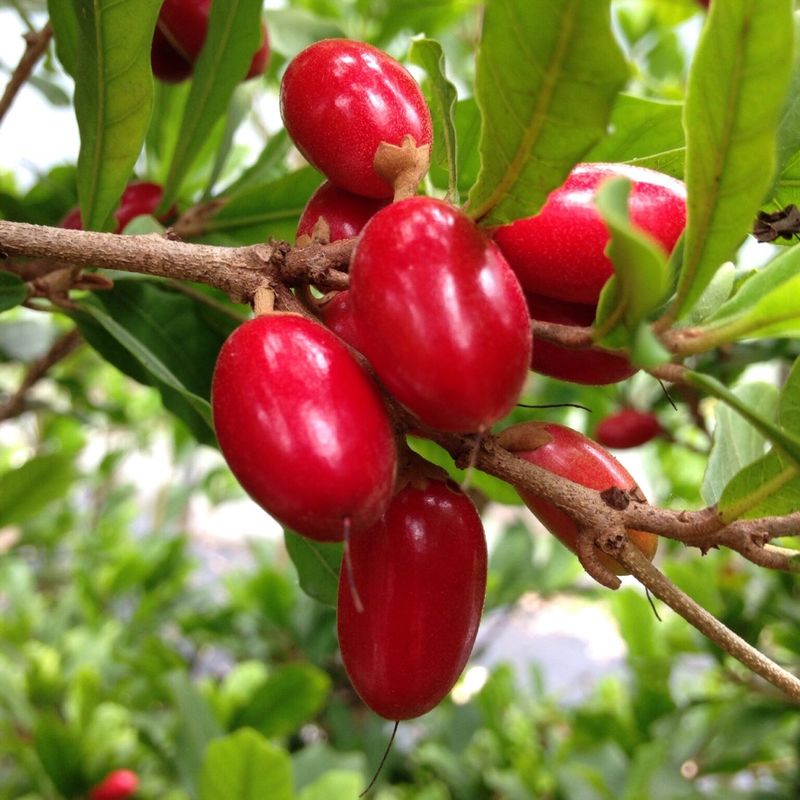
The Miracle Berry, native to West Africa, is an intriguing fruit known for its ability to alter taste perceptions. After consuming the berry, sour foods like lemons taste sweet. This effect is due to a glycoprotein called miraculin.
Cultivating this plant at home requires a warm climate and acidic soil. It thrives best in USDA zones 9-11. The small, red berries grow on evergreen bushes that can be kept indoors or outdoors, depending on your location.
Imagine hosting a tasting party and surprising your guests with this magical fruit. Growing Miracle Berries can make your garden both unique and conversation-worthy.