
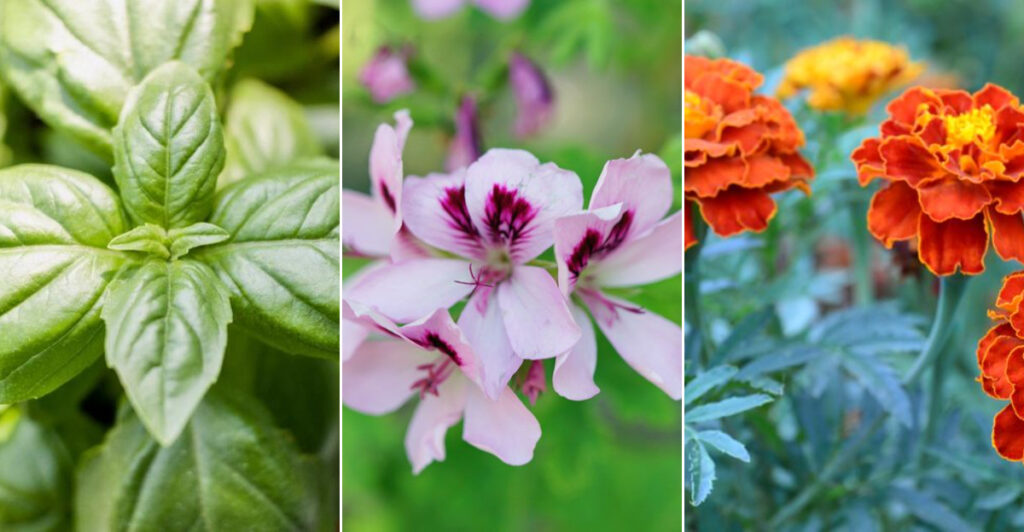
Wasps can turn a relaxing day in the garden into an irritating—and sometimes painful—experience. But what if your flowerbeds could do the pest control for you? Believe it or not, some plants don’t just look and smell amazing—they also send wasps packing.
In this list, we’re revealing 13 beautiful garden plants that naturally repel wasps. Whether you’re hosting a summer BBQ or just enjoying a quiet morning coffee outside, these botanical allies can help you reclaim your space—no sprays required.
1. Wormwood (Artemisia absinthium)
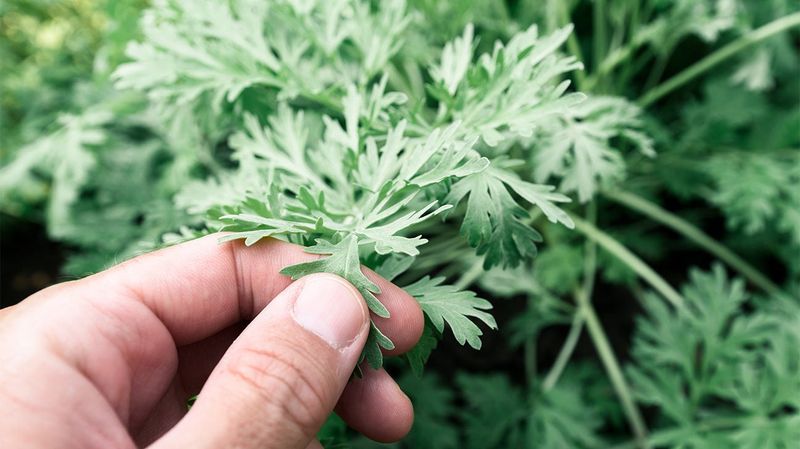
Wormwood is a plant with a bit of mystery and a lot of history. Known for its silvery-green leaves and distinct aroma, it has been used for centuries in traditional medicine and even in the making of absinthe. Its strong scent deters wasps, making your summer afternoons wasp-free and enjoyable.
Planting wormwood is like giving your garden an ancient charm. Just a little care, like ensuring it has well-drained soil and plenty of sunlight, will keep it thriving. Its elegance and pest-repelling nature make it a perfect addition to any garden, especially if you’re looking to create a serene outdoor retreat.
Did you know? Wormwood’s reputation stretches back to Ancient Egypt, where it was prized for both its medicinal properties and its ability to repel insects. Now, it stands as a testament to natural pest control.
2. Fennel (Foeniculum vulgare)
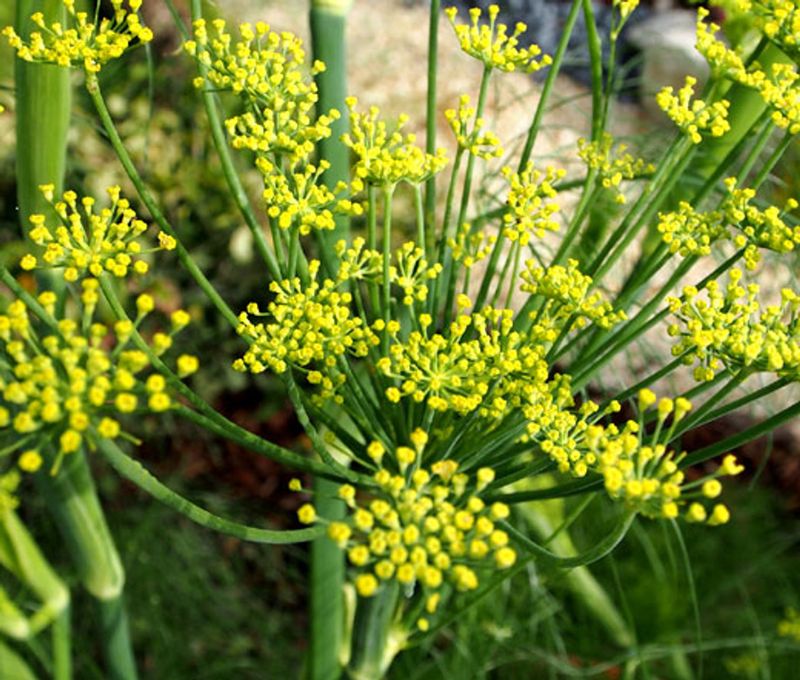
Fennel, with its feathery leaves and aromatic seeds, brings a touch of elegance and utility to any garden. Its sweet anise-like scent is a known wasp deterrent, allowing you to enjoy alfresco dining without disturbance.
This plant is as versatile as it is beautiful, thriving in sunny, well-drained spots. Beyond its wasp-repelling abilities, fennel can be harvested for its seeds and leaves, adding a gourmet twist to your culinary creations. It’s a delightful blend of form and function in your garden.
A little trivia: Fennel has been used since ancient times as a symbol of strength and longevity. It not only protects your garden but also adds to your table in delicious ways.
3. Citronella (Pelargonium ‘Citrosum’)
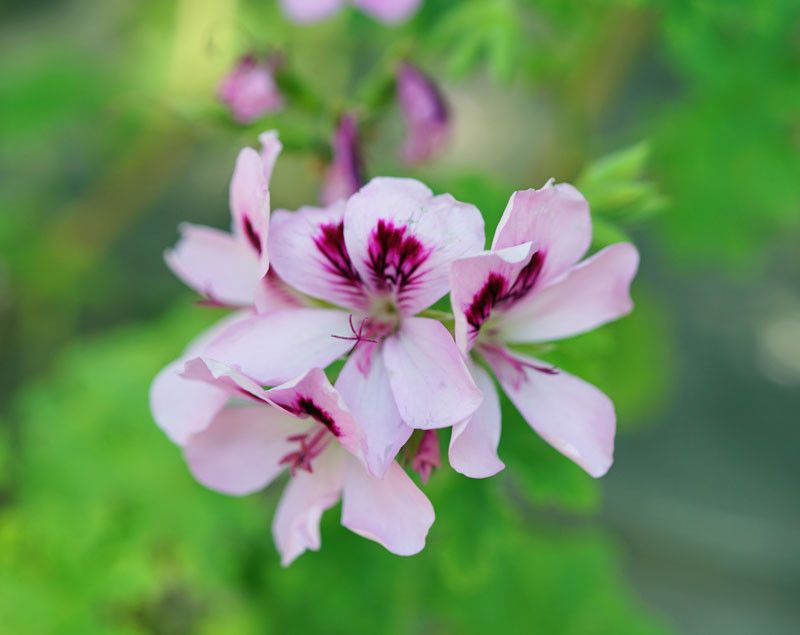
Citronella is often hailed as the natural way to keep mosquitoes at bay, but its citrusy scent also keeps wasps at a distance. This versatile plant can transform your garden into a wasp-free haven.
Easy to care for, citronella prefers sunny spots and well-drained soil. Its fragrant leaves can be crushed to release even more of its famous scent, enhancing its effectiveness as a pest repellent. It’s a practical and aromatic addition to patios and garden beds.
Interesting fact: Often confused with lemongrass, true citronella is actually a type of geranium. Its dual ability to repel both mosquitoes and wasps makes it a garden multi-tasker.
4. Pennyroyal
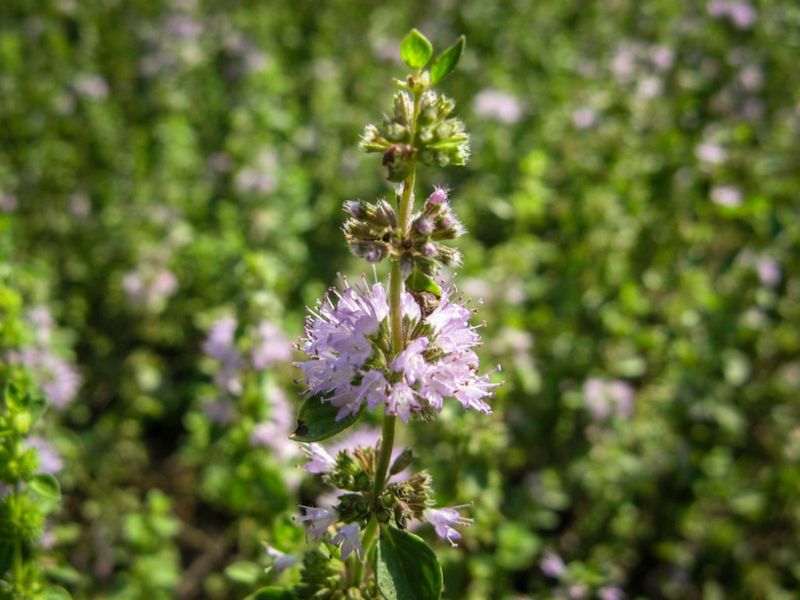
Pennyroyal is a mint family member with a reputation for repelling wasps. Its strong scent is offensive to wasps, keeping them away from your garden spaces. Pennyroyal prefers partial shade and moist soil, making it suitable for shady garden corners.
The plant’s dense foliage and small purple flowers add interest to garden beds. Use pennyroyal as a ground cover or in borders to deter unwanted pests.
Its leaves can be crushed to release their repellent oils, enhancing their effectiveness. Create a wasp-free haven with pennyroyal’s natural deterrent abilities.
5. Thyme
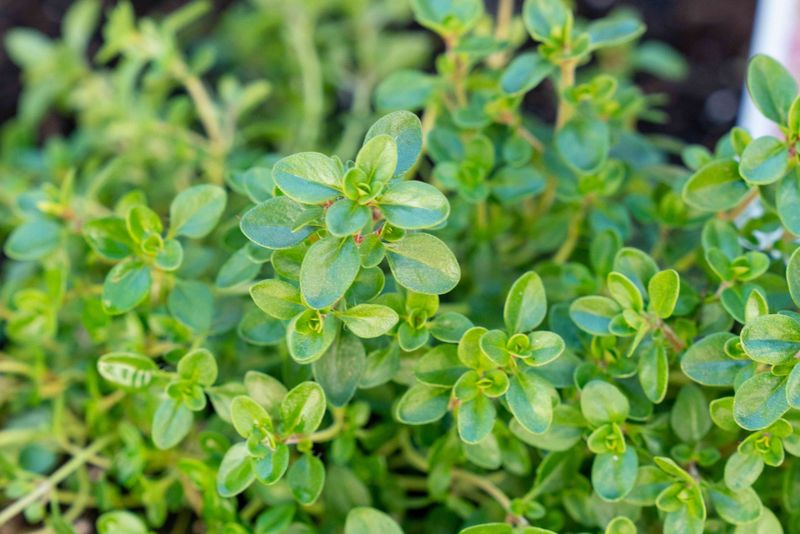
Thyme is a hardy herb that offers much more than culinary delight. Its pungent aroma is known to repel wasps, making it a valuable addition to any garden. This perennial plant thrives in full sun and well-drained soil, requiring minimal care.
Thyme’s small, aromatic leaves and tiny flowers add texture and interest to garden borders. Use thyme as ground cover or in rock gardens for an appealing look.
Its leaves can be harvested for cooking, adding flavor to dishes. By planting thyme, you create a natural barrier against wasps, enhancing your garden’s safety.
6. Basil
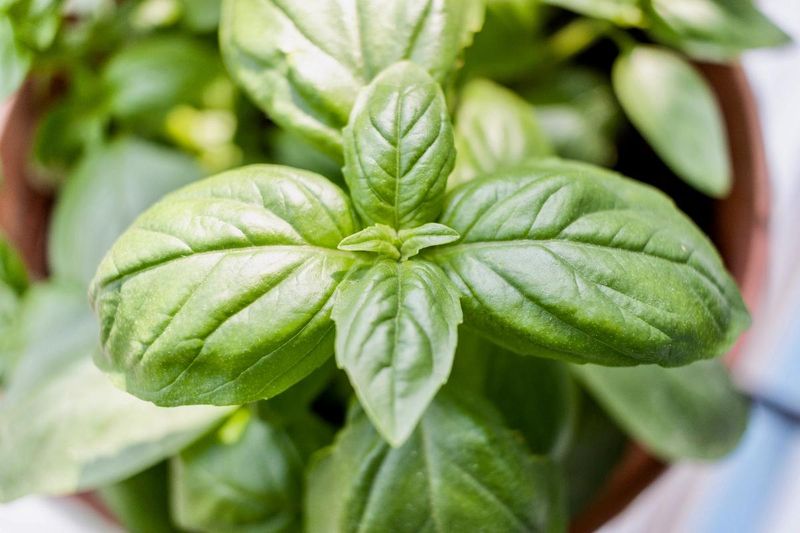
Basil is more than just a staple in Italian cuisine; it’s also effective at deterring wasps. The intense aroma of basil leaves confuses wasps, keeping them away from your outdoor spaces.
Basil thrives in warm, sunny spots, making it an ideal plant for summer gardens. Regular pruning encourages bushy growth and enhances its repellent properties. Plant basil in pots near seating areas to create a natural wasp barrier.
Not only will your garden benefit from its presence, but you’ll also enjoy fresh basil for cooking. Keep wasps at bay with this versatile herb.
7. Geranium
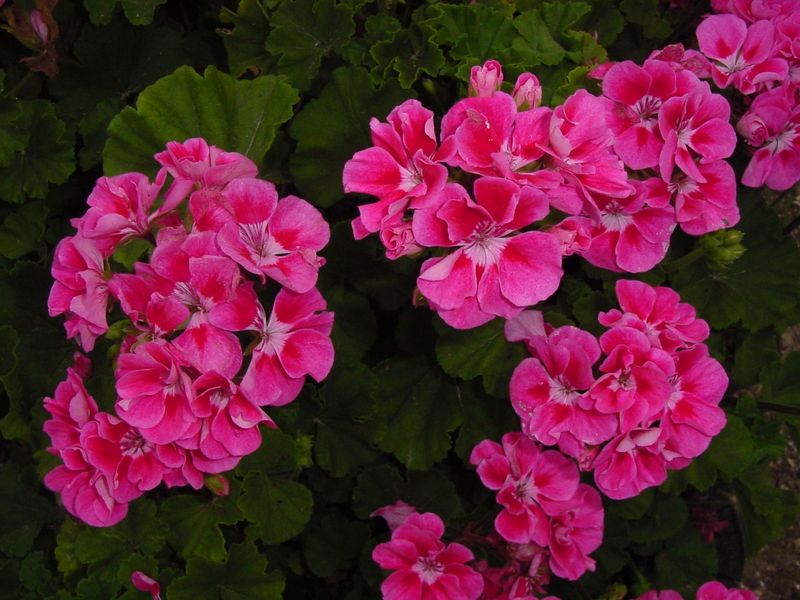
Geraniums are beloved for their colorful blooms and ability to deter wasps. Their strong fragrance confuses wasps, reducing the likelihood of nests forming nearby. Geraniums thrive in sunny locations and can be grown in pots or garden beds.
Their low-maintenance nature makes them an excellent choice for busy gardeners. Plant geraniums near doorways or windows to keep wasps out of your home.
Besides their repellent qualities, geraniums bring a splash of color and elegance to any space. Enjoy a vivid garden with the added benefit of natural wasp deterrence.
8. Mint
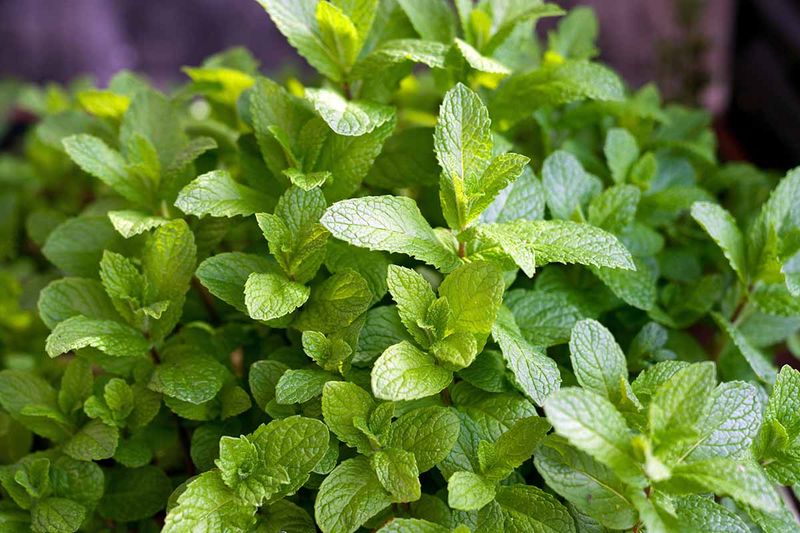
Mint is a popular herb known for its refreshing scent and culinary uses. But did you know that it also acts as a natural wasp repellent? The strong aroma of mint confuses wasps and deters them from nesting or lingering in your garden.
Plant mint in pots to control its invasive nature, ensuring it doesn’t overtake other plants. This aromatic herb is perfect for borders or as a ground cover.
Its vibrant green leaves and delightful fragrance add a fresh touch to your garden. Use mint leaves in teas or fresh cocktails for a wasp-free garden experience.
9. Marigold
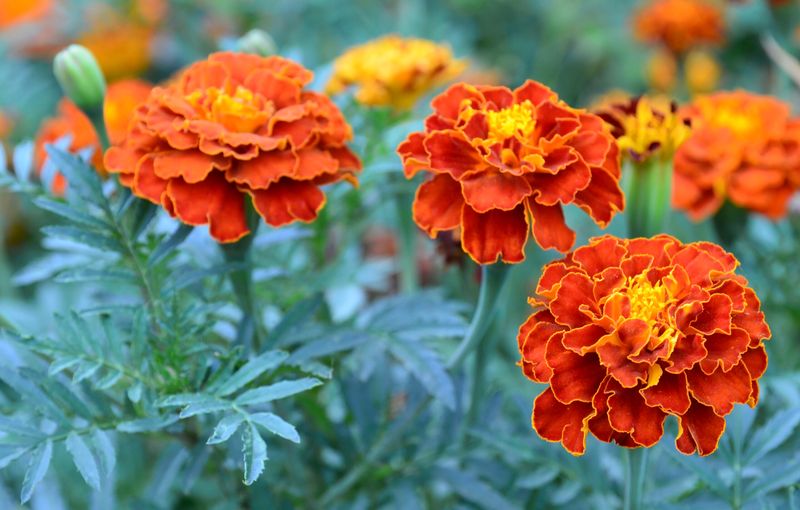
Marigolds are not only visually appealing with their bright colors, but they also serve as natural pest deterrents. Wasps, along with other insects, are repelled by the scent of marigolds. These flowers are easy to grow and thrive in various soil conditions.
Plant marigolds in sunny spots to maximize their growth and repellent properties. They make excellent companions for vegetable gardens, as they deter wasps without harming beneficial insects.
Marigolds bring a splash of color to your garden while keeping wasps at bay. Enjoy a pest-free outdoor space with these cheerful blooms.
10. Lemongrass
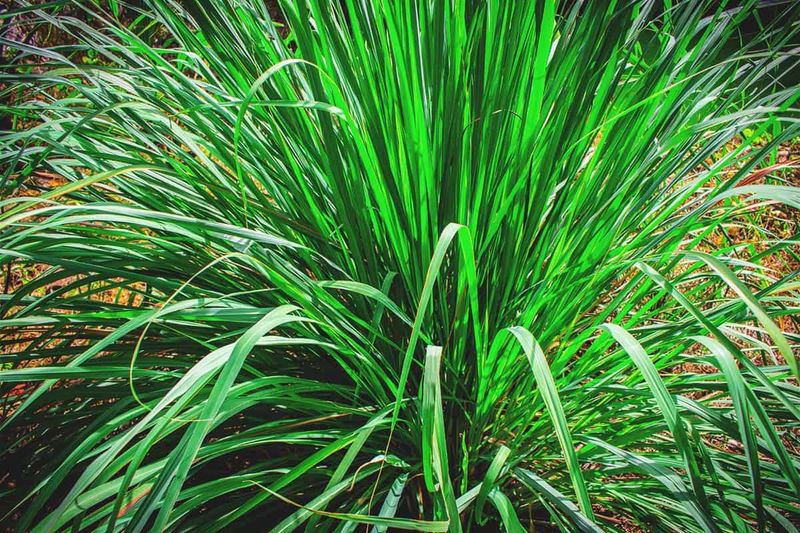
Lemongrass is popular for its fresh, citrusy scent, a key reason it repels wasps. The strong aroma confuses and deters wasps from nesting nearby. This plant thrives in warm climates and requires ample sunlight, making it ideal for sunny gardens.
Lemongrass can be grown in pots or directly in the ground. Its tall, graceful stalks add a vertical element to garden design.
Not only does it deter wasps, but lemongrass can also be harvested for culinary uses. Plant lemongrass around seating areas to create a naturally fragrant and wasp-free environment.
11. Catnip
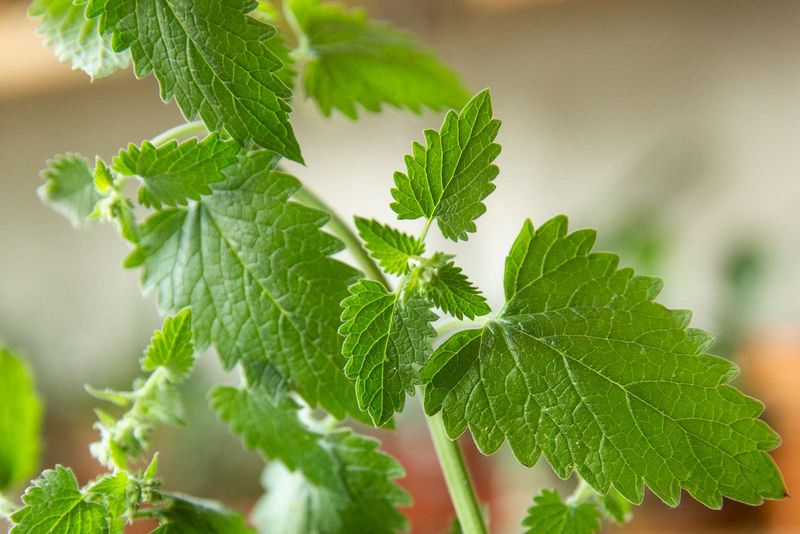
Catnip is well-known for its effect on cats, but it also serves as a deterrent to wasps. The plant’s natural compounds produce a scent that repels these insects effectively. Catnip is easy to grow and thrives in sunlit areas with well-drained soil.
Its bushy green foliage and small flowers add texture to garden beds. Plant catnip near patios or play areas to create a wasp-free zone.
Enjoy watching your feline friends play while knowing your garden is protected. Catnip offers a dual benefit—entertaining cats and keeping wasps away.
12. Lavender
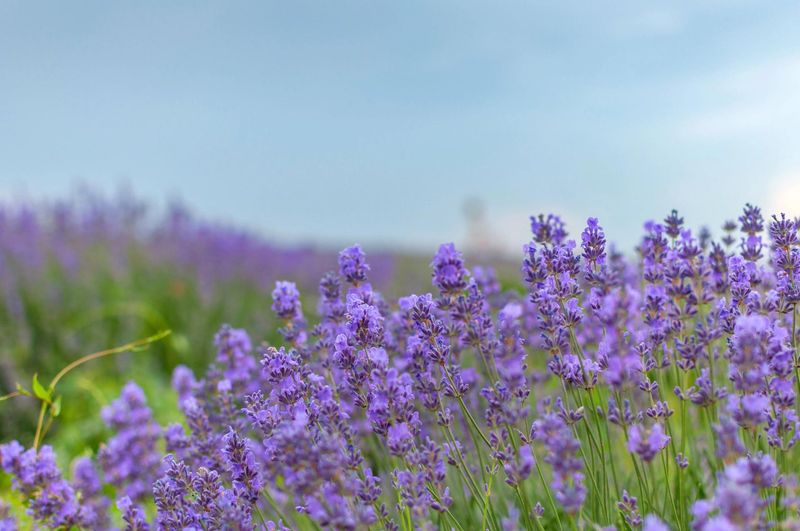
Lavender’s soothing scent is adored by humans but disliked by wasps. This fragrant plant is excellent for creating a wasp-free garden environment. Lavender thrives in well-drained soil and sunny locations, making it a low-maintenance addition to any garden.
Its elegant spikes of purple flowers add beauty and charm. Plant lavender along pathways or near seating areas to maximize its repellent effect.
Beyond deterring wasps, lavender attracts pollinators like bees and butterflies. Enjoy its calming fragrance while lounging in your garden, knowing wasps will keep their distance. Lavender is both beautiful and practical.
13. Eucalyptus
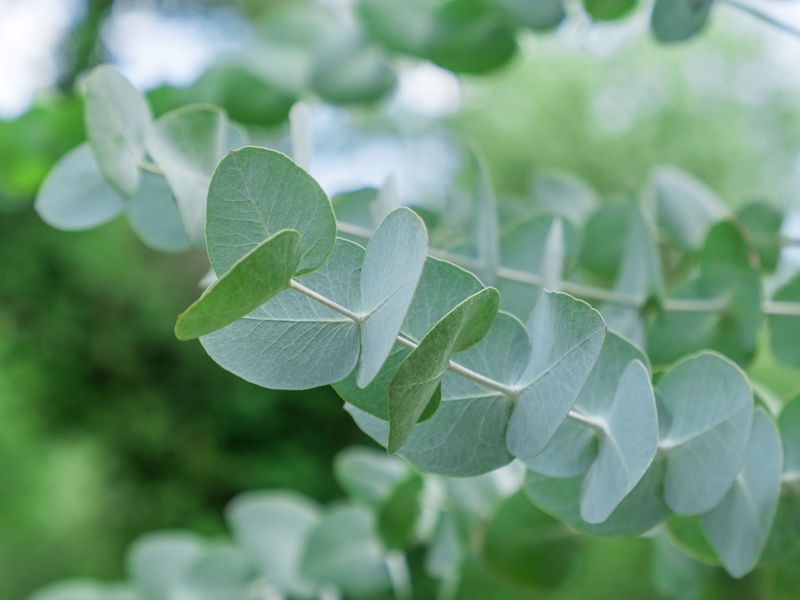
Eucalyptus is renowned for its potent aroma, which is effective at keeping wasps away. Its distinctive scent confuses wasps, preventing them from settling in your garden.
Eucalyptus trees or shrubs can be grown in pots or directly in the ground, providing flexibility for garden design. Their evergreen foliage adds a touch of elegance and height to your landscape.
Not only do they deter wasps, but their leaves can be used for aromatic purposes. Plant eucalyptus near patios or garden entrances to create a fragrant barrier. Enjoy the ambiance of a wasp-free garden with eucalyptus.