 Complete Gardening
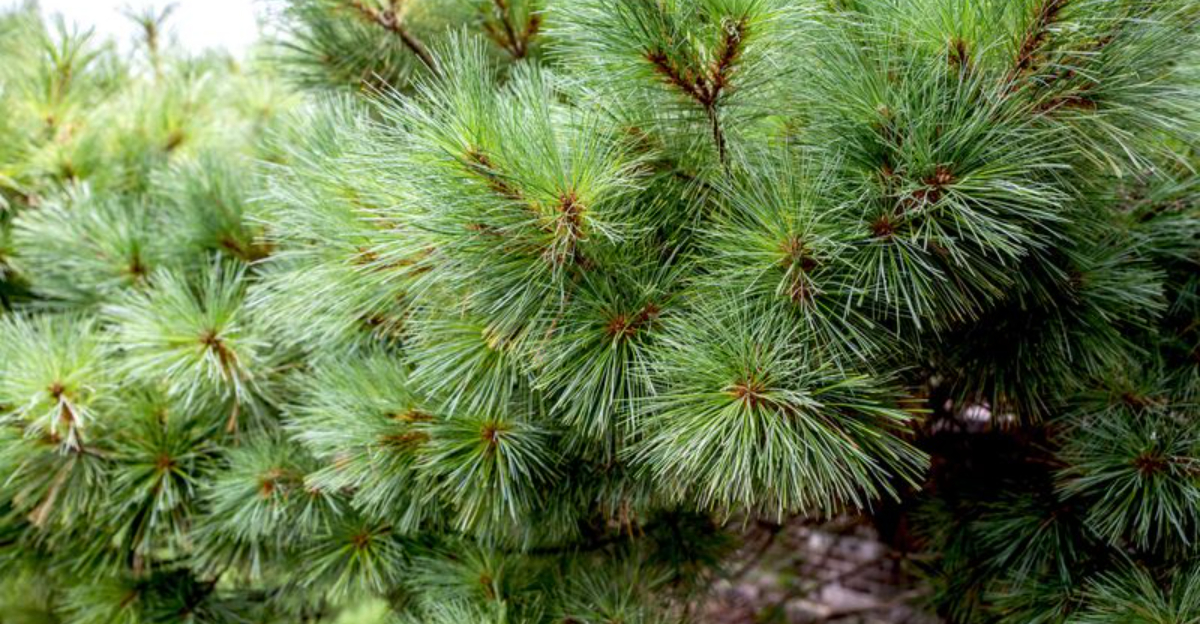
Evergreen trees are a beloved staple in many gardens and yards, cherished for their year-round greenery and beauty. However, some popular choices can quickly overrun your space, becoming more burden than benefit.
While they may seem like an attractive addition at first, their aggressive growth habits can lead to unexpected challenges.
Understanding which varieties are most likely to take over your yard is crucial for maintaining a balanced landscape. Here’s a guide to 13 evergreen trees that you should approach with caution.
1. Leyland Cypress
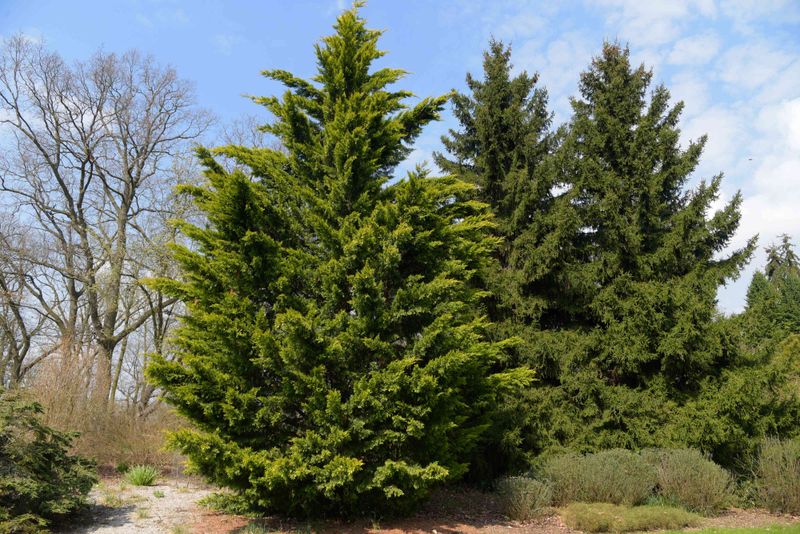
Leyland Cypress is a fast-growing evergreen that can reach towering heights quickly. Initially planted for privacy screens, its rapid growth and dense foliage make it an imposing presence.
Homeowners often find themselves overwhelmed as it can outcompete nearby plants for sunlight and nutrients. Regular trimming is necessary to maintain its size, but neglecting to do so can lead to a tangled mess.
Moreover, its shallow root system may cause instability in strong winds. A vigilant maintenance routine is required to keep it in check. Beware of its ability to dominate your garden with ease.
2. Norway Spruce
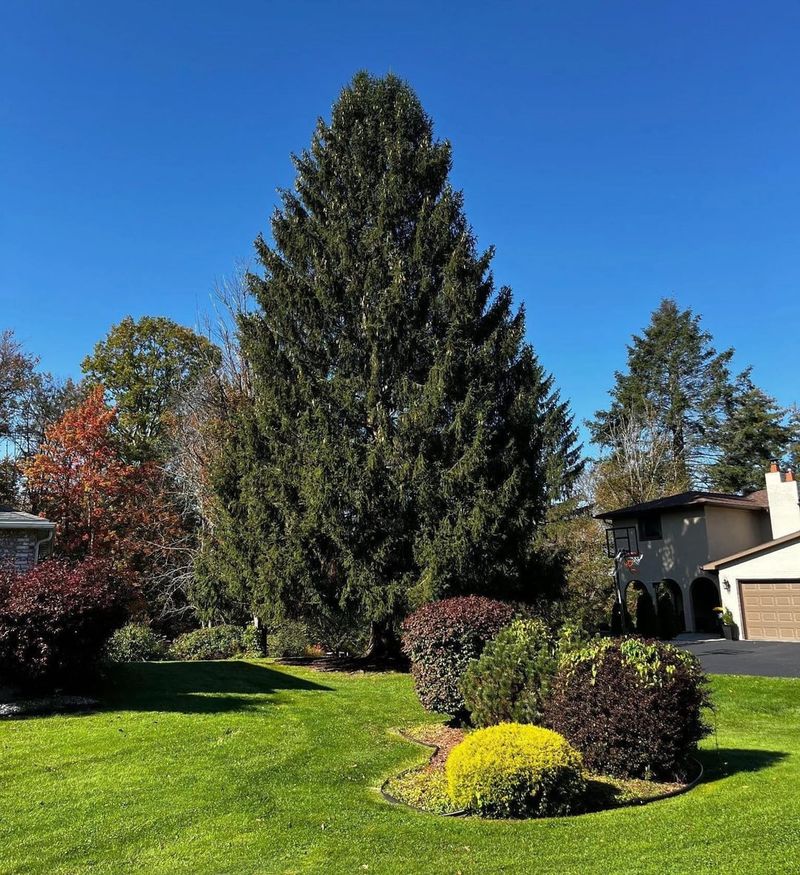
The Norway Spruce is admired for its dramatic height and classic conical shape. However, its rapid growth can quickly turn it from a quaint staple to an unwieldy giant.
Homeowners appreciate its robustness, but its propensity to overshadow other plants is a common grievance. The thick branches create a dense canopy, leading to significant shade that can stifle undergrowth.
Regular monitoring and strategic pruning are essential to prevent it from monopolizing your yard. Despite its beauty, this tree’s expansive nature can become an overwhelming challenge for any garden enthusiast.
3. Eastern White Pine
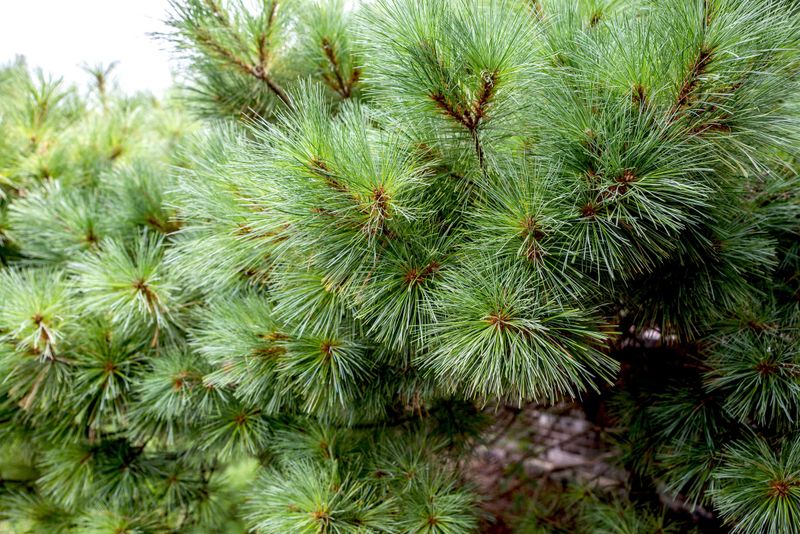
Eastern White Pine is beloved for its elegant height and feathery needles. Yet, this tree’s growth can be surprisingly aggressive, outpacing its surroundings swiftly. It often towers over other species, casting a shadow that inhibits their development.
Its needles and pine cones can litter the ground, creating a maintenance issue. Additionally, its root system spreads widely, potentially disrupting nearby structures.
Managing its size requires consistent trimming and thoughtful placement in your landscape. While majestic, its commanding presence can quickly shift from asset to obstacle if not properly controlled.
4. Douglas Fir
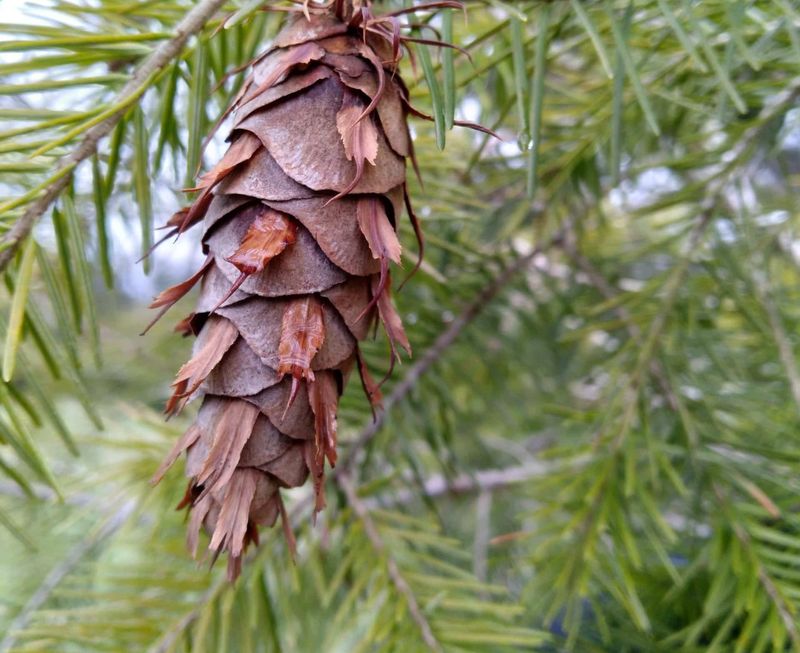
Douglas Fir is a popular choice for its stately appearance and rich, green needles. However, its size can become problematic in confined spaces.
Known for its rapid growth, it can quickly exceed expectations, leading to unwanted competition for resources among garden plants.
Its spreading branches contribute to dense shading, which can suppress other vegetation. Regular pruning and careful placement are crucial for preventing it from overwhelming your yard.
Its aesthetic appeal comes with the responsibility of managing its expansive nature. This tree’s beauty can easily transform into a gardening headache if not monitored.
5. Austrian Pine
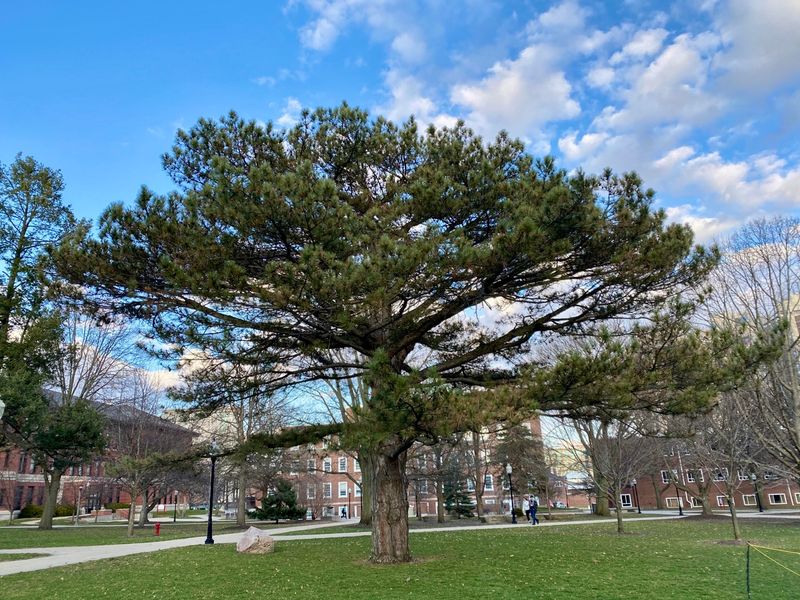
Austrian Pine is celebrated for its robust nature and resilience in challenging conditions. Despite these strengths, it can become a domineering presence in any yard. Its large size and thick canopy can block sunlight, affecting the growth of nearby flora.
Additionally, its fallen needles create an acidic mulch that can alter soil conditions, making it less hospitable for other plants. Consistent maintenance is necessary to manage its spread and keep it from overshadowing your garden.
While it offers beauty and durability, its potential to outgrow its welcome should not be underestimated.
6. Colorado Blue Spruce
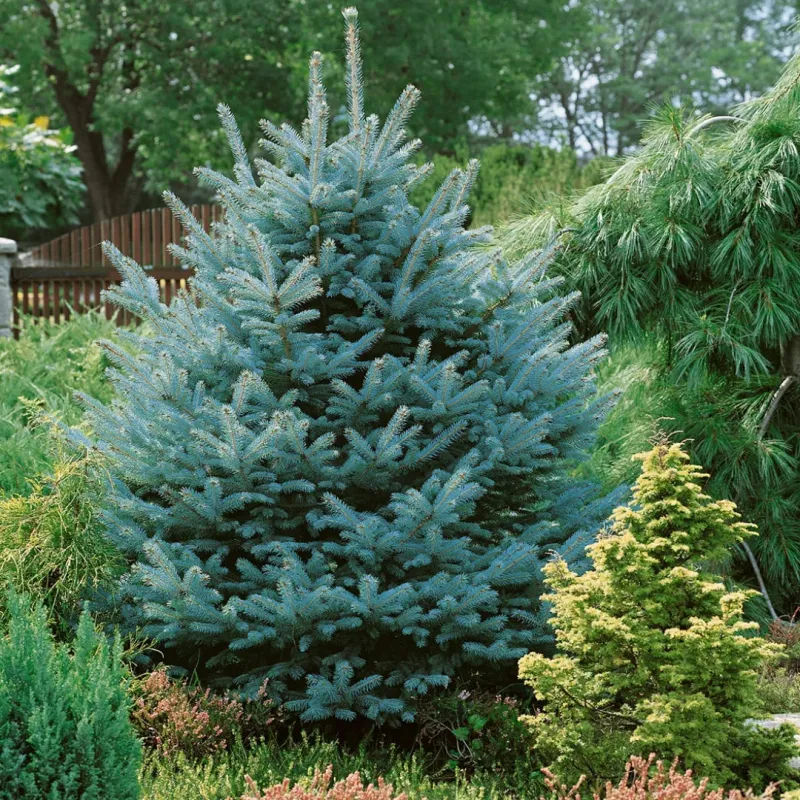
Colorado Blue Spruce is known for its stunning blue needles and perfect symmetry, making it a favorite in ornamental landscapes. However, its beauty is matched by its ability to dominate space.
The tree’s expansive growth can quickly make it the focal point, overshadowing other garden elements. Its needles can be sharp, posing a challenge during maintenance.
Additionally, the dense foliage may lead to excessive shading, limiting the growth of surrounding plants. Regular upkeep is vital to balance its size and maintain harmony in your garden. While captivating, its growth can become a formidable foe.
7. Scots Pine
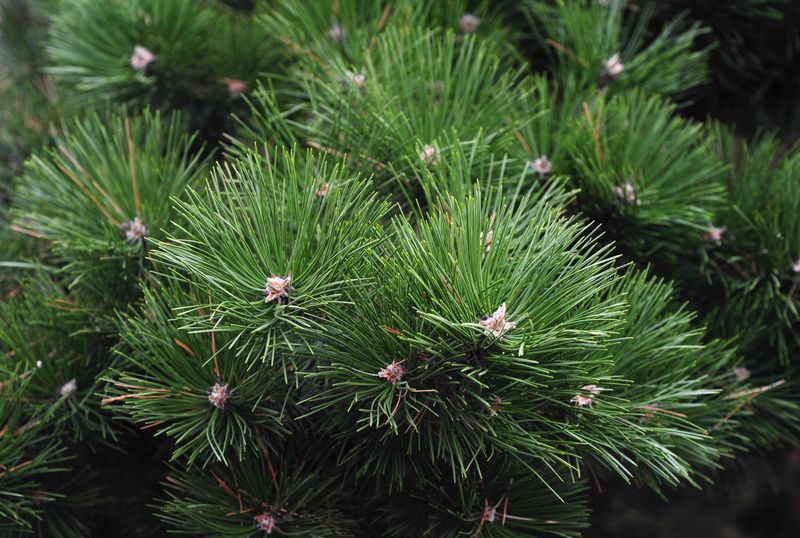
Scots Pine is appreciated for its rugged beauty and adaptability. Yet, it can become a sprawling giant with branches that extend widely, requiring ample space. Its need for sunlight and nutrients can lead to competition with adjacent plants.
The fallen needles can create a thick carpet, complicating garden maintenance. Its growth may lead to structural conflicts with nearby buildings if not managed properly. Regular trimming and careful placement are essential to contain its spread.
While it adds character to landscapes, its expansive nature can pose significant challenges without diligent care.
8. Japanese Cedar
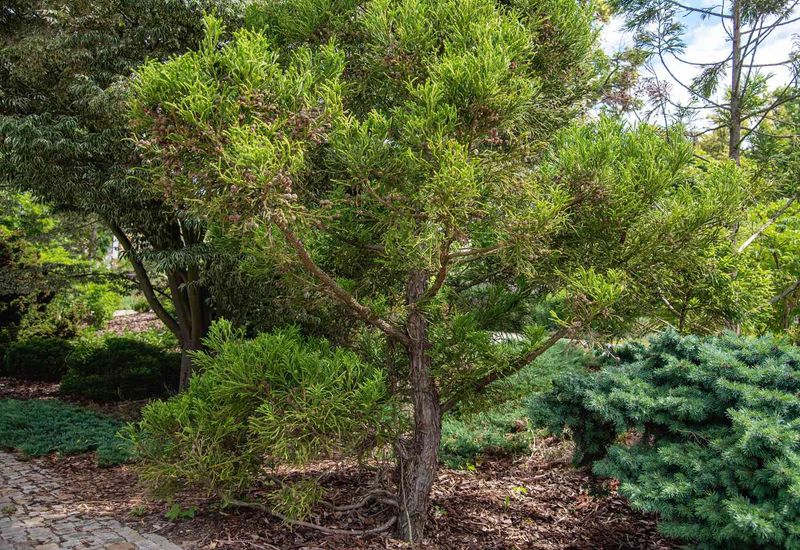
Japanese Cedar, with its graceful silhouette and rich color, is often a centerpiece in gardens. Yet, its rapid and unchecked growth can quickly lead to it dominating the landscape.
Its dense foliage casts substantial shade, inhibiting the growth of other plants. The tree’s roots can spread extensively, sometimes affecting nearby structures or pathways. Regular pruning and strategic planning are crucial to keep its growth in check.
Although it enhances any garden with its beauty, its capacity to overtake the area requires attentive management. Its allure can swiftly become a formidable gardening challenge.
9. Giant Sequoia

Giant Sequoia is renowned for its awe-inspiring size and longevity. However, planting one in a standard yard can be a daunting endeavor. Its vast root system and towering height demand significant space, often outgrowing residential areas.
The sheer volume of fallen debris can be overwhelming, requiring consistent cleanup efforts. Its majestic presence necessitates a large, open space to truly thrive.
While it stands as a testament to natural wonder, its placement in a typical garden can lead to unforeseen challenges. Careful consideration is essential to accommodate its monumental growth.
10. Western Red Cedar
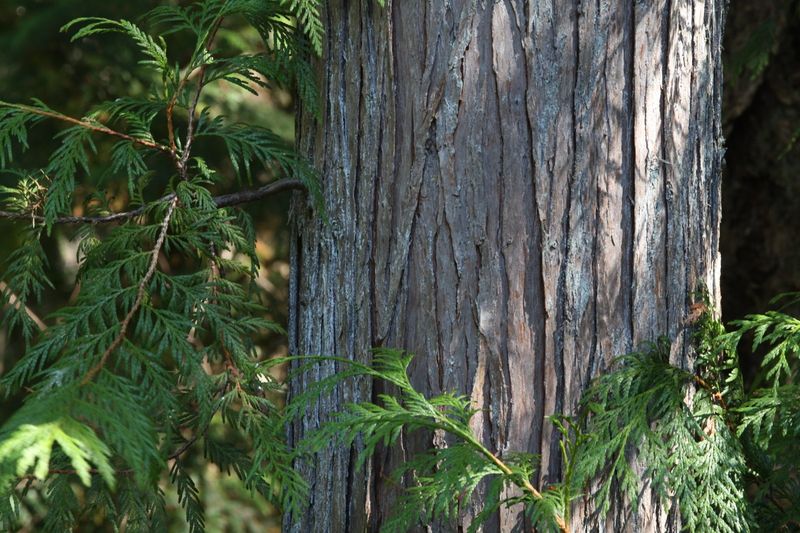
Western Red Cedar is favored for its aromatic wood and towering stature. Yet, it can become an overbearing force in a garden. Its rapid growth and expansive branches create substantial shade, limiting the vitality of adjacent plants.
The dense foliage accumulates moisture, potentially leading to fungal issues. The tree’s roots can spread broadly, affecting nearby pathways and structures. Regular pruning is critical to manage its size and impact.
Although it offers beauty and functionality, its extensive growth requires careful consideration and management to prevent it from overpowering your landscape.
11. Italian Cypress
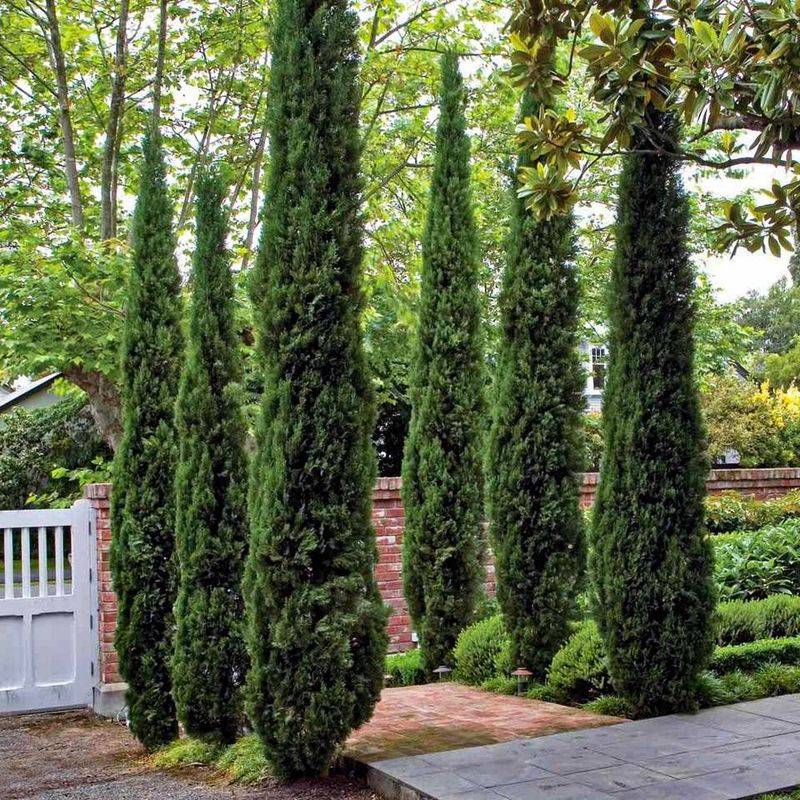
Italian Cypress is admired for its elegant, narrow profile, making it a favorite for formal gardens. However, its dense growth can become problematic. The tree’s height makes it susceptible to wind damage, especially in exposed areas.
If planted too closely, its roots may compete for resources, affecting overall health. Regular trimming is needed to maintain its sleek appearance and prevent it from becoming unruly.
Additionally, its thick foliage can trap moisture, leading to potential mold issues. While it adds an element of sophistication, its growth must be carefully managed to sustain its charm.
12. Arizona Cypress
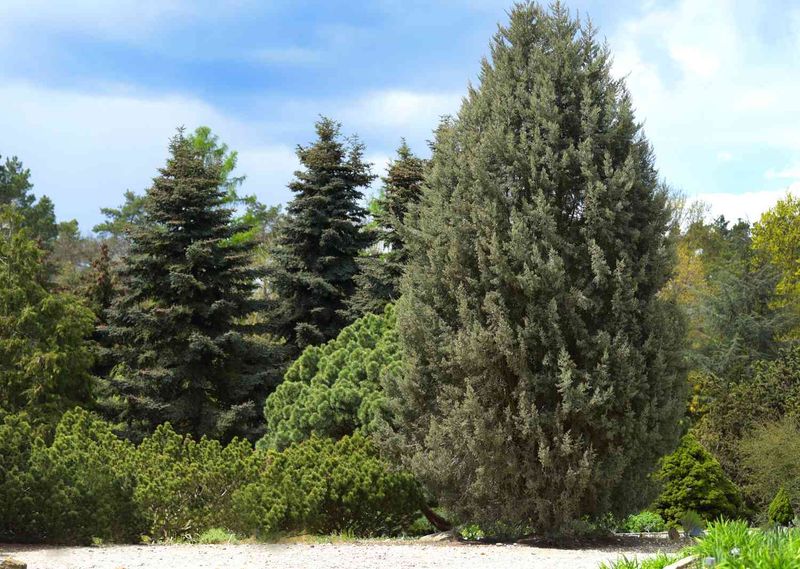
Arizona Cypress is cherished for its unique, silvery-blue foliage and adaptability to arid climates. Yet, its vigorous growth can lead to unexpected challenges in a garden.
The tree’s expansive root system competes fiercely for water, potentially affecting nearby plants. Its rapid height increase can overshadow other garden features, necessitating regular pruning to control its size.
Additionally, its dense canopy may hinder air circulation, increasing the risk of disease. Although it thrives in tough conditions, its potential to dominate requires strategic placement and diligent maintenance. Its striking appearance comes with the responsibility of careful management.
13. Canadian Hemlock
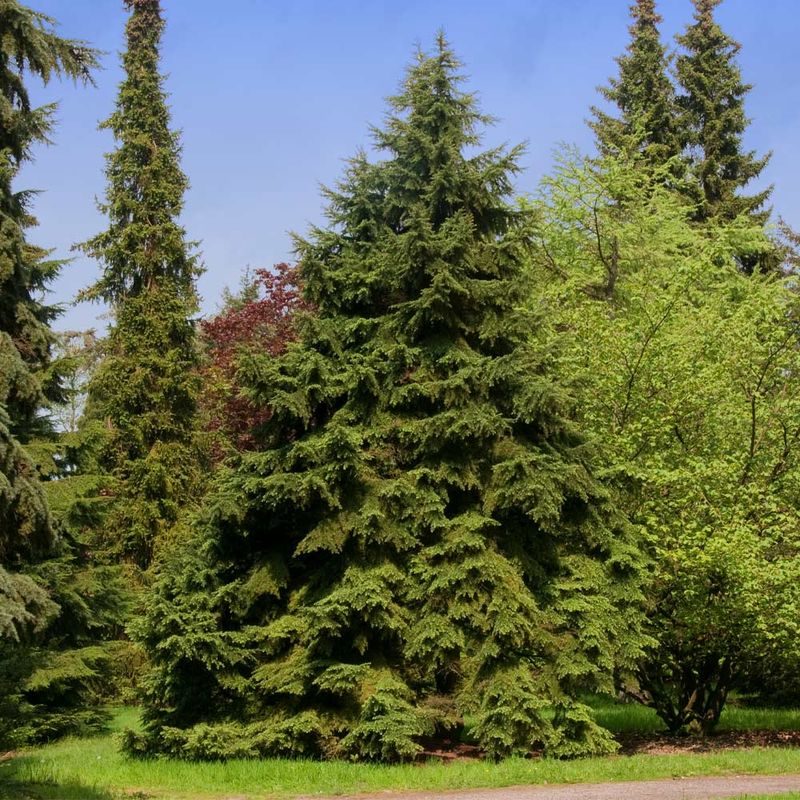
Canadian Hemlock is loved for its graceful form and soft, feathery needles. However, its potential for growth can turn it from a charming addition to a dominant presence in your yard.
The tree’s need for ample space can lead to competition for resources with nearby vegetation. Its dense canopy creates a shaded environment, affecting the growth of underplants.
Regular trimming is essential to prevent it from becoming unmanageable. While it adds elegance to any landscape, its growth dynamics require careful consideration to avoid overpowering your garden. Its beauty must be balanced with mindful cultivation.