
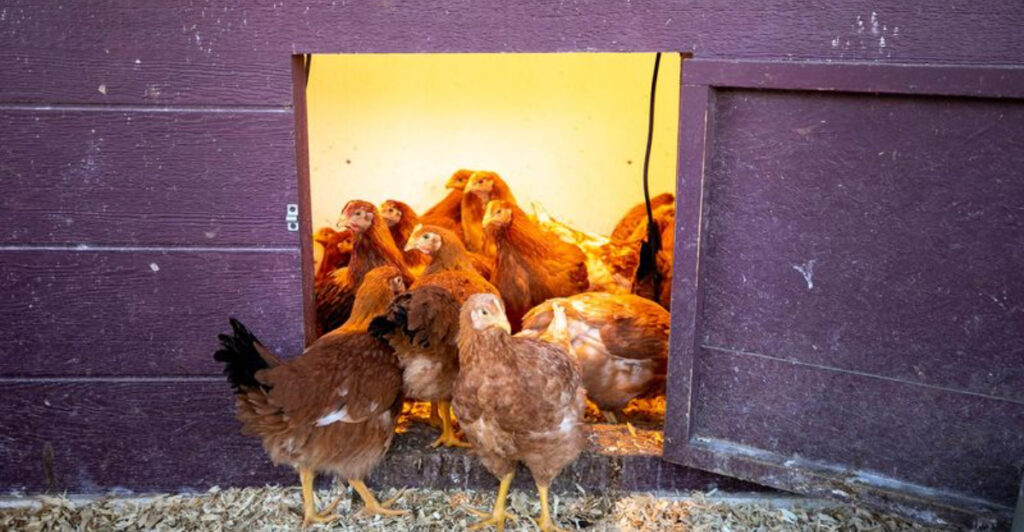
Caring for backyard chickens goes beyond providing food and shelter.
It’s about understanding their specific needs and creating an environment that ensures their health and happiness.
Here are ten common mistakes that chicken owners make, which can lead to unhappy flocks.
1. Keeping a Dirty Coop
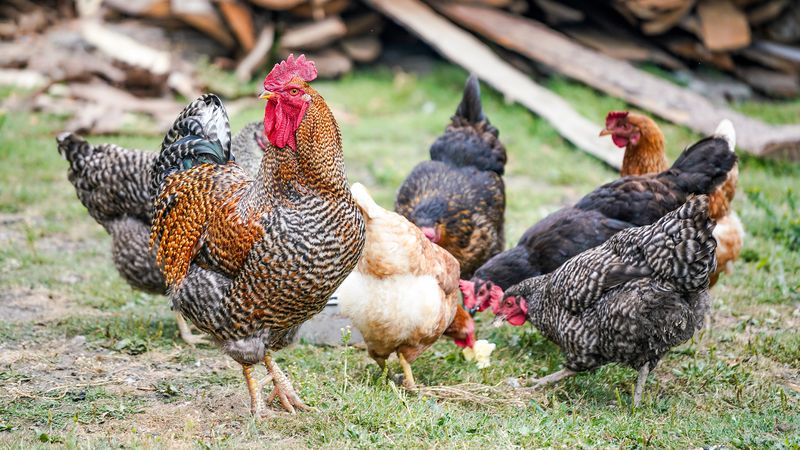
A clean coop is essential for healthy chickens. When neglected, it becomes a breeding ground for parasites and diseases. Chickens are sensitive to ammonia buildup from droppings, which can lead to respiratory issues.
Regular cleaning ensures a fresh environment, reducing stress and promoting laying. Inadequate cleaning also attracts pests like mites and lice, causing discomfort. Ensure to replace bedding weekly and perform deep cleaning monthly.
Maintaining a hygienic coop isn’t merely about aesthetics; it’s about fostering a healthy ecosystem. With diligence, your chickens will thrive in a pristine environment.
2. Feeding Them the Wrong Foods
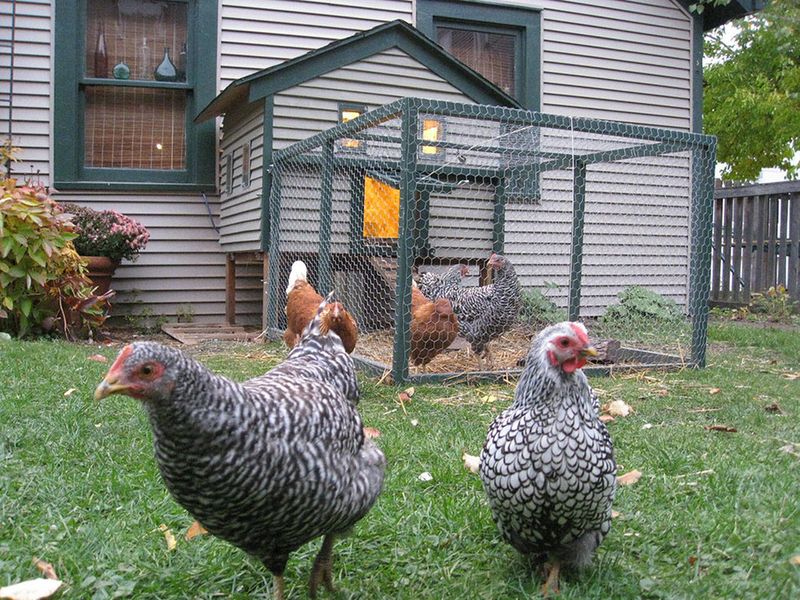
Chickens have specific dietary needs that, when unmet, can lead to health problems. Processed foods and excessive treats disrupt their nutritional balance. Chickens need a diet rich in grains, calcium, and proteins for optimal health.
Incorrect feeding can lead to issues like obesity or malnutrition. Offering scraps like chocolate or onion can be toxic. It’s crucial to provide formulated feed designed for chickens, ensuring they receive essential nutrients.
By understanding their dietary needs, you can promote their well-being and productivity.
3. Not Providing Enough Space
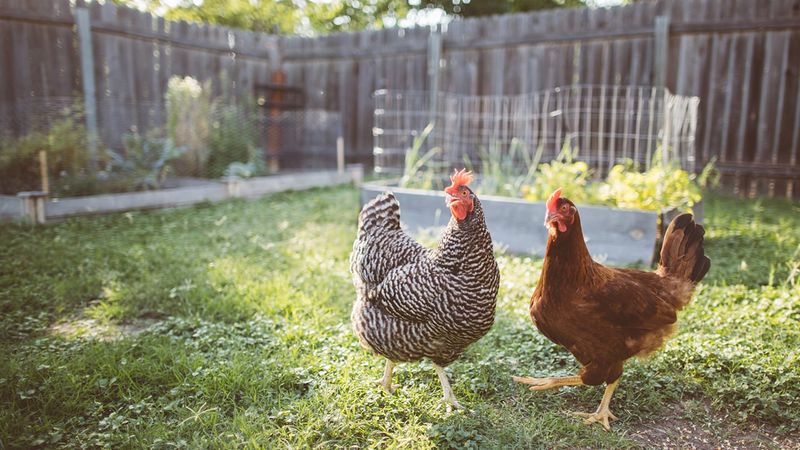
Chickens need space to roam, forage, and express natural behaviors. Crowded conditions lead to stress and aggression, affecting their health. A lack of space can also result in feather pecking and decreased egg production.
Each chicken requires about 4 square feet indoors and 10 square feet outdoors. Adequate space helps them exercise and socialize. By ensuring enough room, you foster a peaceful environment where chickens can thrive.
Space is not just a luxury; it’s a necessity for their well-being.
4. Ignoring Predator Protection
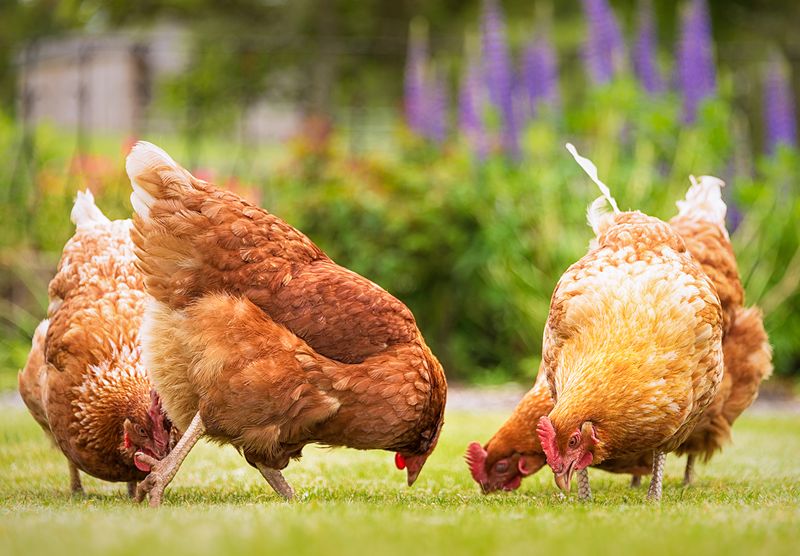
Predators pose a constant threat to backyard chickens. Ignoring this risk can lead to loss and distress. Raccoons, foxes, and hawks are common predators that can easily access unprotected coops.
Secure fencing and netting are essential to safeguard your flock. Consider installing motion-activated lights to deter nocturnal hunters. Regularly inspect the coop for vulnerabilities.
By prioritizing predator protection, you ensure the safety and longevity of your chickens, providing them a worry-free environment.
5. Skipping Fresh Water
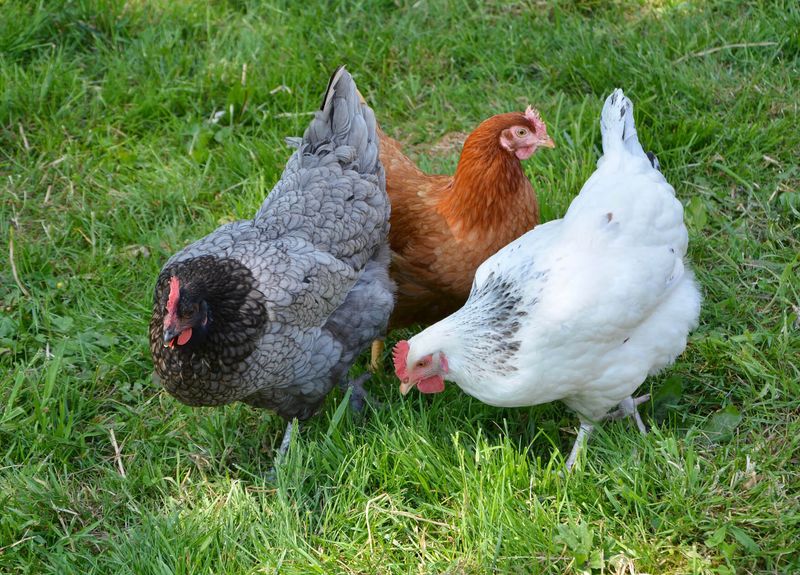
Water is essential for chickens’ health and productivity. Dehydration can lead to a drop in egg production and even fatalities. Stale or dirty water can harbor bacteria, making chickens sick.
Ensure they have access to clean, fresh water at all times. Regularly check and refill waterers, especially during hot weather. By maintaining a fresh water supply, you enhance their overall well-being and ensure they remain happy and healthy.
Water is the lifeline for your feathered friends.
6. Loud Noises & Sudden Movements
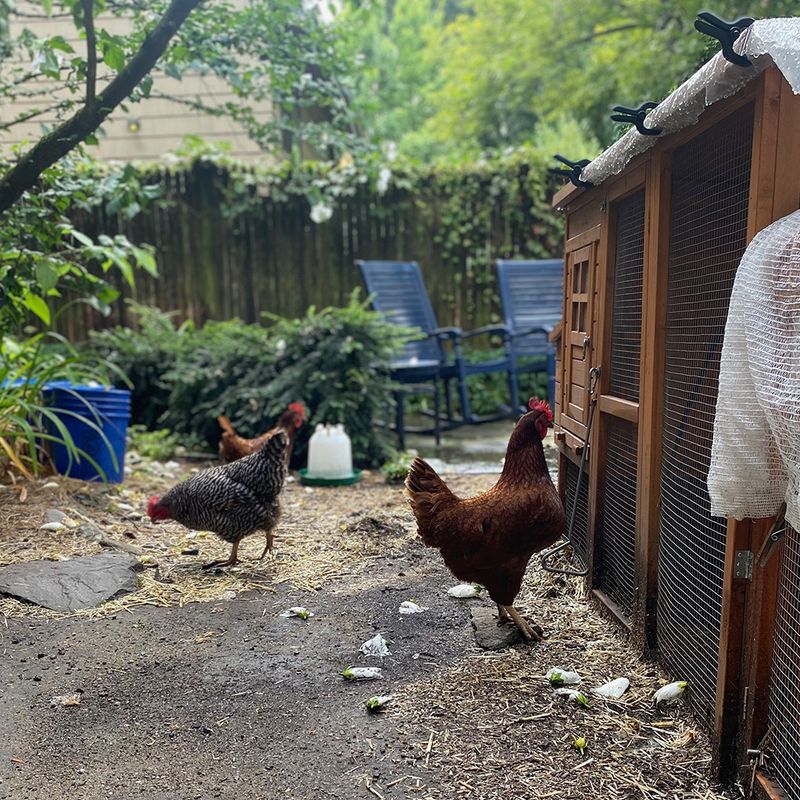
Chickens are sensitive creatures that can be easily frightened by loud noises and sudden movements. Stress from such disturbances affects their laying patterns and overall health.
Avoid loud machinery near the coop and approach your flock calmly to prevent panic. Consistent noise can lead to chronic stress and behavior issues. Creating a peaceful environment helps chickens feel secure.
Being mindful of noise levels ensures a relaxed atmosphere, promoting their well-being and productivity.
7. Forgetting Dust Bath Areas
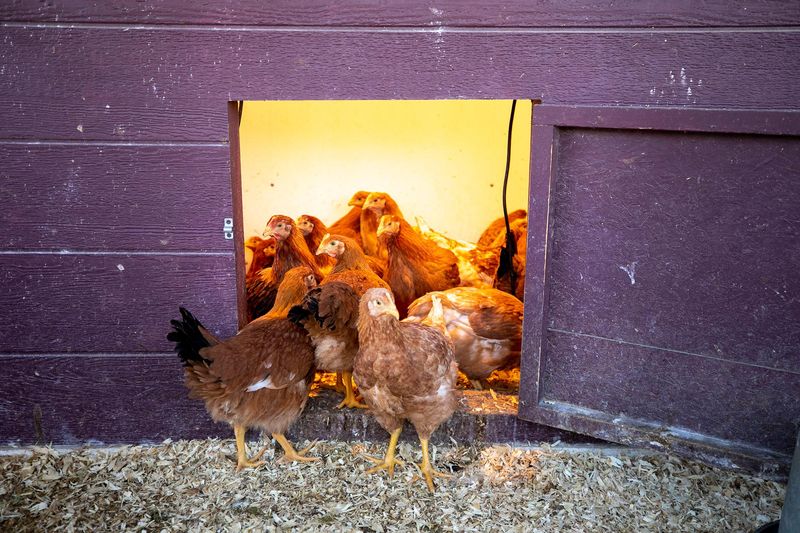
Dust bathing is a natural behavior that helps chickens keep parasites at bay. Without access to dust baths, chickens can become infested with mites and lice. Providing a designated area with materials like sand and wood ash allows chickens to clean themselves effectively.
It’s a simple yet crucial aspect of their care. By ensuring they have a dust bath area, you support their health and hygiene, allowing them to engage in this instinctual practice.
8. Handling Them Too Much (or Too Little)
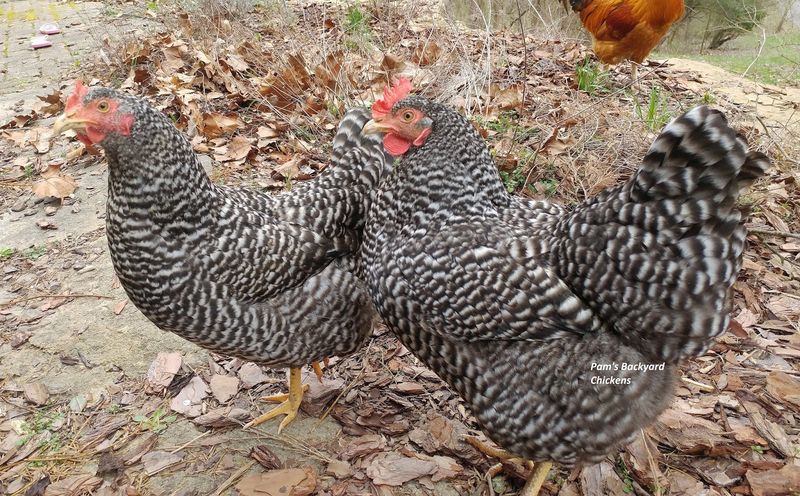
Handling chickens requires a balance. Excessive handling can stress them, while neglect can make them skittish. Chickens need to be comfortable with human interaction without feeling overwhelmed.
Gentle, regular handling helps them stay tame and friendly. Observing their reactions can guide you in finding the right balance.
Understanding their comfort levels is key. By respecting their space and building trust, you create a positive relationship that benefits both you and your chickens.
9. Not Providing a Roosting Bar
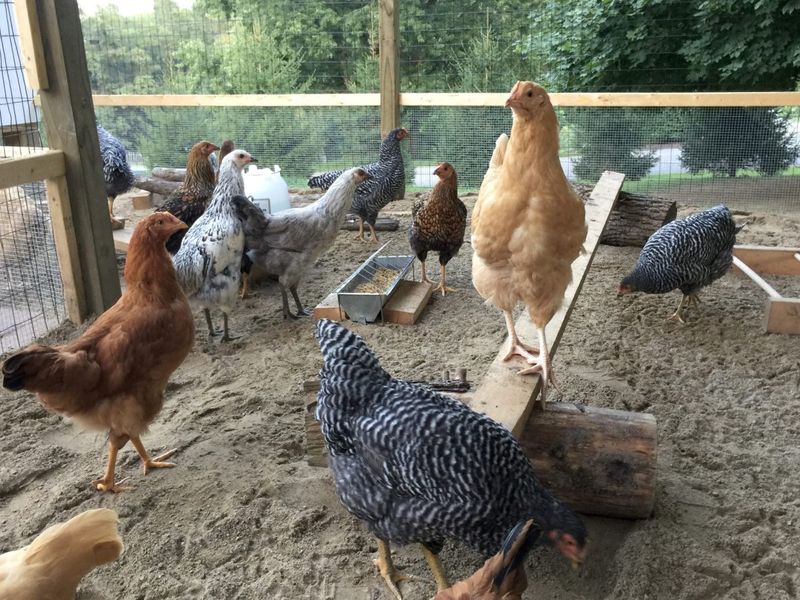
Roosting bars are essential for chickens as they provide a place to sleep safely. Without them, chickens may feel insecure and sleep on the ground, which is unhygienic and uncomfortable.
A proper roosting bar mimics their natural instinct to perch above ground, offering protection from predators. Installing sturdy roosting bars ensures chickens rest well, promoting their health and safety.
It’s a simple addition with significant benefits for their nightly routine.
10. Interrupting Their Egg-Laying Routine
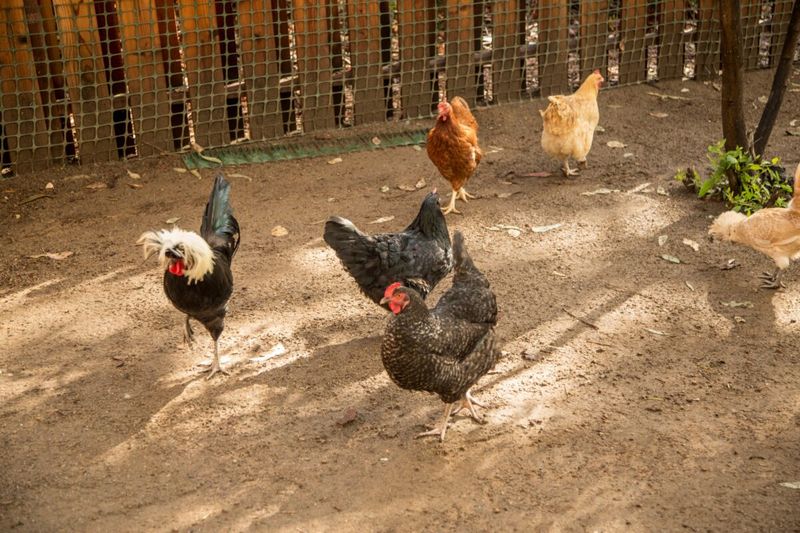
Chickens thrive on routine, especially when laying eggs. Constant interruptions can disrupt their laying cycle and cause stress. Disturbing hens during this time can lead to reduced egg production.
Allow chickens to lay in peace, checking for eggs at consistent times. Providing quiet, comfortable nesting areas supports their natural rhythm. Respecting their routine is vital for maintaining productivity. Creating a calm environment lets them focus on laying in a stress-free setting.