
Spring ephemeral wildflowers are a fascinating group of plants that bloom in the early spring and then quickly fade away as the tree canopy above fills in.
These delicate blooms are not only a joy to witness but also play a crucial role in the ecosystem of the Northeastern forests.
They provide vital resources for pollinators and serve as a beautiful reminder of the transient nature of spring.
Let’s explore 20 captivating spring ephemeral wildflowers native to the Northeast, each with its own unique charm and ecological significance.
1. Bloodroot (Sanguinaria canadensis)
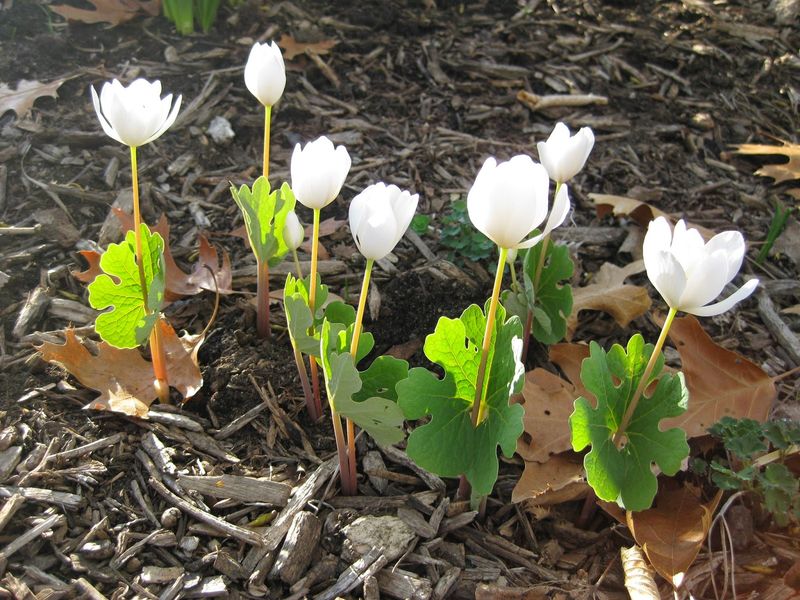
Bloodroot, known for its striking white petals and golden centers, is one of the first wildflowers to bloom in early spring. Its delicate beauty is enhanced by the unique lobed leaves that wrap around the stem.
These leaves unfurl as the flower blooms, creating a stunning visual contrast. The plant’s name comes from the red sap found in its roots, historically used by Native Americans for dye and medicinal purposes.
Bloodroot thrives in rich, moist soil, often found in deciduous forests. Its ephemeral nature means it blooms briefly before the canopy closes overhead.
2. Dutchman’s Breeches (Dicentra cucullaria)
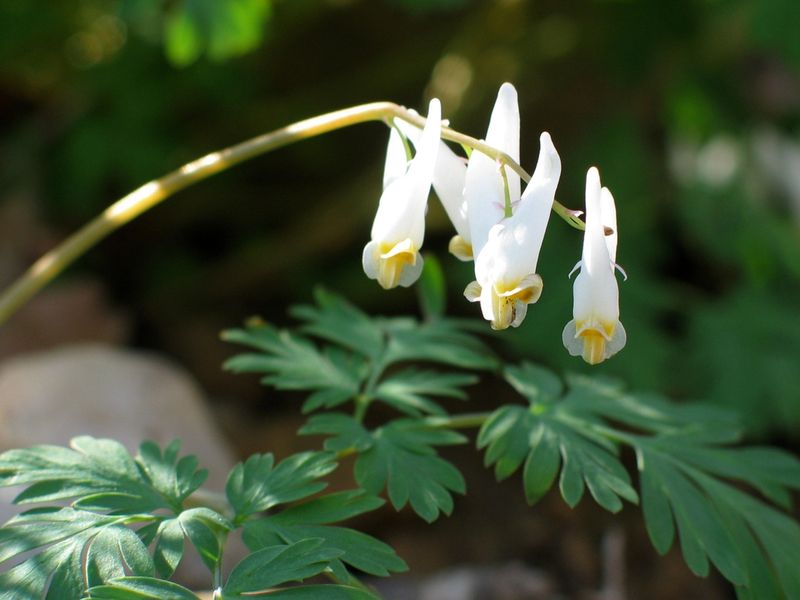
Dutchman’s Breeches are easily recognized by their distinctive white flowers, which resemble tiny pairs of pants hanging upside down. These charming blooms dangle from arching stems, accompanied by feathery, blue-green foliage.
Blooming in early spring, they thrive in wooded areas, often growing in large colonies. Their unique shape is not just for show; it is adapted for pollination by bumblebees, who are attracted to their nectar.
This plant’s ability to thrive in various conditions makes it a favorite for naturalizing in woodland gardens.
3. Trout Lily (Erythronium americanum)
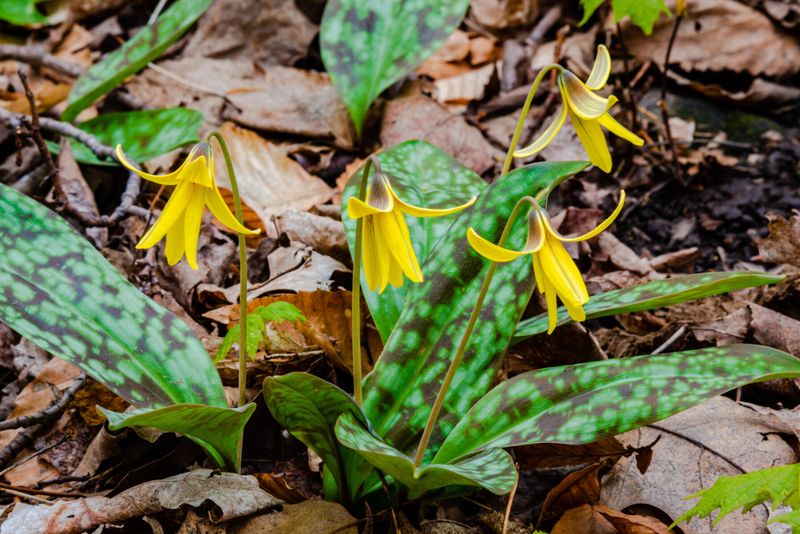
Trout Lily, named for its mottled leaves that resemble the skin of a trout, is a charming harbinger of spring. Its nodding yellow flowers appear delicate, yet they are a resilient presence in the forest understory.
The plant’s leaves are as much a feature as the flowers, often carpeting the forest floor. They thrive in moist, well-drained soil, favoring the dappled sunlight of deciduous woodlands.
Trout Lilies play a role in the ecosystem by providing an early food source for pollinators, showcasing nature’s intricate timing in spring.
4. Spring Beauty (Claytonia virginica)
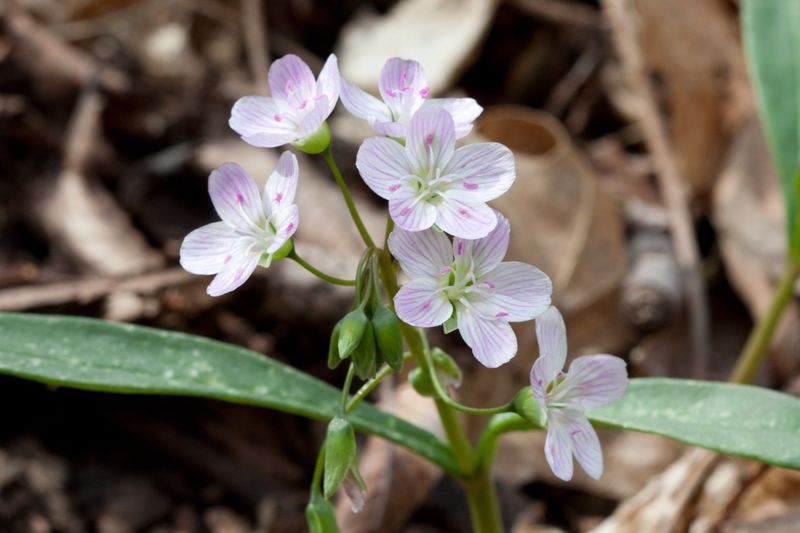
Spring Beauty lives up to its name with delicate flowers that range from white to pink, each petal marked with fine pink veins. These dainty blooms blanket the forest floor, heralding the arrival of spring.
Their slender, grass-like leaves and small stature make them easy to overlook, but their collective presence is striking.
Spring Beauties are an essential nectar source for early pollinators, including bees and butterflies. They thrive in a variety of habitats, from woodlands to meadows, showcasing resilience and adaptability.
5. Virginia Bluebells (Mertensia virginica)
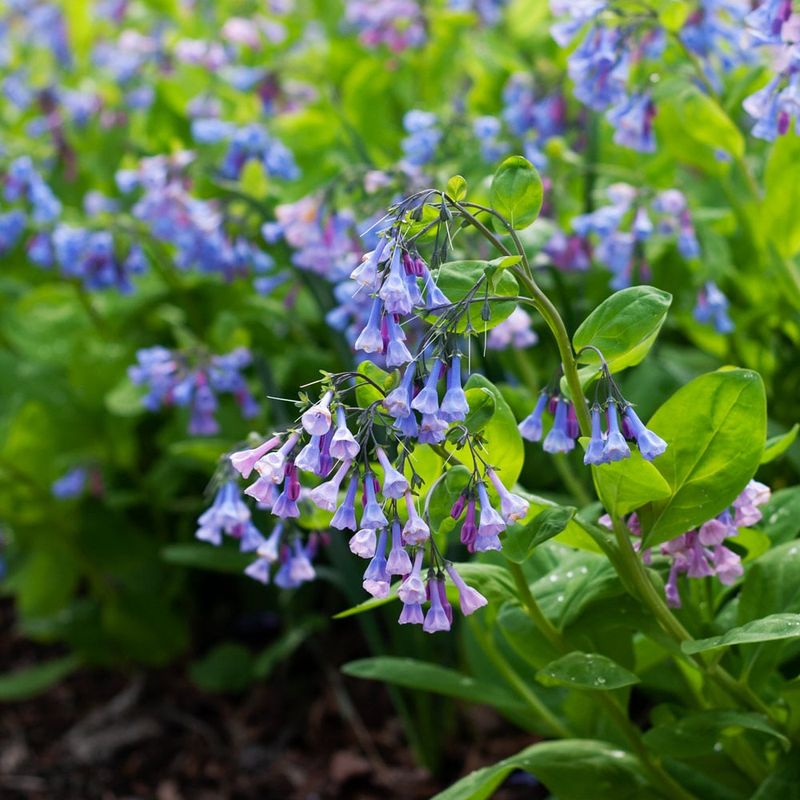
Virginia Bluebells are a captivating sight with their clusters of bell-shaped blue flowers that emerge from pink buds. These transitions in color add to their allure, creating a dynamic floral display.
Found in moist woodlands and riverbanks, they thrive in rich, loamy soils. Their blooming period is brief, making their appearance a cherished event each spring.
As the season progresses, the foliage dies back, allowing the surrounding flora to take over. Virginia Bluebells are a favorite among gardeners for their beauty and ease of care.
6. Mayapple (Podophyllum peltatum)
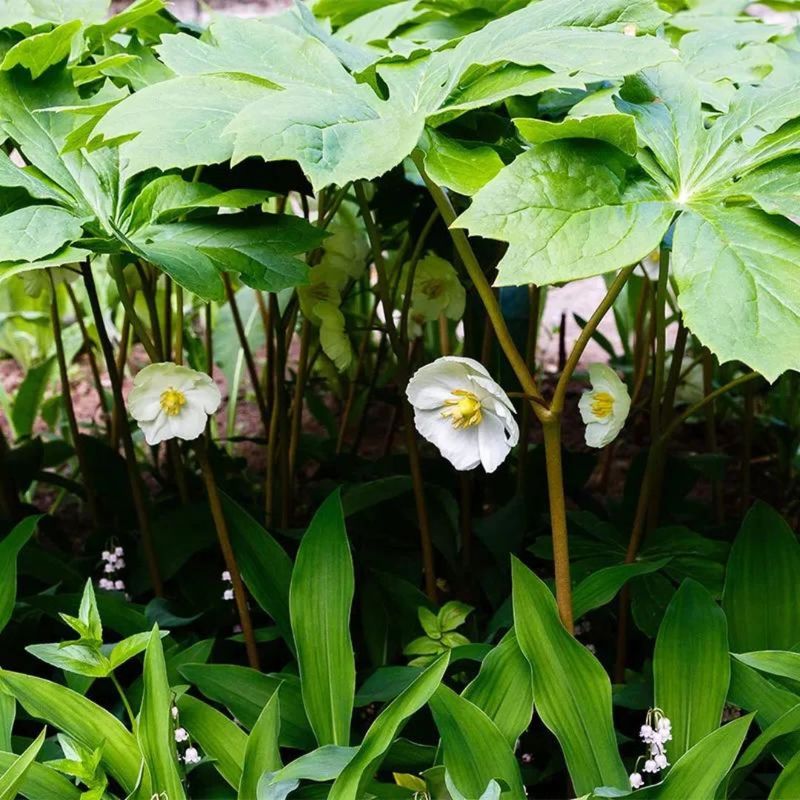
Mayapple presents a unique sight with its large, umbrella-like leaves and solitary white flower, often hidden beneath. These leaves can form dense colonies, creating a lush green carpet.
The plant thrives in shady, woodland areas, preferring moist, well-drained soil. While the leaves and roots are toxic, the ripe fruit can be used in jellies and jams.
Mayapple serves both as an ornamental plant and a subject of medicinal research, highlighting its dual role in nature and human use.
7. Jack‐in‐the‐Pulpit (Arisaema triphyllum)
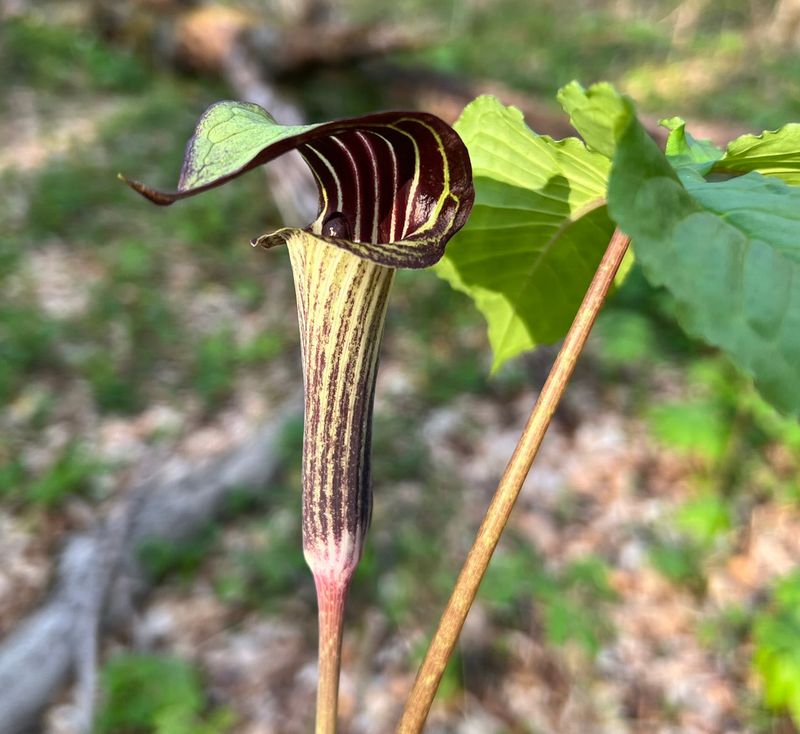
Jack-in-the-Pulpit is a woodland marvel, featuring a hooded green spathe that shelters the upright spadix, creating its unique ‘pulpit’ appearance. This intriguing plant blooms in early spring, catching the eye with its unusual shape.
Preferring moist, rich soils, it is commonly found in shaded areas of forests. The plant has a complex life cycle, able to change sex depending on environmental conditions.
Native Americans historically used its corms for food after proper preparation, showcasing its cultural significance.
8. Blue Cohosh (Caulophyllum thalictroides)
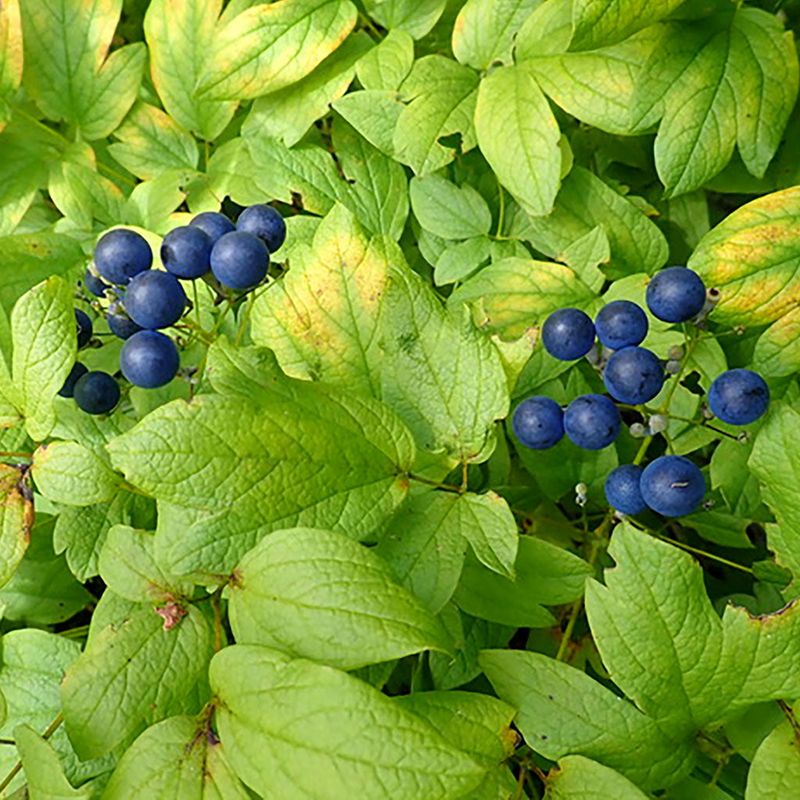
Blue Cohosh, a graceful woodland perennial, dazzles with clusters of small yellow flowers that appear in early spring. Its bluish-green foliage adds a touch of elegance to forested areas.
The plant’s roots have been used in traditional medicine, although care must be taken due to its toxic properties. Blue Cohosh thrives in rich, moist soil, often found under the canopy of deciduous forests.
Its presence is a sign of a healthy, undisturbed woodland ecosystem, supporting diverse wildlife and plant communities.
9. Wild Geranium (Geranium maculatum)
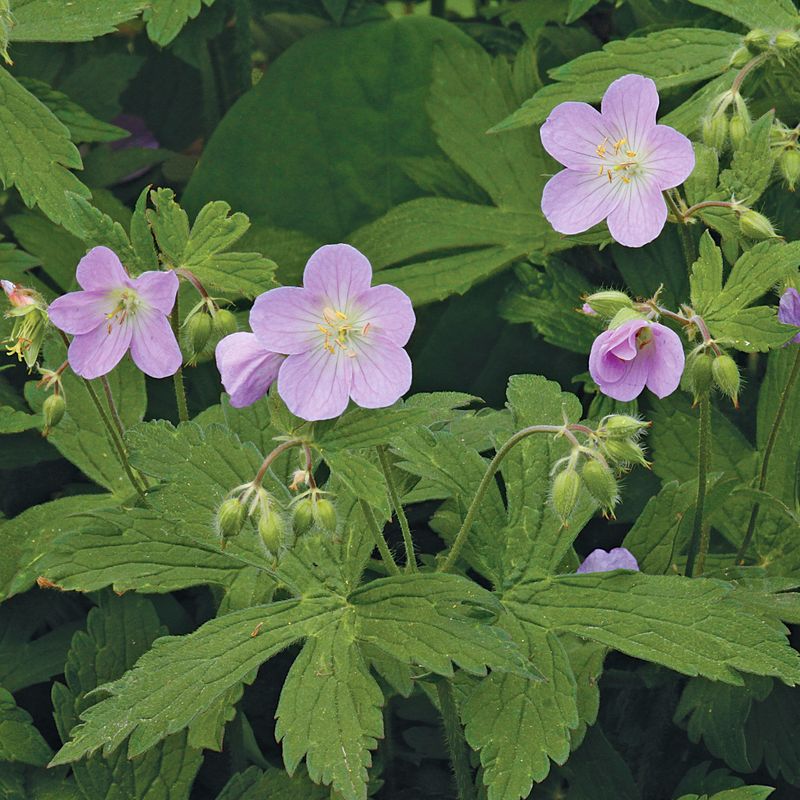
Wild Geranium, with its soft pink to lavender flowers, is a charming addition to the spring landscape. Its deeply lobed leaves provide texture and interest even after the blooms fade.
This perennial thrives in woodlands and meadows, preferring well-drained soil and partial shade. The plant offers ecological benefits, attracting pollinators like bees and butterflies.
Wild Geraniums are a gardener’s delight for their beauty and adaptability, fitting seamlessly into naturalized settings and more formal gardens.
10. Solomon’s Seal (Polygonatum biflorum)
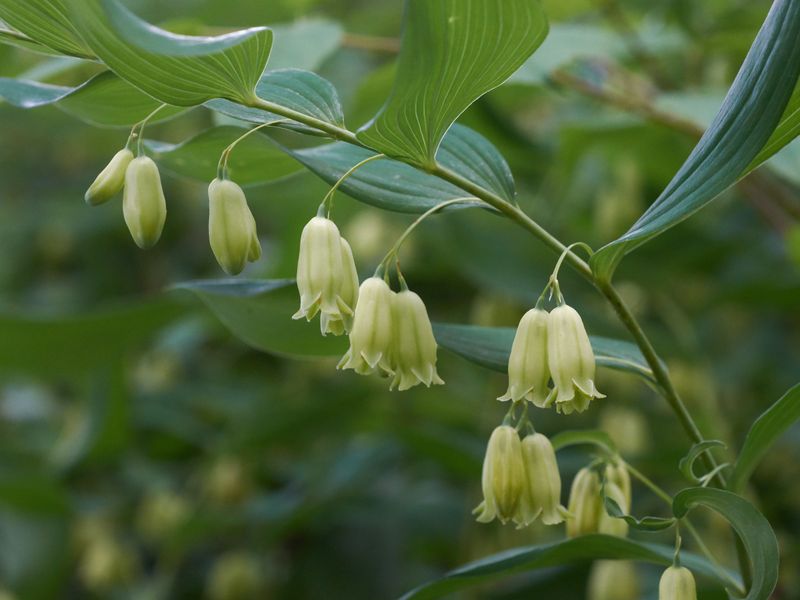
Solomon’s Seal is marked by its graceful arching stems and dangling pairs of small, white, bell-shaped flowers. This elegant plant adds a touch of sophistication to shaded gardens and natural landscapes.
Thriving in moist, shaded woodland areas, it prefers loamy, well-drained soils. The plant’s rhizomes have been used for medicinal purposes, although its primary appeal is ornamental.
Solomon’s Seal is valued for its ability to blend into the woodland understory, supporting both pollinators and seasonal aesthetics.
11. Starflower (Trientalis borealis)
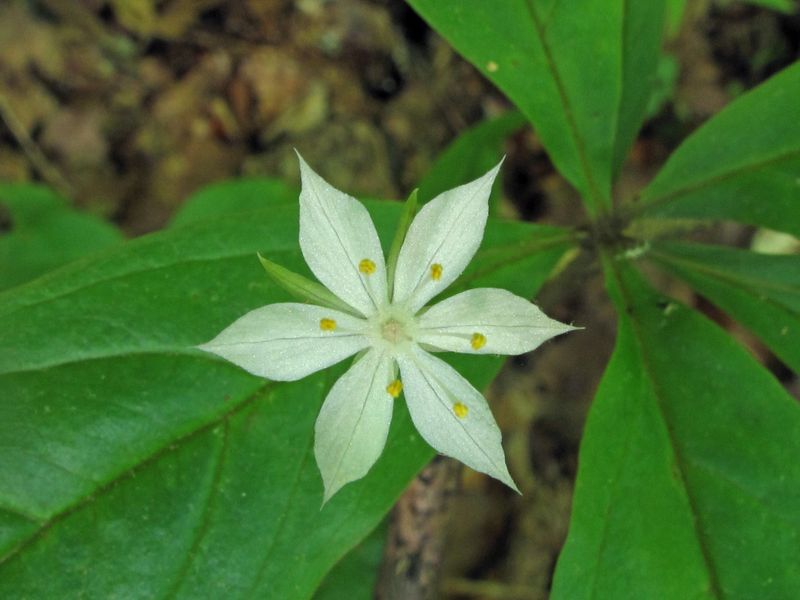
Starflower enchants with its delicate, star-shaped white flowers, typically featuring a seven-pointed symmetry. These dainty blooms appear in late spring, adding a subtle beauty to woodland environments.
The plant’s slender stems and whorled leaves create a minimalist aesthetic, fitting seamlessly into forest floors and shaded garden spaces.
Starflowers thrive in acidic, well-drained soils, often found in coniferous and mixed woodlands. Their presence indicates a healthy forest ecosystem, offering visual delight with understated elegance.
12. Foamflower (Tiarella cordifolia)
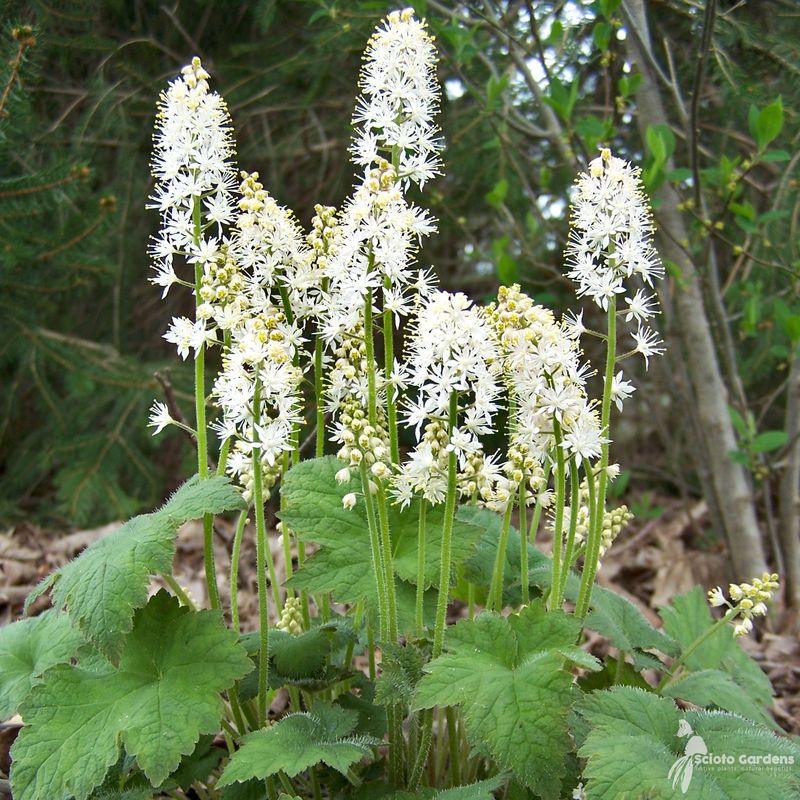
Foamflower is a woodland delight, featuring feathery spikes of white flowers that rise above heart-shaped leaves. These delicate blooms create a frothy appearance, giving the plant its charming name.
Preferring moist, well-drained soil, Foamflowers thrive in shaded garden areas and forest understories. They are easy to grow, providing ground cover and adding texture to garden designs.
The plant’s foliage offers seasonal interest, with some varieties displaying reddish leaf veins or striking autumn colors, enhancing their ornamental appeal.
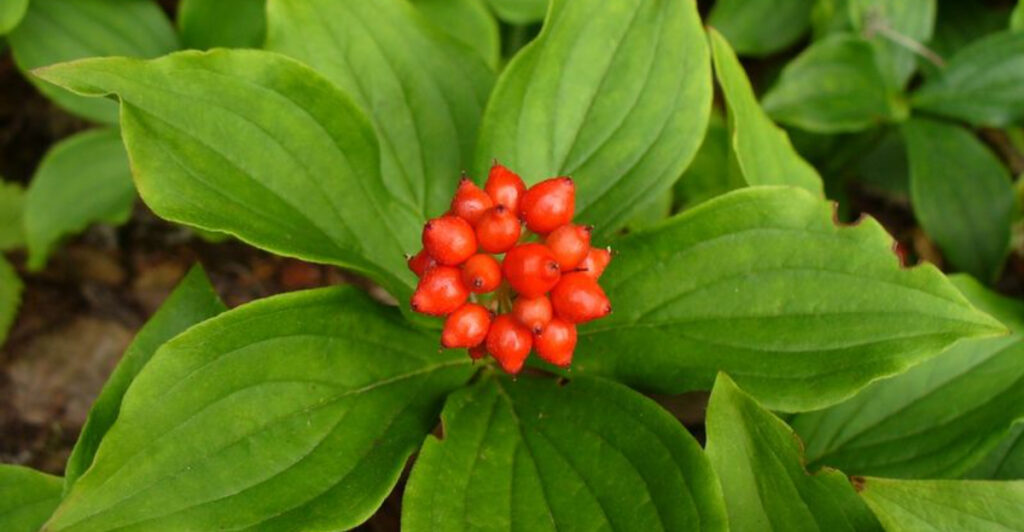
13. Bunchberry (Cornus canadensis)
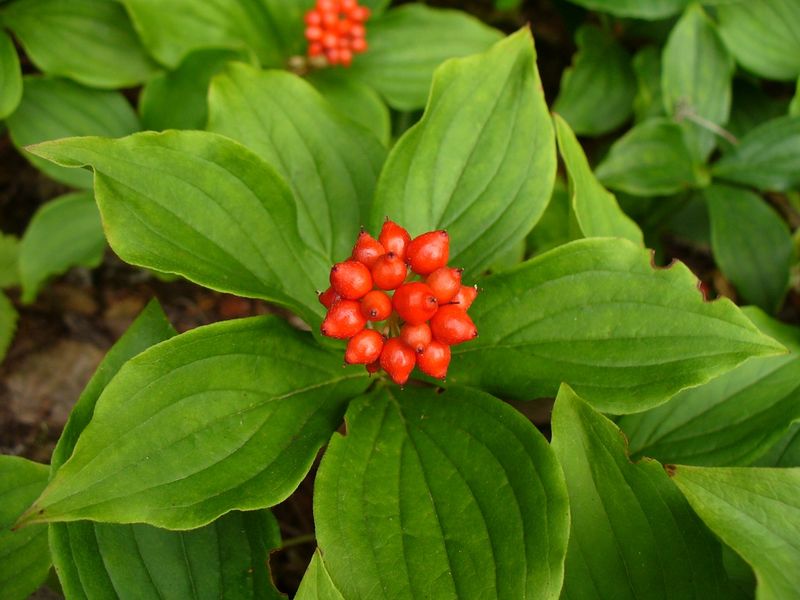
Bunchberry is a low-growing perennial known for its clusters of small white flowers and striking red berries. The floral display occurs in late spring, offering a visual treat above a carpet of green leaves.
Thriving in cool, shaded environments, Bunchberry prefers acidic, well-drained soils and is often found in coniferous forests.
The plant’s berries are edible, adding to its allure for both wildlife and humans. Bunchberry’s compact growth habit makes it an ideal ground cover for naturalized or woodland gardens.
14. Wild Sarsaparilla (Aralia nudicaulis)
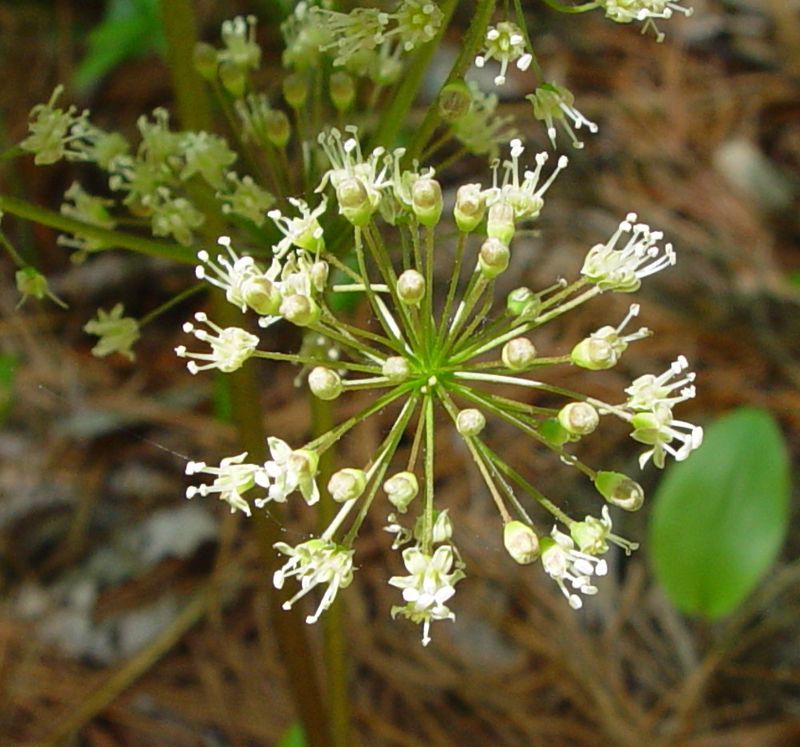
Wild Sarsaparilla is a forest-floor favorite, with large compound leaves and clusters of small greenish-white flowers. Its subtle blossoms appear in late spring, often going unnoticed beneath its lush foliage.
The plant thrives in moist, shaded woodlands, preferring rich, well-drained soil. Its roots have been historically used to create herbal teas and remedies, adding a layer of cultural significance.
Wild Sarsaparilla plays a supportive role in forest ecosystems, providing cover and resources for various woodland creatures.
15. Canada Mayflower (Maianthemum canadense)
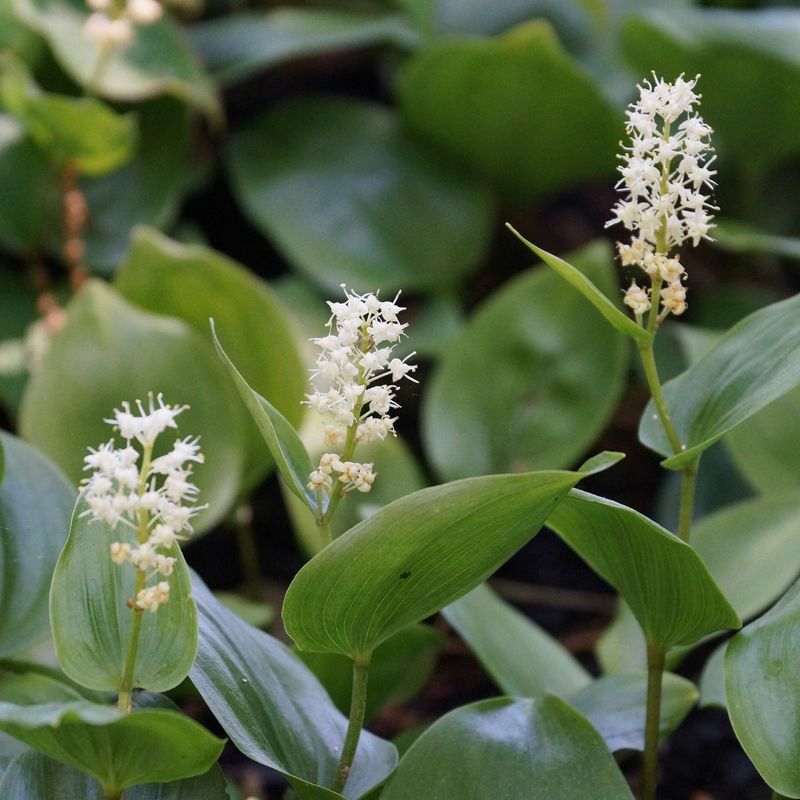
Canada Mayflower is a petite beauty, featuring small, white, star-shaped flowers in racemes above broad, green leaves. This plant’s understated elegance graces the forest floor in spring.
It thrives in moist, shaded environments, often forming dense colonies in coniferous and mixed woodlands. The plant’s berries provide a food source for birds and small mammals.
Canada Mayflower’s ability to carpet the forest floor creates a lush, green backdrop that enhances the spring landscape and supports ecosystem diversity.
16. Large‐flowered Trillium (Trillium grandiflorum)
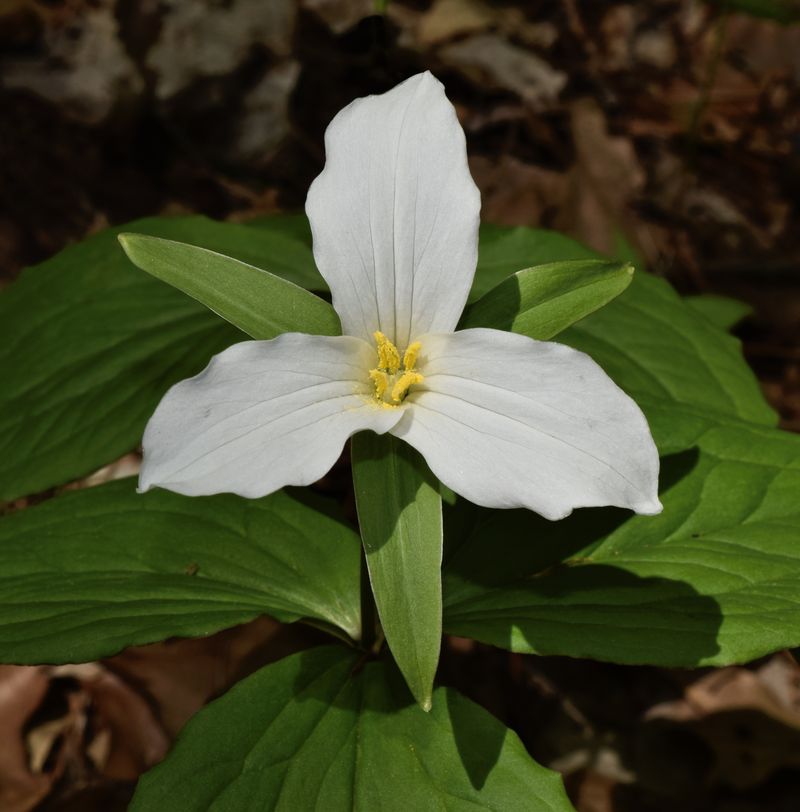
Large-flowered Trillium is an iconic spring wildflower, celebrated for its single, large white flower that sits above a whorl of three leaves. This striking bloom is a highlight of the forest understory.
Preferring rich, moist soil, it thrives in deciduous woodlands and demands patience, as it takes several years to flower from seed.
Trilliums are sensitive to habitat disturbance, making their presence a sign of a healthy ecosystem. Their elegance and ecological significance make them a treasured sight each spring.
17. Eastern Pasqueflower (Pulsatilla patens)
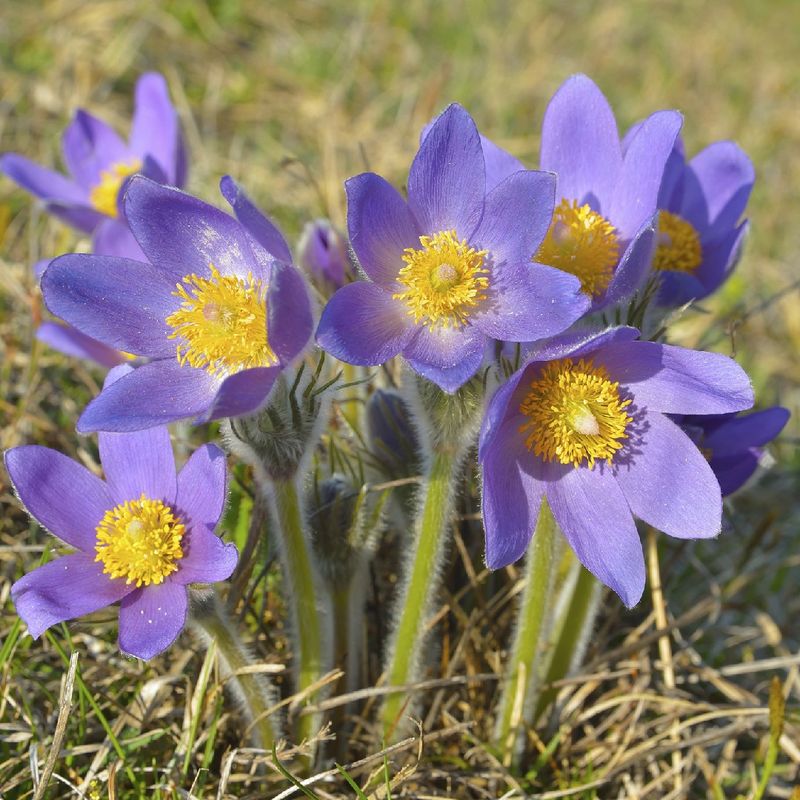
Eastern Pasqueflower captivates with its purple, bell-shaped flowers and soft, feathery foliage. Blooming in early spring, it adds a burst of color to open woodlands and sunny garden spots.
The plant prefers sandy, well-drained soil and is often found in prairie and savanna habitats. Its early blooming period provides vital resources for pollinators emerging after winter.
With historical uses in traditional medicine, Eastern Pasqueflower is both a visual and cultural asset, thriving with minimal care in appropriate environments.
18. Hepatica (Hepatica nobilis)
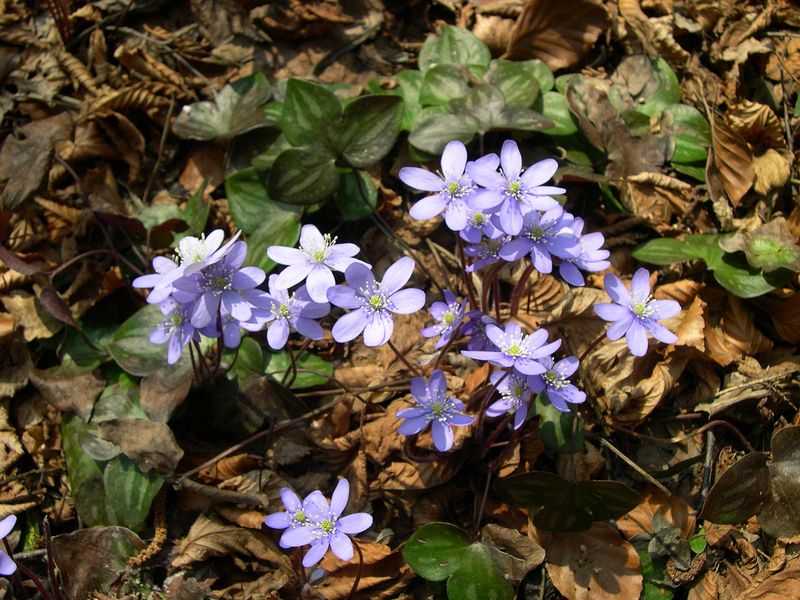
Hepatica is a delightful spring perennial, boasting flowers in shades of blue, pink, or white. These charming blooms emerge early, set against marbled, liver-shaped leaves.
The plant thrives in deciduous woodlands, preferring well-drained, slightly acidic soils. Its early blooming period makes it a critical food resource for pollinators.
Hepatica’s resilience and beauty have made it a popular choice for naturalized gardens, where it provides year-round interest with its evergreen leaves and cheerful spring blooms.
19. Pink Lady’s Slipper (Cypripedium acaule)
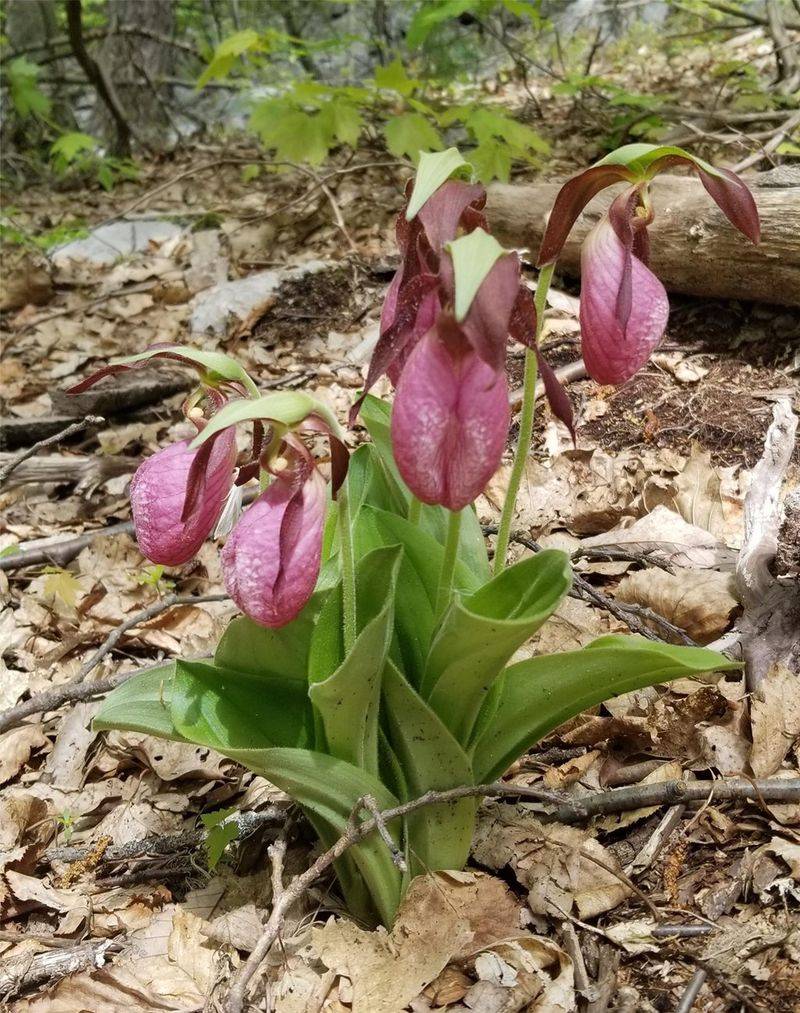
Pink Lady’s Slipper is one of nature’s unique orchids, known for its bright pink, slipper-shaped flowers. These enchanting blooms emerge in late spring, offering a pop of color amid the forest understory.
The plant thrives in acidic, well-drained soils of shaded woodlands, often found in pine forests. It forms symbiotic relationships with fungi, essential for its growth and reproduction.
Pink Lady’s Slippers are a protected species in many areas, cherished for their beauty and ecological importance, reminding us of the intricate balance in nature.
20. Nodding Trillium (Trillium recurvatum)
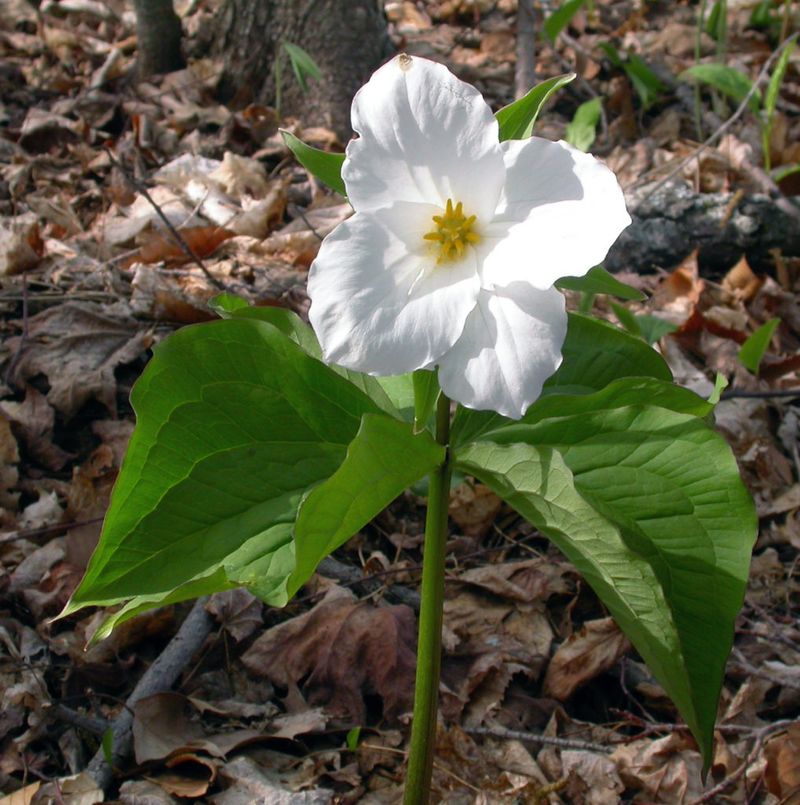
Nodding Trillium is a subtle woodland gem, known for its nodding white flower hidden beneath a trio of leaves. This understated bloom adds intrigue to the spring forest floor.
The plant prefers moist, shaded environments, often thriving in rich, loamy soils. Its discrete flowering habit provides a safe haven for pollinators, away from the forest’s bustling activity.
Nodding Trillium’s presence is a sign of a thriving forest ecosystem, supporting diverse plant and animal life with its understated elegance.