
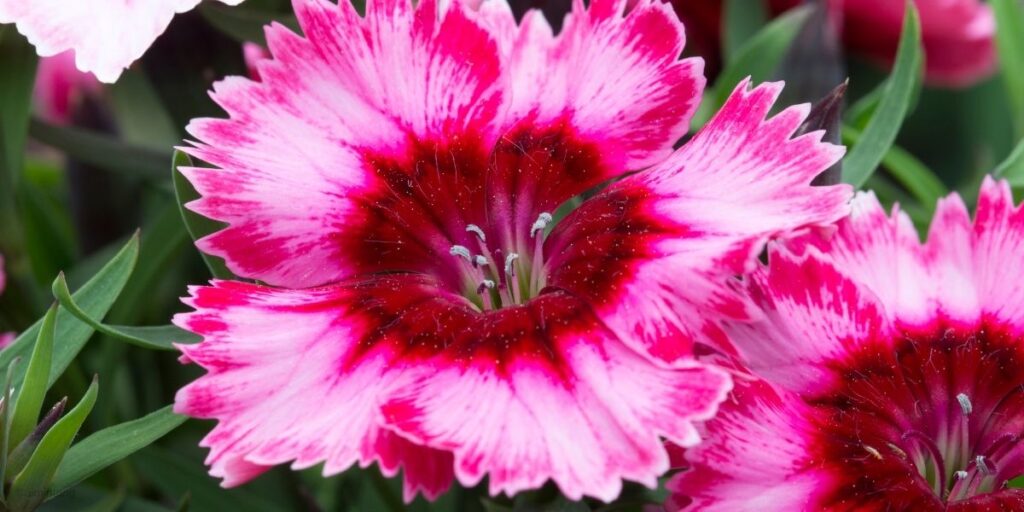
Explore the captivating world of companion planting with Dianthus, where beauty and functionality merge in the garden.
This post introduces you to 20 stunning plants that pair perfectly with Dianthus, enhancing both visual appeal and ecological harmony.
1. Lavender
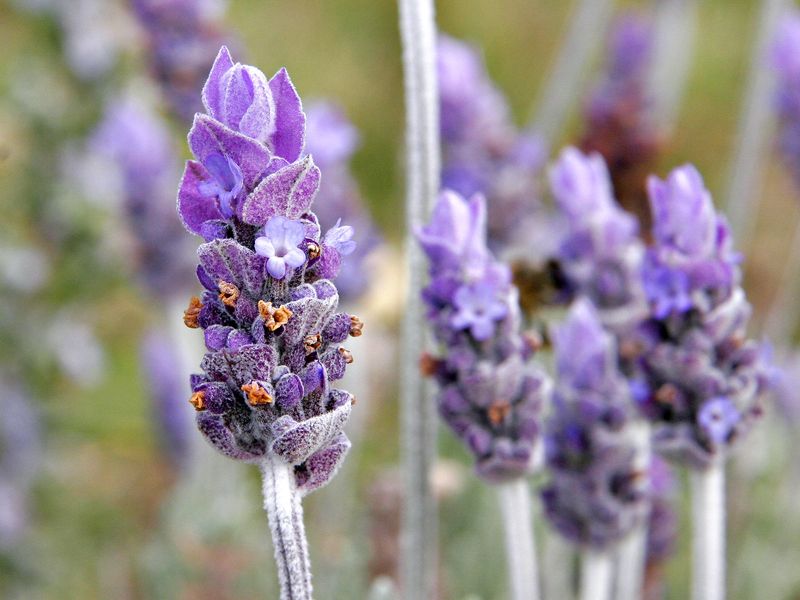
Lavender is a delightful companion for Dianthus, offering a serene purple hue and a calming fragrance. Its hardy nature makes it a garden staple, thriving in sunny spots.
The aromatic oils not only provide a soothing ambiance but also deter pests, benefiting nearby plants. Lavender’s silvery foliage offers a striking contrast to Dianthus’s bright blooms.
Incorporate Lavender along borders or pathways to create a visually appealing, aromatic garden experience. Its drought-resistance and low maintenance needs make it a favorite among gardeners seeking elegance and practicality.
2. Rosemary
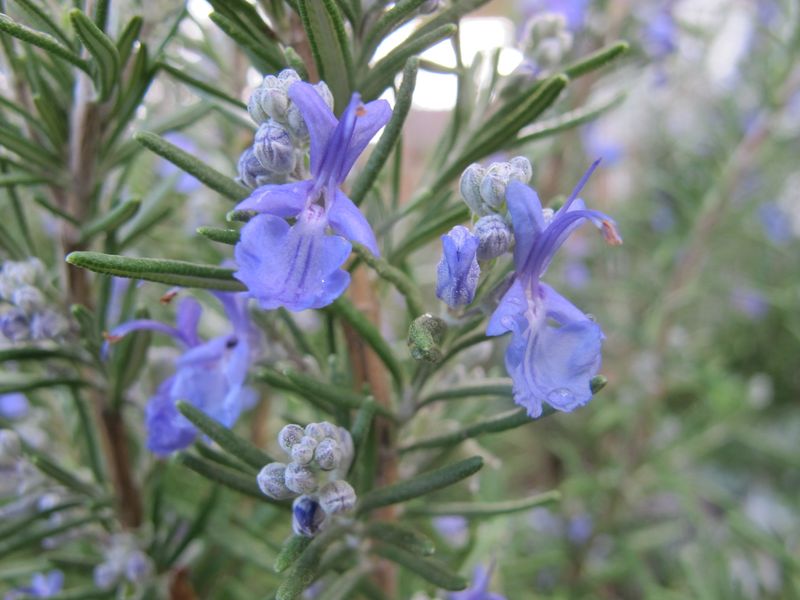
Rosemary is more than just a culinary herb; it’s a robust companion for Dianthus. Its needle-like leaves and aromatic scent create a delightful sensory experience.
Rosemary’s woody stems add texture and structure, while its evergreen nature ensures year-round appeal. Its ability to thrive in poor soil makes it an ideal garden partner.
Position Rosemary in well-draining soil, and enjoy its pest-repelling qualities. Whether in pots or garden beds, Rosemary complements Dianthus beautifully, offering both visual and aromatic benefits.
3. Thyme
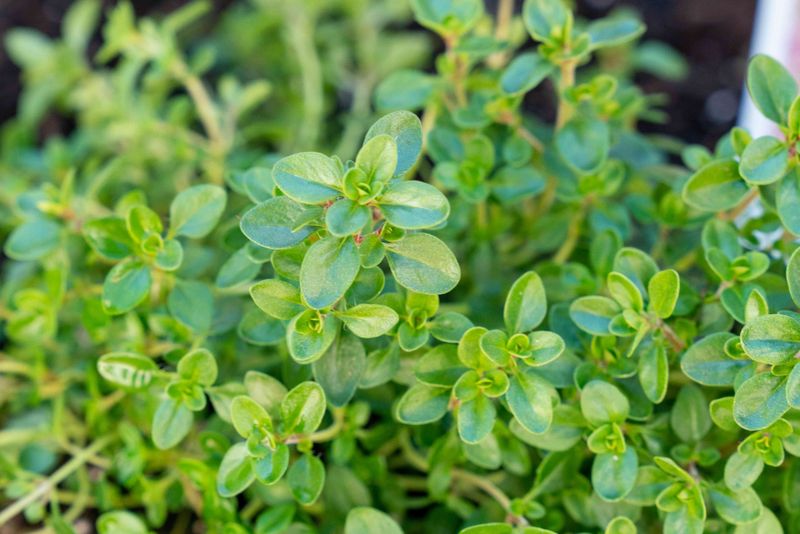
Thyme is a charming ground cover that pairs beautifully with Dianthus. Its tiny purple flowers and aromatic leaves bring rustic charm to any garden.
Thyme’s low-growing habit makes it perfect for filling gaps and creating a lush, green carpet. Its drought tolerance ensures it thrives in various conditions.
Plant Thyme near Dianthus to enhance fragrance and deter pests. This herb’s culinary uses are an added bonus, making it a practical and attractive choice for gardeners seeking beauty and functionality.
4. Sedum (Stonecrop)
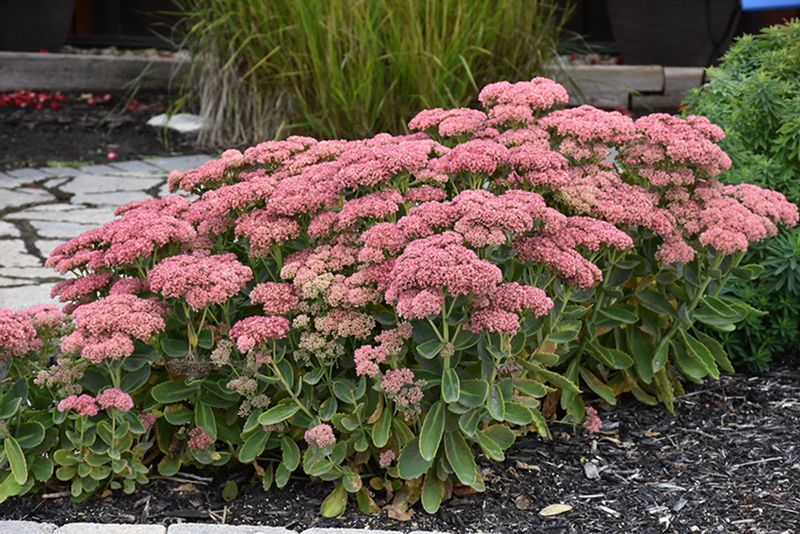
Sedum, also known as Stonecrop, is a resilient companion for Dianthus, thriving in rocky or poor soil conditions. Its fleshy leaves store water, making it drought-tolerant.
With blooms in shades of pink and yellow, Sedum adds a burst of color to the garden. Its low maintenance needs make it ideal for busy gardeners.
Plant Sedum alongside Dianthus to create a vibrant, textured display that attracts pollinators. This hardy plant’s ability to thrive in harsh conditions makes it a reliable and attractive addition to any garden.
5. Veronica spicata (Spike Speedwell)
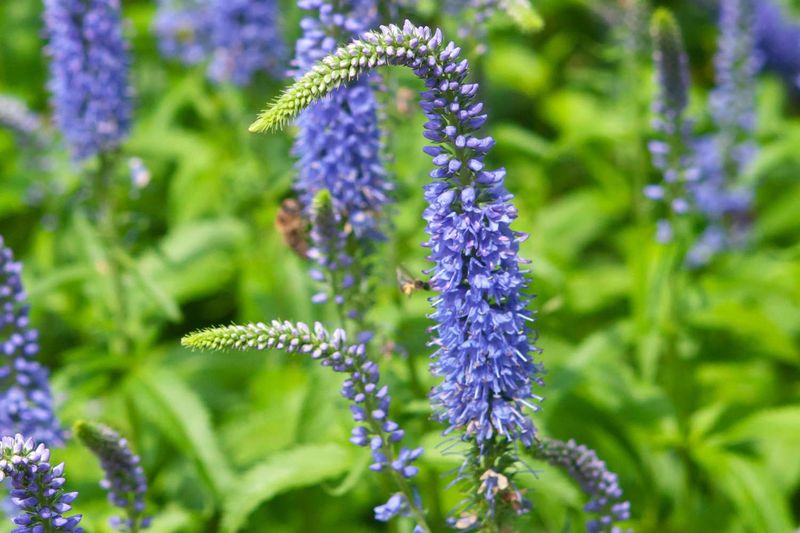
Veronica spicata, or Spike Speedwell, is a graceful addition to any Dianthus planting. Its tall spikes of blue flowers rise elegantly, adding height and movement.
This plant thrives in well-drained soil and enjoys full sun, making it a versatile choice for various garden settings. The blooms attract butterflies, adding life and color.
Position Veronica spicata near Dianthus to create a dynamic display of form and color. Its low maintenance nature and lengthy blooming period make it a gardener’s favorite for enhancing visual appeal.
6. Salvia (Sage)
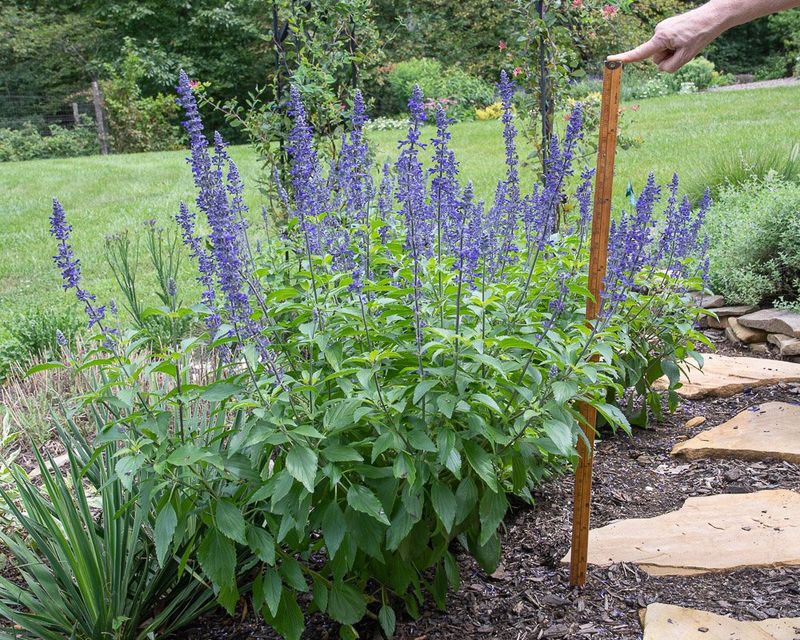
Salvia, commonly known as Sage, is a vibrant companion for Dianthus, celebrated for its aromatic leaves and bright purple flowers. This hardy perennial thrives in sunny locations.
The tall flower spikes add vertical interest and attract pollinators like bees and butterflies. Salvia’s aromatic foliage also deters common garden pests, benefiting surrounding plants.
Incorporate Salvia alongside Dianthus to create a colorful, pest-resistant garden retreat. Its low maintenance needs and drought tolerance make it an excellent choice for enhancing both beauty and functionality in the garden.
7. Nepeta (Catmint)
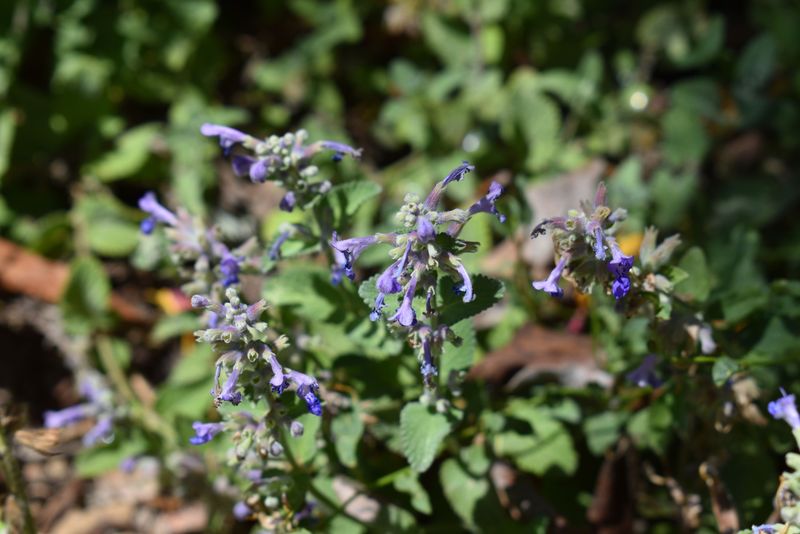
Nepeta, or Catmint, is a delightful companion for Dianthus, known for its soft blue flowers and fragrant foliage. This hardy plant thrives in sunny spots and well-drained soil.
Nepeta’s sprawling habit and long blooming period create a continuous display of color and scent. Its foliage releases a minty aroma that deters pests.
Plant Nepeta near Dianthus to enjoy a harmonious blend of colors and fragrances. Its low maintenance and drought-resistant nature make it a favorite choice for gardeners seeking a tranquil, charming garden setting.
8. Ornamental Allium
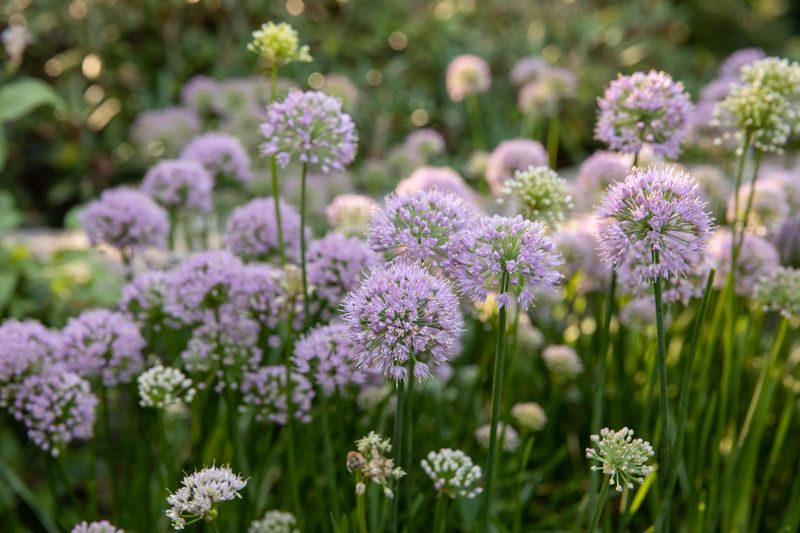
Ornamental Allium is a striking companion for Dianthus, with its spherical purple blooms creating a focal point in the garden. These plants thrive in well-drained soil and full sun.
The tall stems add vertical interest and movement, while the purple flowers attract pollinators. Allium’s bold form complements the delicate nature of Dianthus blooms.
Position Ornamental Allium near Dianthus to create a dynamic, visually appealing display. This plant’s unique appearance and ease of care make it a standout addition, enhancing both aesthetic and ecological value.
9. Coreopsis (Tickseed)
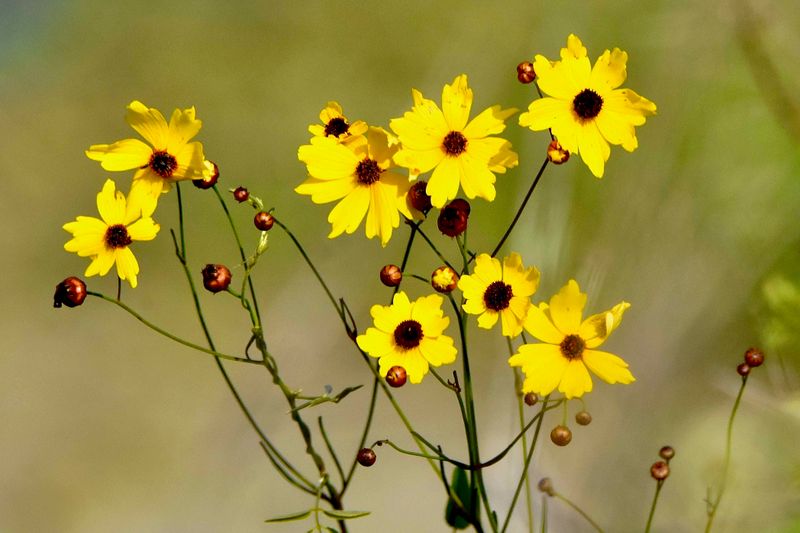
Coreopsis, commonly known as Tickseed, is a lively companion for Dianthus, offering bright yellow blooms that bring cheer to the garden. This plant thrives in full sun and well-drained soil.
The daisy-like flowers attract pollinators, providing ecological benefits. Coreopsis’s feathery foliage adds texture and contrast to the garden layout.
Plant Coreopsis alongside Dianthus to enjoy a vibrant display of color and movement. Its drought-resistant and low maintenance nature make it a preferred choice for gardeners looking to enhance both beauty and biodiversity in their garden spaces.
10. Gaillardia (Blanket Flower)
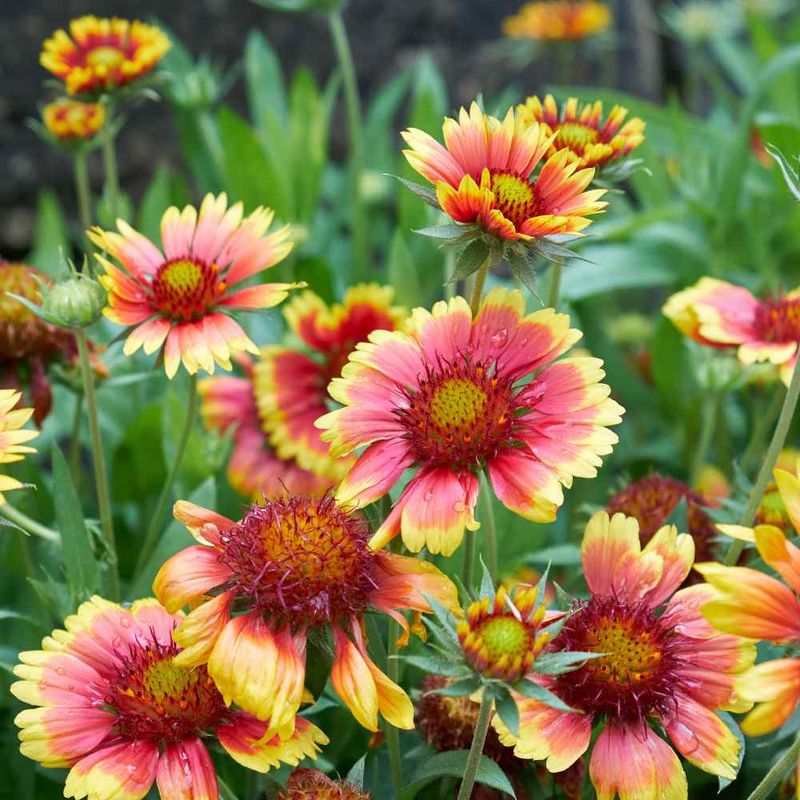
Gaillardia, or Blanket Flower, is a vibrant companion for Dianthus, known for its striking red and yellow blooms. This hardy plant thrives in sunny locations and well-drained soil.
The vivid flowers attract pollinators, adding vitality and color to the garden. Gaillardia’s long blooming period ensures continuous visual interest.
Position Gaillardia near Dianthus to create a cheerful, colorful garden display. Its drought-resistant qualities and minimal care requirements make it a favorite for gardeners seeking vibrant, easy-to-maintain plantings.
11. Echinacea (Coneflower)
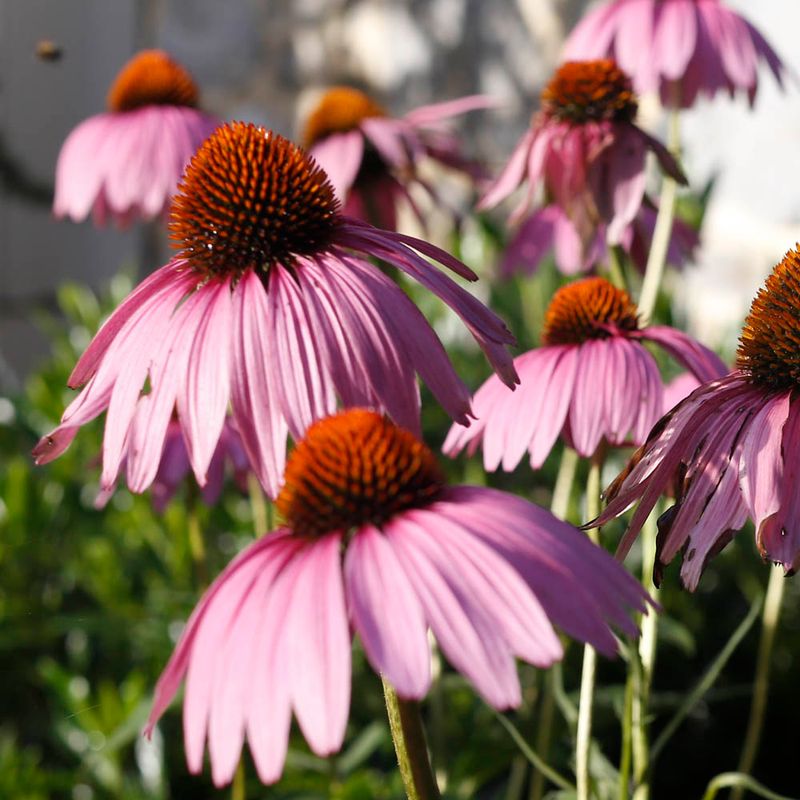
Echinacea, or Coneflower, is a bold companion for Dianthus, celebrated for its prominent pink blooms and spiky centers. This resilient plant thrives in full sun and well-drained soil.
The flowers attract pollinators and add architectural interest to the garden. Echinacea’s long-lasting blooms ensure a dynamic and colorful display.
Plant Echinacea near Dianthus to enjoy a visually striking and ecologically beneficial garden setting. Its drought-resistant and low maintenance nature make it a staple for gardeners seeking beauty and sustainability in their landscapes.
12. Achillea (Yarrow)
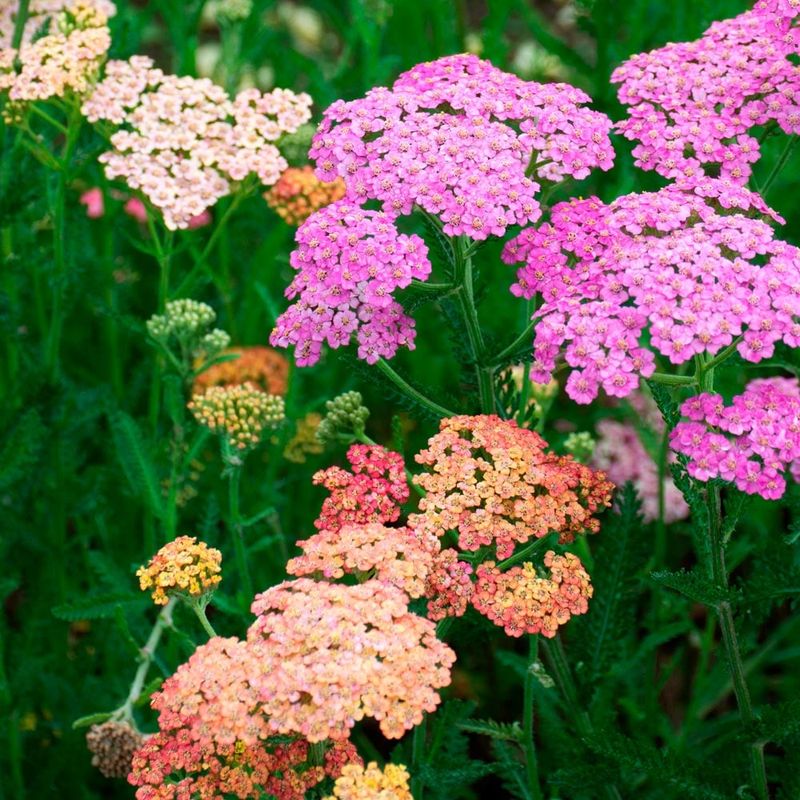
Achillea, commonly known as Yarrow, is a resilient companion for Dianthus, featuring clusters of yellow blooms and feathery foliage. This hardy plant thrives in sunny locations and poor soil.
The flowers attract pollinators and add a wild, naturalistic touch to gardens. Achillea’s drought-resistant qualities make it ideal for low-water landscapes.
Position Achillea near Dianthus to create a dynamic, textured garden display. Its low maintenance needs and ecological benefits make it a favorite choice for gardeners seeking wild beauty and sustainability.
13. Artemisia (Wormwood)
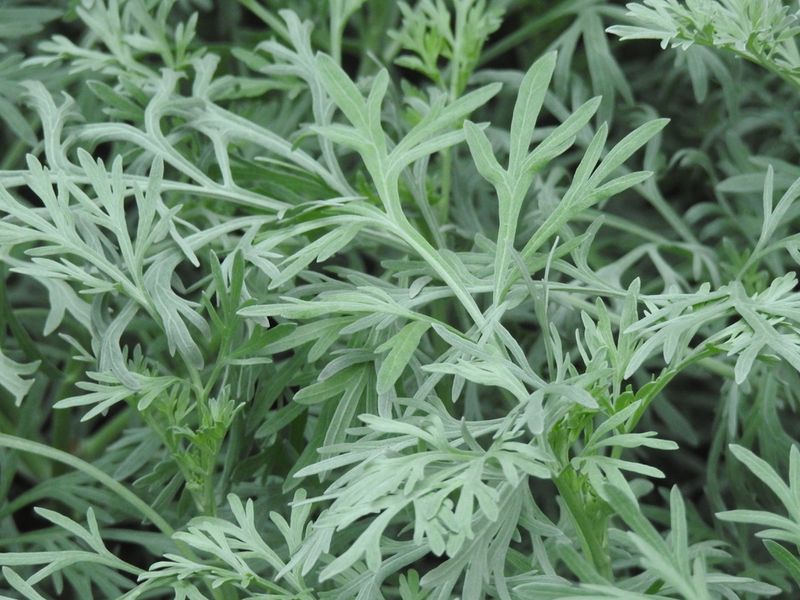
Artemisia, or Wormwood, is a unique companion for Dianthus, known for its silver-gray foliage and aromatic qualities. This plant thrives in sunny, well-drained locations.
Artemisia’s foliage provides a striking contrast to colorful blooms, enhancing the visual appeal of gardens. Its aromatic oils deter pests, benefiting nearby plants.
Incorporate Artemisia alongside Dianthus to enjoy a harmonious blend of texture and fragrance. Its drought-resistant and low maintenance nature make it an attractive choice for gardeners seeking an ethereal and practical garden addition.
14. Iberis (Candytuft)
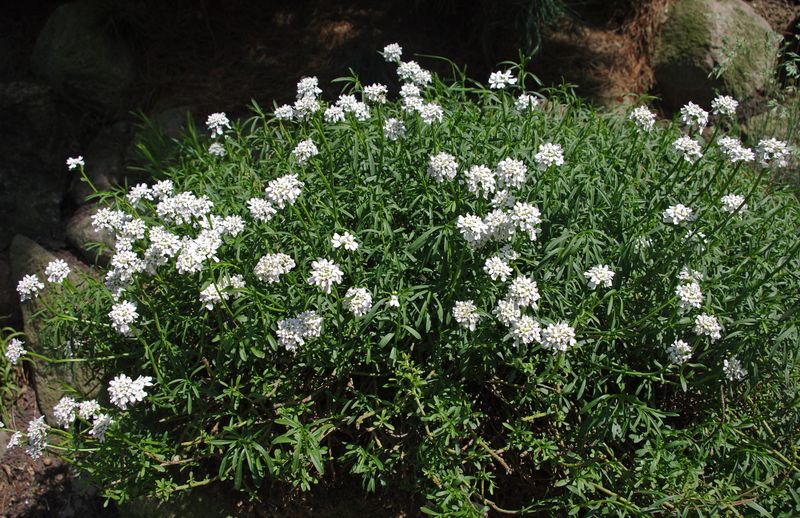
Iberis, or Candytuft, is a delightful companion for Dianthus, offering pure white blooms that create a fresh, clean appearance. This plant thrives in full sun and well-drained soil.
The low-growing habit of Iberis makes it ideal for borders and edging, adding definition to garden layouts. The white blooms attract pollinators, enhancing ecological diversity.
Position Iberis near Dianthus to create a visually striking and harmonious garden display. Its low maintenance and drought-resistant nature make it a preferred choice for gardeners seeking elegance and functionality.
15. Creeping Phlox
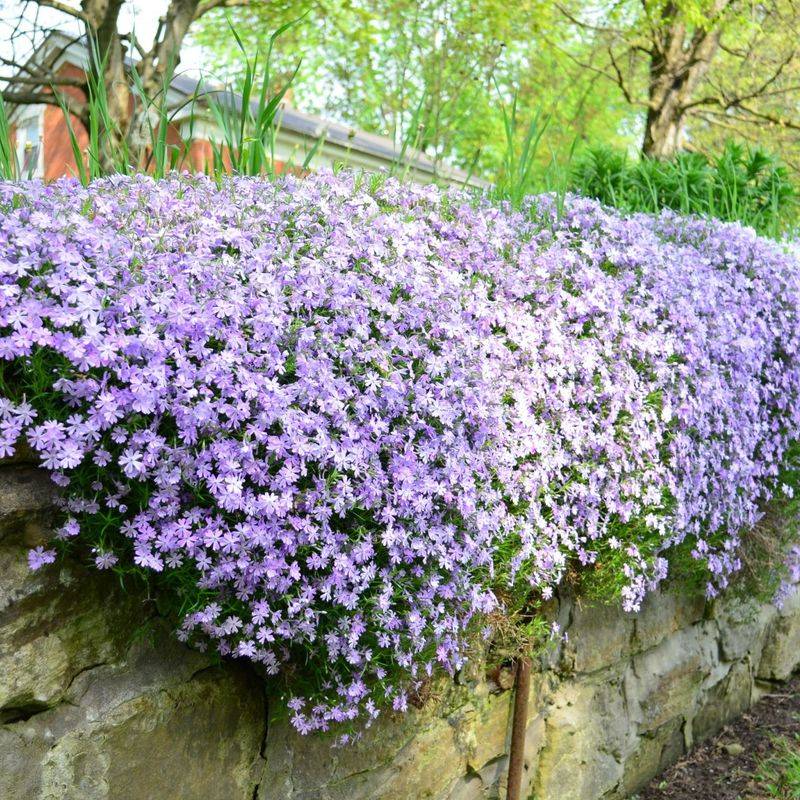
Creeping Phlox is a lush ground cover that pairs beautifully with Dianthus, known for its colorful blooms in shades of pink and purple. This plant thrives in sunny, well-drained areas.
The spreading habit of Creeping Phlox creates a carpet of color, adding depth and texture to garden spaces. The blooms attract pollinators, supporting ecological health.
Plant Creeping Phlox near Dianthus to enjoy a vibrant, multi-layered garden display. Its low maintenance and drought-resistant qualities make it a favorite for gardeners seeking lush, colorful ground coverage.
16. Aster (Michaelmas Daisy)
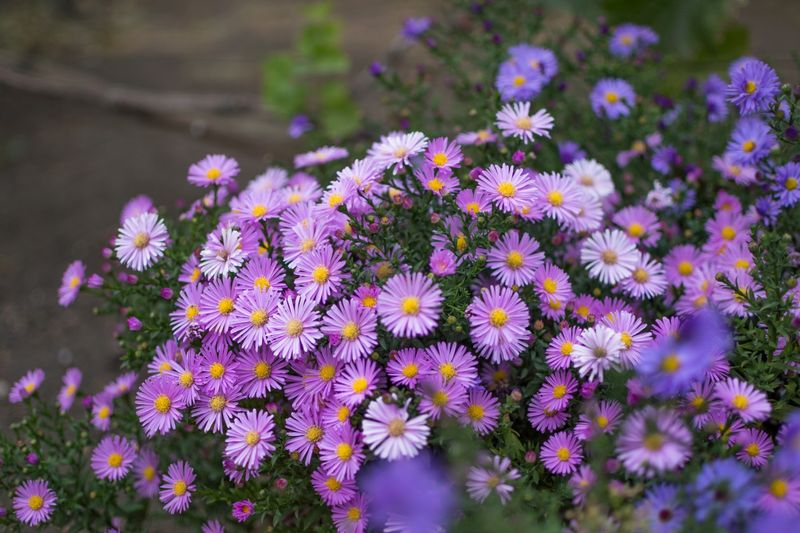
Aster, known as Michaelmas Daisy, is a charming companion for Dianthus, featuring star-shaped purple blooms. This resilient plant thrives in sunny locations and well-drained soil.
The flowers attract pollinators, adding movement and vitality to gardens. Aster’s late blooming period extends the floral display into fall.
Position Aster near Dianthus to create a dynamic, colorful garden setting. Its low maintenance and drought-resistant nature make it a favorite for gardeners seeking extended blooming periods and ecological benefits.
17. Scabiosa (Pincushion Flower)
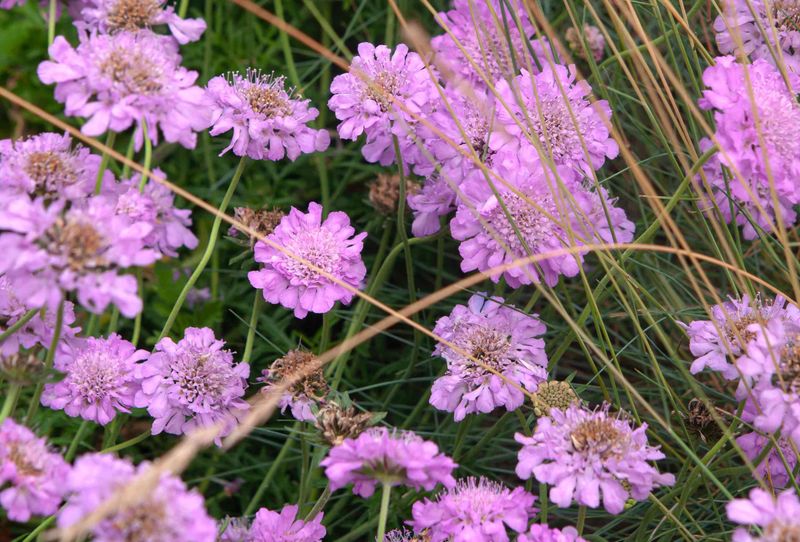
Scabiosa, or Pincushion Flower, is a whimsical companion for Dianthus, with delicate, lacy blooms in blue and pink shades. This plant thrives in full sun and well-drained soil.
The intricate flowers attract butterflies, adding life and color to the garden. Scabiosa’s long blooming period ensures continuous visual interest.
Plant Scabiosa near Dianthus to enjoy a charming, dynamic garden display. Its low maintenance and drought-resistant nature make it a favorite for gardeners seeking delicate beauty and ecological benefits.
18. Penstemon (Beardtongue)
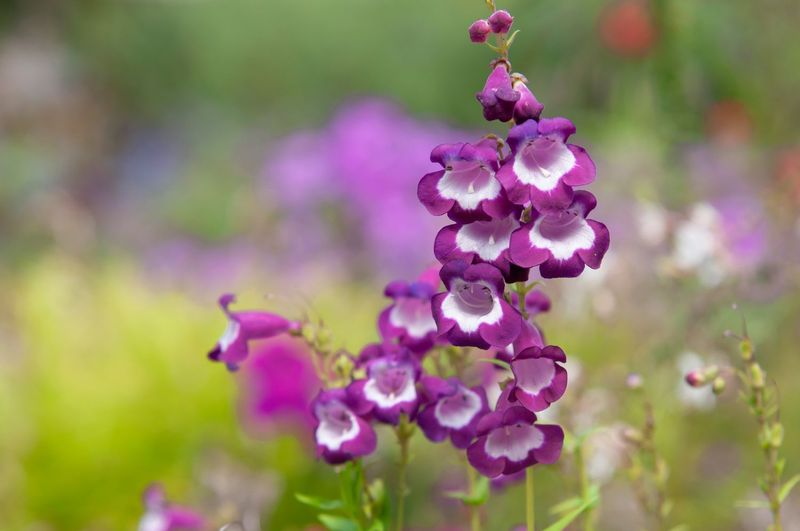
Penstemon, or Beardtongue, is a vibrant companion for Dianthus, known for its tubular red blooms. This hardy plant thrives in sunny, well-drained locations.
The flowers attract pollinators, adding movement and color to gardens. Penstemon’s long blooming period ensures a continuous display of vibrancy.
Position Penstemon near Dianthus to create a colorful, dynamic garden setting. Its low maintenance and drought-resistant nature make it a preferred choice for gardeners seeking vibrancy and ecological benefits.
19. Delosperma (Ice Plant)
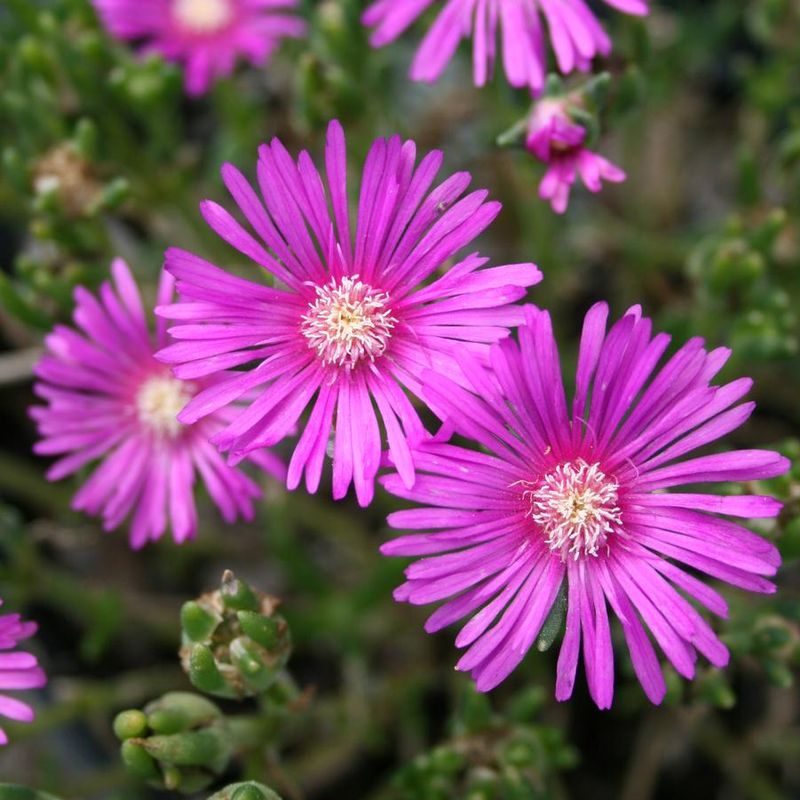
Delosperma, or Ice Plant, is a unique companion for Dianthus, featuring succulent leaves and vibrant pink blooms. This resilient plant thrives in rocky or sandy soil.
The fleshy leaves store water, making Delosperma drought-tolerant. Its blooms attract pollinators, enhancing ecological diversity.
Plant Delosperma near Dianthus to enjoy a striking, textured garden display. Its low maintenance and drought-resistant nature make it an attractive choice for gardeners seeking unique beauty and resilience.
20. Festuca (Fescue Grass)
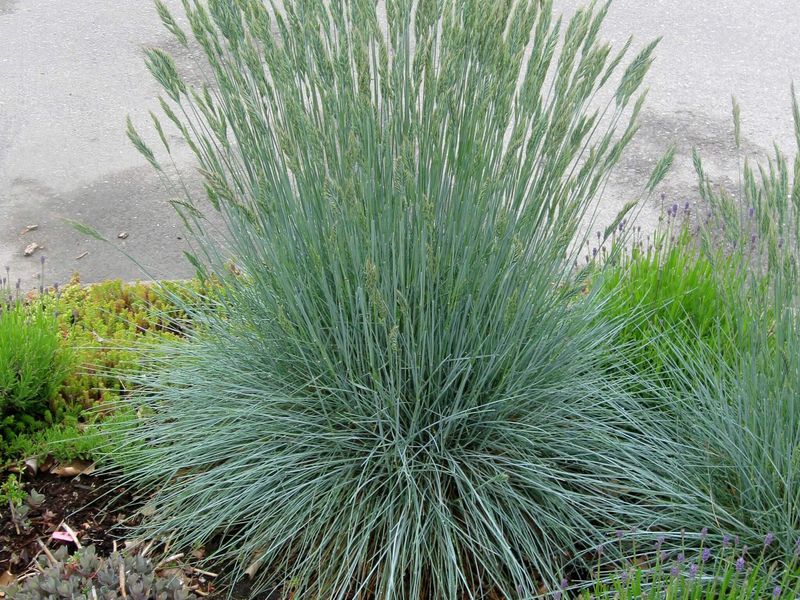
Festuca, or Fescue Grass, is an elegant companion for Dianthus, known for its fine, bluish-green blades. This grass thrives in sunny, well-drained areas.
The dense clumps of Festuca add texture and movement to gardens, complementing colorful blooms. Its low maintenance needs and drought-resistant qualities make it ideal for sustainable landscapes.
Position Festuca near Dianthus to create a harmonious blend of texture and color. Its versatility and ease of care make it a favorite choice for gardeners seeking low-maintenance elegance.
21. Japanese Forest Grass
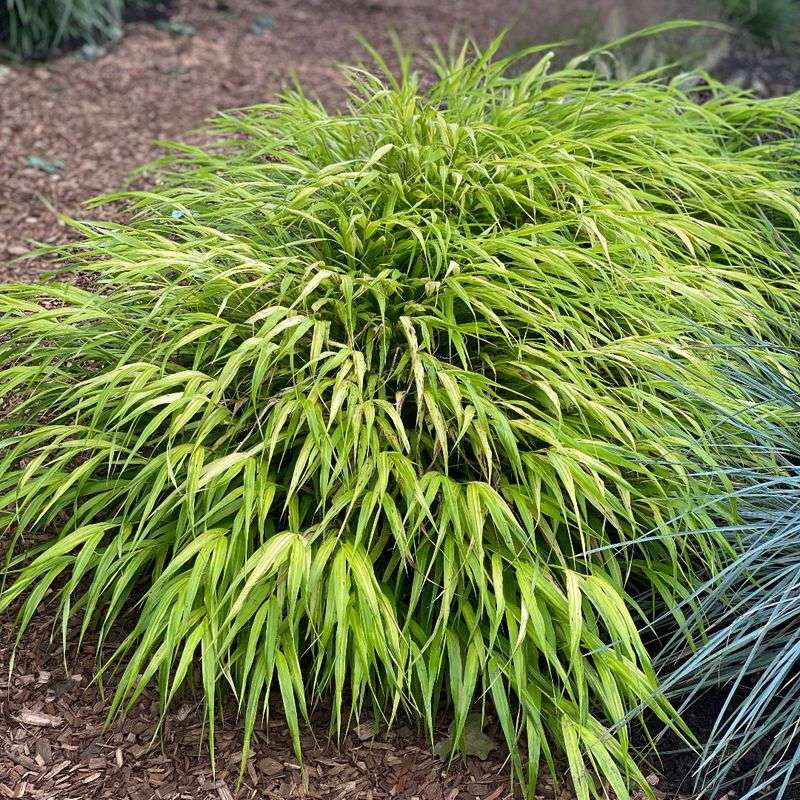
Japanese Forest Grass is a graceful addition to any garden, known for its arching golden blades. This ornamental grass thrives in shaded locations with moist soil.
The cascading foliage adds movement and elegance, contrasting beautifully with Dianthus’s bright blooms. Its preference for shade makes it an ideal choice for those tricky garden spots.
Plant Japanese Forest Grass near shaded Dianthus varieties to enjoy a serene, sophisticated garden display. Its low maintenance and adaptability make it a favorite for creating lush, ornamental landscapes.