
Exploring unique and intriguing food crops that thrive in home gardens, offering flavors and experiences that are seldom found in commercial settings.
1. Pawpaw (Asimina triloba)
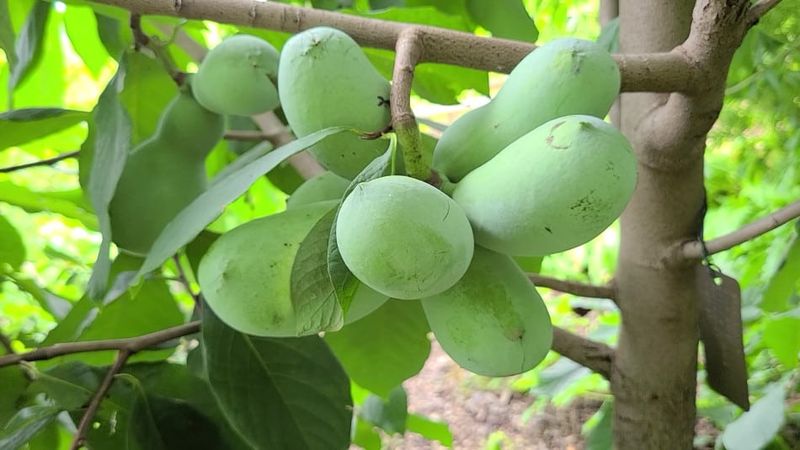
Imagine a fruit that tastes like a tropical dream but grows quietly in North America. That’s the pawpaw. With its custard-like texture and hints of banana, mango, and melon, it’s a delightful surprise for those lucky enough to grow it.
These fruits are notorious for their short shelf life, which is why you won’t often find them in stores. The pawpaw tree, with its broad leaves and small stature, is a charming addition to any garden.
Come harvest time, you’ll feel like you’ve stumbled upon a hidden treasure. It’s a taste you can truly call your own.
2. Mayapple (Podophyllum peltatum)
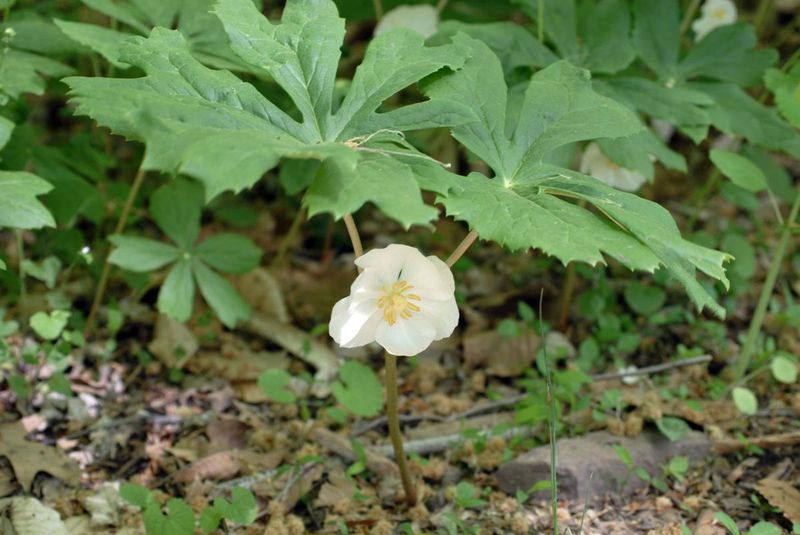
The mayapple is more mystery than fruit; it’s not something you’d find on a typical grocery trip. Hidden beneath its umbrella-like leaves lies a small, elusive fruit that’s only safe to eat when fully ripe.
This wild plant is more of a garden oddity than a staple, yet it offers a delicate flavor reminiscent of citrus and melon.
It’s an adventurous addition to any home garden, adding an intriguing layer to your growing repertoire. Handle with care, as its unripe fruit and other parts are toxic.
3. American Persimmon (Diospyros virginiana)
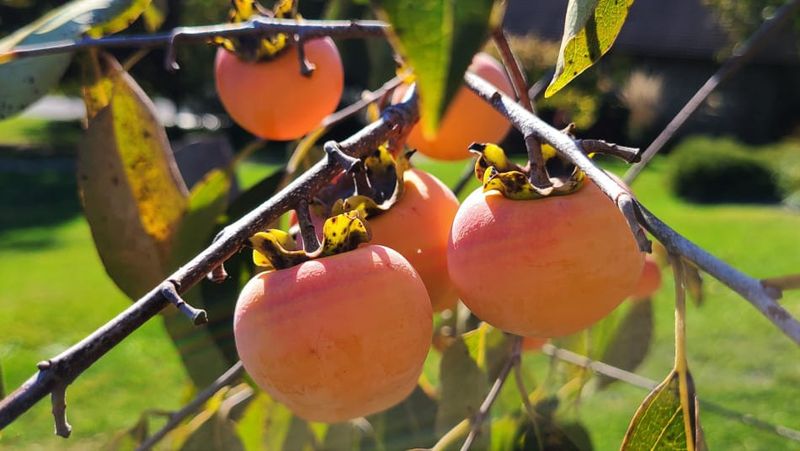
Sweet yet complex, the American persimmon is a fruit that embodies the essence of fall. This native beauty offers a flavor profile that’s rich and deep, with notes of honey and apricot.
While commercially overshadowed by its Asian cousin, the American persimmon holds its own charm for those willing to grow it.
Its fruits, soft and syrupy when ripe, are a seasonal delight best enjoyed fresh from the tree. Plant one, and you’ll have a perennial source of autumn sweetness right in your backyard.
4. Hardy Kiwi (Actinidia arguta)
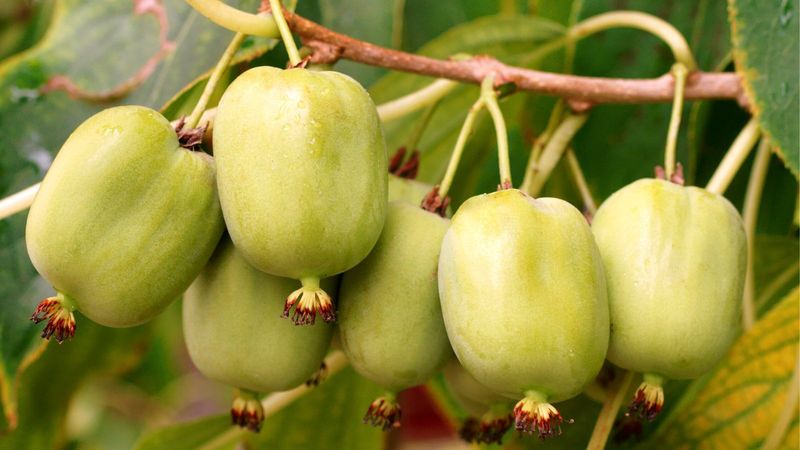
Meet the hardy kiwi, a small fruit that packs a punch of flavor. Unlike the fuzzy kiwis you see in stores, these are smooth-skinned and ready to eat right off the vine. They’re a gardener’s delight, offering a taste that’s both familiar and exotic.
Growing these in your garden introduces a sense of adventure and discovery, as their sweet-tart flavor makes them a delectable treat. Hardy kiwis are seldom found in commercial markets, making them a special find for those who cultivate them.
5. Sunchokes (Jerusalem Artichokes, Helianthus tuberosus)
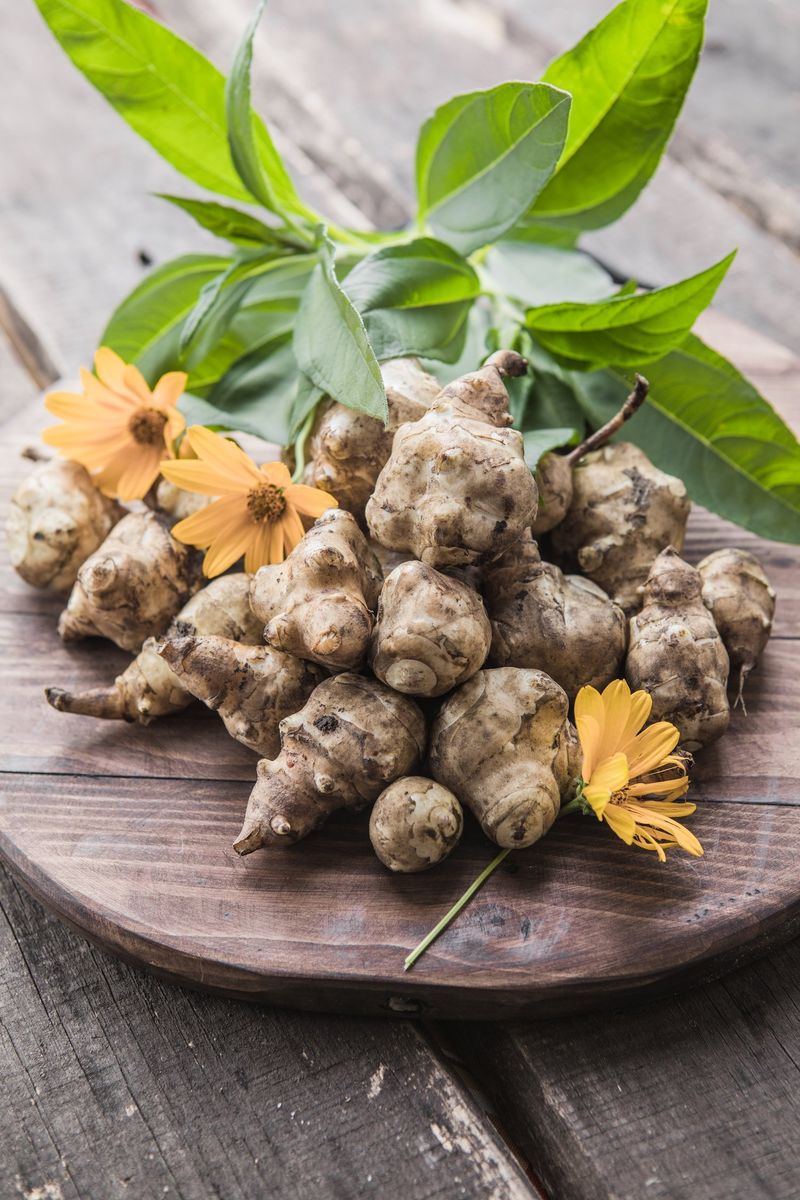
Sunchokes, or Jerusalem artichokes, are not your typical tubers. With their nutty flavor and crisp texture, they bring a delightful twist to home-cooked meals. These knobby wonders are often found in the gardens of those who enjoy culinary adventures.
Their sunflowers add a splash of color to gardens while their tubers provide a versatile ingredient for soups, roasts, and more. Growing sunchokes is a rewarding experience, as they offer both aesthetic appeal and delicious flavor.
6. Oca (Oxalis tuberosa)

Oca is a delightful and colorful tuber hailing from the Andes, offering a tangy flavor reminiscent of potato with a twist of lemon. Its vibrant colors add visual joy to any dish, making it a feast for both the eyes and palate.
This tuber thrives in cooler climates and is a favorite among gardeners seeking something unusual.
Oca’s tartness is a refreshing change from the ordinary, and its resilience makes it a worthy addition to any garden. Each harvest offers a rainbow of possibilities for culinary exploration.
7. Mashua (Tropaeolum tuberosum)
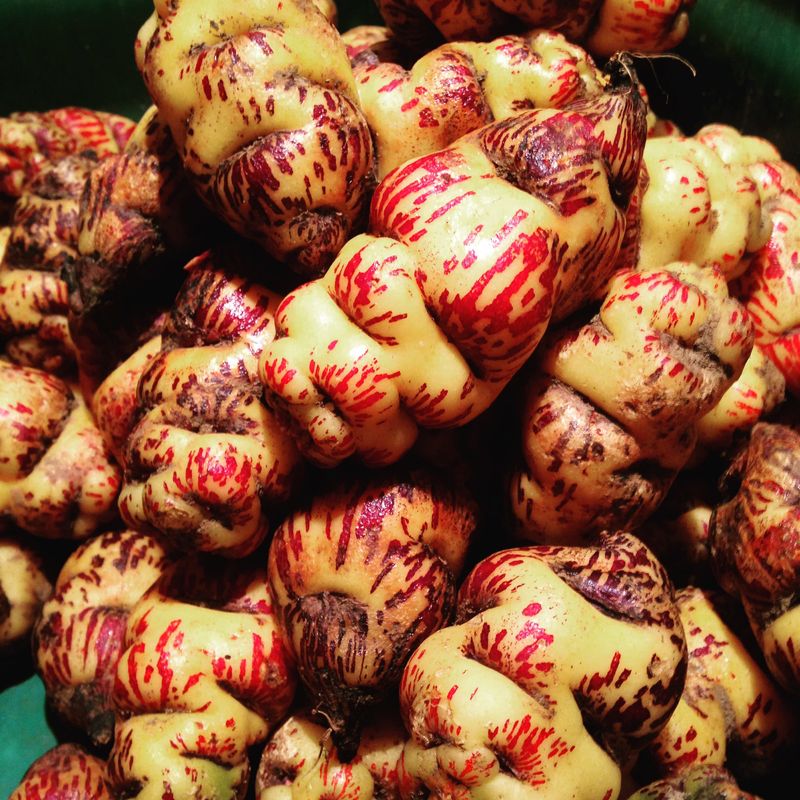
Mashua is a tuber that stands out with its bold, peppery flavor, adding a unique kick to traditional dishes. Originating from the Andes, it is a gardener’s delight for its ease of growth and resistance to pests.
Its intriguing taste might not suit everyone, but it offers an adventurous option for those looking to spice up their garden produce. Mashua not only enriches your garden with its vibrant foliage but also adds an unexpected twist to your culinary creations.
8. Yacon (Smallanthus sonchifolius)
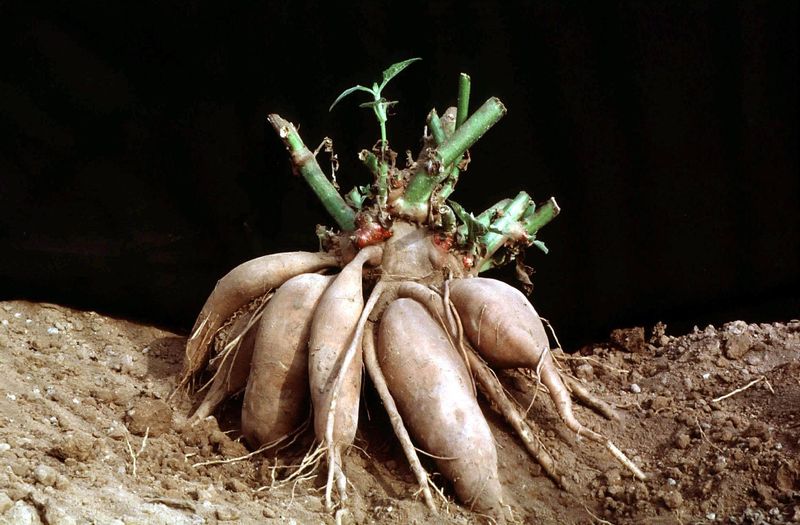
Yacon is the sweet secret of the tuber world, often likened to a cross between an apple and a watermelon. Its crisp, juicy texture makes it a refreshing snack straight from the garden.
Rich in prebiotics, yacon is a healthy addition to the home gardener’s repertoire, enhancing gut health and delighting taste buds.
This versatile crop thrives in warm climates and rewards growers with bountiful harvests of delicious, crunchy tubers. Growing yacon is both a nutritional boon and a sweet treat.
9. Chayote (Sechium edule)
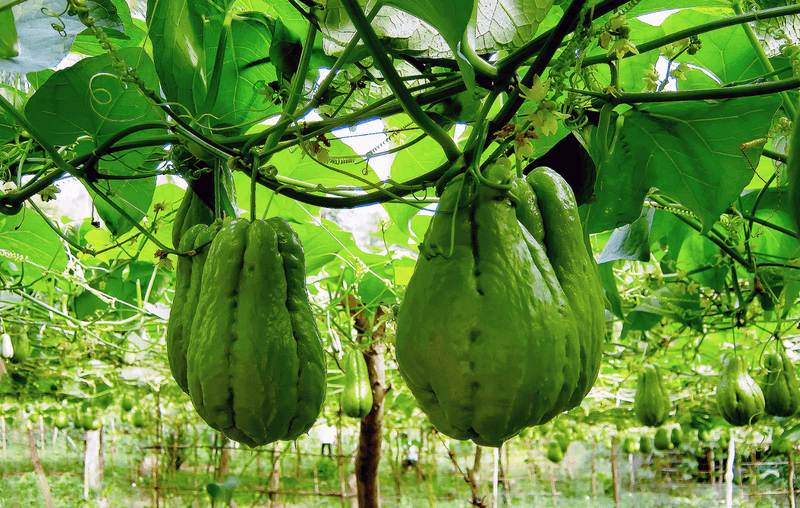
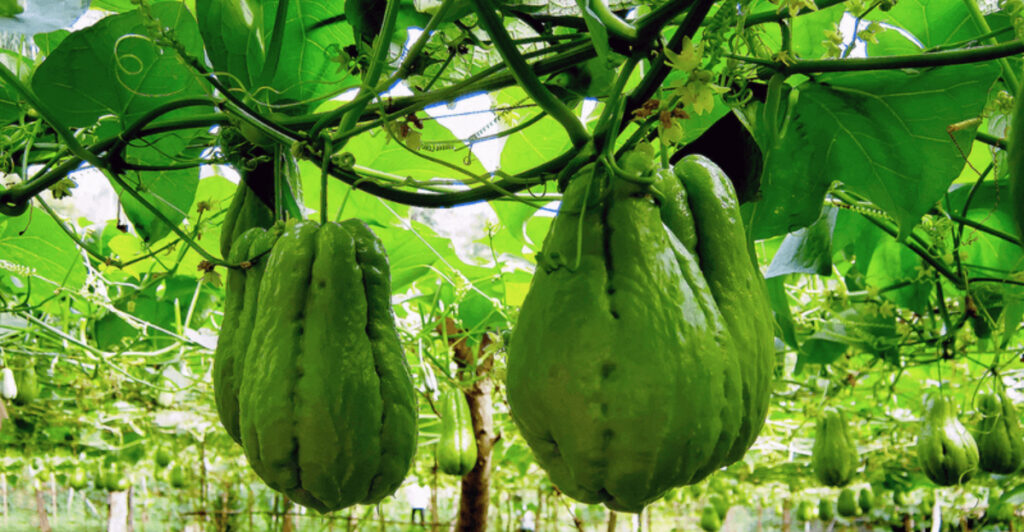
Chayote is a mild, crisp squash that’s more commonly found in home gardens than on supermarket shelves. Its versatility in the kitchen makes it a delightful ingredient for salads, stews, and stir-fries.
This sprawling vine is a prolific grower, often covering trellises with its lush foliage and abundant fruit.
Its understated flavor makes it a blank canvas for culinary experiments, offering opportunities to infuse it with various seasonings and styles. Chayote is a gardener’s pride and a cook’s delight.
10. Edible Seaweed (e.g., Wakame, Kombu)
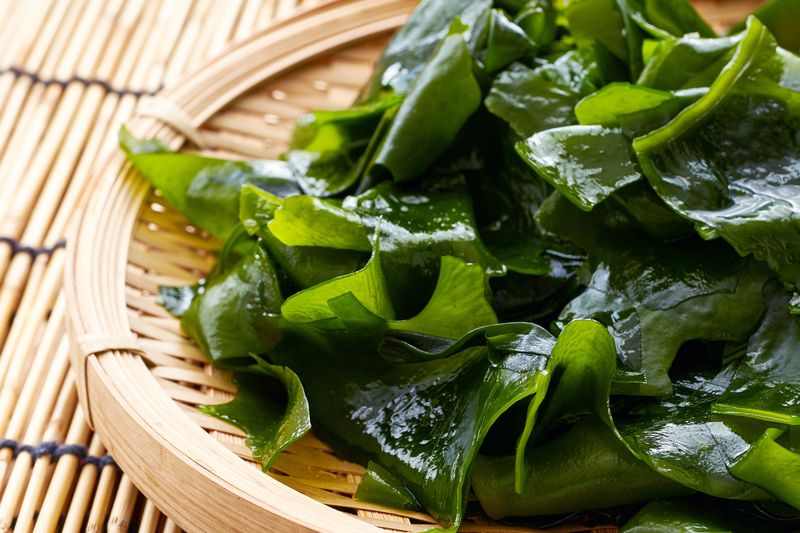
Venturing into the world of edible seaweed is a journey into the unique and nutritious. While it can be found in specialty shops, growing your own wakame or kombu, if conditions allow, is a rewarding endeavor.
These oceanic greens are rich in vitamins and minerals, offering a nutritious boost to soups, salads, and more.
Cultivating seaweed in appropriate coastal areas can be a sustainable practice that enriches your diet and connects you with the rhythms of the sea. It’s an exploration of flavor and ecology, right from your own waters.
11. Bitter Melon (Momordica charantia)
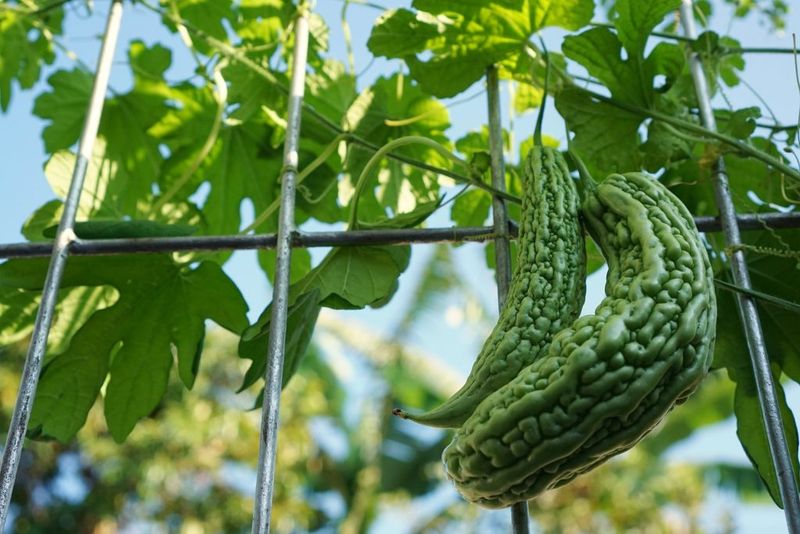
Bitter melon is a gourd that commands attention with its distinctive appearance and flavor. Loved in various cuisines for its ability to balance rich dishes, it thrives best when homegrown.
This unique plant is a conversation starter in any garden, as its bumpy gourds hang intriguingly from vines.
Its bitterness is balanced with the right preparation, making it a favored ingredient in Asian and Caribbean recipes. Cultivating bitter melon offers both a culinary challenge and a rewarding harvest.
12. Amaranth Greens
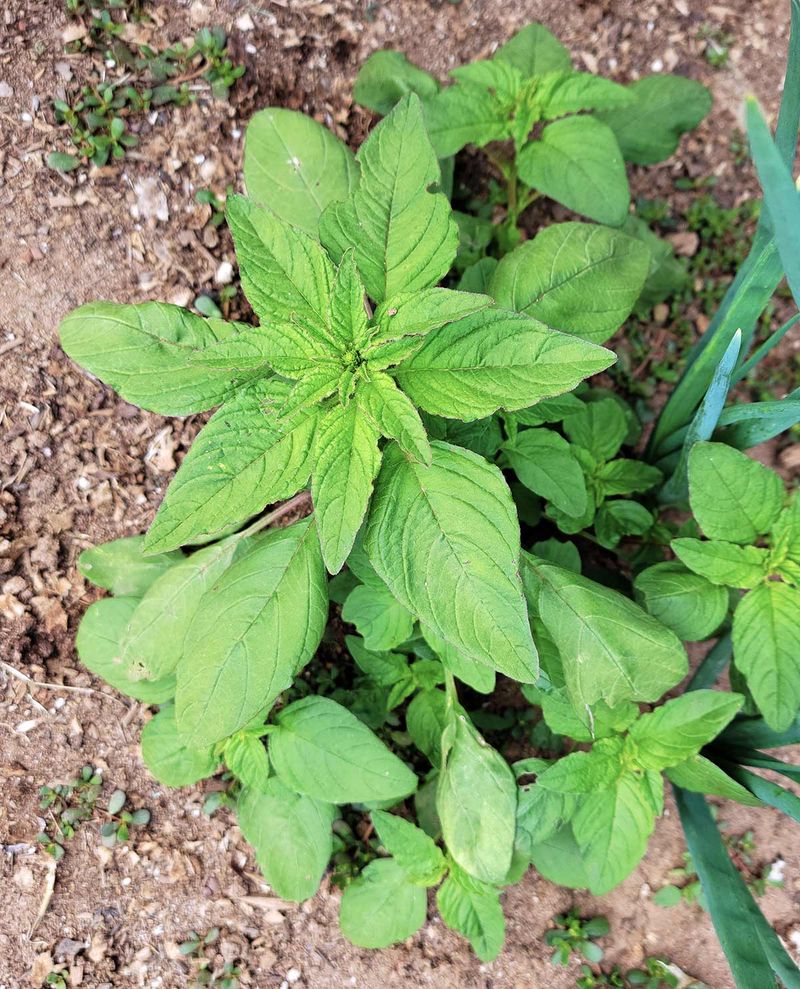
Amaranth greens are a colorful addition to the garden, known for their nutrient-packed leaves and distinctive taste. Used in various cultures, they offer a hint of spinach with a nutty undertone.
Easily grown in backyards, amaranth is a resilient crop that withstands heat and drought. Its leaves and seeds are both edible, making it a versatile choice for gardeners seeking to diversify their produce.
Whether steamed, sautéed, or added to salads, these greens are a wholesome and colorful treat.
13. Moringa (Drumstick Tree)

Moringa, often dubbed the “miracle tree,” offers leaves, pods, and flowers that are edible and highly nutritious. Known for its superfood qualities, it’s a staple in tropical home gardens.
Its fast growth and resilience make moringa an excellent choice for those in warmer climates. The tree’s leaves are packed with vitamins, minerals, and proteins, making it a valuable addition to diets.
Growing moringa is a commitment to health and sustainability, offering endless possibilities for culinary and medicinal use.
14. Lemon Verbena (Aloysia citrodora)

Lemon verbena is an herb that delights the senses with its intensely fragrant leaves. Its lemony aroma and flavor are perfect for teas, desserts, and aromatic infusions.
This herb is a favorite among gardeners who appreciate both its culinary and aromatic properties.
Easy to grow in pots or gardens, lemon verbena is a versatile plant that brings a refreshing citrus burst to any dish or drink. It’s an aromatic wonder that elevates the garden and kitchen alike.
15. Culinary Lavender (Lavandula angustifolia)
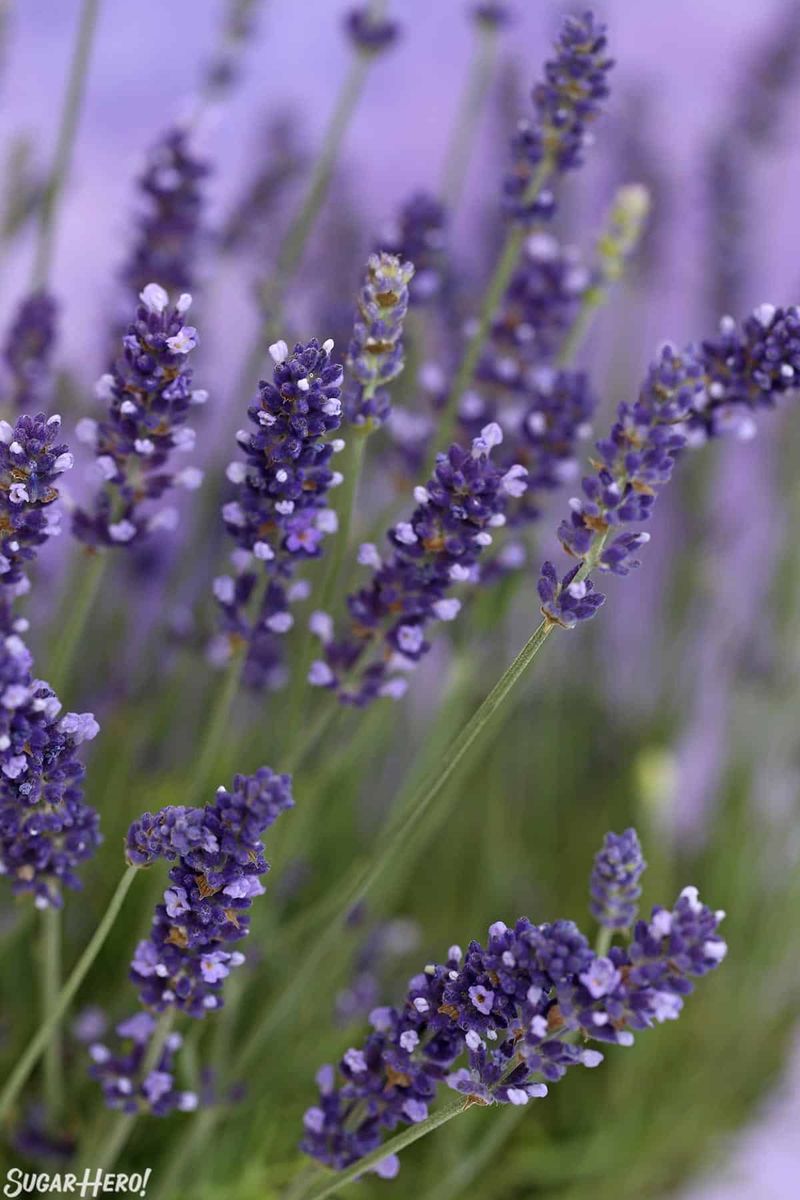
Culinary lavender is a feast for the senses, offering floral notes that enhance dishes and drinks. Its fragrant blooms are perfect for infusions, garnishes, and baking.
Growing lavender in your garden provides a continuous supply of blossoms with culinary potential.
From lavender-infused honey to aromatic teas, its uses are as varied as they are delightful. The sight of a lavender field in bloom is an experience in itself, offering both beauty and flavor.