
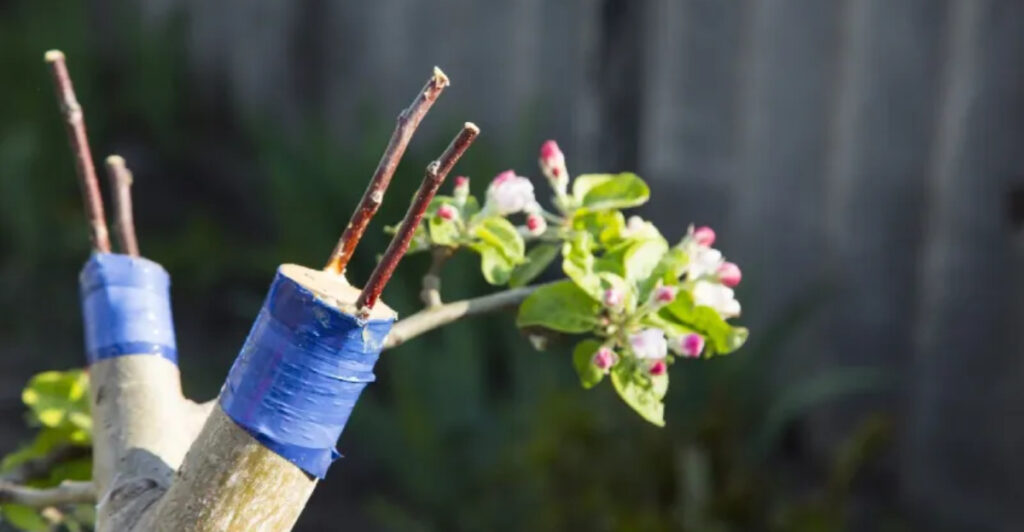
Grafting fruit trees is a rewarding skill that allows gardeners to combine different plant species, creating healthier, more productive crops. By learning the right techniques and avoiding common mistakes, anyone can master this horticultural art.
Whether you’re a seasoned gardener or a beginner, these tips and pitfalls will guide you in your grafting journey. Explore the nuances of grafting and discover how to enhance your fruit-growing experience.
1. Choose the Right Rootstock
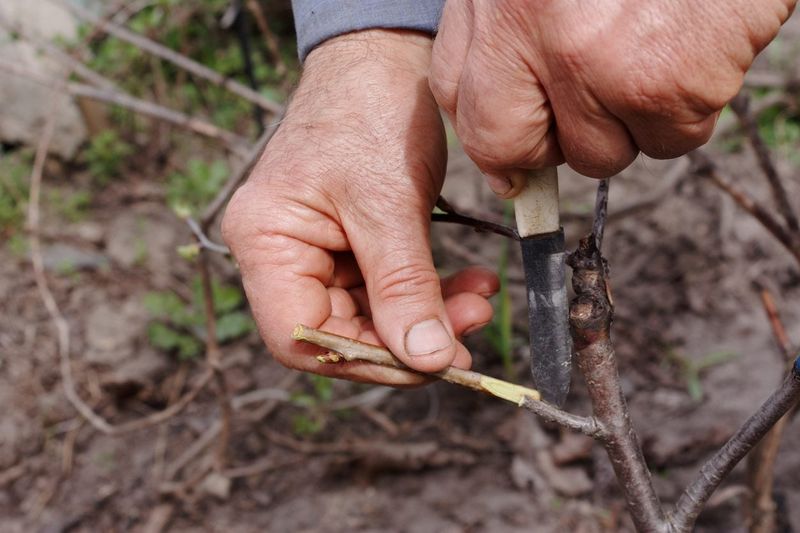
Selecting the ideal rootstock is crucial for successful grafting. It determines the tree’s growth rate, disease resistance, and adaptability to soil and climate. An experienced gardener might compare various rootstocks, contemplating their compatibility with the scion.
Look for rootstocks that are known for their robust health and vigor. Each rootstock type has unique characteristics, so consider what suits your gardening conditions best.
Understanding these dynamics can lead to a thriving graft that rewards you with bountiful harvests. Embracing this knowledge transforms grafting into a fruitful endeavor.
2. Select Quality Scion Wood
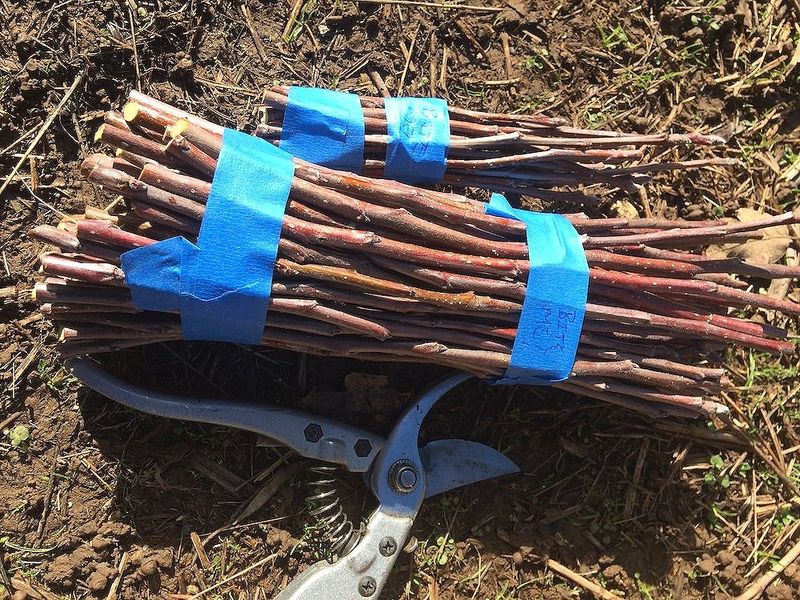
The scion wood’s quality significantly impacts grafting success. Opt for scion wood that is healthy and has multiple buds. A young woman might carefully inspect each piece, ensuring they are disease-free.
Cut in late winter when the plant is dormant but the wood is still firm. This timing ensures better sap flow, aiding the union of scion and rootstock. High-quality scion wood is the foundation of a productive grafted tree.
Choosing wisely fosters a connection that nurtures robust growth and abundant fruit production.
3. Understand Timing and Season
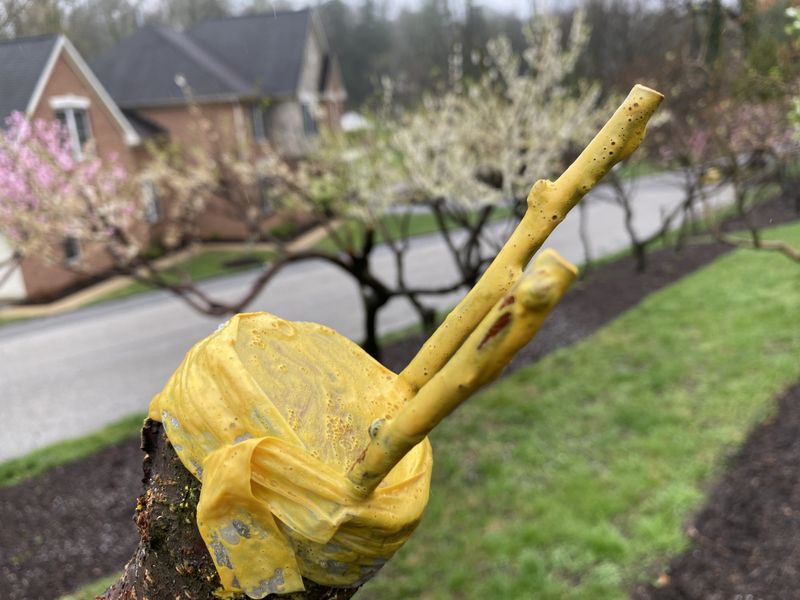
Timing is everything in grafting. Knowing when to graft can differentiate success from failure. An old farmer might use a calendar to note the best periods for each fruit species.
Grafting in early spring often yields the best results, as trees are awakening and sap flows freely. However, some species might prefer late summer grafting.
Being attuned to seasonal rhythms ensures that your grafts take effectively and flourish. This understanding transforms a simple hobby into an art form, yielding fruitful rewards.
4. Use Proper Grafting Techniques
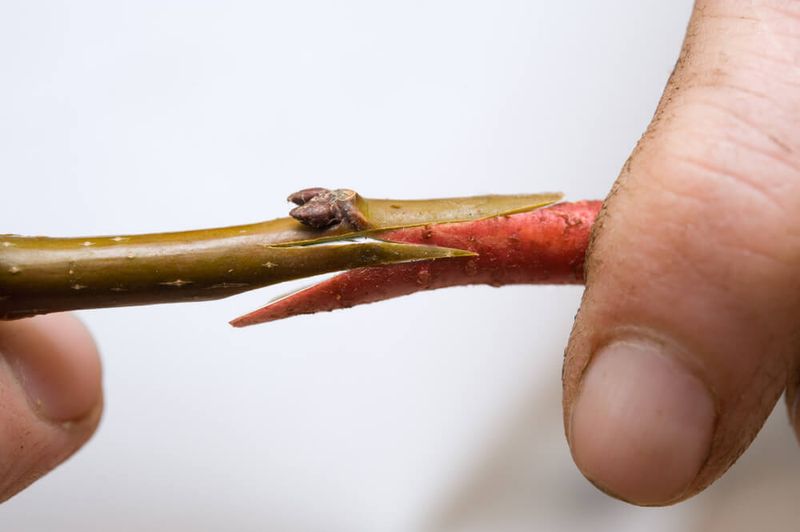
Mastering the right grafting techniques is essential. Whip and tongue grafting is popular for its secure, snug fit. Imagine a horticulturist demonstrating this method, aligning scion and rootstock perfectly.
The key is precision and cleanliness; tools should be sharp to make smooth cuts. Cleaning the grafting surfaces removes any debris, ensuring a strong bond. With practice, these techniques become second nature, leading to successful grafts.
The art of grafting lies in these nuanced skills, turning simple plants into prolific bearers of fruit.
5. Maintain Proper Hygiene
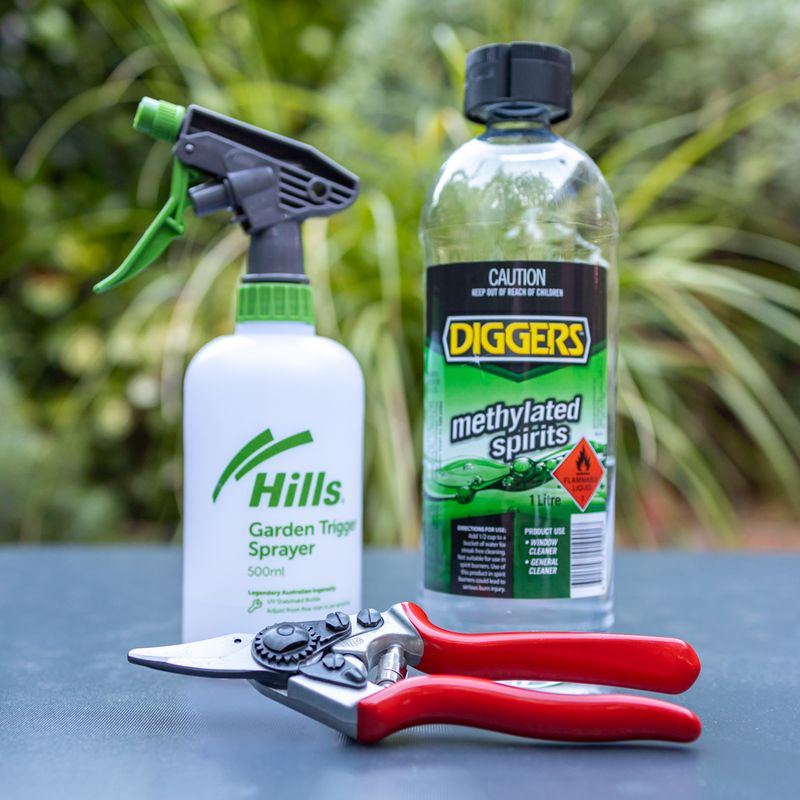
Hygiene is paramount in grafting. Sterilizing tools and wearing gloves prevents the spread of disease. Picture a gardener meticulously cleaning their tools before each cut. Diseased tools can transfer pathogens, causing graft failure.
Regularly disinfect with alcohol or bleach solutions. This attention to cleanliness ensures healthy unions, promoting vigorous growth.
A disciplined approach to hygiene is the bedrock of successful grafting, creating robust trees that thrive and yield. Your diligence in maintaining cleanliness will be rewarded with strong, healthy grafts.
6. Understand Sap Flow Dynamics
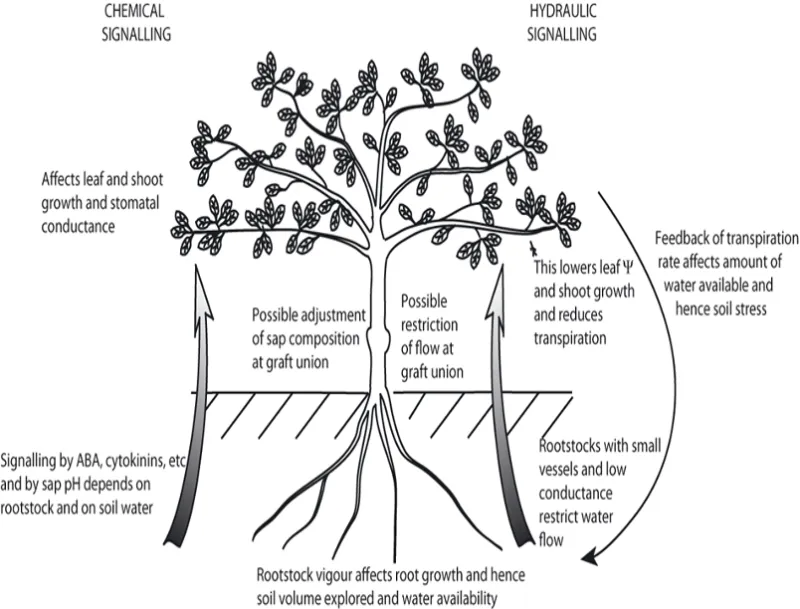
Sap flow is vital to graft success. Understanding this natural process can make all the difference. An illustrated diagram might reveal how sap nourishes the union between scion and rootstock. In early spring, sap flow is at its peak, allowing nutrients to flow freely.
Ensuring proper alignment during this time aids the graft’s success. This knowledge helps you harness nature’s rhythms, transforming your grafting efforts into a harmonious blend of science and art.
Embracing sap dynamics elevates your grafting skills, bridging the gap between natural wonder and horticultural expertise.
7. Bind and Protect the Graft
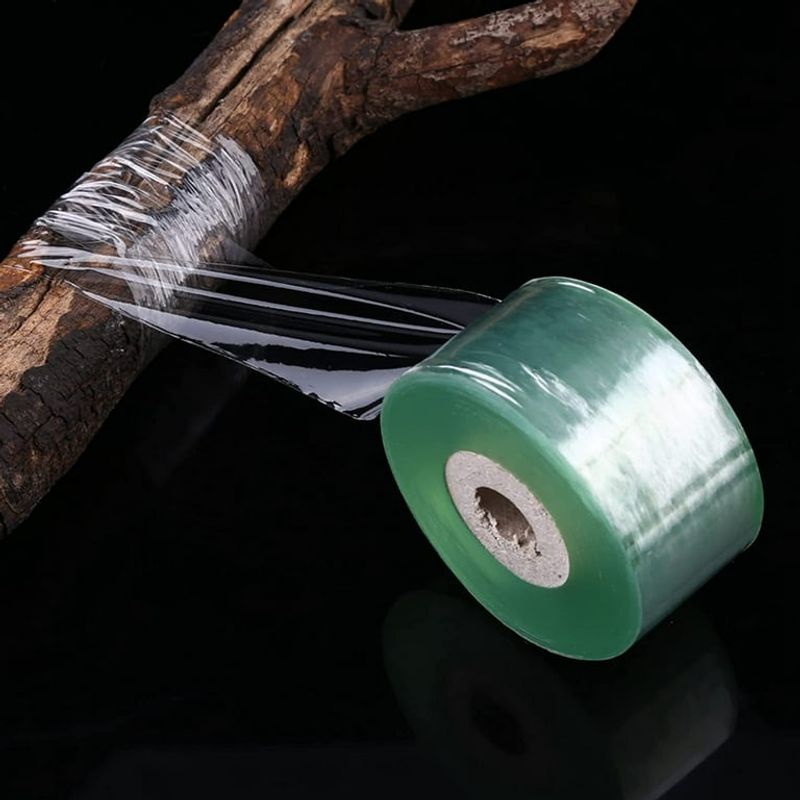
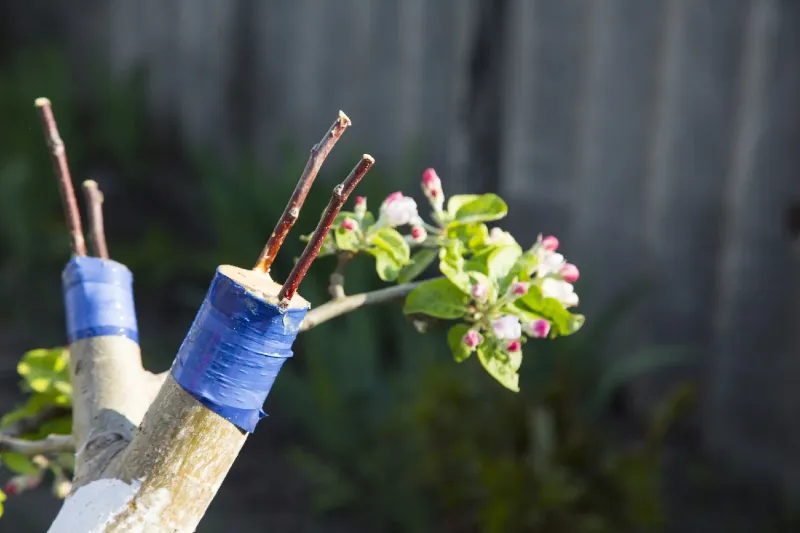
After grafting, securing the union is crucial. Binding with grafting tape and applying a sealant protects the vulnerable area. A gardener might carefully wrap the grafted branch, ensuring no gaps.
The tape helps hold the scion and rootstock together, while the sealant prevents infection. This dual protection fosters a strong union, encouraging healthy growth. By cocooning the graft in security, you create an environment where it can thrive.
This protective embrace is the guardian of your grafting success, leading to flourishing trees and fruitful harvests.
8. Monitor Environmental Conditions
Environmental conditions are key to graft success. Monitoring soil moisture and temperature helps create the perfect growing environment. Picture a gardener using a digital sensor to ensure optimal conditions.
Too dry or too cold can doom a graft. Adjust irrigation and provide shade if necessary. Being mindful of these factors supports healthy grafts, turning potential challenges into opportunities for growth.
Your vigilance in monitoring the environment ensures that your grafts not only survive but thrive, transforming your orchard into a bountiful paradise.
9. Prune and Shape the Tree
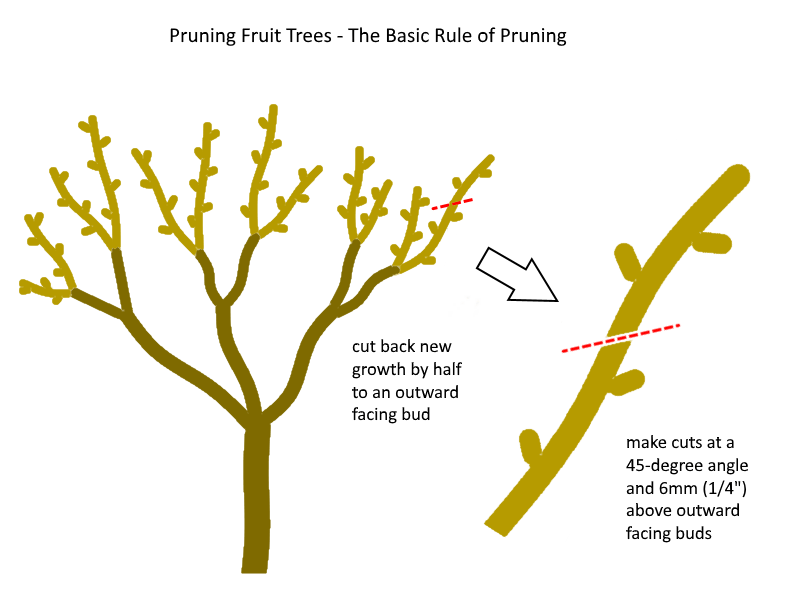
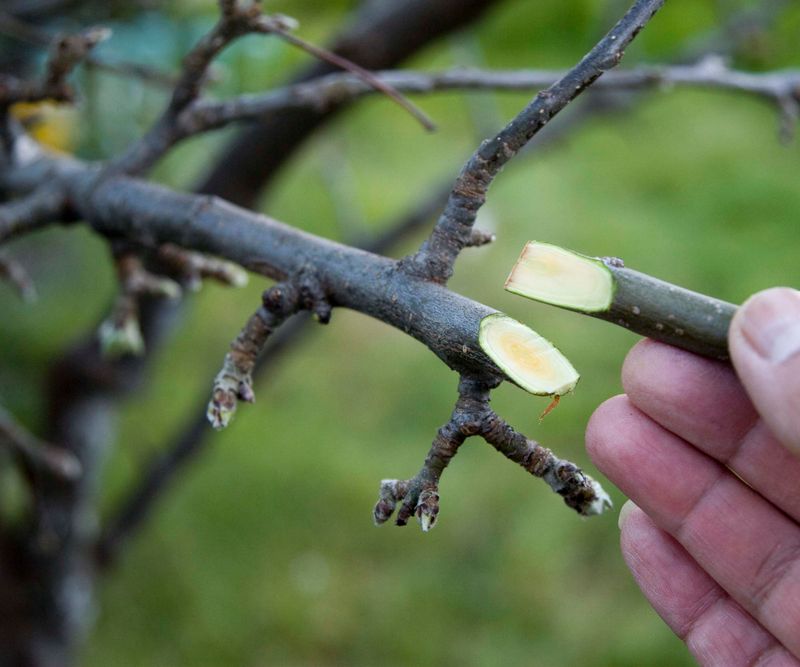
Pruning is essential for maintaining healthy grafted trees. It encourages balanced growth and fruit production. Imagine a gardener skillfully using pruning shears to shape the tree.
Remove any unwanted shoots and branches that may sap energy from the graft. Focus on open, airy shapes that allow sunlight penetration. This nurturing care helps the tree focus its energy where it’s needed most.
Pruning makes grafted trees more vigorous, enhancing their beauty and productivity. Your tree will thank you with an abundance of delicious fruit.
10. Be Patient and Observe
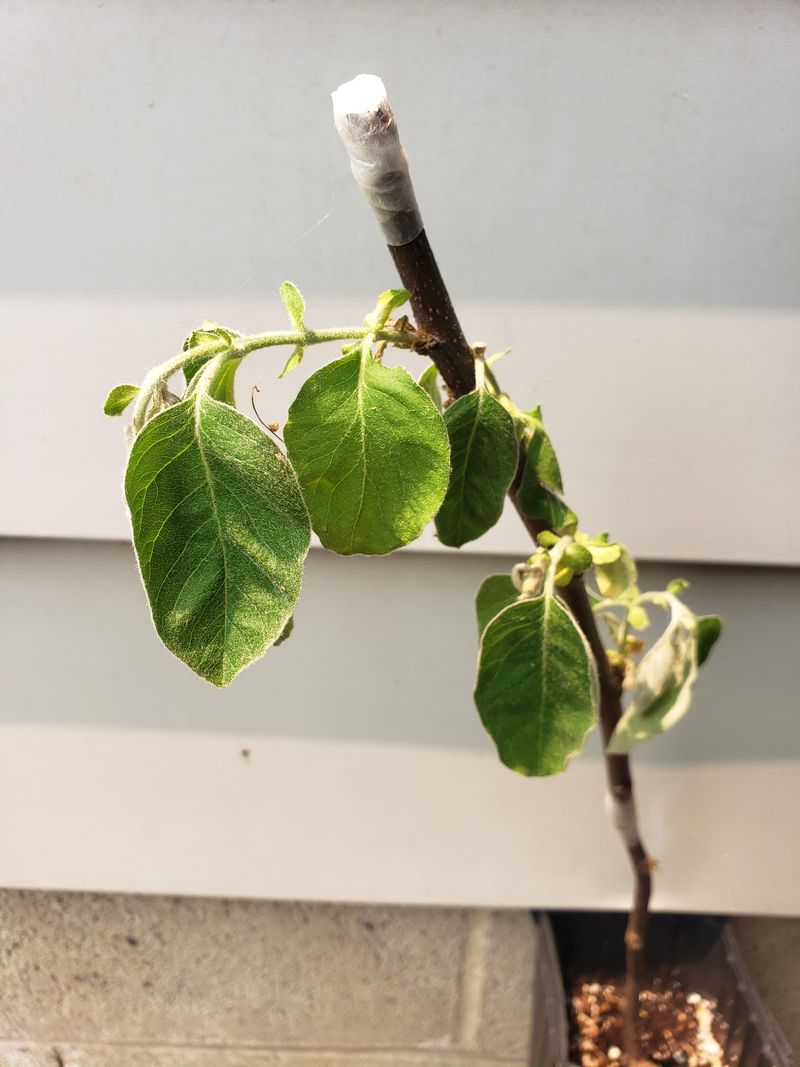
Patience is a gardener’s best friend. Observing your grafts over time reveals their progress and any potential issues. A young gardener might watch the tree evolve, learning from each stage.
Grafts may take weeks or months to show results. This waiting period teaches resilience and attentiveness. Every observation is an opportunity to learn and improve.
Patience and vigilance ensure your efforts bear fruit, literally and metaphorically, turning your garden into a thriving testament to your care.
1. Overwatering the Grafted Tree
One common mistake is overwatering. It can lead to waterlogged soil, suffocating the roots. A gardener might not realize they’re doing more harm than good. Grafted trees need balanced moisture, not excess.
Adjust watering based on soil type and weather conditions. Recognizing this mistake empowers you to make informed decisions, ensuring your grafts receive just the right amount of hydration.
Avoiding overwatering is crucial to maintaining healthy, thriving trees.
2. Ignoring Pest and Disease Control
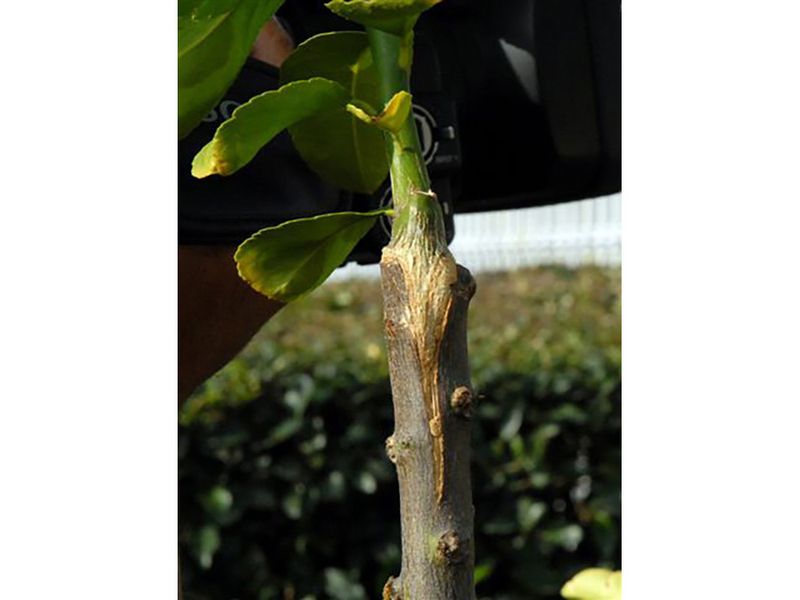
Neglecting to control pests and diseases can ruin grafting efforts. A tree might show signs of infestation, with pests damaging the graft. Regular monitoring and preventive measures are vital.
Use organic or chemical solutions as needed to protect your grafts. Understanding the threats ensures you’re always one step ahead.
By being proactive, you safeguard your trees, allowing them to grow strong and healthy. Protecting against pests and diseases is a cornerstone of successful grafting.
3. Using Incompatible Grafting Partners
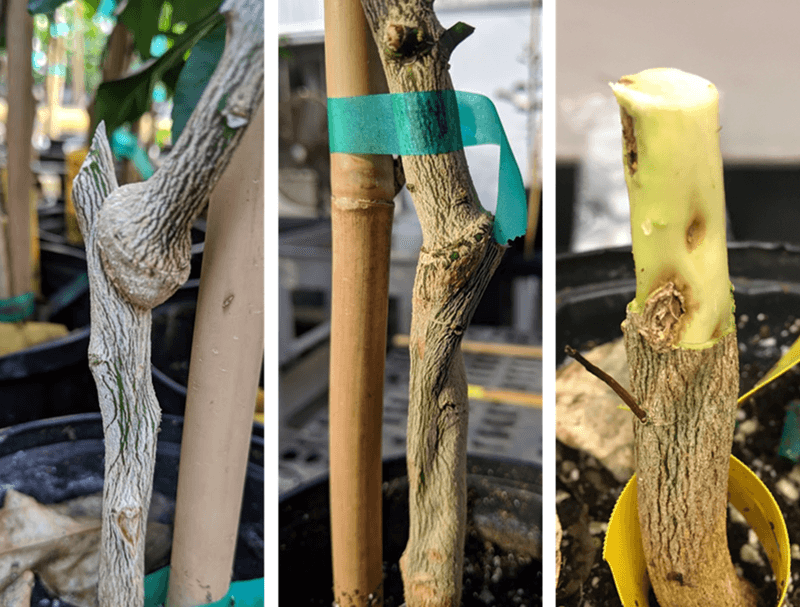
Incompatibility between scion and rootstock is a major pitfall. A failed graft might show a weak or nonexistent connection. Research compatible pairings before grafting. Some species simply don’t mesh well together.
This mistake is a learning opportunity. Understanding compatibility fosters successful unions, helping your trees achieve full potential. Choosing the right partners ensures your grafts are not only viable but flourishing.
4. Not Securing the Graft Properly
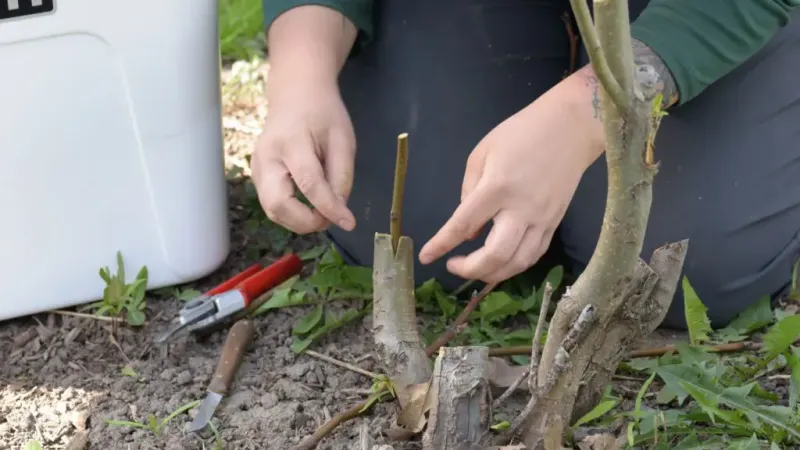
Improperly securing the graft can lead to failure. A loose wrap might leave gaps, exposing the graft to elements and disease. Ensure grafting tape is snug and secure, but not too tight. Gaps can compromise the union, leading to weak growth.
This oversight can be easily corrected with attention and care. Proper binding is fundamental to graft success, creating a stable environment for growth. Ensuring a tight wrap protects your grafts, nurturing them to maturity.
5. Lack of Knowledge and Research
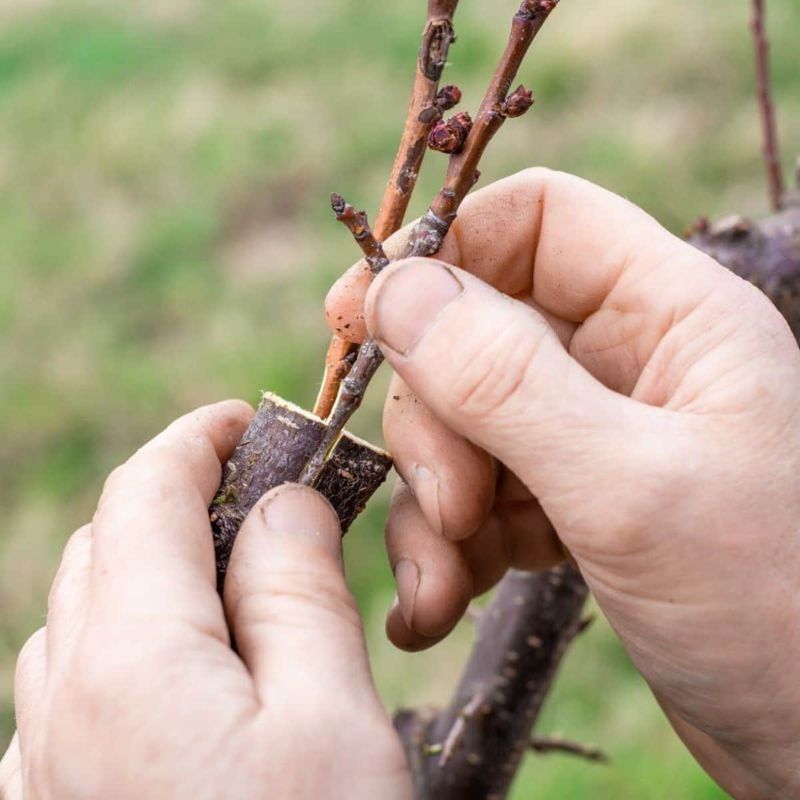
Entering grafting without proper knowledge can lead to disappointment. A beginner might find themselves overwhelmed by failed attempts. Thorough research and education are the backbone of successful grafting.
Books, online resources, and community workshops offer valuable insights. Embracing a learning mindset equips you with the tools to succeed.
Knowledge transforms grafting from a daunting task into a fulfilling pursuit. Your dedication to learning ensures your grafts flourish, rewarding you with thriving trees and bountiful fruits.