

Discover the hidden treasures in your backyard with these 20 edible weeds. Not only are they nutritious, but they also bring a unique flavor to your meals.
Forget the usual greens and get ready to explore these wild, tasty plants that have been enjoyed for centuries.
Whether you’re a foraging novice or a seasoned pro, there’s something new for everyone to try. Let’s dive into the world of weeds that you can eat just like vegetables and add a nourishing touch to your dishes.
1. Dandelion
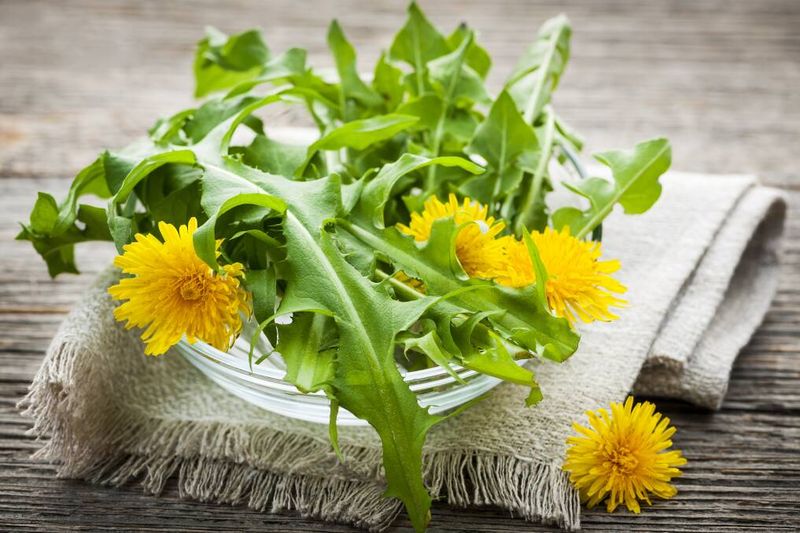
Dandelions are everywhere, and guess what? They’re edible! From leaves to flowers and roots, each part is a nutrient powerhouse. The leaves have a bittersweet taste, perfect for fresh salads.
Try sautéing them with garlic for a simple dish. The flowers can be turned into syrup or wine, adding a touch of sweetness to your meals. Roots? Roast them to make caffeine-free coffee. Intrigued yet?
Packed with vitamins A, C, and K, dandelions support your immune system while adding a dash of nature to your plate. A weed worth picking!
2. Chickweed
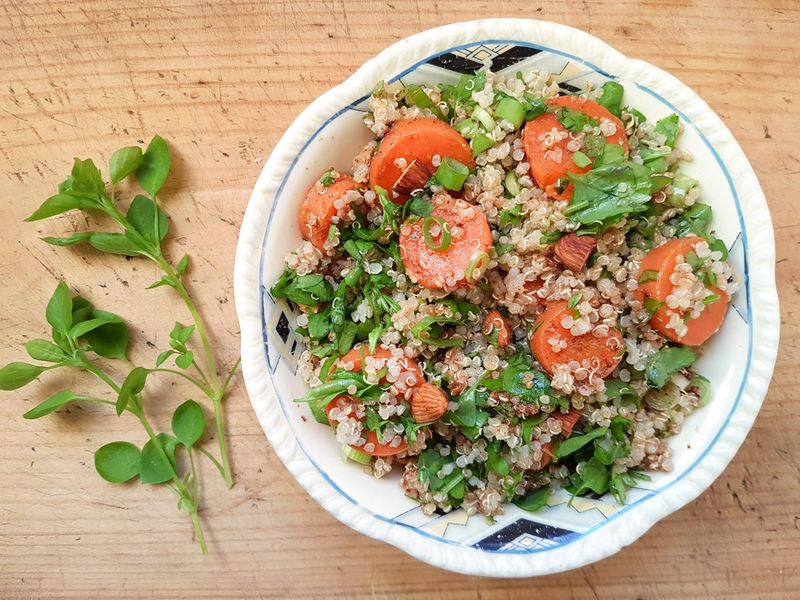
Chickweed might be small, but it packs a flavorful punch! Its mild taste makes it a fantastic addition to salads. You can also cook it like spinach, adding a unique touch to your dishes.
Rich in vitamins C and A, chickweed supports a healthy diet. Its tender leaves and tiny white flowers are not just pretty—they’re nutritious.
Fancy some tea? Steep it for a refreshing, herbal drink. Chickweed is not just a weed; it’s a health-boosting green ready to grace your kitchen with its gentle flavor.
3. Purslane
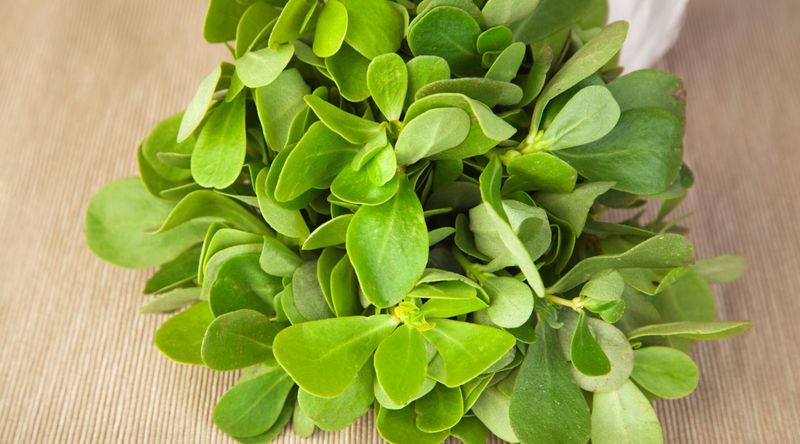
Purslane might be the juiciest weed on our list! Its succulent leaves are bursting with a tangy flavor, adding a zing to your salads. Not only is it delicious, but it’s also packed with omega-3s, making it a heart-friendly choice.
The leaves are crunchy and refreshing, perfect for a summer dish. Why not try them in a smoothie? Purslane is a versatile green that thrives in warm climates, growing wild and free, ready to be harvested and enjoyed. A weed with a surprising twist!
4. Lamb’s Quarters
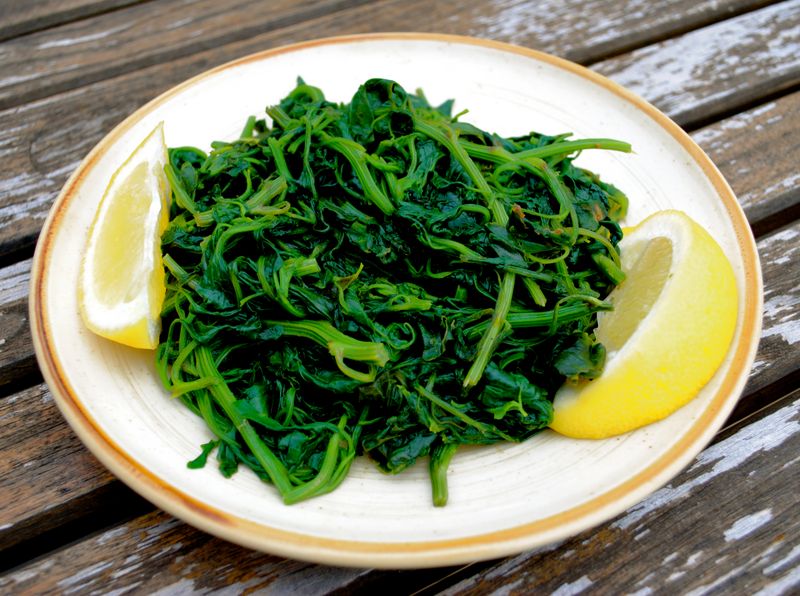
Meet lamb’s quarters, the wild spinach of the weed world. This leafy green boasts a mild taste, perfect for sautéing or steaming. Imagine a plate of tender leaves, rich in nutrients like calcium and vitamins A and K.
It’s a forager’s delight, growing abundantly in gardens and fields. A hidden gem in the culinary world, it’s time to embrace this leafy wonder. And guess what? It’s free! Lamb’s quarters are not just a weed; they’re a delicious, nutritious find waiting to be discovered.
5. Plantain (Broadleaf and Narrowleaf)
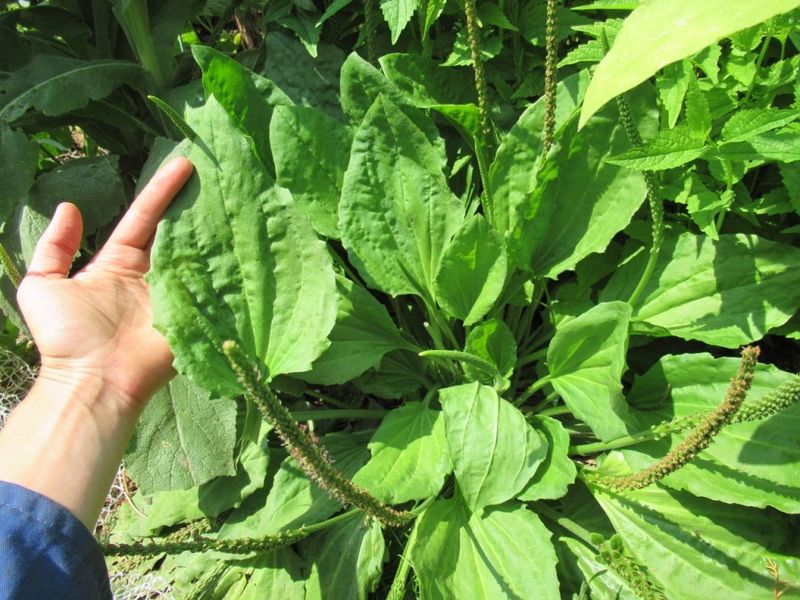
Plantain is more than just a cousin to the banana; in the world of weeds, it’s a star. Both broadleaf and narrowleaf varieties offer young, tender leaves that are delicious and nutritious.
These leaves, when cooked, resemble spinach and make a wonderful addition to soups and stews. Found along paths and fields, plantain is a resilient plant.
Rich in iron and fiber, it aids digestion and boosts your daily greens intake. A weed with so much to offer, plantain is a must-try for every nature enthusiast.
6. Wood Sorrel

Wood sorrel may look like clover, but it’s a flavor explosion waiting to happen! With a tart, lemony taste, it’s a delightful addition to any salad or sandwich. Those heart-shaped leaves are more than just eye-catching—they’re packed with vitamin C.
Sipping a wood sorrel-infused tea is like having a little piece of the forest in your cup. It’s a weed with elegance and zest, ready to uplift your culinary creations and provide a tangy twist to your meals. A garden treasure, indeed!
7. Stinging Nettle
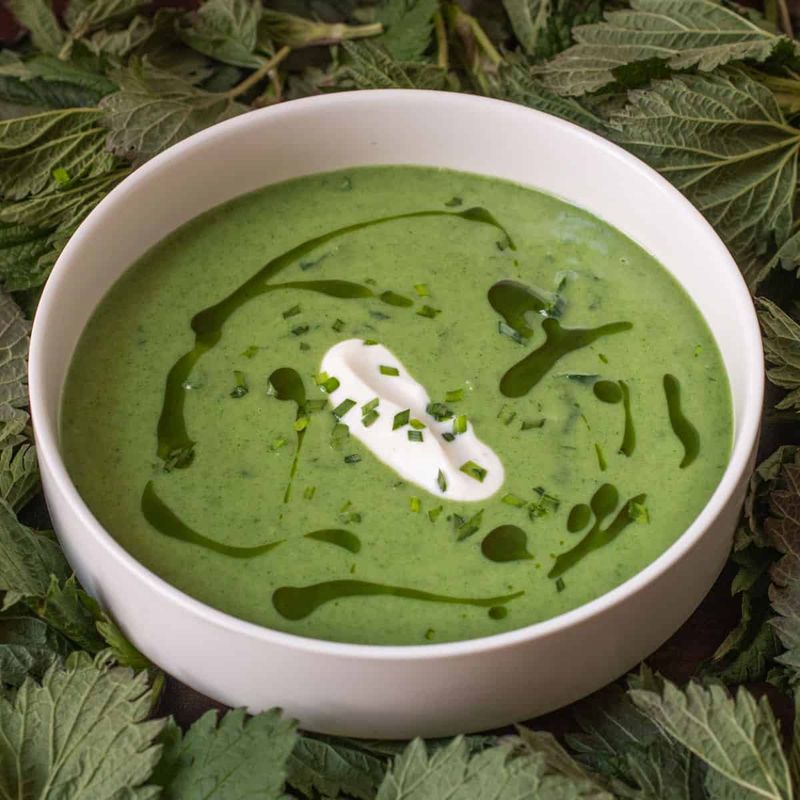
Stinging nettle might seem intimidating with its prickly exterior, but once cooked, it transforms into a nutrient-rich green. Loaded with vitamins and minerals, it’s perfect for soups or teas. Imagine a warm nettle soup on a chilly day; comforting, isn’t it?
Its earthy flavor adds depth to your dishes, making it a favorite among foragers. Handle with care—gloves are a must! Once tamed, nettle is a culinary delight, offering health benefits and a taste of the wild. A weed worth the effort!
8. Curly Dock
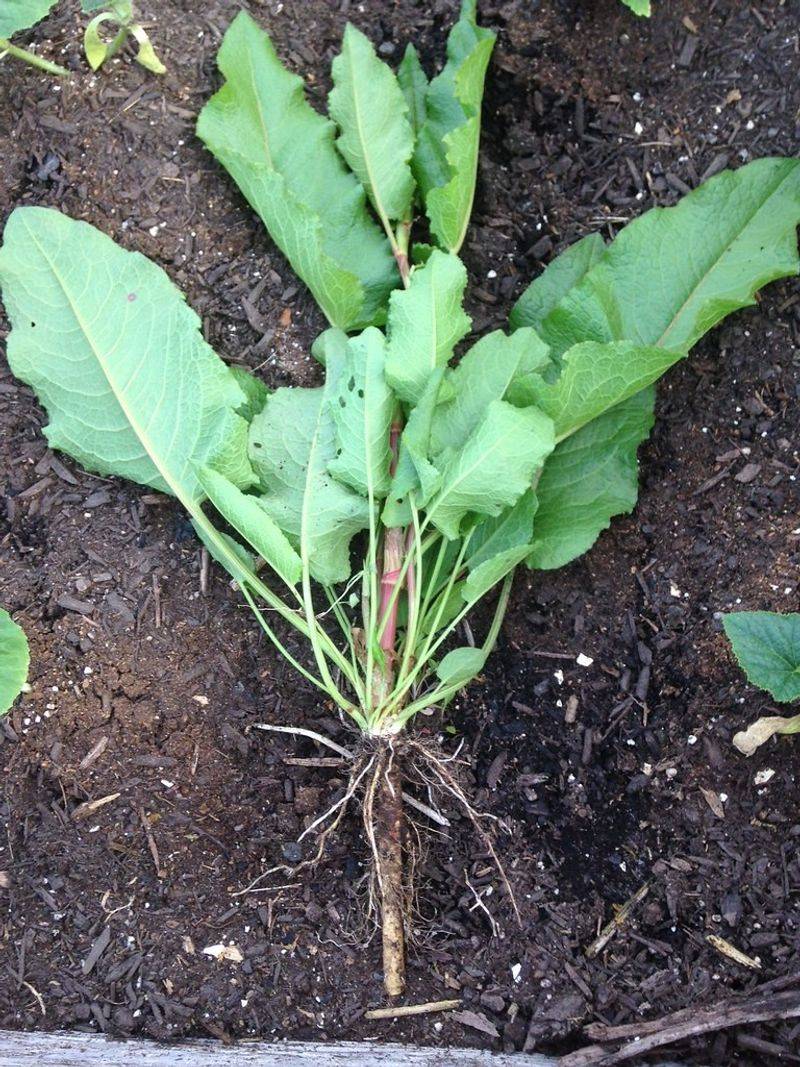
Curly dock is a sight to behold with its tall stature and wavy leaves. Young curly dock leaves are edible and can be cooked like chard, adding a nutritious touch to your meals. The slightly sour taste pairs well with hearty dishes.
Known for its robust nature, this weed thrives in disturbed soil, waiting to be harvested. Curious about its roots? They’re edible too, often used in traditional remedies. Embrace the leafy goodness of curly dock and enjoy its unique flavor in your culinary adventures.
9. Shepherd’s Purse
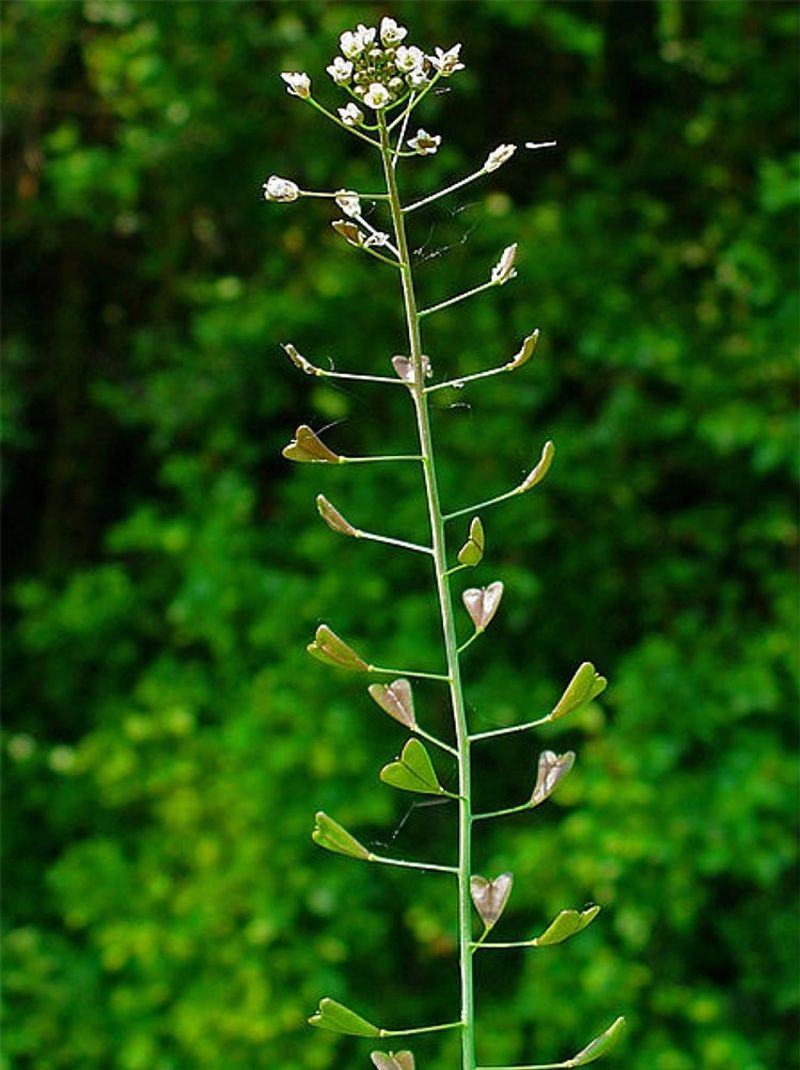
Shepherd’s purse is not just a weed but a culinary delight with its peppery leaves. These leaves add a zesty kick to stir-fries and salads, elevating your dishes with a spicy touch.
Small, heart-shaped seed pods adorn the plant, making it a charming addition to your garden. It’s a resilient weed, often found in fields and roadsides, ready to spice up your meals.
Rich in nutrients, it’s a delightful, edible plant that’s easy to forage and enjoy. Add a dash of spice to your culinary repertoire!
10. Clover (Red and White)
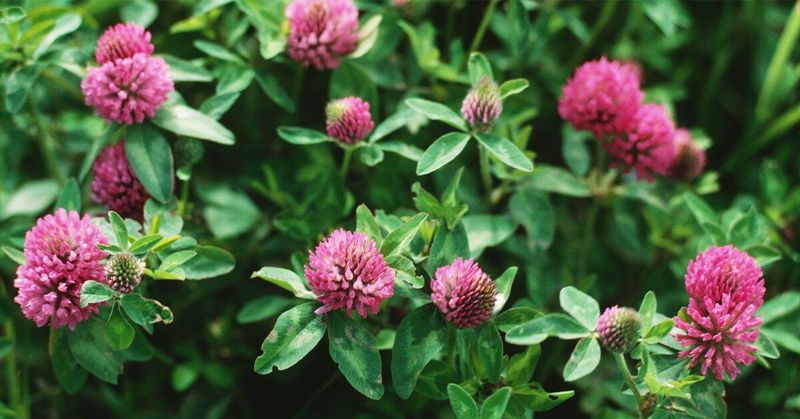
Clover, with its delicate flowers and lush green leaves, is more than just a lucky charm. Both red and white varieties are edible, offering a mild, sweet flavor. The flowers can be used in teas, adding a soothing touch to your evenings.
Fancy a salad? Clover leaves are perfect for a fresh, nutritious boost. They’re a staple in traditional herbal medicine, celebrated for their health benefits. Discover the gentle taste of clover and embrace its role in your wild food journey.
11. Wild Amaranth (Pigweed)
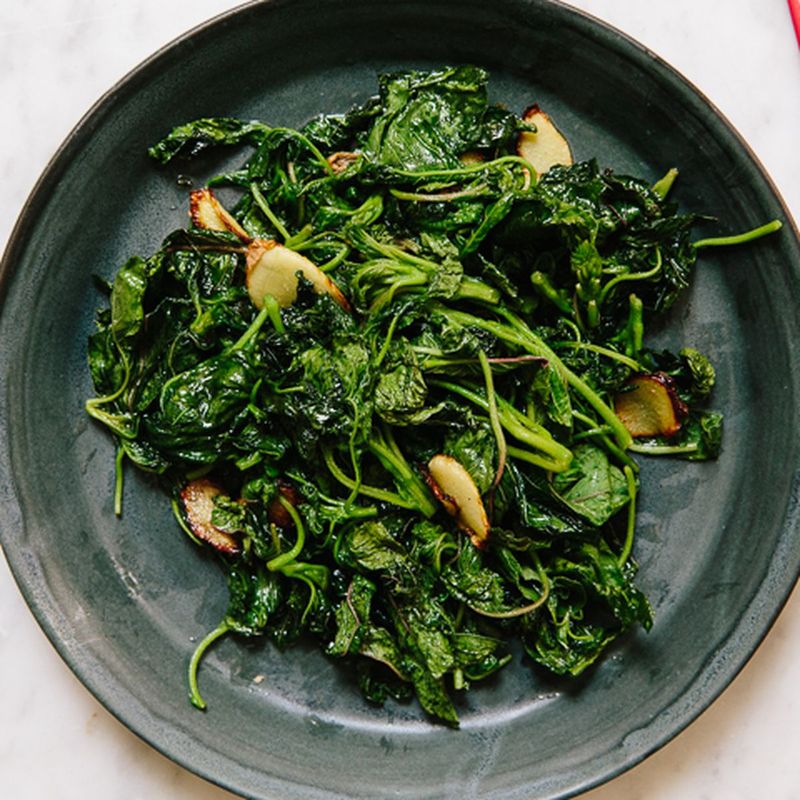
Wild amaranth, commonly known as pigweed, is a weed with a nutritious twist. Its leaves, reminiscent of spinach, are packed with vitamins A and C. Cook them for a nutritious sauté or toss them in soups for added health benefits.
Found growing in gardens and fields, wild amaranth is a resilient plant. Its seeds are also edible, often used as a grain substitute. A weed with a lot to offer, wild amaranth is a delicious addition to your meals, bringing a unique, earthy flavor.
12. Mallow (Common Mallow)
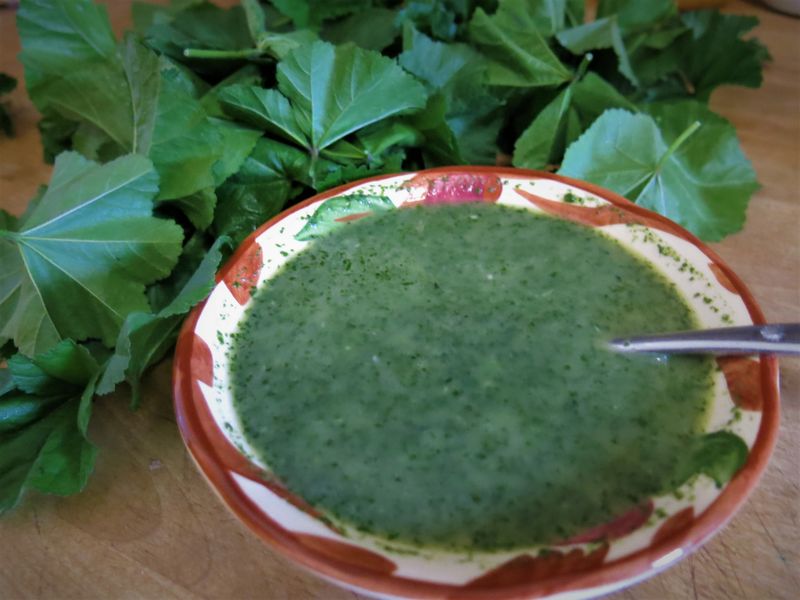
Common mallow is a gentle, nourishing weed, perfect for soups and stews. Its mucilaginous leaves add a silky texture, enhancing your culinary creations. Imagine a warming soup with mallow’s velvety touch; delicious, isn’t it?
Found in gardens and fields, this weed is easy to forage. Not just a culinary delight, it’s also used in traditional remedies.
With its delicate flowers, common mallow is a beautiful addition to your garden. Embrace the soothing power of mallow and enjoy its unique flavor in your dishes.
13. Garlic Mustard
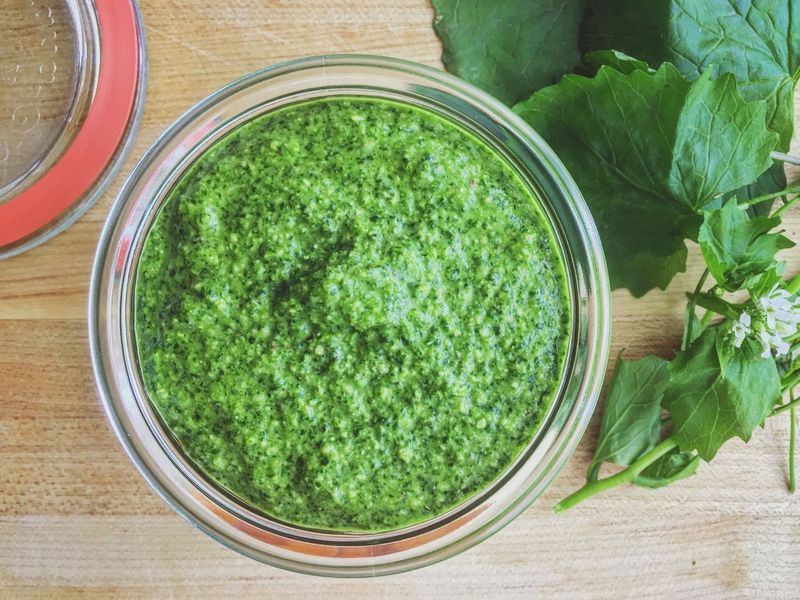
Garlic mustard offers a spicy twist to your meals with its flavorful leaves. Perfect for pesto and sautés, it’s a wild alternative to cultivated greens. Imagine the aroma of garlic mustard pesto wafting through your kitchen; it’s irresistible!
Found in forests and gardens, this weed is a forager’s favorite. Rich in vitamins and minerals, it supports a healthy diet. A weed with attitude, garlic mustard is ready to spice up your culinary adventures with its bold, garlicky flavor. Give it a try!
14. Yarrow
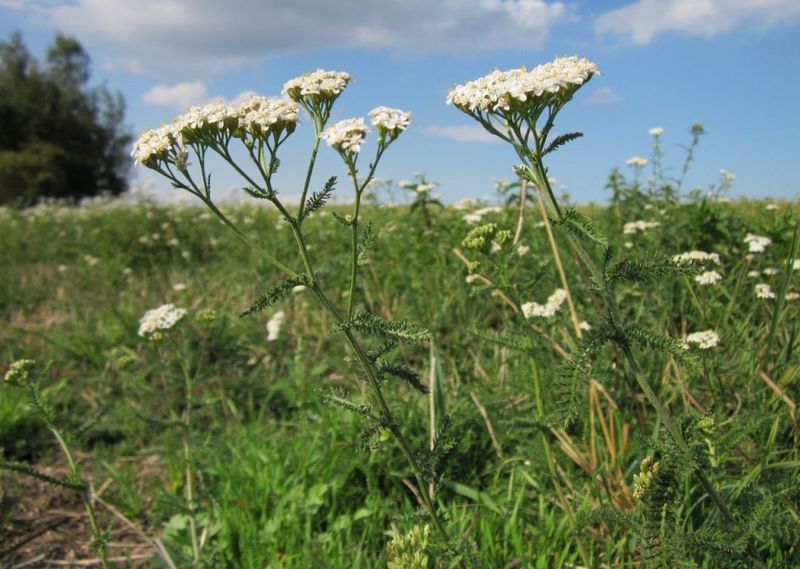
Yarrow might be bitter, but it’s a weed with charm. Often used in teas, its feathery leaves and white flowers bring a touch of elegance to your garden. Interested in herbal remedies? Yarrow’s your go-to plant.
It’s known for its medicinal properties, used for centuries to treat a variety of ailments. Imagine sipping yarrow tea on a breezy afternoon, embracing its natural benefits. A weed with history and character, yarrow is a versatile plant worth exploring for its unique qualities.
15. Violet

Violets are a delightful addition to any meal, with their edible leaves and vibrant flowers. Rich in vitamins, they bring a nutritious touch to your dishes. Have you tried violet salad? It’s as beautiful as it is tasty!
The sweet, floral flavor of violet flowers adds a unique twist to desserts and drinks. Found in gardens and forests, violets are a charming edible plant. Embrace the beauty of violets and enjoy their fresh, delicate taste in your meals.
16. Creeping Charlie (Ground Ivy)
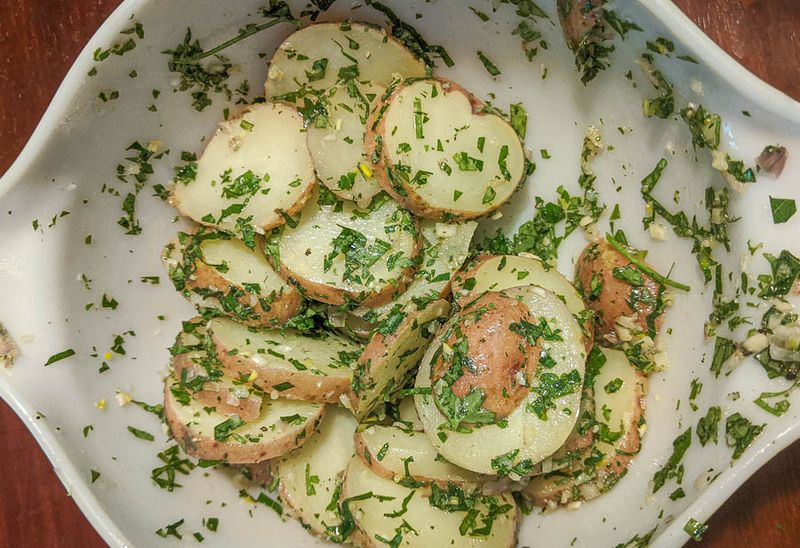
Creeping Charlie, or ground ivy, adds a strong, distinctive flavor to your dishes. Use sparingly in salads or teas for a unique twist. Its trailing vines and small, purple flowers make it a decorative addition to your garden.
Known for its resilience, it’s a weed that’s easy to forage. Curious about its uses? Creeping Charlie has been used in traditional remedies for centuries.
A weed with character and a bold flavor, it’s ready to enhance your culinary creations with its unique taste.
17. Burdock
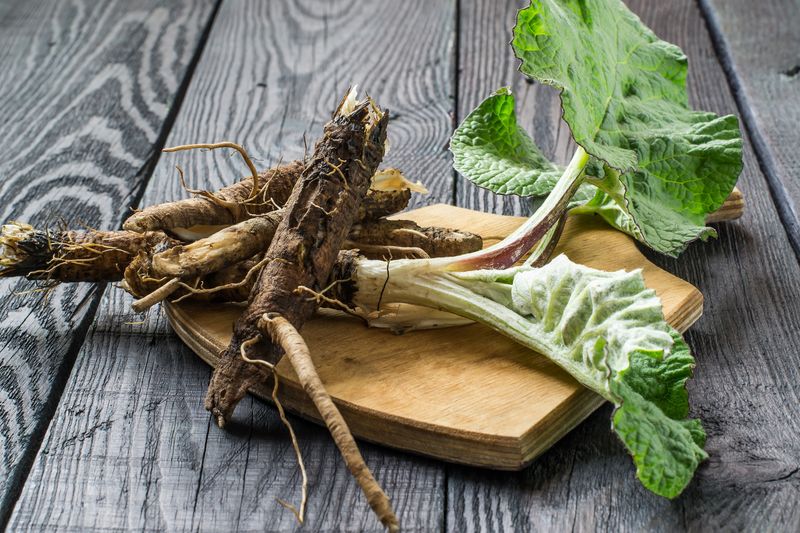
Burdock offers a culinary adventure with its edible roots and stalks, often used in Asian cuisine. Imagine a dish with burdock’s earthy flavor; it’s a gastronomic delight! Found in fields and gardens, burdock is a weed with a lot to offer.
Rich in fiber and antioxidants, it supports a healthy diet. The roots, once cooked, resemble artichokes, adding a unique twist to your meals. Embrace the earthy goodness of burdock and explore its culinary potential. It’s a weed worth savoring!
18. Sorrel (Wild)
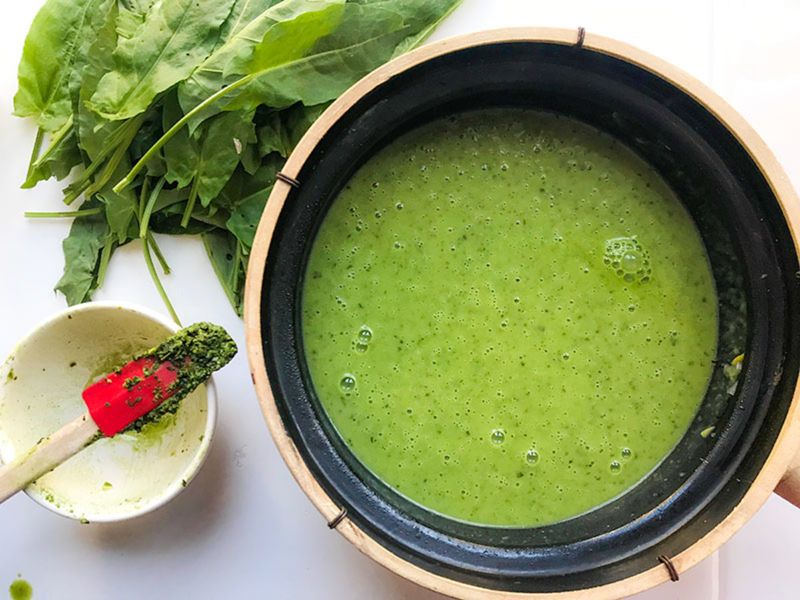
Wild sorrel is a weed with a sharp, lemony flavor that’s perfect for soups and fresh dishes. Its arrow-shaped leaves are rich in vitamin C, adding a zesty touch to your meals. Ever tried sorrel soup?
It’s a tangy delight, perfect for warming up on a chilly day. Found in meadows and gardens, wild sorrel is easy to forage and enjoy. A weed with zing and health benefits, it’s ready to spice up your culinary adventures with its tart taste.
19. Miners Lettuce

Miners lettuce is a wild green with a mild, crunchy texture, perfect for salads. Its round leaves are a delight to pick, adding freshness to your meals. Rich in vitamins A and C, it’s a health-boosting addition to your diet.
Found in shaded areas, miners lettuce is a resilient plant that thrives in cool, damp conditions. Imagine a crisp salad with miners lettuce, refreshing and nutritious. A weed with gentle charm, it’s a wonderful addition to your wild food repertoire.
20. Wild Garlic (Field Garlic)

Wild garlic is a flavorful alternative to cultivated garlic, offering a milder taste with its edible leaves and flowers. Perfect for pestos, sautés, or as a garnish, it’s a versatile addition to your kitchen.
Found in fields and wooded areas, wild garlic is easy to forage. Imagine a dish infused with the subtle aroma of wild garlic; it’s a treat for the senses.
Rich in nutrients, it supports a healthy diet and brings a touch of wild elegance to your meals. A culinary gem worth discovering!