
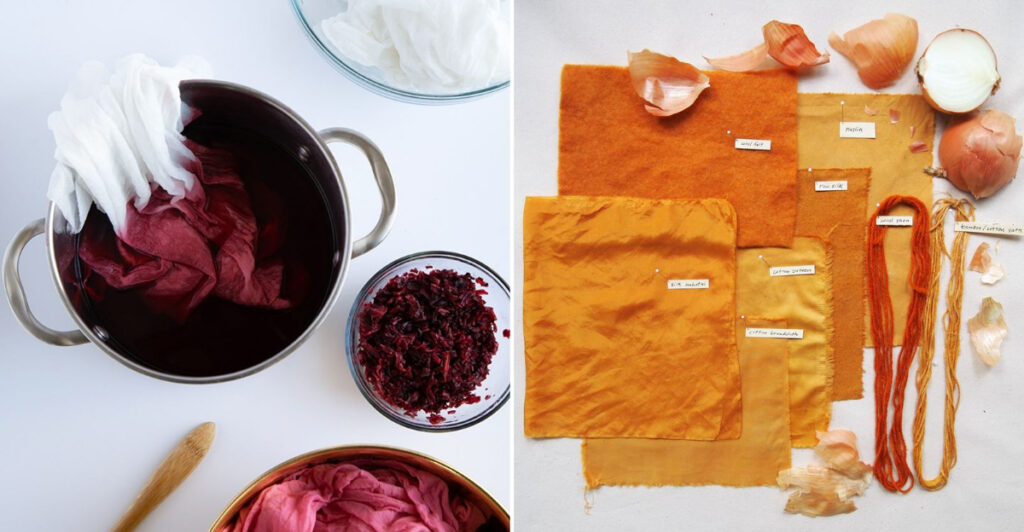
Explore the vibrant world of natural dyes with these 12 amazing plants, each offering unique hues to color your fabrics beautifully.
1. Indigo
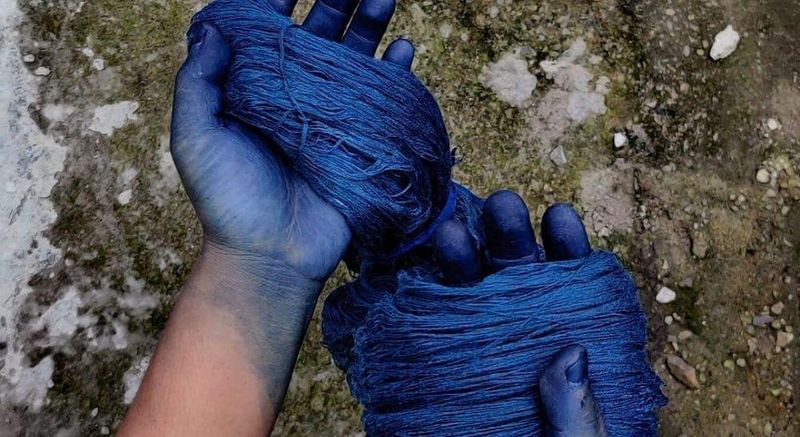
The indigo plant is a true wonder of nature, known for producing one of the most iconic natural dyes. Its unique ability to create a deep blue hue has been cherished for centuries across different cultures.
Imagine immersing a plain fabric into an indigo vat and witnessing the transformation into a rich, vibrant blue. This experience is akin to a painter watching their canvas come to life.
Did you know? The process involves a fascinating oxidation step, where the fabric emerges green and turns blue as it reacts with air. Truly magical!
2. Madder
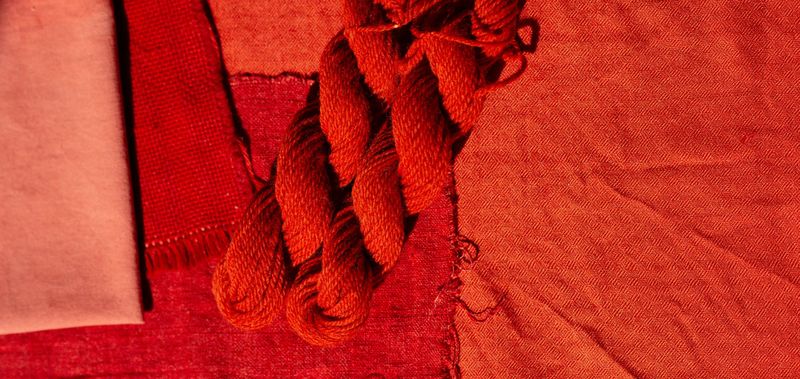
Madder roots have a secret hidden beneath the earth. They contain alizarin, a compound that produces a stunning red color, used since ancient times.
The dyeing process with madder is like unveiling a hidden treasure, as the roots must be carefully harvested and processed. This ancient plant connects us to history, as it was prized by pharaohs and medieval artists alike.
A fun fact: madder was even used to dye the British red coats! Its historical significance and vibrant color make it a favorite among natural dyers.
3. Turmeric
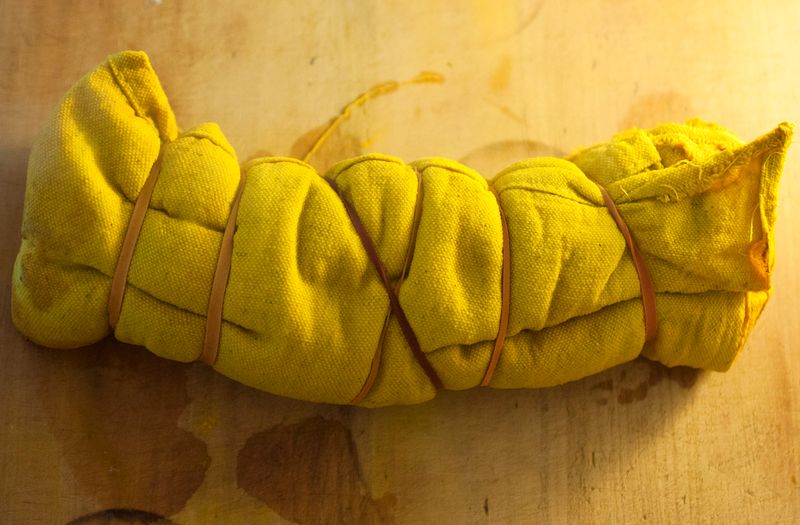
Turmeric isn’t just a kitchen staple; it’s a vibrant dye source too! Known for its bright yellow hue, turmeric can transform fabrics with its sunny disposition. This dyeing process feels like capturing a piece of sunshine in your hands.
Turmeric’s golden glow is perfect for creating cheerful textiles. However, be aware that turmeric’s color, like a fleeting sunset, may fade over time.
A delightful tidbit: turmeric has been used in ceremonial robes in India for centuries, adding a touch of tradition to its vibrant charm.
4. Woad
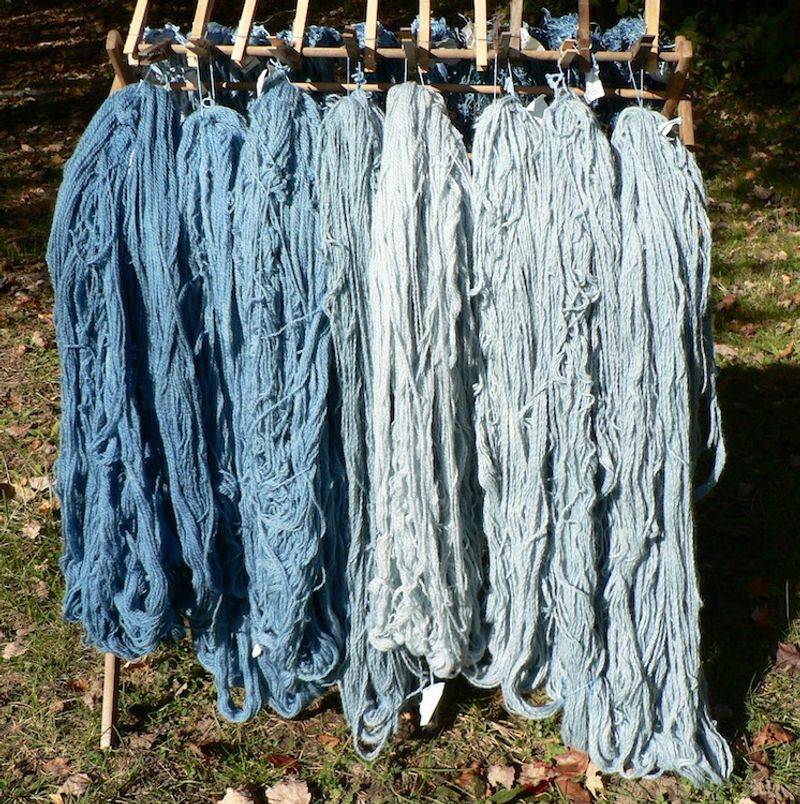
Woad offers a journey back in time, providing a blue dye used by ancient civilizations. The plant’s leaves might seem ordinary, but they hold the power to create a lovely blue hue.
Extracting dye from woad is like unlocking a secret code, requiring skill and patience. Picture Celtic warriors painting themselves with woad before battle—an image of strength and heritage.
Woad’s earthy blue offers a connection to our ancestors, making it a meaningful choice for natural dye enthusiasts.
5. Cochineal
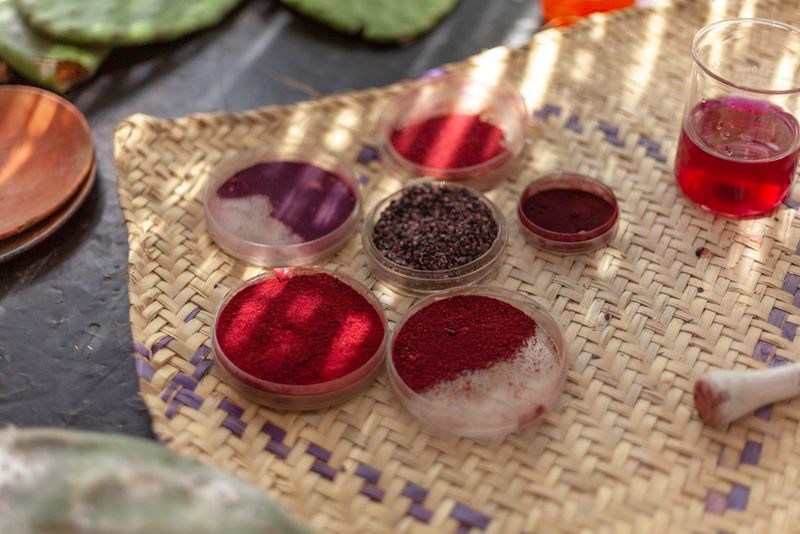
Cochineal isn’t a plant, but a tiny insect that feeds on cacti, producing a vibrant red dye. This dye has an enthralling history, once more precious than gold. Imagine the Aztecs trading cochineal, a testament to its value.
Working with cochineal feels like embracing an ancient art form, as the insects are dried and crushed to release their red pigment. This unique dye offers a vivid red unmatched by plant sources, adding an exotic touch to fabric dyeing.
6. Logwood
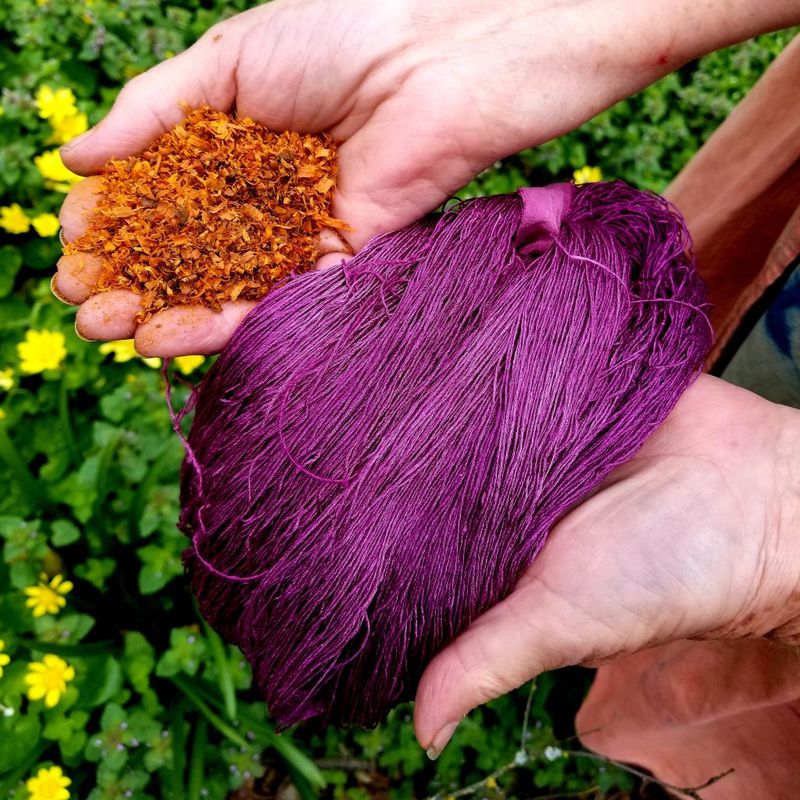
Logwood is a tree with a mystical air, providing deep purples and blacks. Its heartwood, when chipped and boiled, releases a rich dye. This process is like brewing a potion, as the dark hues develop.
Logwood’s colors are dramatic and bold, perfect for those wanting to add an air of mystery to their textiles.
Historically, logwood has been used for everything from ink to fabric dye, making it a versatile choice. A touch of the dramatic is never far away with logwood.
7. Hibiscus
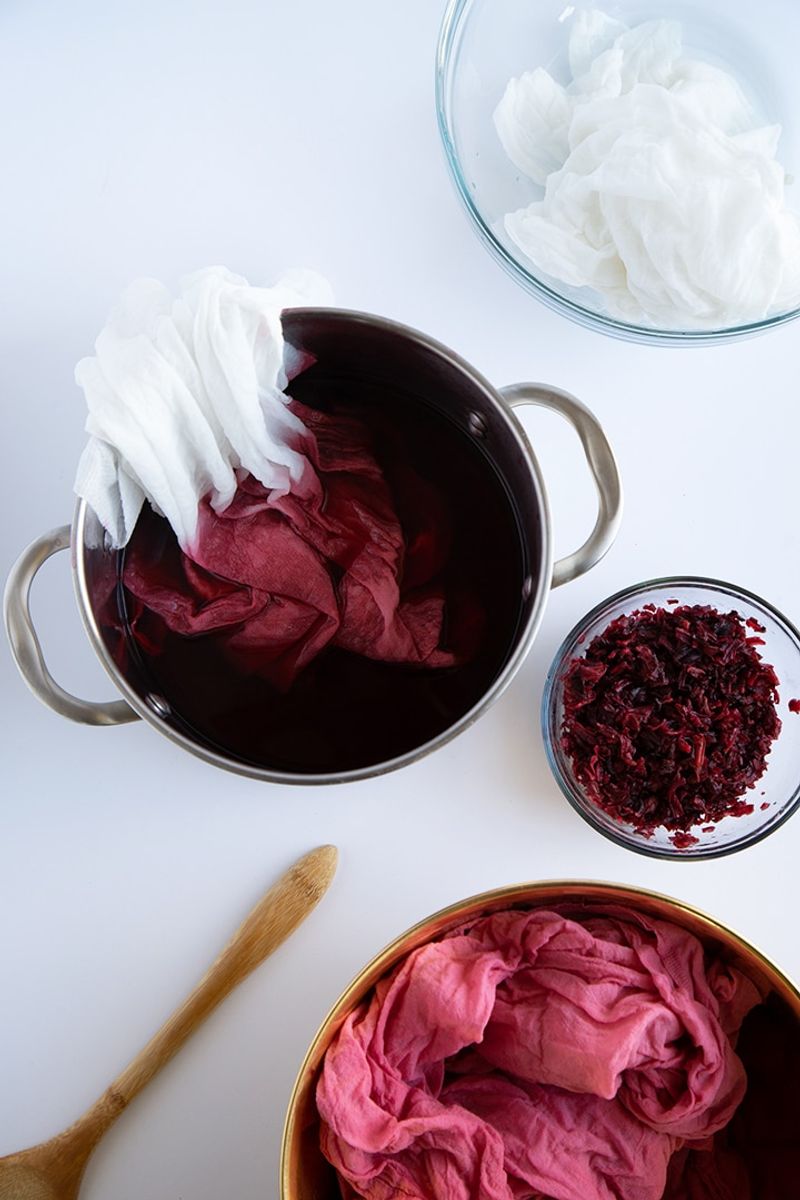
Hibiscus flowers offer more than just beauty; they provide a lovely dye in shades of pink to crimson. The dyeing process with hibiscus feels like capturing the essence of a tropical paradise. It’s as if the vibrant blooms whisper the secrets of their color to your fabric.
While hibiscus dyes may be subtle, their charm lies in their gentle, inviting hues. A wonderful choice for creating delicate, romantic textiles, hibiscus brings a touch of the exotic to your dye palette.
8. Walnut Hulls
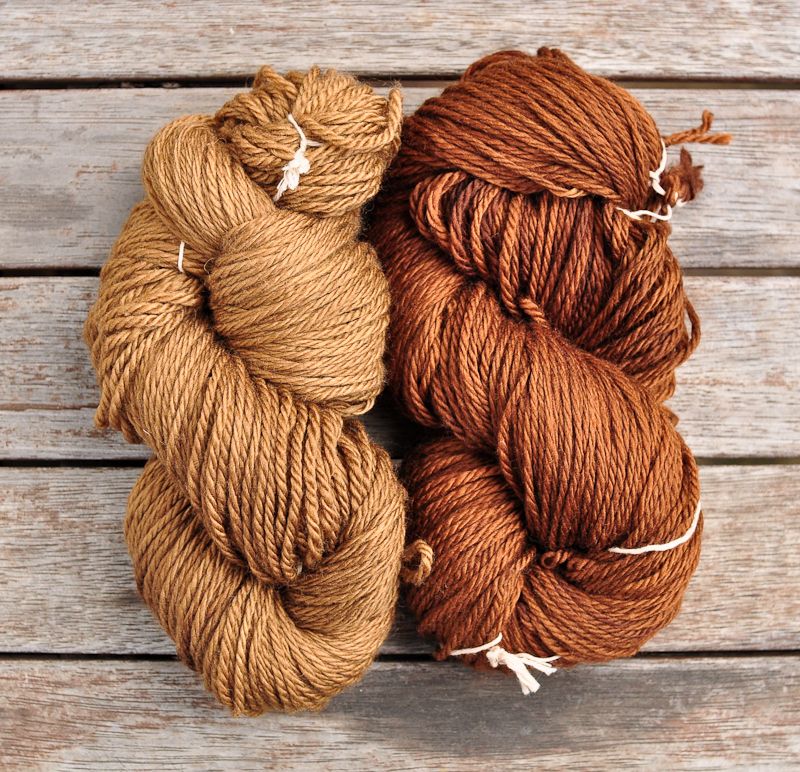
Walnut hulls, often overlooked, hold the secret to a rich brown dye. This natural dyeing process feels akin to painting with the earth itself, as the walnut’s essence permeates the fabric.
The deep, earthy tones of walnut dyes evoke a sense of warmth and comfort, reminiscent of cozy autumn days.
Historically, walnut dye has been used for everything from Renaissance paintings to dyeing wool. Its versatility and depth make it a beloved choice for natural dyers seeking rich, earthy tones.
9. Onion Skins
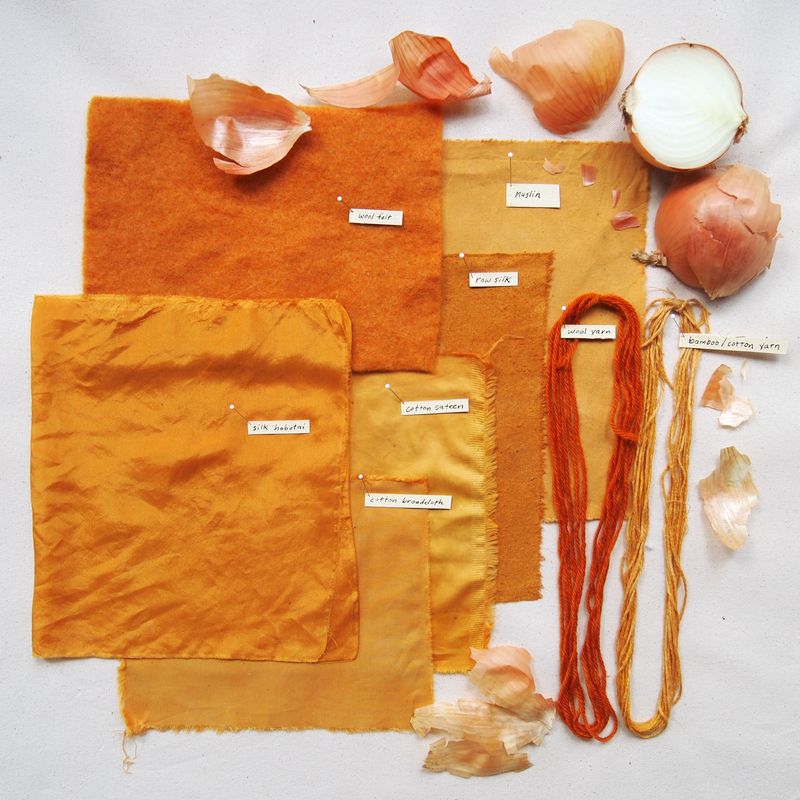
Onion skins are a surprising source of dye, offering lovely golden hues. This dyeing process feels like uncovering a hidden gem in your kitchen pantry. As the skins simmer, they release a warm, sunny color perfect for cozy textiles.
Onion skin dyeing is accessible and versatile, allowing for creative experimentation. It’s a delightful way to repurpose kitchen waste into something beautiful.
An interesting tidbit: onion skin dye has been used in Easter egg coloring, showcasing its gentle, golden charm.
10. Eucalyptus
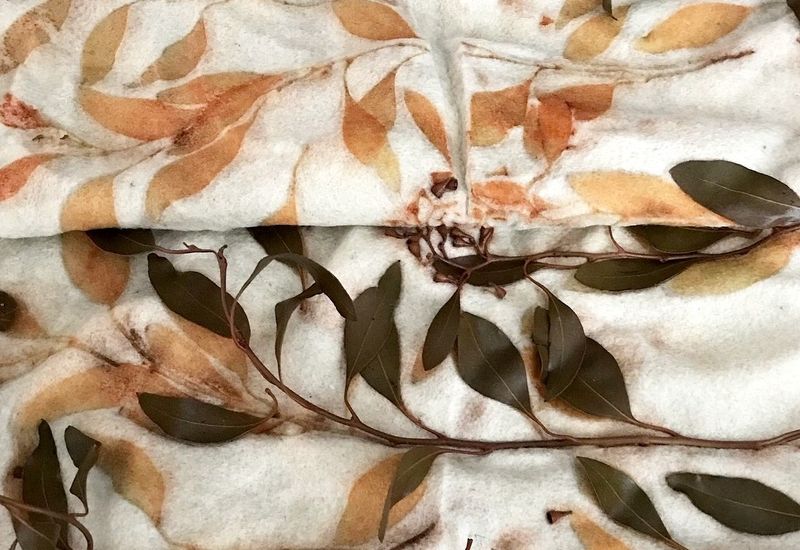
Eucalyptus leaves offer a surprising palette of colors, from soft pinks to grays. The dyeing process is like a walk through an aromatic forest, as the leaves’ scent infuses the fabric.
Eucalyptus dyes provide a subtle elegance, perfect for creating sophisticated textiles. The tree’s calming aroma and tranquil colors make it a favorite among those seeking more than just color from their dyes.
Eucalyptus offers a sensory experience, connecting you with nature in both sight and smell.
11. Cutch
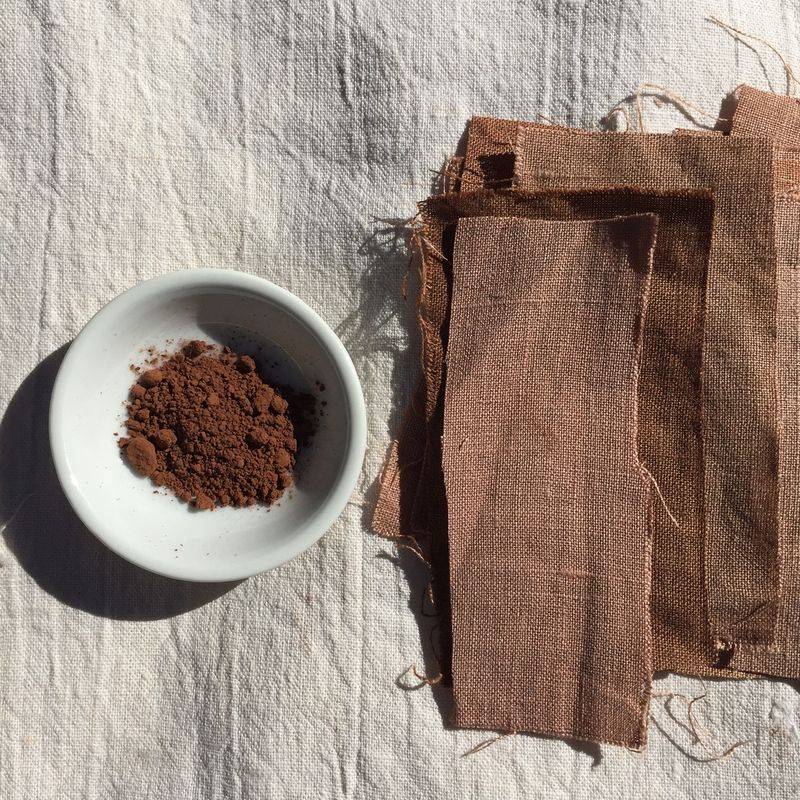
Cutch, derived from acacia trees, offers a warm, cinnamon-brown hue. The dyeing process feels like wrapping yourself in a soft, cozy blanket. Cutch has been used for centuries in traditional textiles, offering both depth and warmth.
Its earthy color palette is perfect for creating textiles that evoke a sense of comfort. Did you know? Cutch was once used in ancient India for dyeing and tanning, a testament to its lasting appeal. Its rich history and warm tones make it a beloved choice.
12. Pomegranate
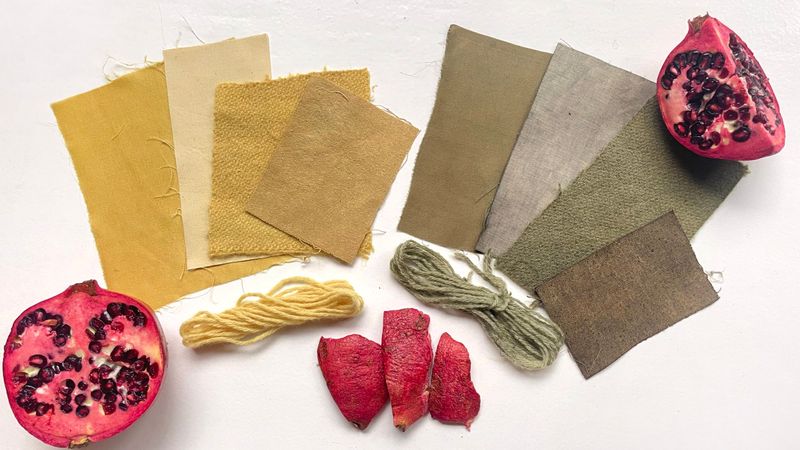
Pomegranate peels are bursting with potential, offering a range of yellow to greenish hues. The dyeing process is refreshing, akin to infusing your fabric with the essence of a sunlit orchard. Pomegranate dyeing is like capturing the freshness of a spring day.
Its subtle, refreshing colors are perfect for creating vibrant yet gentle textiles. A fun fact: pomegranate dye has been used in Persian carpets, adding a touch of exotic allure. It’s a delightful way to experiment with natural dyes.