
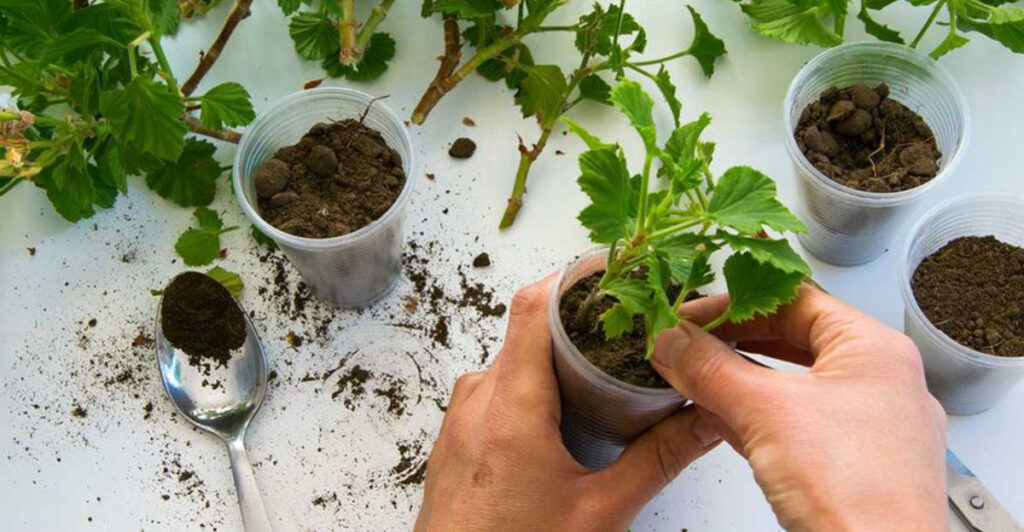
Exploring the fascinating world of plant propagation, this blog post delves into the simplest plants to propagate and those that pose a challenge.
Learn about the unique qualities that make some plants easy to multiply, while others remain elusive.
Whether you’re a seasoned gardener or a beginner, these insights will guide you in selecting the right plants for your propagation endeavors.
1. Pothos
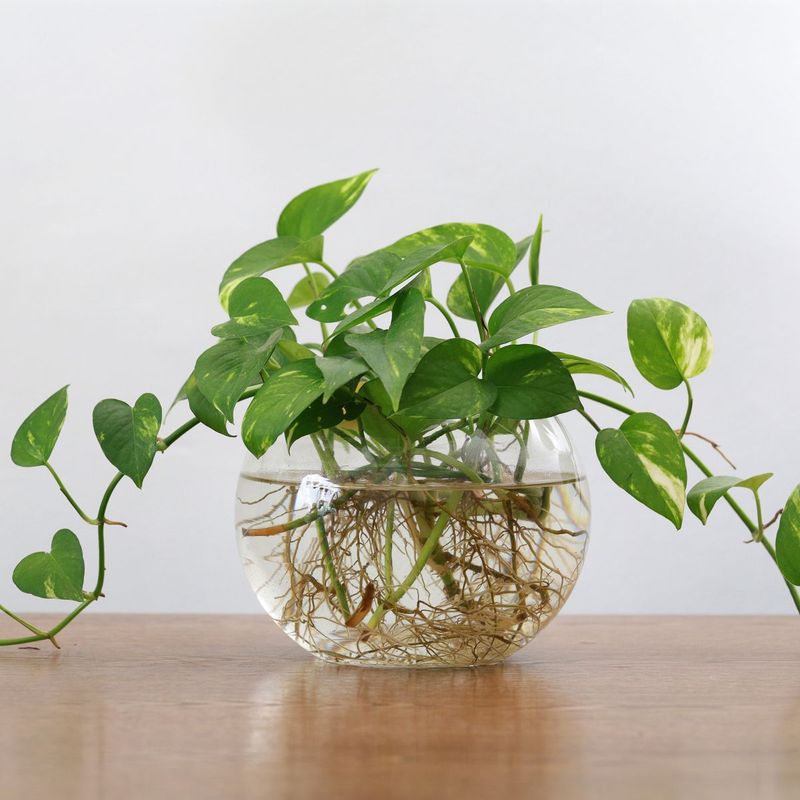
Pothos, with its cascading vines and heart-shaped leaves, is a propagation superstar. Snip a piece below a node, place it in water, and watch roots emerge. This plant’s resilience is matched by its beauty.
It thrives in various lighting conditions, making it a versatile choice for homes. Pothos’ vibrant foliage can brighten any space, transforming dull corners into lush retreats.
A quirky fact: Pothos is often mistaken for philodendron, but its unique leaf variegation sets it apart. Its ease of care ensures it remains a staple in home gardens.
2. Succulents
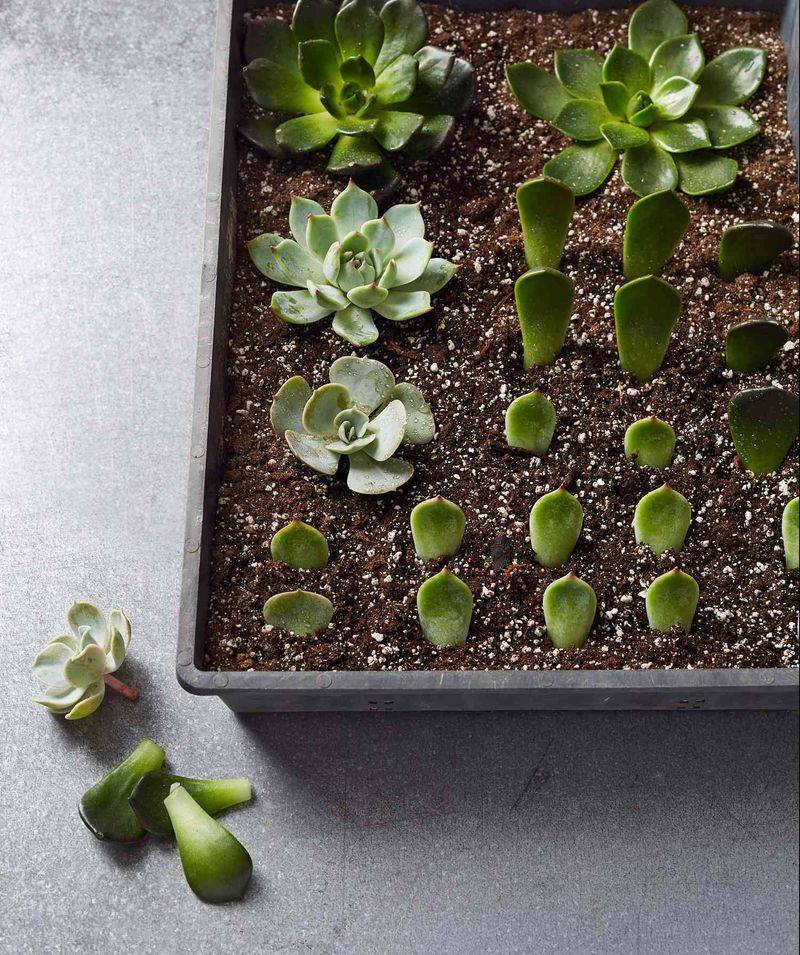
Succulents are a gardener’s delight when it comes to propagation. With their plump leaves and water-storing capabilities, they offer endless possibilities. Simply pluck a leaf, let it callous, and place it on soil.
These plants thrive on neglect, requiring minimal watering and attention. Their diverse shapes and colors make them a popular choice for decorative arrangements.
A fun fact: Succulents store water in their leaves, allowing them to endure drought conditions. Their adaptability makes them a must-have for any plant enthusiast.
3. Basil
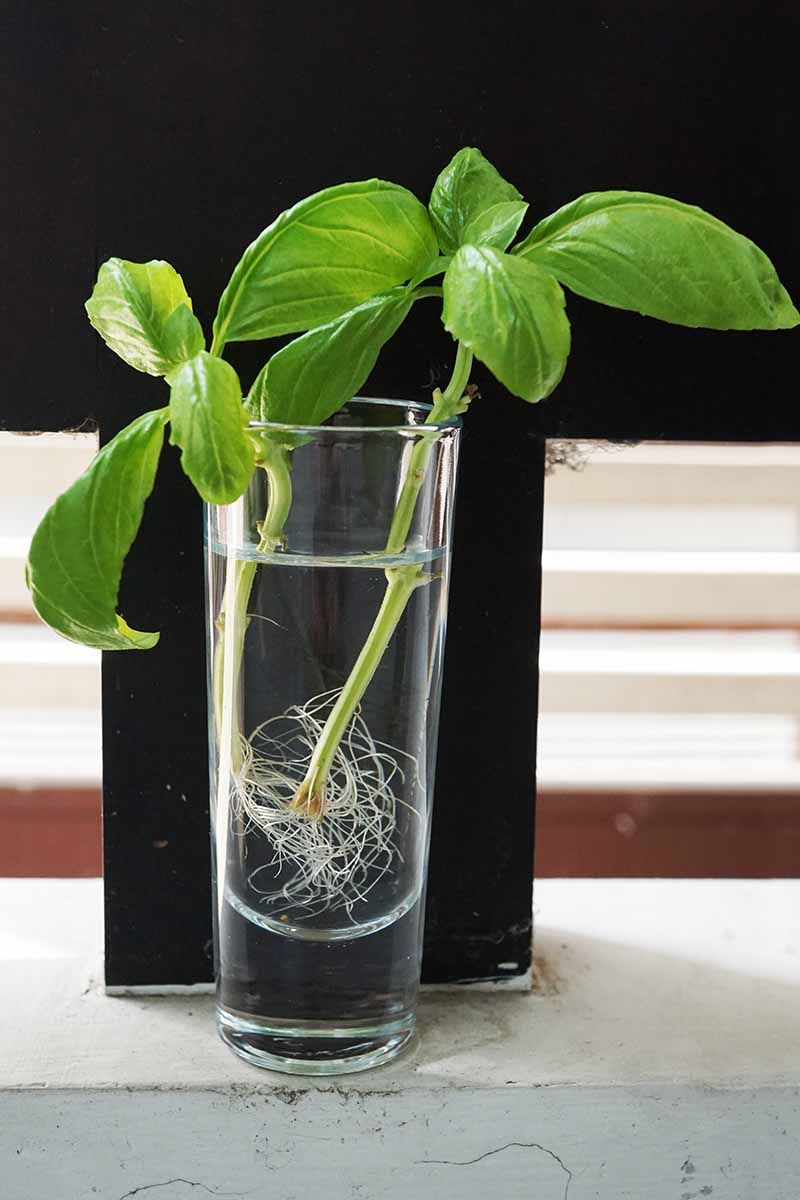
Basil, a culinary favorite, is not only delicious but also easy to propagate. Take a cutting, place it in water, and watch roots sprout in no time. Its aromatic leaves make it a kitchen staple.
This herb thrives in sunlight, adding a touch of greenery to your kitchen. Its rapid growth and vibrant color make it a joy to cultivate.
A tidbit for the curious: Basil is native to tropical regions spanning from central Africa to Southeast Asia, bringing a taste of the exotic to your home garden.
4. Mint
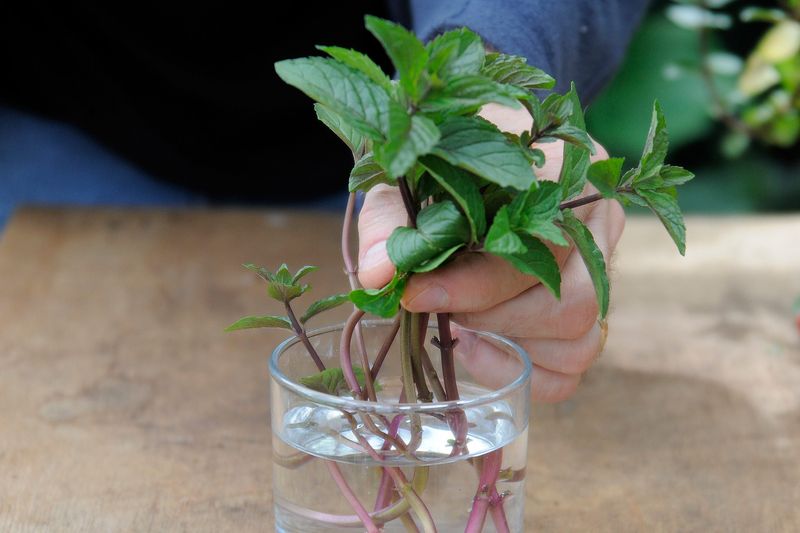
Mint, with its invigorating scent, is a propagation favorite. Snip a piece, place it in water, and roots will quickly emerge. Its vigorous nature means it spreads rapidly, offering an abundant supply.
Perfect for teas and culinary dishes, mint’s fresh aroma invigorates any space. Its lush green leaves add a touch of nature’s elegance to your home.
A quirky note: Mint is known to deter pests, making it a practical addition to gardens. Its robustness ensures a thriving crop with minimal effort.
5. Rosemary
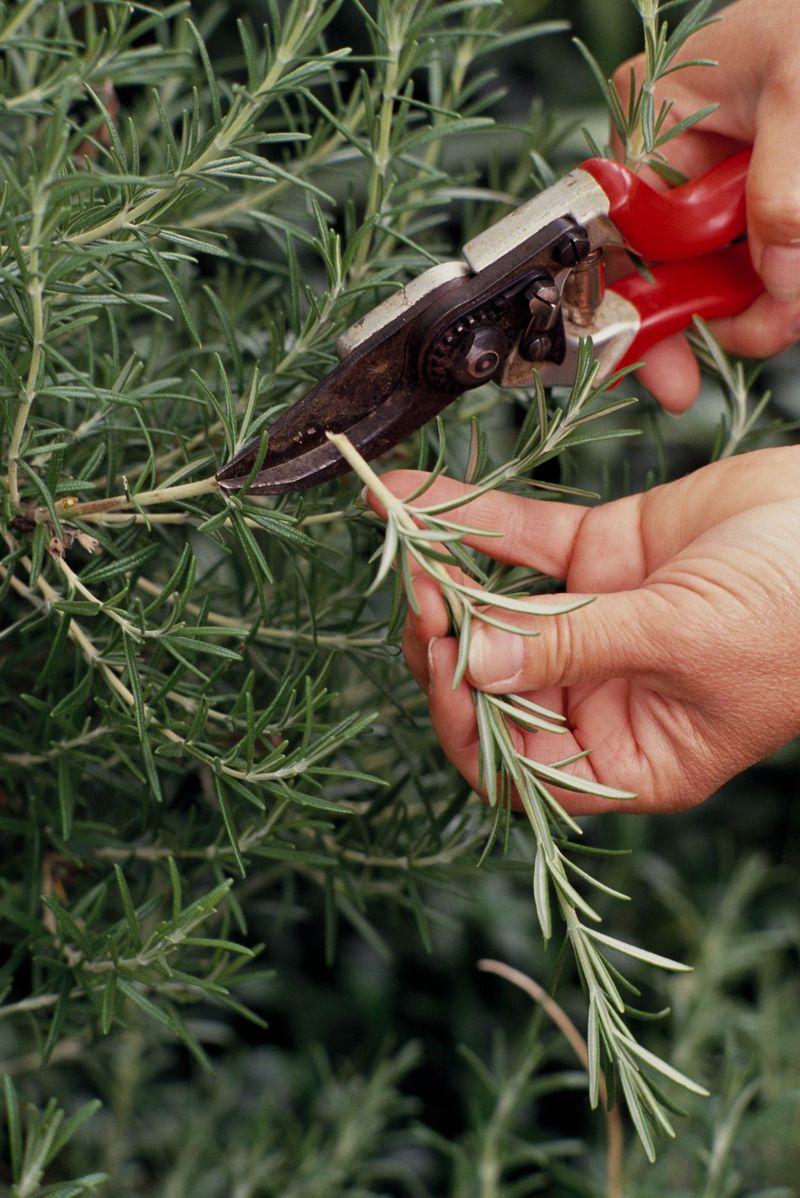
Rosemary, with its woody stems and aromatic leaves, is a propagation favorite. A cutting placed in water will develop roots, ready for planting. Its robust nature makes it a beloved herb in many gardens.
The evergreen nature of rosemary ensures year-round greenery. Its scent is both invigorating and calming, adding a sensory delight to any space.
An interesting fact: Rosemary has a historical association with remembrance and fidelity. Its fragrant leaves are not only culinary delights but also carry symbolic meanings.
6. Lavender
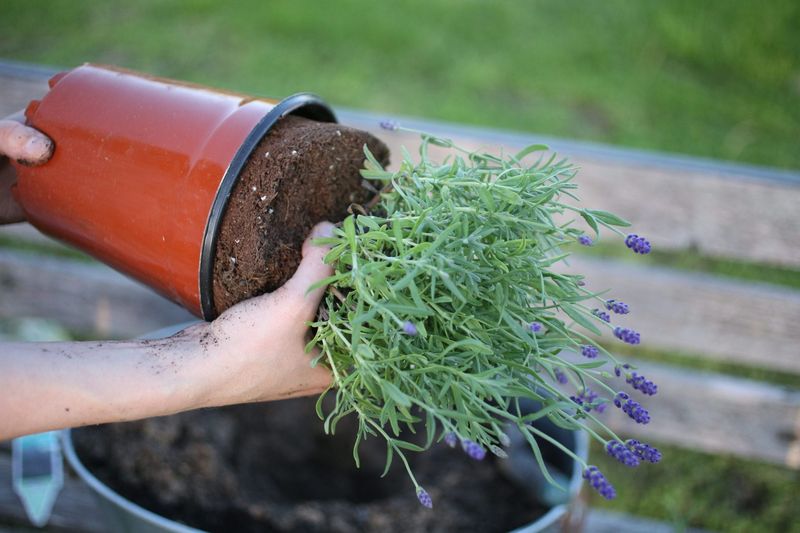
Lavender, with its iconic purple blooms and calming scent, is a propagation gem. By taking a cutting and placing it in water or soil, new roots form, ready for growth.
Its fragrant blossoms make it a beloved garden staple. Lavender thrives in sunny spots, its aroma wafting through the air, creating a soothing environment.
Did you know? Lavender has been used in traditional medicine for its calming properties. Its beauty and functionality make it a cherished addition to any garden.
7. Aloe Vera

Aloe vera, known for its soothing gel, is a propagation marvel. Simply remove an offset, or “pup,” and plant it in soil. Its succulent nature ensures it thrives with minimal care.
The fleshy leaves of aloe vera not only provide a soothing gel but also a striking presence in any space. Its resilience makes it a favorite among plant lovers.
A tidbit: Aloe vera has been used for thousands of years for its medicinal properties, making it both a decorative and functional plant.
8. Snake Plant
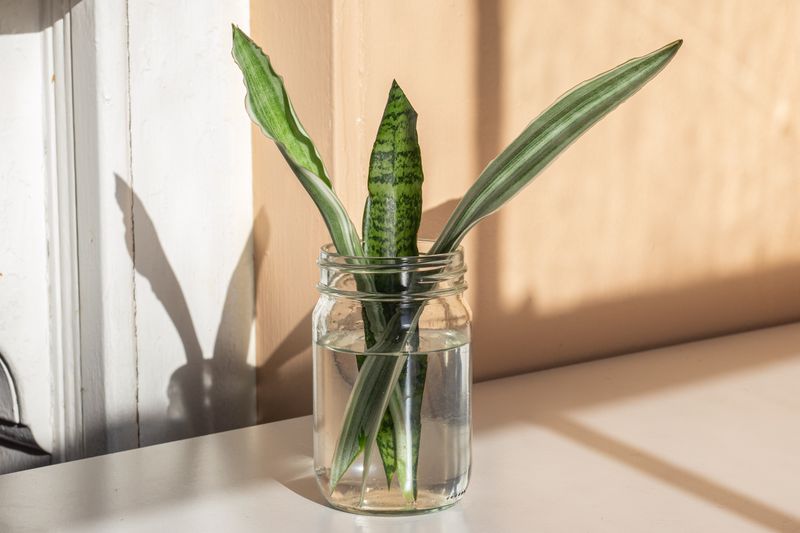
The snake plant, with its upright, sword-like leaves, is almost impossible to kill. Take a leaf cutting and place it in water or soil, and roots will soon sprout. Its indestructible nature makes it a top choice for beginners.
This plant’s striking silhouette adds an architectural element to any room. It’s not only easy to propagate but also purifies the air, enhancing indoor spaces.
Did you know? The snake plant is also called “mother-in-law’s tongue,” a nod to its sharp appearance. Its resilience is unmatched in the plant world.
9. Geranium
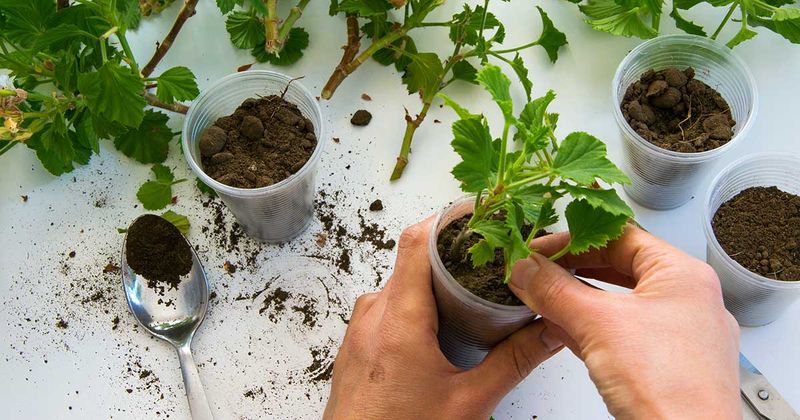
Geraniums, known for their vivid blooms, are a propagation delight. Snip a cutting and place it in soil or water to watch roots develop. Their cheerful presence and easy care make them a garden favorite.
These colorful plants brighten any garden or windowsill, offering blooms that last for months. Their adaptability to different conditions ensures a thriving display.
Fun fact: Geraniums have a history in traditional medicine, believed to have healing properties. Their vibrant colors and easy propagation make them a beloved choice.
10. Begonias
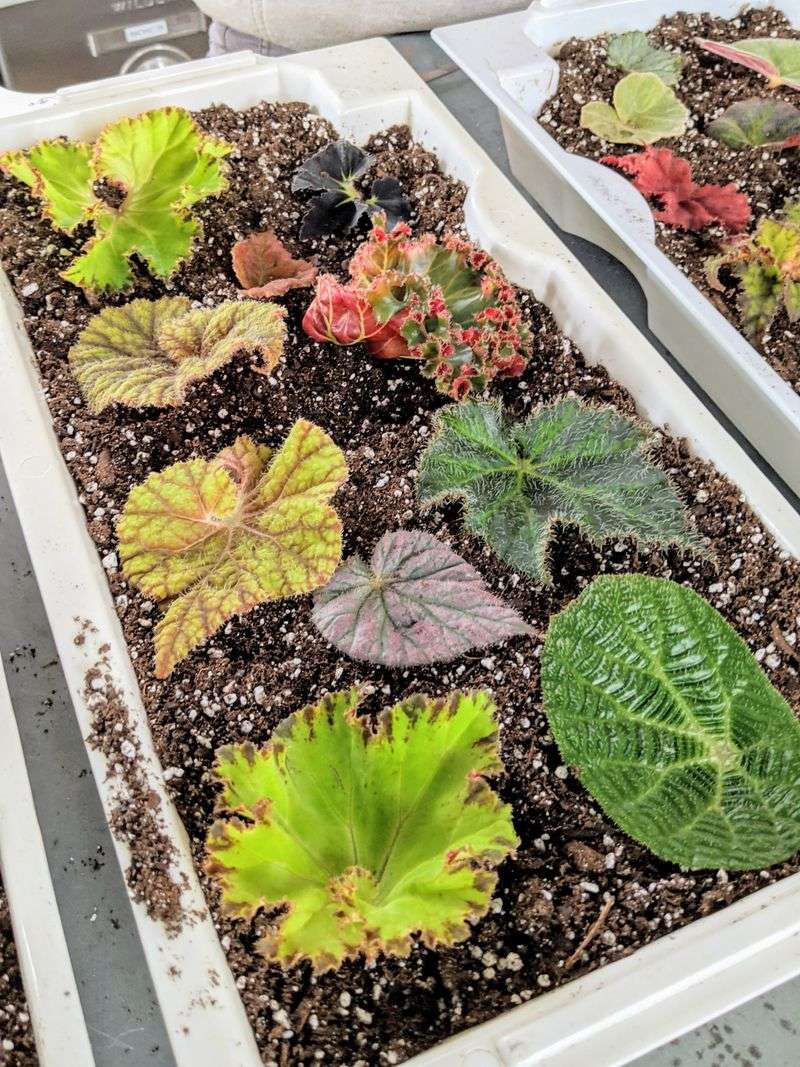
Begonias, with their vibrant foliage and flowers, are a joy to propagate. Take a leaf cutting, place it in water, and watch roots form. Their colorful leaves add a splash of color to any space.
These plants thrive in various environments, offering versatility to gardeners. Begonias’ charming blooms and ease of care make them a popular choice for homes and gardens.
An intriguing note: Begonias originate from tropical and subtropical regions, adding an exotic flair to your collection. Their propagation potential ensures endless enjoyment.
11. ZZ Plant
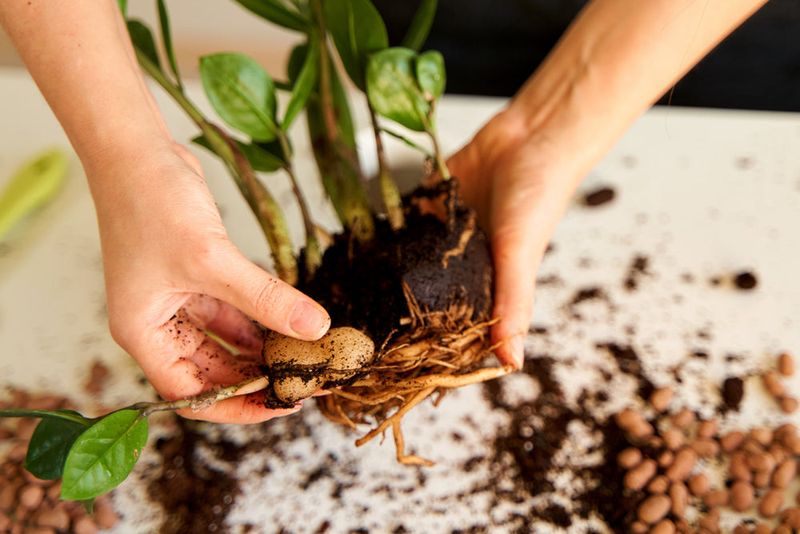
The ZZ plant, known for its glossy leaves, is a propagation star. Simply divide the rhizomes or take a leaf cutting, and roots will follow. Its ability to thrive on neglect makes it a go-to choice for busy individuals.
This plant’s lush appearance adds elegance to interiors, making it a decorative staple. Its adaptability to low light conditions further enhances its appeal.
A curious fact: The ZZ plant, native to Eastern Africa, is also known as “Zanzibar Gem.” Its resilience and beauty make it a prized possession for plant enthusiasts.
12. English Ivy
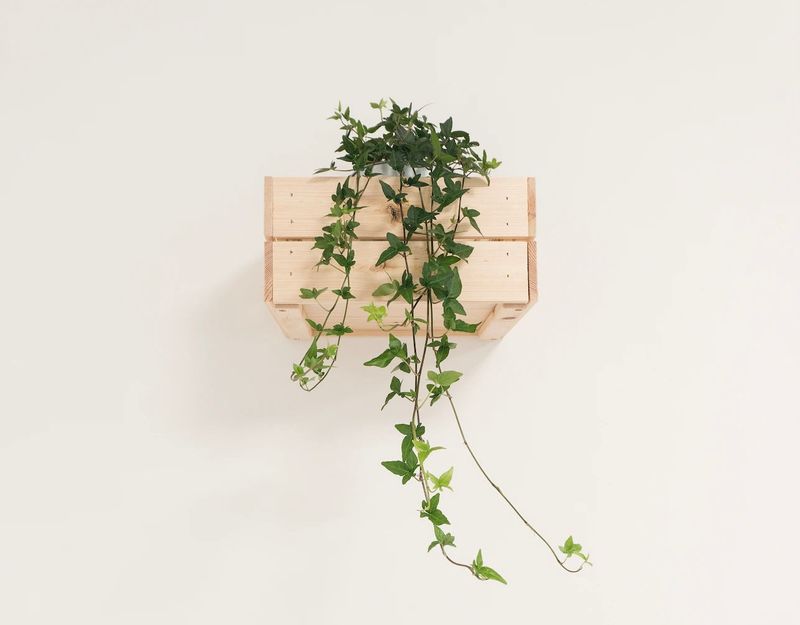
English ivy, with its cascading vines and lush leaves, is a propagation wizard. A simple cutting in water quickly develops roots, ready for planting. Its fast-growing nature ensures abundant foliage.
This evergreen climber adds an enchanting touch to gardens, draping walls and trellises with ease. Its ornamental appeal and ease of care make it a popular choice for outdoor and indoor spaces.
An added bonus: English ivy is known for its ability to reduce indoor pollutants, adding to its functional charm.
13. Tradescantia
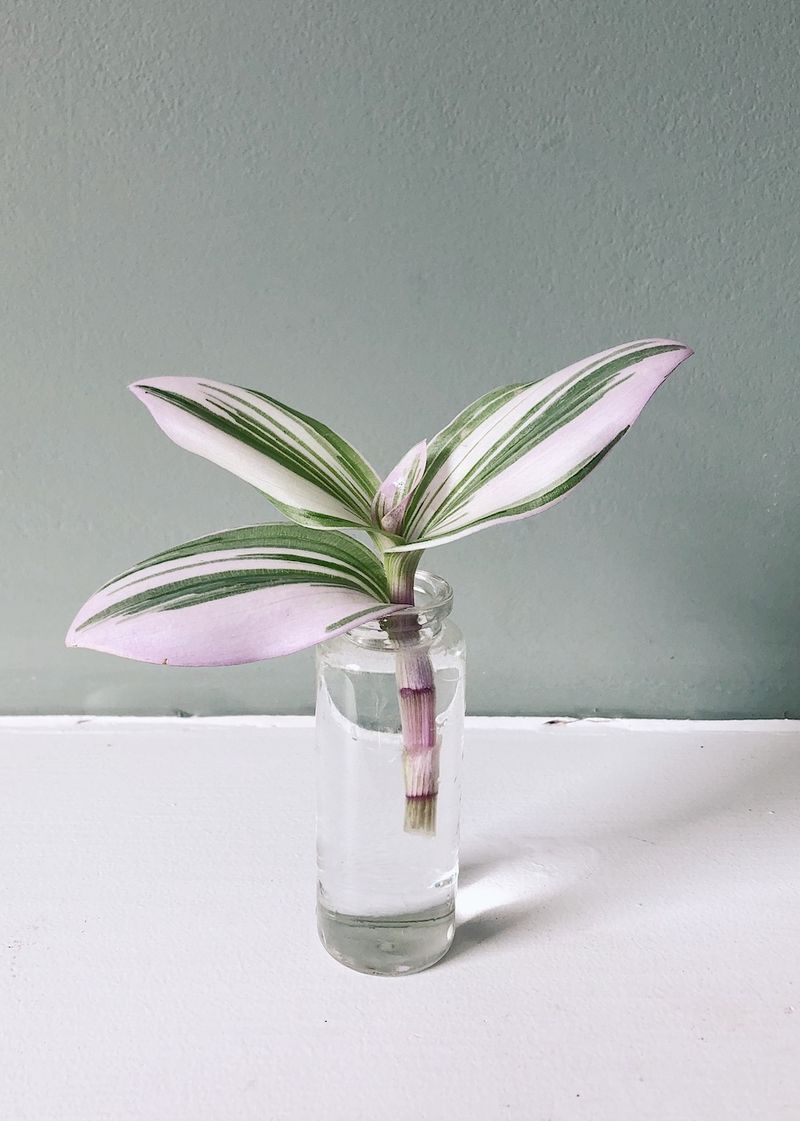
Tradescantia, also known as inch plant, is a propagation wonder. Snip a cutting, place it in water, and roots form almost immediately. Its striking variegated leaves are a visual feast.
This plant thrives in bright, indirect light, making it a versatile addition to any collection. Its rapid growth and colorful foliage create a lively display.
A fun tidbit: Tradescantia is often called “wandering Jew,” a name that reflects its spreading growth habit. Its ease of propagation ensures a dynamic presence in your home.
1. Fiddle Leaf Fig (Avoid)
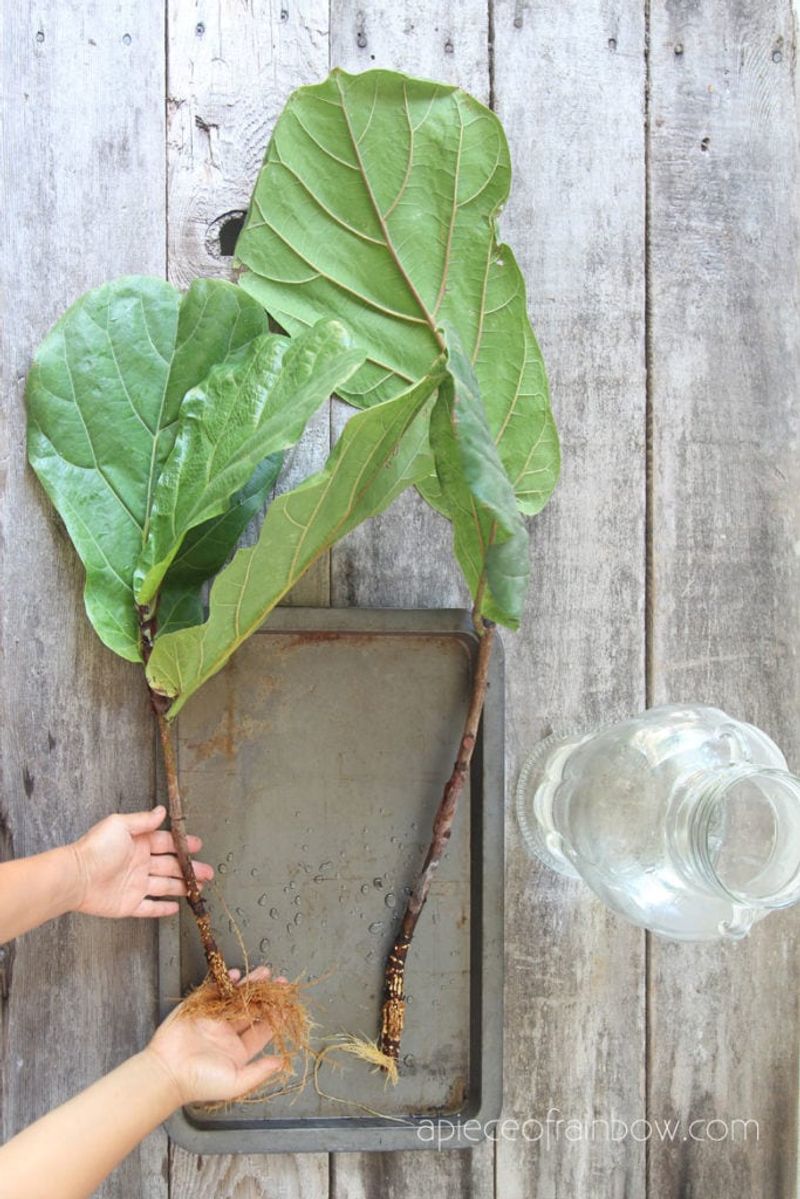
The fiddle leaf fig, with its iconic broad leaves, is notoriously challenging to propagate. While its majestic appearance is tempting, achieving successful propagation requires patience and skill. Its finicky nature means it often resists rooting.
This plant demands precise conditions, including consistent watering and light. Deviating from its preferences can lead to failure. As beautiful as it is, the fiddle leaf fig poses hurdles for even seasoned gardeners.
A notable fact: Native to Western Africa, the fiddle leaf fig thrives in its natural habitat but struggles indoors. Consider alternatives if propagation success is desired.
2. Orchids (Avoid)
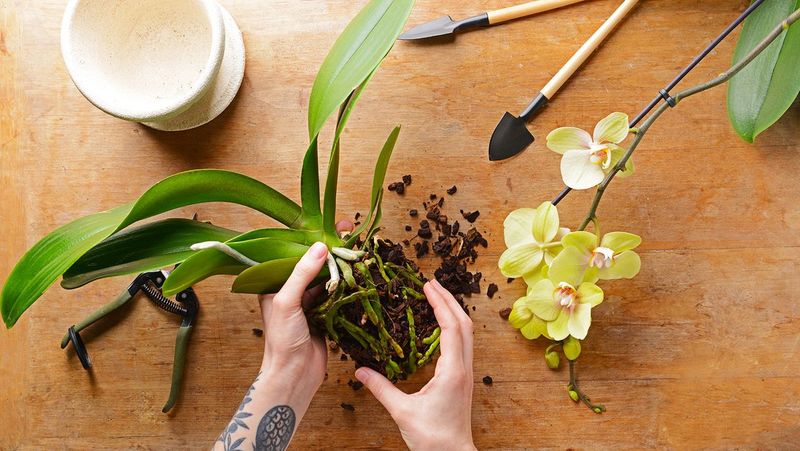
Orchids captivate with their exotic blooms but are notoriously challenging to propagate. The delicate balance of humidity, temperature, and light makes them high-maintenance. Propagation attempts often result in frustration.
Their beautiful flowers belie the intricate care required. Many enthusiasts find themselves entangled in the complexities of orchid propagation. Consider experienced growers for success.
An intriguing note: Orchids can take years to bloom, adding to the challenge. Despite their allure, they demand dedication and skill. Those seeking a carefree propagation experience should explore other options.
3. Gardenias (Avoid)
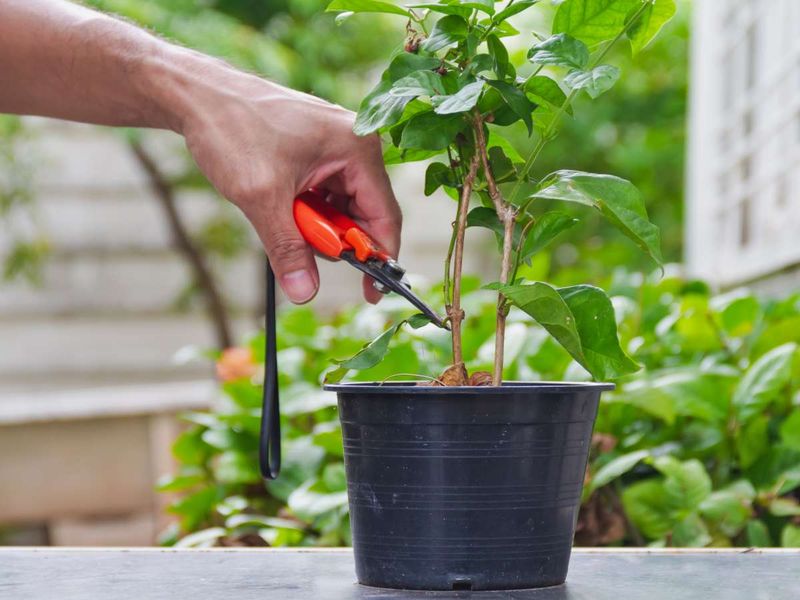
Gardenias, with their fragrant white blooms, frustrate even seasoned gardeners. Their finicky nature and specific needs mean propagation often ends in disappointment. Achieving the right balance of acidity, humidity, and soil is critical.
These plants’ delicate constitution makes them unforgiving of mistakes. Gardenias demand meticulous attention, challenging novice and experienced gardeners alike.
Did you know? Gardenias symbolize purity and love, often used in weddings. Their enchanting aroma captivates, but their propagation remains elusive. Those seeking simplicity should consider alternatives to this demanding beauty.
4. Bonsai (Avoid)
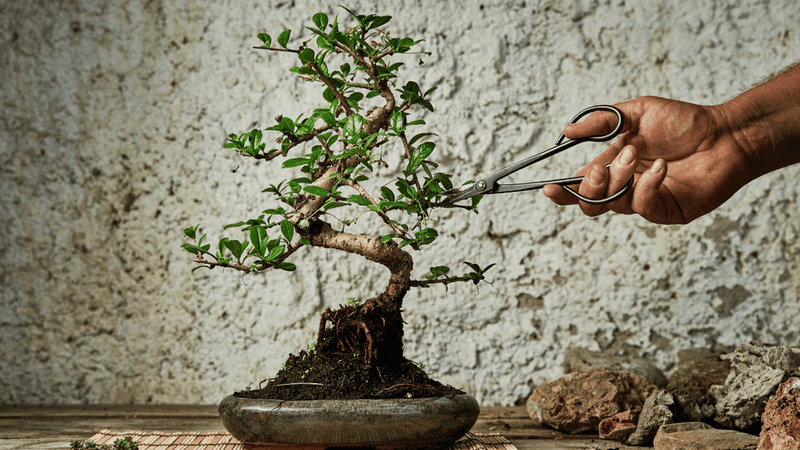
Bonsai, the art of miniature trees, is not for the faint-hearted. Propagation requires precision, patience, and artistry. The delicate balance of pruning, wiring, and shaping makes it a daunting task.
These miniature masterpieces demand constant care and adaptation. Propagation attempts often falter, as bonsai challenges conventional growing methods.
A captivating fact: Bonsai originates from ancient Chinese horticultural practices, later refined in Japan. This intricate art form is a testament to patience and creativity. Aspiring bonsai artists should brace for a demanding yet rewarding journey.
5. Cacti (Avoid)
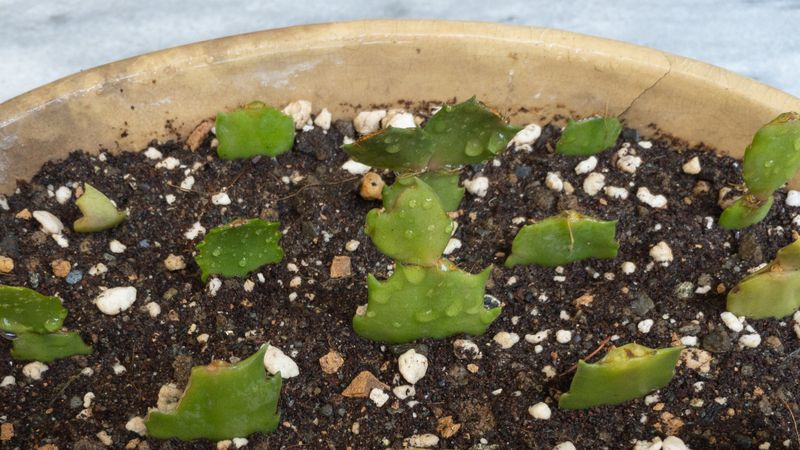
Cacti, while visually striking, present challenges in propagation. Their spiky nature and specialized requirements make them difficult for beginners. Achieving the right balance of light, water, and soil is crucial.
Propagation attempts can be prickly and frustrating. These resilient plants demand specific conditions for success, often eluding novice gardeners.
An interesting tidbit: Cacti are native to the Americas, thriving in arid environments. Their unique adaptations make them fascinating, yet their propagation remains complex. Those seeking an easy propagation experience might want to explore other options.