
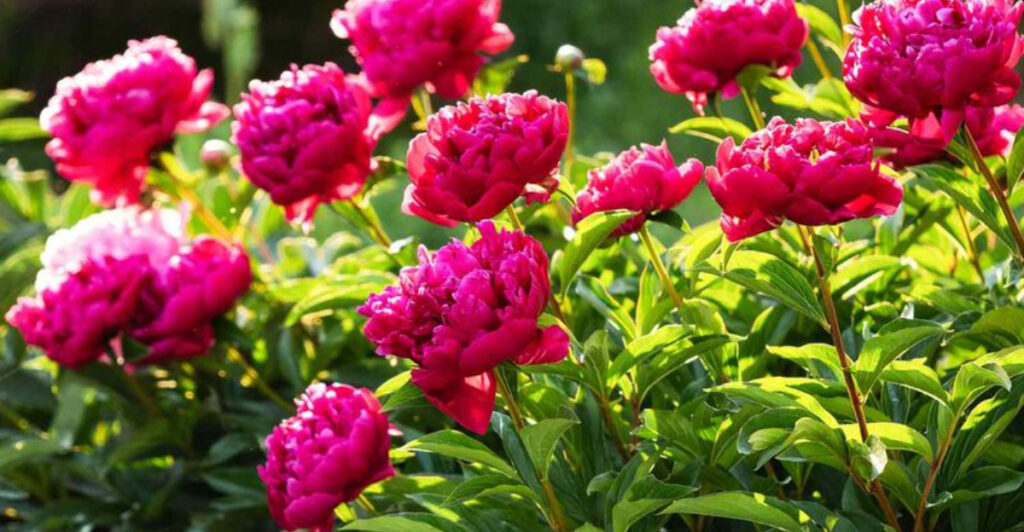
Peonies are cherished for their lush blooms and intoxicating fragrance. With the right care, these garden beauties can bloom for an extended period, delighting you with their vibrant colors and charming presence.
This guide will share 20 tips to help you enjoy your peonies for a longer time and highlight 5 critical mistakes to avoid.
1. Choose the Right Location
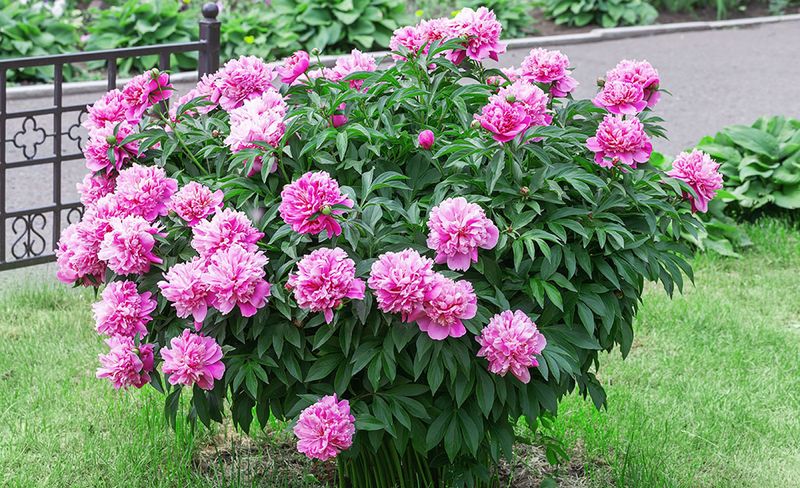
Location is everything when it comes to peonies. These delightful plants thrive best in a sunny spot, basking in at least 6-8 hours of sunlight daily.
Ensure the soil is well-drained, as peonies dislike wet feet. If your garden’s soil is heavy clay, consider amending it with organic matter to improve drainage.
Remember, once planted, peonies prefer to stay put—transplanting can upset their blooming cycle. Give them ample space to grow, as they can expand quite a bit over time. Your peonies will reward you with magnificent blooms if they love their home.
2. Water Wisely
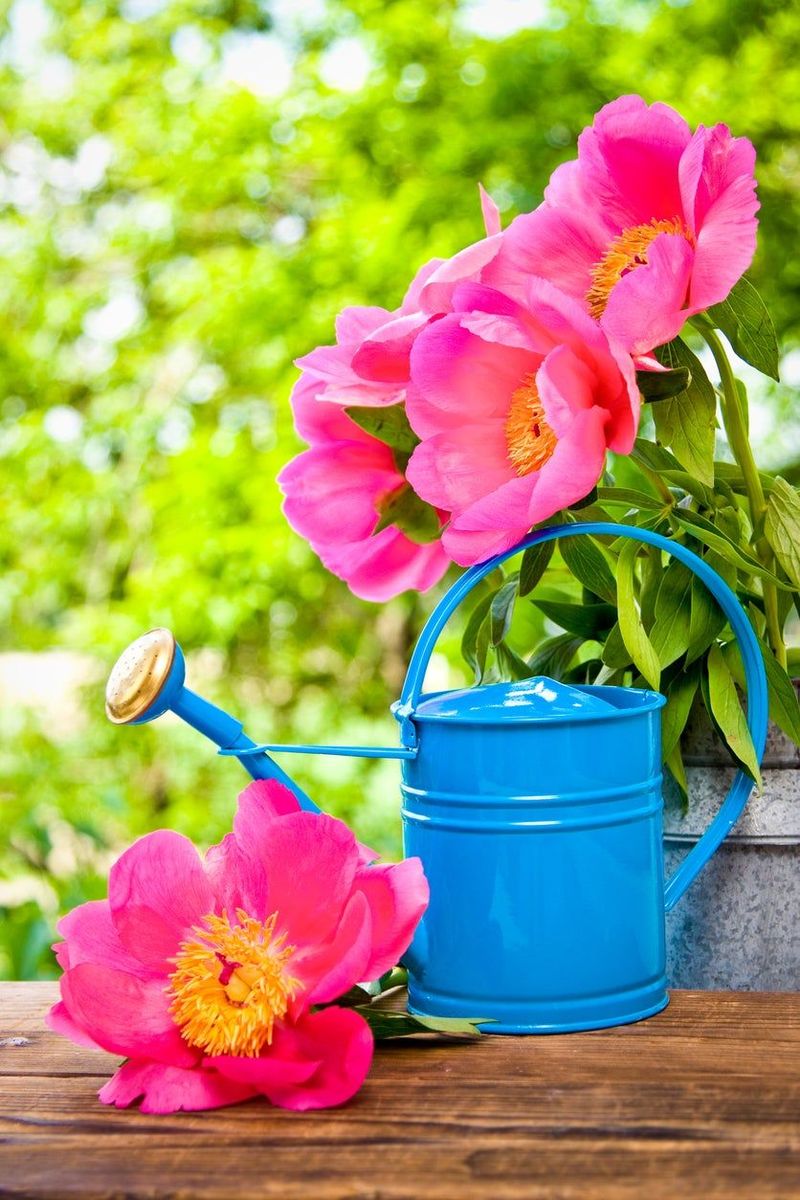
Consistent watering is key for peonies, especially during dry spells. Aim to keep the soil evenly moist but never soggy, as waterlogged conditions can lead to root rot. Early morning is the best time to water, as it allows leaves to dry out before nightfall.
Mulching can also help retain moisture, reducing the frequency of watering. However, avoid overhead watering as it can lead to fungal diseases. A gentle soak at the base ensures hydration reaches the roots directly, promoting healthy and robust blooms.
3. Fertilize Sparingly
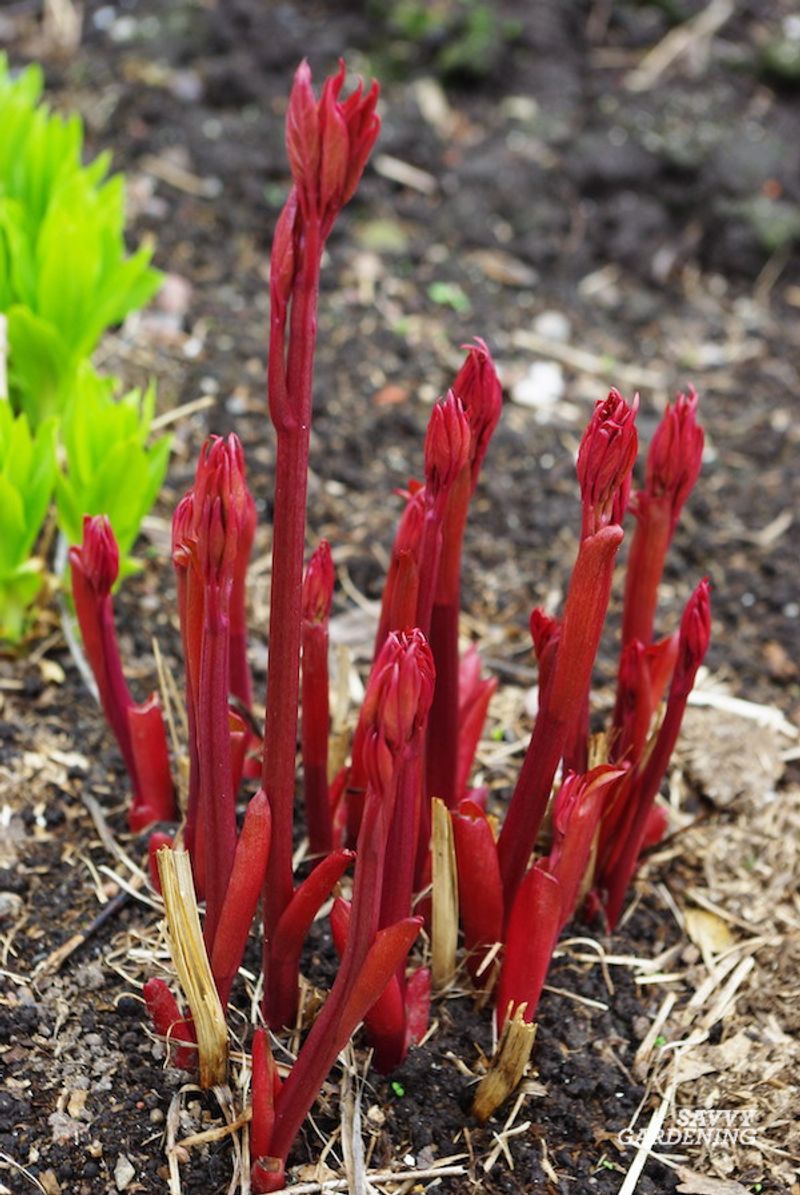
While peonies do appreciate nutrients, over-fertilizing can be detrimental. Use a balanced, slow-release fertilizer in early spring, just as the shoots start peeking out of the ground. Avoid high-nitrogen fertilizers, as they can lead to lush foliage at the expense of blooms.
A single application is often sufficient for the season. If you notice your peonies aren’t blooming well, consider testing your soil to address any nutrient deficiencies. Moderation is key—ensure you’re feeding your peonies just enough to encourage vibrant, healthy flowers.
4. Support Blooms with Stakes
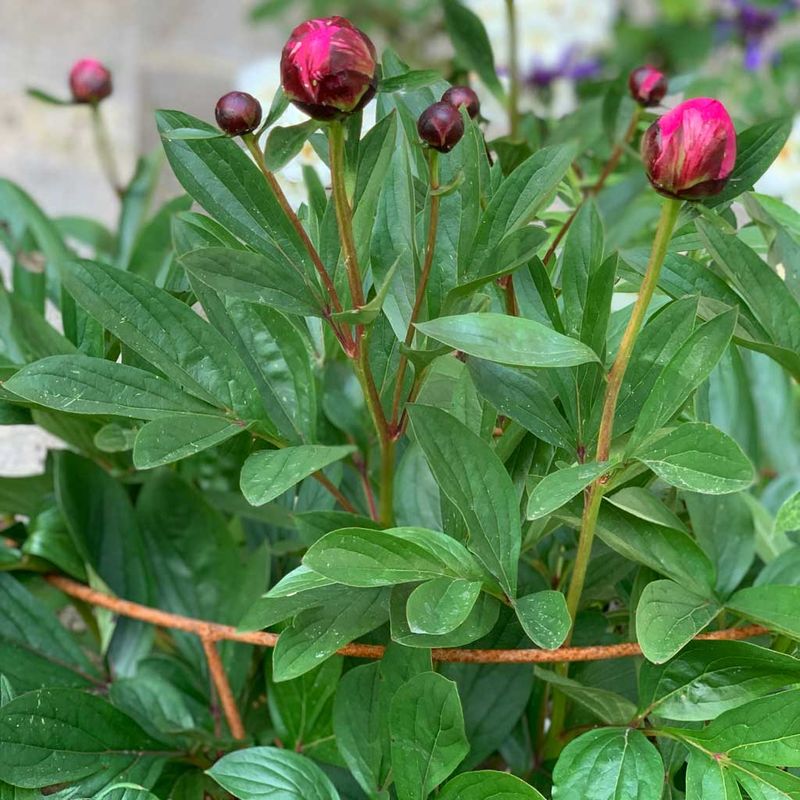
Peonies, with their large, heavy blooms, often need a little support. Installing stakes or peony rings can prevent bending or breaking of stems. Ideally, set these supports in place before the blooms emerge, allowing the plants to grow into them naturally.
Choose stakes that blend with the garden’s aesthetic, such as bamboo or green-coated metal. As the blooms develop, gently tie stems to the supports using soft garden ties. This extra care ensures your peonies stand tall, displaying their floral splendor for all to admire.
5. Prune for Health
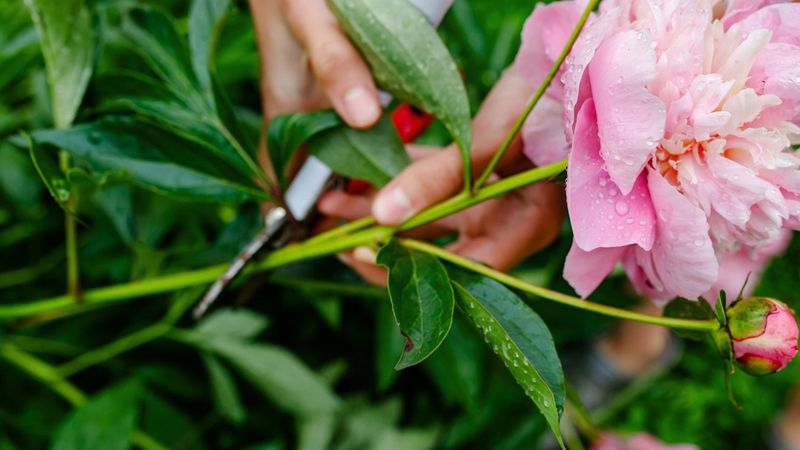
Pruning is vital to keep peonies healthy and blooming longer. Once blooms start fading, deadhead them promptly to encourage more growth. Cut back stems to the first set of leaves to tidy up the plant without sacrificing buds.
In the fall, after the first frost, cut back the entire plant to ground level. This reduces the risk of disease and pests overwintering. Regular maintenance through pruning will not only enhance the plant’s appearance but also contribute to its vitality and longevity.
6. Plant at the Right Depth
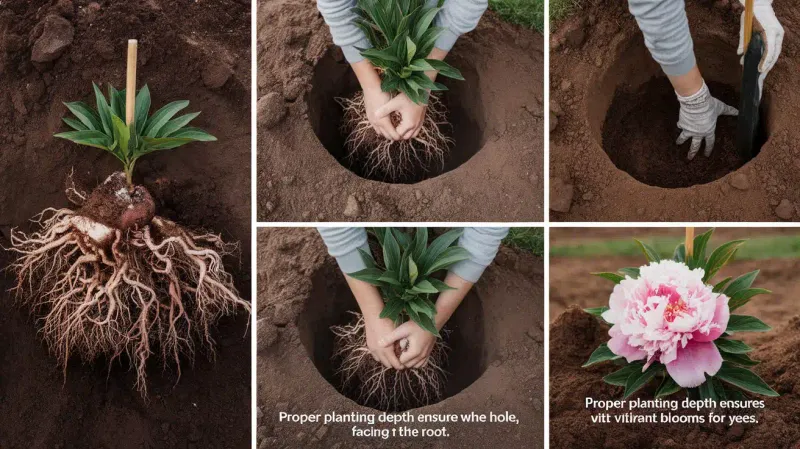
Correct planting depth is crucial for peonies’ success. Plant peony roots with their eyes, or buds, no more than 1-2 inches below the soil surface. Too deep, and your peonies may not bloom well. This shallow planting encourages optimal growth and flower production.
After planting, water thoroughly and apply a mulch layer to conserve moisture. Avoid planting under trees or large shrubs, as competition for nutrients can hinder blooming. A little attention to depth now will ensure you enjoy a flourish of blooms later.
7. Watch for Pests and Diseases
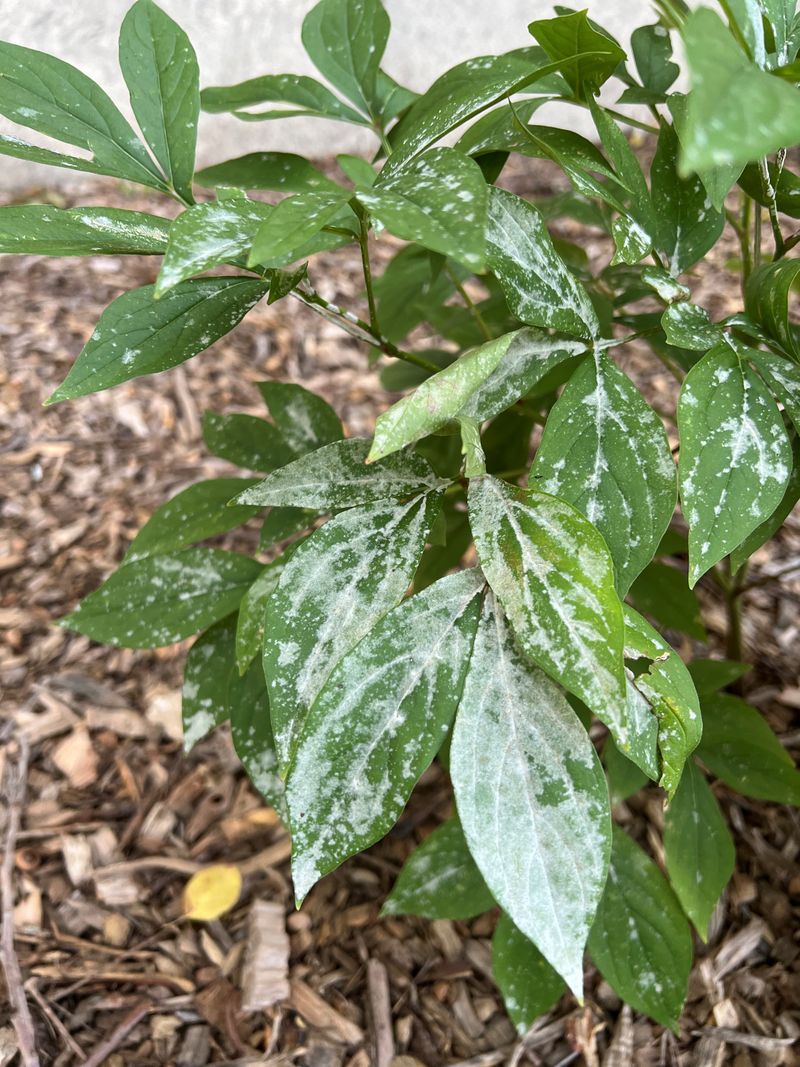
Peonies are relatively pest-resistant, but vigilance is still necessary. Common pests include aphids and thrips, which can be managed with insecticidal soap or neem oil. Fungal diseases like botrytis can occur, particularly in wet weather, causing gray mold on leaves and buds.
To reduce disease risk, ensure good air circulation around plants and avoid overhead watering. Clearing away old foliage in the fall can also help prevent overwintering pests and diseases. Regular checks and early intervention can keep your peonies healthy and thriving.
8. Avoid Frequent Transplanting

Peonies are creatures of habit and prefer to remain undisturbed. Frequent transplanting can disrupt their blooming cycle, leading to poor flower production. If you must move them, do so in the fall when the plants are dormant, and ensure the new location meets their growing needs.
Transplant with care, maintaining as much of the root system as possible and replanting at the same depth. Water well after transplanting to help them settle in. Relocating should be a last resort to keep your peonies flourishing for years.
9. Remove Faded Blooms
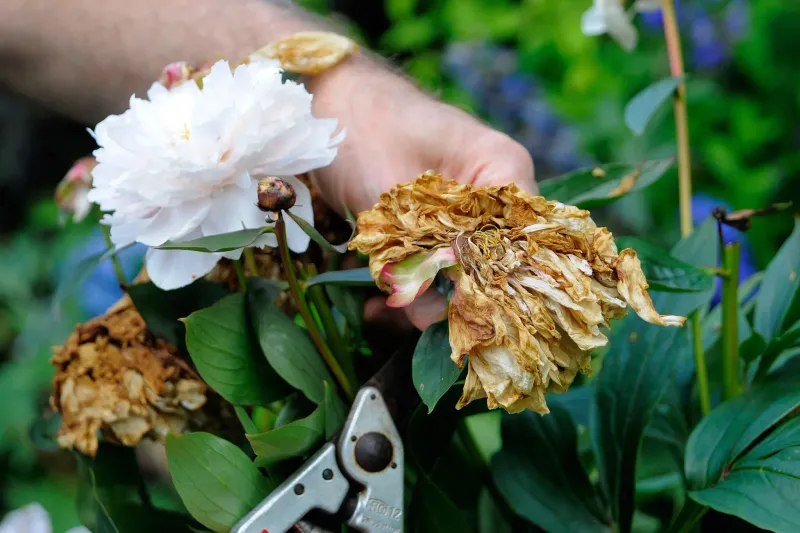
Deadheading peonies is a simple yet effective way to promote continued blooming and maintain plant vitality. Remove spent flowers by cutting back to the first set of healthy leaves. This encourages the plant to redirect energy towards new growth rather than seed production.
Regular deadheading keeps the garden looking tidy and vibrant, prolonging the blooming period. It also aids in preventing potential disease, as decaying flowers can harbor pathogens. A little snip here and there can make a big difference in your peony’s performance.
10. Provide Good Air Circulation

Air circulation is key to preventing disease in peonies. When planting, space each plant adequately to allow air to move freely around them. This reduces humidity around the foliage, which can lead to fungal diseases.
Pruning also plays a role in maintaining good air flow. Remove any crowded or unnecessary stems to keep the plant open and airy. By promoting good air circulation, you help your peonies stay healthy and extend their blooming period.
11. Avoid Wet Foliage

Keeping peony foliage dry is crucial in preventing disease. When watering, aim carefully at the soil and avoid splashing leaves. This minimizes the risk of fungal infections like botrytis, which thrives in moist environments.
If the weather is particularly wet, ensure that your plants are spaced well to enhance air flow and dry out more quickly. Maintaining dry foliage will keep your peonies in top condition, ready to bloom beautifully.
12. Plant in Well-Drained Soil
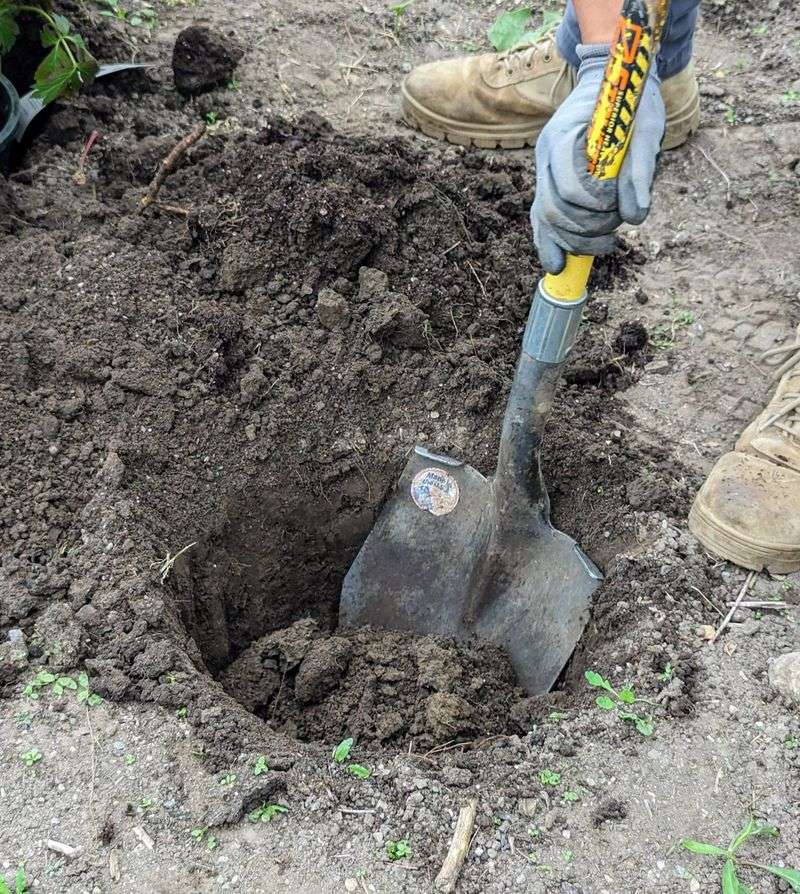
Well-drained soil is a must for thriving peonies. They cannot tolerate soggy conditions, which can lead to root rot and poor blooms. Amend heavy soil with organic matter like compost or well-rotted manure to improve drainage.
Raised beds are another option if your garden’s natural drainage is insufficient. By ensuring your peonies are planted in the right soil, you’re setting the stage for abundant, healthy flowers.
13. Mulch to Conserve Moisture
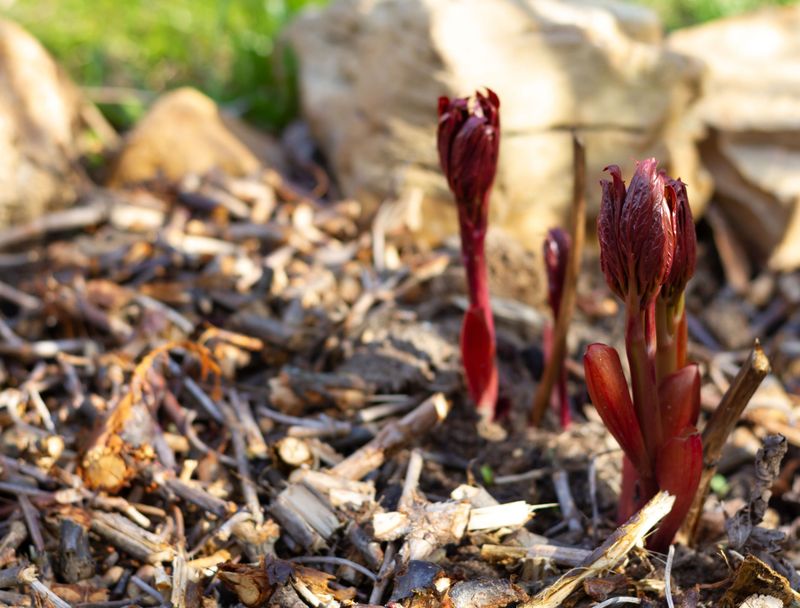
Mulching is a simple way to conserve soil moisture and regulate temperature for peonies. Apply a 2-3 inch layer of organic mulch, such as shredded bark or leaves, around the base of the plants. This not only helps retain moisture but also suppresses weeds.
Avoid piling mulch directly against the stems as this can cause rot. With proper mulching, your peonies will remain hydrated and healthy, ready to produce beautiful blooms throughout their growing season.
14. Ensure Periodic Fertilization
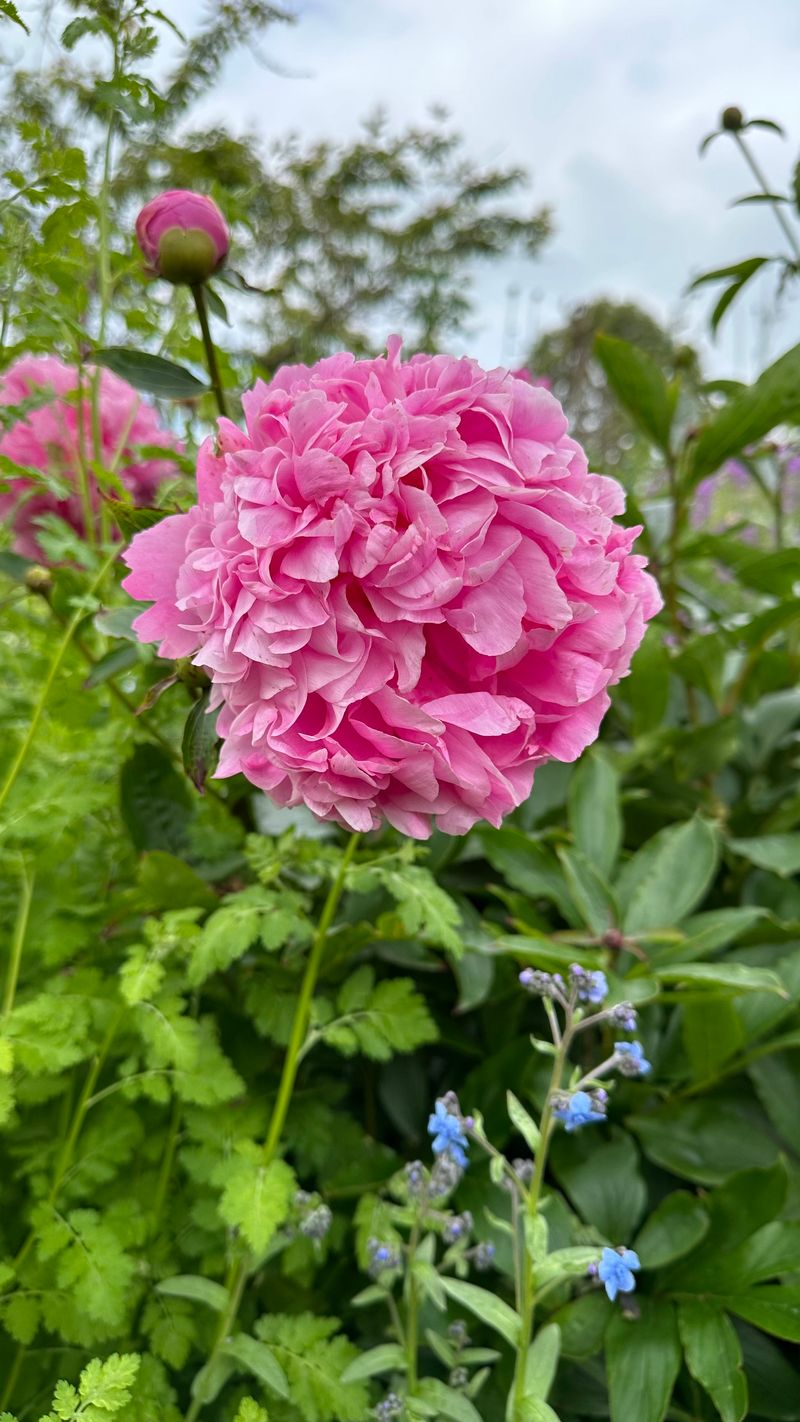
Though not overly needy, peonies benefit from periodic fertilization. Use a balanced fertilizer in early spring when new growth begins. Avoid quick-release fertilizers, which can burn roots and lead to foliage overgrowth without blooms.
A single application in the growing season is usually enough. If peonies seem lackluster, a soil test can help diagnose any nutrient deficiencies. Proper feeding ensures your peonies have the energy they need to blossom beautifully.
15. Protect from Harsh Weather

Extreme weather can stress peonies, affecting their blooms. Protect them from intense afternoon sun with shade cloths or garden umbrellas. During strong winds, use stakes to prevent damage to stems and blooms.
In colder climates, applying a layer of mulch can insulate roots from frost. Keeping an eye on the weather forecast and taking preventive measures can safeguard your peonies, allowing them to flower lovingly.
16. Avoid Overcrowding
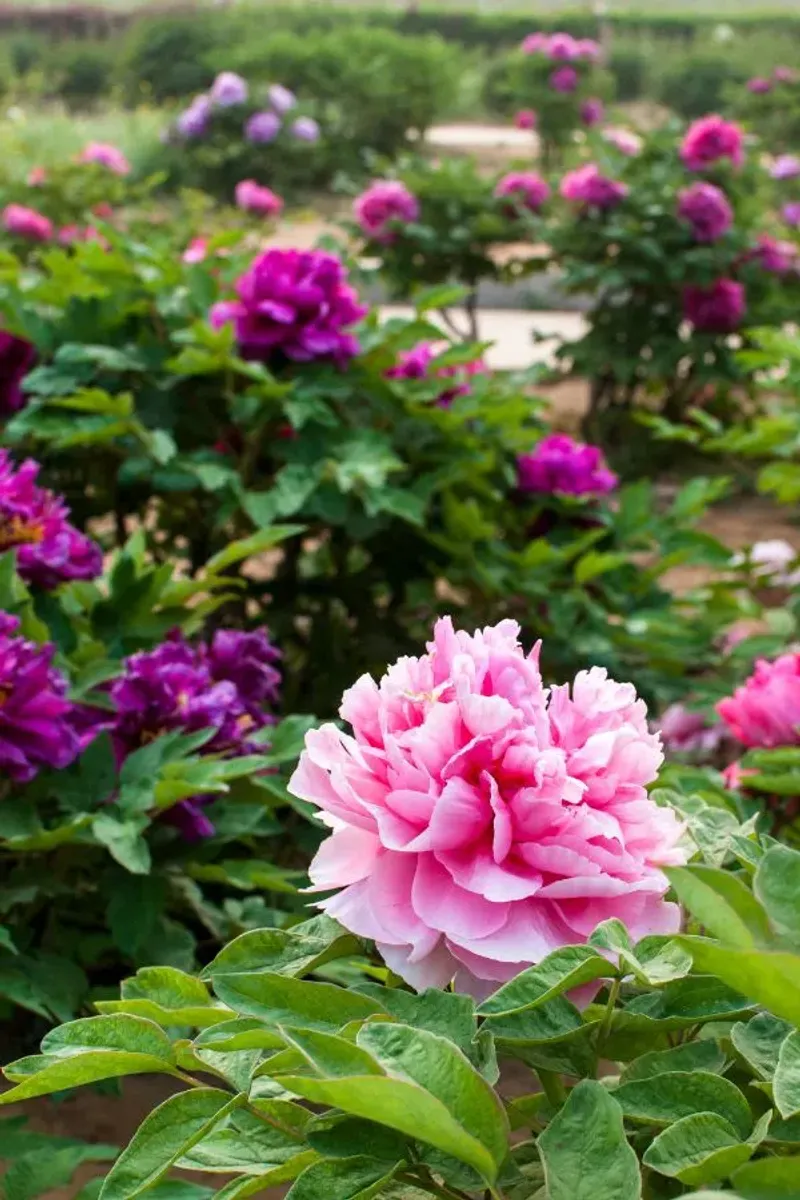
Overcrowding can create competition for nutrients and light, hindering growth. Ensure each peony plant has enough space around it to expand naturally. This also promotes better air circulation, reducing the risk of disease.
If plants become too dense, consider dividing them in the fall to restore vigor. A spacious environment helps peonies thrive, producing lush, abundant blooms season after season.
17. Mind the pH Levels
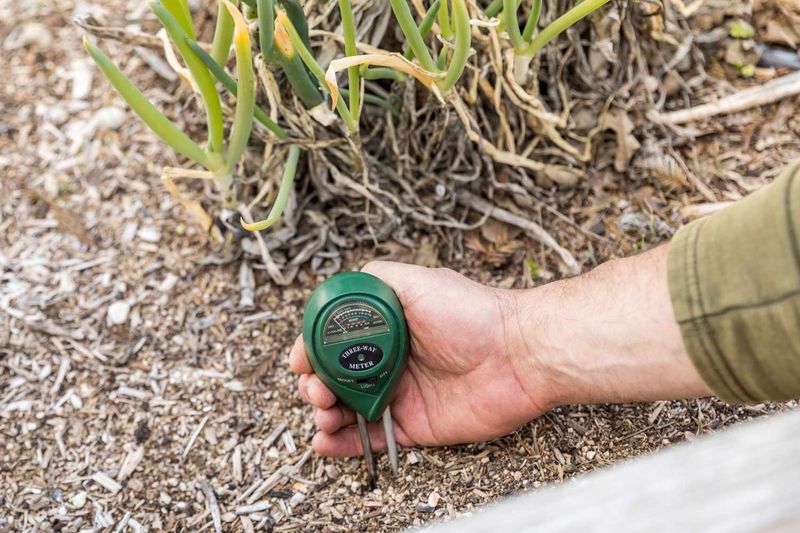
Peonies prefer slightly acidic to neutral soil with a pH between 6.0 and 7.0. Testing your soil can ensure it’s within this range. If adjustments are needed, lime can raise pH, while sulfur can lower it.
Maintaining the right soil pH helps peonies absorb nutrients efficiently, leading to robust bloom production. Regular checks and adjustments can keep your garden soil in peak condition for these flowering beauties.
18. Use Disease-Free Stock
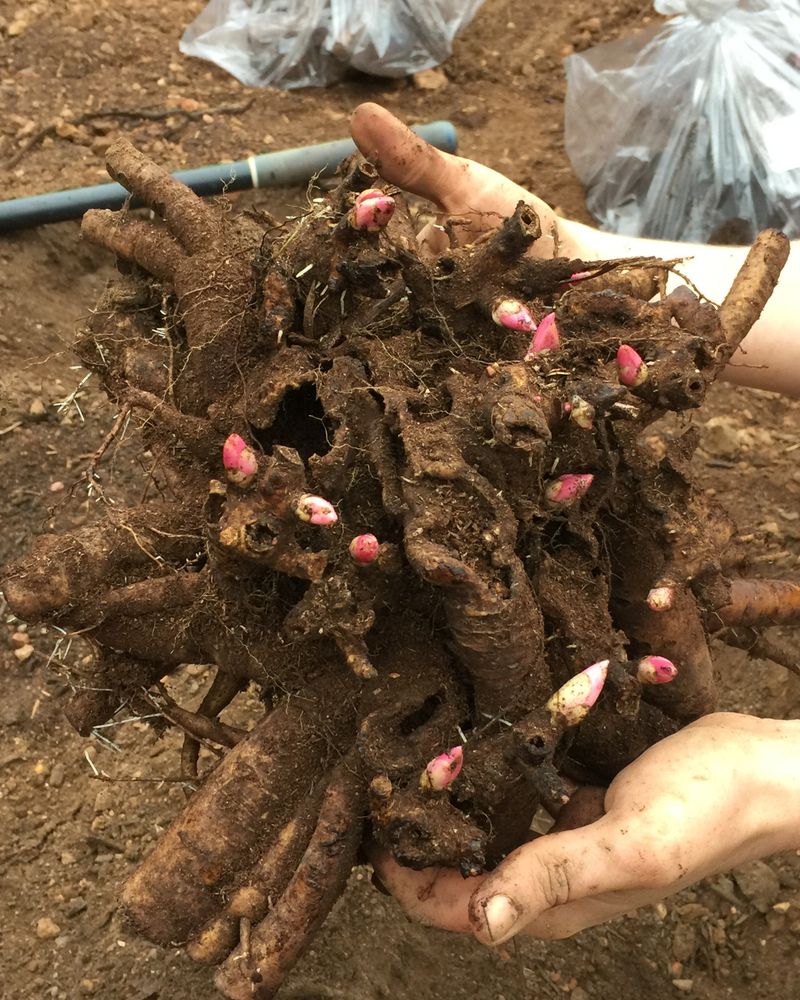
Starting with disease-free planting stock is essential for long-lasting blooms. Purchase peony tubers from reputable suppliers known for quality. Inspect them for signs of rot or disease before planting.
Healthy stock establishes more quickly and is less prone to pests and diseases. By choosing quality from the start, you set your peony garden up for success and enjoyment for years to come.
1. Avoid Excessive Fertilizer

Too much fertilizer can do more harm than good, causing lush foliage but scant blooms. Stick to a balanced, slow-release formulation and avoid over-application. If growth is overly vigorous, reduce the amount next season.
Excess nutrients can stress peonies and weaken their flowering capabilities. By applying fertilizer judiciously, you preserve the plant’s natural rhythm and ensure a beautiful display of blooms.
2. Do Not Overwater
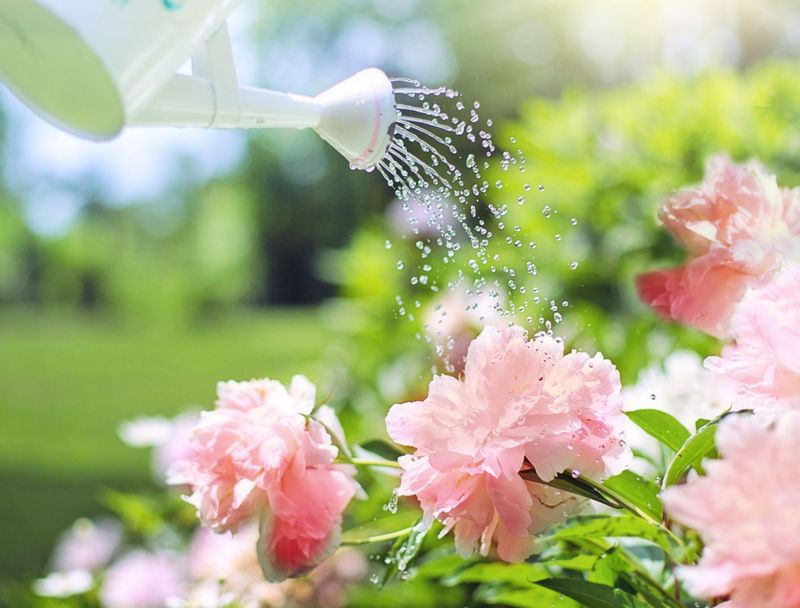
Overwatering can spell disaster for peonies, leading to root rot and wilted growth. Ensure soil dries out slightly between waterings, and adjust based on weather conditions.
Check soil moisture with your fingers; if it feels overly wet, it’s time to hold back. Proper watering practices are key to maintaining vibrant, healthy peonies that bloom gloriously.
3. Avoid Shady Locations
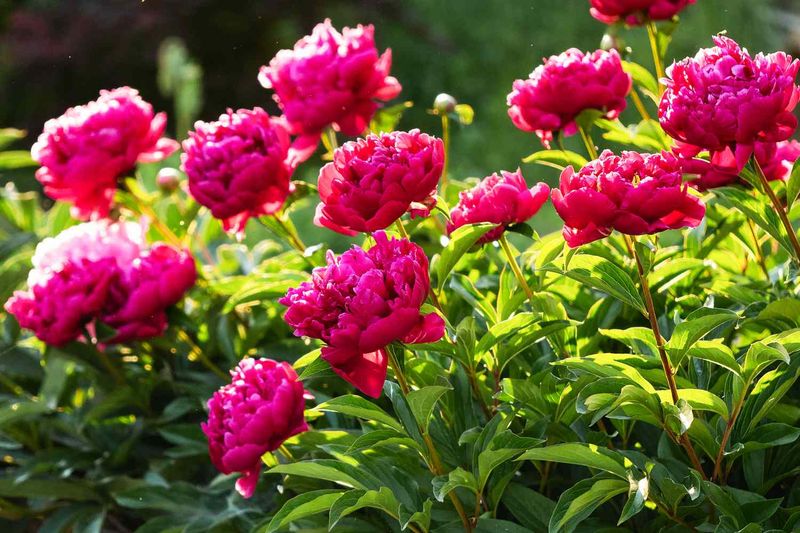
Peonies need sunlight to thrive, and a shady location can hamper their growth and blooming. Position your peonies in full sun for at least half of the day to ensure robust flower production.
If your garden is predominantly shaded, consider relocating peonies to a sunnier spot. Adequate sunlight is vital for their energy and bloom readiness.
4. Never Plant Too Deeply
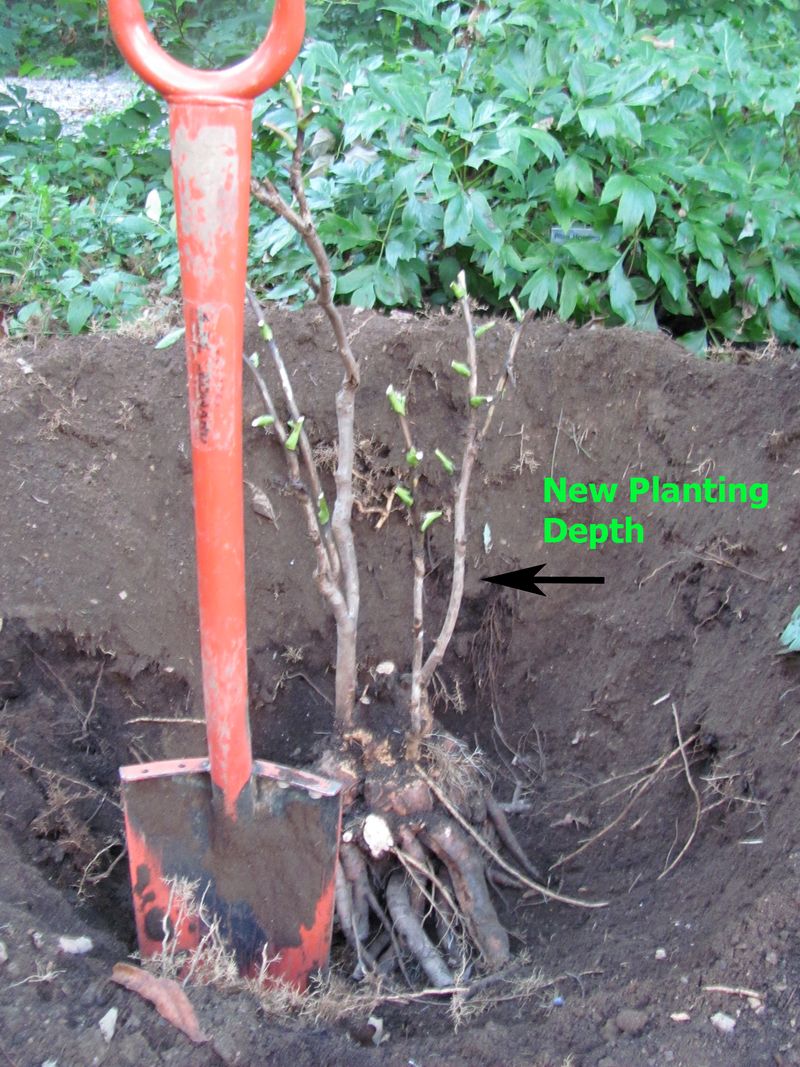
Planting peony roots too deeply can prevent them from blooming. The eyes, or buds, should be no more than 1-2 inches below the soil surface. Too deep, and they may focus on root growth rather than flowering.
Correct planting depth ensures optimal blooms and plant health. By minding the details, you ensure a garden filled with peony splendor.
5. Avoid Retaining Old Foliage
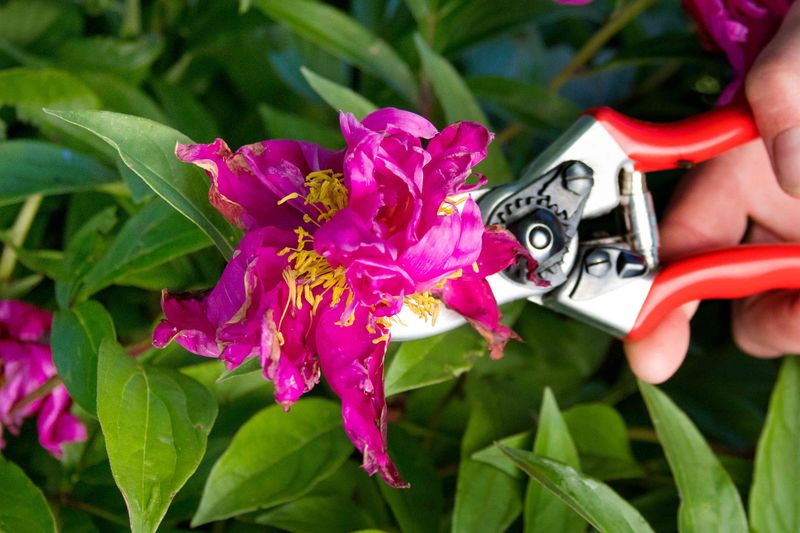
Leaving old foliage can invite pests and diseases. Once the foliage has died back in fall, cut it to ground level and remove debris from the garden.
This practice reduces overwintering risks and clears the way for fresh growth in spring. Keeping your garden clean and tidy is an effective strategy for healthy, blooming peonies.
6. Do Not Ignore Signs of Disease
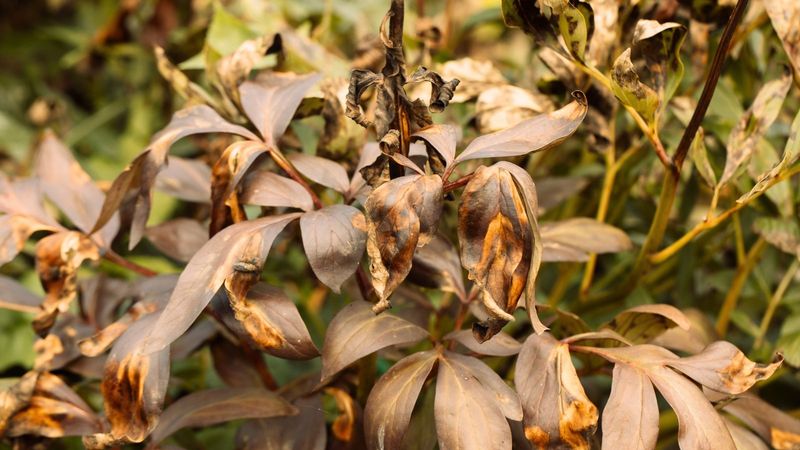
Ignoring disease signs can lead to bigger problems. Regular checks for symptoms like discolored leaves or stunted growth can help catch issues early.
Treat infections promptly with appropriate methods, such as fungicides or improved cultural practices. Proactive care keeps your peonies stunning and vibrant.