
In today’s gardening world, it’s all about making better choices for our landscapes. While some traditional plants have been popular for years, they come with downsides like invasiveness, disease susceptibility, or high maintenance.
In this guide, we’re swapping out those common plants for better alternatives that offer beauty, resilience, and ecological benefits.
From groundcovers to shrubs, discover ten exciting replacements that will transform your garden into a thriving and sustainable paradise.
1. Boxwood → Inkberry Holly (Ilex glabra)
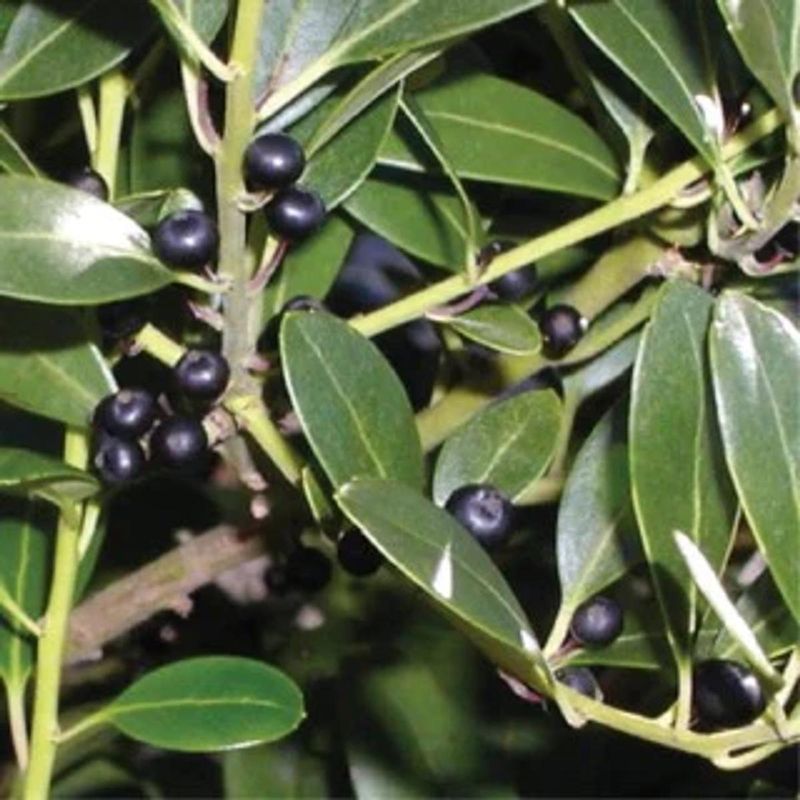
Boxwoods have long been a staple in gardens, often used for their neat shape. However, they can suffer from blight and winter burn, making them a bit of a headache. Enter the Inkberry Holly!
This native shrub offers the same tidy appeal with glossy, evergreen leaves. It’s not just resilient to diseases but also to environmental stresses like harsh winters. Plus, its small black berries provide food for birds.
Inkberry Holly is not only a visual delight but a smart choice for those wanting a trouble-free, beautiful garden.
2. English Ivy → Creeping Jenny (Lysimachia nummularia)
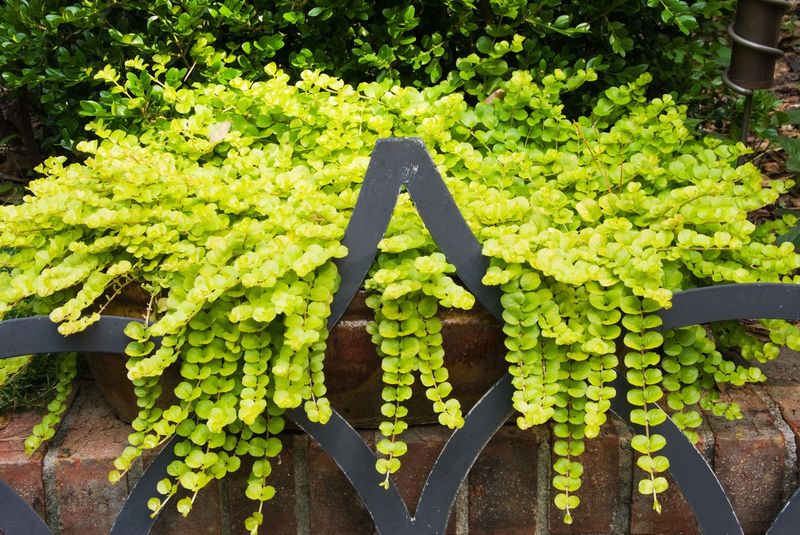
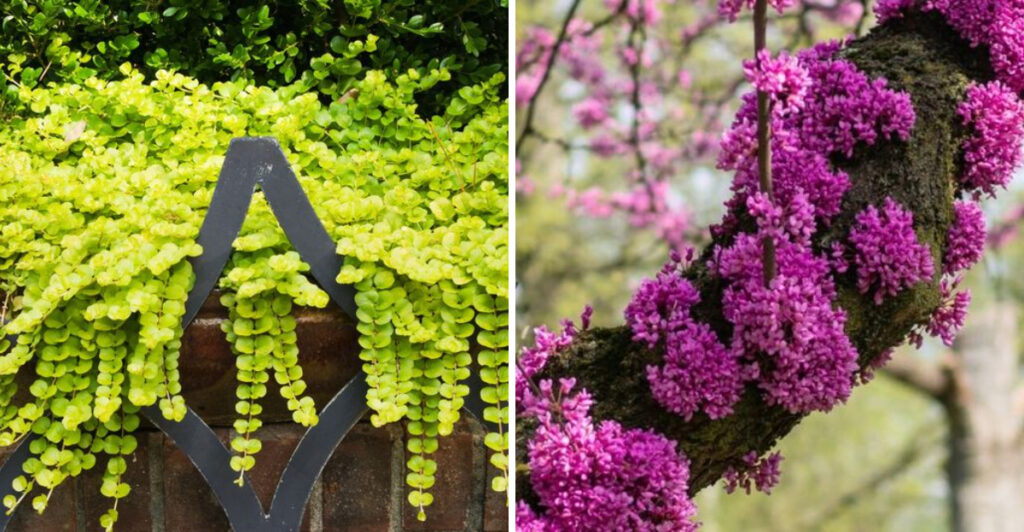
English Ivy is notorious for its invasive nature, often taking over spaces it shouldn’t. Creeping Jenny, on the other hand, is an excellent groundcover that provides vibrant greenery without the aggressive spread.
Its round leaves range from bright green to golden hues, adding a splash of color. This plant is adaptable to various environments, flourishing in sun or shade.
Not only does it stay in its place, but it also requires minimal maintenance, making it a perfect choice for those looking to replace ivy with something more garden-friendly.
3. Daylilies → Coneflowers (Echinacea)
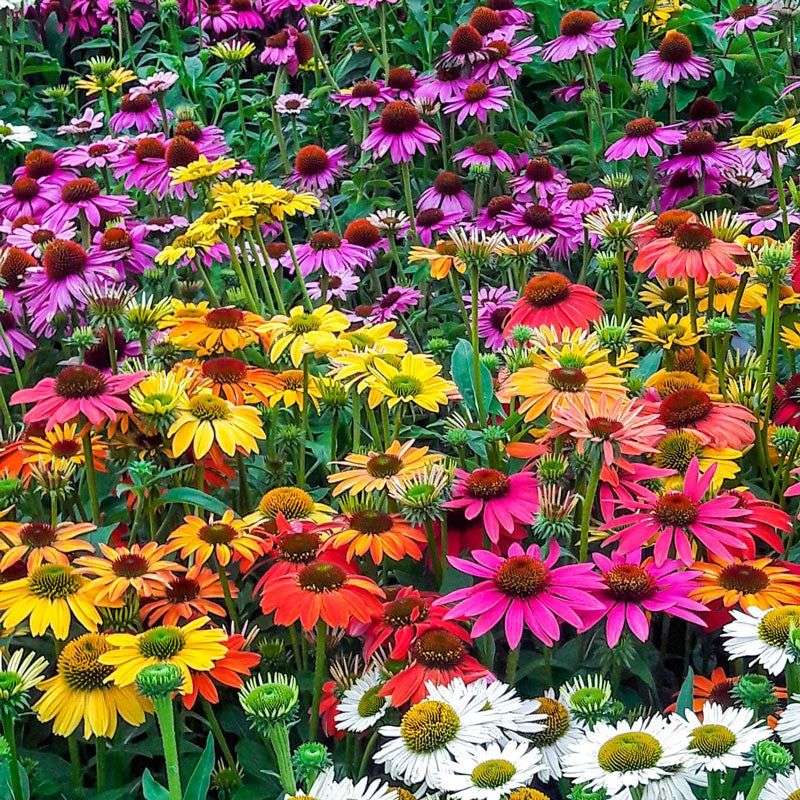
Daylilies are popular for their vibrant blooms, but their ubiquity has made many gardens too predictable. Coneflowers, or Echinacea, bring a fresh splash of color and diversity to your garden.
With their striking pink, purple, and white petals, they attract bees and butterflies, making them a pollinator’s delight. Coneflowers have a long blooming season and are hardy perennials that withstand various weather conditions.
These flowers add not only beauty but also ecological value, ensuring your garden is both stunning and sustainable.
4. Standard Turf Grass → Creeping Thyme or Clover
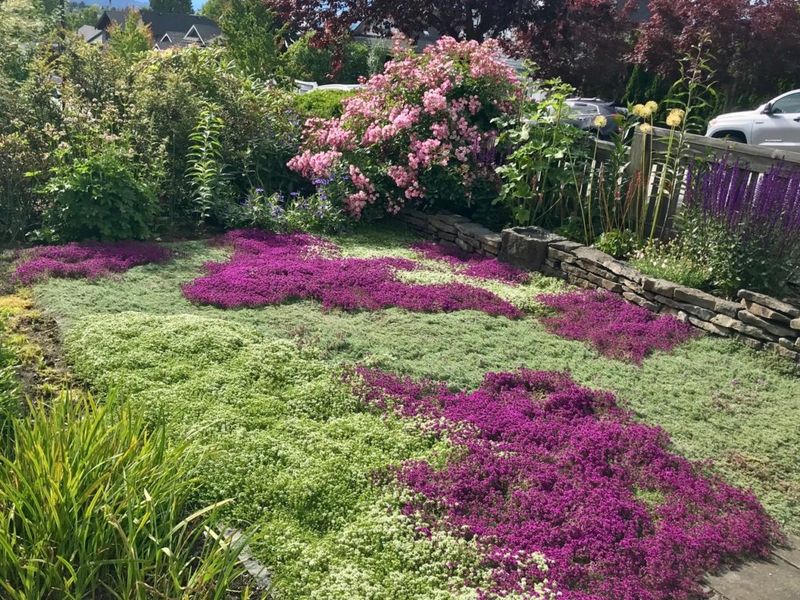
Traditional lawns can be demanding, needing constant mowing and watering. Enter Creeping Thyme and Clover as an innovative, eco-friendly alternative. These groundcovers offer a soft, lush appearance with the added benefit of tiny flowers that attract pollinators.
They’re drought-resistant, require less maintenance, and even provide a beautiful fragrance. Perfect for those looking to reduce their environmental footprint, these plants transform lawns into vibrant, sustainable spaces.
Whether used together or separately, they create an inviting, bee-friendly habitat in your garden.
5. Petunias → Calibrachoa (Million Bells)
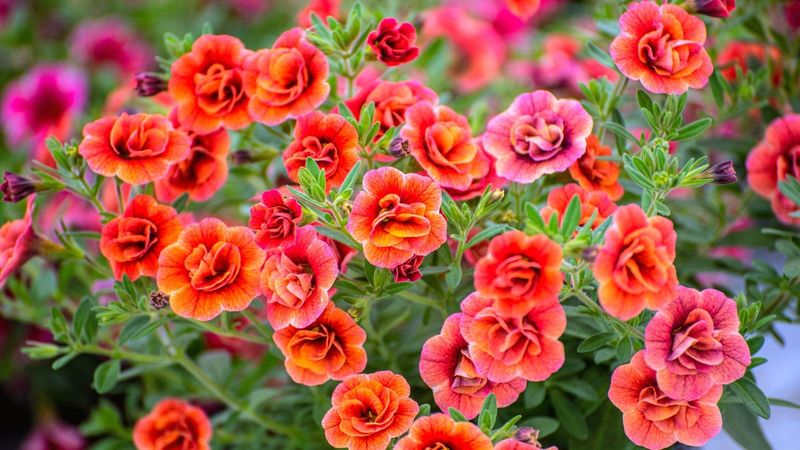
Petunias have been a garden favorite for their bright colors, but they can be high-maintenance. Cue Calibrachoa, a charming alternative often called Million Bells. These plants offer similar vibrant blooms but require less fuss.
They are self-cleaning, meaning no deadheading is needed—a gardener’s dream! With a cascading habit, Calibrachoa fills spaces beautifully, providing continuous color throughout the season.
Their resilience and easy care make them perfect for busy gardeners who want vibrant displays without the constant upkeep of petunias.
6. Impatiens → Begonias or Torenia
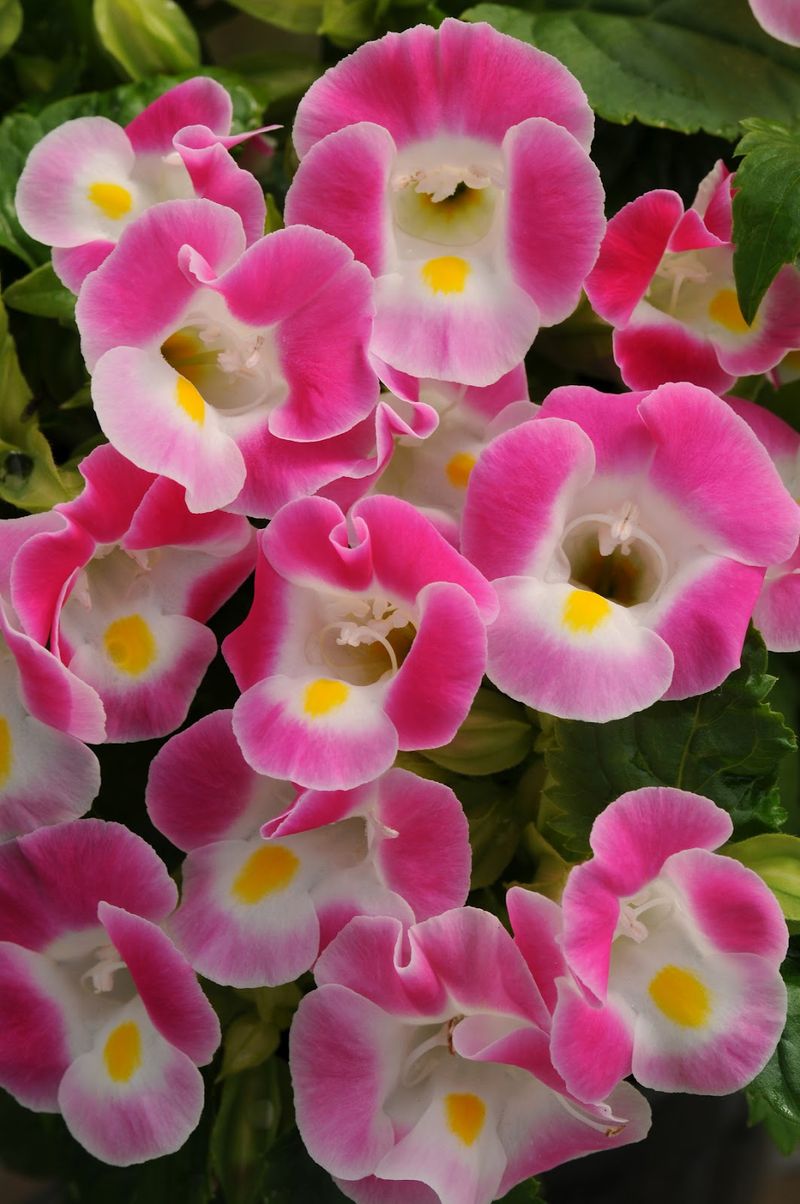
Impatiens are a go-to for shade gardens, but they can fall victim to downy mildew. Begonias and Torenia offer similar colorful displays with better disease resistance.
Begonias provide a variety of textures and colors, while Torenia, known as the wishbone flower, adds a unique touch with its tubular blooms. Both thrive in shaded areas, filling them with vibrant hues.
These replacements not only ensure a healthy garden but also bring an exciting dynamic to otherwise shadowed spaces, keeping your garden lively and colorful all season long.
7. Hostas → Brunnera or Heuchera (Coral Bells)
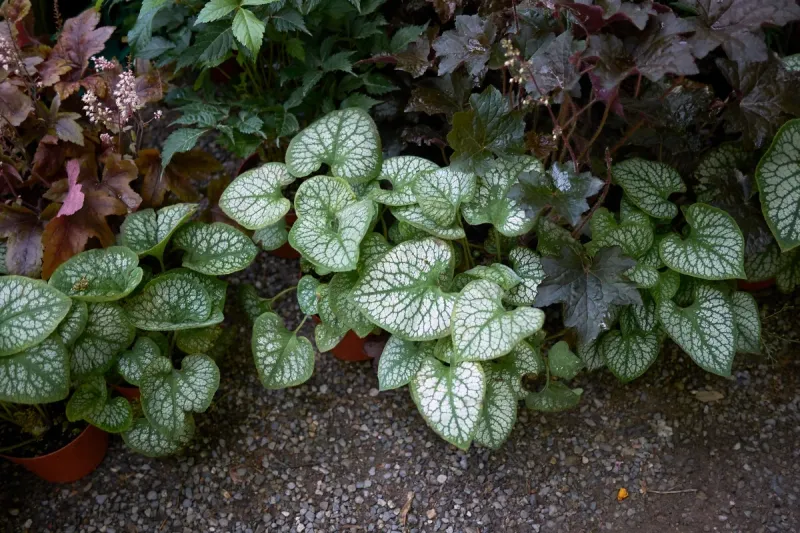
Hostas have been beloved for their foliage, but they often lack variety. Brunnera and Heuchera step in as exciting alternatives. Brunnera, with its heart-shaped leaves and delicate blue flowers, adds a whimsical touch to gardens.
Meanwhile, Heuchera dazzles with colorful foliage ranging from deep purples to fiery reds. Both thrive in partial shade and are deer-resistant, making them ideal for woodland settings.
These plants offer not just visual interest but also robust health, ensuring your garden remains a vibrant and pest-free haven.
8. Knock Out Roses → Shrub Roses
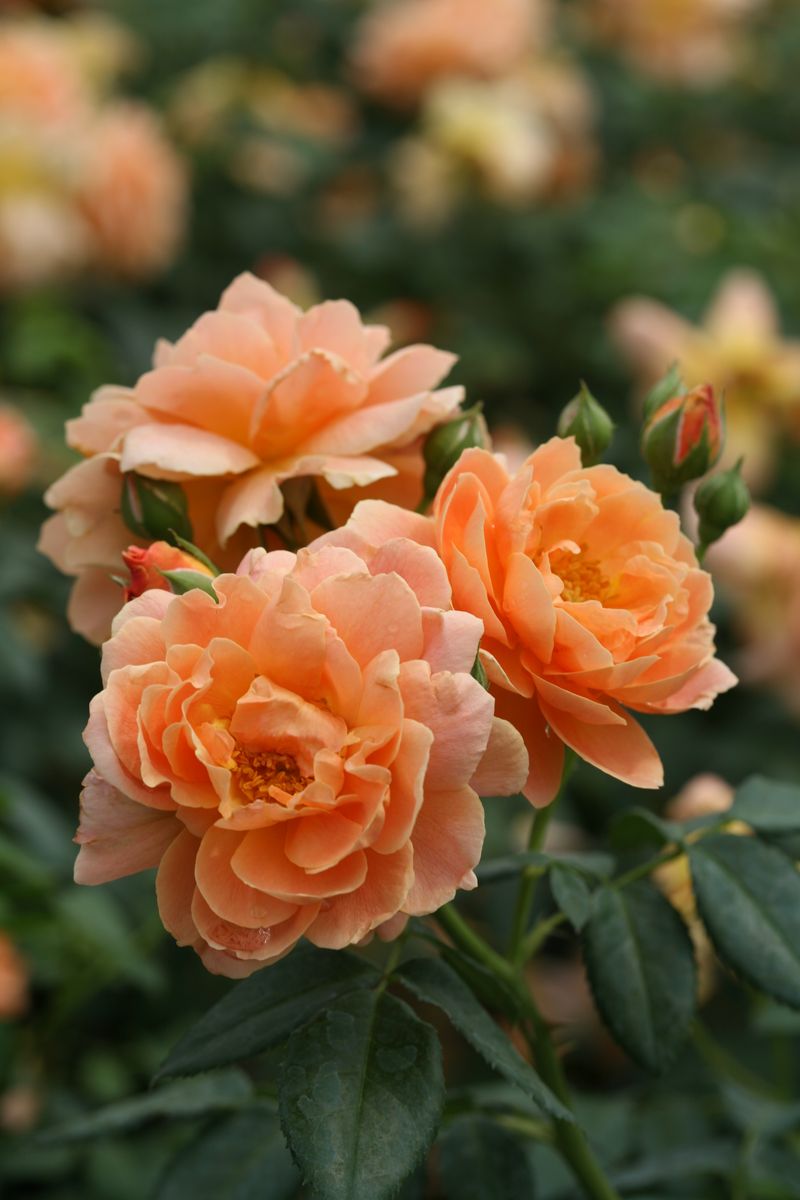
Knock Out Roses have been a favorite for their easy care, yet they often become leggy and lack fragrance. Enter Shrub Roses, like ‘At Last’ or Drift Roses, offering a delightful mix of fragrance and form.
These roses provide a tidier growth habit with a continuous display of blooms. Their delightful scents and disease resistance make them exceptional additions to any garden.
These modern roses bring romance and charm, perfect for gardeners seeking elegance without the high maintenance, ensuring a garden filled with beauty and fragrance.
9. Bradford Pear Trees → Serviceberry or Redbud
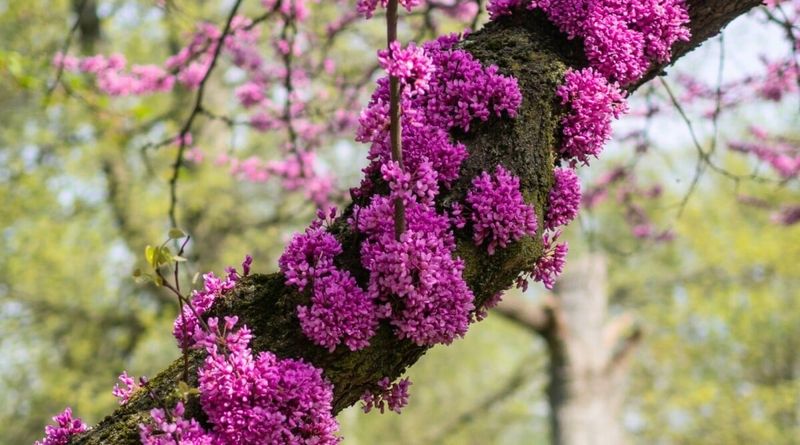
Bradford Pear Trees are known for their spring blossoms but are brittle and invasive. Serviceberry and Redbud trees are splendid replacements. The Redbud offers stunning pink flowers early in the season, while the Serviceberry provides white blossoms followed by edible berries.
Both trees suit various landscapes, from urban to woodland. Their robust structure makes them less prone to storm damage. These native trees offer year-round interest, from spring flowers to fall foliage, ensuring your garden remains lively and attractive through every season.
10. Privet Hedges → Ninebark or Viburnum
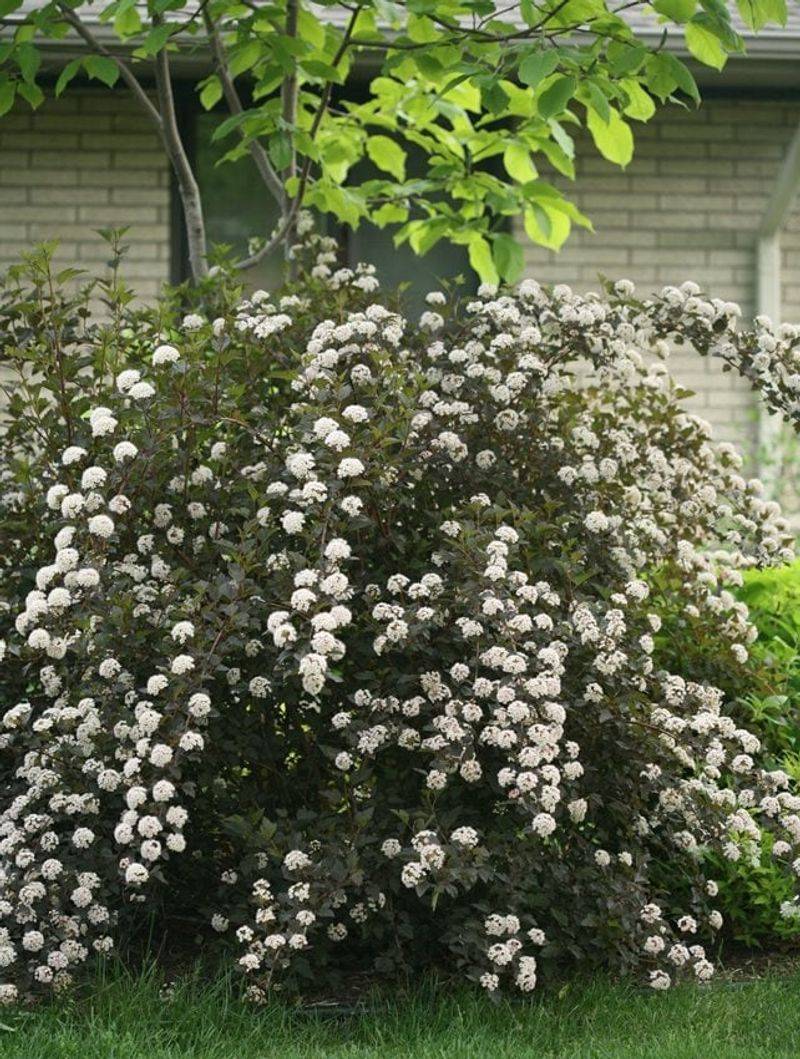
Privet hedges are often used for privacy but can grow aggressively. Ninebark and Viburnum offer appealing alternatives with added ecological benefits. Ninebark boasts exfoliating bark and colorful leaves, providing visual interest throughout the year.
Viburnum blooms with clusters of fragrant flowers and produces berries that attract wildlife. Both shrubs create excellent hedges or standalone features, requiring less maintenance than privet.
They bring texture, color, and wildlife value to gardens, creating not just privacy but also a vibrant, lively habitat.