
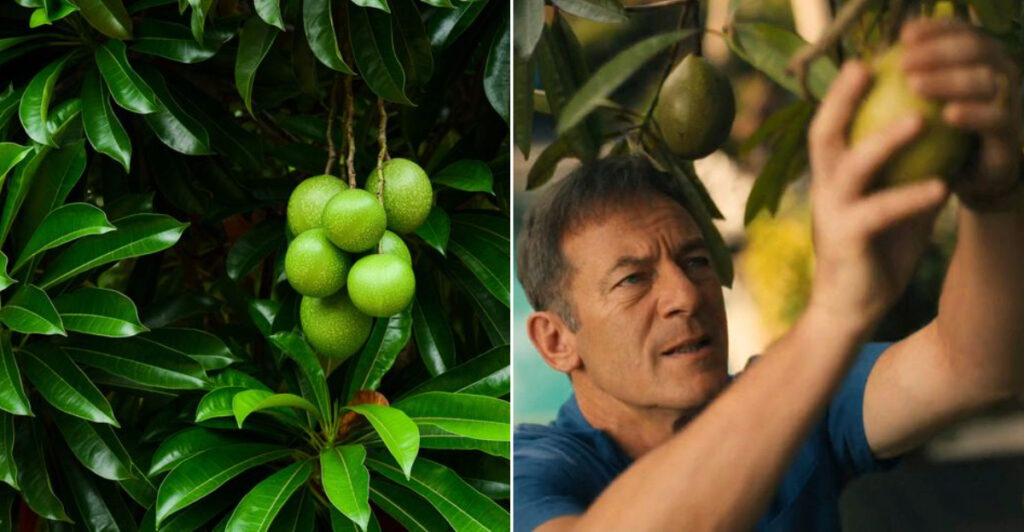
Explore the captivating yet deadly world of the Suicide Tree, prominently featured in HBO’s The White Lotus. This tree, known scientifically as Cerbera odollam, is native to India and Southeast Asia and is infamous for its toxic fruit.
Each fact reveals an engaging facet of this lethal botanical marvel, from its historical uses in poisonings to its symbolic presence in modern media.
1. It’s a Real Tree — and It’s Deadly
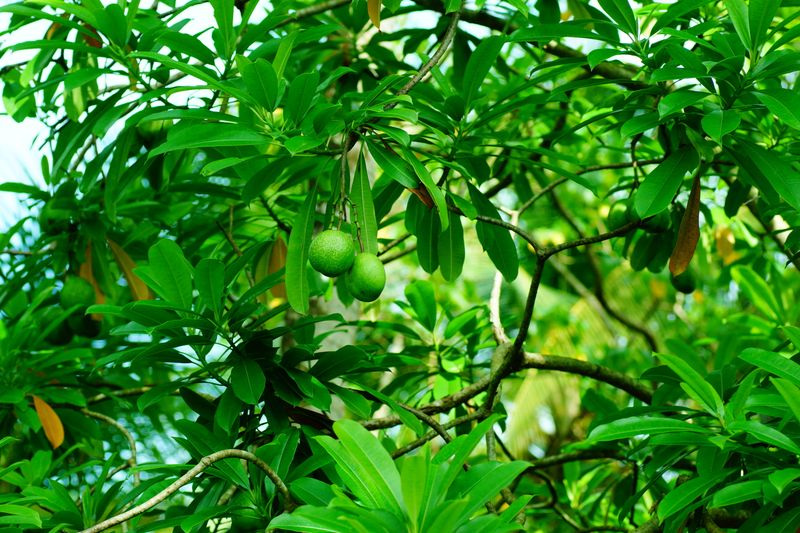
The so-called “Suicide Tree,” or Cerbera odollam, thrives in the tropical regions of India and Southeast Asia. Its reputation for lethality comes from its seeds, which contain a potent toxin.
Historically, these seeds have been used in suicides and even murders due to their deadly cardiac glycosides. The tree stands as a testament to the duality of nature, offering beautiful white flowers while harboring hidden danger.
Its role in both folklore and real-life forensic cases adds to its mystique, making it a subject of fascination and fear.
2. One Seed Can Stop the Heart

Ingesting just one seed of the Suicide Tree can be fatal, as the seed contains cerberin, a toxin that disrupts heart rhythms. This deadly compound can induce cardiac arrest, often remaining undetected in autopsies.
The level of danger is heightened by the seed’s ability to be concealed in food, slipping past a victim’s awareness.
The chilling potential of a single seed speaks volumes of the tree’s perilous nature. With such a concealed threat, it’s no wonder this seed is a symbol of silent danger.
3. It’s Called the ‘Perfect Murder Weapon’
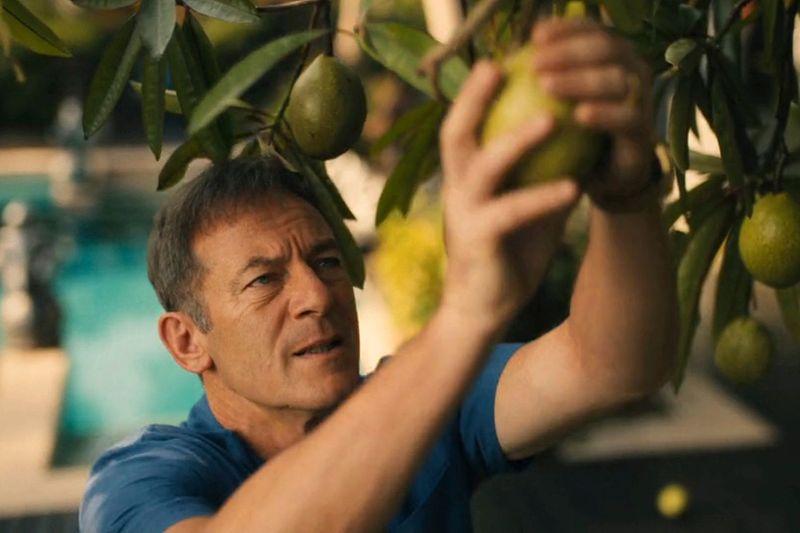
The Suicide Tree has earned the grim nickname of the “perfect murder weapon.” This is due to its main toxin, cerberin, which is almost undetectable without specialized tests.
Its bitter taste can be masked in spicy dishes, making it an insidious choice for those with nefarious intentions.
This combination of stealth and potency has made it the subject of many criminal cases in regions where it grows. Its notorious reputation is bolstered by its ability to hide in plain sight, a truly dangerous trait.
4. It Played a Symbolic Role in The White Lotus

In the critically acclaimed series The White Lotus, the Suicide Tree isn’t just a mere prop. It symbolizes the hidden dangers that lurk beneath the surface of paradise.
The narrative uses the tree as a metaphor for the show’s themes of deceit and duality, reinforcing the idea that even the most beautiful environments can harbor dark secrets.
Its inclusion in the show adds an eerie realism, providing viewers with a chilling reminder of nature’s lurking threats. The symbolism is as rich as it is unsettling.
5. Despite Its Dangers, It’s Also Used in Traditional Medicine
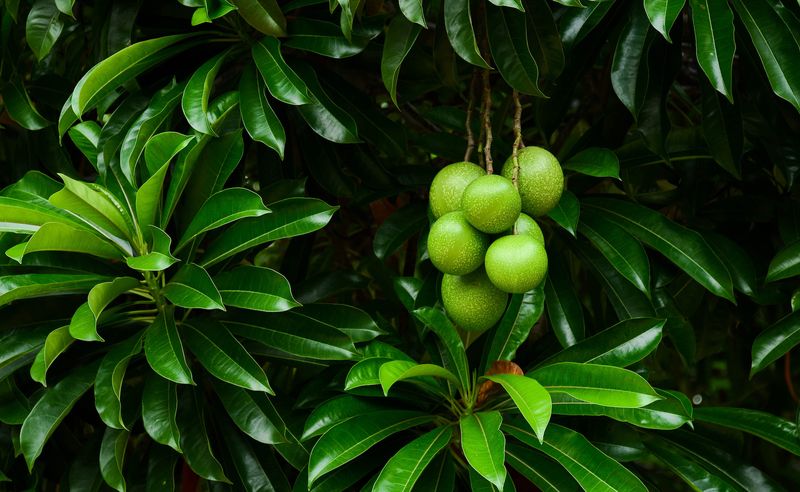
The Suicide Tree is not merely an instrument of death; it also holds a place in traditional medicine. Practitioners have utilized parts of the tree, excluding the deadly seeds, for various remedies.
Despite its potential, the tree’s high toxicity means it’s rarely seen in modern herbal practices. This duality highlights the thin line between poison and cure, a common theme in botany.
The careful use of this plant in ancient medicine reflects the deep knowledge and caution exercised by healers of the past.
6. It’s Commonly Found in Public Spaces
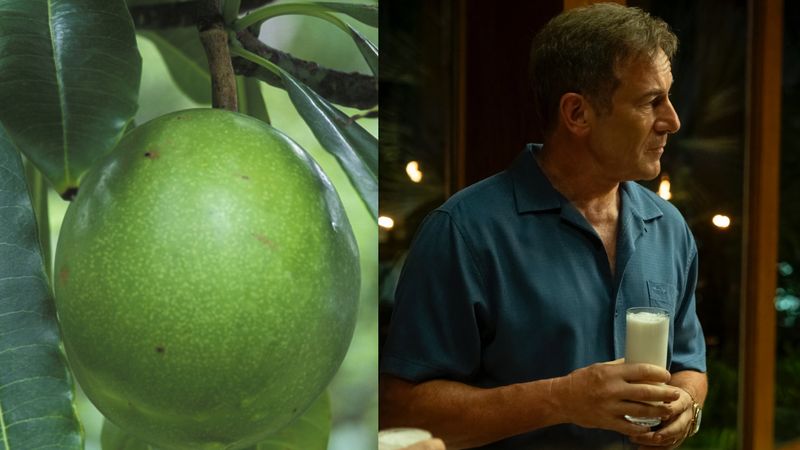
Strikingly, the Suicide Tree is often planted in public spaces, particularly in tropical regions. Its aesthetic appeal, characterized by pretty white flowers, masks its dark reputation.
This juxtaposition speaks volumes about human attraction to beauty, even when danger lurks nearby. Its ability to thrive in coastal soils ensures it’s a common sight in these climates.
Despite its notoriety, many may walk by unaware of the tree’s lethal potential. This dual nature of beauty and danger makes it a unique addition to public landscapes.
7. It’s Part of the Dogbane Family
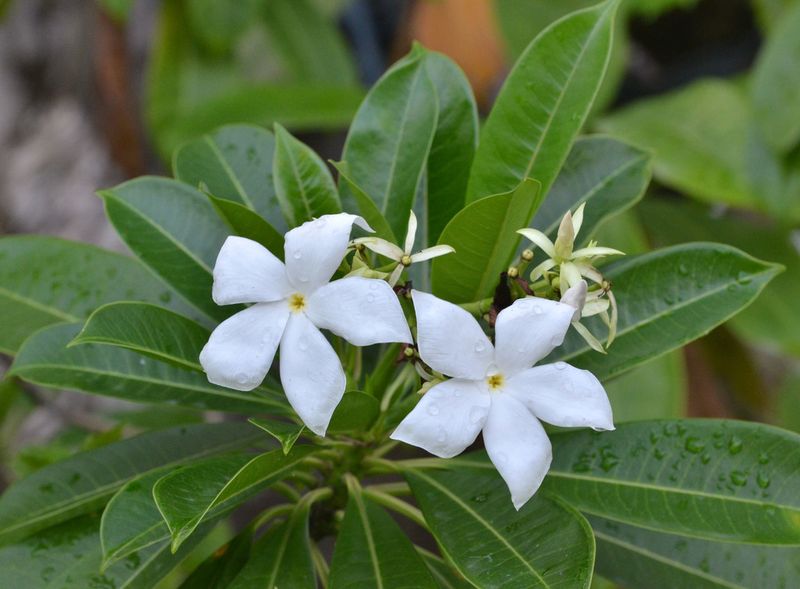
The Suicide Tree belongs to the Apocynaceae family, commonly known as the dogbane family. This group is infamous for including several toxic species like oleander and periwinkle.
The family’s name hints at its lethal nature, historically associated with plant-based poisons. The fascinating connections between these plants reveal a lineage of beauty tied with danger.
This association with other notorious plants underscores the intricate balance of allure and peril found in nature. Understanding this lineage offers insights into the broader ecological relationships.
8. The Fruit Looks Harmless
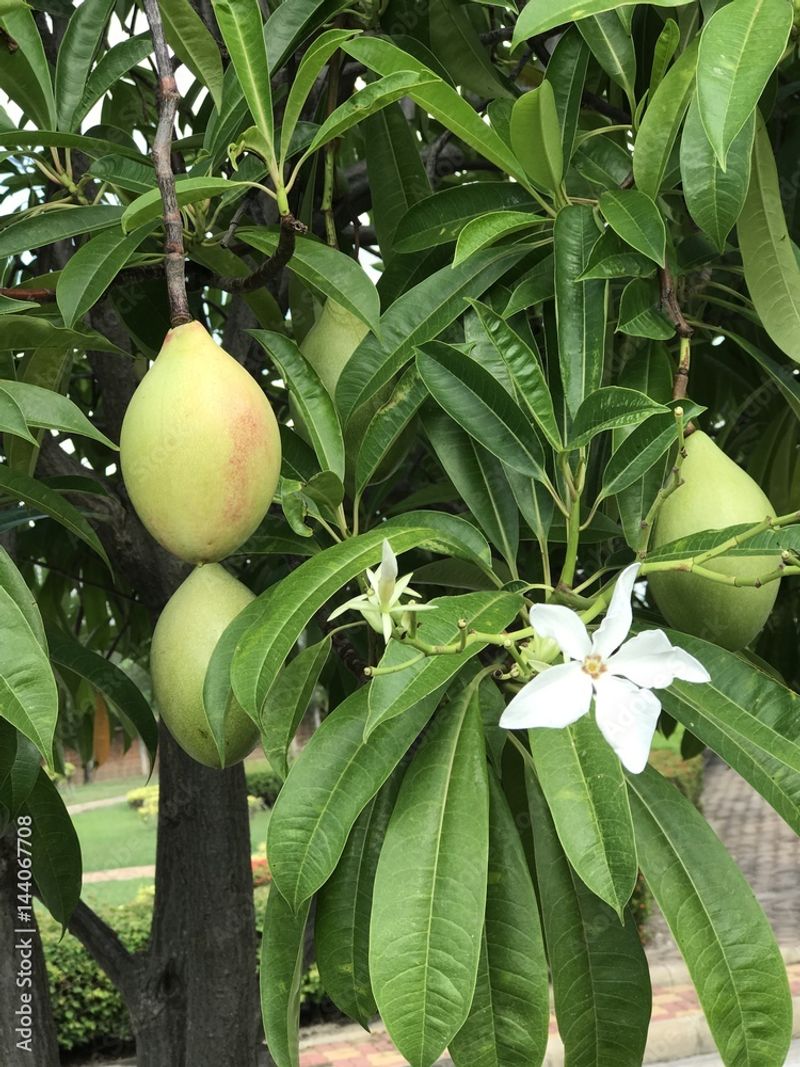
At first glance, the fruit of the Suicide Tree appears innocuous, resembling a small green mango or apple. This deceptive appearance can be dangerously misleading, especially for children or unsuspecting animals.
Such mimicry poses a risk, as it’s easy to mistake the fruit for something edible. The visual appeal of the fruit belies its toxic nature, a stark reminder of the old adage not to judge a book by its cover.
This allure of the forbidden fruit conceals a deadly secret within its innocent exterior.
9. It Grows in Swampy and Coastal Areas
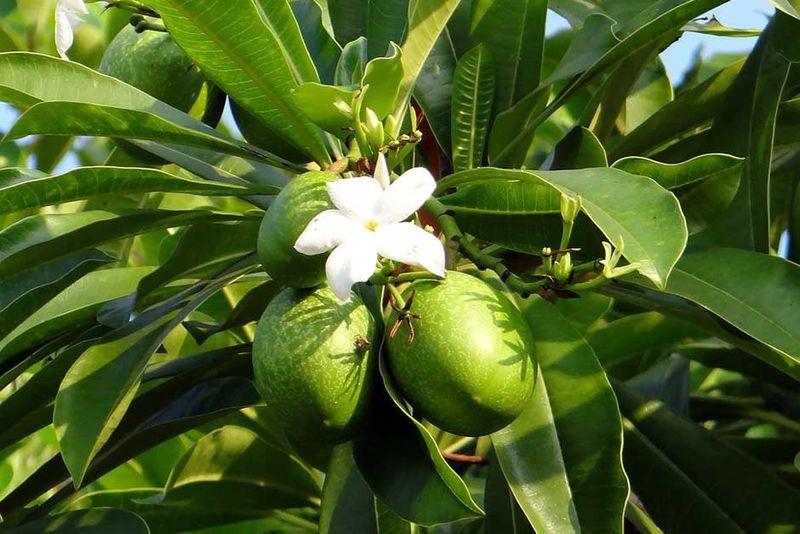
Native to Southeast Asia, the Suicide Tree thrives in swampy and coastal areas, often near saltwater lagoons and estuaries. Its adaptability to wet, salty soils is surprising for such a deadly plant.
This ability to flourish in challenging environments showcases nature’s resilience and ingenuity. The presence of such a dangerous plant in idyllic settings challenges our perceptions of beauty and threat.
The tree’s preference for these locales adds to its mystique, reinforcing the contrast between its serene appearance and lethal potential.
10. There’s a Chilling Legal History Behind It

In regions like Kerala, India, the Suicide Tree has been at the center of many legal battles. Its involvement in numerous poisonings, often linked to domestic issues or suicide, has made it a focus of forensic studies.
This chilling aspect of its history highlights the societal impacts of natural poisons and their use in covert killings.
The tree’s presence in legal cases underscores the complex relationship between humans and nature. Such stories remind us of the dark chapters written by this seemingly innocent plant.