
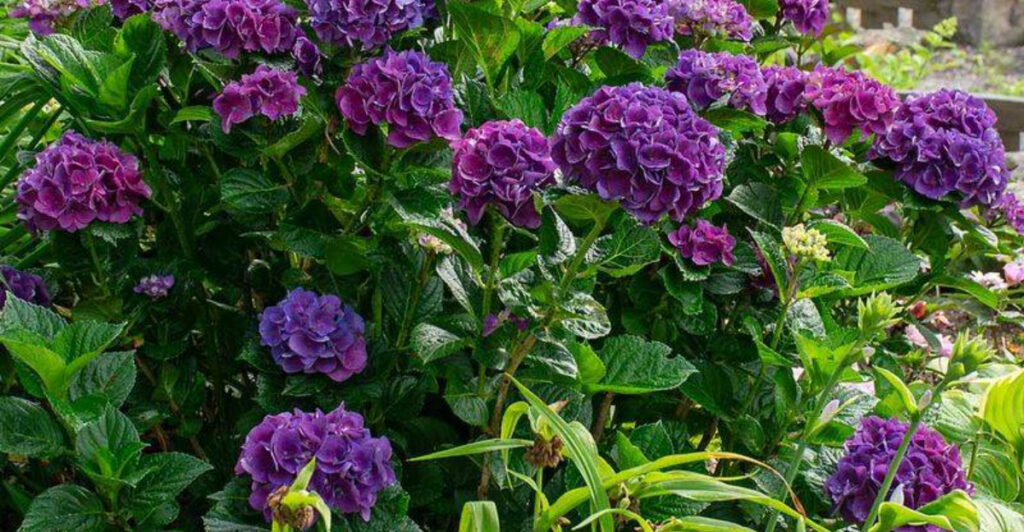
Partial shade-loving plants are the versatile heroes of any garden, offering a vibrant touch to those dim corners where sunlight is a rare guest.
These plants thrive in areas with indirect light, providing lush foliage and colorful blooms even in the shadiest spots.
Whether you’re looking for bold textures or delicate flowers, there’s a shade-loving plant perfect for your garden’s needs.
1. Astilbe
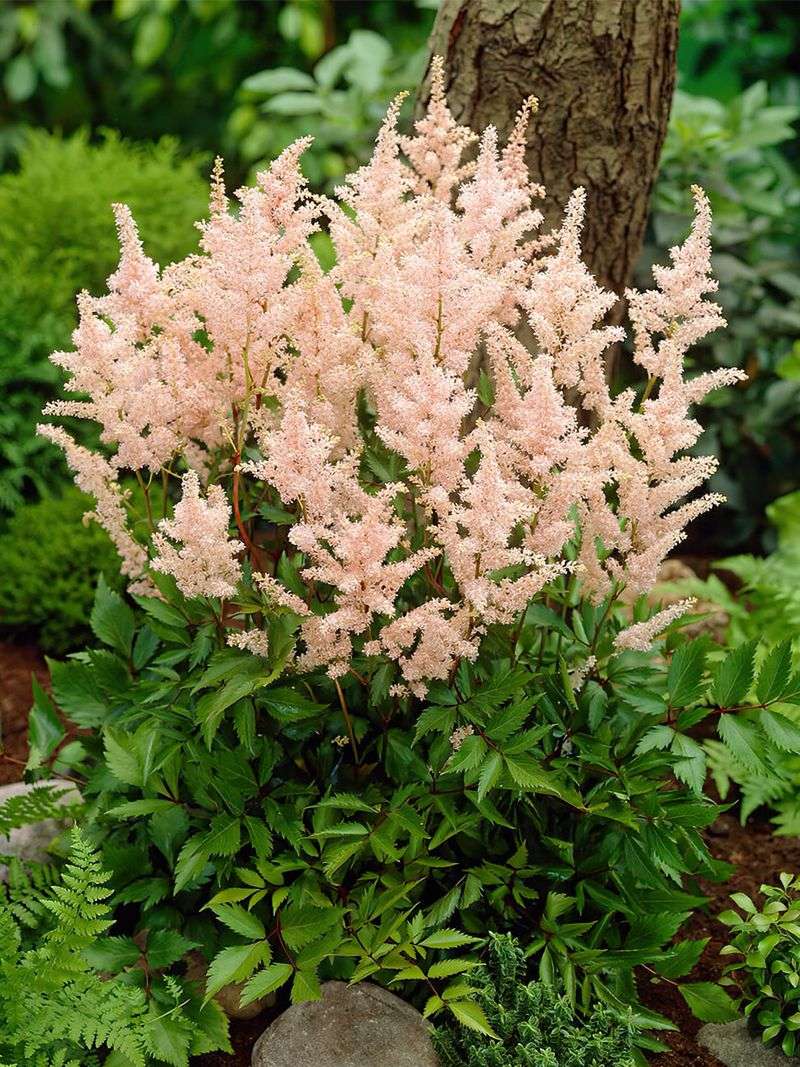
Astilbe is a showstopper with its feathery plumes that sway gently in the breeze. Its vibrant hues of pink, white, and red make it a popular choice for gardeners looking to brighten up a shady spot.
These perennial plants are loved for their fern-like foliage and ability to attract butterflies, adding both beauty and movement to the garden. Plant them in groups for maximum impact, and enjoy their blossoms all summer long.
With minimal care, including regular watering and occasional fertilizing, Astilbe continues to thrive, transforming dull areas into lively displays.
2. Bleeding Heart (Dicentra)
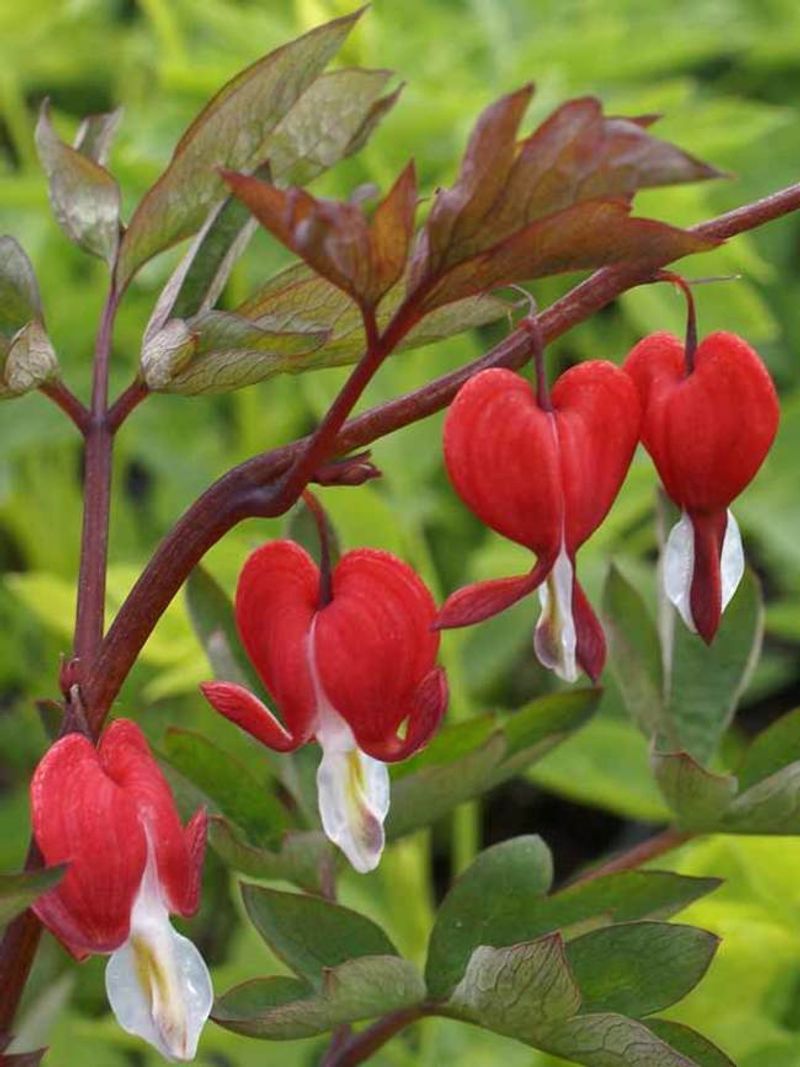
Bleeding Heart, known scientifically as Dicentra, captivates with its delicate, heart-shaped flowers. These charming pink and white blossoms gracefully dangle from arching stems, creating a romantic and whimsical display.
Ideal for woodland gardens, Bleeding Heart thrives in moist, well-drained soil. It’s a spring favorite, blooming early and offering a burst of color before many other plants awaken. Its fern-like foliage adds texture and interest even after the flowers fade.
To keep this beauty thriving, provide consistent moisture and a layer of mulch to retain soil temperature and moisture.
3. Columbine (Aquilegia)
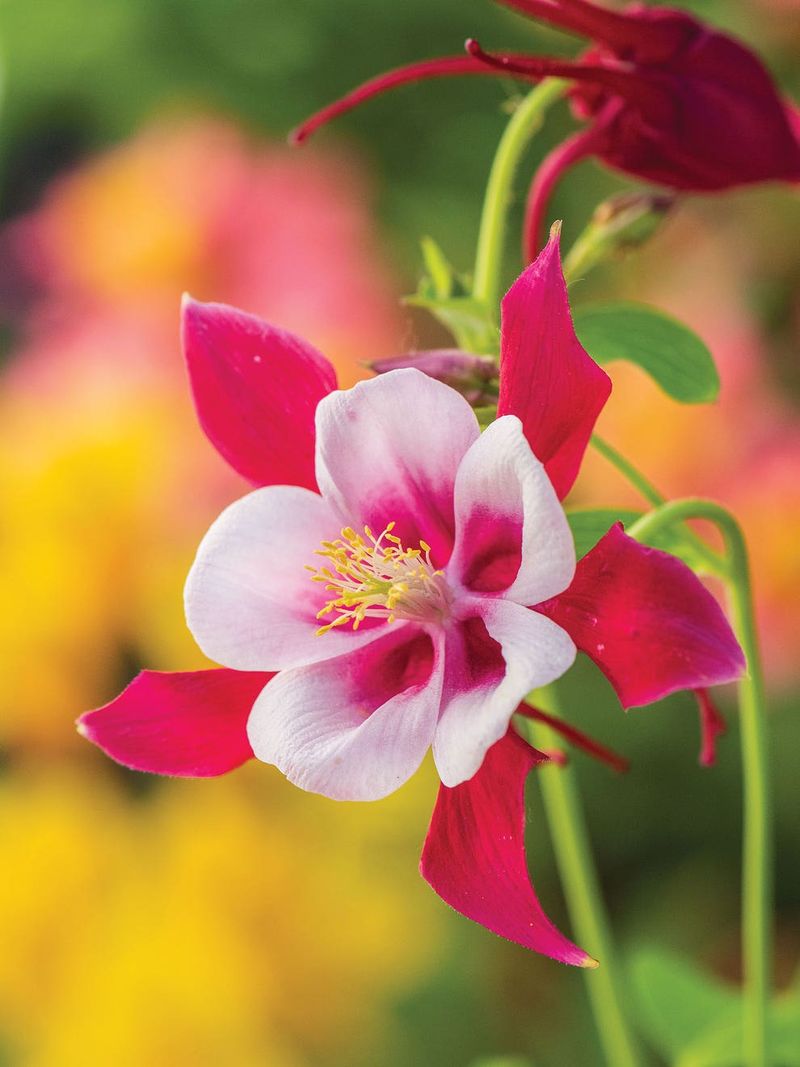
Columbine, or Aquilegia, is renowned for its unique blooms adorned with spurs that capture the essence of whimsy. Available in an array of colors like blue, purple, red, and yellow, these flowers add a splash of brilliance to shaded areas.
Columbine is a hardy perennial that adapts well to various soil types, making it a versatile choice for gardeners. Its nectar-rich flowers attract hummingbirds and pollinators, creating a lively garden ecosystem.
Regular deadheading encourages prolonged blooming, ensuring that your garden remains vibrant throughout the growing season.
4. Lungwort (Pulmonaria)
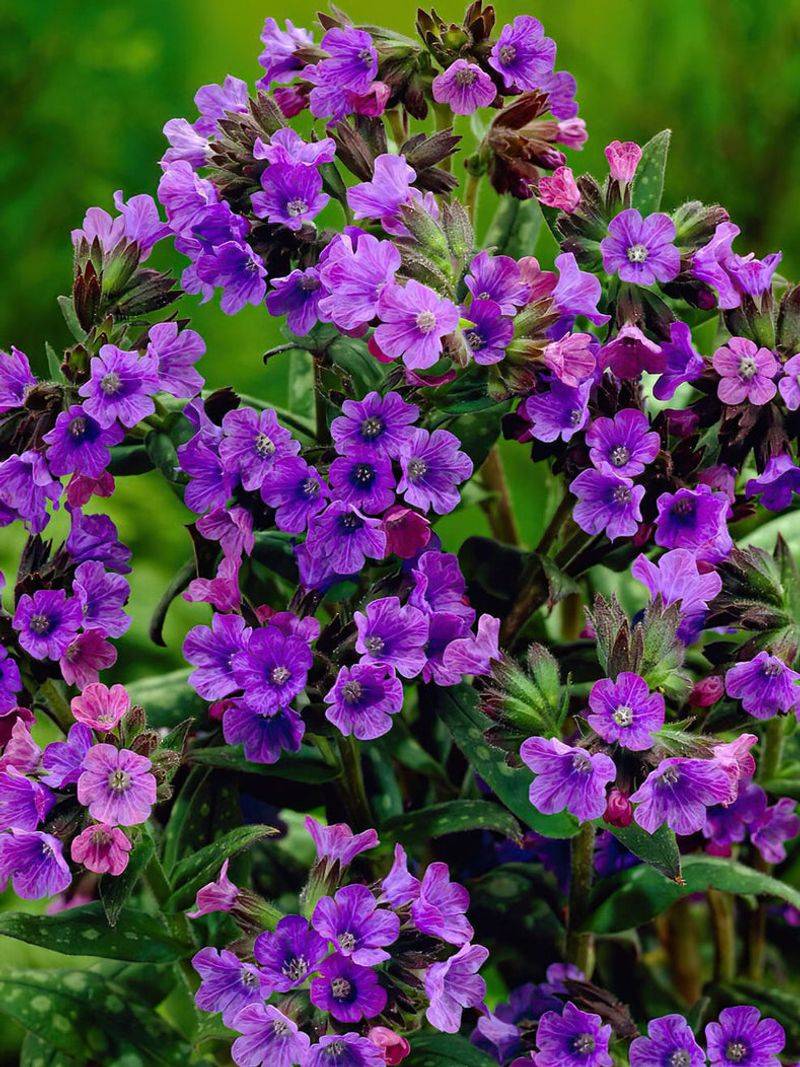
Lungwort, scientifically known as Pulmonaria, is a plant with a distinct personality. Its leaves are beautifully spotted, resembling lung tissue, which gives this plant its unique name.
Early in spring, Lungwort surprises with clusters of purple and pink flowers, brightening the still sleepy garden. It prefers a cool, shaded environment and thrives in moist, well-drained soil.
Appreciated not only for its early blooms, Lungwort’s foliage remains attractive throughout the season. Plant it as a ground cover or in borders for a touch of color and texture in dimly lit areas.
5. Hellebore (Lenten Rose)
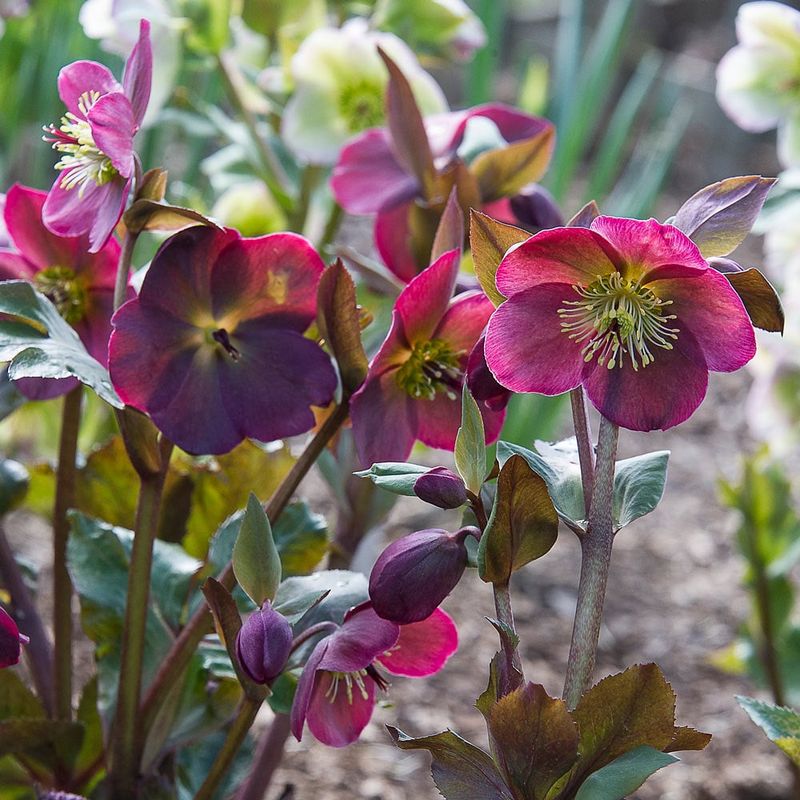
Hellebore, often referred to as the Lenten Rose, is a garden gem that blooms when most plants are still in hibernation. Its nodding, rose-like flowers come in a range of colors from pure white to deep purples, providing a much-needed splash of color in late winter or early spring.
These evergreen perennials prefer shaded areas and thrive in rich, well-drained soil. With minimal care, Hellebores are drought-tolerant once established, making them a low-maintenance option for busy gardeners.
Their leathery foliage adds year-round interest, ensuring your garden remains vibrant.
6. Toad Lily (Tricyrtis)
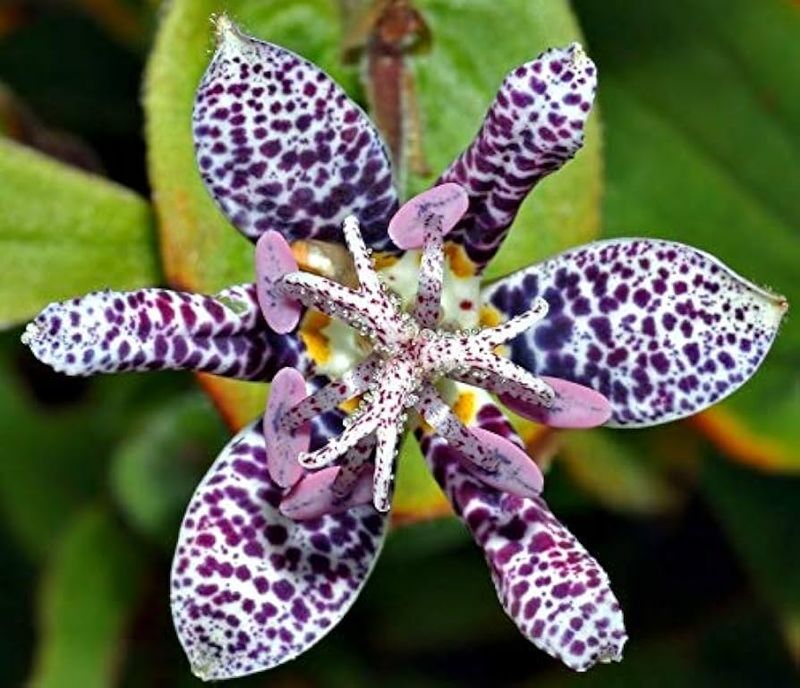
Toad Lily, or Tricyrtis, is an exotic-looking plant known for its orchid-like flowers adorned with intriguing speckles. Blooming in late summer to early fall, these unique flowers are a delightful surprise in the garden.
Toad Lily thrives in partial to full shade and prefers moist, well-drained soil. Its arching stems and lush foliage add structure and elegance, complementing other shade-loving plants.
To encourage blooming, maintain consistent moisture and provide a mulch layer for root protection. Plant Toad Lily in woodland gardens or shaded borders for maximum impact.
7. Solomon’s Seal
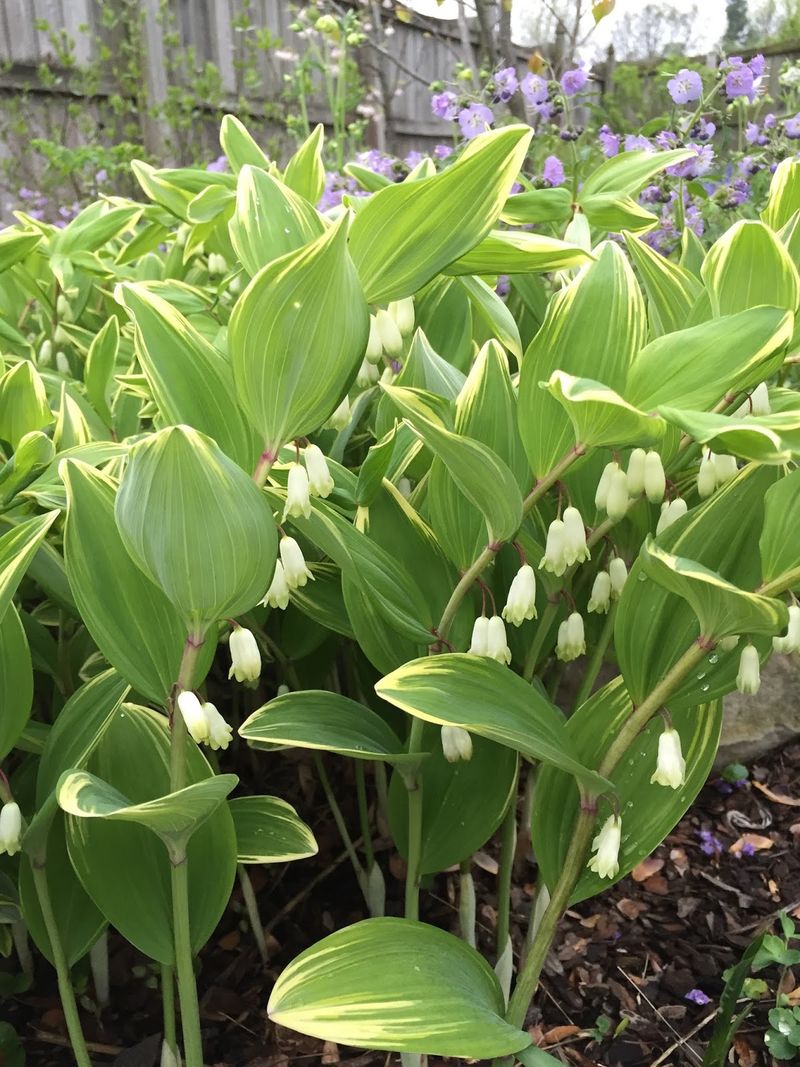
Solomon’s Seal is an elegant plant characterized by its graceful, arching stems adorned with white, bell-like flowers. This perennial thrives in shaded, moist environments, making it a perfect addition to woodland gardens.
Its foliage turns a lovely yellow in the fall, adding seasonal interest. Known for its resilience, Solomon’s Seal is relatively low-maintenance and can withstand various soil conditions.
Ideal for borders and naturalized settings, it brings a touch of sophistication to any garden. Keep the soil consistently moist and enjoy its understated beauty year after year.
8. Corydalis
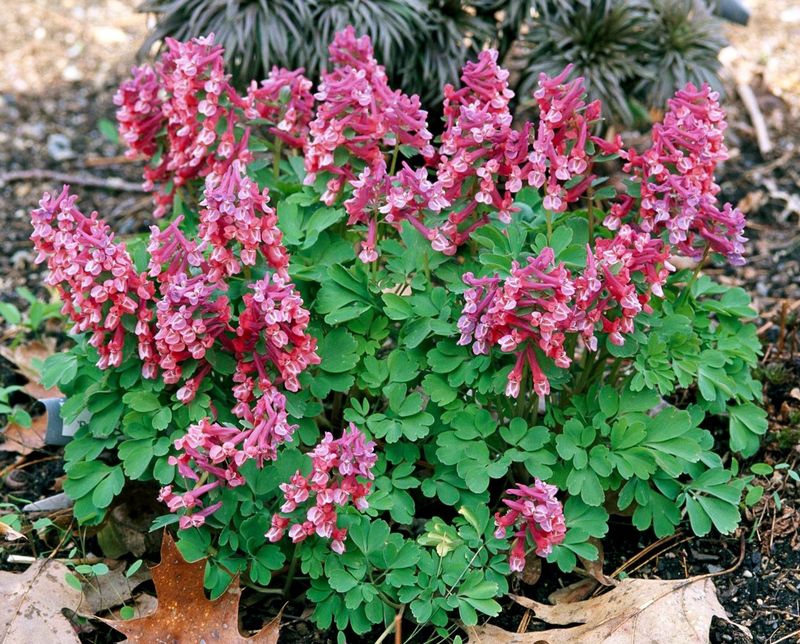
Corydalis is a delightful plant with its delicate, fern-like leaves and tubular flowers that come in shades of blue, purple, or yellow. This charming perennial adds a touch of whimsy to shaded areas and is perfect for woodland gardens.
Corydalis prefers well-drained, slightly alkaline soil and thrives in cool, moist conditions. Its flowers attract pollinators, enhancing the garden’s biodiversity. To keep it thriving, ensure consistent moisture and avoid overly hot locations.
Whether planted in borders or as ground cover, Corydalis adds a soft texture and vibrant color to shady spots.
9. Japanese Anemone
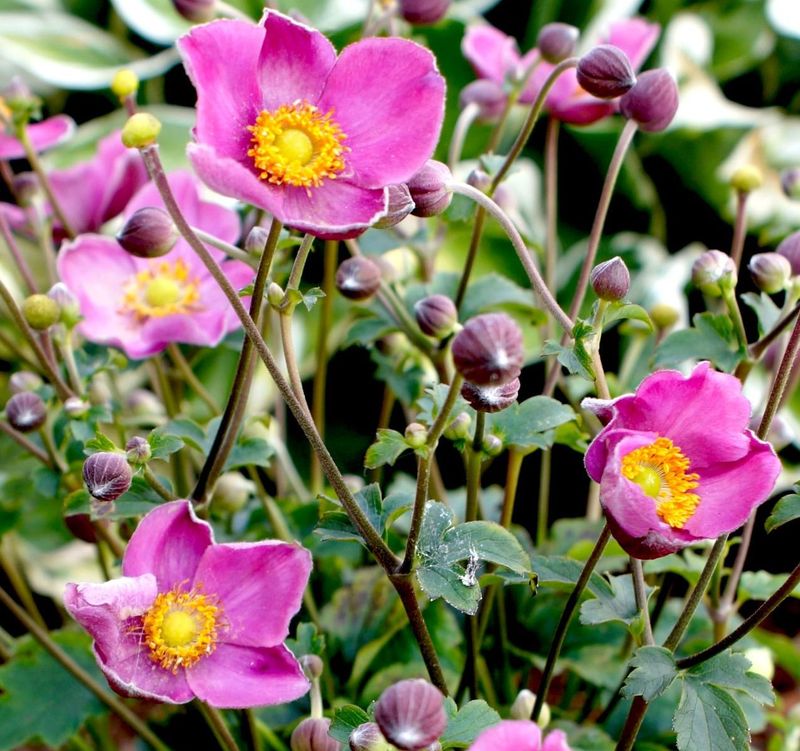
Japanese Anemone is a fall-blooming perennial that adds a touch of elegance to shaded gardens. Its graceful pink and white blooms sway gently in the autumn breeze, providing a beautiful display when many other plants have finished flowering.
Japanese Anemones prefer rich, well-drained soil and thrive in partial shade. Their tall, slender stems make them ideal for borders and mixed plantings.
Keep the soil moist for optimal growth, and enjoy their long-lasting blossoms that attract late-season pollinators. For a classic look, pair them with ornamental grasses or foliage plants.
10. Foxglove (Digitalis)
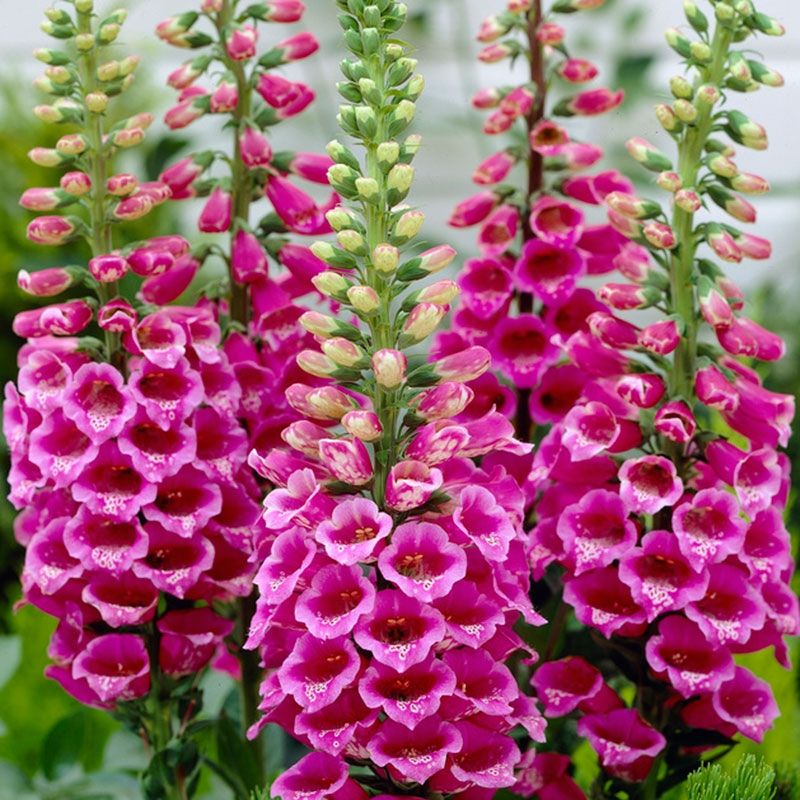
Foxglove, or Digitalis, is renowned for its towering spikes of bell-shaped flowers that add a dramatic flair to any garden. Available in shades of pink, purple, and white, these biennials or short-lived perennials are perfect for cottage gardens.
Foxglove thrives in partial shade and prefers well-drained soil. This plant is a favorite among pollinators, especially bees and hummingbirds. To encourage continual blooms, remove spent flowers promptly.
Despite its beauty, Foxglove is toxic if ingested, so plant with caution if young children or pets are present.
11. Hosta
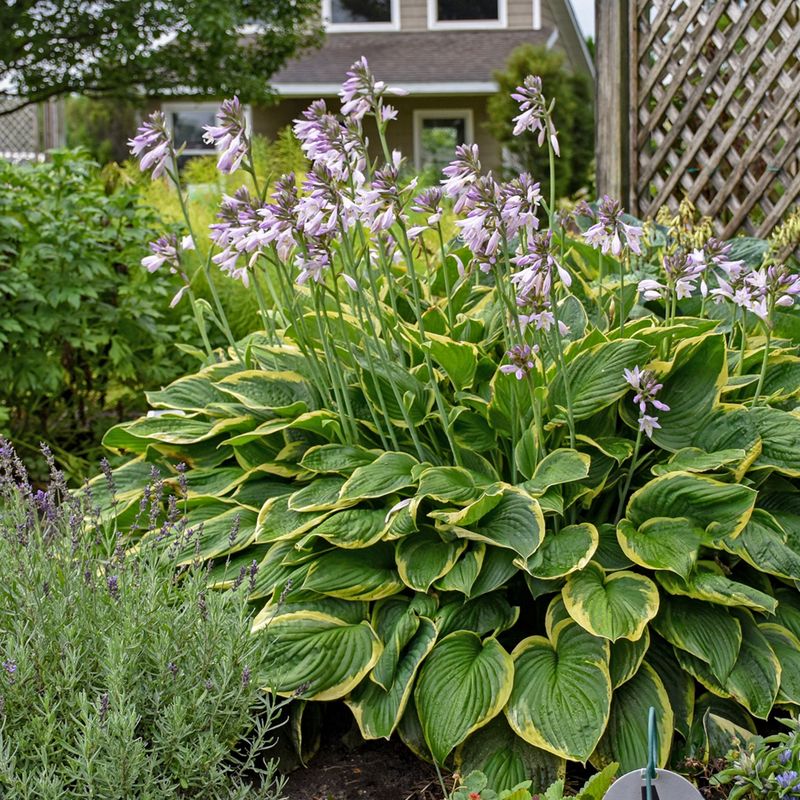
Hostas are a staple in shade gardening, celebrated for their diverse foliage patterns and colors. From blue-green to variegated whites and yellows, Hostas offer endless possibilities for garden design.
These hardy perennials thrive in dappled shade and prefer rich, moist soil. Hostas are low-maintenance and can withstand a variety of conditions, making them ideal for borders, ground cover, or as specimen plants.
Their lush leaves provide a perfect backdrop for flowering plants, and they occasionally produce delicate flowers themselves. To prevent slug damage, keep the area clean and debris-free.
12. Brunnera
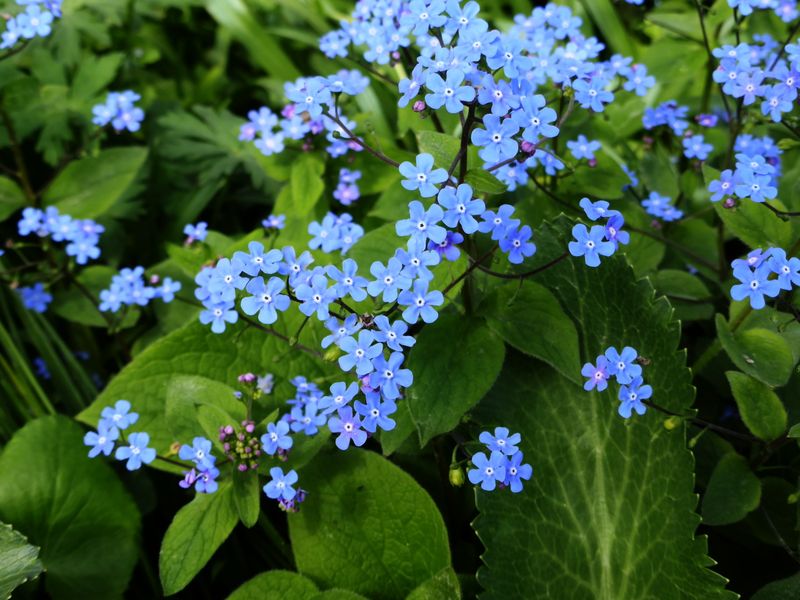
Brunnera is a charming perennial known for its heart-shaped, silver-veined leaves that shimmer in the shade. Come spring, Brunnera surprises with tiny, bright blue flowers that resemble forget-me-nots.
This plant thrives in cool, moist, shaded environments and is perfect for adding texture and brightness to dark corners. Brunnera is relatively low-maintenance and can serve as ground cover or border plant.
Its foliage remains attractive throughout the growing season, providing continuous interest. For best results, plant in well-drained soil and keep adequately watered to maintain its lush appearance.
13. Heuchera (Coral Bells)
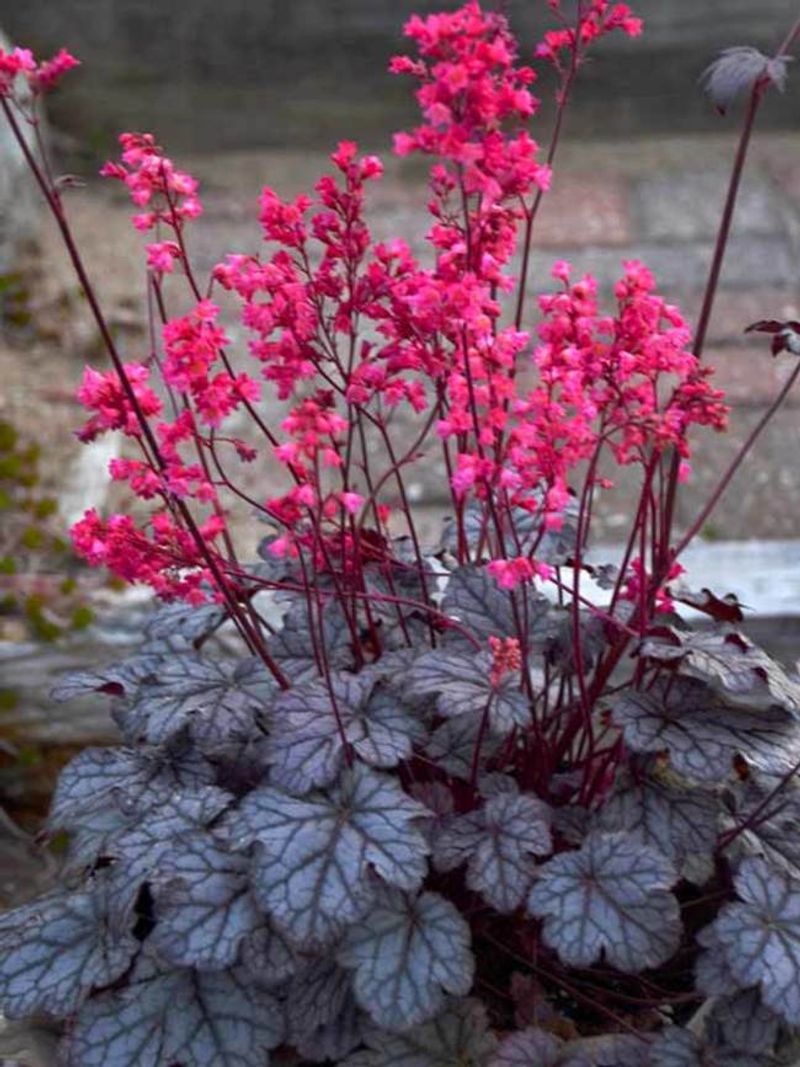
Heuchera, commonly known as Coral Bells, is a versatile perennial admired for its colorful mounded foliage. Available in shades ranging from deep burgundy to lime green, Heuchera adds vibrancy to shaded gardens.
In late spring to early summer, delicate flower spikes rise above the leaves, offering subtle beauty. Heuchera thrives in well-drained soil and appreciates some morning sun with afternoon shade.
This plant is deer-resistant and attracts hummingbirds, making it both beautiful and practical. To maintain its striking appearance, divide clumps every few years and remove dead leaves regularly.
14. Ferns (e.g., Japanese Painted, Lady Fern)
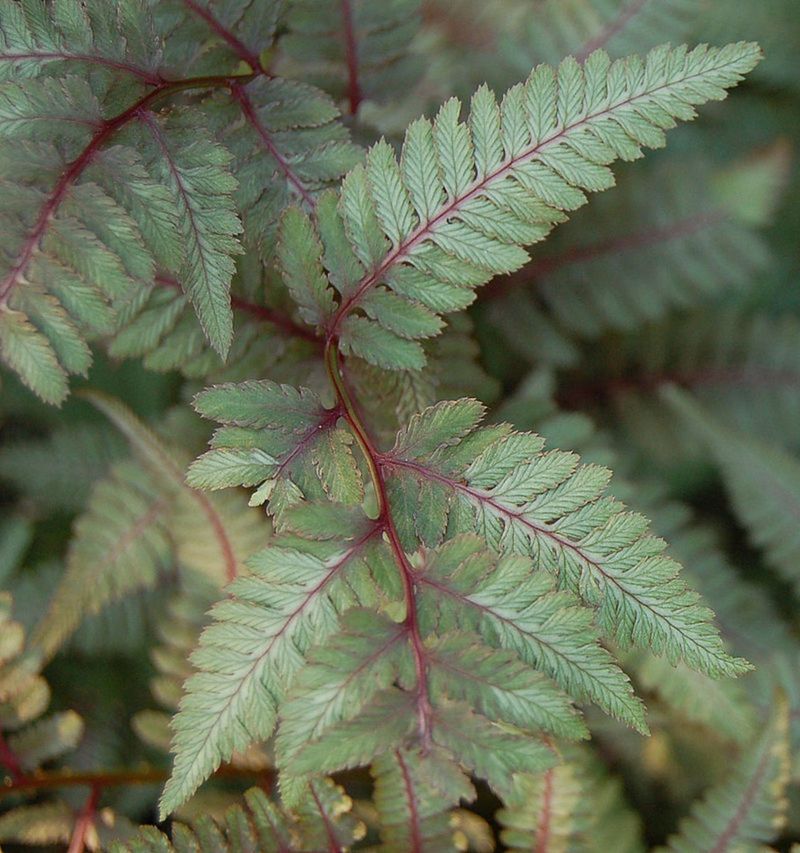
Ferns, such as the Japanese Painted and Lady Fern, are quintessential shade plants that bring texture and elegance to the garden. Their delicate fronds come in a variety of shapes and sizes, adding layers of interest to shady areas.
Japanese Painted Ferns are known for their silvery fronds tinged with purple, while Lady Ferns offer a soft, lacy appearance. These perennials thrive in moist, well-drained soil and prefer cooler, shaded environments.
Ferns are low-maintenance and resistant to most pests, making them a reliable choice for adding greenery and sophistication to dim corners.
15. Bergenia
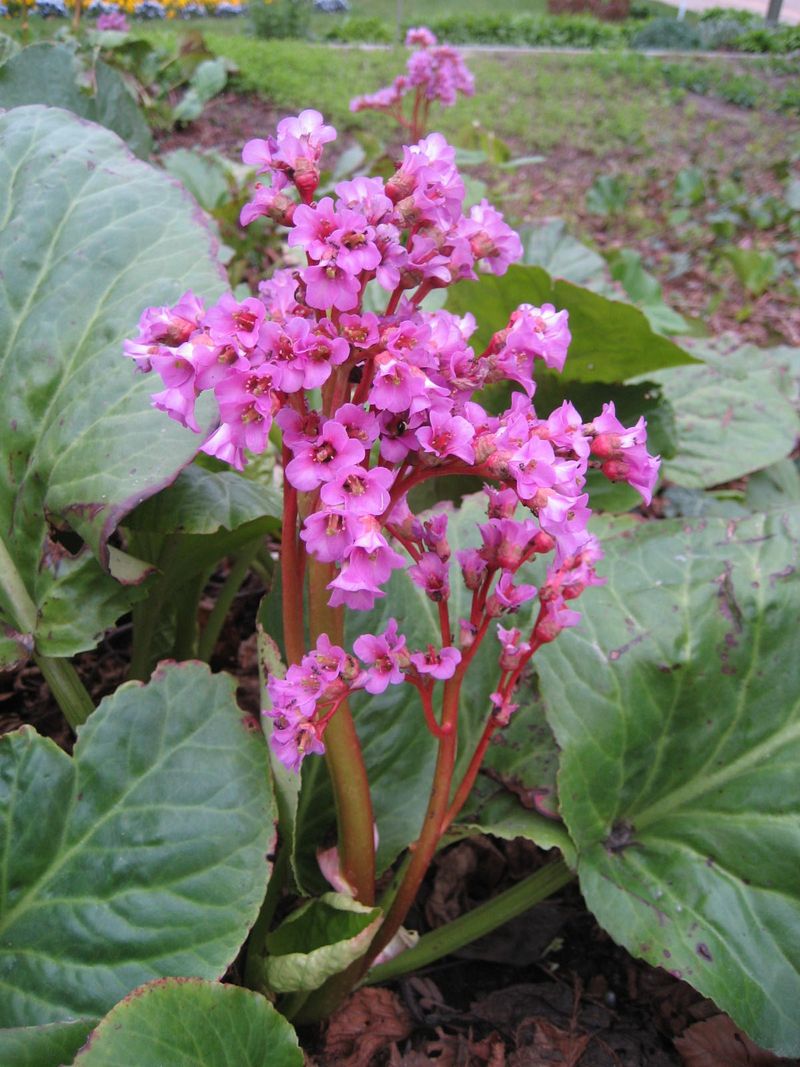
Bergenia is a robust perennial known for its glossy, evergreen leaves and bold, pink flowers that bloom in spring. This plant is a standout in shaded gardens, adding both color and texture.
Bergenia’s leaves provide year-round interest, turning a deep burgundy in the winter months. It thrives in well-drained soil and can tolerate a range of light conditions, although it prefers partial shade.
Ideal for borders and ground cover, Bergenia is both deer and rabbit resistant. For healthy growth, remove spent flower spikes and provide adequate moisture during dry spells.
16. Liriope (Lilyturf)
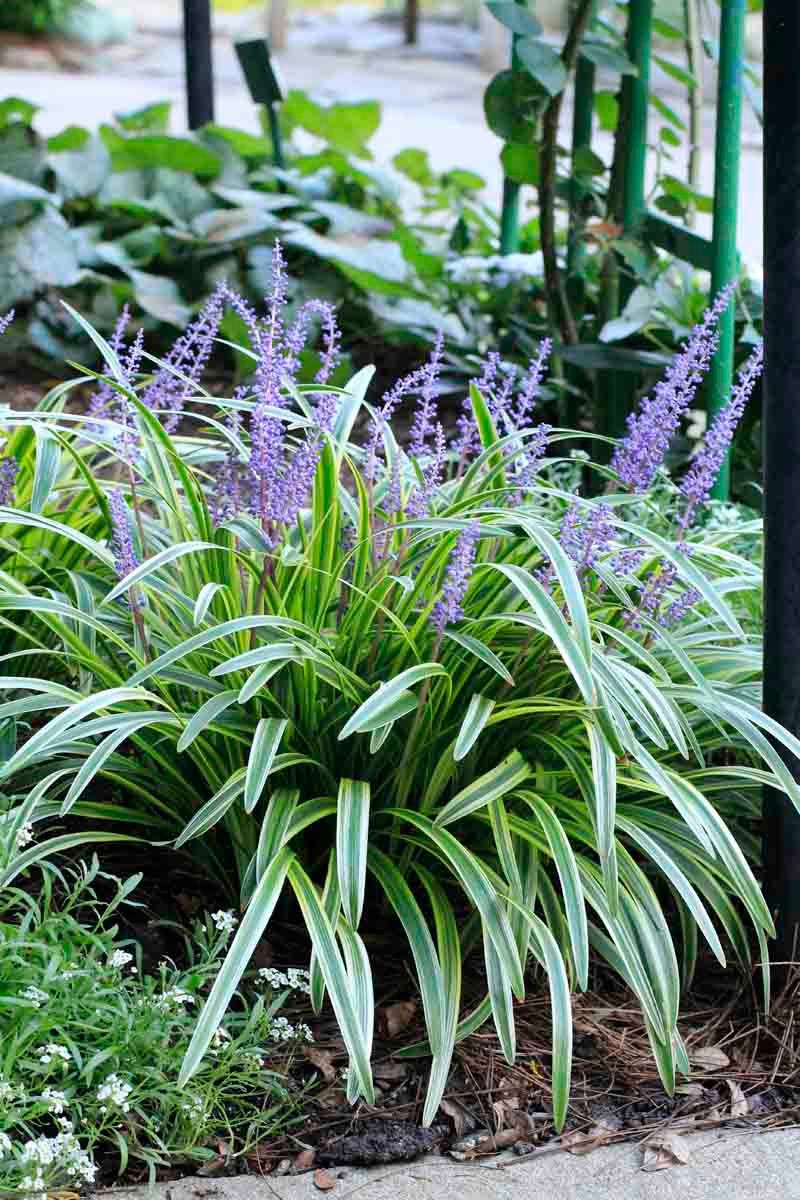
Liriope, commonly known as Lilyturf, is a versatile plant that provides a grassy appearance with the bonus of summer flower spikes in purple and white. This perennial thrives in partial shade and is often used as ground cover or edging along garden paths.
Liriope is low-maintenance and can adapt to various soil types, though it prefers well-drained conditions. Its evergreen foliage remains attractive year-round, offering a consistent backdrop for other plants.
For best results, cut back old foliage in early spring to promote new growth, and enjoy its resilience and beauty.
17. Ajuga (Bugleweed)
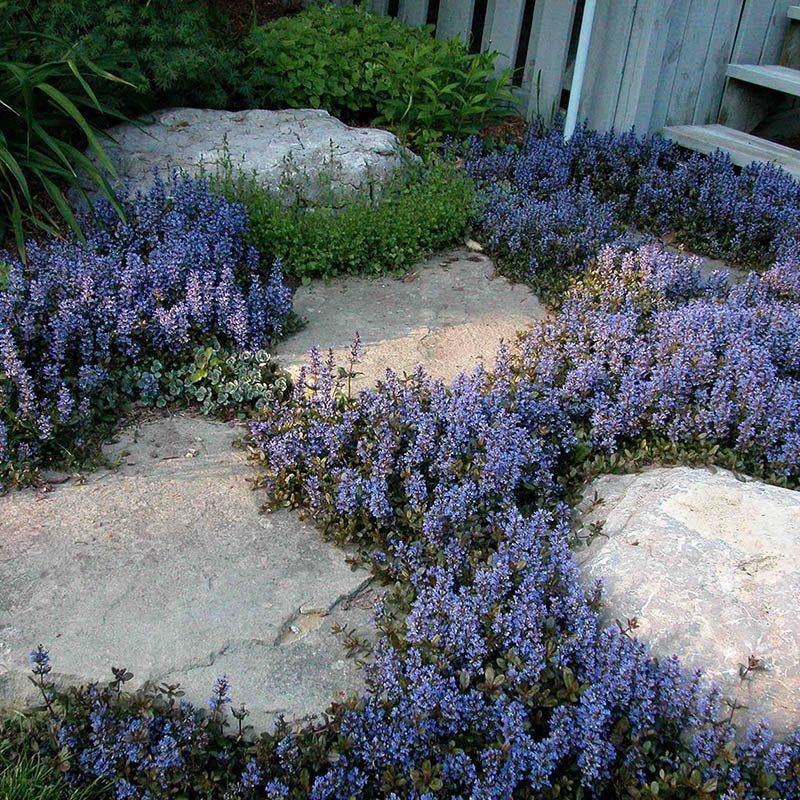
Ajuga, commonly known as Bugleweed, is an excellent ground cover choice for shaded areas. Its vibrant purple leaves provide year-round interest, while blue flower spikes add a burst of color in spring.
Ajuga thrives in well-drained soil and can tolerate a range of light conditions, though it prefers partial shade. This plant spreads quickly, forming a dense mat that suppresses weeds, making it ideal for tricky garden spots.
Ajuga is also deer-resistant and requires minimal maintenance. To keep it looking its best, divide clumps every few years and remove spent flowers.
18. Lamium (Deadnettle)
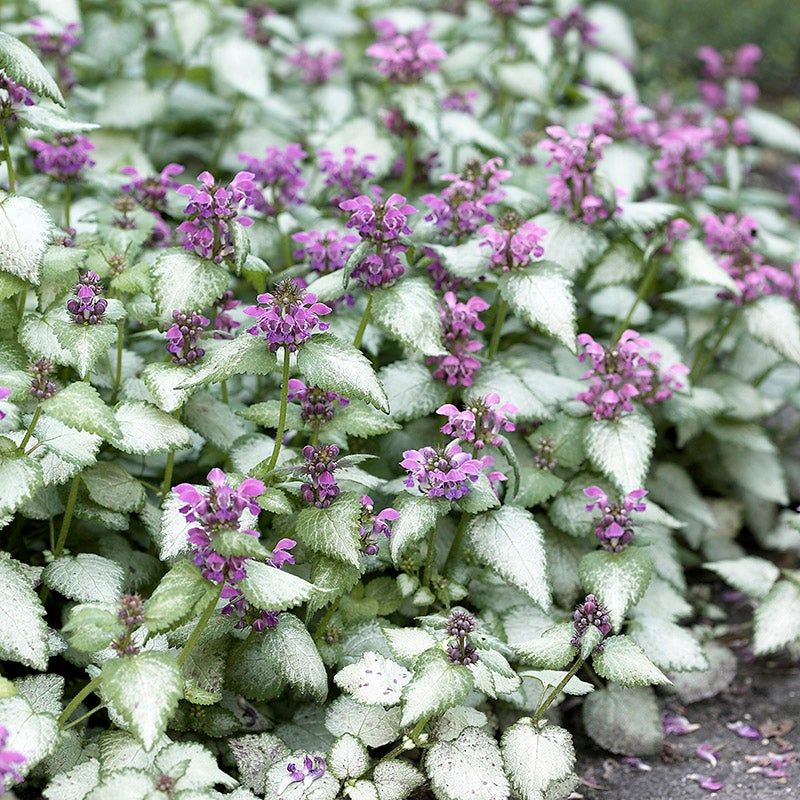
Lamium, or Deadnettle, is a versatile ground cover with silver-marbled leaves that shimmer in the shade. This plant produces pastel blooms in shades of pink, white, and purple, adding a soft touch to garden beds.
Lamium thrives in well-drained soil and is tolerant of various light conditions, though it prefers partial shade. Its spreading nature helps suppress weeds, making it an excellent choice for low-maintenance gardens.
To keep Lamium healthy and vibrant, provide consistent moisture and remove dead foliage regularly. Its unique foliage and blooms make it a standout in any garden.
19. Tiarella (Foamflower)
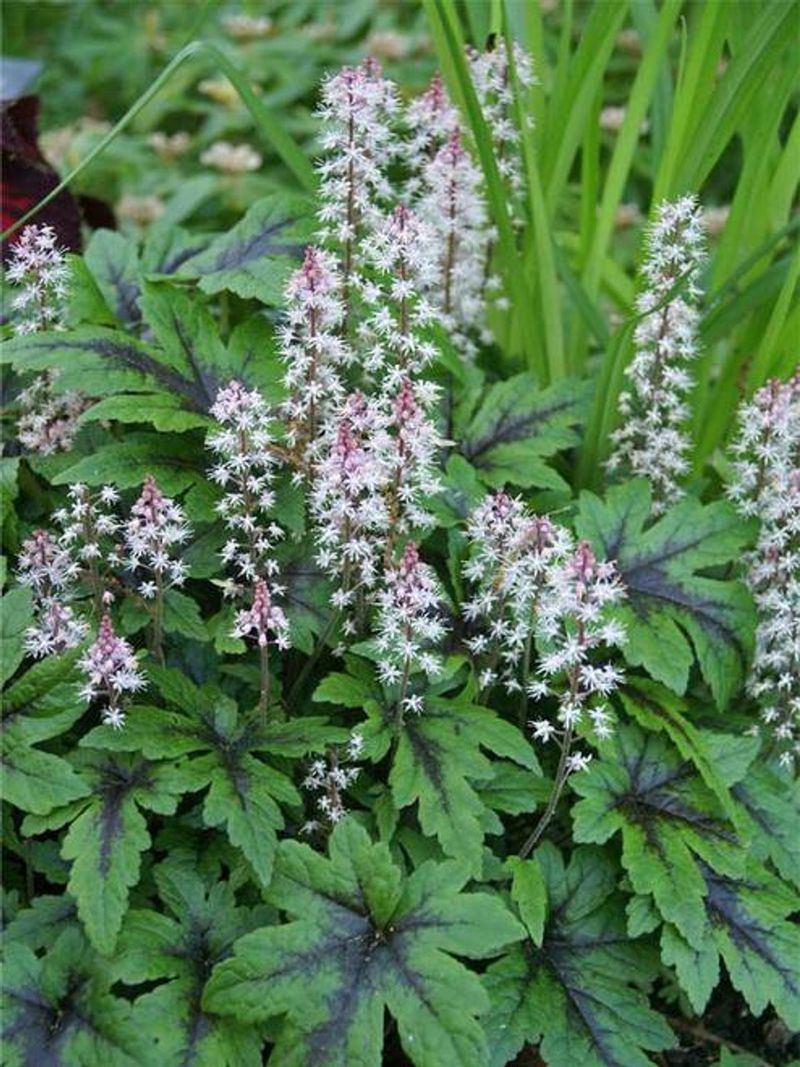
Tiarella, known as Foamflower, is a woodland plant that enchants with its frothy white or pink blooms. Its maple-like foliage adds a decorative touch, with leaves often displaying intriguing patterns.
Tiarella thrives in shaded, moist environments, making it a perfect addition to woodland gardens or shaded borders. This perennial is low-maintenance and deer-resistant, providing a reliable source of beauty.
To enhance its growth, ensure well-drained soil and regular watering. Pair Tiarella with other shade-loving plants for a harmonious garden display that captivates throughout the growing season.
20. Solanum (Shade-tolerant Potato Vine)
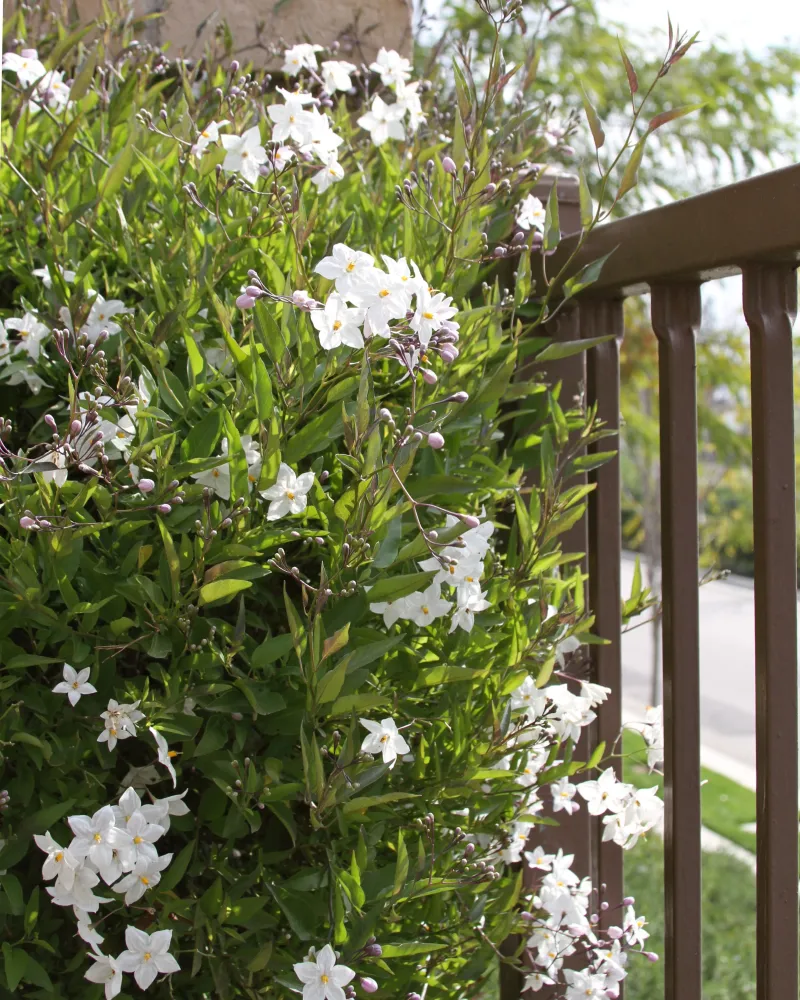
Solanum, commonly known as the shade-tolerant Potato Vine, is a climbing plant that brings a touch of elegance to shaded gardens. Its white, starry flowers contrast beautifully with its lush green leaves, creating a picturesque display.
Solanum is versatile, thriving in both full sun and partial shade, and prefers well-drained soil. This vine is ideal for covering trellises, fences, or arbors, adding vertical interest to the garden.
To encourage growth, provide support structures and ensure consistent watering. Its rapid growth and stunning flowers make Solanum a striking addition to any garden.
21. Hydrangea macrophylla
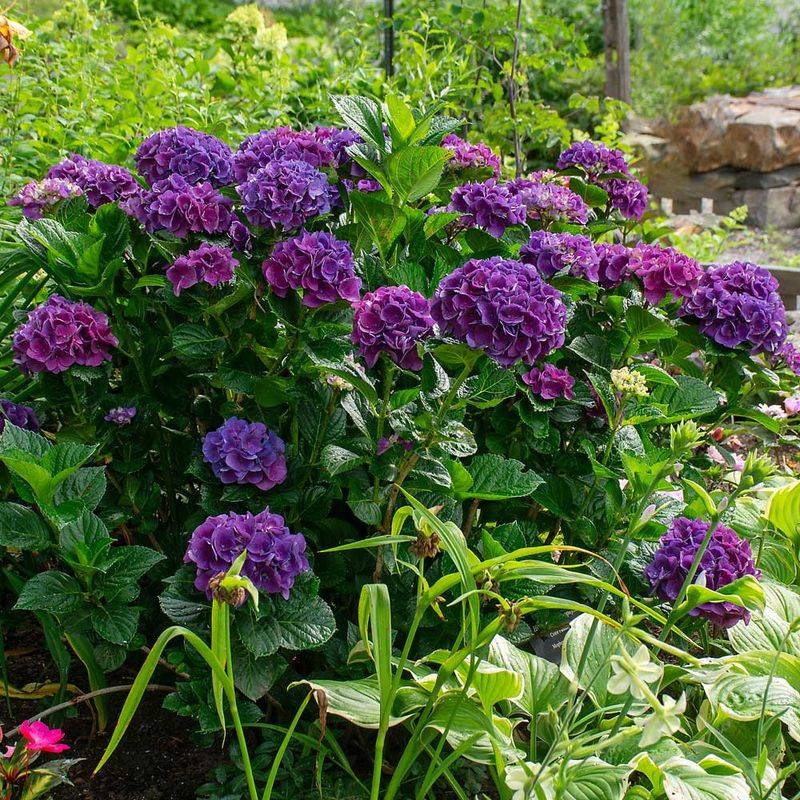
Hydrangea macrophylla, also known as Bigleaf Hydrangea, is a beloved garden staple known for its large, mophead blooms. These vibrant blue and pink flowers thrive in dappled shade, adding a splash of color to any garden nook.
Hydrangeas prefer rich, well-drained soil and benefit from consistent moisture. Their blooms can be influenced by soil pH, offering gardeners a unique opportunity to experiment with flower colors.
To maintain their beauty, prune old wood and provide mulch to retain soil moisture. Hydrangeas attract pollinators and provide a long-lasting floral display from summer to fall.
22. Spirea (Partial Shade Tolerant Types)
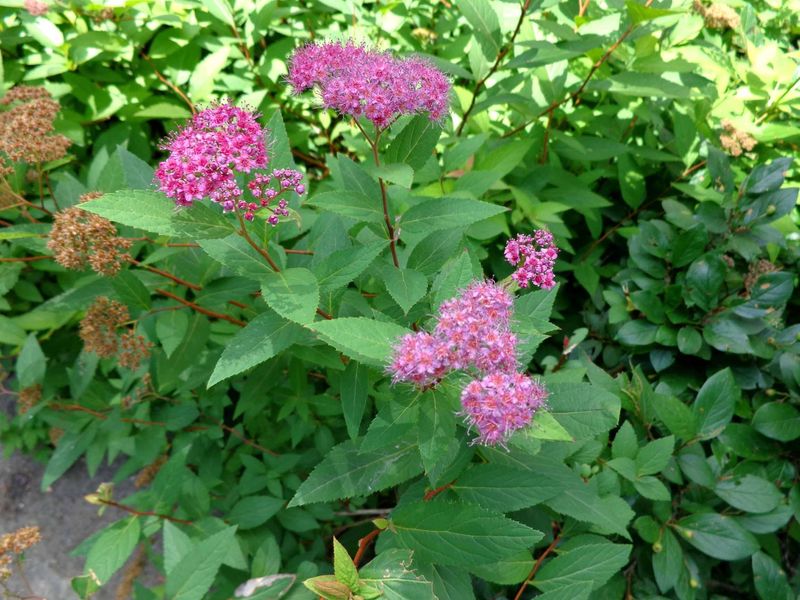
Spirea is a versatile shrub that provides vibrant clusters of white or pink blossoms in spring and summer. Partial shade-tolerant varieties are perfect for adding color to dim garden areas.
Spirea thrives in well-drained soil and requires minimal maintenance, making it an ideal choice for borders and mixed plantings. Its compact form and vibrant blooms attract pollinators, enhancing garden biodiversity.
For optimal growth, prune Spirea after flowering to maintain its shape and encourage new blooms. Pair with evergreens or other flowering shrubs for a dynamic and colorful garden display.
23. Azalea (Deciduous & Evergreen)
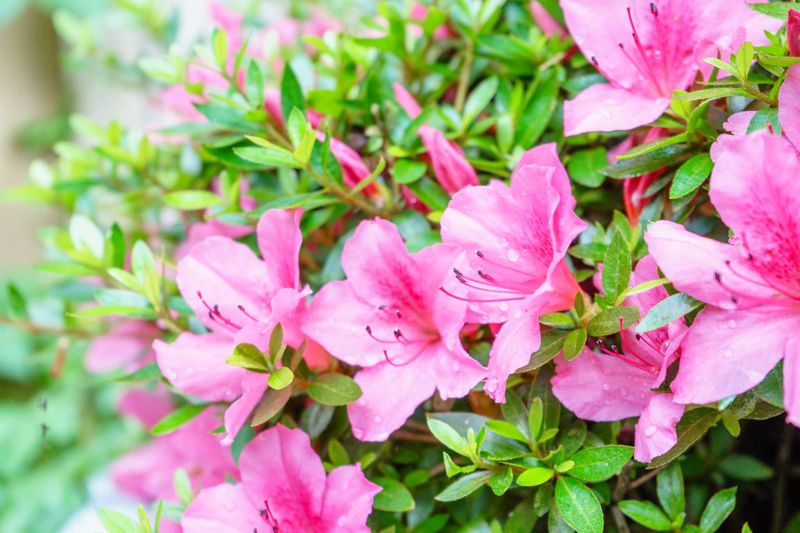
Azaleas are beloved for their stunning springtime blooms, available in shades of pink, red, and white. Both deciduous and evergreen varieties thrive in filtered sunlight, offering versatility for various garden styles.
Azaleas prefer acidic, well-drained soil and benefit from mulch to retain moisture. These shrubs are low-maintenance once established and attract pollinators, adding life to the garden.
To enhance their beauty, remove spent flowers and avoid pruning during the blooming season. Azaleas are perfect for borders, woodland gardens, or as standalone specimens, providing a vibrant splash of color each spring.
24. Camellia
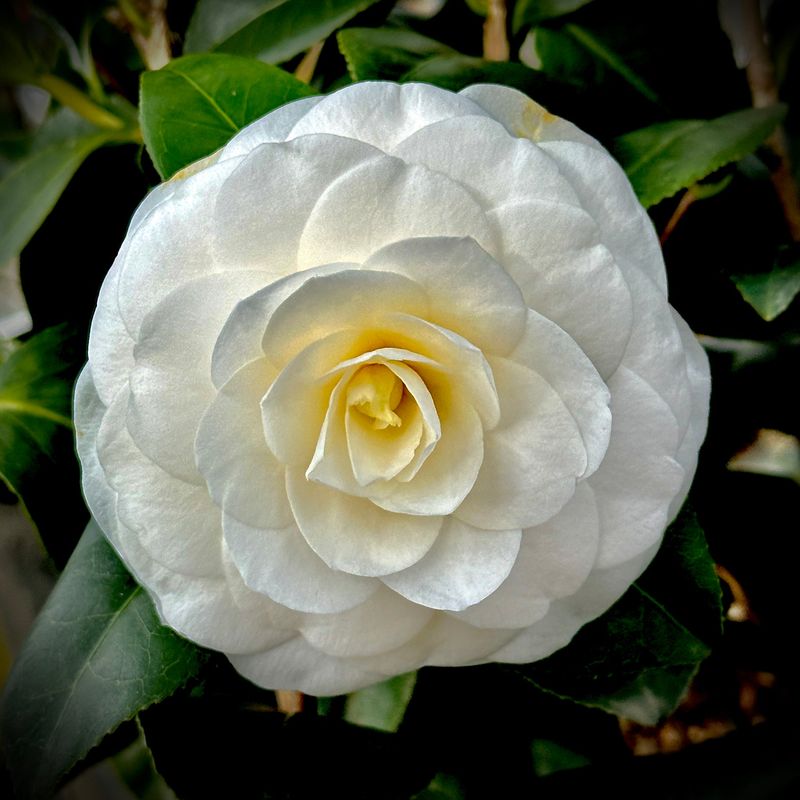
Camellias are a winter-to-spring delight, offering rose-like flowers in shades of red, pink, and white. Their glossy, evergreen leaves add year-round interest, making them a garden favorite. Camellias thrive in partial shade and prefer well-drained, acidic soil.
These shrubs require minimal maintenance and are relatively pest-resistant. To encourage healthy growth, provide mulch and regular watering during dry spells. Camellias are perfect for borders, containers, or as focal points in the garden.
Their elegant blooms and lush foliage create a timeless appeal that enhances any landscape.
25. Japanese Kerria
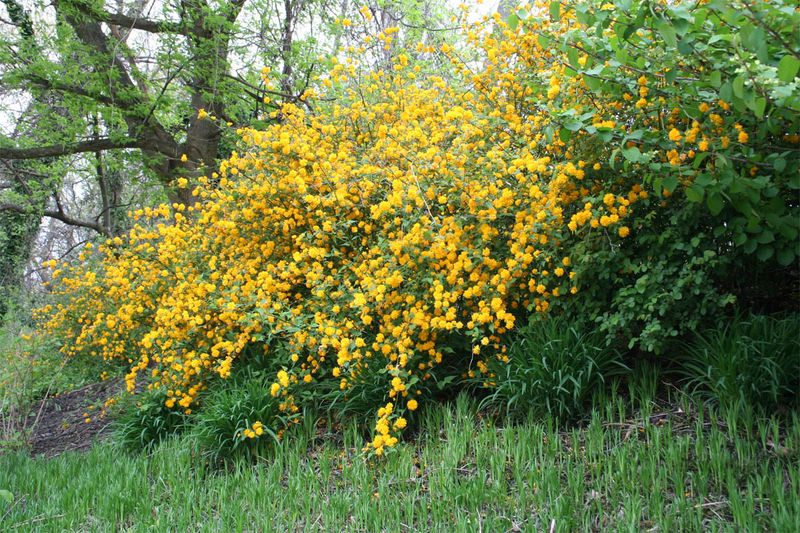
Japanese Kerria is a cheerful addition to any garden, known for its bright yellow blooms that appear in early spring. This deciduous shrub features arching green stems that add interest even when not in bloom.
Japanese Kerria thrives in partial shade and adapts well to various soil types, although it prefers well-drained conditions. It’s low-maintenance and can tolerate some drought, making it ideal for busy gardeners.
Prune after flowering to maintain its shape and promote new growth. Japanese Kerria is perfect for borders, hedges, or as a standalone specimen, providing a burst of color and texture.
26. Pieris Japonica
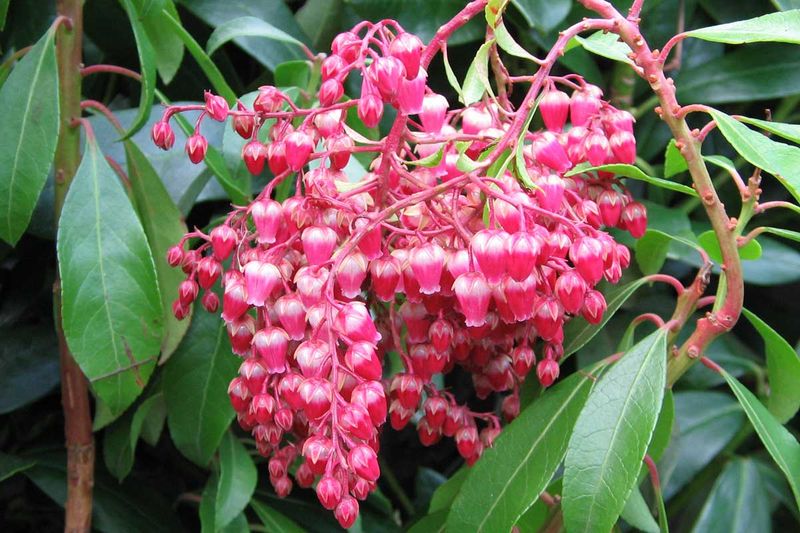
Pieris Japonica is a stunning evergreen shrub known for its lily-of-the-valley–like flowers and glossy leaves. This plant thrives in partial shade and prefers acidic, well-drained soil. In spring, Pieris Japonica dazzles with clusters of white blooms that attract pollinators.
Its new foliage often emerges in shades of red, adding seasonal interest. Low-maintenance and deer-resistant, this shrub is ideal for foundation plantings, borders, or as an accent in mixed gardens.
To enhance its beauty, provide regular watering and mulch to retain soil moisture. Pieris Japonica brings elegance and charm to any garden setting.
27. Oakleaf Hydrangea
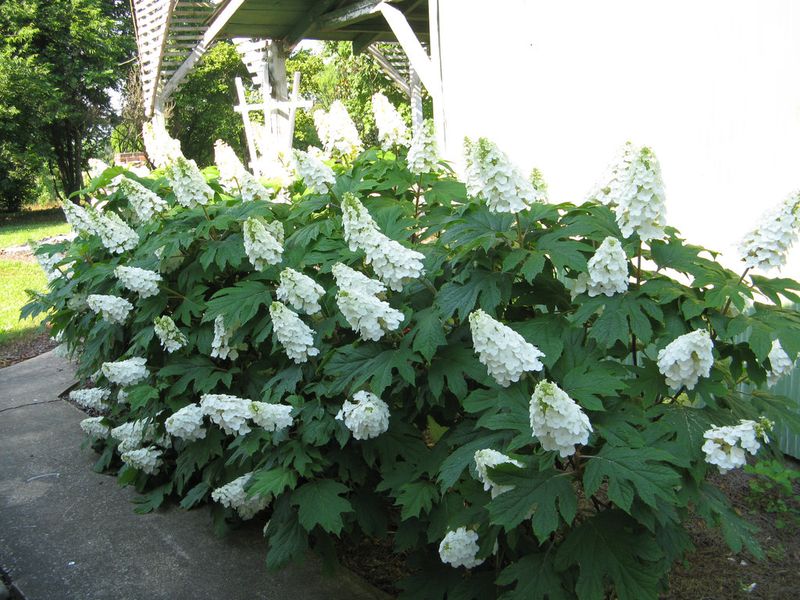
Oakleaf Hydrangea is a versatile shrub celebrated for its large, cone-shaped flowers and stunning fall foliage. The blooms start as white and gradually turn pink, providing a dynamic display.
Oakleaf Hydrangea thrives in partial shade and prefers rich, well-drained soil. Its leaves take on brilliant shades of red and orange in autumn, adding seasonal interest. This shrub is low-maintenance and attracts pollinators, making it a valuable addition to any garden.
To ensure its health, provide mulch and regular watering during dry periods. Oakleaf Hydrangea is perfect for borders, mass plantings, or as a standalone focal point.
28. Boxwood
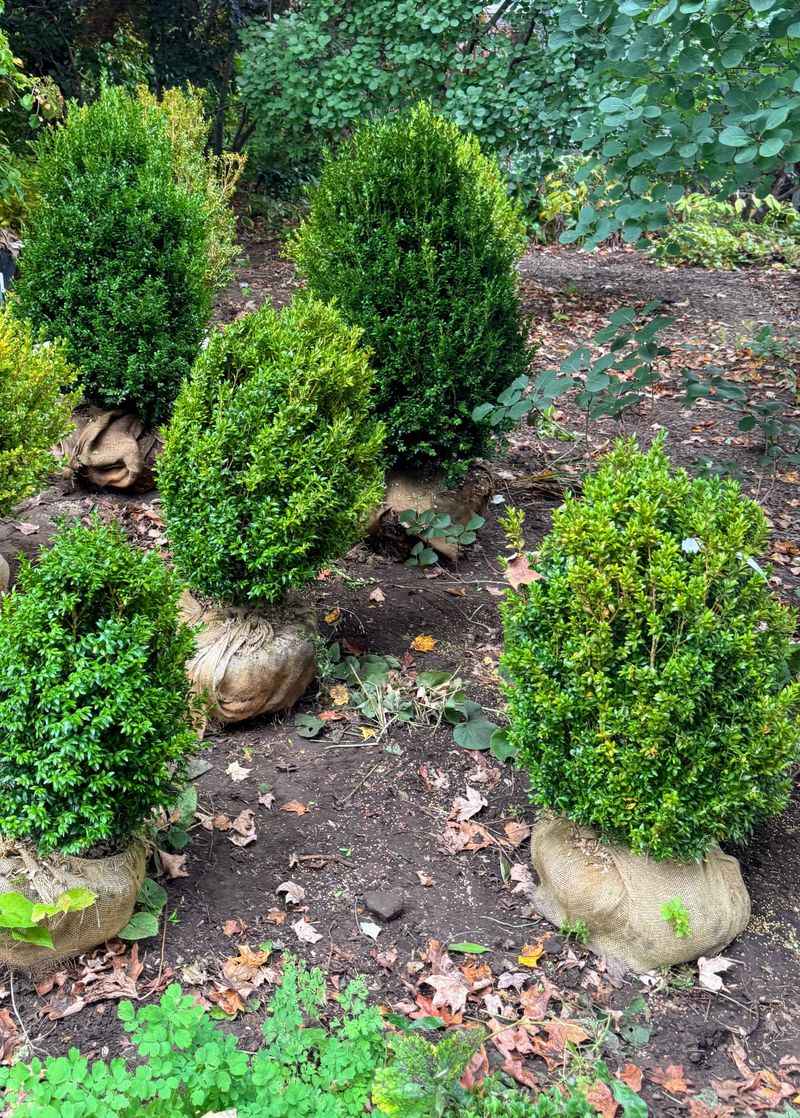
Boxwood is a classic choice for creating structure and formality in the garden. This evergreen shrub is known for its compact growth and dark green leaves, making it ideal for hedges, topiaries, or as a backdrop for flowering plants.
Boxwood thrives in partial shade and can adapt to various soil types, though it prefers well-drained conditions. Its low-maintenance nature and resistance to deer and pests make it a reliable choice for gardeners.
To maintain its shape, prune regularly, and provide mulch to retain soil moisture. Boxwood adds timeless elegance to any landscape.
29. Sweet Woodruff
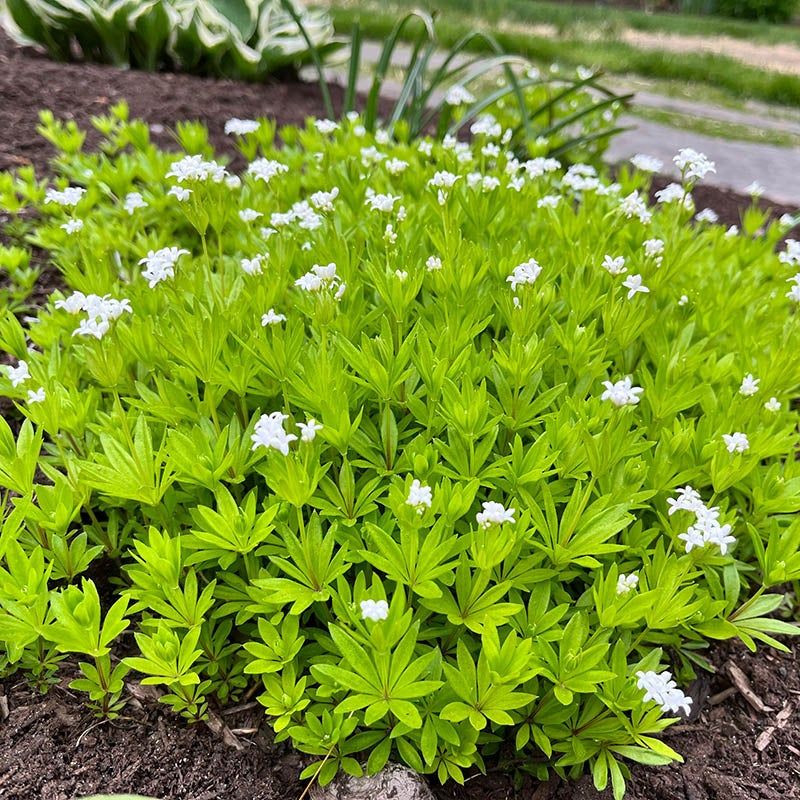
Sweet Woodruff is a charming ground cover known for its whorled leaves and tiny white flowers that bloom in spring. This perennial thrives in shaded, moist environments and is perfect for naturalizing woodland gardens.
Sweet Woodruff spreads quickly, forming a dense mat that suppresses weeds, making it ideal for low-maintenance gardening. Its leaves emit a pleasant fragrance when crushed, adding sensory appeal.
To keep it thriving, ensure consistent moisture and avoid hot, dry locations. Sweet Woodruff is both deer-resistant and attractive to pollinators, bringing beauty and biodiversity to your garden.
30. Pachysandra
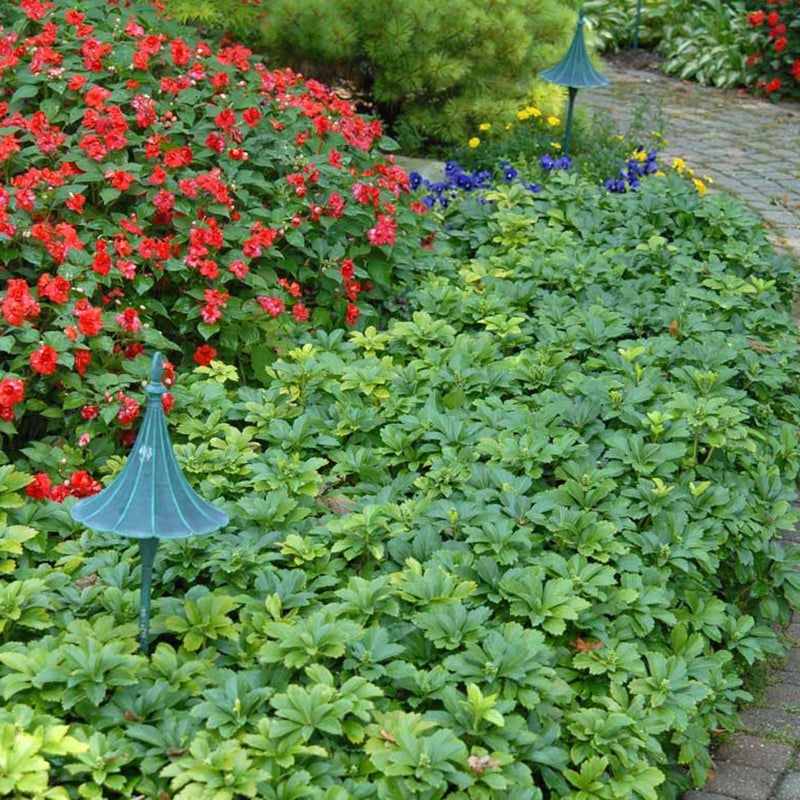
Pachysandra is a tough, evergreen ground cover that thrives in shaded garden spots. Its glossy green leaves provide year-round interest, while subtle white blooms appear in spring, adding a touch of beauty.
Pachysandra prefers well-drained soil and is tolerant of various conditions, although it thrives best in moist settings. This plant spreads quickly, forming a dense carpet that suppresses weeds, making it an excellent choice for low-maintenance gardens.
Pachysandra is deer-resistant and requires minimal care. For best results, provide consistent moisture and occasional fertilization.
31. Epimedium (Barrenwort)
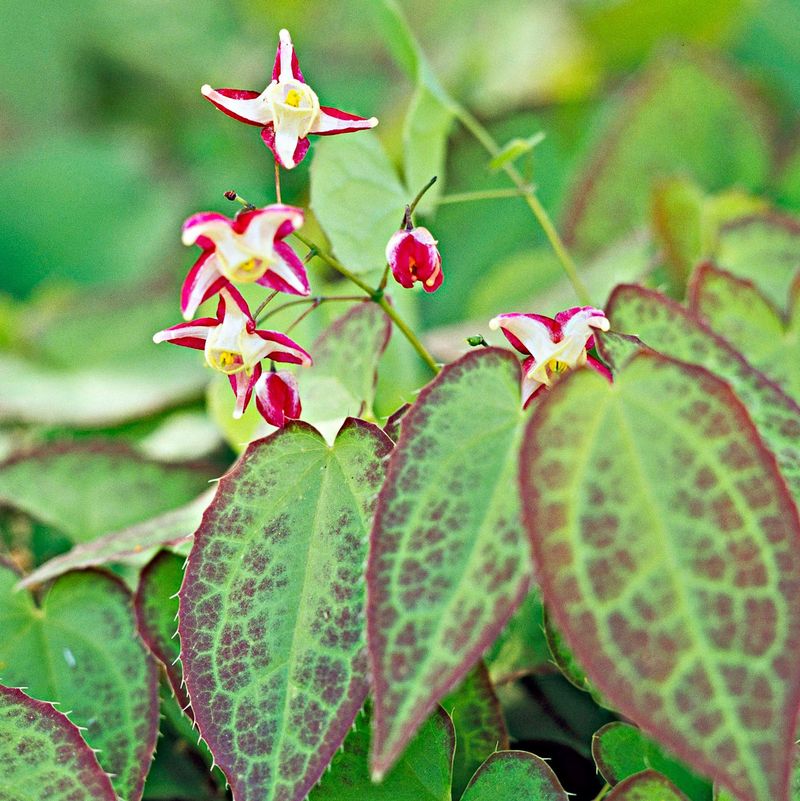
Epimedium, also known as Barrenwort, is a resilient plant cherished for its delicate flowers and drought-resistant qualities. Its heart-shaped leaves and colorful blooms in pink, yellow, and white provide a charming display in shaded gardens.
Epimedium thrives in well-drained soil and can tolerate dry conditions once established, making it ideal for woodland settings or shaded borders. This plant is low-maintenance and deer-resistant, offering beauty with minimal effort.
To enhance its growth, provide occasional watering during dry spells and divide clumps every few years to promote vitality.
32. Vinca Minor (Periwinkle)
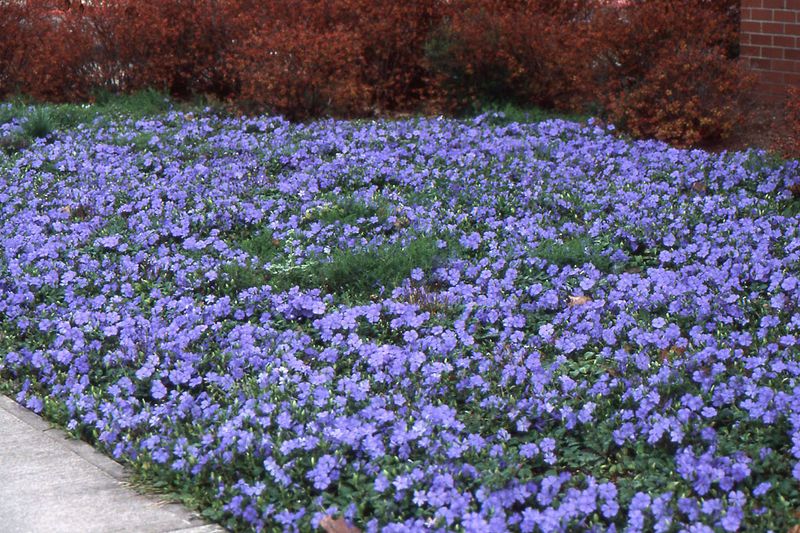
Vinca Minor, commonly known as Periwinkle, is a fast-spreading ground cover perfect for shaded areas. Its glossy green leaves and pretty blue blooms add charm and color to garden beds.
Vinca Minor thrives in well-drained soil and can adapt to various light conditions, though it prefers partial shade. This plant forms a dense mat that suppresses weeds, making it an excellent choice for low-maintenance gardens.
Vinca Minor is deer-resistant and requires minimal care, with occasional pruning to control its spread. Its vibrant blooms attract pollinators, enhancing garden biodiversity.
33. Wild Ginger (Asarum)
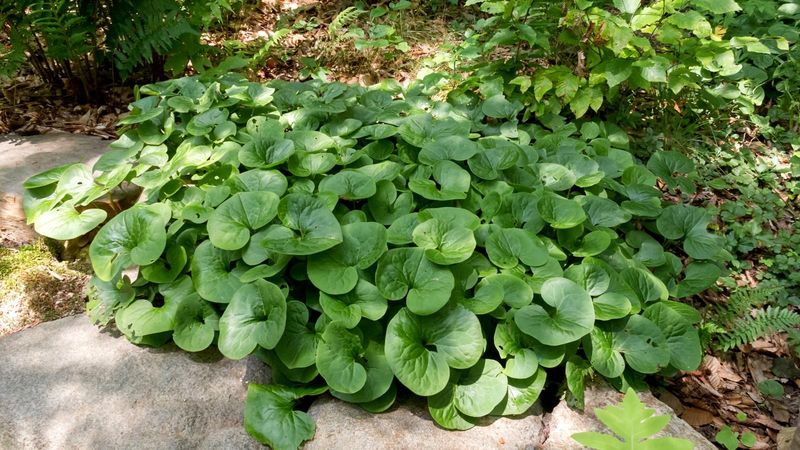
Wild Ginger, or Asarum, is a unique plant known for its heart-shaped leaves and intriguing brown flowers hidden at the base. This perennial thrives in shaded, moist environments, making it a perfect addition to woodland gardens.
Wild Ginger is low-maintenance and forms a dense ground cover that suppresses weeds. Its leaves provide visual interest year-round, adding texture to the garden floor. To keep it thriving, ensure consistent moisture and rich soil.
Wild Ginger is deer-resistant and pairs well with other shade-loving plants, bringing natural beauty and diversity to your landscape.
34. Creeping Jenny (Lysimachia nummularia)
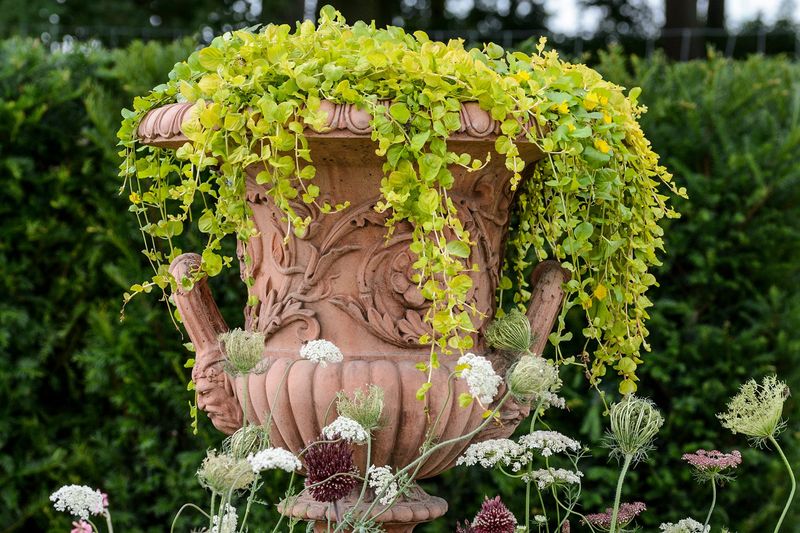
Creeping Jenny, scientifically known as Lysimachia nummularia, is a vibrant ground cover that adds a splash of color with its bright yellow-green foliage. This trailing plant is perfect for draping over the edges of planters or stone walls.
Creeping Jenny thrives in partial shade and prefers moist, well-drained soil. Its rapid growth and spreading nature make it ideal for covering large areas quickly. To maintain its lush appearance, provide regular watering and occasional trimming.
Creeping Jenny is an eye-catching addition to any garden, offering both visual appeal and functionality.
35. Bugleweed (Ajuga reptans)
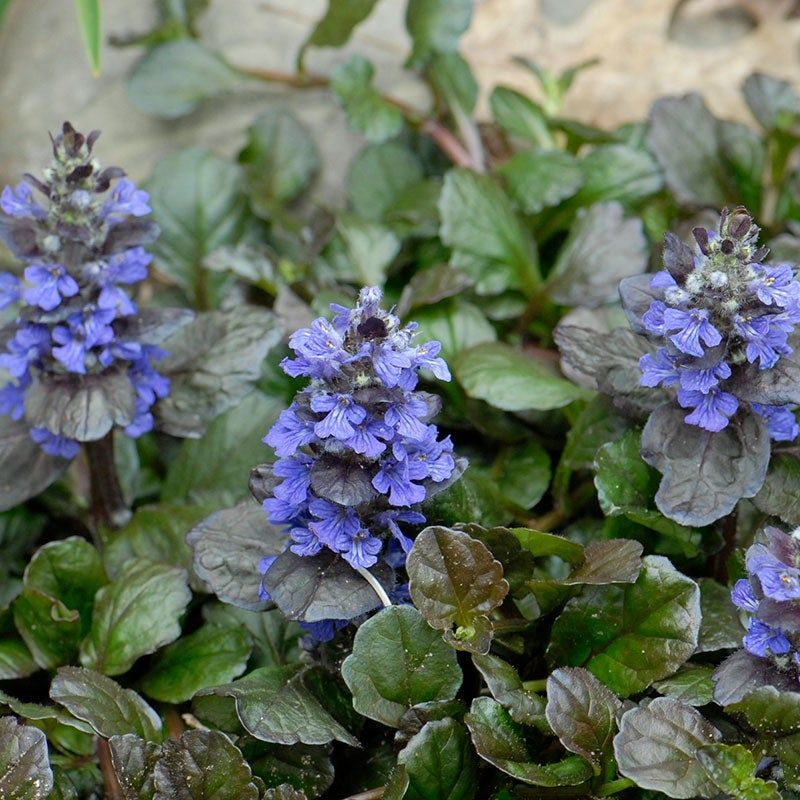
Bugleweed, or Ajuga reptans, is a versatile ground cover known for its glossy leaves and vibrant flower spikes. Blooming in shades of blue and purple, Bugleweed adds a touch of color to shaded gardens.
This plant thrives in well-drained soil and can tolerate various light conditions, though it prefers partial shade. Its spreading nature helps suppress weeds, making it an excellent choice for low-maintenance gardening.
Bugleweed is deer-resistant and requires minimal care. To keep it healthy, provide consistent moisture and divide clumps every few years to promote vigorous growth.