 Complete Gardening
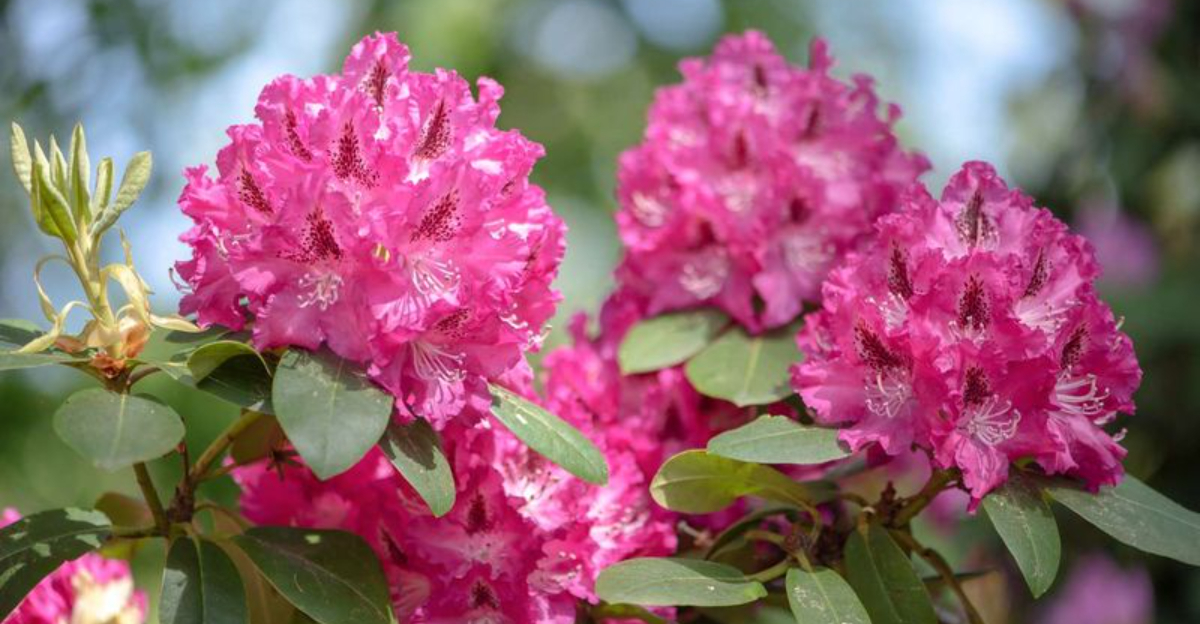
Gardening is a delightful hobby that brings us closer to nature’s beauty. However, not all plants are as harmless as they appear. Some possess hidden dangers that can harm both humans and pets.
This list explores 27 exquisite plants that, despite their allure, should be approached with caution. With vibrant flowers, enticing fragrances, and unique appearances, these plants may seem like perfect additions to any garden.
Yet, their toxic properties can lead to serious health issues if not handled carefully. Whether you’re an experienced gardener or a novice green thumb, knowing these plants could prevent potential disasters.
1. Oleander
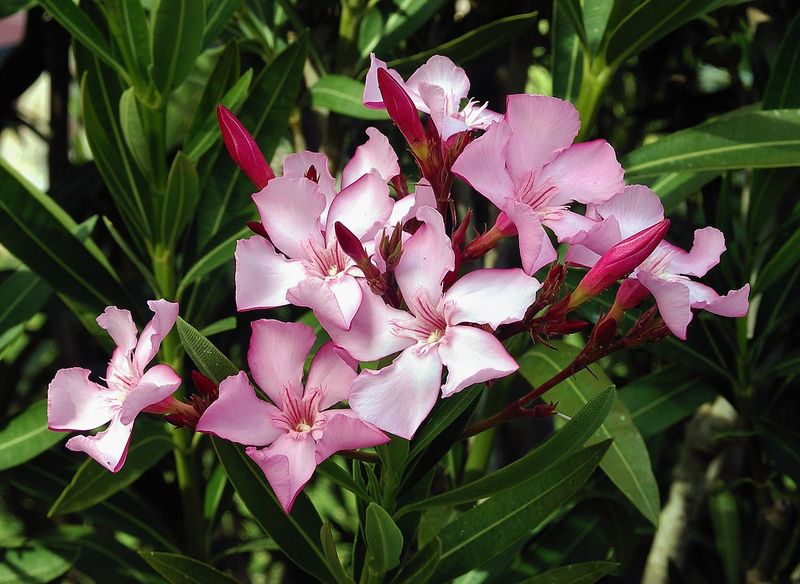
Oleander might captivate with its stunning pink or white blooms. However, every part of this plant is highly toxic. Even inhaling the smoke from burning oleander can be dangerous.
The plant’s toxins can cause nausea, vomiting, and even heart irregularities. It’s best kept out of gardens where pets and children play.
If you’re drawn to oleander’s beauty, consider enjoying it in a controlled environment, like a botanical garden. Handling it requires gloves, and keeping it out of reach ensures safety for all.
2. Foxglove
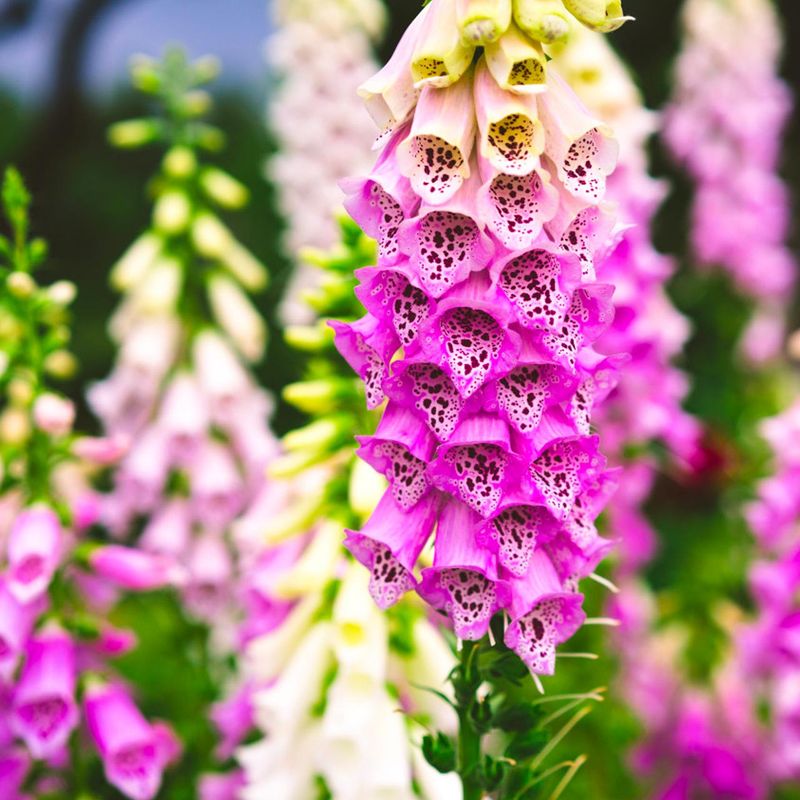
Foxglove stands tall and proud, with its enchanting tubular flowers that bees adore. Despite its elegance, foxglove contains digitalis, a compound used in heart medications.
Ingesting even a small amount can lead to serious heart problems. Gardeners should enjoy its beauty from a safe distance and avoid planting it where curious pets or children roam.
Planting foxglove in raised beds or areas inaccessible to pets ensures safety while maintaining its charm in your garden.
3. Lily of the Valley
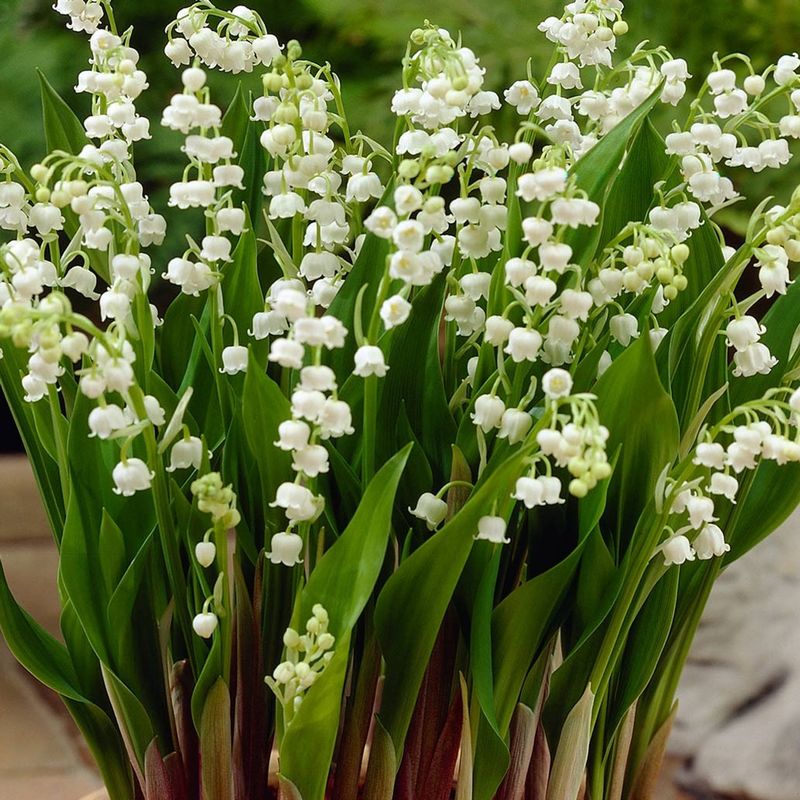
Lily of the Valley exudes a sweet fragrance that can fill a room with its scent. This plant, with its dainty white bell-shaped flowers, is deceptively dangerous. It contains cardiac glycosides, affecting heart function.
Even small amounts can be toxic if ingested. Keep it out of reach of children and pets to avoid any mishaps.
Ideal for shady garden spots, it requires careful placement and regular monitoring.
4. Aconite (Monkshood)
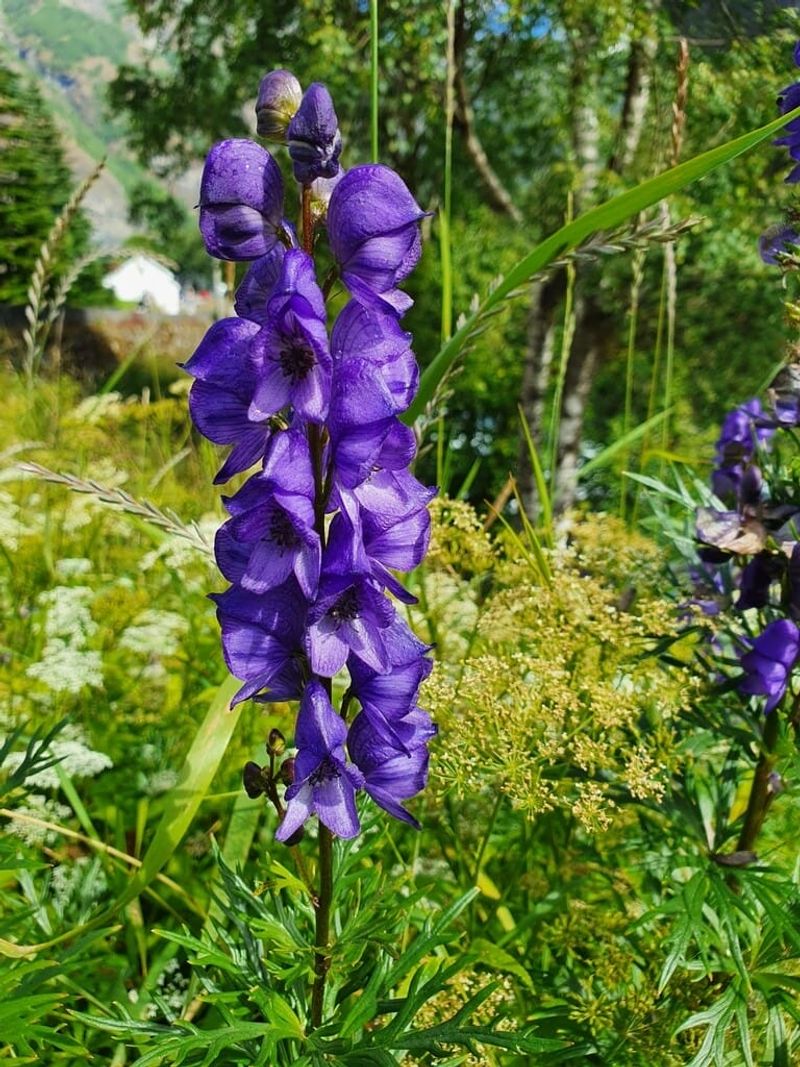
Aconite, known as monkshood, is a striking plant with deep blue blossoms. This beauty masks a dark side, as all parts are extremely toxic. Historically, it was used in poison-tipped arrows.
Contact with skin can cause numbness, while ingestion leads to severe health issues. Aconite demands respect and cautious handling. Wearing gloves when planting or pruning is wise.
Its dramatic blooms are best admired from afar, adding intrigue to any mountainous or controlled garden setting.
5. Castor Bean
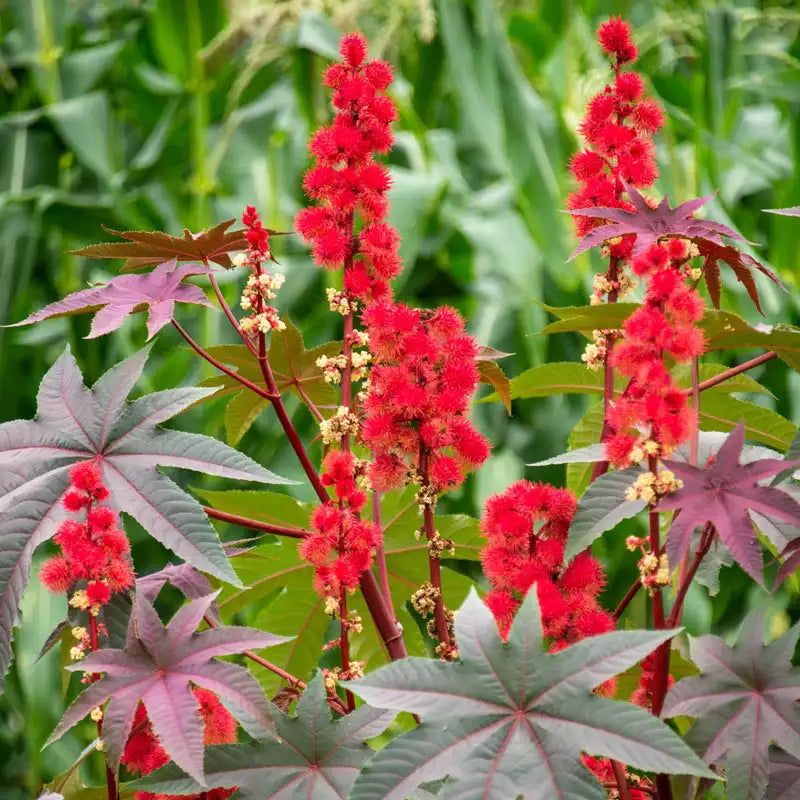
The castor bean plant demands attention with its large green leaves and spiky red seed pods. Despite its ornamental appeal, it holds one of the most potent natural poisons: ricin.
Even a single seed can be lethal if consumed. For this reason, it should be kept from gardens frequented by children and pets.
Handling requires great care, and growing it in isolated areas can mitigate its risks while enjoying its exotic beauty.
6. Belladonna (Deadly Nightshade)
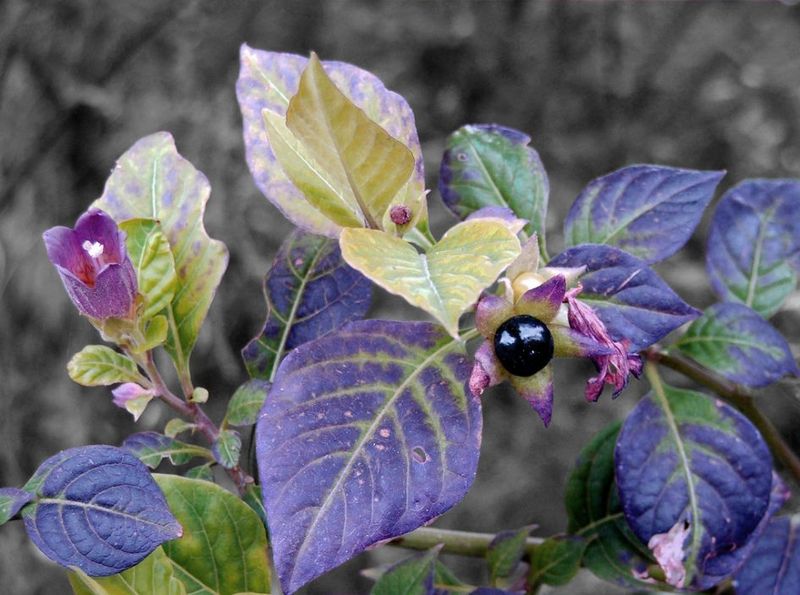
Belladonna, or deadly nightshade, lures with its dark, glossy berries and purple-green foliage. Yet, it hides a dangerous secret. All parts of the plant are toxic, containing tropane alkaloids that can lead to severe poisoning.
Its berries might look inviting but are particularly hazardous. This plant is best admired in the wild, away from inhabited areas.
Belladonna’s historical notoriety and mystical air make it an intriguing yet dangerous garden guest.
7. Datura
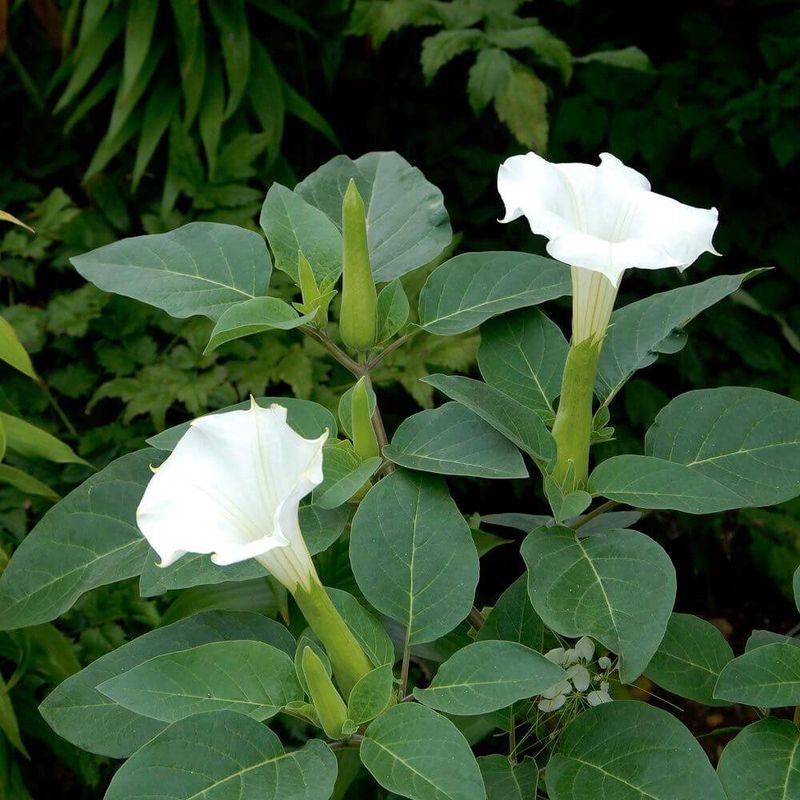
Datura’s large, white trumpet-shaped flowers can captivate any passerby. Its beauty, however, is matched by its toxicity. Known for causing hallucinations and delirium if ingested, it’s a plant that demands respect.
Datura thrives in warm climates, often seen in desert gardens. Cultivating it requires careful consideration of its placement and access.
Appreciate its beauty from a distance, and ensure it remains out of reach of the unwary.
8. Jimsonweed
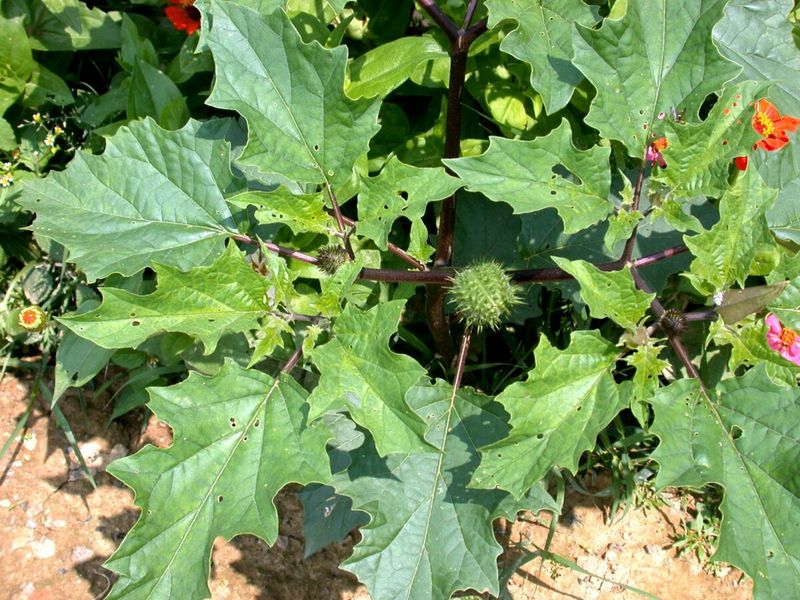
Jimsonweed, with its distinctive white trumpet flowers and spiky seed pods, is an eye-catching plant. Yet, its seeds and leaves contain alkaloids that can cause severe hallucinations and health issues.
Historically, it played roles in various cultural rituals, adding to its mystique. Despite its striking presence, it’s not suitable for gardens near children or pets.
Consider planting jimsonweed only in areas where it can be closely monitored and managed safely.
9. White Snakeroot
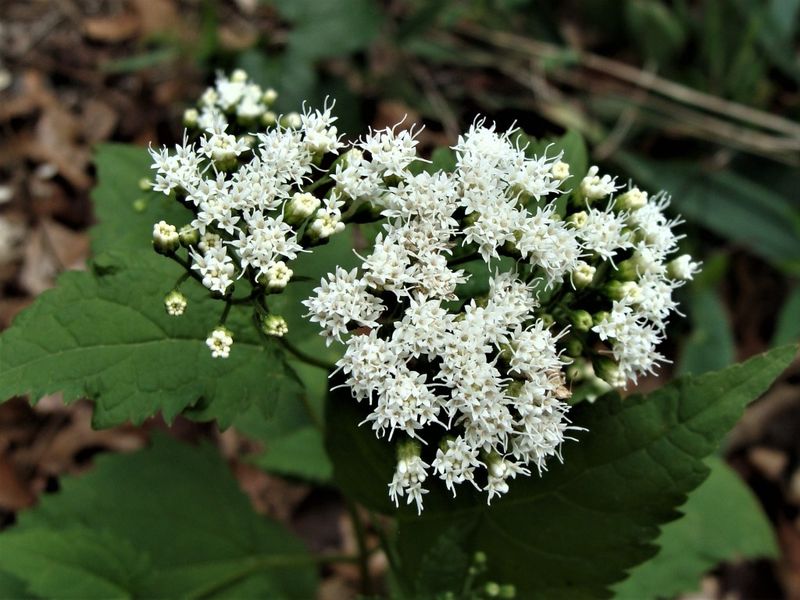
White snakeroot’s clusters of fluffy white flowers hide a dangerous secret. It produces tremetol, a toxin that can cause ‘milk sickness’ if consumed by cattle and passed on through their milk.
This plant can be a hidden danger in pastures and wild gardens. Farmers historically suffered from its effects before identifying the source.
Ensure gardens and grazing areas remain free of white snakeroot to protect both livestock and humans from its hidden hazards.
10. Night-blooming Jasmine
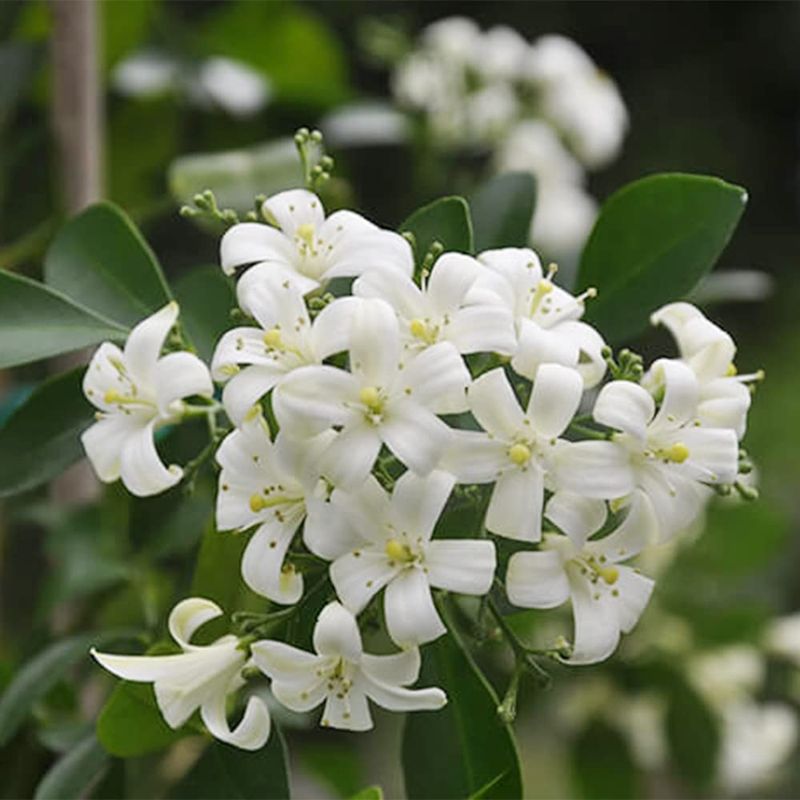
Night-blooming jasmine enchants with its fragrant white blossoms, releasing a potent aroma under the night sky. While it creates a romantic garden atmosphere, inhaling its scent in enclosed spaces can cause respiratory issues.
This plant thrives in tropical climates, where it can spread rapidly if not controlled. Consider its placement carefully to enjoy its night-time allure without risking health.
Its intoxicating scent is best left to open spaces where it can disperse naturally.
11. Hemlock
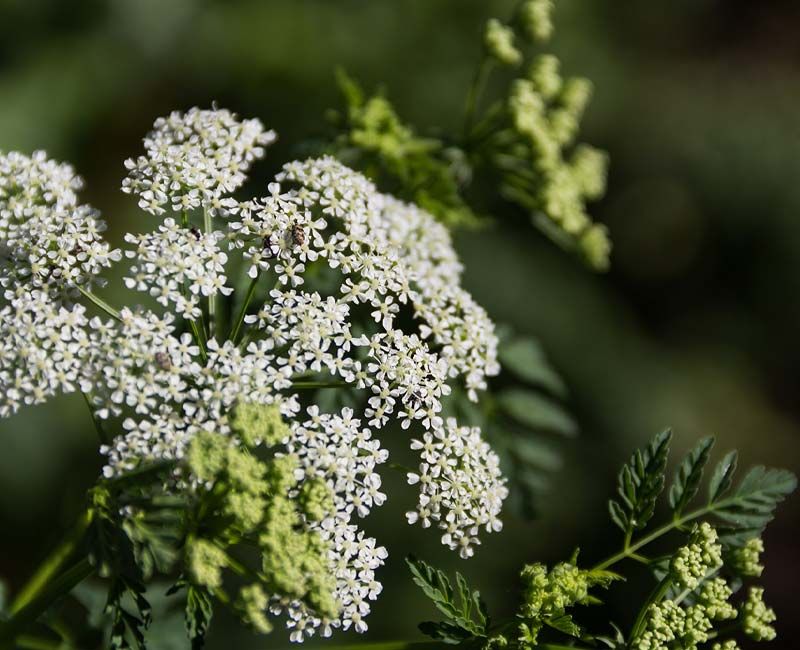
Hemlock is known for its delicate, umbrella-like clusters of white flowers. Despite its graceful appearance, it is highly poisonous. Ingesting any part can be fatal, as it contains coniine, a neurotoxin.
Historically infamous as the execution poison of Socrates, hemlock should be avoided in any garden setting.
Admire its beauty from a distance, preferably in the wild, where it belongs and causes no harm to unsuspecting gardeners or wildlife.
12. Angel’s Trumpet
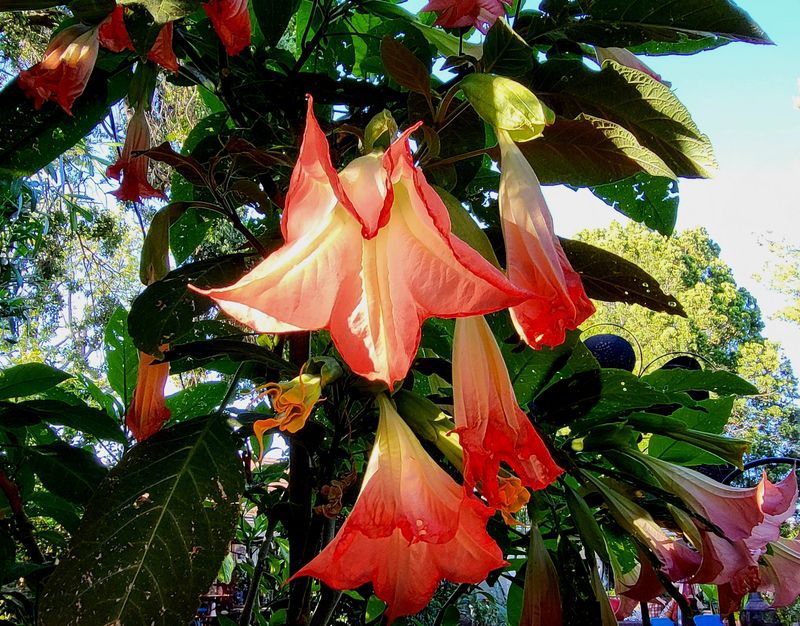
Angel’s trumpet captivates with its large, pendulous flowers that resemble trumpets. Despite its alluring appearance, it contains scopolamine and other alkaloids that can be highly toxic.
Ingesting any part leads to severe symptoms, including hallucinations and paralysis. This tropical plant adds drama to gardens but requires mindful placement and handling.
Enjoy its beauty from a safe distance, and consider restricting access to areas where pets or children play.
13. Rosary Pea
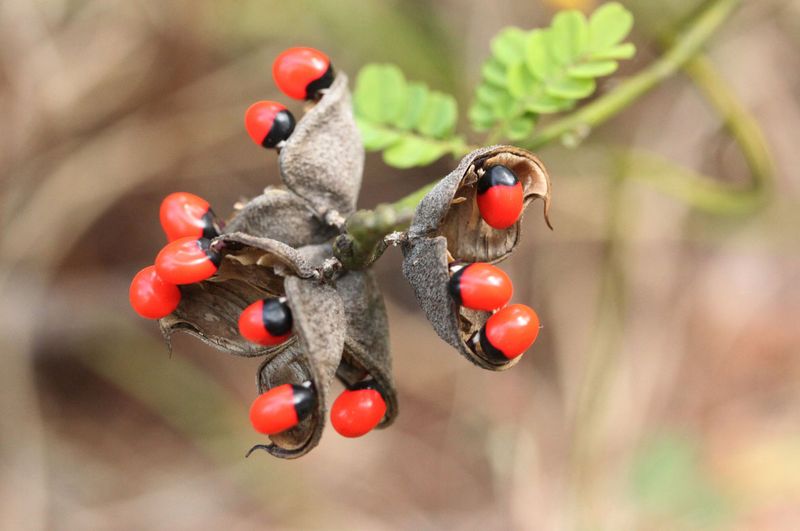
Rosary pea’s vibrant red seeds with distinctive black spots are visually striking but dangerously toxic. They contain abrin, a substance more lethal than ricin.
Even minimal handling can lead to severe symptoms if the seed coat is broken. Despite its use in jewelry, it poses significant risks if ingested.
This plant is best admired in controlled environments where its beauty can be appreciated without danger.
14. Yellow Jessamine
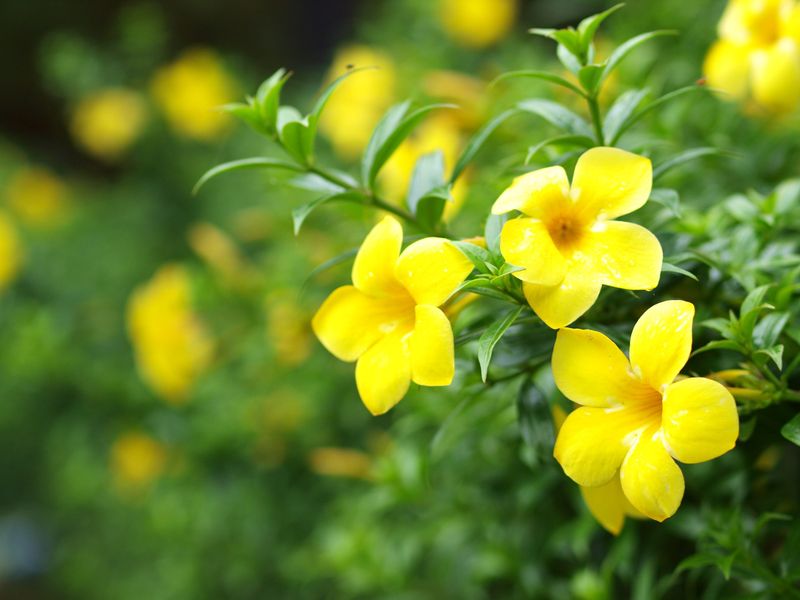
Yellow jessamine’s bright yellow flowers add a splash of sunshine to gardens. However, its sweet fragrance belies its toxicity, as all parts contain toxic alkaloids.
Ingesting the plant can lead to symptoms like nausea and dizziness. It’s essential to position it carefully in gardens, away from areas where children might play.
When managed properly, yellow jessamine can safely add its cheerful blooms to a garden landscape.
15. Rhododendron
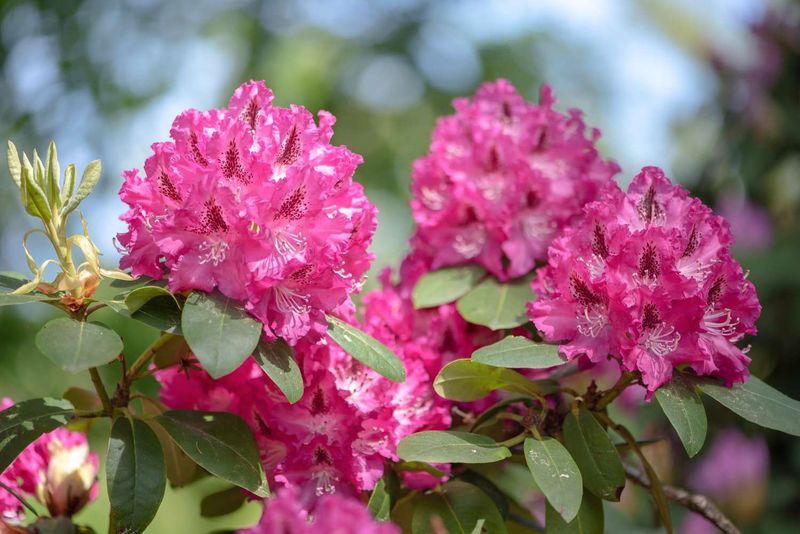
Rhododendrons are prized for their stunning clusters of pink or white blossoms. Yet, they contain grayanotoxins, making them hazardous if ingested.
Symptoms can include nausea and even cardiac issues. This evergreen shrub thrives in cool climates, often seen in woodland gardens.
To enjoy rhododendron safely, consider planting in areas where the risk of accidental ingestion is minimized.
16. Autumn Crocus
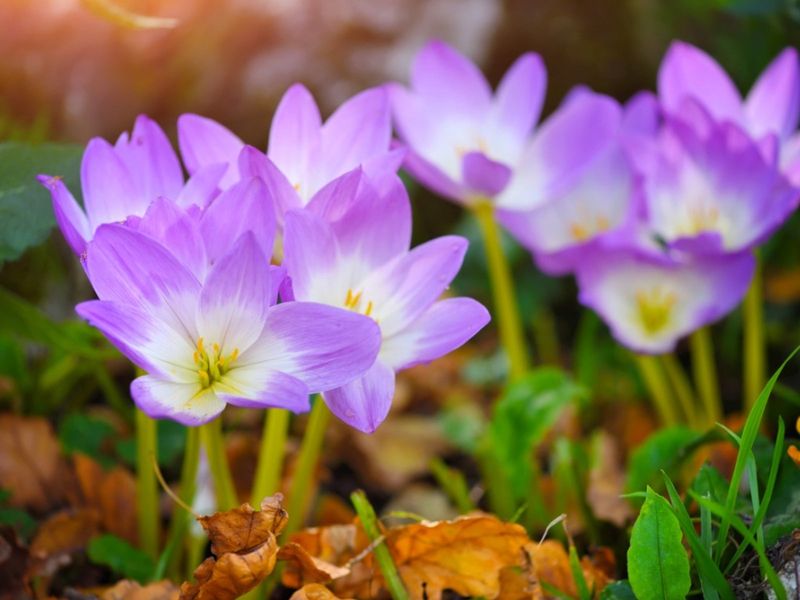
Autumn crocus, with its delicate purple flowers, emerges in the fall, bringing a touch of color to the garden. Despite its beauty, it contains colchicine, a toxic compound.
Ingesting any part can result in severe symptoms, including organ failure. Its resemblance to edible crocuses adds to the risk.
Plant autumn crocus in well-marked areas to prevent accidental ingestion and enjoy its blooms safely.
17. Wisteria
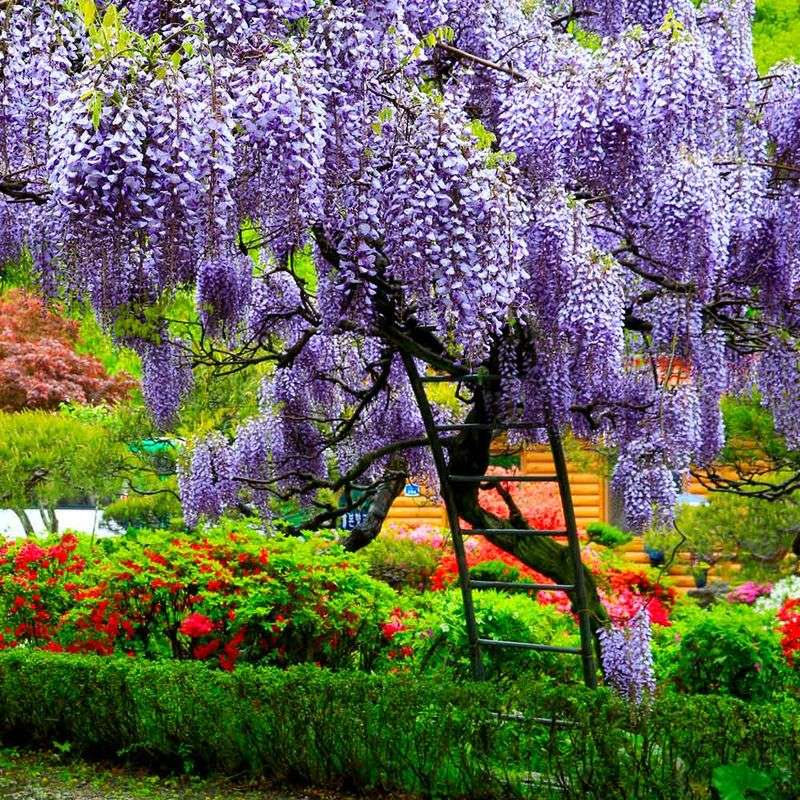
Wisteria’s cascading blooms create an enchanting display in spring gardens. However, its seeds and pods contain toxic compounds that can cause nausea and diarrhea if consumed.
The plant’s climbing nature and rapid growth require regular pruning to keep it in check.
While wisteria is breathtakingly beautiful, it’s essential to plant it where its tempting pods remain out of reach for children and pets.
18. Hydrangea
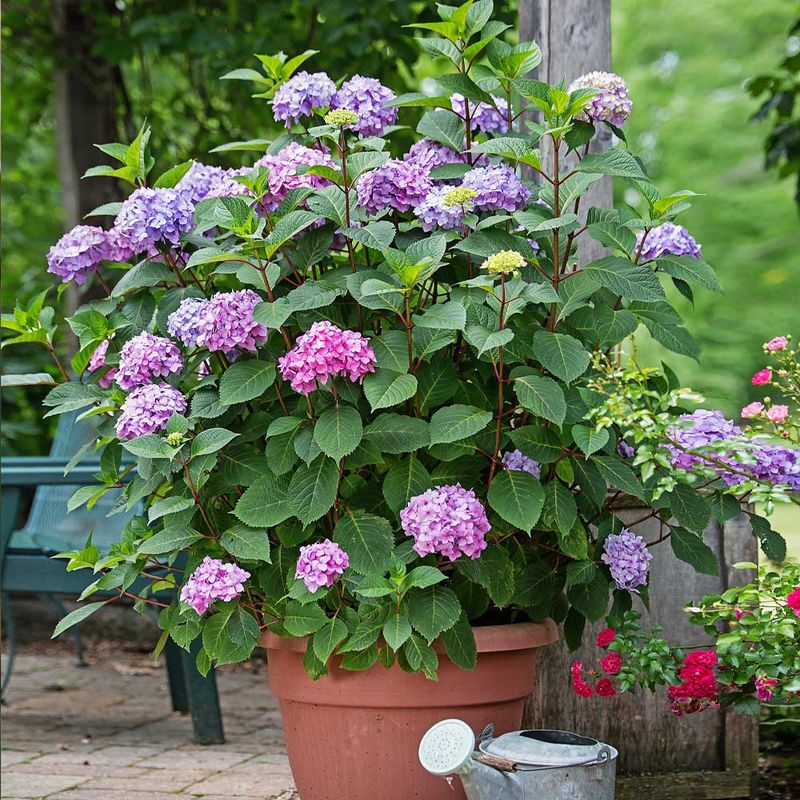
Hydrangeas bring a burst of color with their large flower clusters, ranging from blue to pink. Despite their garden popularity, they contain cyanogenic glycosides, making them toxic if ingested.
Symptoms of ingestion include nausea and vomiting. To enjoy hydrangeas safely, consider planting them where accidental consumption is unlikely.
Their vibrant blooms can be a striking feature when managed with care.
19. Larkspur
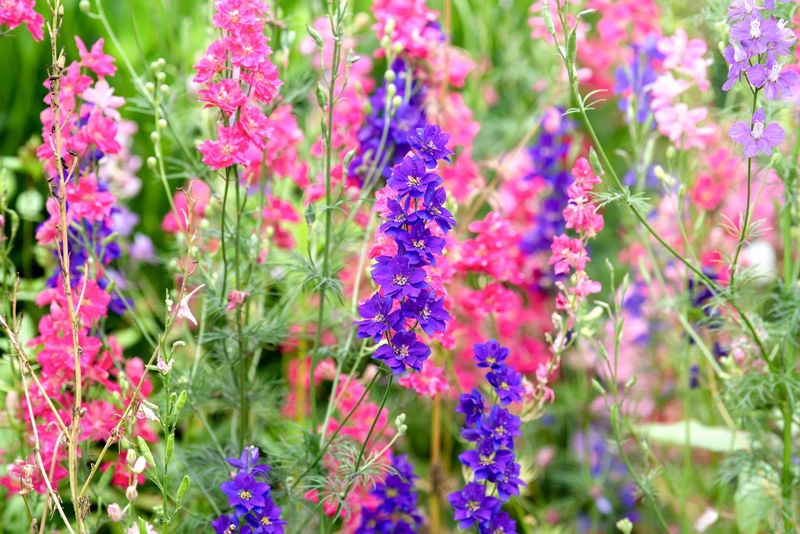
Larkspur’s tall spikes of vivid purple and blue flowers are a sight to behold in spring. However, all parts contain alkaloids that can be fatal if ingested.
This plant can cause serious symptoms, including paralysis. Its beauty is best appreciated from afar, particularly if children or pets frequent the garden.
Planting larkspur in fenced areas provides a safe way to enjoy its vibrant colors without risk.
20. Lantana
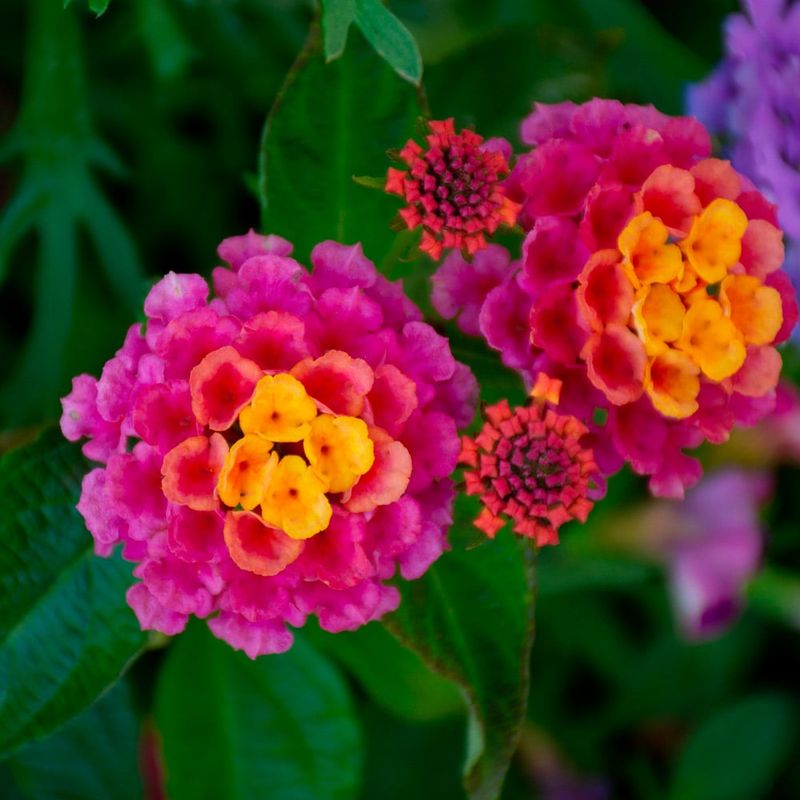
Lantana offers clusters of multicolored blooms that brighten any garden. Despite its ornamental appeal, it contains toxins that can cause liver damage if ingested.
The plant’s berries, in particular, pose a risk to children and pets. Lantana thrives in sunny climates and requires regular maintenance to prevent it from spreading uncontrollably.
With mindful planting, lantana can safely enhance a garden’s beauty.
21. Crown of Thorns
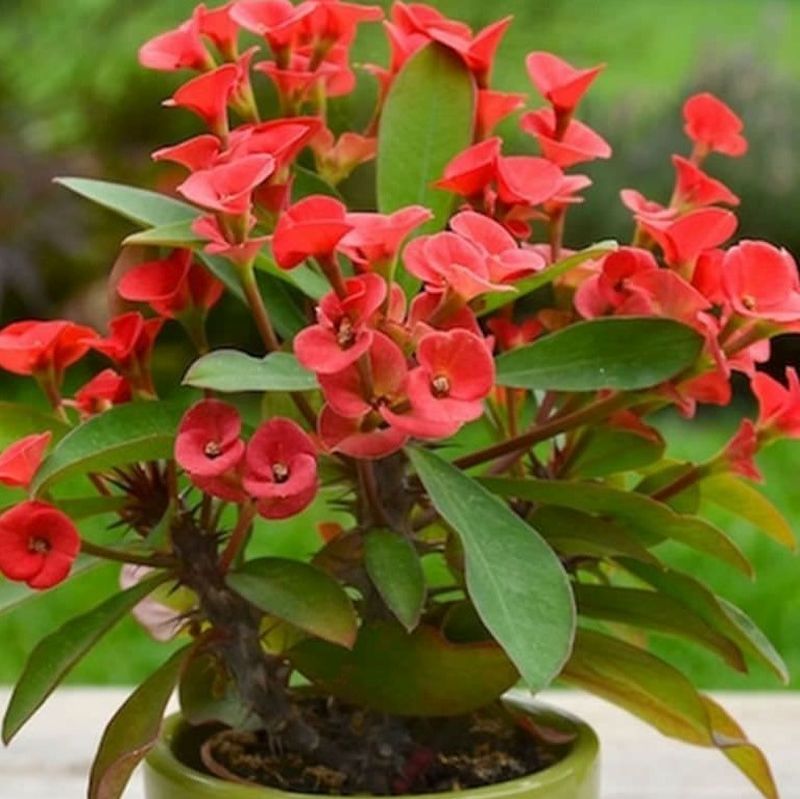
Crown of thorns is admired for its bright red flowers and resilience in arid conditions. Despite its hardy nature, its sap is an irritant, causing skin and eye irritation.
Its thorny stems also pose physical hazards. This succulent thrives in sunny, dry areas, adding vibrant color to desert gardens.
Handle with gloves and plant in areas where accidental contact is minimized to enjoy its unique appearance safely.
22. Morning Glory
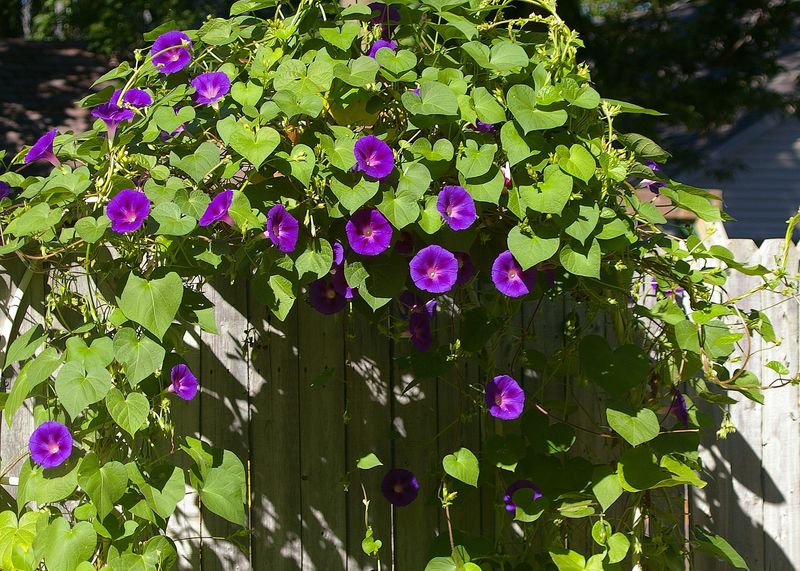
Morning glory’s vibrant blue flowers greet each day with a burst of color. Yet, its seeds contain lysergic acid, a compound that can cause hallucinations if ingested.
While not the most toxic plant, it’s wise to plant morning glory where seeds cannot be easily accessed by children or pets.
This climbing vine is perfect for trellises and fences, offering a safe way to enjoy its cheerful blooms.
23. Laburnum
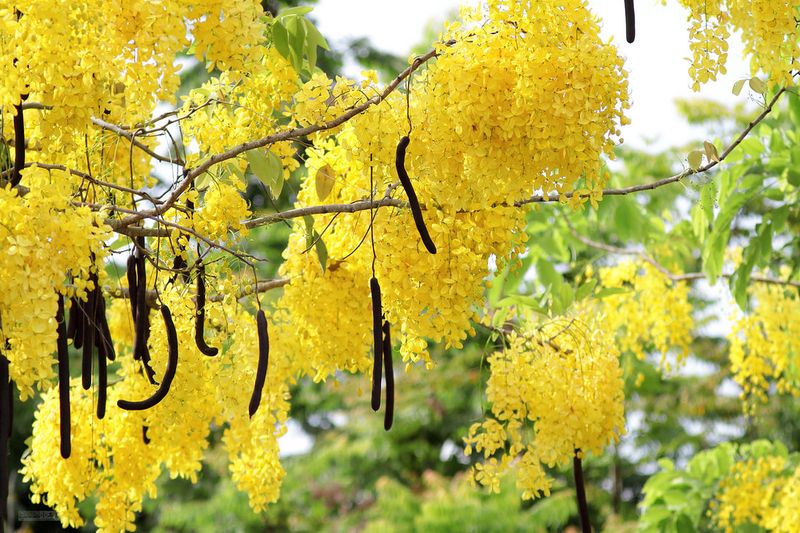
Laburnum, also known as the golden chain tree, dazzles with cascading yellow flowers in spring. Despite its beauty, all parts are toxic, containing cytisine, which can cause severe symptoms if ingested.
Its seeds are particularly hazardous, often mistaken for peas. Plant laburnum away from areas frequented by children to avoid accidental ingestion.
This tree’s elegance adds a sophisticated touch when planted in controlled environments.
24. English Yew
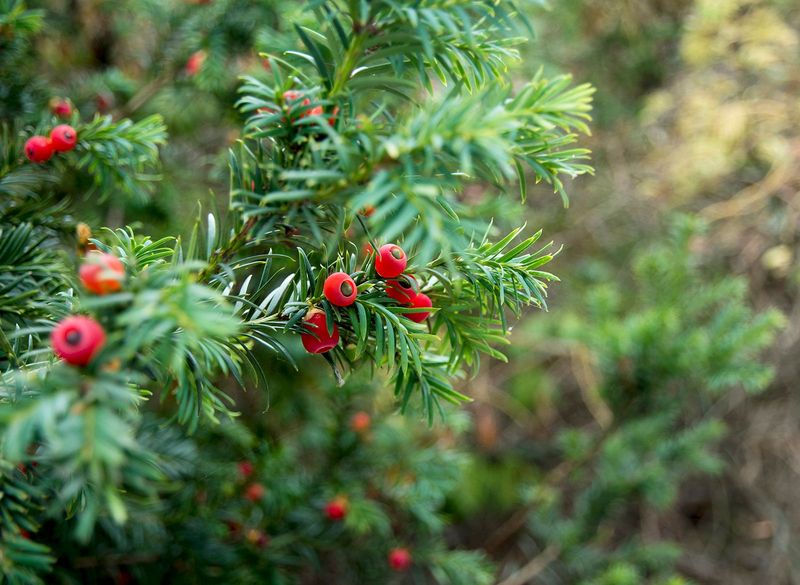
The English yew, with its dark green needles and bright red berries, is both beautiful and lethal. Its toxins, found in all parts except the aril, can cause fatal cardiac arrest.
Ingesting the seeds or leaves is particularly dangerous. Despite its risks, the yew is valued in landscaping for its dense foliage.
Plant in areas where berries and needles are inaccessible to children and pets to enjoy its evergreen beauty safely.
25. Dieffenbachia
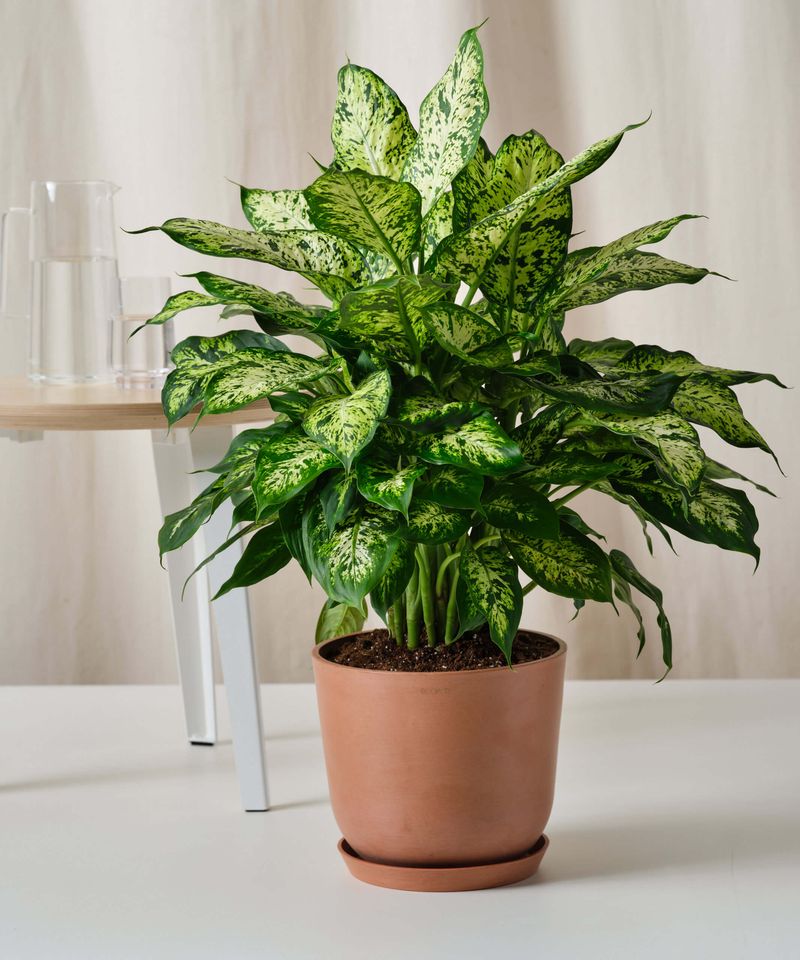
Dieffenbachia, often gracing indoor spaces, is known for its large variegated leaves. While it adds a tropical flair, its sap can cause swelling and irritation if ingested or contacted.
Nicknamed “dumb cane,” it can render speechless anyone who chews its leaves. Keep out of reach in households with curious pets or children.
Its striking appearance makes it a popular choice for decorating interiors with careful placement.
26. Poison Ivy
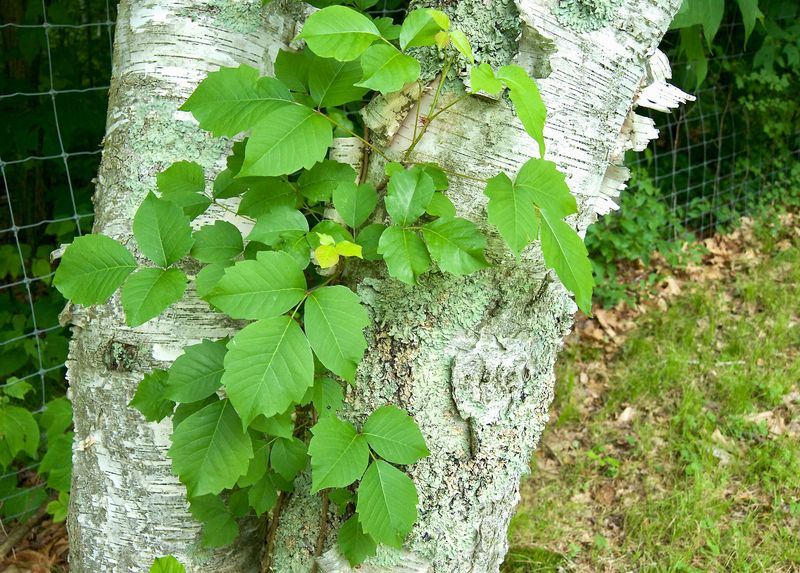
Poison ivy’s glossy leaves might look harmless, but they conceal urushiol, an oily resin causing itching and blisters. Known for its “leaves of three,” it thrives in wooded areas and gardens.
Avoiding contact is crucial, as even indirect exposure can trigger skin reactions. Recognize and steer clear of this plant to prevent discomfort.
Understanding its appearance helps maintain enjoyable outdoor experiences without the itch.
27. Japanese Yew
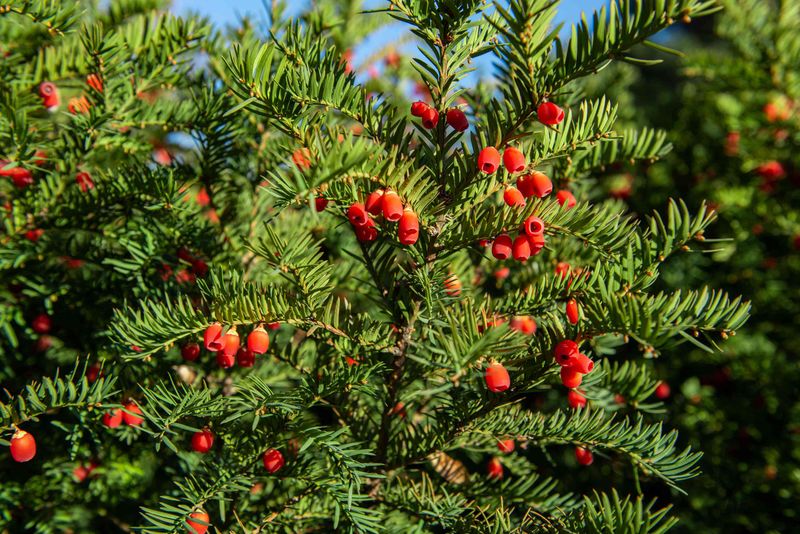
Japanese yew, with its dense green foliage and bright red berries, adds elegance to gardens year-round. However, all parts except the fleshy aril contain toxic alkaloids.
Ingesting seeds or foliage can lead to severe health issues and is often fatal. Ensure it’s planted in areas where access is controlled, especially around children and pets.
Its year-round appeal makes Japanese yew a popular choice for landscaping with mindful placement.