
As April showers bring May flowers, they also usher in a handful of sneaky pests that can wreak havoc on your garden. These pests are often overlooked, but catching them early can save your plants from serious damage.
Here, we’ve rounded up ten cunning critters that might be lurking in your garden this April, along with effective strategies to combat them.
Whether you’re a seasoned gardener or a green-thumb novice, these insights will help you maintain a healthy, thriving garden.
1. Aphids
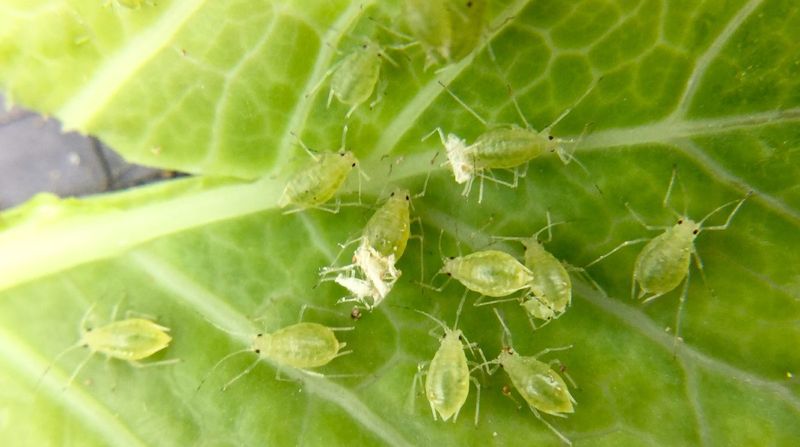
With a penchant for lush, new growth, aphids are the unseen armies of the garden. These minuscule, sap-sucking insects can cluster on tender leaves and stems, rapidly multiplying into a formidable force.
Their presence often leads to curled or yellowing leaves, as they drain the vitality from your plants.
To halt their encroachment, a forceful spray of water can dislodge them, while insecticidal soap offers a more targeted approach.
Enlisting the help of ladybugs, natural aphid predators, can also keep their numbers in check. Early intervention is key to preventing widespread infestation in your garden.
2. Whiteflies
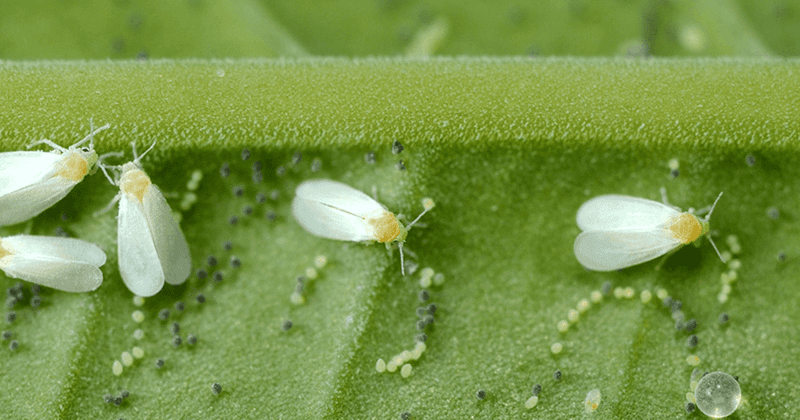
Like little white confetti, whiteflies scatter into the air when disturbed, making them easily recognizable yet surprisingly elusive. These tiny, winged insects congregate on the undersides of leaves, sucking the sap and leaving behind a sticky residue known as honeydew.
Control starts with yellow sticky traps, which lure and capture these pests. Insecticidal soap is another effective line of defense, targeting the insects at various stages of their lifecycle.
Keeping the garden tidy and regularly monitoring plant health can prevent whitefly populations from spiraling out of control.
3. Spider Mites
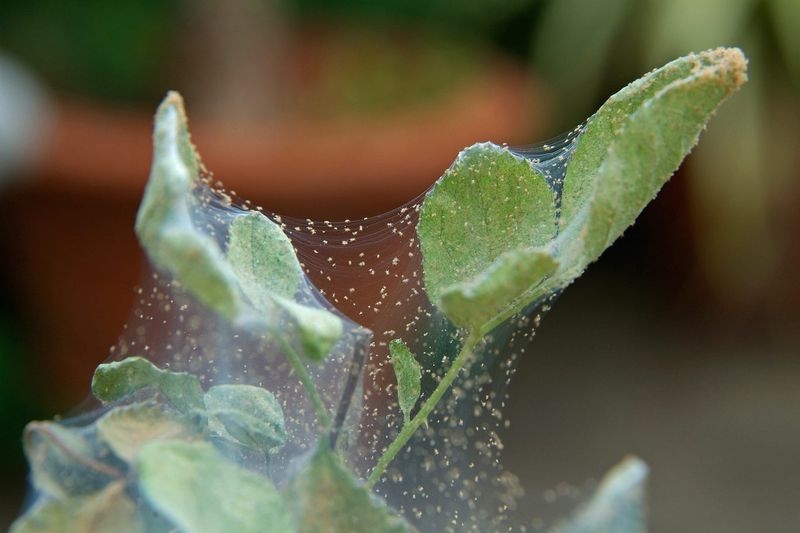
Although barely visible to the naked eye, spider mites make their presence known through the telltale stippling and fine webbing on leaves. These arachnids suck the life from plants, turning lush greenery into a pale shadow of its former self.
Maintaining humidity and ensuring plants are well-watered can deter these pests, as they thrive in dry conditions.
Neem oil or insecticidal soap can serve as powerful allies in the battle against infestation. Regular checks help catch them early, preventing the damage from escalating.
4. Slugs & Snails
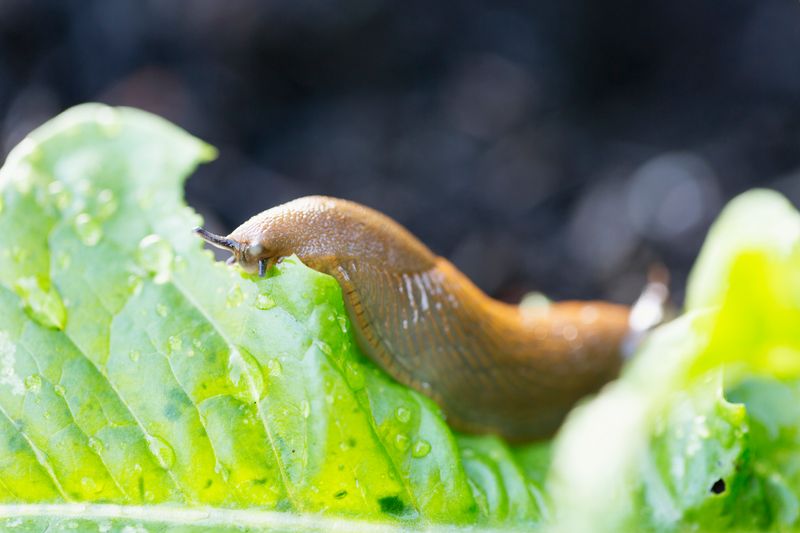
Under the cloak of darkness, slugs and snails conduct their nocturnal feasts, leaving behind telltale holes in leaves and silvery trails. These mollusks are particularly fond of tender seedlings, making young plants their prime target.
Combatting them involves a mix of deterrents and handpicking. Copper tape creates an unpleasant barrier, while beer traps lure them in for an unsuspecting end.
For those with the stomach for it, venturing into the garden at dusk with a watchful eye can effectively reduce their numbers.
5. Thrips
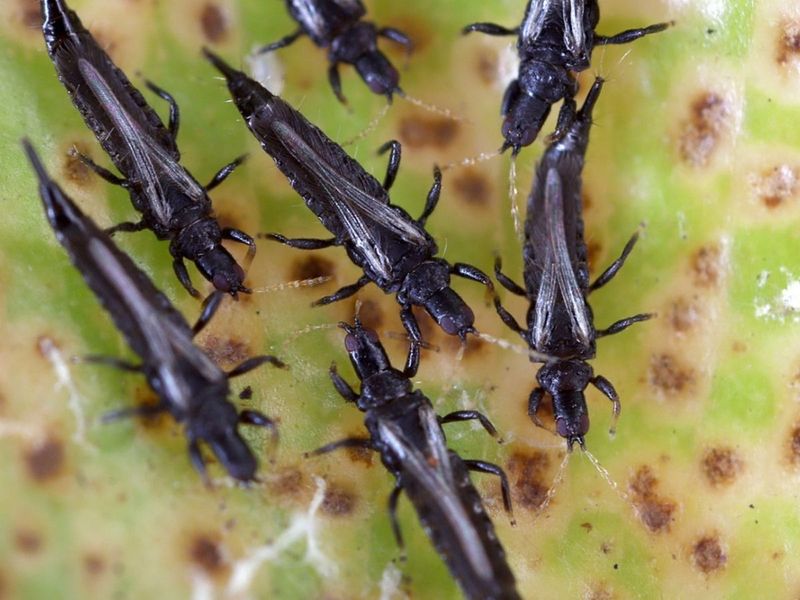
Thrips are stealthy saboteurs, scraping away at leaves and petals with their slender bodies, leaving behind a trail of disfigured plant tissue. Their damage often goes unnoticed until it’s too late, turning vibrant blooms into a mottled mess.
Insecticidal soap remains a trusted ally in managing their numbers, but introducing natural predators like predatory mites can also provide a balanced approach. Regular inspections and maintaining plant health can prevent thrips from gaining a foothold.
6. Scale Insects
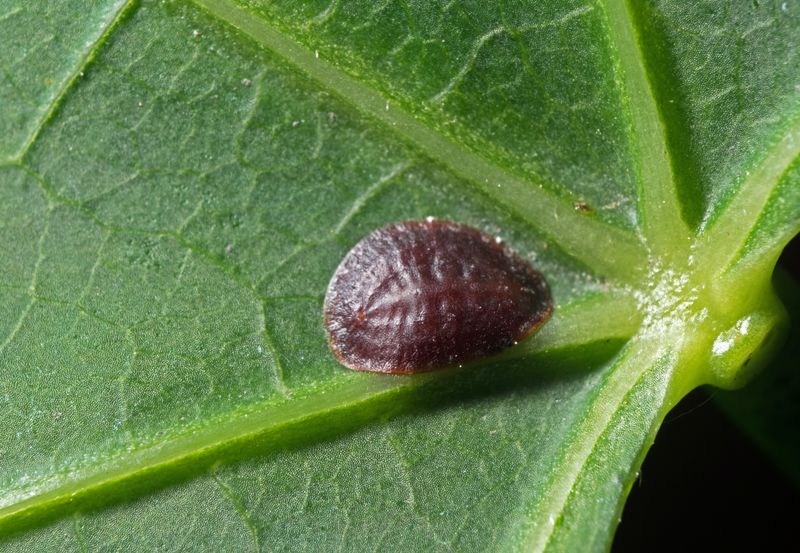
Scale insects are masters of disguise, blending seamlessly into the plant’s architecture. These armored pests attach themselves to stems and leaves, siphoning off the plant’s nutrients and weakening its vitality.
Pruning heavily infested branches and applying horticultural oil can suffocate these unassuming invaders. Vigilance is crucial, as scales can quickly spread if left unchecked. Routine plant inspections can catch these pests early, preserving the health and beauty of your garden.
7. Cabbage Worms

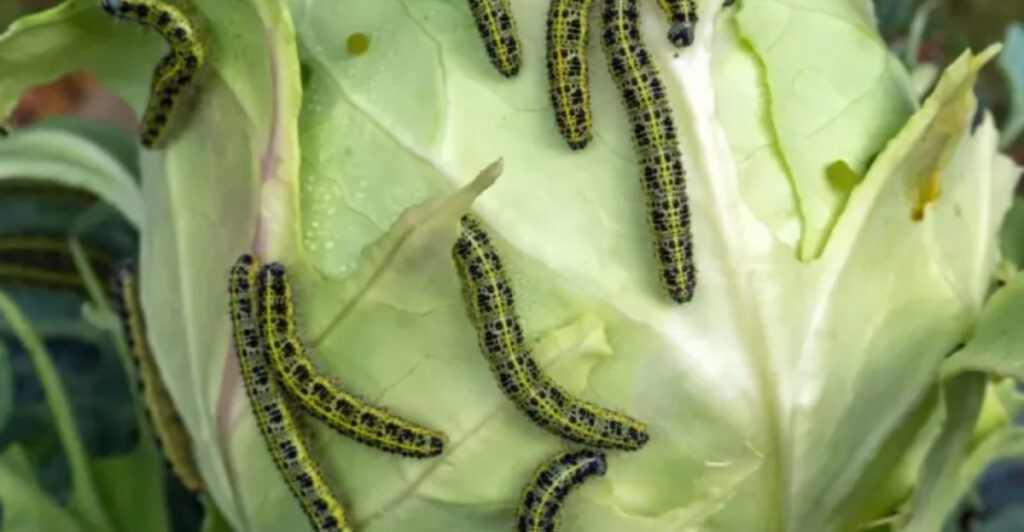
Cabbage worms are the stealthy destroyers of leafy greens, voraciously chewing through foliage and leaving gardens in tatters. These green larvae can be hard to spot, often blending in with their surroundings.
To thwart their advances, row covers can serve as physical barriers, preventing adult moths from laying eggs.
Bacillus thuringiensis (Bt), a naturally occurring bacterium, offers an effective biological control, targeting larvae without harming beneficial insects. Swift action is vital to maintaining healthy crops.
8. Cutworms
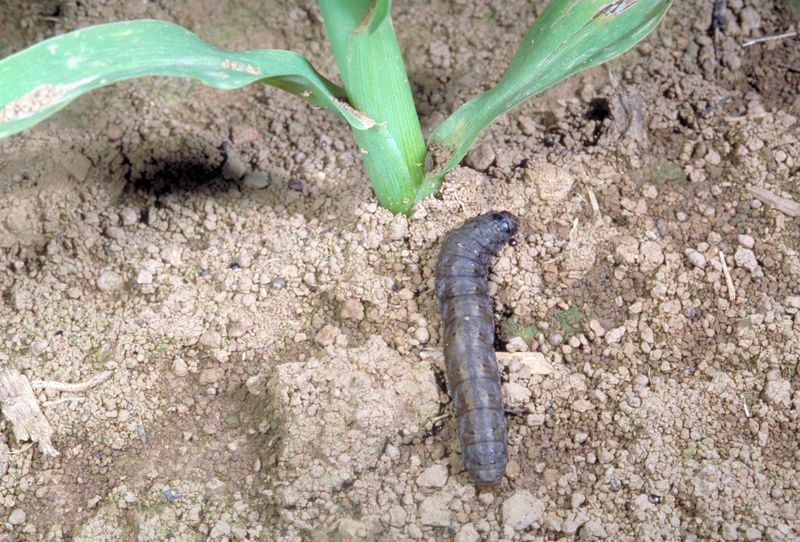
Operating under the cover of night, cutworms sever seedlings at the soil line, toppling young plants before they can take root. These stealthy larvae are a gardener’s nemesis, capable of devastating entire rows in a single night.
Protecting seedlings with collars or sprinkling diatomaceous earth around the base can deter their cutting spree.
Keeping the garden tidy and free of debris removes potential hiding spots, reducing their numbers. Early evening checks can help spot and remove these nocturnal marauders.
9. Fungus Gnats
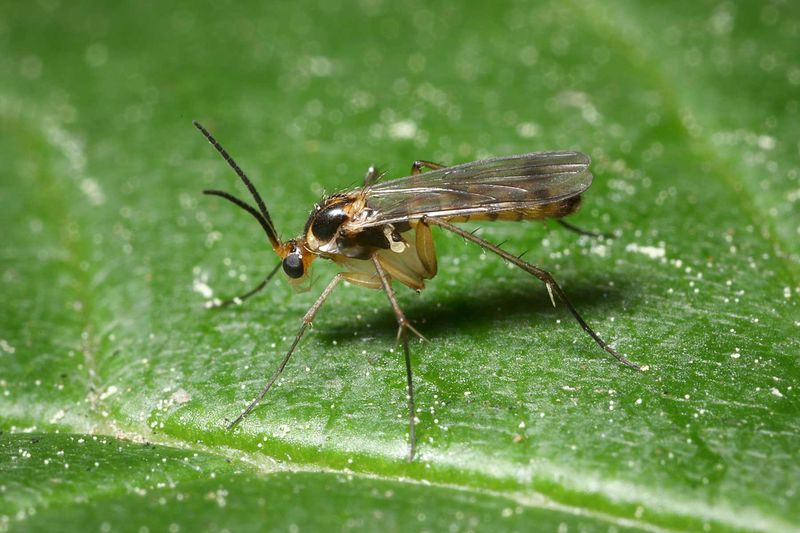
Fungus gnats are the pesky flies that flit around houseplants, drawn to the moisture of overwatered pots. While adults are more of a nuisance, their larvae can damage roots, stunting plant growth.
Allowing the soil to dry out between waterings is a simple yet effective strategy to disrupt their lifecycle.
Sticky traps can capture adult flies, preventing them from laying eggs. Monitoring soil moisture and practicing good watering habits can keep these tiny invaders at bay.
10. Bagworms
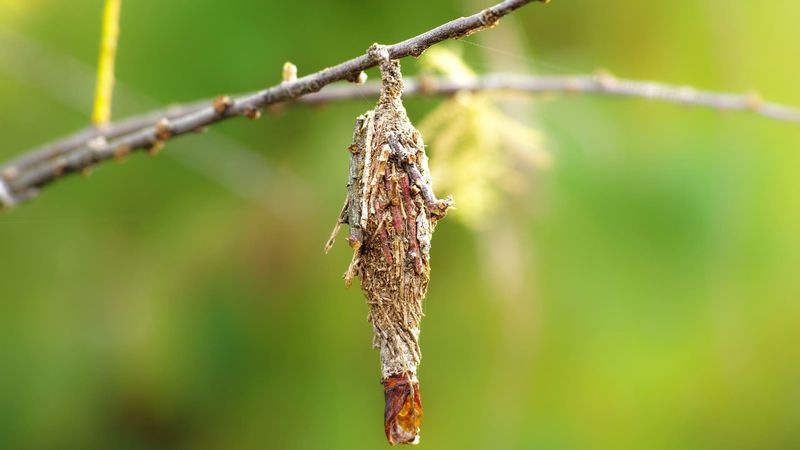
Bagworms are the master architects of destruction, wrapping themselves in silk and debris as they feast on plant foliage. These caterpillars can defoliate trees and shrubs, leaving landscapes looking barren.
Manual removal of egg cases is a proactive step in curbing their numbers. For larger infestations, Bacillus thuringiensis (Bt) proves effective during early larval stages.
Regular monitoring and early intervention can prevent significant defoliation, keeping trees lush and healthy.