 Complete Gardening
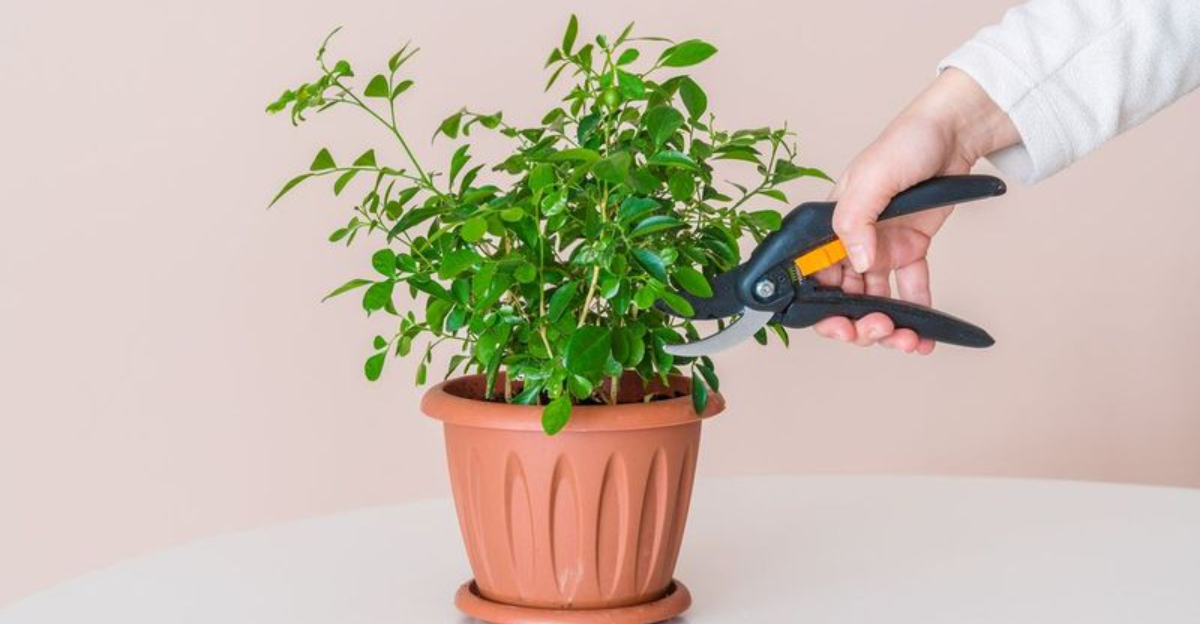
Spring is a time of renewal and growth, but not all pruning tasks are suitable for this season. Knowing which jobs to avoid and which ones are beneficial can make a world of difference for your garden.
This guide outlines 10 tasks to steer clear of and 10 that can help your plants thrive.
1. Pruning Spring-Blooming Shrubs Early
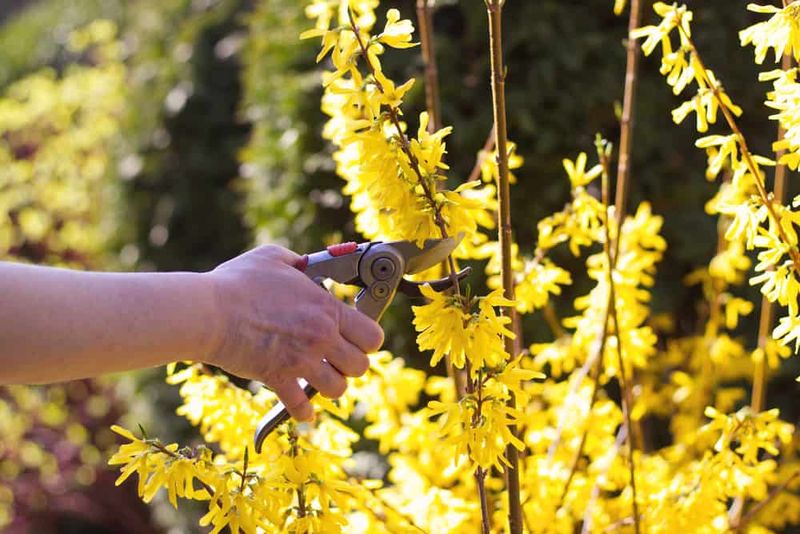
Imagine eagerly shaping your spring garden, only to find it lacks the vibrant blooms you anticipated. Pruning spring-blooming shrubs like azaleas, forsythias, or rhododendrons early can result in just that.
These plants set their blooms on old wood, meaning last year’s growth. Cutting them before they flower can strip away the very buds you look forward to enjoying. Instead, let them dazzle in full bloom before considering any pruning.
Patience now means a garden bursting with color later. So put away the shears and let nature take its course for a while longer.
2. Heavy Pruning of Newly Sprouted Growth
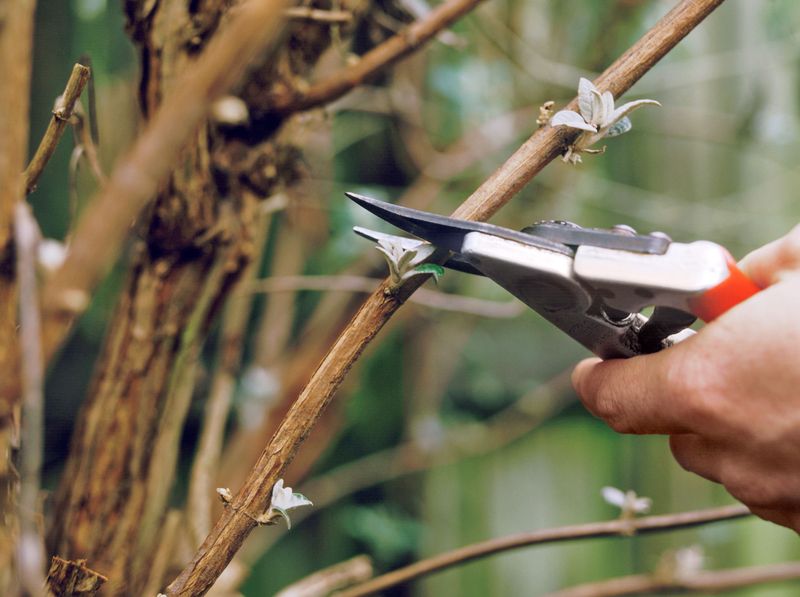
New growth in spring is akin to a newborn—delicate and needing time to establish. Heavy pruning of these tender shoots can be detrimental.
These fresh sprouts are the plant’s new energy sources, and cutting them back too soon can inhibit their ability to thrive. Instead, allow them to mature, providing strength and structure to the plant.
Stepping back from heavy pruning now ensures robust and resilient growth in the coming months. It’s about nurturing rather than hindering. Give them a chance to flourish and see how they transform your garden’s landscape.
3. Pruning Dormant Buds on Flowering Plants
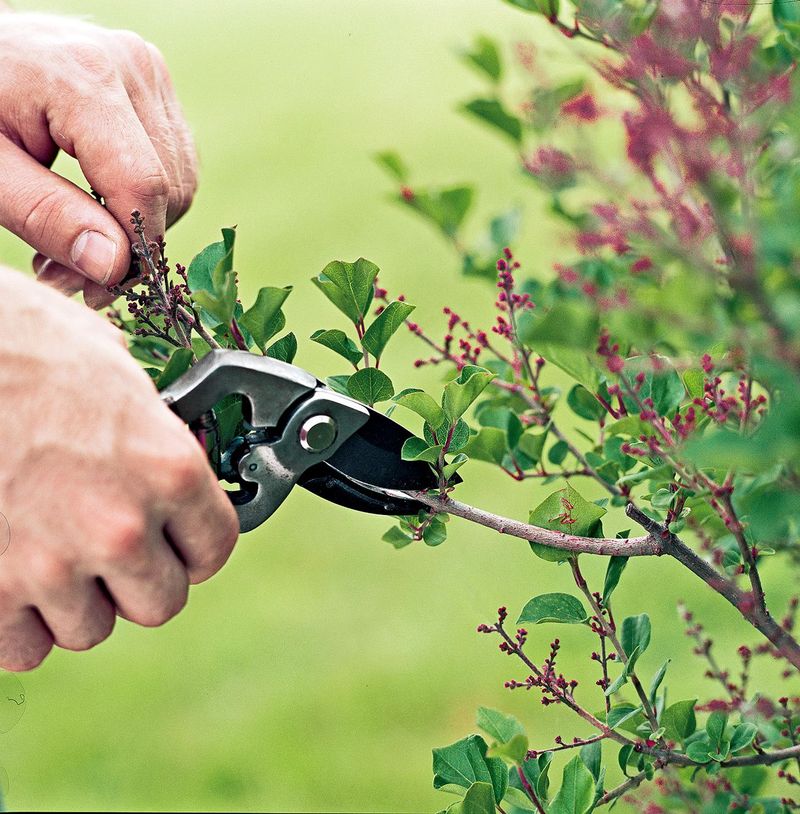
Flowering plants are the jewels of any garden, and their buds are precious treasures. Pruning dormant buds in spring can drastically reduce the floral display, as these are the very buds that hold the promise of blooms.
By cutting them, you might be cutting away a season’s worth of beauty. Allow these buds to awaken and unfurl naturally. Appreciate the anticipation of their bloom, and let them reward you with a vibrant display.
Once they’ve had their moment, consider trimming if necessary. Until then, let the buds remain undisturbed and full of potential.
4. Topping or Severe Crown Reduction of Trees
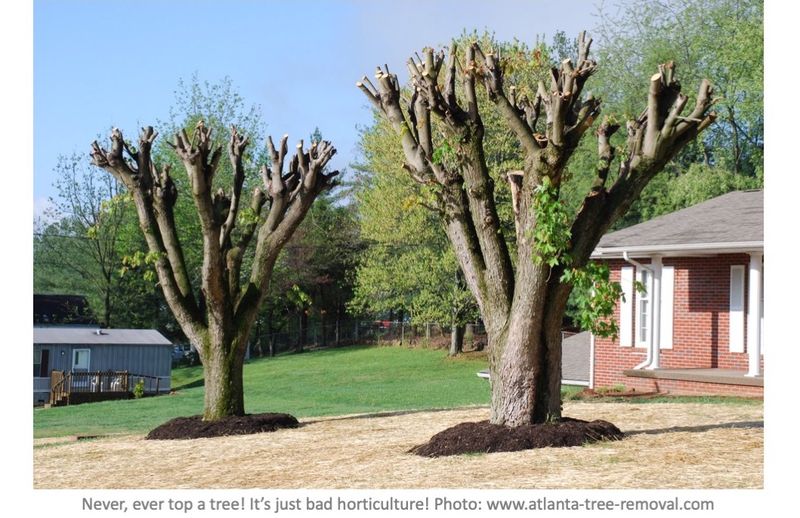
Trees stand tall as the guardians of your garden. Topping or severe crown reduction in spring can be severe, causing stress and promoting weak regrowth. This drastic trimming interrupts the tree’s natural balance and can lead to disease or decay.
Trees need their crowns to produce energy through photosynthesis, so cutting them back can weaken their overall health.
Allow them to maintain their natural form and only prune for health or safety reasons when necessary. Appreciate these majestic garden sentinels and let them thrive with their full crowns intact.
5. Cutting Back Evergreens Abruptly
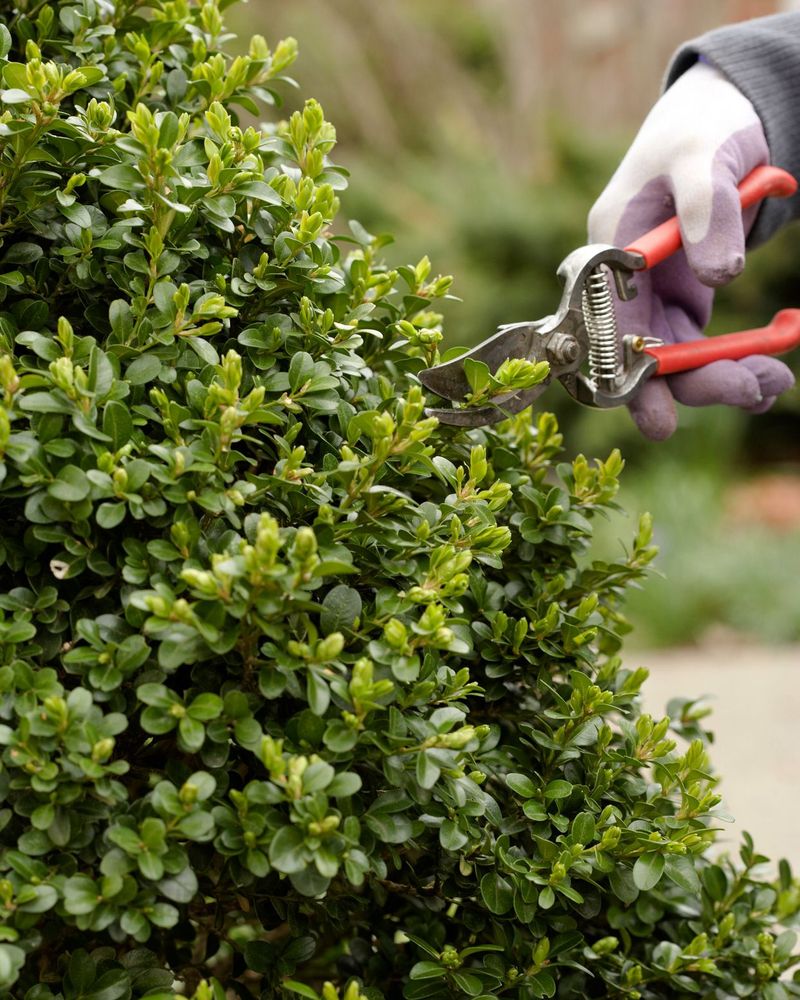
Evergreens are the reliable stalwarts of the garden, providing year-round greenery. Cutting them back abruptly in spring can damage their delicate new growth. This harsh pruning can disrupt their shape and leave them vulnerable to pests and diseases.
Let them grow naturally during this season, embracing their form and vitality. Once the growth is more established, you can shape them gently if needed.
The key is gradual and mindful care that respects their growth cycles. Evergreens thrive when their growth is nurtured, not interrupted, ensuring they remain the garden’s evergreen heroes.
6. Pruning During a Cold Snap or Frost
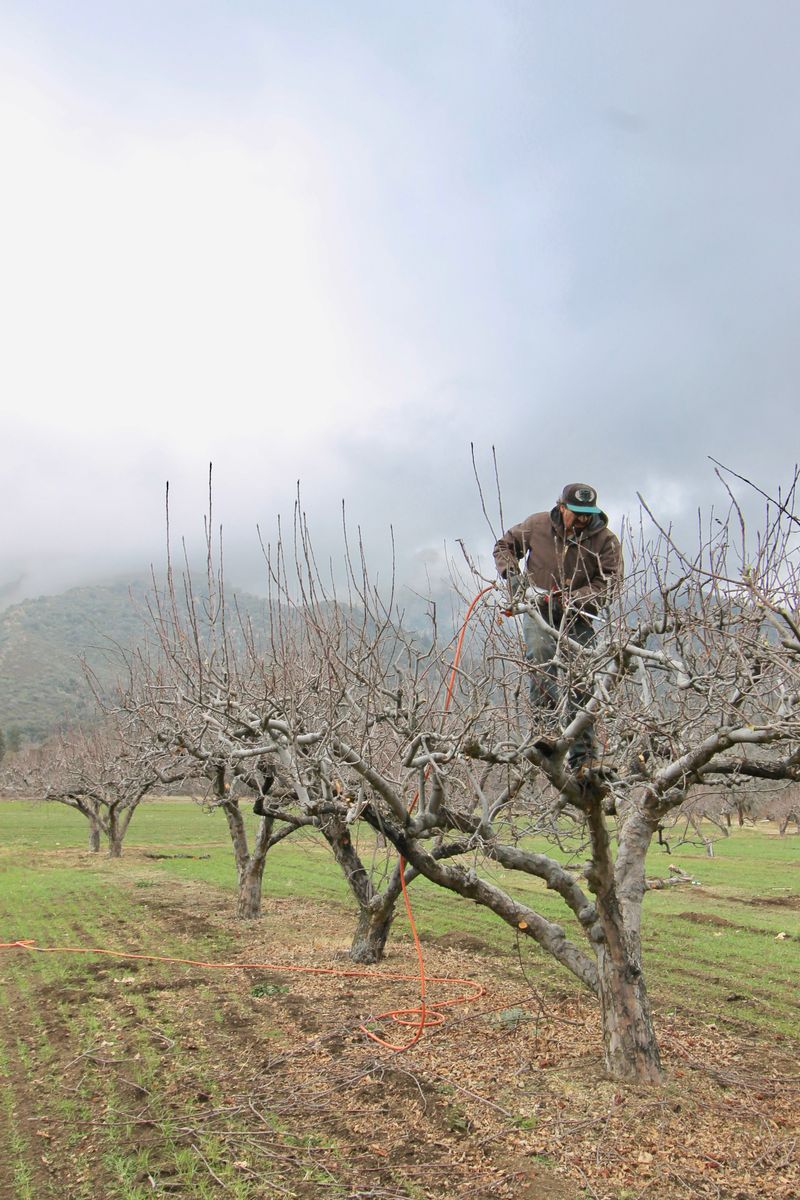
Cold snaps and frost are nature’s way of hitting the pause button in your garden. Pruning during these times can harm tender tissues and buds, leading to damage that might not be repairable.
The cold can cause cuts to dry out or even kill parts of the plant. Instead, wait for milder weather when the threat of frost has passed, ensuring wounds heal properly.
Your patience will be rewarded with healthier plants come spring. Let the garden rest during these chilly spells and prepare for a season of vibrant growth when warmth returns.
7. Removing Water Sprouts Excessively
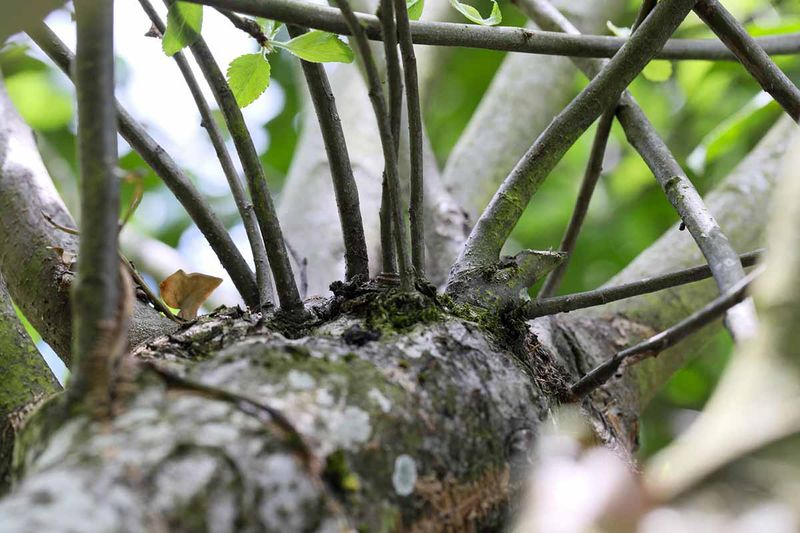
Water sprouts are those vigorous vertical shoots that appear on trees, often seen as nuisances. However, removing them all in early spring can stress the tree’s energy reserves. These sprouts can be indicators of imbalance or stress.
Instead of a full removal, consider a selective approach. Trim only those that hinder the tree’s overall shape or health.
By allowing some to remain, you support the tree’s recovery and energy management. Think of it as a balancing act, ensuring that the tree can thrive without overwhelming or unnecessary pruning.
8. Pruning Fruit Trees Too Early
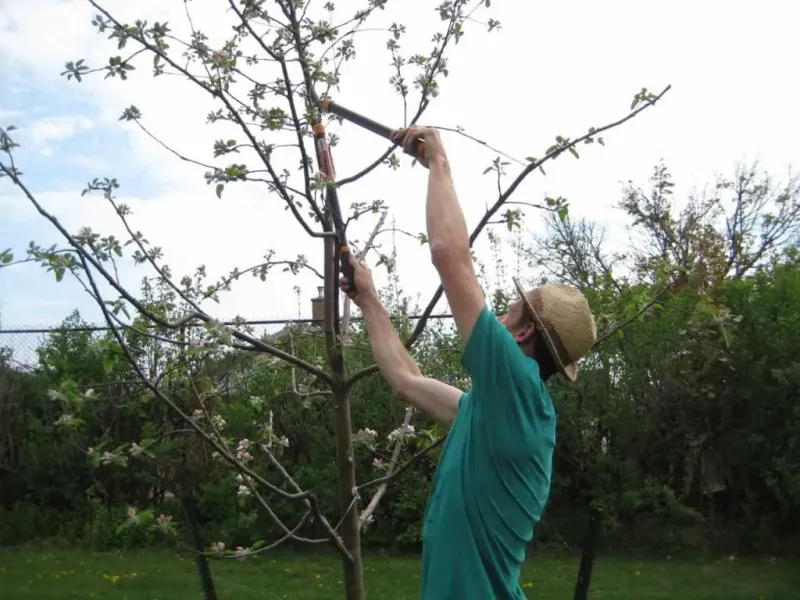
Fruit trees promise bountiful harvests, but pruning too early in spring can jeopardize this reward. Removing buds or branches before winter dormancy is truly over may reduce fruit yield.
These trees need time to transition from dormancy to active growth, setting buds for delicious fruits. Wait until they show signs of life, like swelling buds, before considering pruning. This ensures that you don’t cut away potential fruit.
Patience pays off with a healthy, productive tree that rewards your restraint with a plentiful harvest when the season is right.
9. Pruning Conifers with Newly Emerged Needles
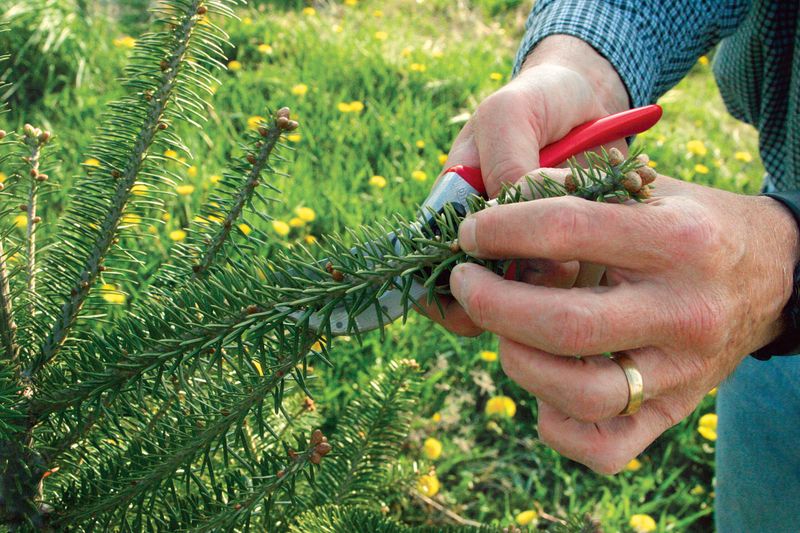
Conifers are the stately evergreens of the garden, and their newly emerged needles are a sight of fresh vitality. Pruning them in this tender stage can result in irreversible loss and damage.
These needles are essential for the tree’s photosynthesis and energy production. Instead, allow conifers to complete their growth cycle, ensuring their health and vigor. If pruning is necessary, wait until the needles mature and harden.
practice respects their growth and preserves their majestic appearance. Cherish the beauty of your conifers by allowing nature to take its delightful course.
10. Over-Pruning Indoor/Container Plants Exposed to Cooler Conditions
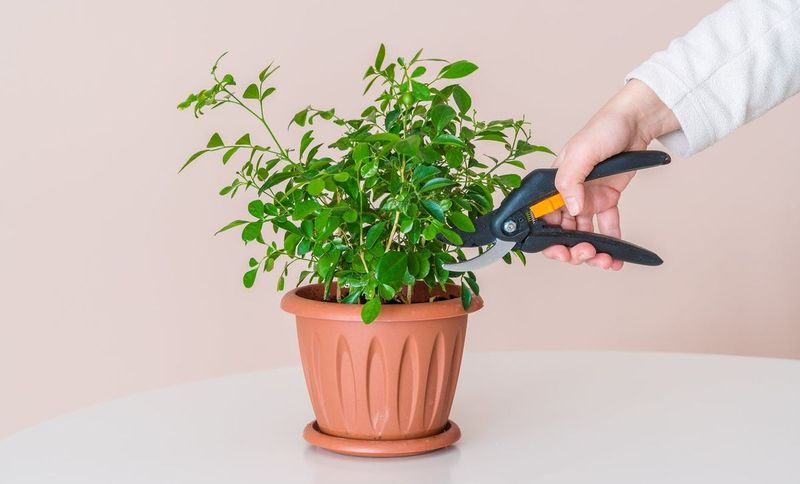
Indoor or container plants often face unique challenges, especially when exposed to cooler spring conditions. Over-pruning can lead to shock and weakened growth. These plants need time to adjust to temperature fluctuations.
Instead of heavy cutting, focus on light trims that tidy up without distressing the plant. Ensure they receive adequate light and warmth, supporting their transition into the active growing season.
By providing gentle care, you’ll see these plants flourish, adding greenery and life to your indoor spaces. Remember, a little patience and care go a long way.
1. Light Trimming of Summer-Blooming Shrubs
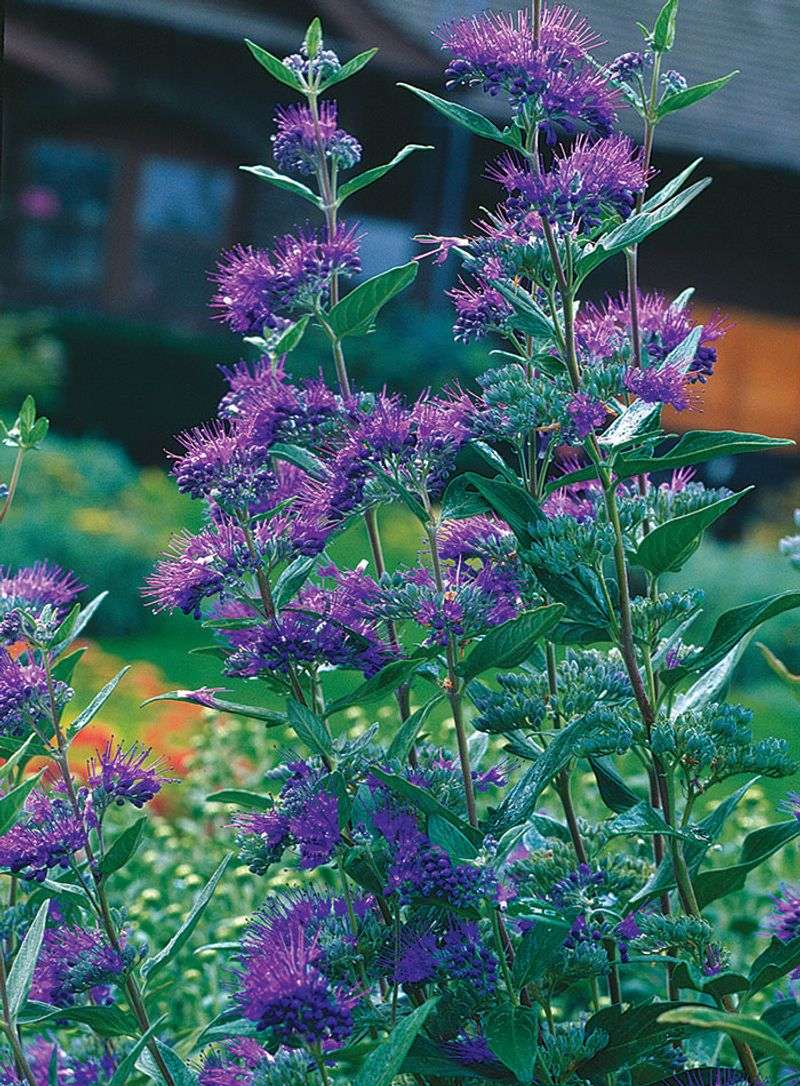
Summer-blooming shrubs bring a splash of color and life to the garden, thriving on fresh growth. A light trim in early spring encourages new buds to flourish.
By removing spent blooms and dead branches, you give these shrubs the chance to thrive and transform your garden into a vibrant oasis. Focus on shaping and tidying, ensuring air circulation and sunlight reach every part.
This gentle care promotes robust growth and a dazzling display come summer. Let these shrubs express their full potential with some mindful pruning, bringing joy to your garden days.
2. Deadheading Annuals and Perennials
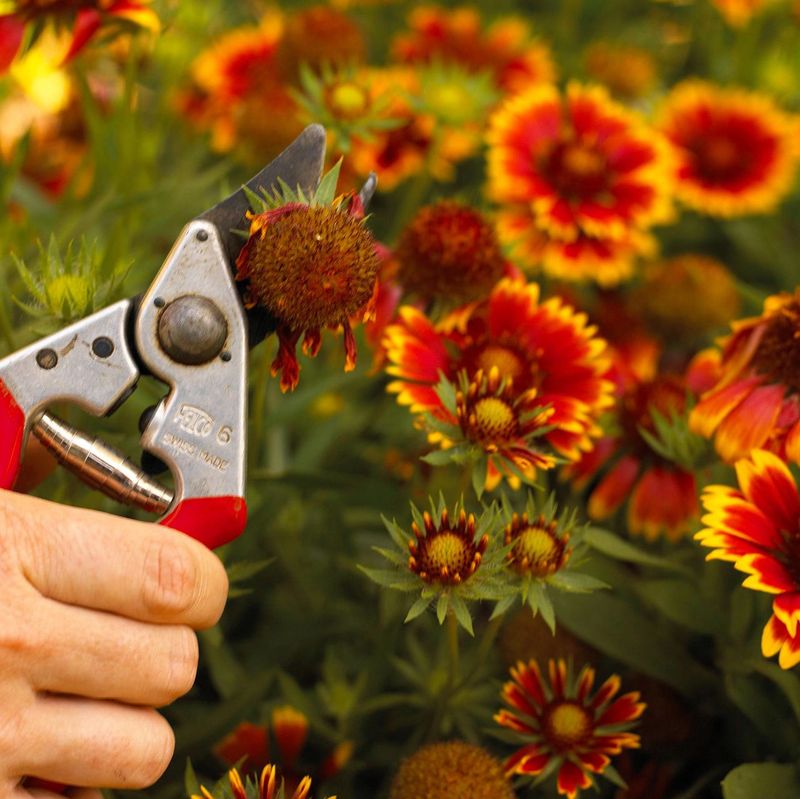
Deadheading is more than a maintenance task; it’s a rejuvenating ritual for garden aesthetics and plant health. By removing spent blooms from annuals and perennials, you redirect the plant’s energy to new growth and prolonged flowering.
Witness the magic of transformation as your garden remains perpetually in bloom. This practice not only tidies up the appearance but also encourages a continuous, vibrant display.
A few minutes spent snipping away can result in a lush, lively garden that delights throughout the season. Embrace deadheading as a simple yet rewarding garden habit.
3. Pruning Back Overgrown Hedges
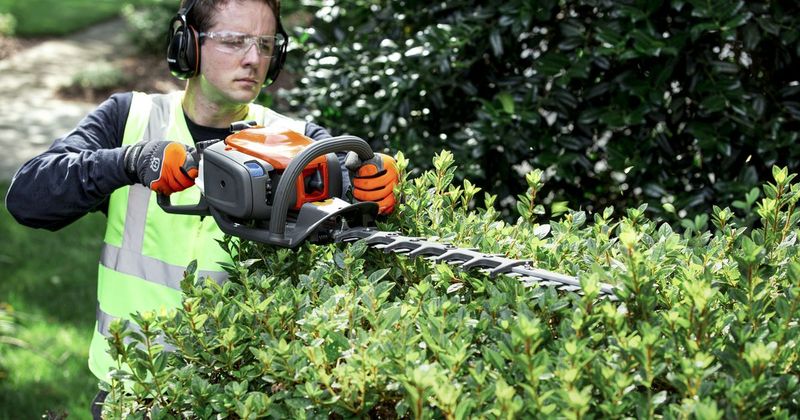
Overgrown hedges can overwhelm a garden, casting shadows and creating a sense of disorder. Early spring is an ideal time for a gentle trim to reshape and invigorate these garden boundaries.
By removing excess growth, you improve air circulation and the overall appearance, creating a more structured and inviting landscape. This trim sets the stage for the hedge to flourish evenly as the season progresses.
With a thoughtful approach, your hedges can become elegant features that define and enhance your garden’s aesthetic, offering privacy and beauty in equal measure.
4. Removing Damaged or Diseased Branches on Trees
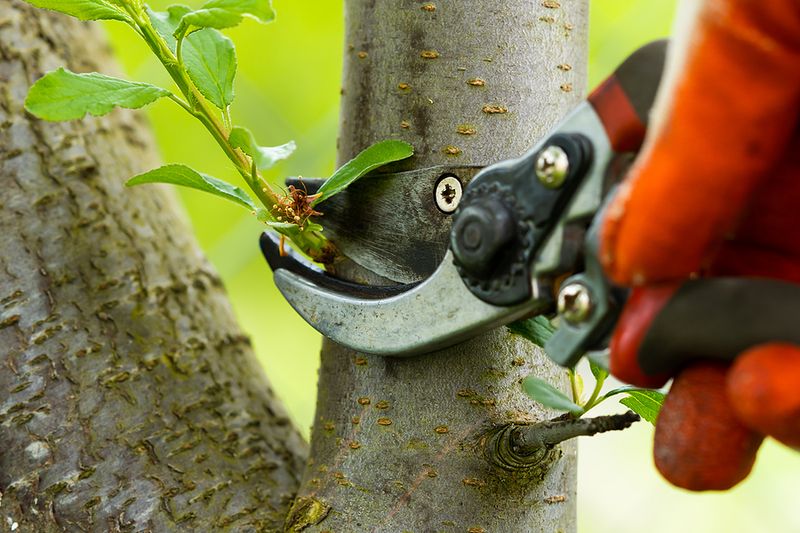
Early spring is perfect for addressing damaged or diseased branches, setting your trees on a path to radiant health. By cutting out these vulnerable parts before active growth resumes, you help prevent the spread of disease and encourage robust health.
This essential maintenance clears the way for healthy new growth and reduces the risk of further damage. Think of it as a health check-up that ensures your trees stand strong and beautiful.
A little timely intervention can lead to long-term vitality and splendor, enriching the garden’s overall harmony and appeal.
5. Shortening Water Sprouts on Mature Trees
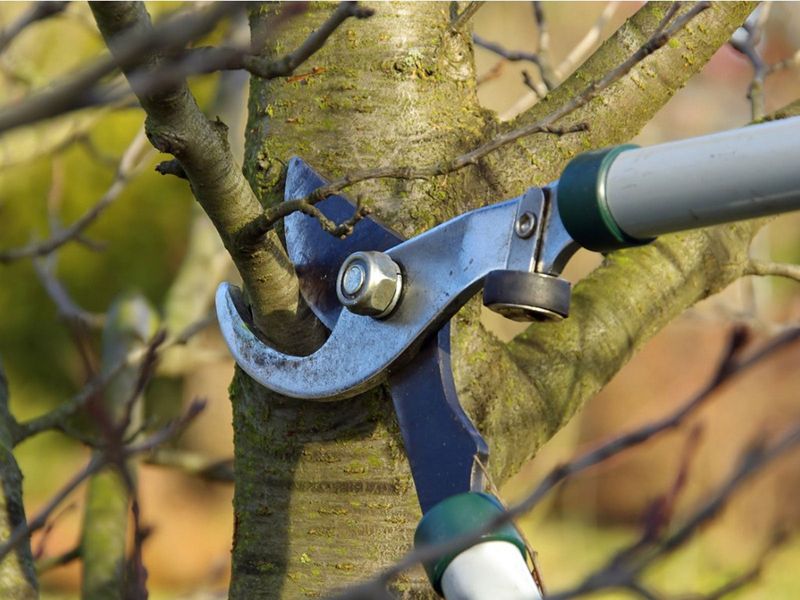
Water sprouts on mature trees often resemble unruly hair, demanding ttention to maintain the tree’s elegance and health. By lightly trimming these vigorous shoots, you redirect the tree’s energy towards more substantial, healthier branches.
Early spring is optimal for this selective pruning, ensuring that the tree remains balanced and robust.
This careful attention helps maintain the tree’s natural shape and vitality, reducing the risk of energy being wasted on unnecessary growth. Embrace this task as part of your seasonal routine and witness the tree’s graceful development.
6. Shaping Young Trees and Shrubs
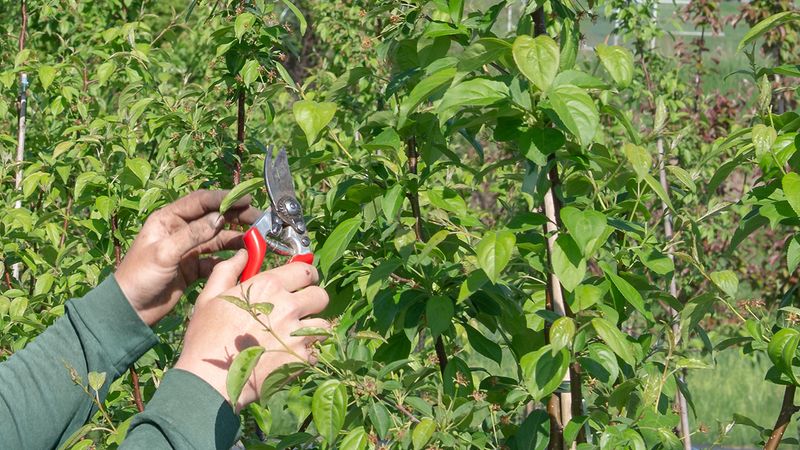
Youthful trees and shrubs are like blank canvases, waiting for the gardener’s touch to guide their form and structure. Early spring is an ideal time for minor shaping, helping these plants develop into strong, well-formed garden stalwarts.
Gentle pruning encourages a balanced, natural shape without hindering growth. This nurturing approach ensures they mature into aesthetically pleasing and healthy specimens.
Think of it as setting the foundation for their future, where thoughtful guidance today results in stunning features tomorrow. Let your garden’s young stars shine with a little care and attention.
7. Pruning Climbing Vines
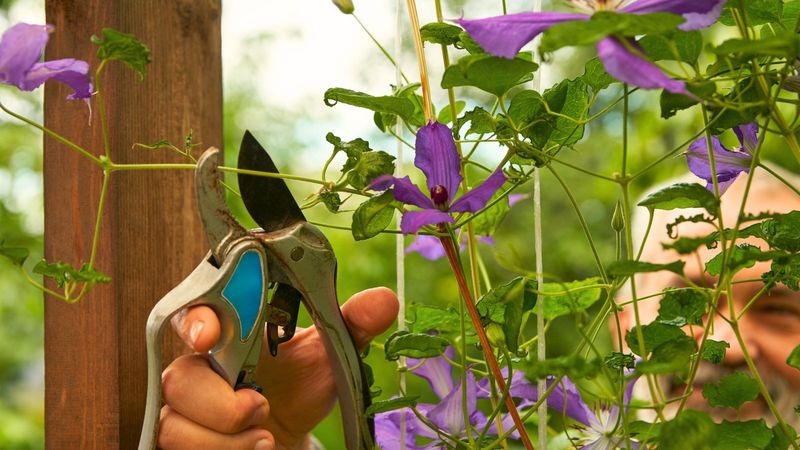
Climbing vines can be the garden’s wild artists, painting walls and fences with green strokes. Early spring is the perfect time to prune back overgrown or wayward growth. This ensures they spread evenly and maintain a balanced, controlled appearance.
By trimming these vines, you encourage a lush, healthy display that doesn’t overwhelm its supports. The result is a picturesque garden that captivates and charms with its textured, vibrant tapestry.
Embrace this task as a creative exercise, shaping your vine’s growth into a masterpiece of natural art in your outdoor space.
8. Trimming Back Perennial Grasses and Ornamental Plants
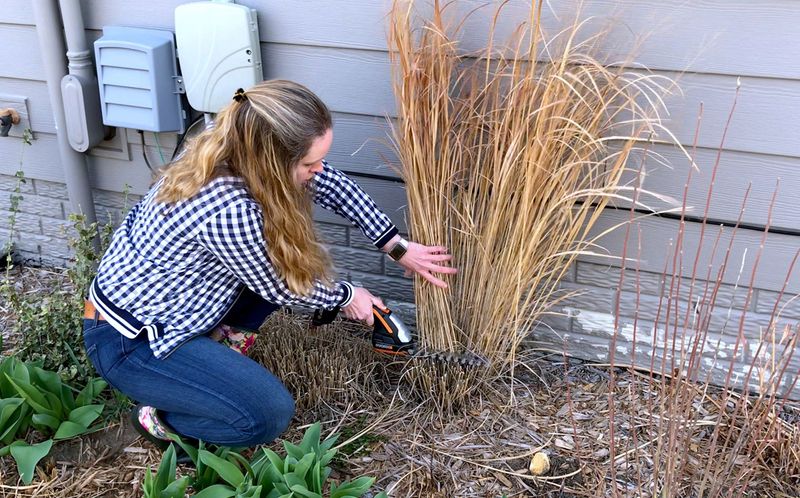
Perennial grasses and ornamental plants add texture and movement to the garden. Trimming back dead or overlong foliage in early spring ensures they retain their elegance and appeal.
This task encourages refreshed growth, allowing these plants to sway and dance with the breeze, bringing life and variety to your garden landscape. By tackling this chore early, you set the stage for a season of beauty and vitality.
It’s akin to giving a fresh haircut, reviving their charm and ensuring they remain focal points in your garden’s tapestry of delights.
9. Cleaning Up Low Hanging Branches
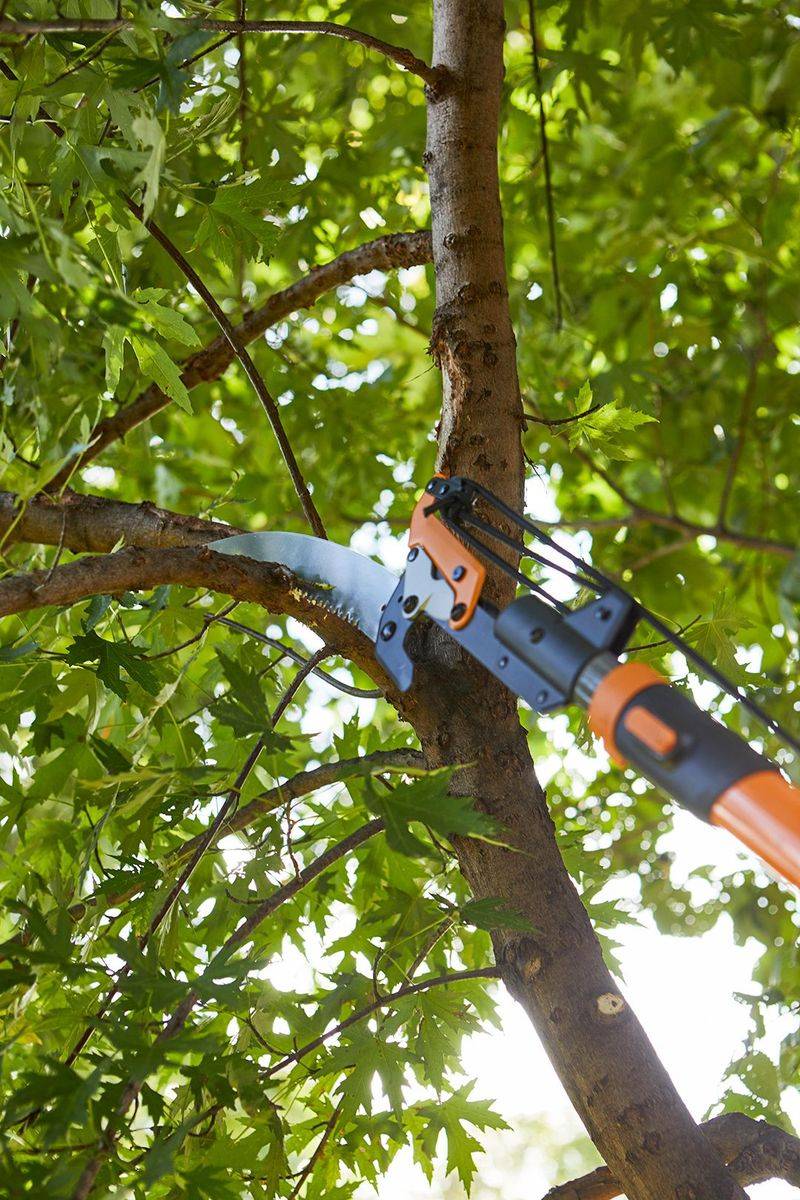
Low-hanging branches might seem innocuous, yet they can pose risks or interfere with lawn maintenance. Early spring presents the perfect opportunity to tidy up these stragglers.
By removing them, you open up space, improve access, and enhance the visual appeal of your garden. This simple task can transform your outdoor area, creating a more welcoming and safe environment.
Embrace this as a chance to refine your garden’s silhouette, ensuring a harmonious balance between beauty and practicality. Let your spring garden shine with clarity and openness with this straightforward pruning task.
10. Light Thinning of Crowded Branches
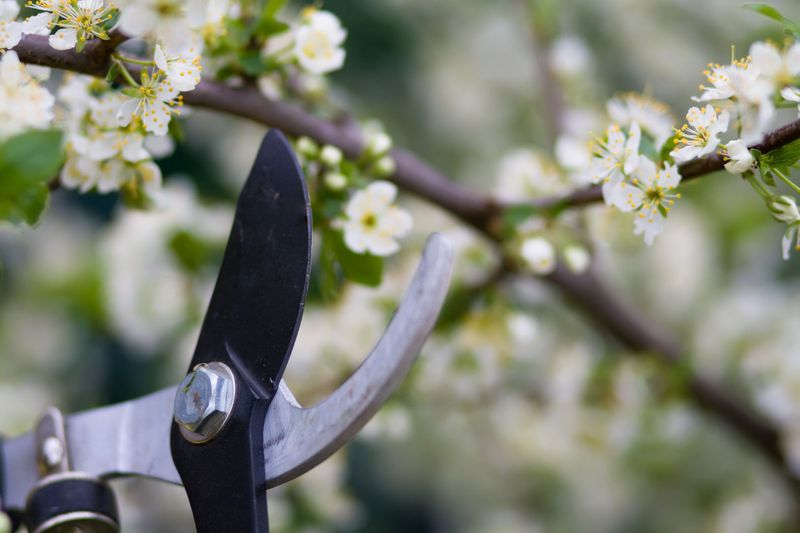
Sometimes, a garden just needs a bit of breathing room, and light thinning of crowded branches does the trick. By removing select inner branches, you enhance light penetration and air flow, boosting the plant’s overall health.
This gentle intervention prevents disease and encourages lush growth. Consider it as a fine-tuning, ensuring each plant has the space and resources to thrive.
It’s about balance and letting each branch bask in its share of sunlight. This task keeps the garden lively and dynamic, paving the way for a season of flourishing beauty.