
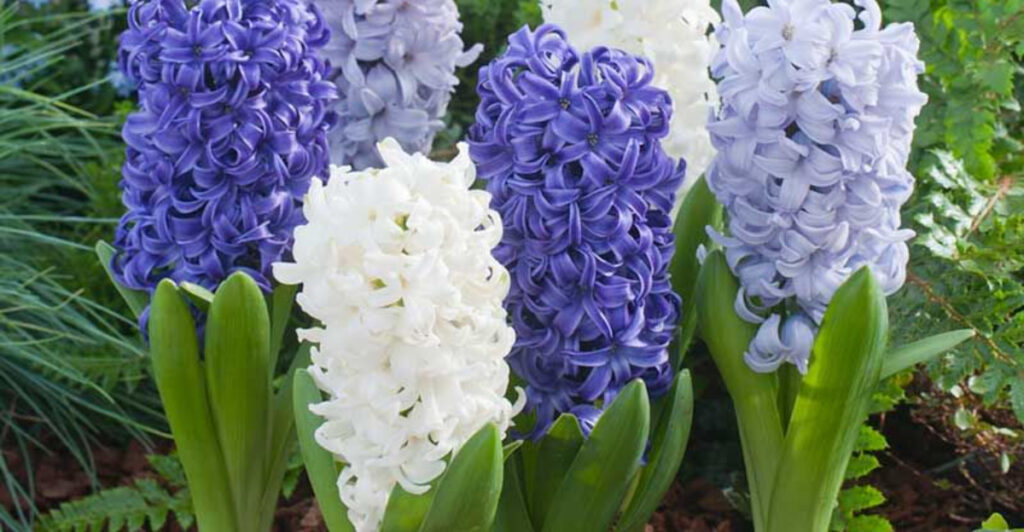
Hyacinths are renowned for their vibrant colors and intoxicating fragrance, but what should you do once their stunning flowers have faded? Here are ten easy and practical tips to ensure your hyacinth bulbs make a triumphant return next season.
From allowing the foliage to wither naturally to ensuring proper storage, these insights will guide you through every step of the post-bloom phase. Embrace these methods, and your garden will be brimming with beautiful blossoms next year.
1. Let the Foliage Die Back Naturally
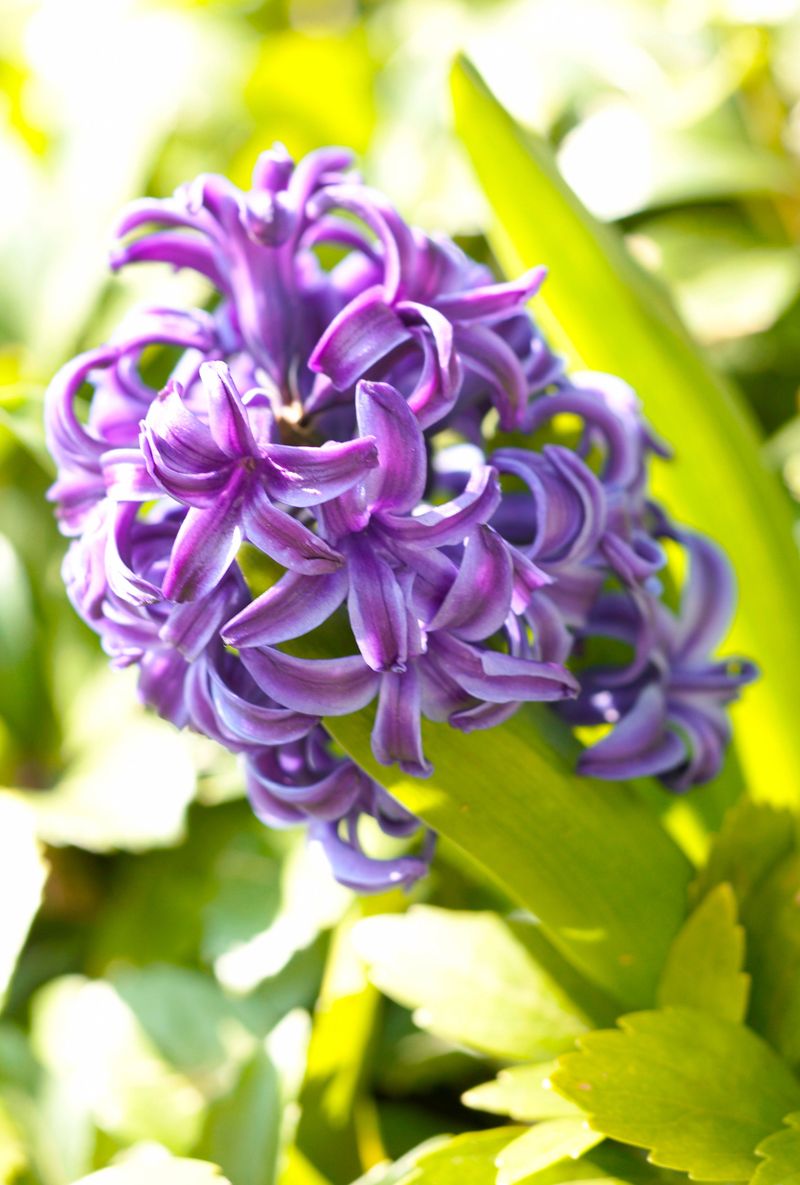
Once your hyacinths have bloomed, it’s essential to let the foliage die back naturally. These green leaves might not be as appealing as the stunning blooms, but they play a critical role in photosynthesis. They help store energy for the next blooming cycle, ensuring a robust and vibrant display in the following spring.
Avoid cutting them off or pulling them too soon. Let nature take its course, allowing the leaves to turn yellow and wither naturally. It might seem unsightly for a while, but this process is vital for the health of your bulbs. Patience is key to beautiful blooms.
2. Deadhead the Spent Flowers
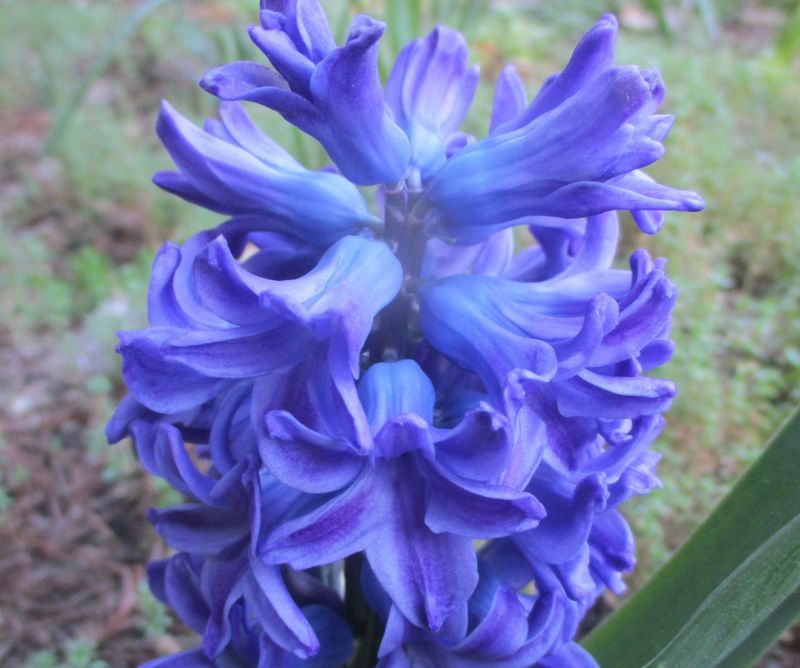
After your hyacinths have graced your garden with their beauty, it’s time to deadhead the spent flowers. By snipping off the faded blooms, you prevent the plant from wasting energy on seed production, redirecting it to store nutrients in the bulb.
Use sharp scissors or garden shears to make a clean cut, focusing on removing only the flower head and leaving the leaves intact. This simple act not only tidies up your garden but also ensures that your hyacinths will bloom more vigorously next year. It’s a small effort with a big payoff!
3. Continue Watering (But Not Too Much)
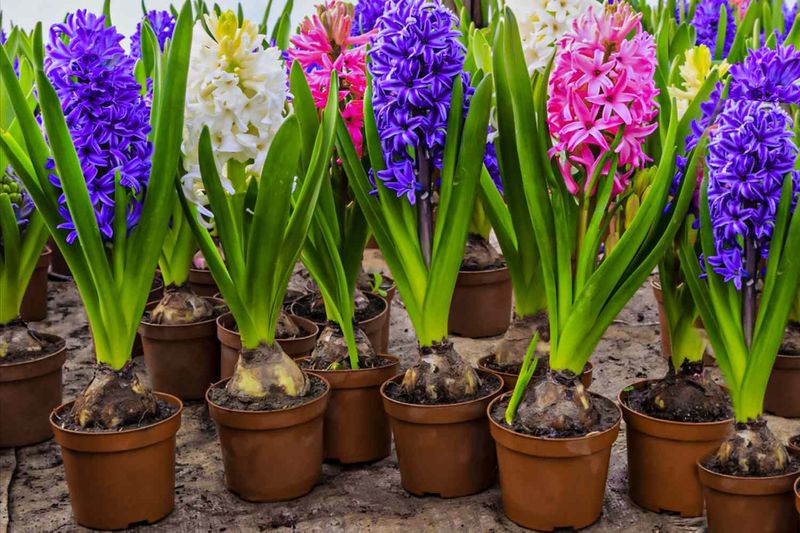
Watering your hyacinths after blooming requires a delicate balance. While the leaves are still green, keep the soil slightly moist to support photosynthesis. This helps the bulbs gather strength for their next blooming cycle.
However, be cautious not to overwater. As the foliage begins to yellow and die back, gradually reduce the amount of water. Overwatering can lead to rot, undermining all your hard work. Think of it as a gentle transition from the active growing phase to a restful dormancy. Your hyacinths will thank you with beautiful blooms next spring!
4. Place Potted Bulbs in a Sunny Spot
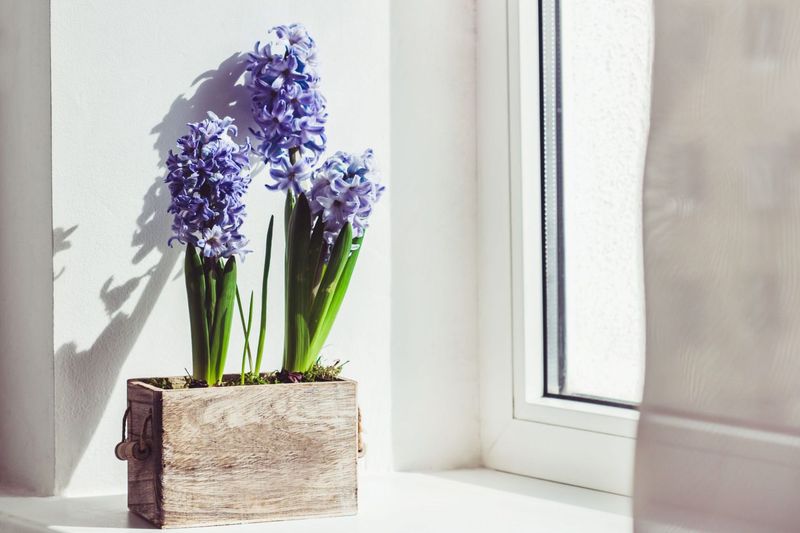
If your hyacinths are in pots, move them to a sunny spot after they bloom. Sunlight helps the leaves photosynthesize, building up the energy reserves needed for next year’s blossoms.
Choose a bright location, ideally where the sun’s rays gently kiss the leaves without scorching them. This sunbathing period is crucial for the bulbs to thrive in their dormant phase. Just imagine your potted hyacinths as sun-lovers, soaking in the light to recharge for their next vibrant display. It’s like a spa day for plants, refreshing and revitalizing!
5. Lift Bulbs from the Ground (Optional)
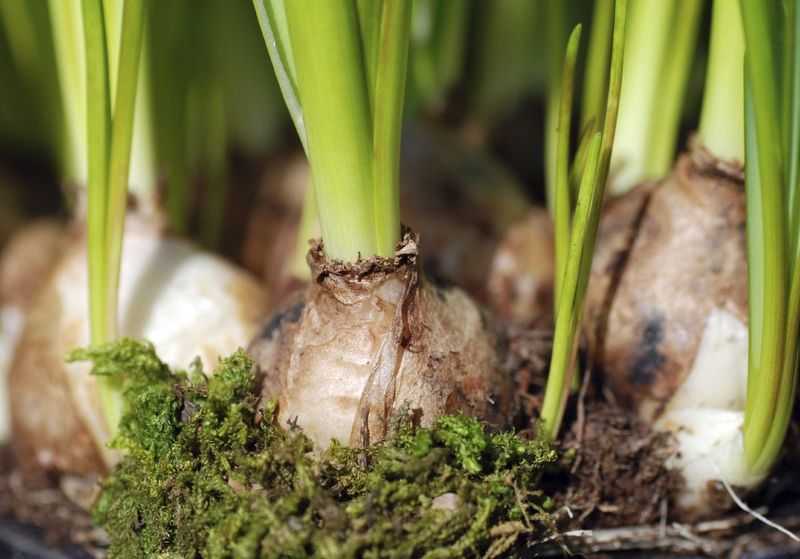
Lifting hyacinth bulbs from the ground is an optional step, particularly recommended in regions with wet summers or poor drainage. If you’ve noticed that your garden bed retains too much moisture, consider lifting the bulbs after the foliage dies back.
Gently dig them up, taking care not to damage the bulbs. This extra precaution helps prevent rot and disease, ensuring healthy bulbs for the next planting season. It’s a thoughtful step for those committed to nurturing their hyacinths, providing them with the best chance to bloom brilliantly once more.
6. Clean and Dry the Bulbs
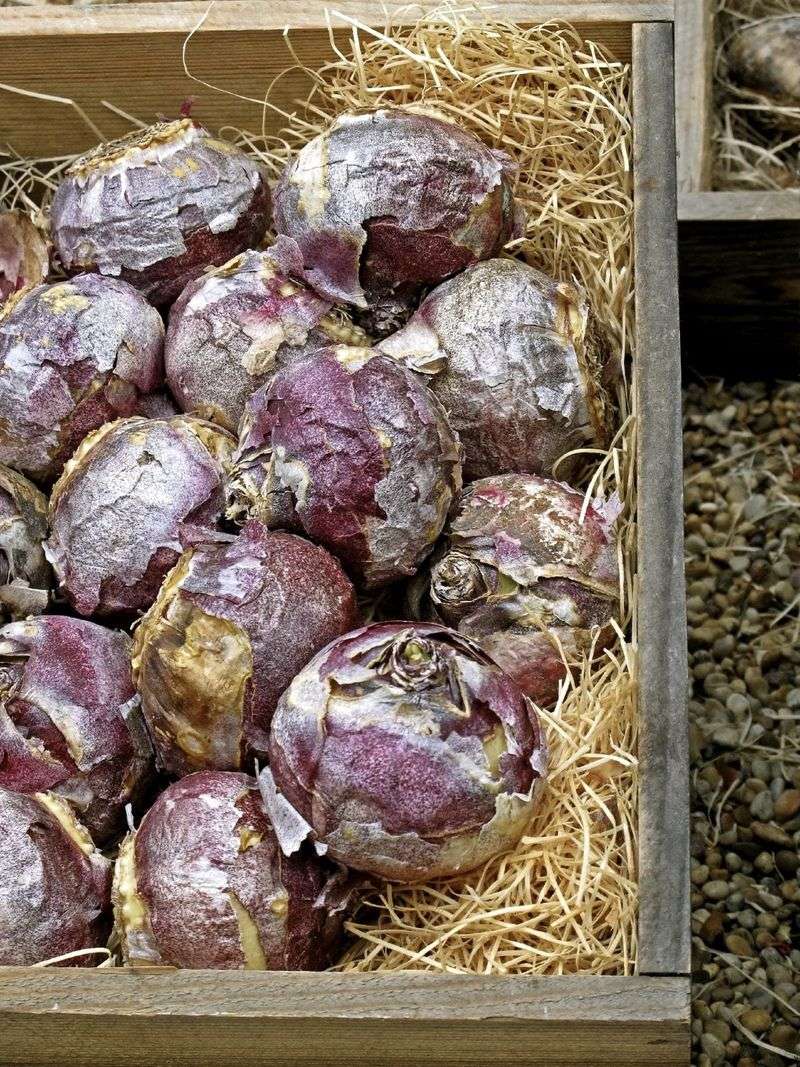
After lifting, give your hyacinth bulbs a gentle cleaning. Brush off excess soil and inspect them for any signs of damage or disease. Once cleaned, lay them out to dry in a cool, shaded area.
Allow them to air dry for a few days, ensuring they’re completely free of moisture before storing. This drying process is crucial to prevent mold and rot, setting the stage for healthy blooms next season. Think of it as giving your bulbs a little breather—a moment to relax and prepare for the next act in their floral performance.
7. Store in a Cool, Dry Place
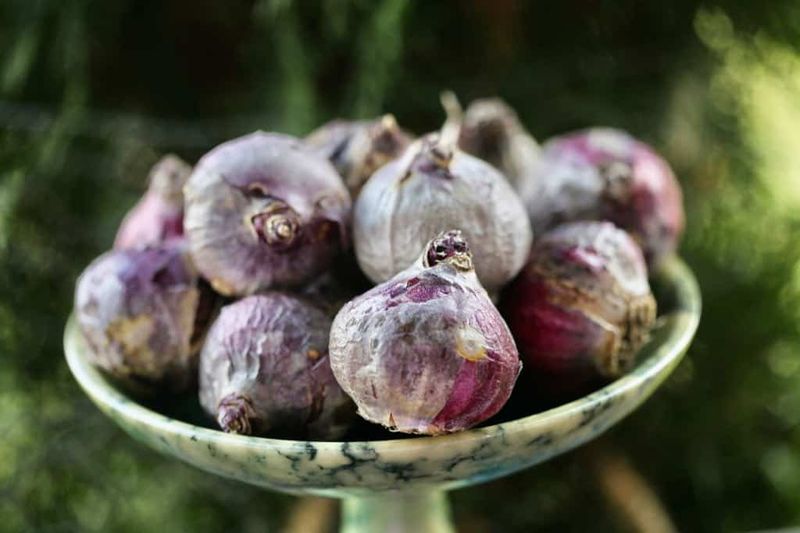
Storing your hyacinth bulbs properly is key to their successful return. After cleaning and drying, place them in a cool, dry place, preferably in paper bags or mesh bags. Add dry peat moss or newspaper shreds to keep them comfortable.
Ensure the storage area is well-ventilated and free from moisture. This cozy retreat provides the ideal conditions for bulbs to rest and recharge until it’s time to plant them again. Think of it as a peaceful holiday for your bulbs, away from the hustle and bustle, gathering strength for their next blooming adventure.
8. Mark Your Calendar for Fall Planting
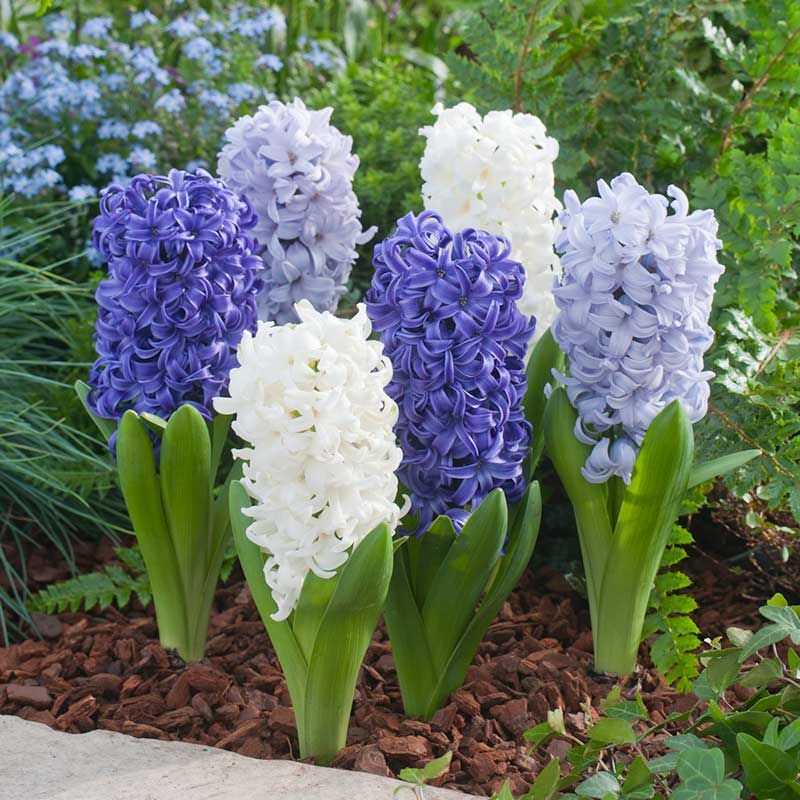
Timing is everything when it comes to replanting hyacinth bulbs. Mark your calendar for fall planting; this is when your bulbs will be ready to return to the soil and begin their next growth cycle.
Check your local planting calendar for the exact timing, as climate can vary. By planning ahead, you ensure your bulbs have the best chance to establish roots before winter. It’s a simple step that can make a world of difference, setting the stage for a spectacular spring display. Your future self will thank you!
9. Refrigerate if Needed (for Indoor Bloomers)
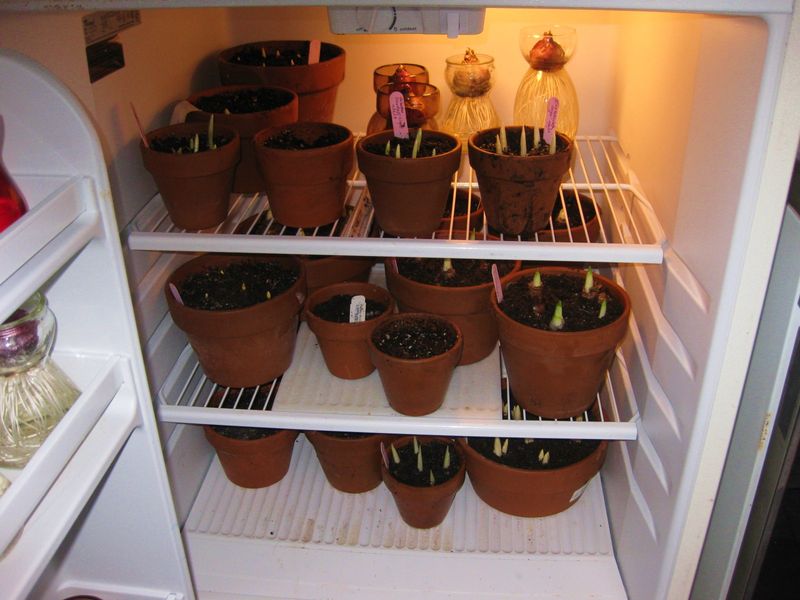
If you’re planning to force your hyacinth bulbs to bloom indoors again, refrigeration is a must. Place them in mesh bags and store them in the fridge, away from fruits that emit ethylene gas.
Chill the bulbs for 10-12 weeks, simulating the winter chill they need. This cold treatment is essential for indoor blooming, mimicking natural conditions that trigger growth. Picture it as a strategic move, giving your bulbs the cool break they need to emerge strong and vibrant. It’s a neat trick that keeps your indoor garden lively and colorful.
10. Replace if Necessary
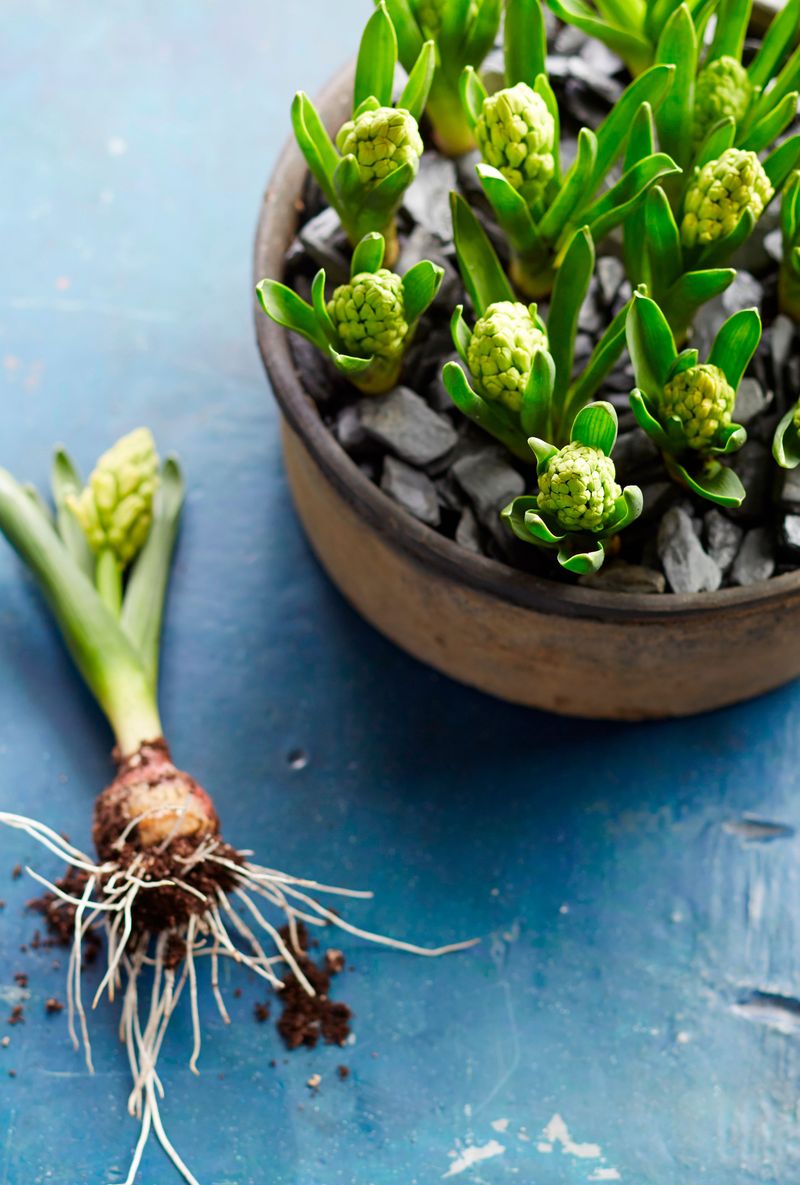
Over time, hyacinth bulbs may bloom less vigorously. If your once-thriving bulbs start to show signs of fatigue, it might be time for a refresh. Treat yourself to new, healthy bulbs to ensure a vibrant display.
Examine your existing bulbs closely; if they appear shriveled or damaged, replacement is the way forward. It’s a chance for a fresh start, promising bolder and brighter blooms. After all, gardening is about renewal and growth, and sometimes, embracing new beginnings is the best way to keep your garden flourishing beautifully.