
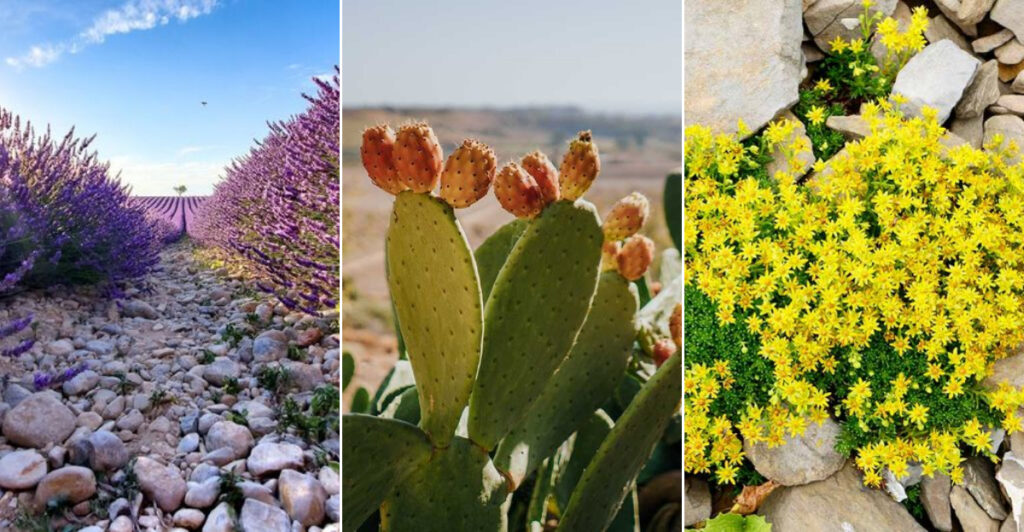
In the harsh, dry environments where most plants struggle to survive, certain resilient species defy the odds by flourishing in sand, gravel, and rubble.
These 14 plants are not only tough but also bring vibrant life to seemingly barren landscapes, proving that beauty can thrive in the most unexpected places. Explore this collection of hardy plants that redefine resilience and adaptability.
1. Blue Fescue (Festuca glauca)
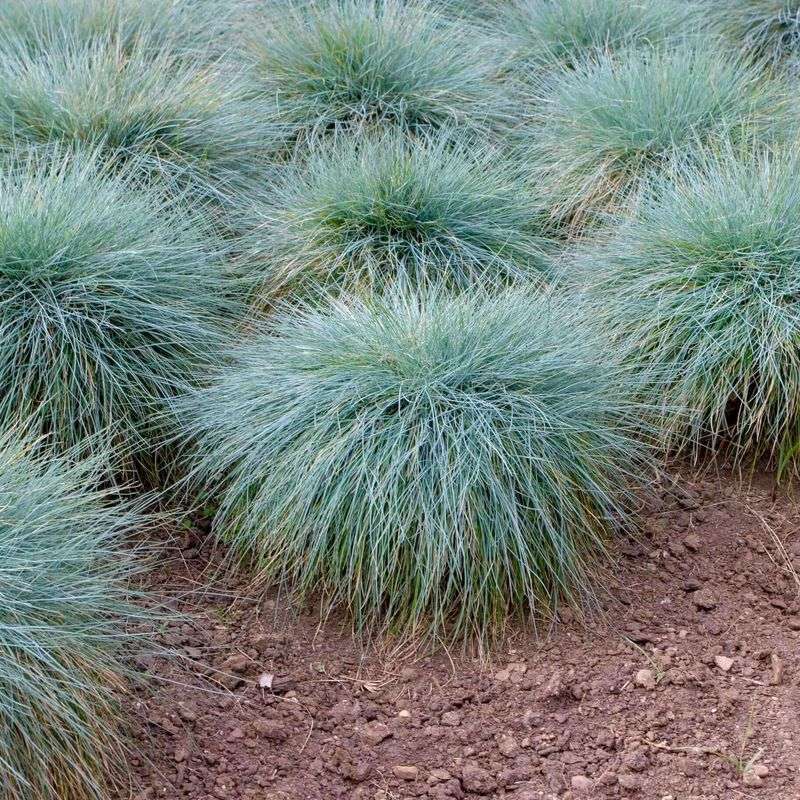
Blue Fescue, or Festuca glauca, is an ornamental grass that thrives in gravelly soil. Its compact, soft blue-green tufts create a visual contrast against rocky landscapes.
This hardy grass is not just low-maintenance but also a master at resisting drought, making it an ideal choice for those who seek elegance without the fuss. Blue Fescue sways gracefully in the breeze, adding movement and texture to gardens.
Its ability to survive in poor soil conditions makes it a resilient beauty, perfect for modern and minimalist outdoor designs.
2. California Poppy (Eschscholzia californica)
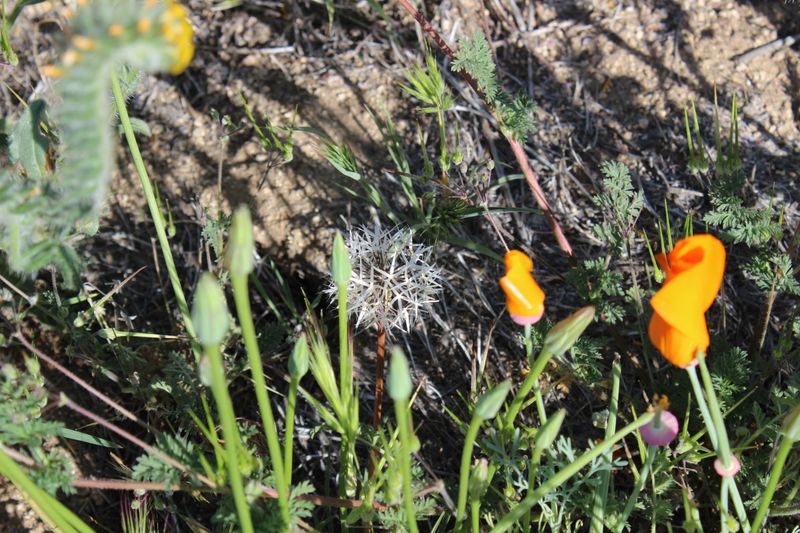
The California Poppy, a symbol of resilience, effortlessly brings color to sandy and rocky terrains. Its bright orange flowers are a vibrant contrast against barren soil, self-seeding to ensure its continued presence year after year.
This poppy isn’t just a flower; it’s a beacon of hope in the plant world, thriving where many fail. Besides its beauty, the California Poppy is remarkably low-maintenance, requiring little more than sunlight to flourish.
Its cheerful presence is a testament to nature’s ability to adapt and endure in the harshest of environments.
3. Sedum (Stonecrop)
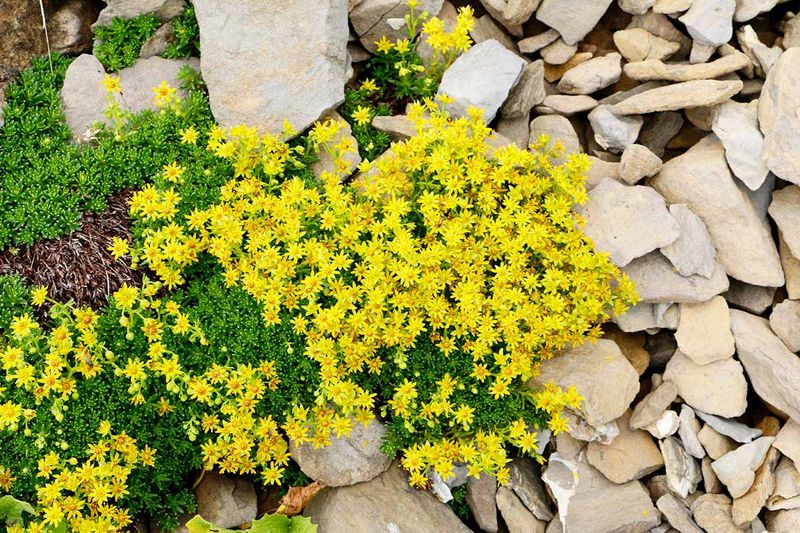
Sedum, or Stonecrop, is a marvel in rocky terrains. With its fleshy, colorful leaves, this plant not only survives but thrives where others falter. Sedum is a favorite among pollinators, drawing bees and butterflies with its nectar-rich flowers.
These hardy plants are evergreen or semi-evergreen, adding a touch of vibrancy to otherwise barren landscapes. Stonecrop is the ultimate survivor, requiring minimal care and loving the sun’s embrace.
Its ability to store water in its leaves makes it a drought-resistant champion, perfect for gardeners seeking low-maintenance beauty.
4. Opuntia (Prickly Pear Cactus)
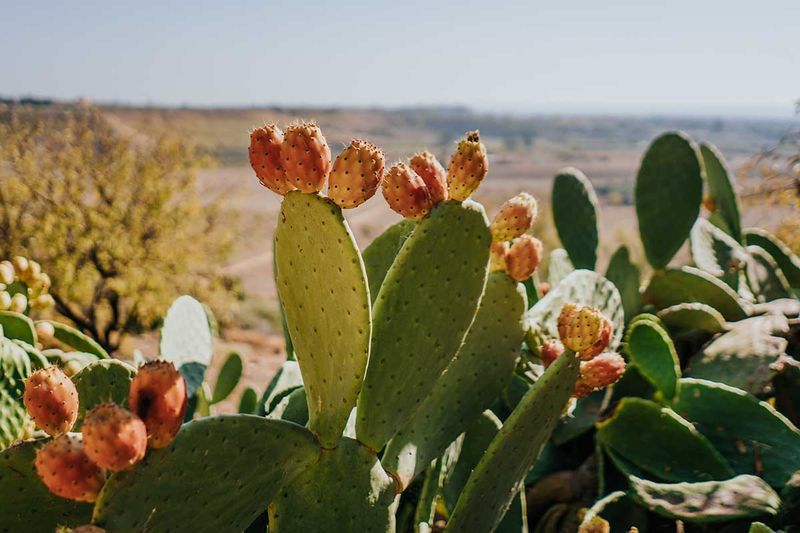
Opuntia, better known as Prickly Pear Cactus, is a true desert dweller, thriving in hot, dry, sandy environments. Its unique pads store water, allowing it to endure long droughts with ease.
Many species offer edible treats, from its pads to its vibrant fruits, adding both utility and beauty to gardens. Its striking silhouette and vibrant flowers make it an eye-catching addition to any arid landscape.
The Prickly Pear is more than just a plant; it’s a testament to nature’s ability to adapt and flourish in challenging conditions.
5. Yucca
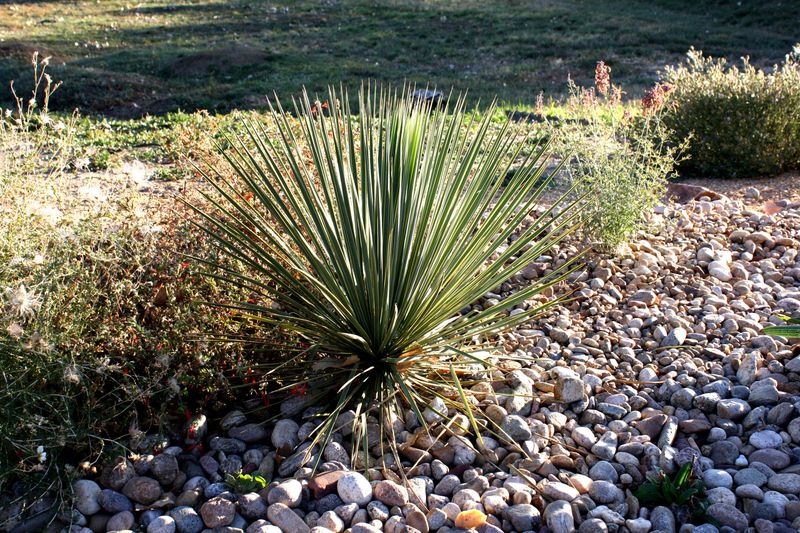
Yucca is the embodiment of desert elegance, thriving where other plants surrender. With its deep roots, Yucca can tap into water reserves hidden deep in gravel and rubble.
Its striking architectural form, with spiky leaves and tall flower stalks, makes it a focal point in any dry landscape. Yucca’s ability to withstand drought is a testament to its resilience, making it a favorite among gardeners looking for beauty with minimal care.
This plant is not only tough but also an important part of the ecosystem, providing habitat and food for desert wildlife.
6. Lavender
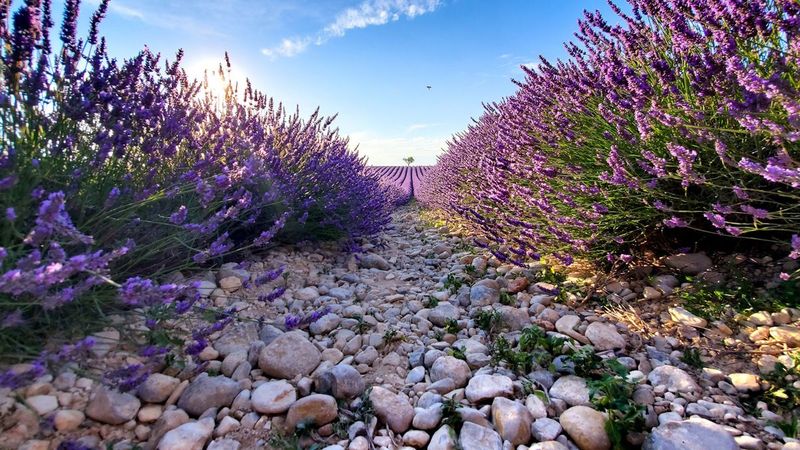
Lavender, a fragrant favorite, thrives in poor, rocky soil where drainage is optimal. Its vibrant purple blooms are not only visually striking but also a sensory delight, filling the air with their soothing scent.
Lavender’s Mediterranean origins make it well-suited to dry conditions, and its drought tolerance is legendary among gardeners. Beyond its beauty, this plant is a hardworking companion, attracting pollinators and repelling pests.
Lavender’s charm goes beyond the garden, as its flowers can be harvested for a variety of uses, from culinary to aromatherapy.
7. Ice Plant (Delosperma)
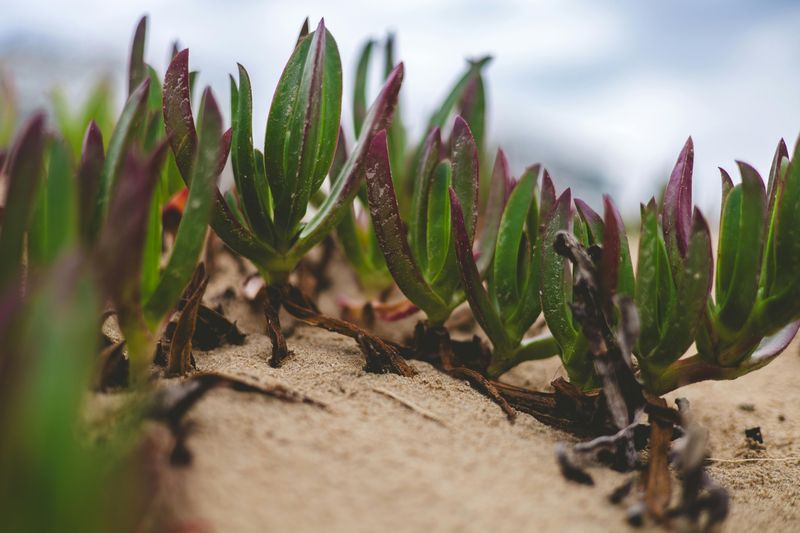
The Ice Plant, or Delosperma, is a colorful ground cover that thrives in sandy and gravelly spots. Its succulent leaves retain water, allowing it to withstand dry spells with ease.
The Ice Plant’s vibrant flowers create a carpet of color, transforming barren ground into a lively tapestry. This plant’s resilience is matched by its versatility, as it can fill gaps in rock gardens or cascade over walls.
Its drought tolerance and low-maintenance nature make it an ideal choice for busy gardeners who still crave beauty and color in their landscapes.
8. Thyme
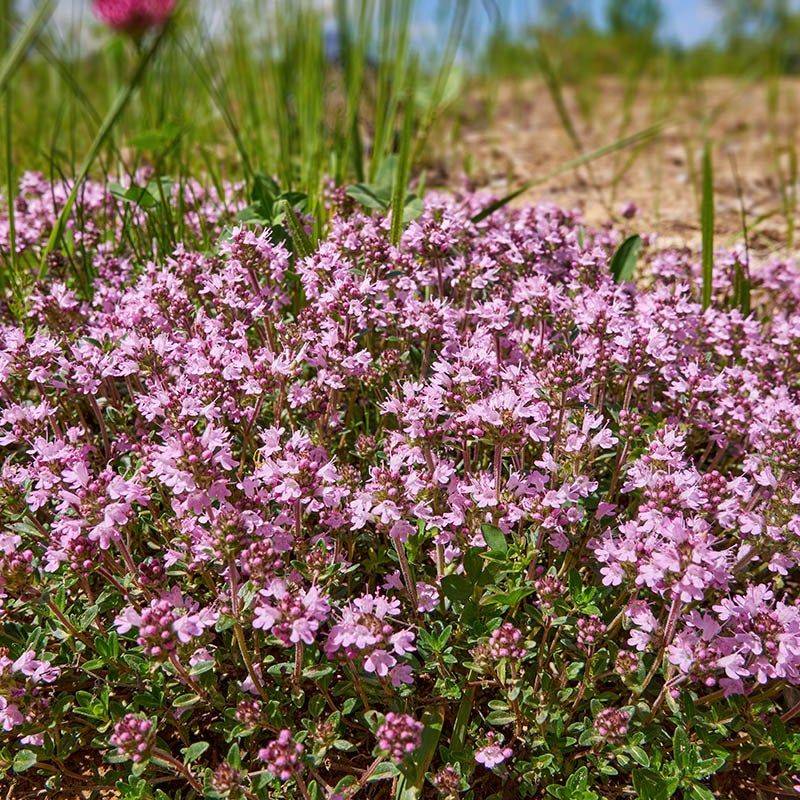
Thyme is a culinary powerhouse that thrives in dry, well-drained soil, making it perfect for gravel pathways and rock gardens. Its tiny leaves are packed with flavor, adding a delightful aroma to any garden space.
Thyme’s resilience is matched by its ability to repel pests, acting as a natural protector of neighboring plants.
This herb’s creeping nature allows it to fill garden gaps, creating a lush, green carpet that is as functional as it is beautiful. Thyme is more than just a plant; it’s a garden asset, offering both utility and charm.
9. Rosemary
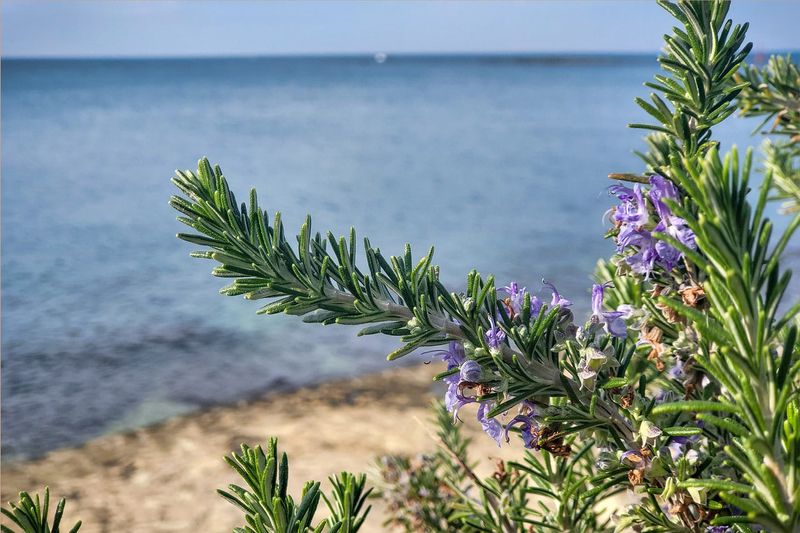
Rosemary is a woody herb that flourishes in sandy or stony soil, thriving where others struggle. Its needle-like leaves are both aromatic and flavorful, making it a favorite in kitchens and gardens alike.
Rosemary’s resilience is evident in its drought-tolerant nature, requiring minimal water to maintain its lush appearance. Pollinators adore its small purple flowers, making it a vital addition to any garden ecosystem.
Beyond its beauty and utility, Rosemary’s evergreen nature ensures that it provides year-round interest, transforming barren patches into vibrant, fragrant spaces.
10. Sea Holly (Eryngium)
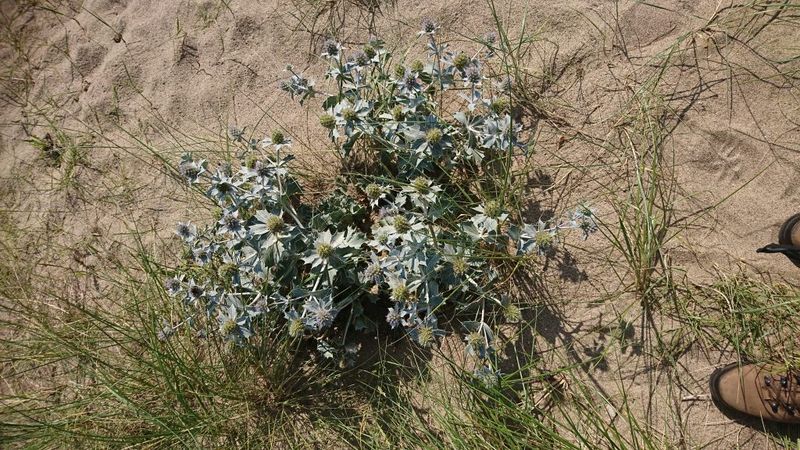
Sea Holly is a unique beauty, with spiky blue flowers that thrive in sandy coastal soils. Its striking appearance makes it a standout in any garden, adding architectural interest and a touch of the exotic.
Sea Holly’s resilience is evident in its ability to withstand poor, dry conditions, making it a perfect fit for challenging landscapes.
This plant’s presence is not just ornamental; it plays a vital role in coastal ecosystems, providing food and habitat for wildlife. Sea Holly is more than a plant; it’s a testament to nature’s adaptability and strength.
11. Lamb’s Ear (Stachys byzantina)
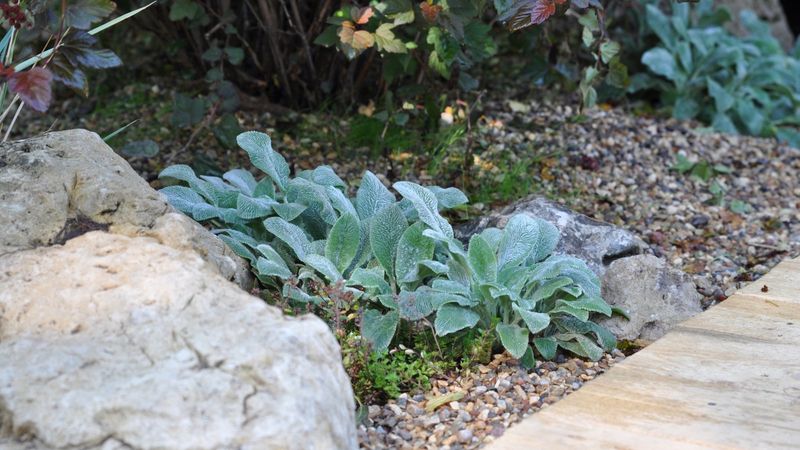
Lamb’s Ear, with its silvery, fuzzy foliage, is a tactile delight in any garden. Thriving in poor, rocky soil, this plant adds texture and softness to otherwise harsh landscapes.
Its leaves are not only beautiful but also serve a practical purpose, reflecting sunlight to keep the plant cool. Lamb’s Ear is both drought-tolerant and low-maintenance, making it ideal for gardeners seeking easy-care beauty.
Its plush leaves invite touch, creating an interactive garden experience. This plant is a favorite for borders and ground cover, offering both visual and sensory appeal.
12. Agave
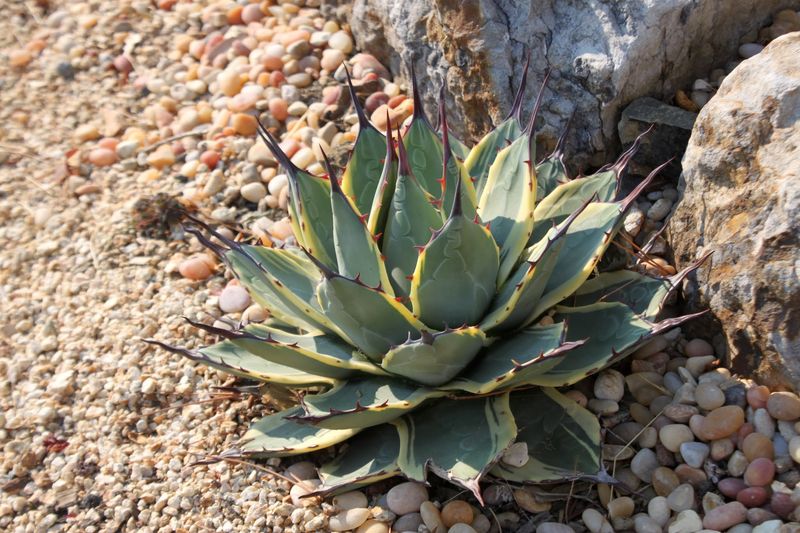
Agave is a succulent marvel that needs minimal water, making it perfect for gravel, sand, or decomposed granite. Its sharp, architectural leaves create a striking visual statement, transforming landscapes into desert-inspired masterpieces.
Agave’s resilience is legendary, thriving in conditions that would challenge most other plants. Beyond its beauty, some species offer edible nectar and fibers, adding utility to its list of attributes.
Agave is more than just a plant; it’s a symbol of strength and endurance, captivating gardeners with its bold presence and unwavering spirit.
13. Creeping Jenny (Lysimachia nummularia)

Creeping Jenny is a charming ground cover, spilling beautifully over rocks and gravel. Its bright green leaves and golden flowers create a lush, cascading effect, adding movement and life to static landscapes.
This plant’s ability to tolerate poor soil and light foot traffic makes it ideal for pathways and garden edges. Creeping Jenny is not only ornamental but also robust, withstanding challenging conditions with grace.
Its vibrant presence is a testament to the beauty of resilience, transforming ordinary spaces into extraordinary displays of nature’s creativity.
14. Blanket Flower (Gaillardia)
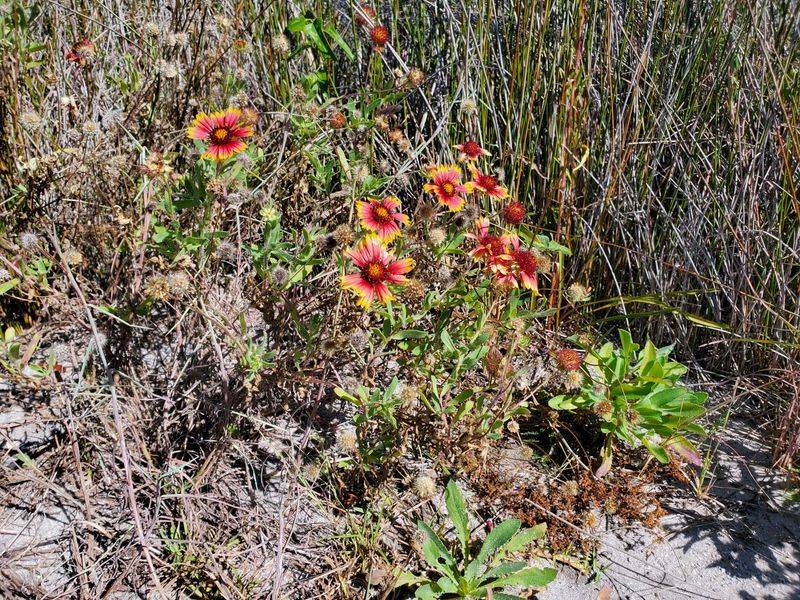
The Blanket Flower, or Gaillardia, is a vibrant addition to any garden, with its red and yellow blooms creating a visual feast. Thriving in sandy and rocky conditions, this plant is a testament to nature’s ability to surprise and delight.
Its ability to withstand full sun and poor soil makes it a favorite among gardeners who appreciate low-maintenance beauty.
Blanket Flower’s lively appearance brings joy to any landscape, and its blooms attract a host of pollinators, enriching the garden ecosystem. This plant is more than just colorful; it’s a celebration of resilience.