
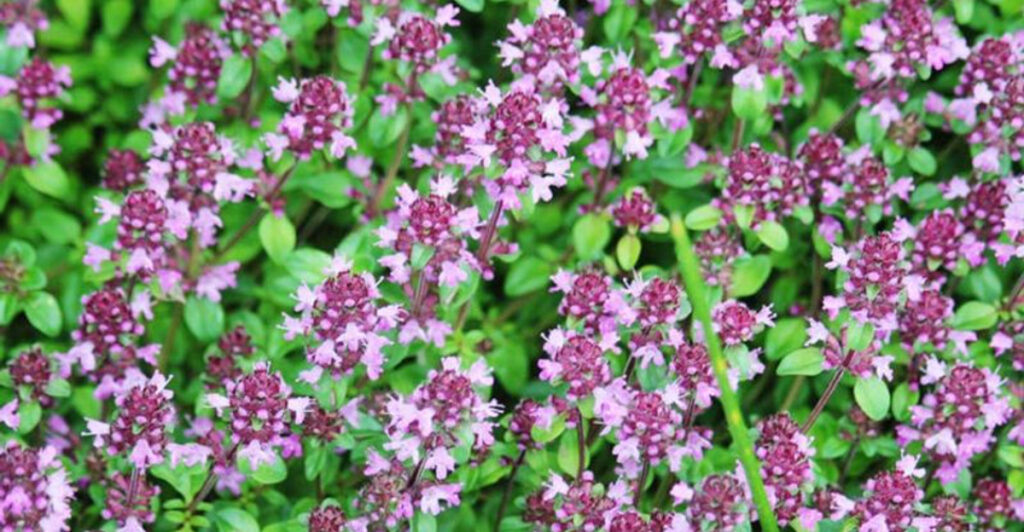
In today’s fast-paced world, many of us rely on pain pills to combat inflammation and its associated discomforts. However, nature offers a plethora of plants with natural anti-inflammatory properties that you can easily grow in your garden.
By incorporating these plants into your daily routine, you can reduce reliance on medications and embrace a more holistic approach to wellness. Here, we introduce 15 remarkable plants that not only beautify your garden but also serve as natural remedies to soothe inflammation.
Discover how each of these plants can enhance your health and wellbeing.
1. Turmeric
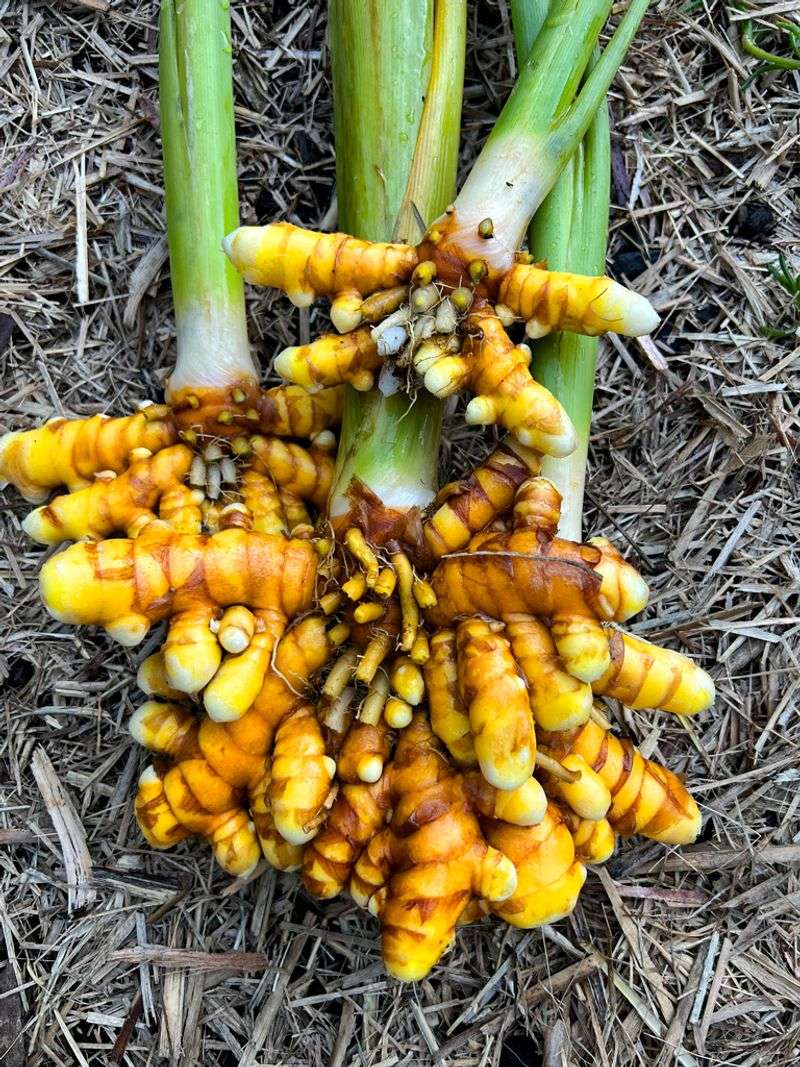
Turmeric, with its golden-hued roots, has been celebrated for centuries in traditional medicine. Its active ingredient, curcumin, is known for its potent anti-inflammatory effects.
Whether added to teas or dishes, it imparts a warm, earthy flavor. Easy to grow, this plant thrives in warm climates and rewards gardeners with its striking foliage.
Why not spice up your daily meals with a sprinkle of turmeric? Besides its culinary uses, it’s a staple in herbal medicine, often used to alleviate arthritis and joint pain.
2. Ginger
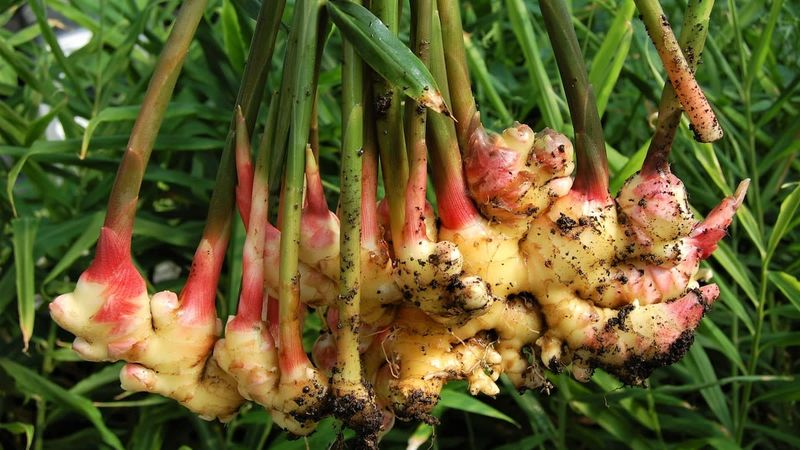
Ginger, renowned for its spicy, aromatic rhizomes, is a staple in kitchens around the world. Its anti-inflammatory properties have been acknowledged in both Eastern and Western medicine.
Whether in teas or culinary dishes, ginger enhances flavor while soothing digestive issues. This resilient plant thrives in tropical and subtropical climates, making it a versatile addition to any garden.
Beyond the kitchen, ginger is often used to relieve nausea and reduce inflammation, making it a household favorite for its dual purpose as a spice and remedy.
3. Basil
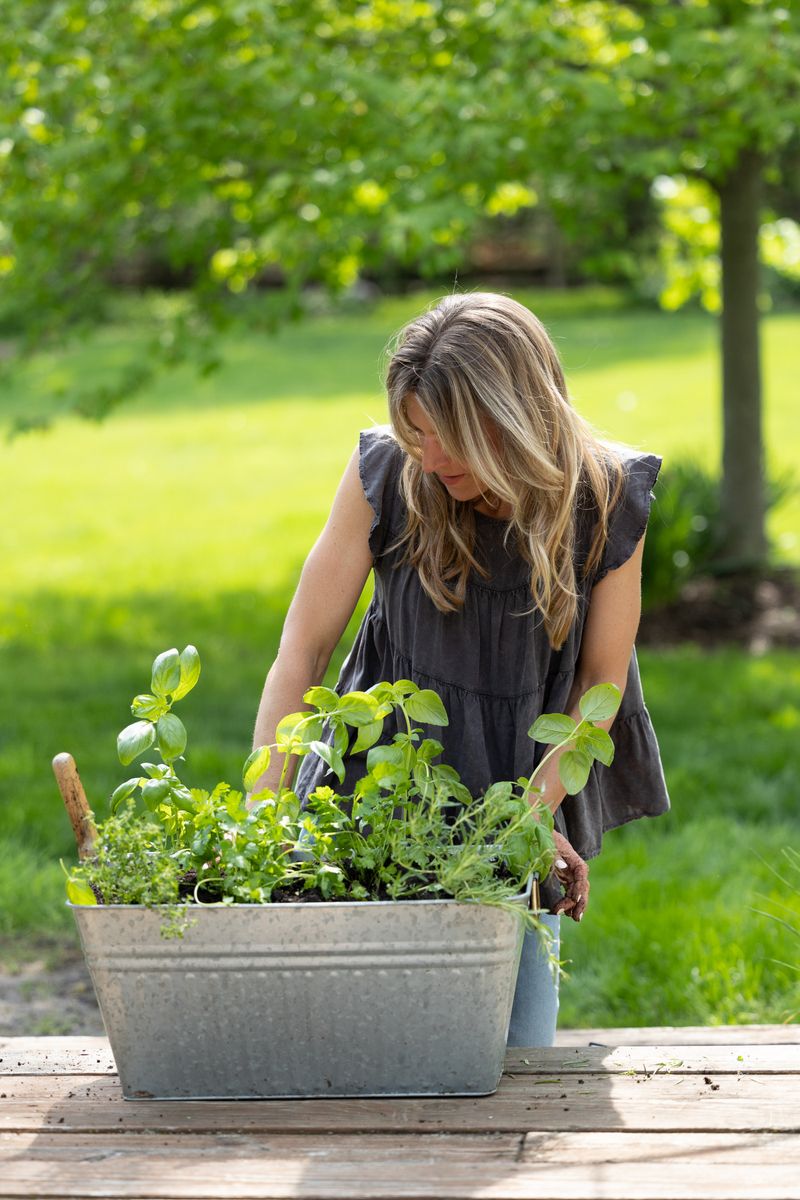
Basil, the aromatic herb loved by chefs, is not just for cooking. It also boasts significant anti-inflammatory benefits. Rich in essential oils, basil can help reduce inflammation and swelling.
Perfect for pesto, salads, or garnishing, it brings a burst of freshness to any dish. Growing basil is a breeze; it thrives in sunny spots and provides continual harvests throughout the season.
Adding basil to your garden not only elevates your culinary game but also serves as a natural anti-inflammatory agent to incorporate into daily meals.
4. Rosemary
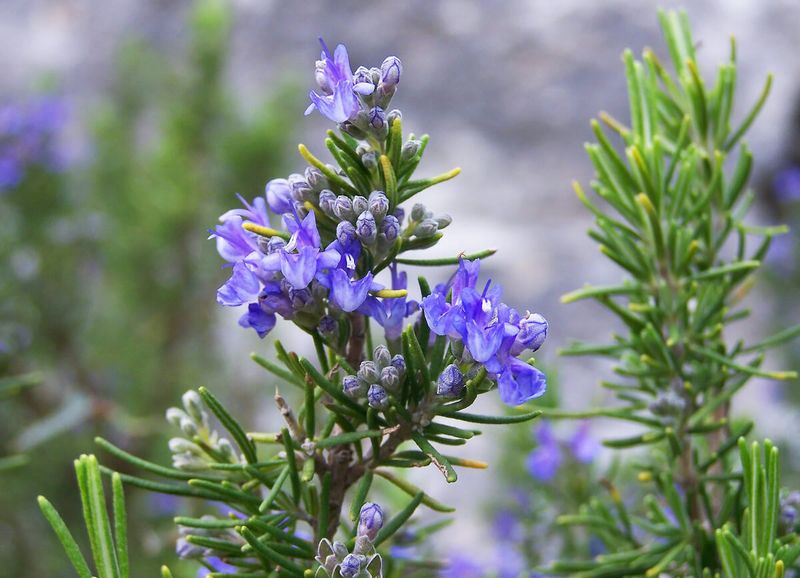
Rosemary, known for its fragrant needle-like leaves, is more than a culinary herb. Traditionally used to alleviate muscle pain, rosemary’s anti-inflammatory properties are well-documented.
This evergreen shrub thrives in well-drained soil and sunny locations, making it a low-maintenance addition to your garden. Its aromatic leaves can be used fresh or dried in various dishes.
Beyond the kitchen, rosemary is often brewed into teas or infused oils, offering a natural remedy to combat inflammation and enhance circulation.
5. Sage
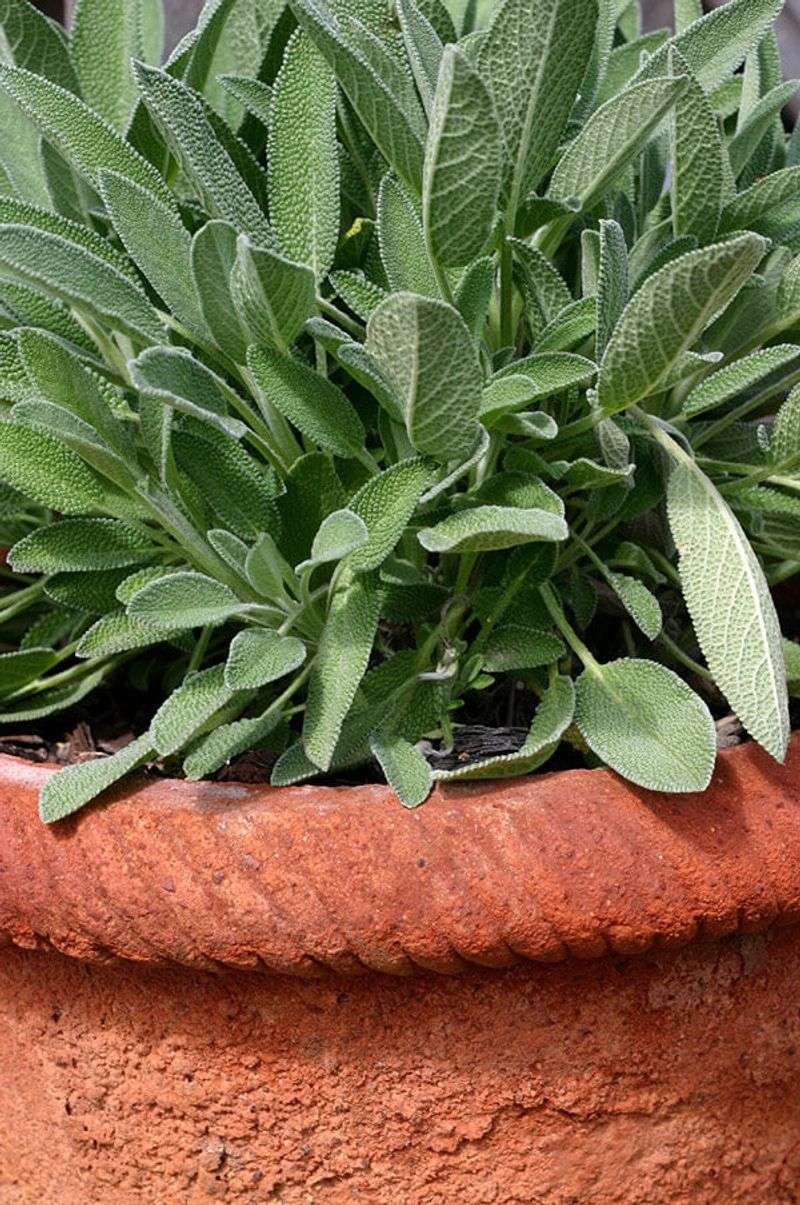
Sage, with its earthy aroma and soft, fuzzy leaves, is a beloved herb in both gardens and kitchens. Its anti-inflammatory properties make it a valuable addition to home remedies.
This hardy plant thrives in sunny, dry spots, requiring minimal water, and rewards you with its distinctive flavor. Sage leaves are a staple in teas and dishes, offering a savory depth.
Besides culinary applications, sage is often used in teas and tinctures to soothe sore throats and reduce inflammation, showcasing its versatility as both an herb and a remedy.
6. Mint
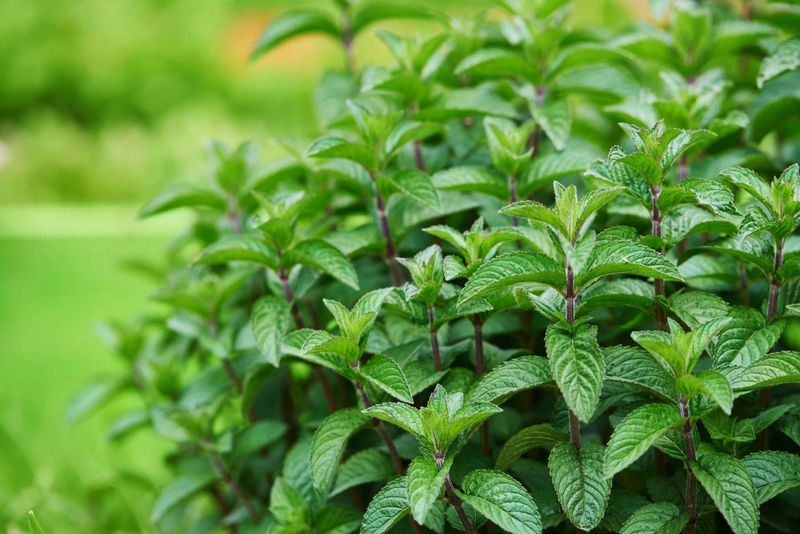
Mint, with its refreshing scent and flavor, is a garden favorite and a powerhouse of anti-inflammatory benefits. Its leaves are rich in antioxidants and compounds that help reduce inflammation and soothe digestive issues.
Thriving in partial shade, mint is incredibly easy to grow and spreads quickly, providing lush greenery and a continuous harvest.
From teas to desserts, mint adds a cooling touch, while its leaves can be used in herbal remedies to alleviate headaches and other inflammations, making it a versatile and beneficial garden plant.
7. Lavender
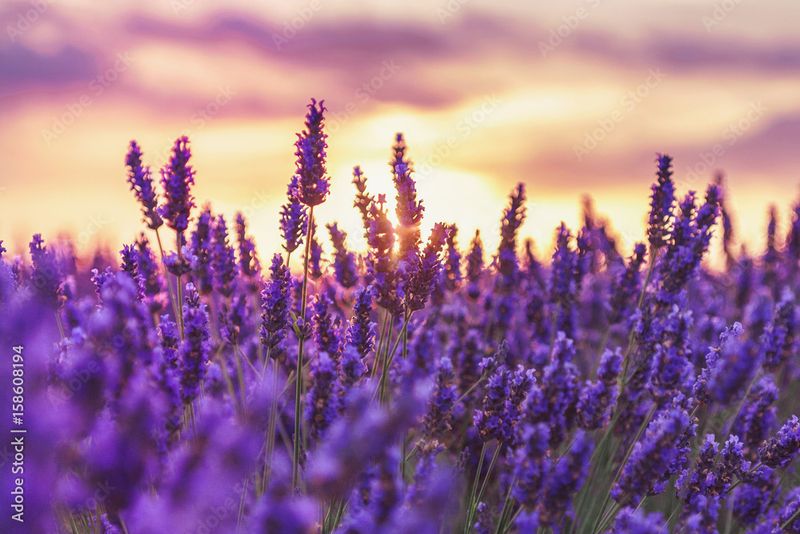
Lavender, with its iconic purple flowers and calming scent, is a staple in aromatherapy for its relaxing properties. Beyond its fragrance, lavender possesses anti-inflammatory and antiseptic effects.
This plant thrives in full sun and well-drained soil, adding beauty and serenity to any garden. Its flowers can be dried for use in teas, sachets, or oils.
Lavender oil is often used to soothe skin irritations and reduce inflammation, making it a cherished addition to both gardens and home remedies.
8. Chamomile
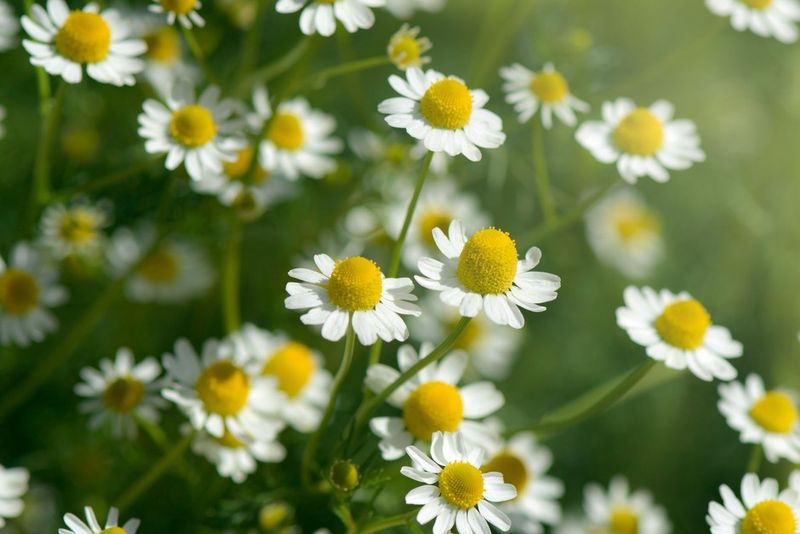
Chamomile, with its dainty white flowers and apple-like aroma, is celebrated for its calming and anti-inflammatory properties. Often used in teas, it aids in digestion and alleviates stress.
This easy-to-grow plant thrives in sunny locations and offers a continual harvest of soothing blossoms. Its gentle nature makes it suitable for any garden.
Besides its use in teas, chamomile is frequently used in skin care to reduce inflammation and promote healing, cementing its place as a versatile and beneficial herb.
9. Aloe Vera
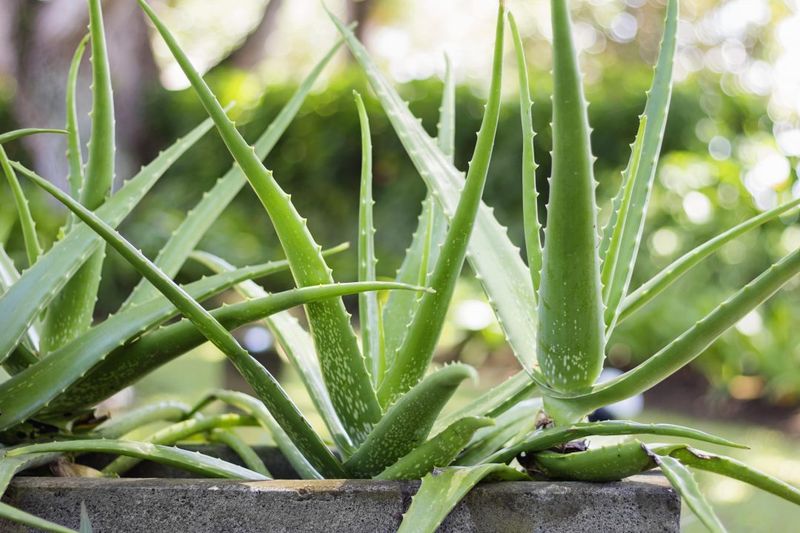
Aloe Vera, known for its succulent leaves filled with gel, is a natural remedy for skin inflammation and burns. Its soothing properties are widely recognized in traditional medicine.
This hardy plant thrives in sunny, arid conditions, requiring minimal water and care. Its gel can be harvested and applied directly to the skin for relief.
Beyond skincare, aloe vera juice is consumed to aid digestion and reduce internal inflammation, making it a versatile addition to both home remedies and gardens.
10. Echinacea
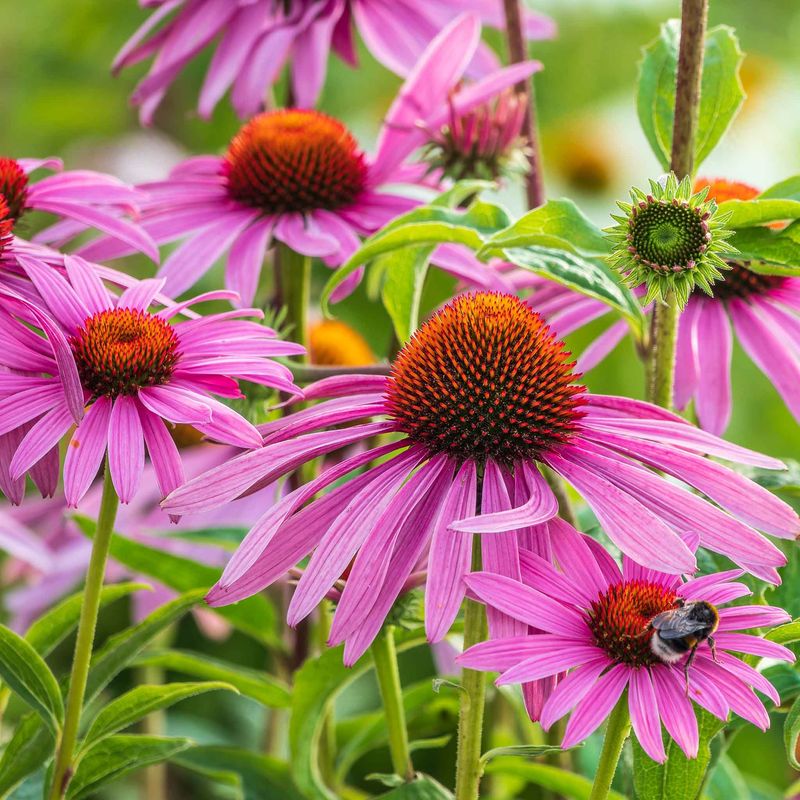
Echinacea, with its striking daisy-like flowers, is a garden favorite known for boosting immunity and reducing inflammation. Its roots and flowers are used in teas and tinctures.
This hardy perennial thrives in sunny gardens and attracts pollinators like bees and butterflies, adding life to any outdoor space.
Often used to ward off colds and infections, echinacea is a staple in herbal medicine, valued for its ability to support the immune system and alleviate inflammation naturally.
11. Calendula
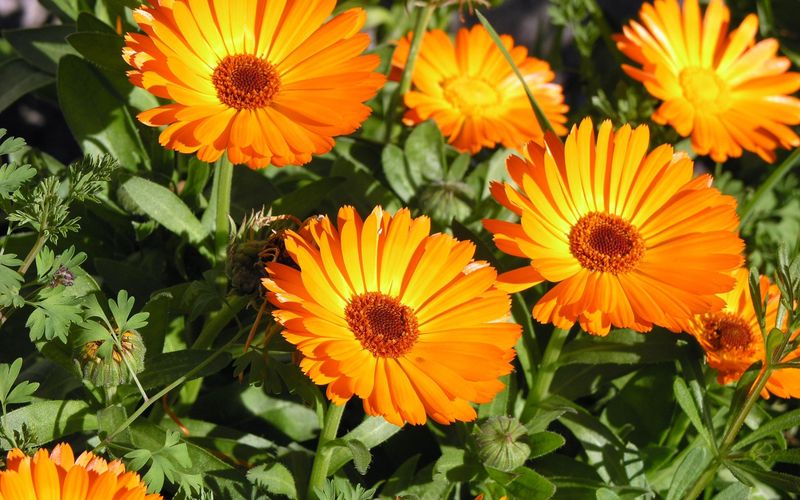
Calendula, with its vibrant orange blooms, is not just a garden eye-catcher but also a potent anti-inflammatory agent. Traditionally used in salves and teas, it helps soothe skin irritations.
This hardy annual thrives in sunny spots, providing continuous color and benefits throughout the growing season. Its petals are often used in natural skincare products.
Beyond its beauty, calendula is known to reduce inflammation and promote healing, making it a valuable addition to both ornamental gardens and herbal medicine chests.
12. St. John’s Wort
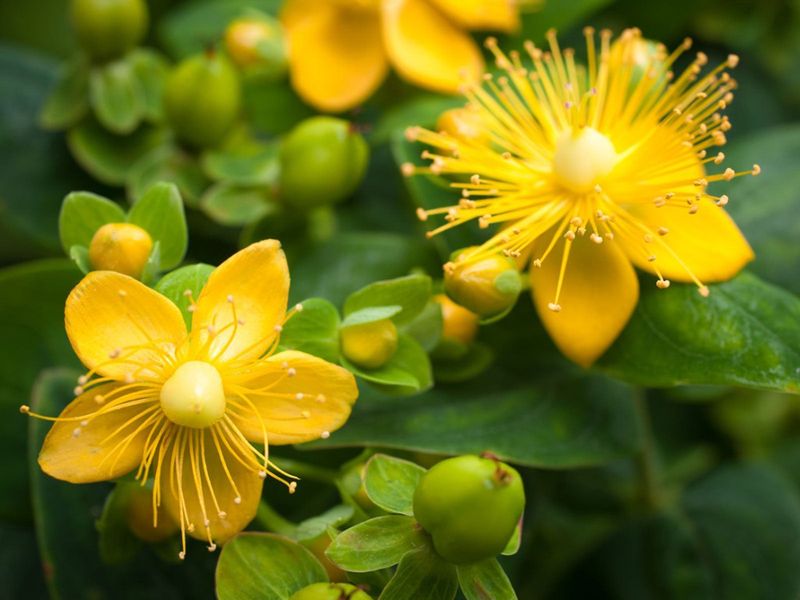
St. John’s Wort, famous for its bright yellow flowers, is more than just a pretty plant. It’s renowned for its mood-enhancing and anti-inflammatory properties.
This resilient herb flourishes in full sun and well-drained soil, making it a versatile addition to any garden. Its flowers are often used in teas and oils for their therapeutic benefits.
Known for alleviating depression and reducing inflammation, St. John’s Wort is a valuable plant in both traditional and modern herbal medicine practices.
13. Thyme
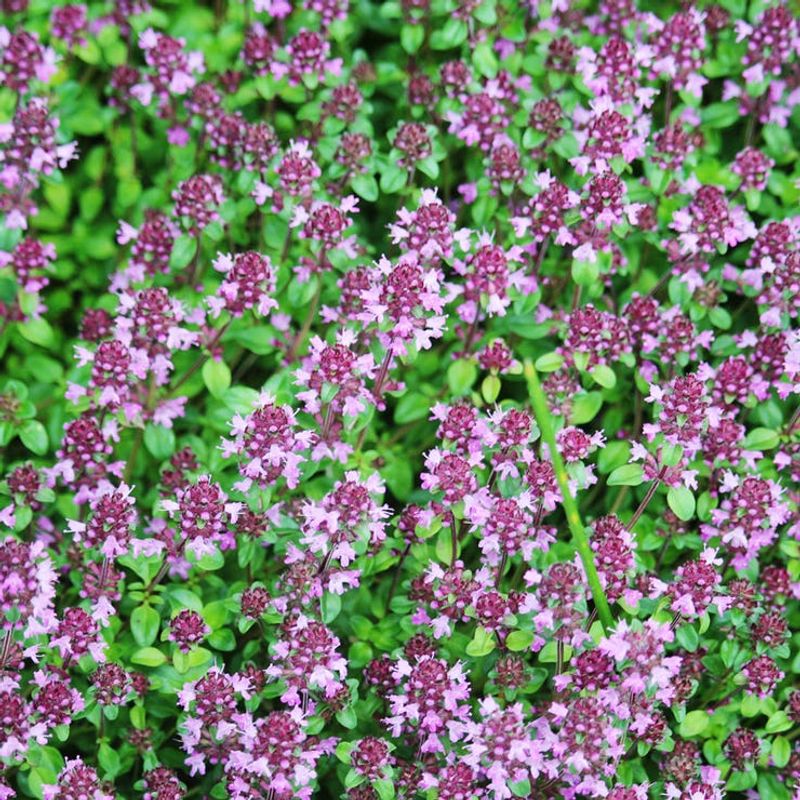
Thyme, with its small leaves and strong aroma, is a beloved herb in culinary arts and traditional medicine. Its anti-inflammatory properties are highly valued.
This low-growing perennial thrives in sunny, dry conditions and is perfect for rock gardens or borders. Thyme leaves are used in cooking to add depth and flavor.
Beyond its culinary uses, thyme is often infused into tea for respiratory relief and inflammation reduction, showcasing its versatility and importance in herbal remedies.
14. Oregano
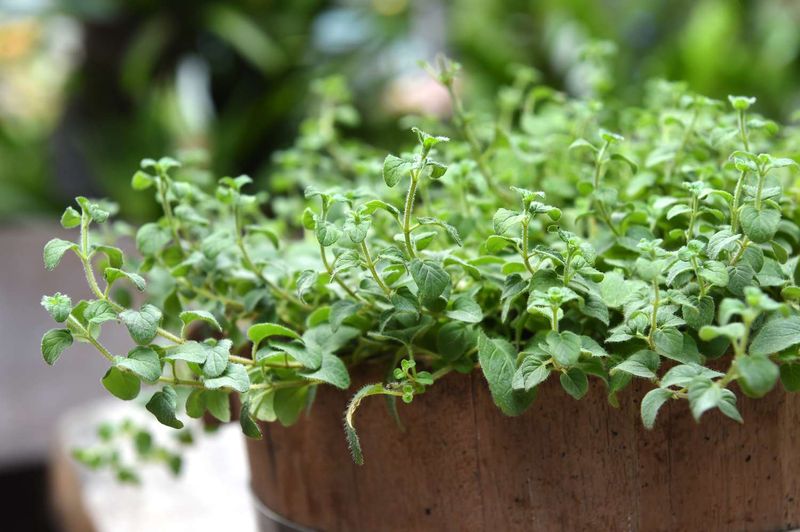
Oregano, famous for its savory aroma and flavor, is a must-have for any herb garden. It’s packed with antioxidants and anti-inflammatory compounds that benefit health.
This hardy perennial loves sunny spots and well-drained soil, making it easy to grow and maintain. Oregano leaves are a staple in Italian cuisine.
Beyond the kitchen, oregano oil is popular for its antibacterial and anti-inflammatory properties, offering natural remedies for various ailments.
15. Lemon Balm
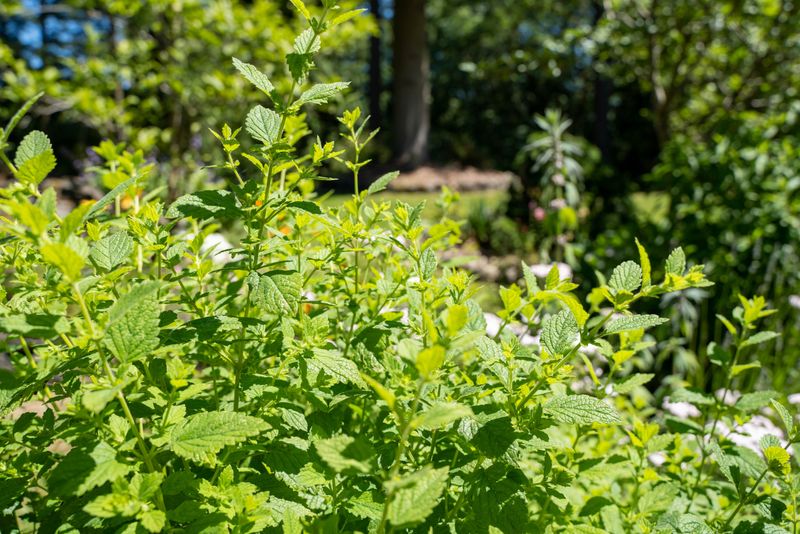
Lemon Balm, with its fragrant citrusy aroma, is known for its calming and anti-inflammatory effects. This herb is a favorite in teas for its delightful flavor and soothing properties.
It thrives in sunny or partly shaded areas, making it a versatile choice for gardens. Its leaves can be used fresh or dried.
Lemon Balm is often used in herbal medicine to relieve stress and reduce inflammation, offering a gentle, natural remedy that enhances both mood and health.