 Complete Gardening
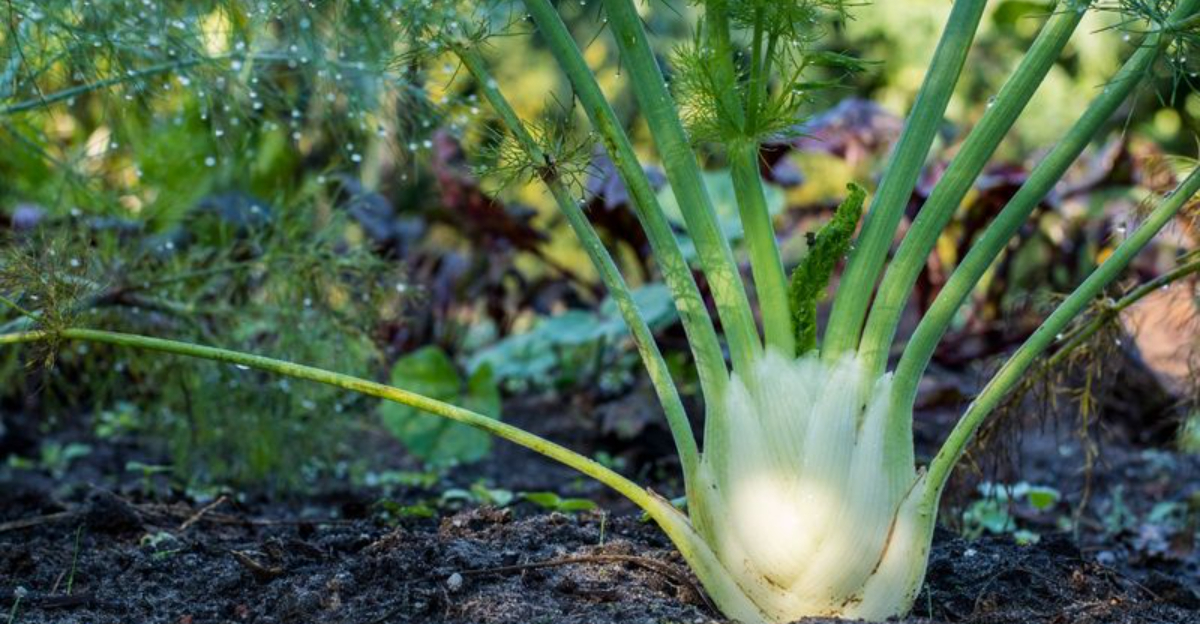
Creating a dream garden involves understanding which herbs grow harmoniously together and which ones should be kept apart.
This guide will explore 27 herbs that thrive when planted in the right conditions, sharing sunlight and well-drained soil. Additionally, it will highlight five herb pairings that should be avoided due to their competitive or invasive nature.
By following these guidelines, you can cultivate a vibrant and healthy garden that brings together the best of nature’s flavors and fragrances.
1. Rosemary
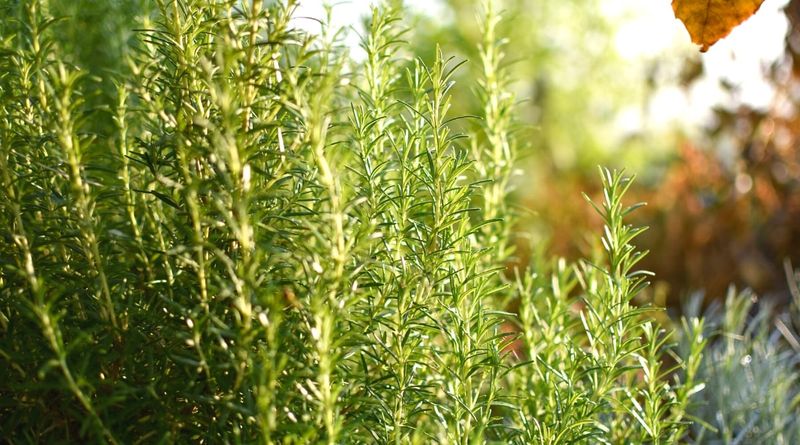
The robust aroma of rosemary, like a forest breeze, invigorates any garden. This sturdy herb thrives in sunshine, demanding little more than well-drained soil to flourish. Picture it standing tall, its needle-like leaves reaching upwards, bathing in golden rays. Rosemary’s resilience makes it ideal for both novice and expert gardeners alike.
Its woodsy scent pairs well with meats and potatoes, adding a burst of flavor to dishes. A Mediterranean staple, this herb symbolizes remembrance and can also repel certain garden pests. Rosemary’s adaptability and fragrant presence make it a must-have.
2. Thyme
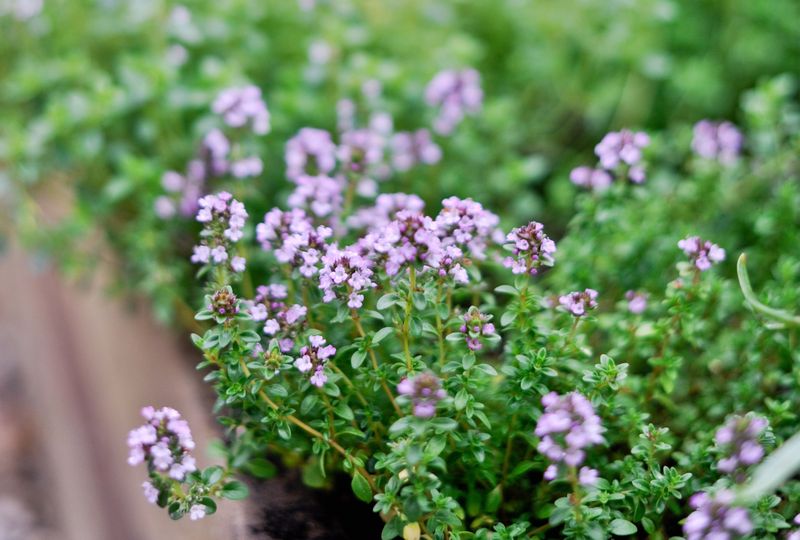
Thyme whispers its subtle elegance in every garden. With tiny purple flowers and fragrant leaves, this herb is a gentle companion to many others. Thriving in sunlit spaces, thyme spreads its charm across the garden bed without overwhelming its neighbors.
Its earthy, slightly minty flavor enhances soups, stews, and more. In folklore, thyme is associated with courage, making it a symbolic addition to your garden. Its low maintenance and aromatic presence ensure that thyme remains a favorite among gardeners seeking both beauty and utility.
3. Sage
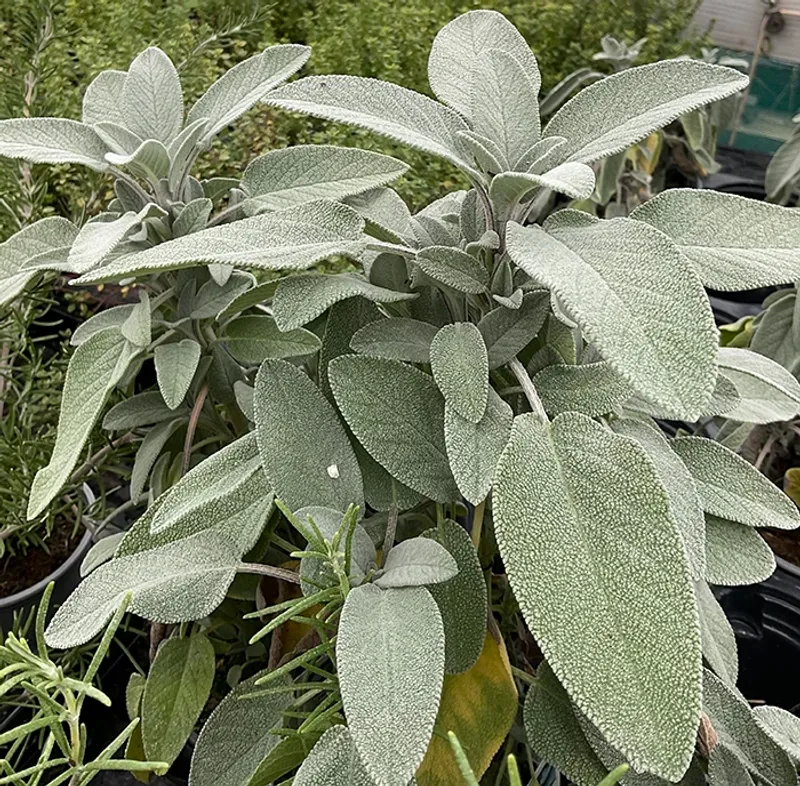
Sage, with its broad, velvety leaves, brings a touch of the sacred to your garden. Its earthy aroma and silvery foliage are both striking and soothing. This herb loves the sun and thrives in well-drained soil, making it a reliable garden companion.
Known for its culinary and medicinal uses, sage complements a variety of dishes, from meats to sauces. Its historical use in rituals gives it a mystical aura, inviting a sense of tranquility. Sage’s robust nature and versatile flavor profile make it a cornerstone of any herb garden.
4. Oregano
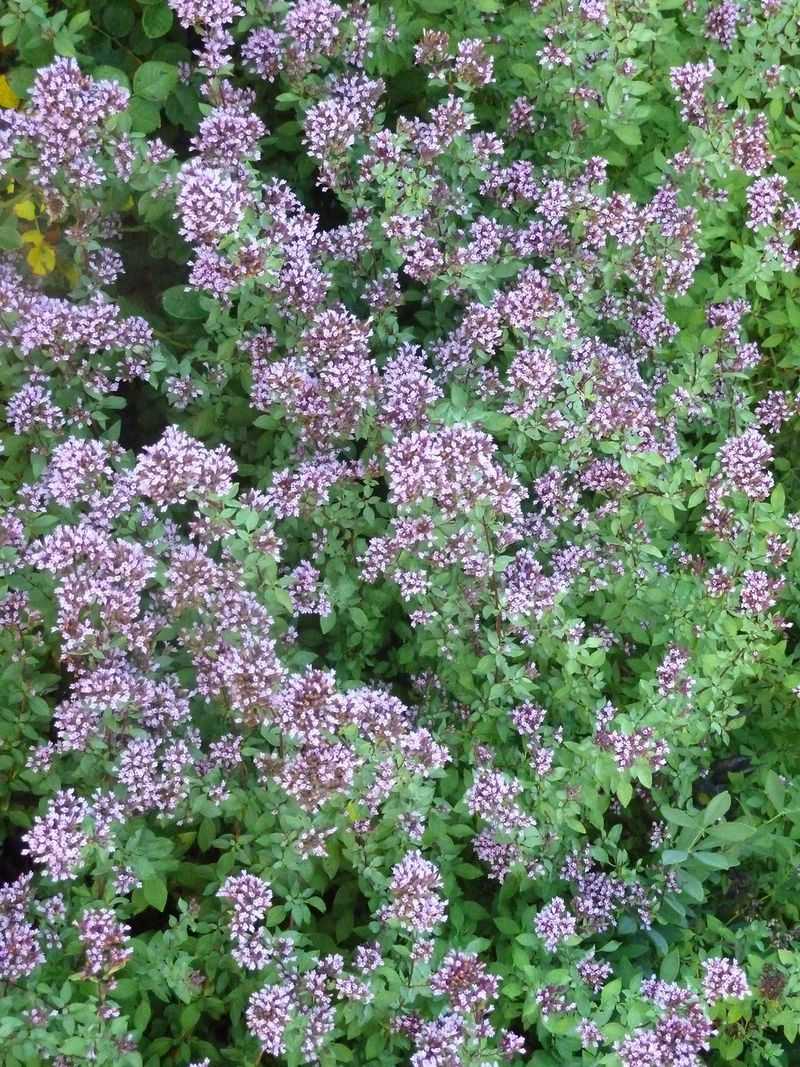
Oregano, the quintessential Mediterranean herb, bursts with vitality in sunny gardens. Its tiny purple flowers and rich green leaves create a tapestry of color and fragrance. Known for its bold, peppery flavor, oregano enhances pizzas, pastas, and sauces.
This herb symbolizes joy and energy, often associated with love. Oregano’s strong aroma acts as a natural insect repellent, keeping your garden safe and vibrant. Its tenacity and vibrant presence make oregano an essential addition to any herb enthusiast’s collection.
5. Marjoram
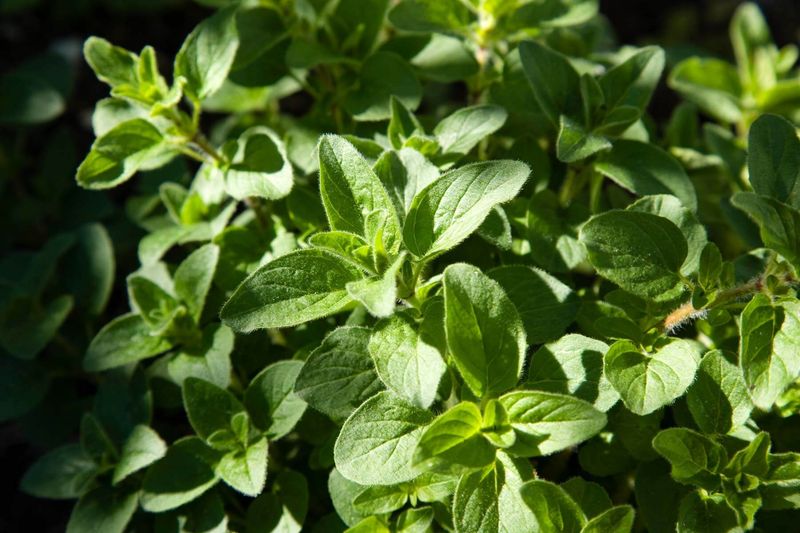
Marjoram offers a gentle embrace, with its sweet, citrusy fragrance wafting through the garden. This tender herb enjoys basking in the sun, its delicate green leaves capturing the light. In dishes, marjoram’s flavor is subtle yet complex, enhancing soups, salads, and meats.
Often confused with oregano, marjoram’s milder profile sets it apart, adding a gentle touch to culinary creations. Symbolizing happiness, marjoram’s presence in your garden invites peace and harmony. Its elegant aroma and culinary versatility make it a cherished companion.
6. Lavender
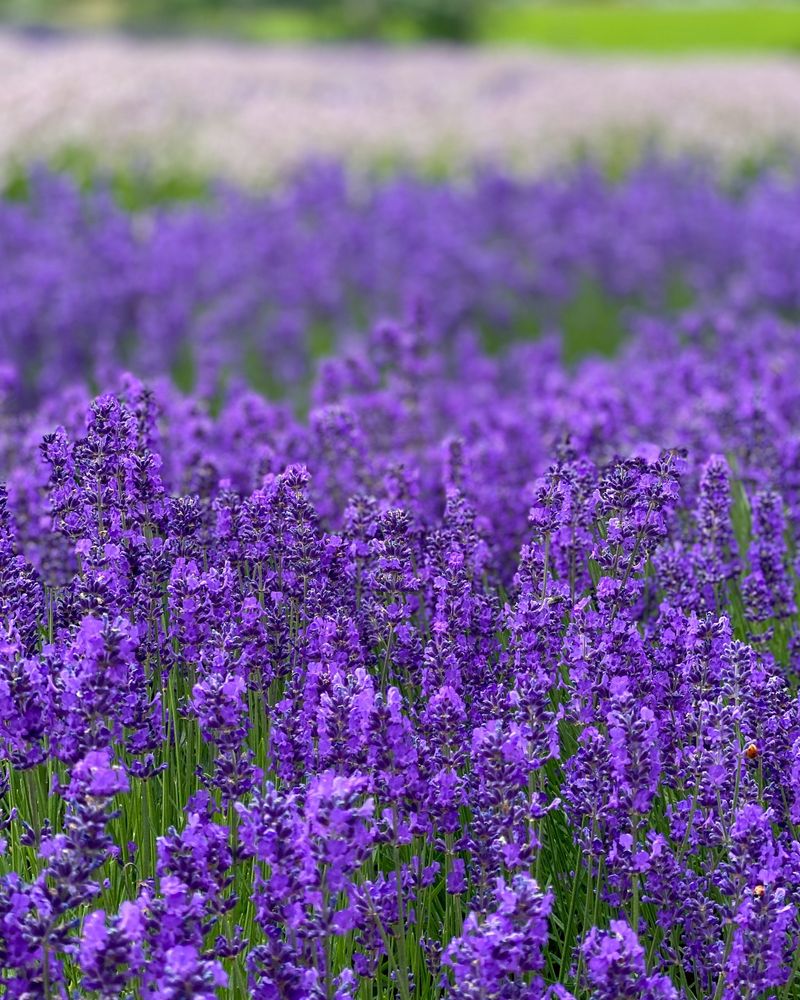
Lavender, the queen of the aromatic herbs, enchants with its vibrant purple blooms and calming scent. Thriving in sunny, well-drained areas, lavender’s beauty and fragrance are unrivaled. Its flowers sway like dancers in the breeze, painting the garden with hues of purple.
In addition to its visual appeal, lavender offers a soothing aroma, often used in aromatherapy and relaxation. It attracts pollinators while repelling unwanted pests. Lavender’s elegance and versatility make it a garden staple, enhancing both aesthetics and atmosphere.
7. Summer Savory
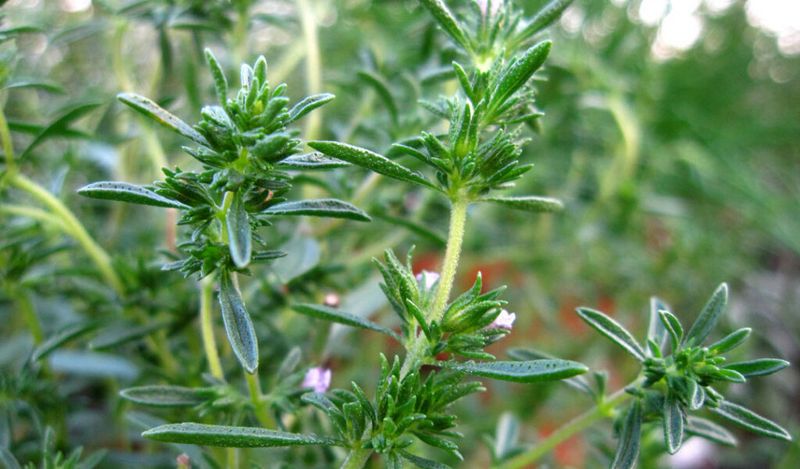
Summer savory, with its slender, dark green leaves, introduces a peppery zing to your garden. This sun-loving herb thrives in well-drained soil, making it a perfect companion for other Mediterranean plants. Its flavor is similar to thyme but with a unique spiciness.
Culinarily, summer savory enhances beans, meats, and sausages, adding depth and warmth to dishes. Historically, it symbolizes love and joy, enriching your garden with positive energy. Its robust nature and distinct taste ensure that summer savory holds a special place in herb gardens.
8. Basil
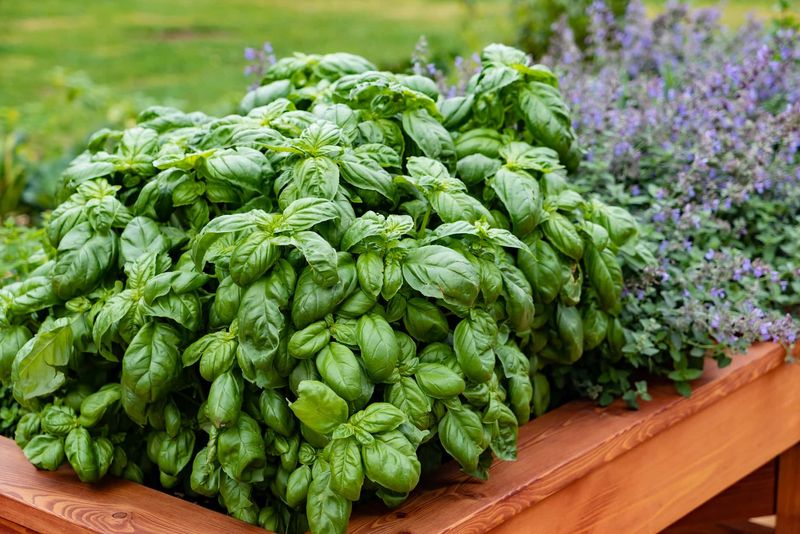
Basil, the aromatic star of summer gardens, dazzles with its lush green leaves and invigorating scent. It thrives under the sun’s warm embrace, a staple in Italian cuisine. Picture its leaves, glossy and vibrant, as they capture sunlight, ready to transform any dish.
From pesto to salads, basil’s sweet, peppery flavor lifts culinary creations to new heights. Its presence symbolizes love and protection, inviting harmony into your garden. With its alluring fragrance and culinary versatility, basil is an essential herb for every gardener.
9. Parsley
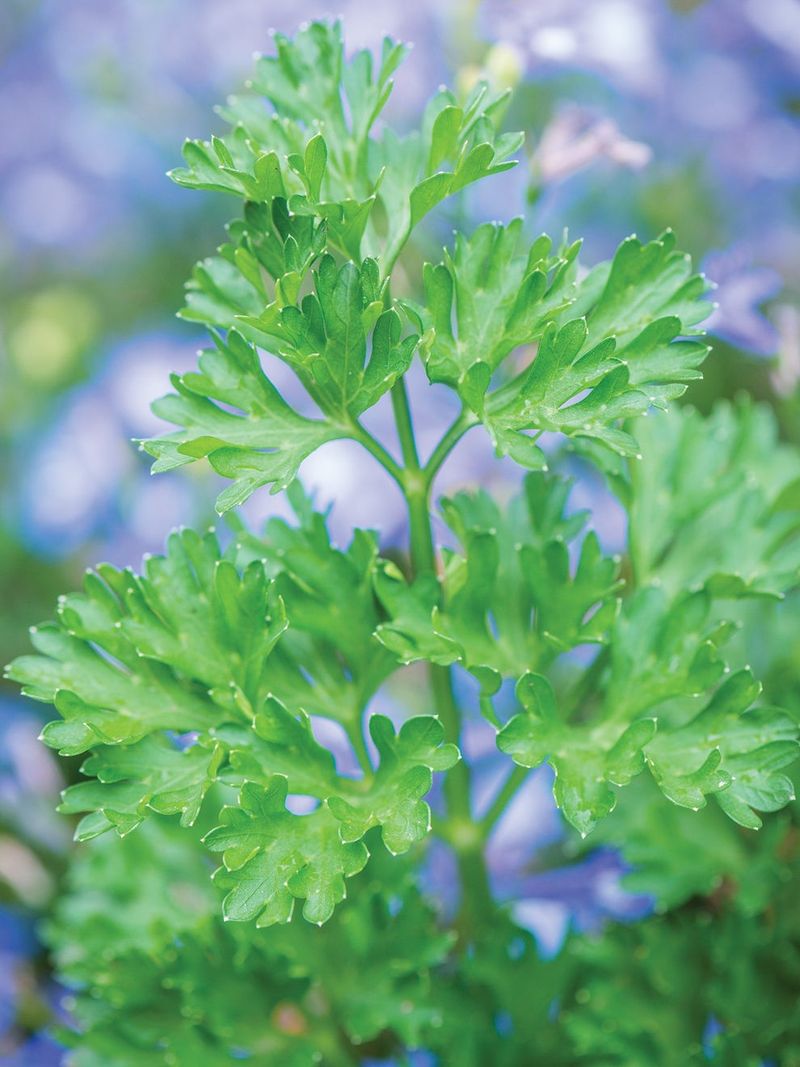
Parsley, the unsung hero of the culinary world, stands tall with its curly green leaves and fresh aroma. Known for its role as a garnish, parsley also brings a burst of flavor to dishes. It thrives in sunlit gardens, enjoying well-drained soil.
Its crisp, slightly peppery taste enhances everything from salads to sauces. Rich in vitamins, parsley doubles as a nutritional powerhouse. Symbolizing festivity, it adds a touch of celebration to your garden. Parsley’s dual role as a garnish and flavor enhancer makes it indispensable.
10. Cilantro
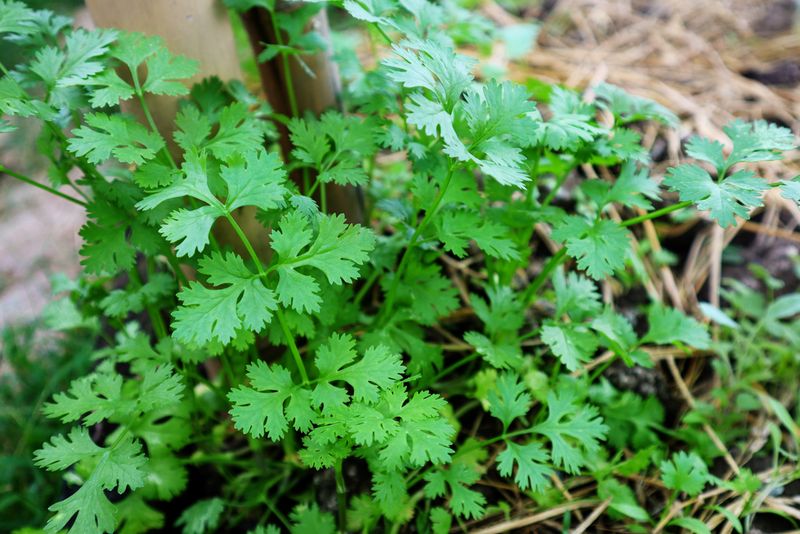
Cilantro’s feathery green leaves bring a burst of freshness to any garden. This herb thrives in sunny spots, its distinctive aroma igniting the senses. Known for its bold, citrusy flavor, cilantro is a culinary favorite in salsas, curries, and more.
Its vibrancy symbolizes passion and energy, infusing your garden with life. While its taste is polarizing, cilantro remains a staple in diverse cuisines. Its ability to transform dishes and enhance flavors ensures its place in every herb garden.
11. Chives
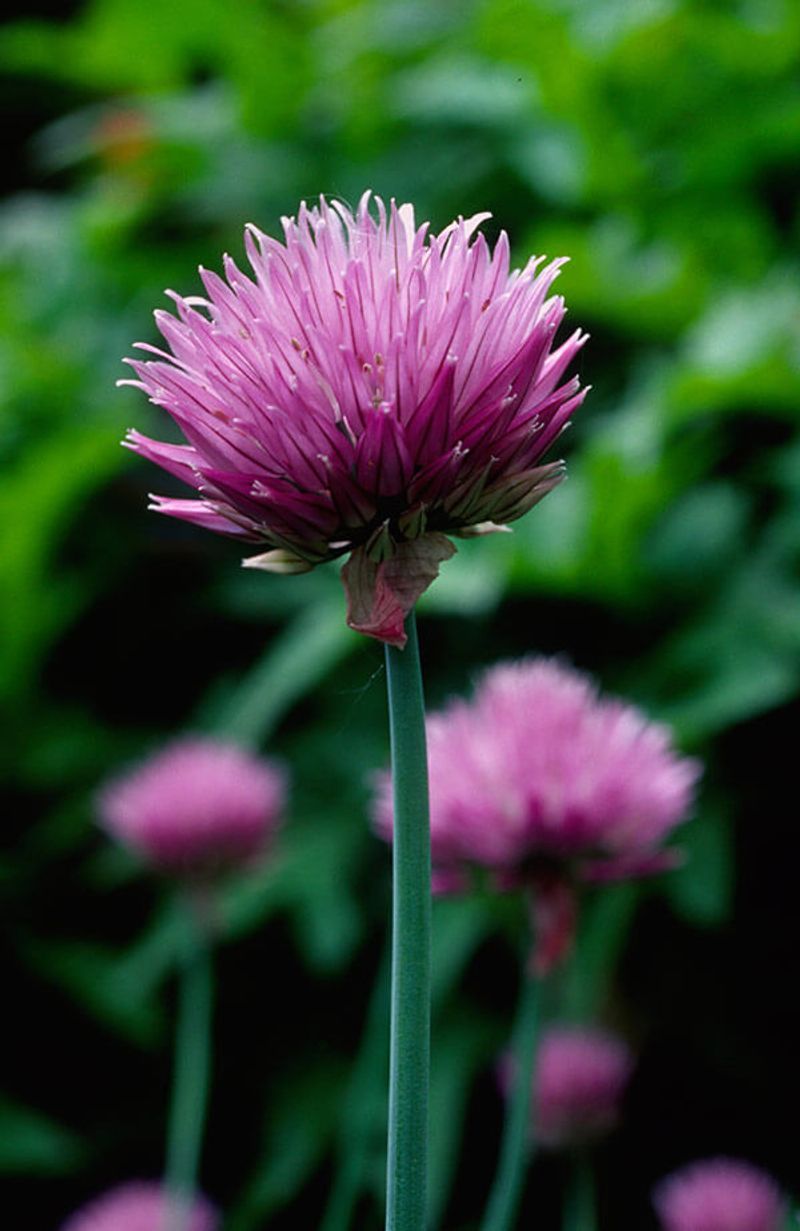
Chives stand tall with their slender, green stalks and delicate purple blossoms. This resilient herb thrives in sunlight, its mild onion flavor enhancing countless dishes. Imagine it swaying gently in the breeze, bringing both beauty and flavor to your garden.
With its subtle taste, chives complement salads, soups, and more. Its blossoms attract pollinators, supporting garden biodiversity. Chives’ elegant appearance and versatile flavor make it a cherished addition to any herb collection.
12. Dill
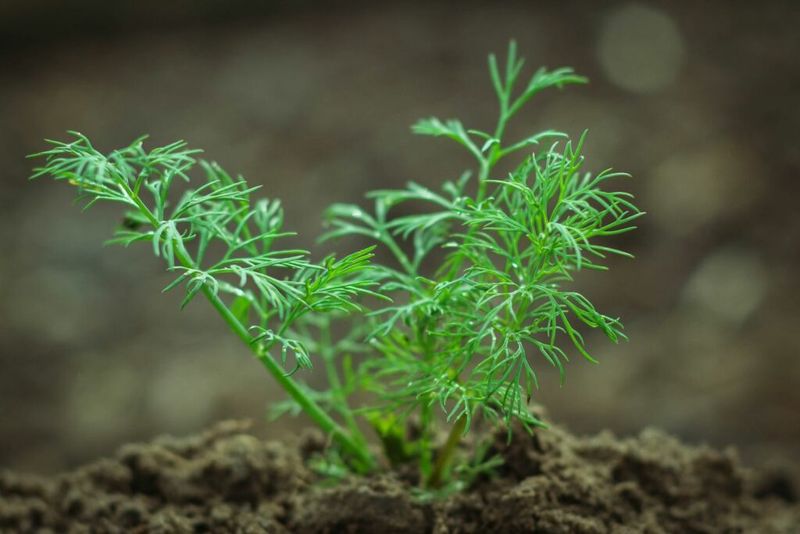
Dill brings a touch of whimsy to your garden with its feathery green fronds and light, refreshing aroma. Thriving in sunny conditions, dill dances in the breeze, adding texture and flavor to your herb collection.
Its tangy, slightly sweet flavor is essential in pickling and pairs well with fish, potatoes, and more. Dill’s historical use in medicine and cooking adds depth to its charm. Its unique appearance and culinary versatility make dill an intriguing garden companion.
13. Borage
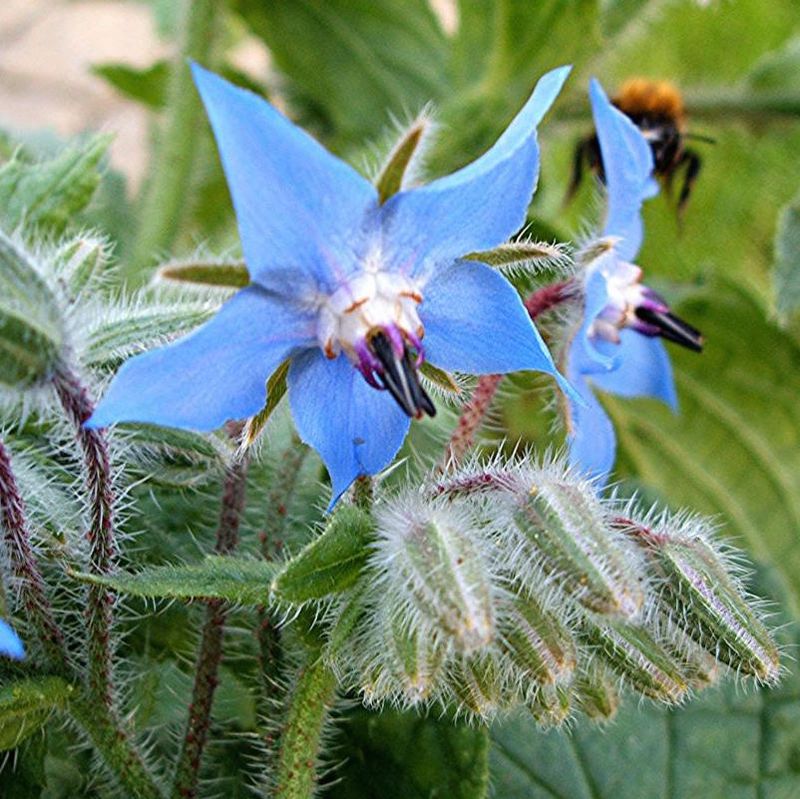
Borage dazzles with its star-shaped blue flowers, adding a splash of color to your garden. Thriving in sunny spots, this herb attracts bees and butterflies, supporting garden biodiversity.
Its cucumber-like flavor is a refreshing addition to salads and beverages. Historically, borage is associated with courage, adding a sense of bravery to your herb collection. Its striking appearance and supportive role in the garden make borage a unique and valuable addition.
14. Lemon Balm
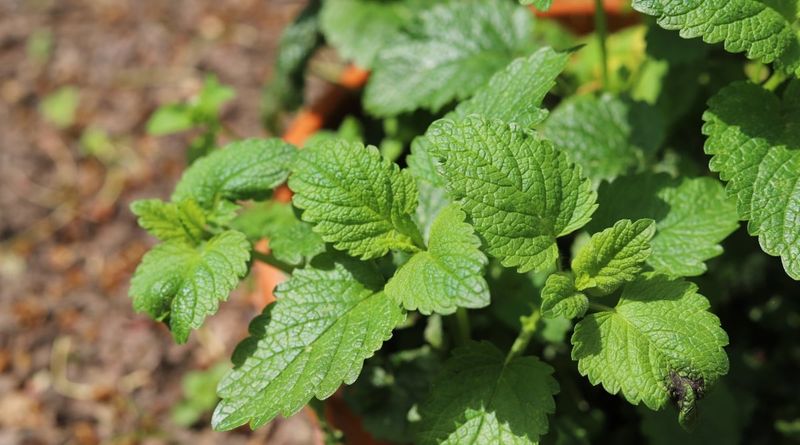
Lemon balm exudes a gentle citrus aroma, its bright green leaves capturing the essence of sunshine. This herb thrives in sunny conditions, spreading its calming fragrance throughout the garden.
Its lemony flavor is a delightful addition to teas, desserts, and more. Known for its soothing properties, lemon balm invites relaxation and tranquility. Its vibrant presence and calming energy make lemon balm a cherished garden companion, offering both beauty and utility.
15. Chamomile
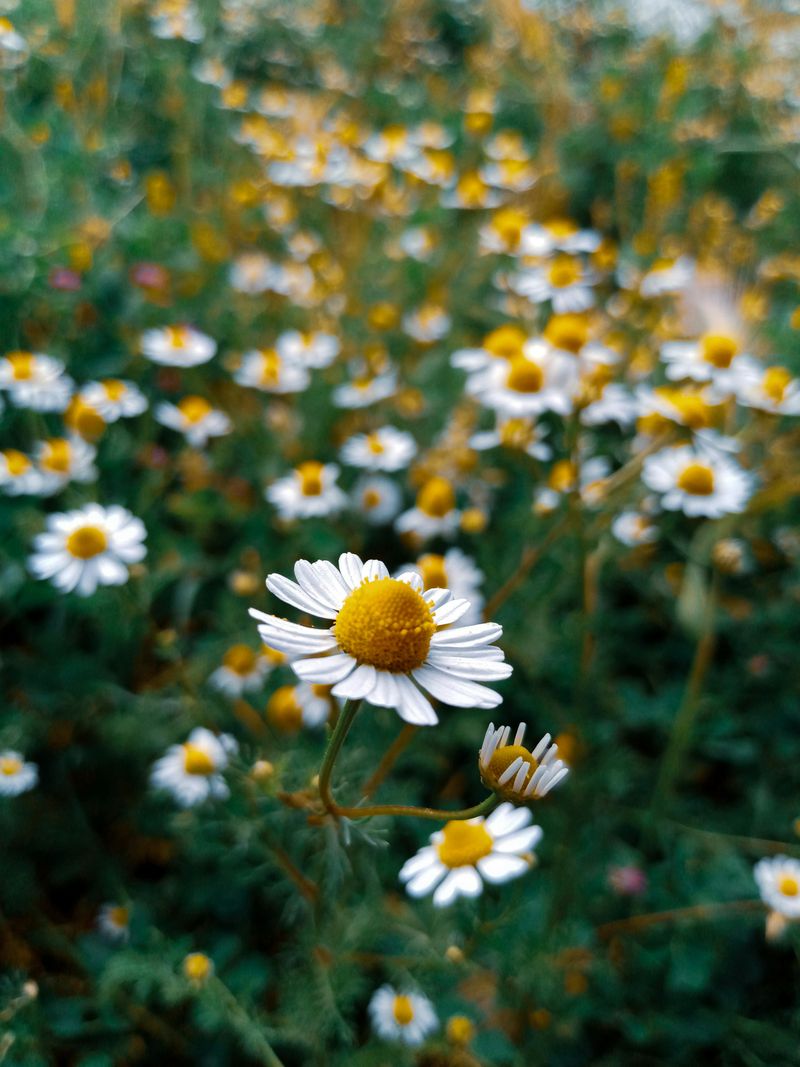
Chamomile enchants with its daisy-like white petals and sunny yellow centers, bringing a touch of cheer to any garden. This herb loves basking in sunlight, its sweet, apple-like scent wafting through the air.
Known for its calming properties, chamomile is a staple in teas and soothing remedies. Its gentle presence and delicate flowers make chamomile a garden favorite, inviting both beauty and relaxation.
16. Calendula
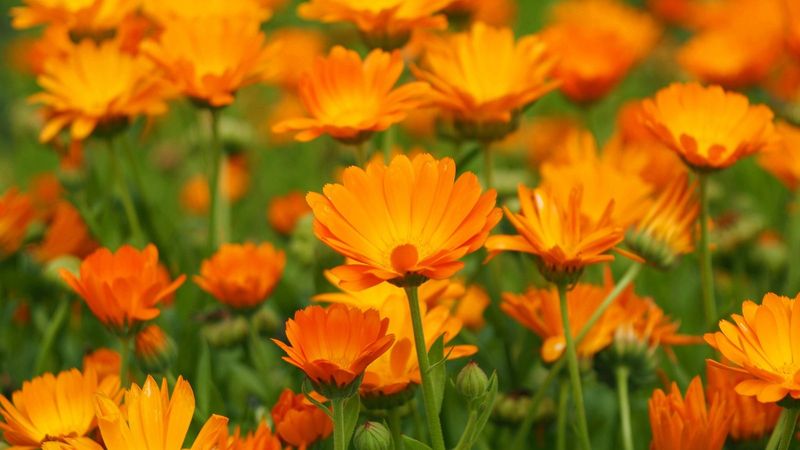
Calendula, with its vibrant orange petals, lights up the garden with cheerfulness. Thriving in sunny conditions, this herb attracts pollinators and adds a splash of color to your herb collection.
Often used in herbal remedies, calendula’s petals are edible, bringing a hint of spice to salads. Its association with healing and protection enhances its charm. Calendula’s bright blooms and beneficial properties make it an essential addition to any garden.
17. Nasturtium
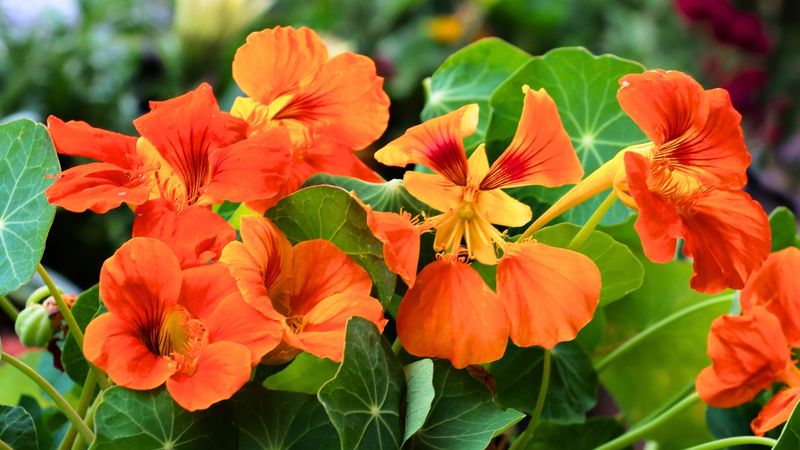
Nasturtium brings a vibrant burst of color with its bright orange and yellow flowers. Thriving in sunlit areas, this herb adds both beauty and flavor to your garden.
Its peppery leaves and flowers are a zesty addition to salads and garnishes. Nasturtium’s ability to repel certain pests adds a protective layer to your garden. Its striking appearance and dual-purpose use make nasturtium a standout in any herb garden.
18. Bee Balm
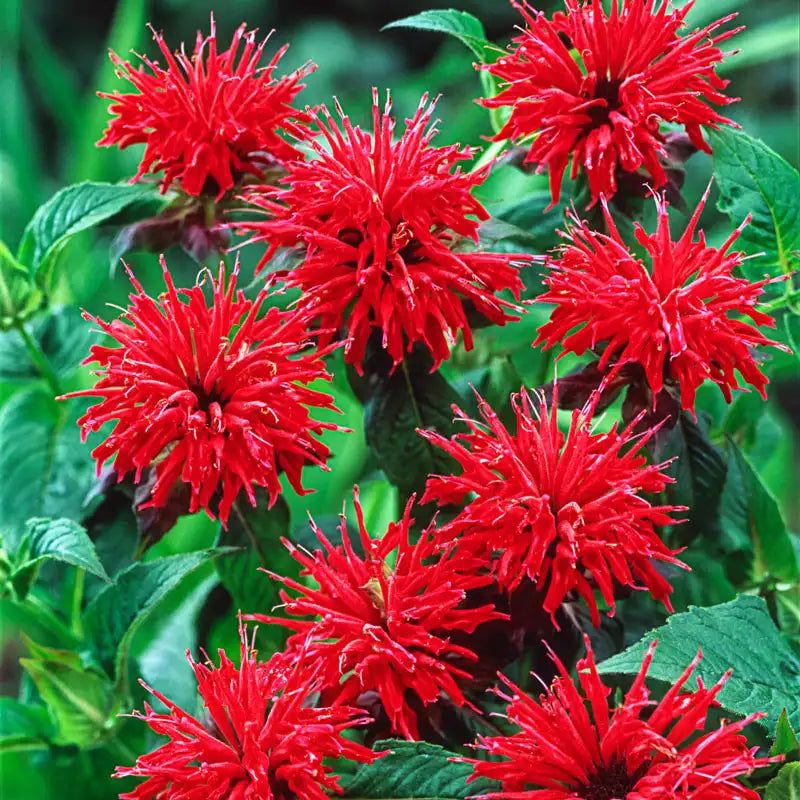
Bee balm captivates with its bright red flowers, attracting bees and hummingbirds to your garden. Thriving in sunny conditions, it adds a splash of color and life to any herb collection.
Its minty, citrusy flavor enhances teas, salads, and more. Known for its medicinal properties, bee balm offers a sense of wellness. Its vibrant blooms and supportive role in the garden make bee balm a must-have for herb enthusiasts.
19. Catnip
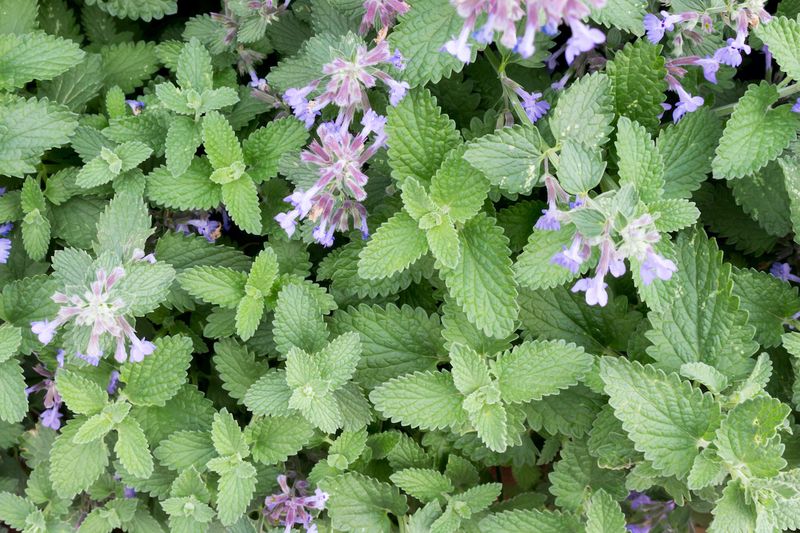
Catnip brings delight to gardens with its heart-shaped leaves and soft, minty aroma. Thriving in sunny spots, it attracts cats and beneficial insects, adding a playful touch to your herb collection.
Its calming properties make it popular in teas and natural remedies. Known for its ability to repel certain pests, catnip adds a layer of protection to your garden. Its whimsical presence and dual-purpose use make catnip a unique addition.
20. Anise Hyssop
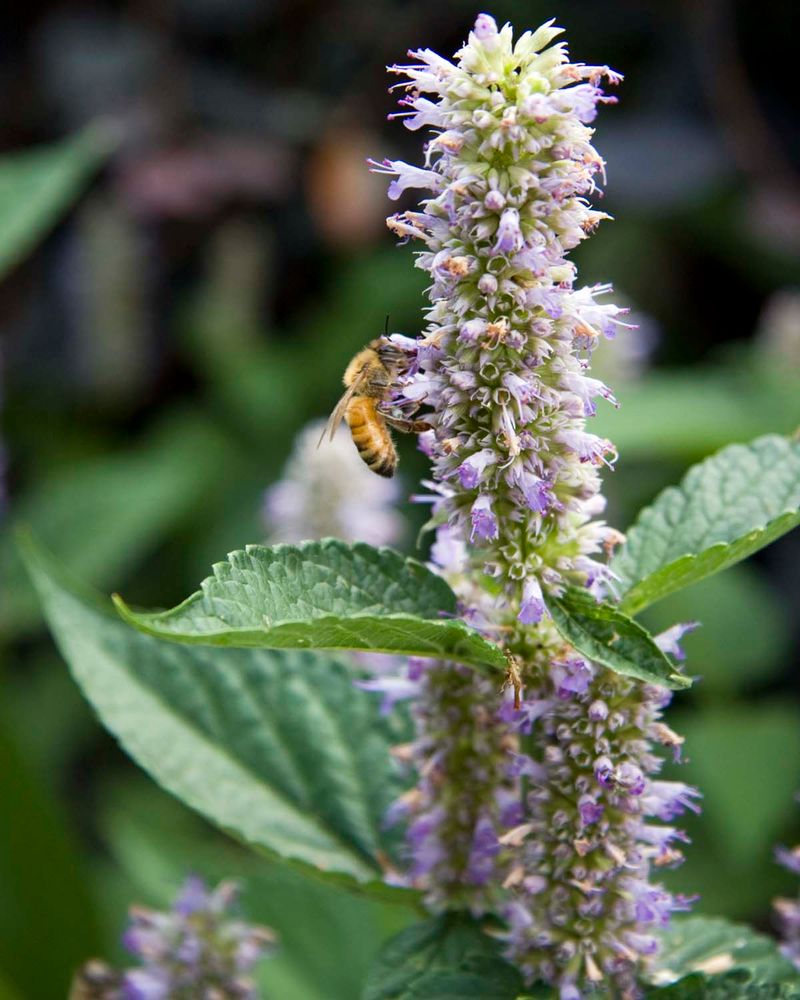
Anise hyssop enchants with its lavender-blue flower spikes and sweet, licorice-like aroma. Thriving in sunny gardens, it attracts bees and butterflies, supporting biodiversity.
Its flavor is a delightful addition to teas, salads, and desserts. Known for its medicinal properties, anise hyssop adds a sense of wellness. Its striking flowers and charming scent make it a valuable addition to any herb garden.
21. Hyssop
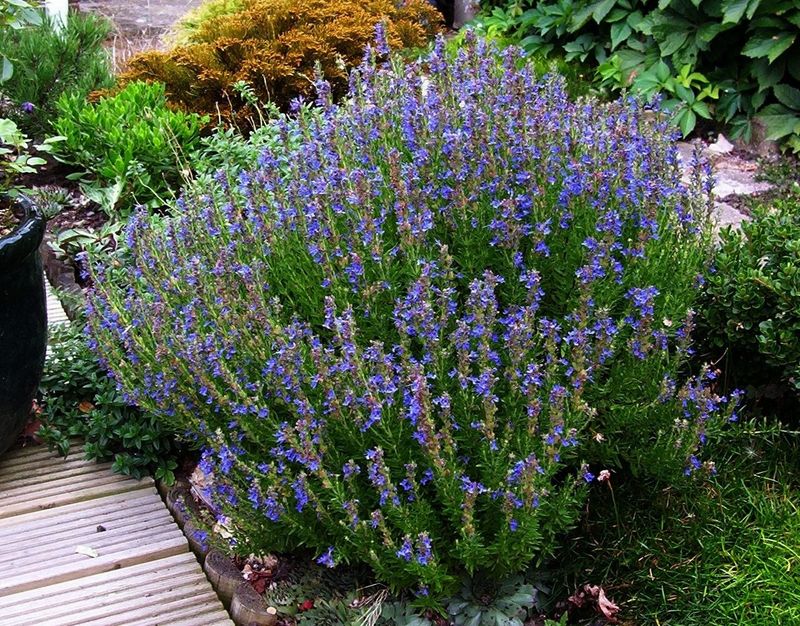
Hyssop stands as a symbol of protection with its dark green leaves and purple flower spikes. Thriving in sunny gardens, it adds both beauty and fragrance to your herb collection.
Its minty, slightly bitter flavor is a unique addition to teas and culinary creations. Historically used for purification, hyssop’s presence invites a sense of cleansing. Its robust nature and aromatic profile make hyssop a cherished companion.
22. Tarragon
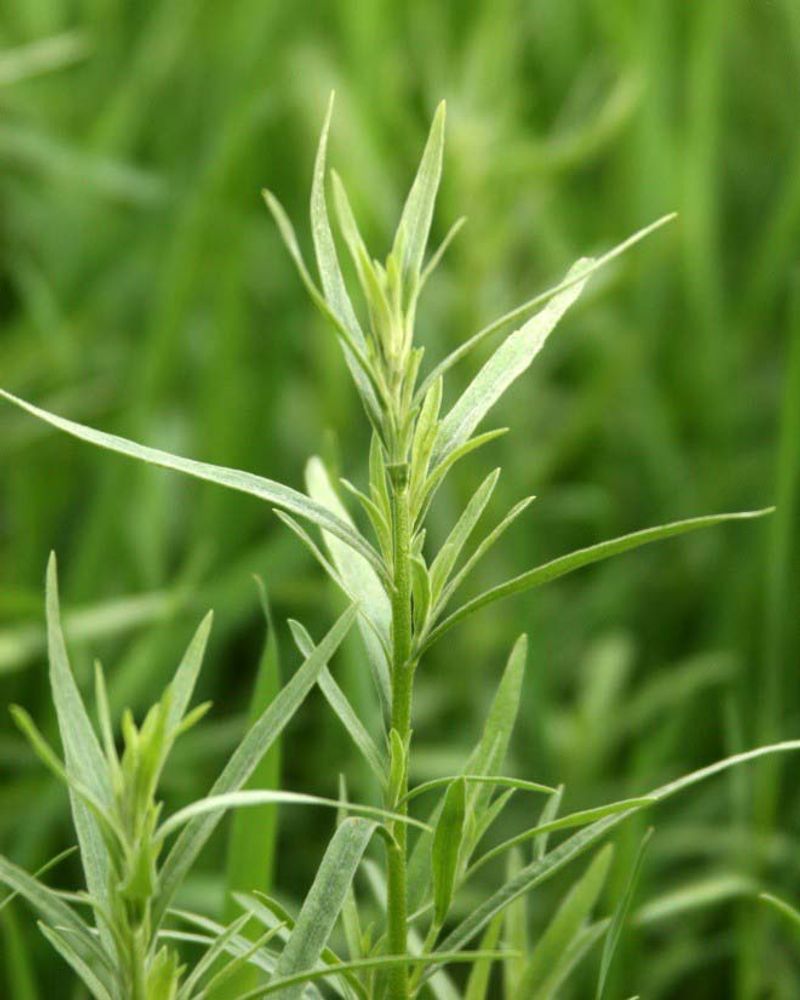
Tarragon, with its slender green leaves, brings a touch of elegance to your garden. Thriving in sunny, well-drained soil, it adds both flavor and fragrance to your herb collection.
Its anise-like flavor enhances a variety of dishes, from salads to sauces. Known for its medicinal properties, tarragon symbolizes lasting friendship. Its subtle aroma and culinary versatility make tarragon an indispensable herb.
23. Lemongrass
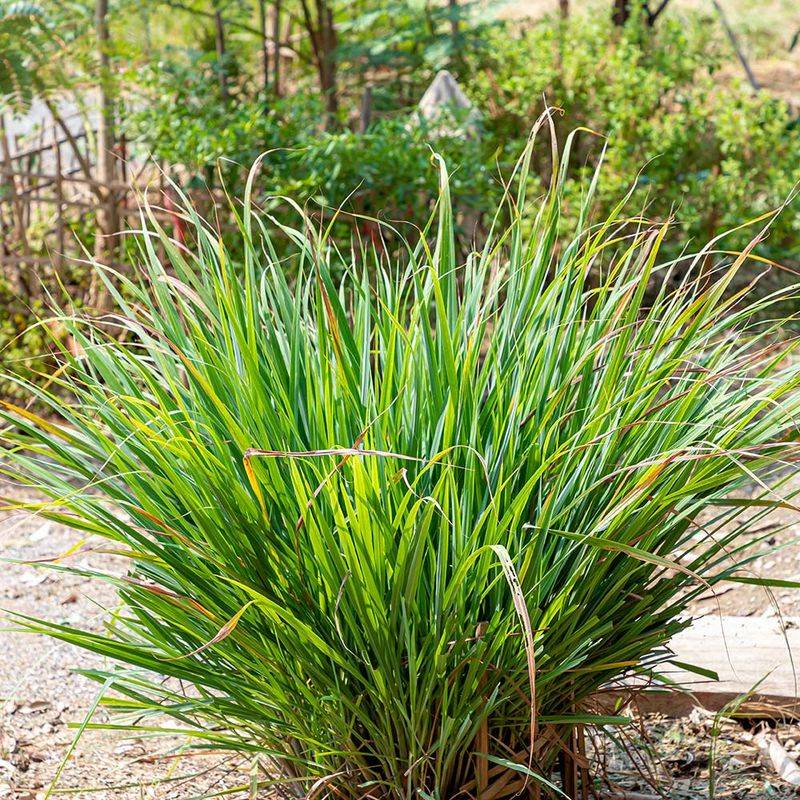
Lemongrass sways gracefully with its tall, slender stalks, bringing a refreshing citrus aroma to your garden. Thriving in sunny conditions, it adds both beauty and fragrance to any herb collection.
Its lemony flavor is a staple in Asian cuisine, enhancing soups, teas, and more. Known for its medicinal properties, lemongrass offers a sense of wellness. Its vibrant presence and culinary versatility make lemongrass a cherished addition.
24. Garlic Chives
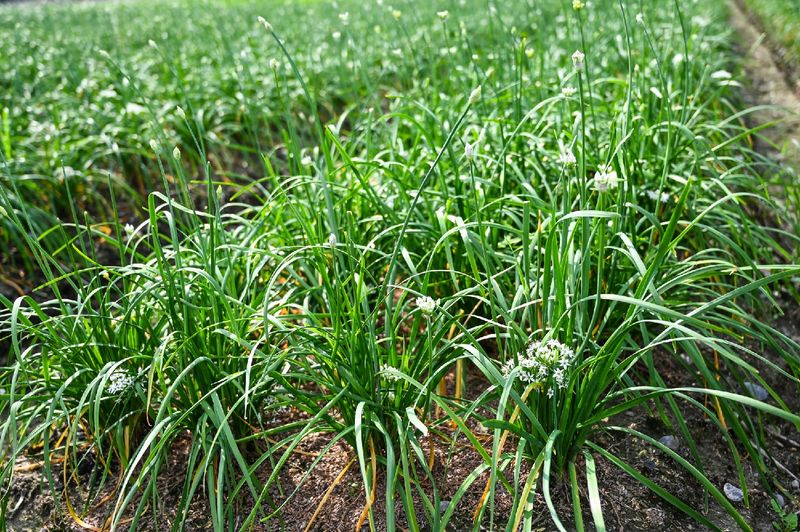
Garlic chives bring a gentle touch of garlic flavor with their flat, green leaves and white blossoms. Thriving in sunny gardens, they add both beauty and flavor to your herb collection.
Their mild taste enhances soups, salads, and more. Known for their nutritional benefits, garlic chives offer a sense of vitality. Their subtle aroma and culinary versatility make garlic chives a cherished companion.
25. Vietnamese Coriander
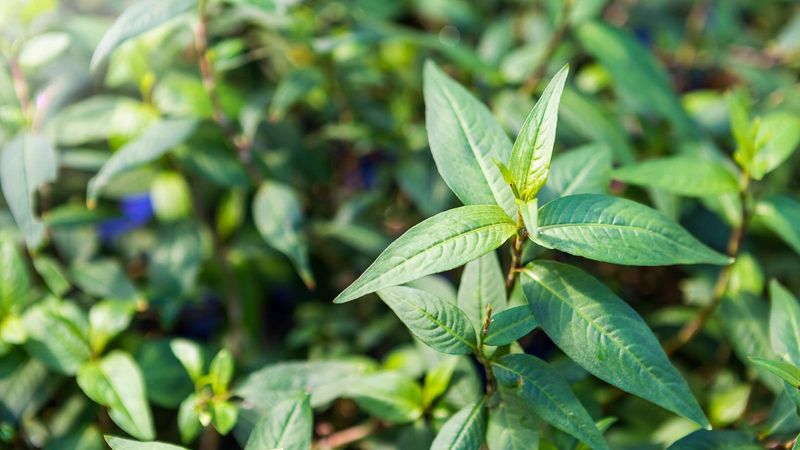
Vietnamese coriander adds an exotic touch with its elongated, dark green leaves and spicy, citrusy aroma. Thriving in sunny gardens, it brings both flavor and fragrance to your herb collection.
Its bold taste is a staple in Southeast Asian cuisine, enhancing soups, salads, and more. Known for its medicinal properties, Vietnamese coriander offers a sense of adventure. Its unique presence and culinary versatility make it a valuable addition.
26. Salad Burnet
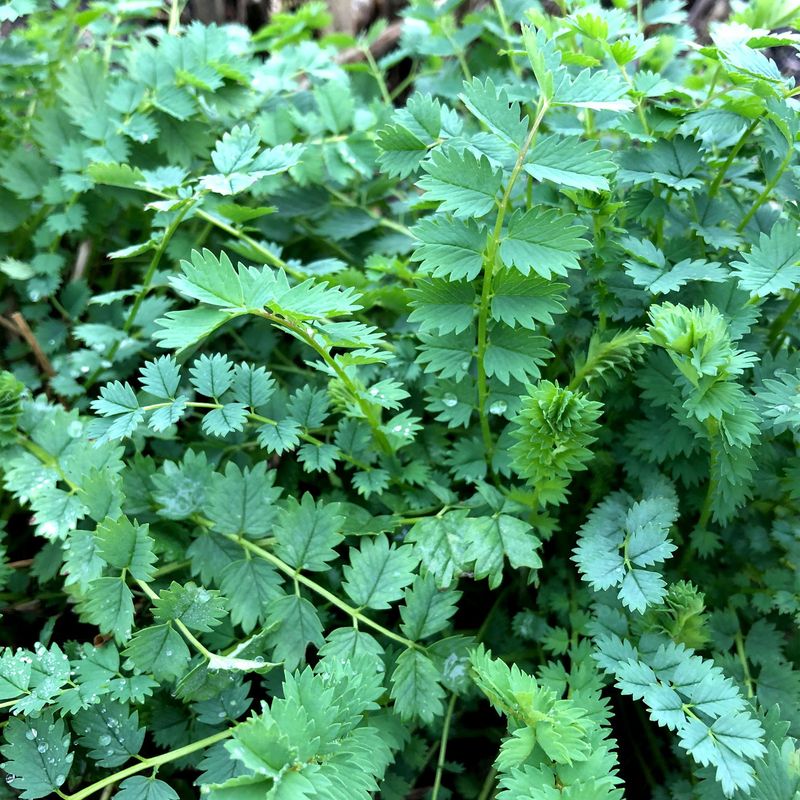
Salad burnet offers a refreshing touch with its cucumber-like flavor and serrated leaves. Thriving in sunny gardens, it adds both texture and taste to your herb collection.
Its crisp flavor enhances salads, sandwiches, and more. Known for its medicinal properties, salad burnet symbolizes freshness and vitality. Its unique taste and culinary versatility make salad burnet a delightful addition.
27. Shiso (Perilla)
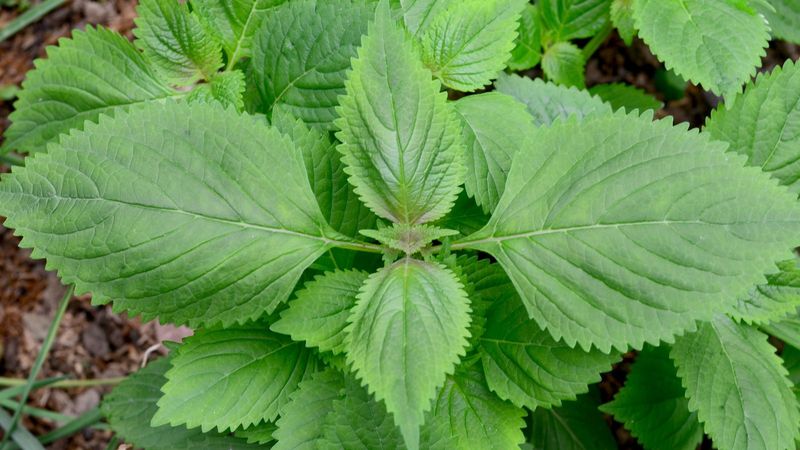
Shiso, with its broad, textured leaves, introduces an exotic flair to your garden. Thriving in sunny conditions, it adds both beauty and flavor to any herb collection.
Its bold, minty flavor enhances a variety of dishes, from salads to sushi. Known for its medicinal properties, shiso symbolizes warmth and protection. Its striking appearance and culinary versatility make shiso a unique addition.
28. Chervil
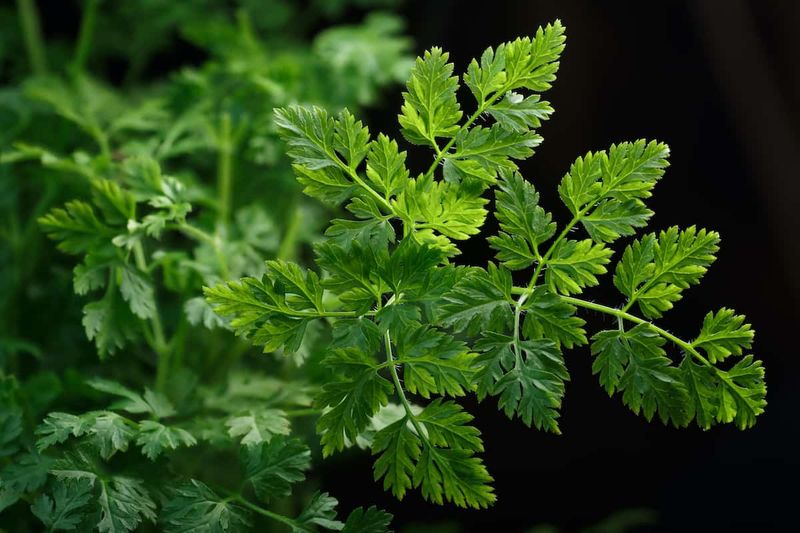
Chervil whispers elegance with its delicate, fern-like leaves and subtle anise aroma. Thriving in sunny gardens, it adds both beauty and flavor to your herb collection.
Its mild, slightly sweet flavor enhances soups, sauces, and more. Known for its medicinal properties, chervil symbolizes new life and beginnings. Its graceful presence and culinary versatility make chervil a cherished companion.
29. Mint + Anything Else (in ground)
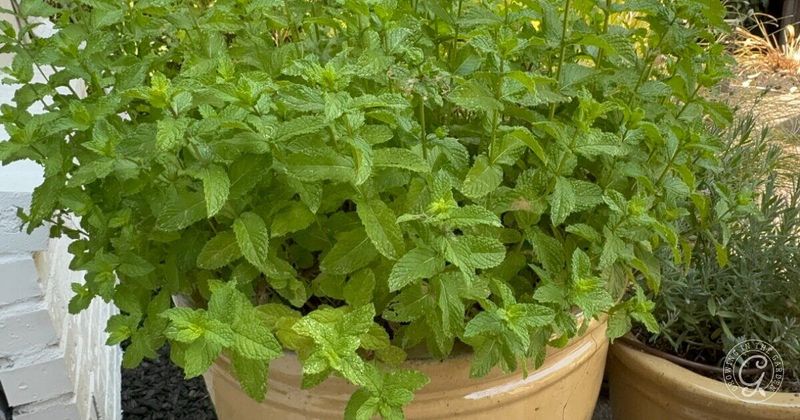
Mint, with its lush green leaves and refreshing aroma, can quickly overtake your garden if left unchecked. Its invasive nature makes it a poor companion for most other herbs when planted directly in the ground.
Mint’s vigorous growth can choke out neighboring plants, depriving them of nutrients and space. To enjoy its bold flavor without the risk, consider planting mint in containers. This way, its invigorating presence enhances your garden without overwhelming it, offering the best of both worlds.
30. Fennel + Everything
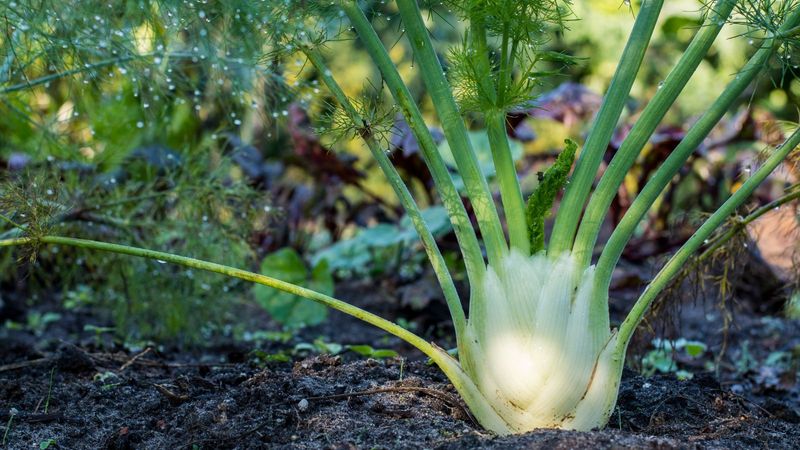
Fennel, with its feathery fronds and distinctive anise aroma, stands out in any garden. However, its tendency to secrete allelopathic compounds can hinder the growth of nearby plants, including herbs.
This quality makes fennel a challenging companion in the garden, as its presence can inhibit the success of others. To enjoy fennel’s bold flavor without compromising your garden’s health, plant it separately. This way, its unique taste can shine without overshadowing its neighbors.
31. Rue + Basil
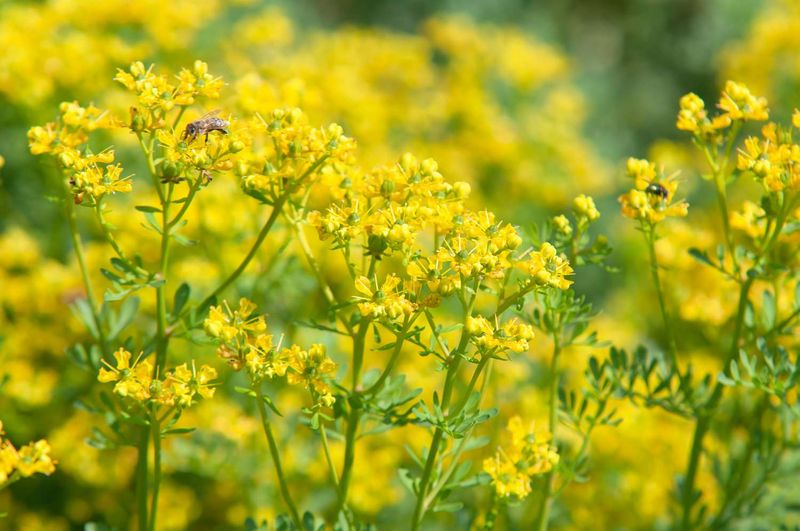
Rue, with its blue-green leaves and strong aroma, can suppress the growth of basil if planted together. This herb’s robust presence overshadows basil, reducing its vitality and flavor.
Rue’s intense characteristics make it a challenging companion for many herbs, particularly those with more delicate needs. To enjoy both herbs without conflict, plant them separately, allowing each to thrive in their own space. This approach ensures that basil’s sweet, peppery flavor remains vibrant and robust.
32. Basil + Rosemary
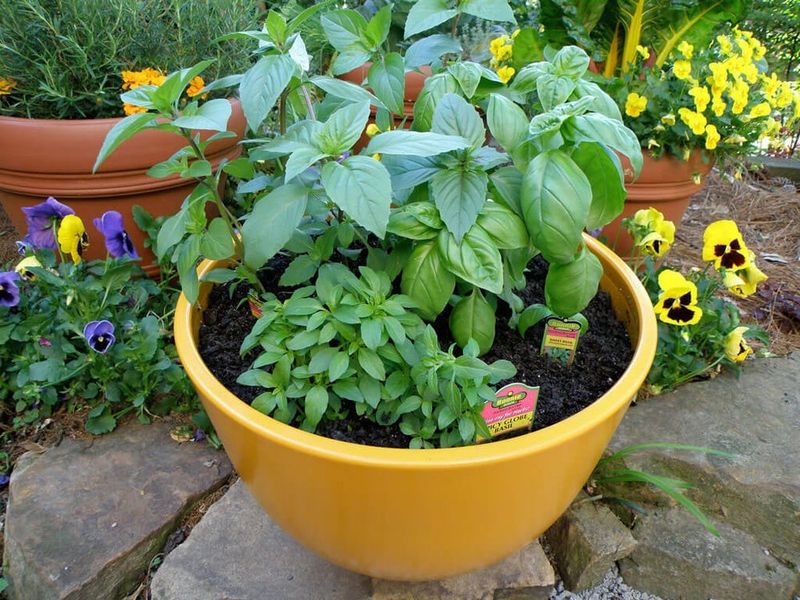
Basil and rosemary, though both beloved herbs, have differing needs that can lead to tension when planted together. Basil’s preference for moist soil contrasts with rosemary’s love for dry conditions.
This mismatch can result in stress for both plants, diminishing their vitality and flavor. To cultivate both herbs successfully, consider planting them separately, catering to their unique requirements. This way, basil’s lush leaves and rosemary’s robust aroma can both reach their full potential.
33. Dill + Cilantro or Carrots
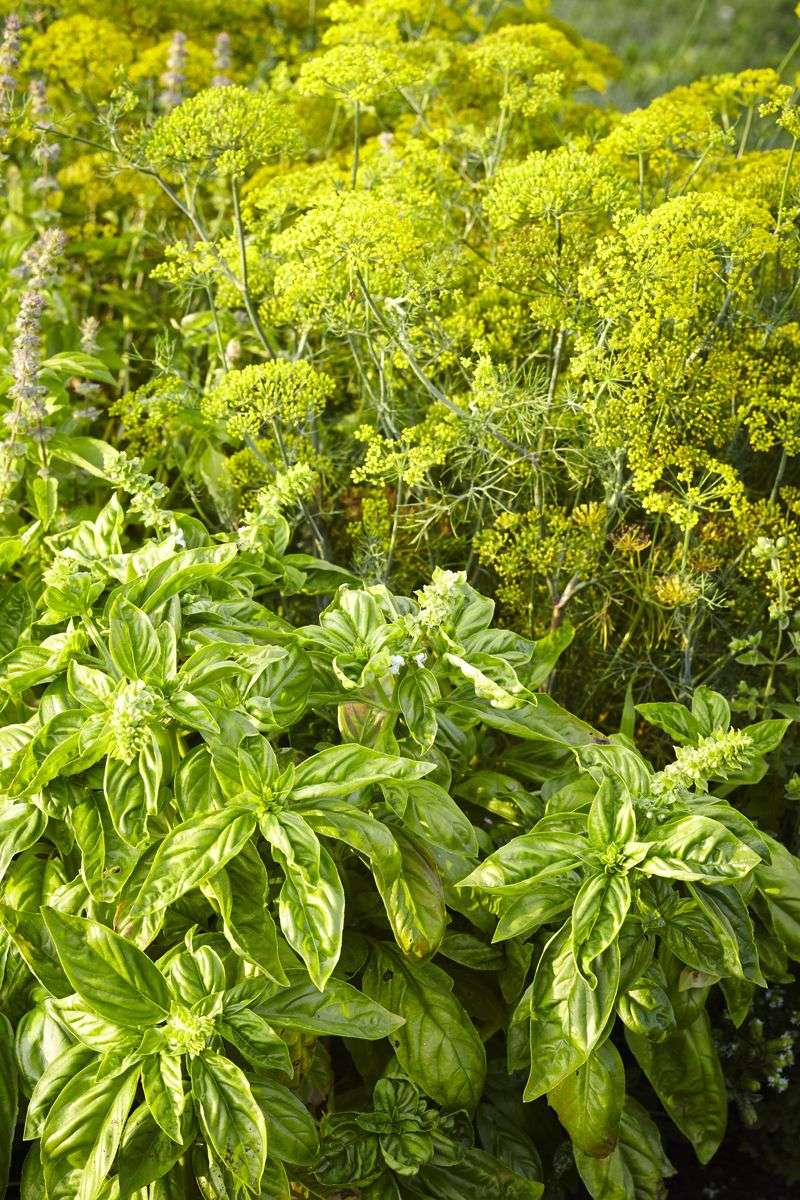
Dill, with its feathery fronds and refreshing aroma, can compete with cilantro and carrots for space and resources. This competition can lead to stunted growth and diminished flavor.
Additionally, dill’s potential to cross-pollinate with these plants can result in hybrids with undesirable traits. To nurture these herbs and vegetables successfully, plant dill separately, allowing each to flourish without interference. This approach ensures that cilantro’s bold flavor and carrots’ sweet crunch remain uncompromised.