
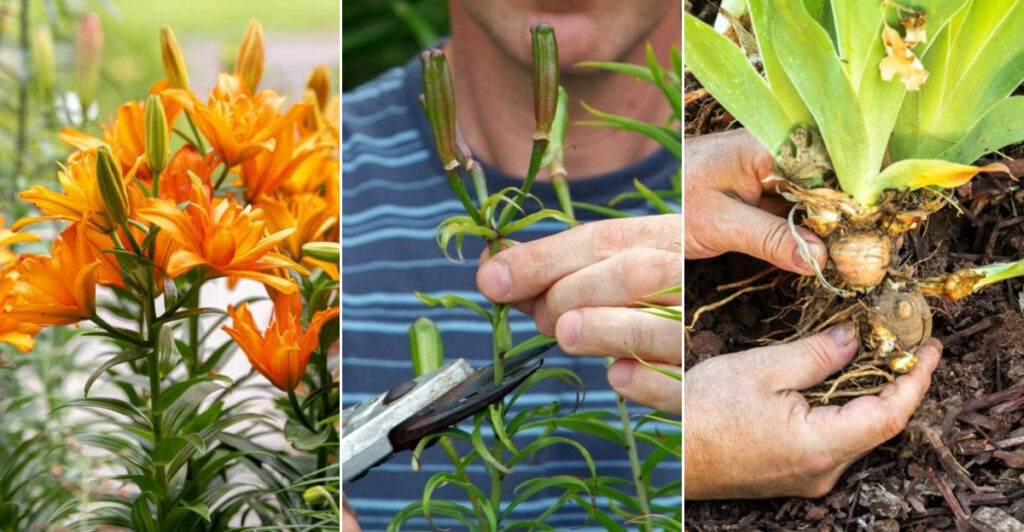
Caring for lilies after they have stopped blooming is essential for ensuring a vibrant floral display in the following season. Here’s a compilation of smart, actionable tips to help your lilies thrive even after their blooms have faded.
1. Deadhead the Spent Blooms
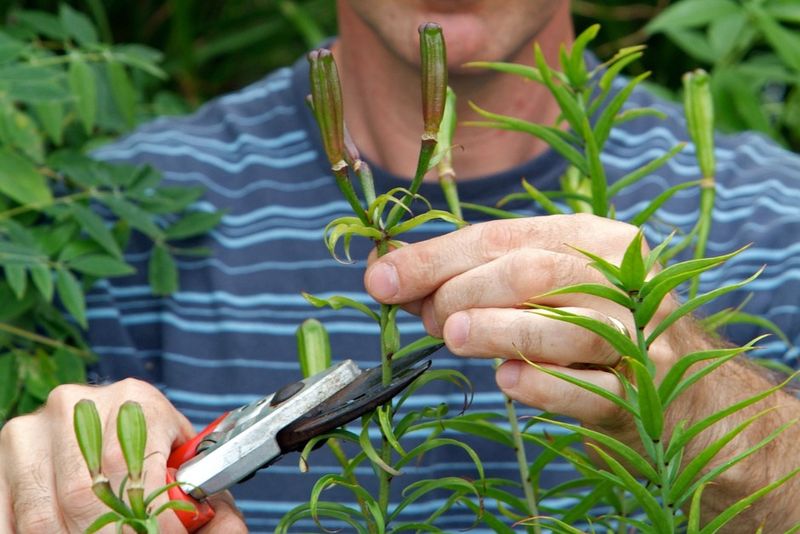
Snipping off those withered lily blooms can feel like a fresh start. It’s a simple chore, yet immensely rewarding. By removing these spent flowers, you prevent the plant from expending energy on seed production. Instead, it redirects all its resources to nourishing the bulb for next year’s blossom extravaganza.
Imagine how lush and vibrant your garden will be when those blooms return, all thanks to this small but mighty action. Grab a pair of clean shears, find a sunny afternoon, and enjoy some peaceful garden therapy. Be sure to leave the foliage intact as it still has work to do.
2. Leave the Foliage Alone

The temptation to tidy up those yellowing leaves is real, but patience pays off here. While they may not look their best, these leaves are busy photosynthesizing, gathering sunlight and transforming it into energy for the bulbs below.
Letting them naturally die back might seem counterintuitive, but it’s nature’s way. This process ensures your lilies have all the nutrients they need for a spectacular encore next year. So, sit back and appreciate the cycle of life unfolding before you. Your patience will be rewarded with robust blooms and a healthier garden come springtime.
3. Cut Back Once the Leaves Yellow
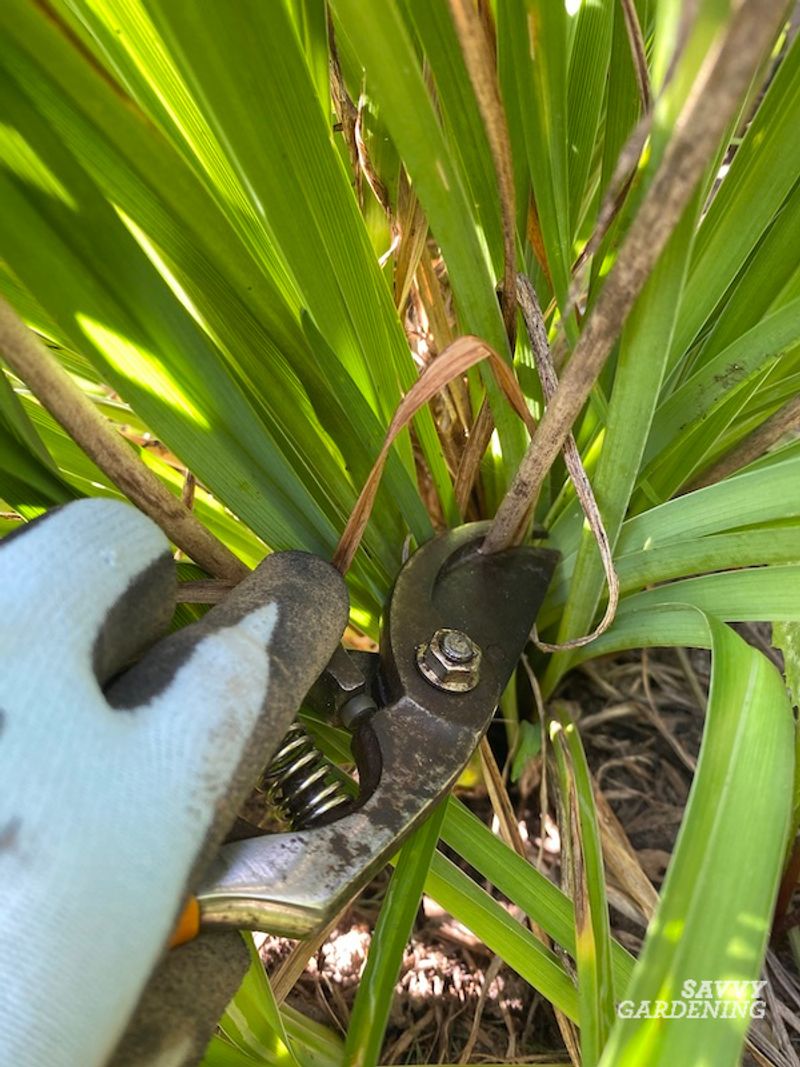
Once your lily leaves have fully turned brown, it’s time to give your garden a little tidy-up. By cutting back these leaves to ground level, you’re helping to prevent any potential disease and ensuring your garden looks neat.
This practice also helps to clear the way for new growth in the spring, providing space and air circulation for the bulbs beneath the soil. It’s a small step that makes a big difference. So, grab your trusty shears and give those lilies a clean slate, setting the stage for next year’s delightful floral display.
4. Mark the Spot

When your lilies have retreated into the ground for winter, it can be easy to forget their exact location. That’s where plant markers come in handy. Placing these markers now saves you from the accidental distress of digging into bulbs during fall or spring gardening.
Choose markers that withstand weather and blend with your garden aesthetic. This small step ensures you nurture, rather than disrupt, these precious plants. It’s a practical, forward-thinking move that’ll keep your garden thriving and your lilies safe and sound until they’re ready to shine again.
5. Fertilize for Next Season
A little fertilization goes a long way in setting your lilies up for success. Once the blooms have faded, it’s the perfect time to apply a balanced fertilizer. This gives the bulbs the nutrients they need to recharge and store energy for their next growth spurt.
Opt for a slow-release formula that will gently nourish your garden over time. It’s a simple step that pays off with vibrant blooms and healthy plants. Consider this an investment in your garden’s future—a bit of nourishment now sets the stage for a bountiful bloom season next year.
6. Divide Overcrowded Clumps
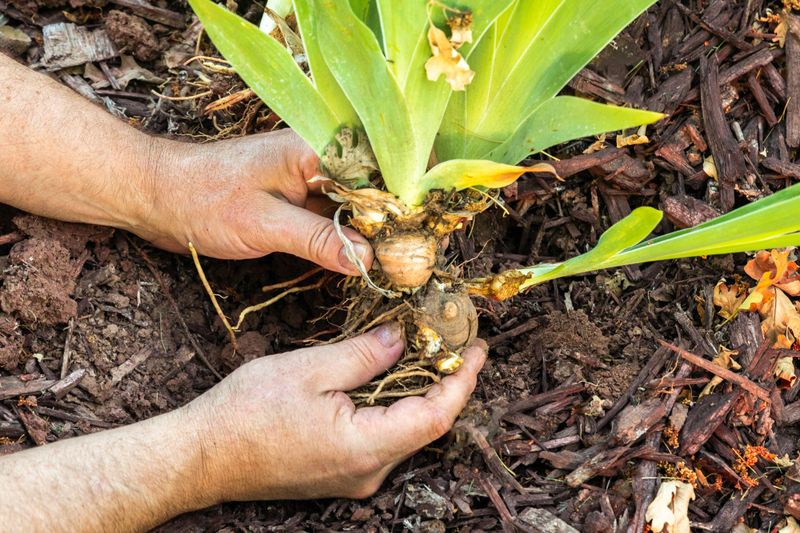
Over time, lilies can become overcrowded, leading to less vigorous blooms. If you notice this happening, it might be time to divide them. Typically, this is needed every 3–4 years. Dig up the bulbs carefully, and separate them to give each more space to grow.
This process not only revitalizes the plants but also expands your garden’s lily population. It’s like hitting the refresh button, ensuring your lilies have plenty of room to spread their roots and flourish. Plus, more lilies mean more breathtaking blooms for you to enjoy each year.
7. Check for Pests or Disease
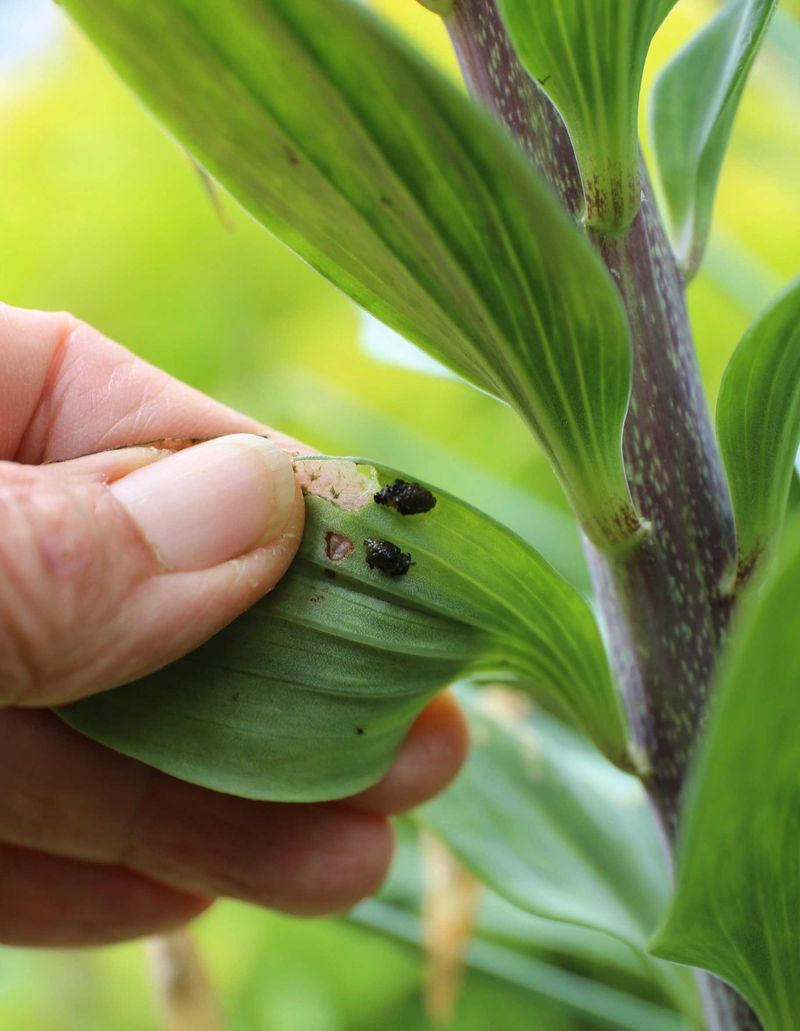
It’s always a good idea to keep an eye on your garden’s health, and lilies are no exception. Check both the bulbs and foliage for any signs of pests like lily beetles or diseases like rot and mold. Catching issues early can make a world of difference.
Remove any affected parts immediately to prevent spread. Consider natural remedies or appropriate treatments to keep your plants healthy. Regular inspections are a proactive way to maintain a vibrant garden. A little diligence now goes a long way toward ensuring your lilies bloom brilliantly in the next season.
8. Mulch the Area
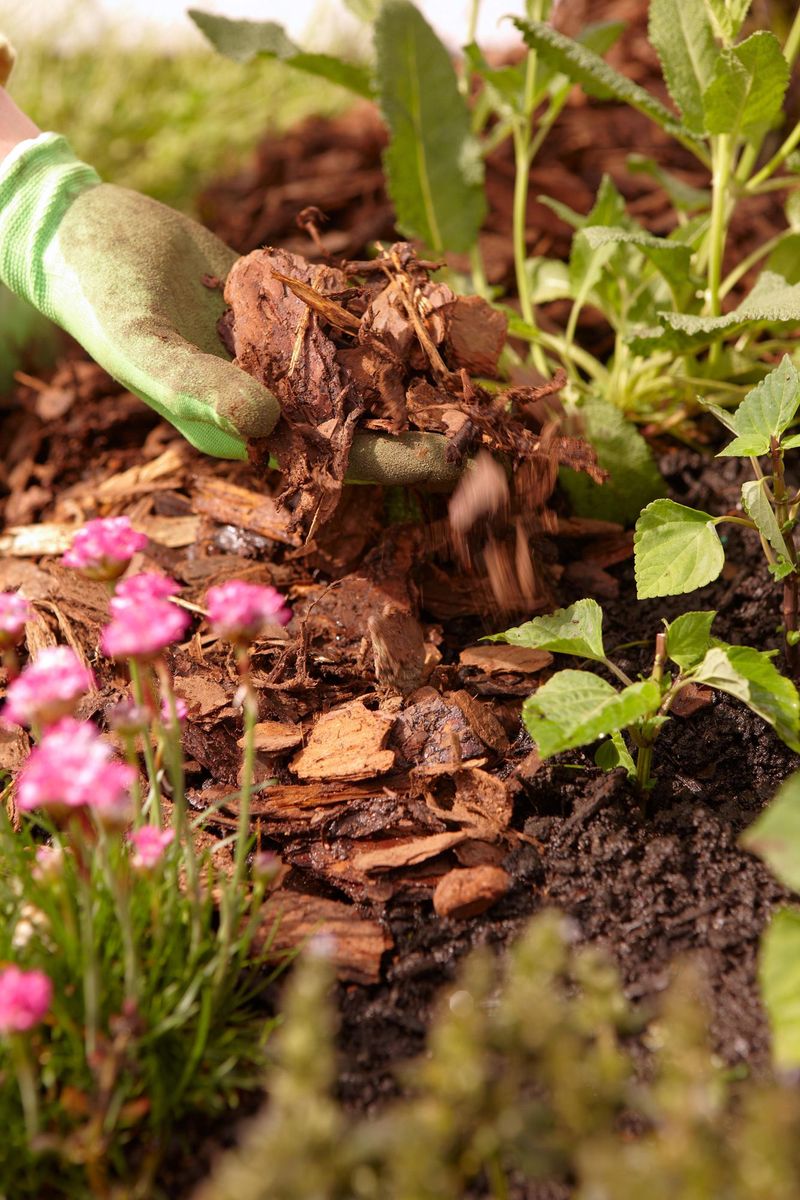
Mulching your lily beds is like tucking them in for the winter. A layer of mulch helps protect the bulbs from harsh winter temperatures, while also retaining moisture essential for their survival and growth.
Choose organic materials like straw or wood chips for the best results. This cozy blanket not only safeguards against the cold but also enriches the soil as it breaks down over time. It’s a nurturing gesture that prepares your garden for a strong, healthy start when spring rolls around again.
9. Water if It’s Dry
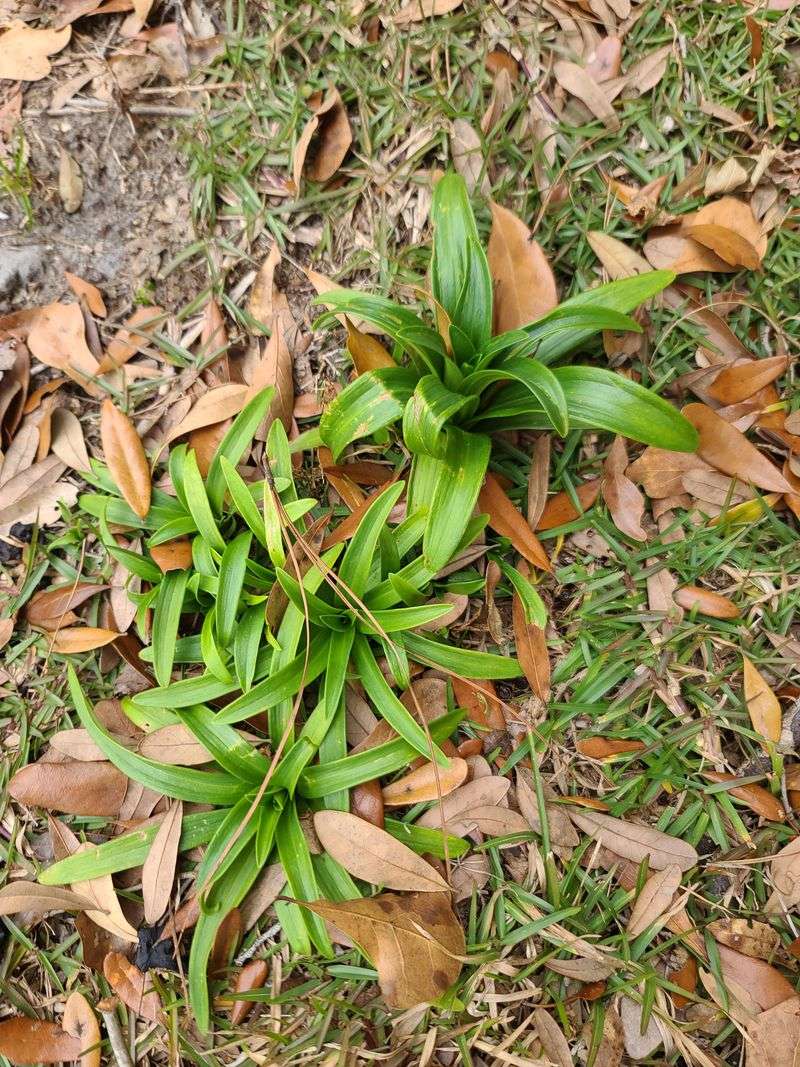
Even though the blooms are gone, your lilies still need water to recharge their bulbs for next year. If your garden isn’t getting enough rain, it’s essential to keep the soil lightly moist. A thirsty bulb won’t have the energy reserves for robust growth.
Watering during dry spells ensures the bulbs remain healthy and ready for a strong bloom when the season returns. It’s like giving your plants a refreshing drink, supporting their underground work to prepare for their next dazzling display. Remember, a well-watered bulb is a happy bulb.
10. Plan Next Year’s Garden Design

With the blooming season behind you, it’s the perfect time to reflect and plan ahead. Take note of what worked and what didn’t in your garden. Consider the color combinations and the empty spots that could use more lilies or other companion plants.
Fall is an ideal time to plant new bulbs, giving them a head start for next year. Dream up your perfect garden design, experimenting with new layouts or colors. This creative planning not only enhances your garden’s beauty but also keeps your gardening spirit alive all year round.