
In the Victorian era, flowers were more than just decorations; they were symbols with deep meanings. However, some blooms were deemed too dangerous or associated with unpleasant sentiments, earning them a spot on the forbidden list.
Today, these very flowers are making a fashionable comeback, captivating gardeners and florists alike. This article explores ten of these forbidden blooms and uncovers why they are back in vogue.
1. Deadly Nightshade (Atropa belladonna)
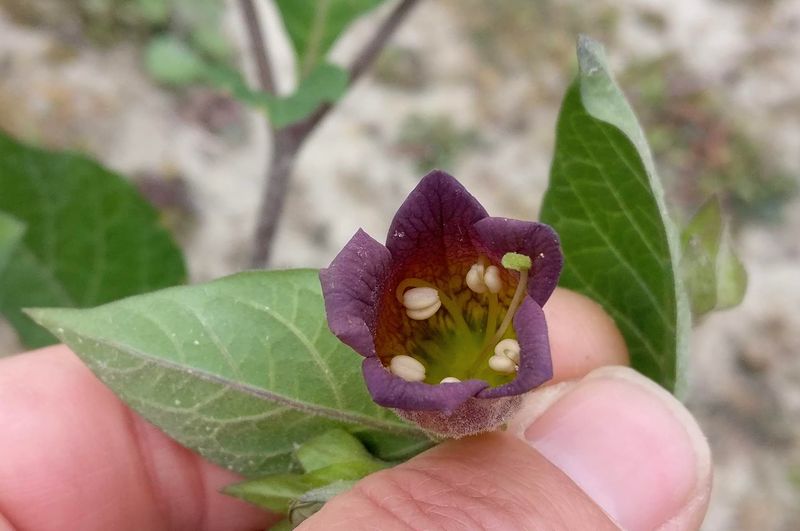
Once shunned for its deadly allure, the Deadly Nightshade was synonymous with witchcraft and poison. Its dark, glossy leaves and vividly purple blooms exude an enchanting charm, perfect for those who adore a moody, gothic touch in their gardens. Now, it’s a sought-after choice for adding an air of mystery to floral arrangements. When handled with care, it transforms spaces with its dramatic presence, reminiscent of tales from yore. The intrigue surrounding this plant has only grown, turning it into an emblem of the unconventional and bold.
2. Hemlock (Conium maculatum)
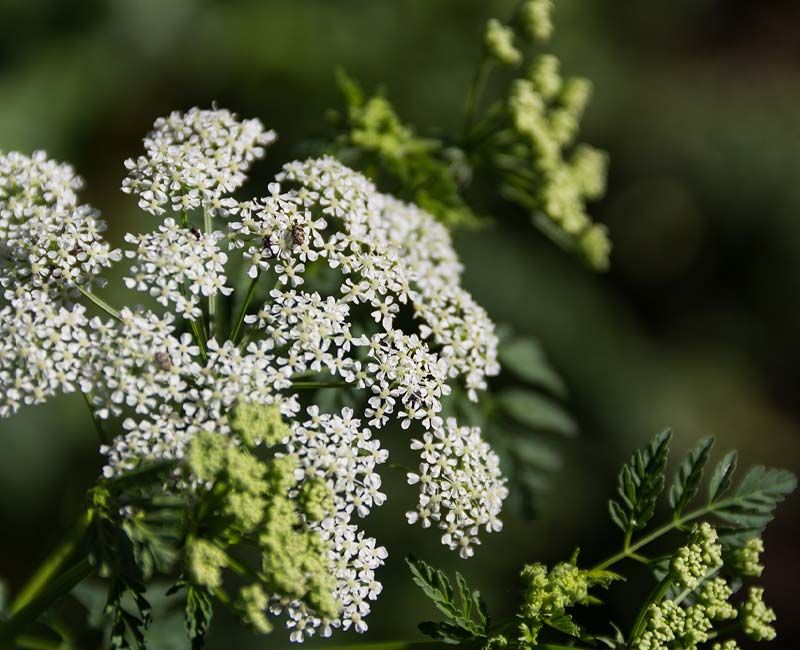
Infamous for ending Socrates’ life, Hemlock scared away Victorian gardeners with its lethal reputation. Yet, its majestic umbels and lacy foliage have seduced modern landscapers with a taste for drama. In controlled environments, Hemlock adds a striking architectural element to “dark cottage” gardens. Its eerie elegance captivates, transforming spaces into dramatic botanical displays. With careful planning, Hemlock’s allure lies in its juxtaposition of beauty and danger. This forbidden flower, once a symbol of doom, has been reimagined as a centerpiece of bold design and sophisticated flair.
3. Foxglove (Digitalis purpurea)
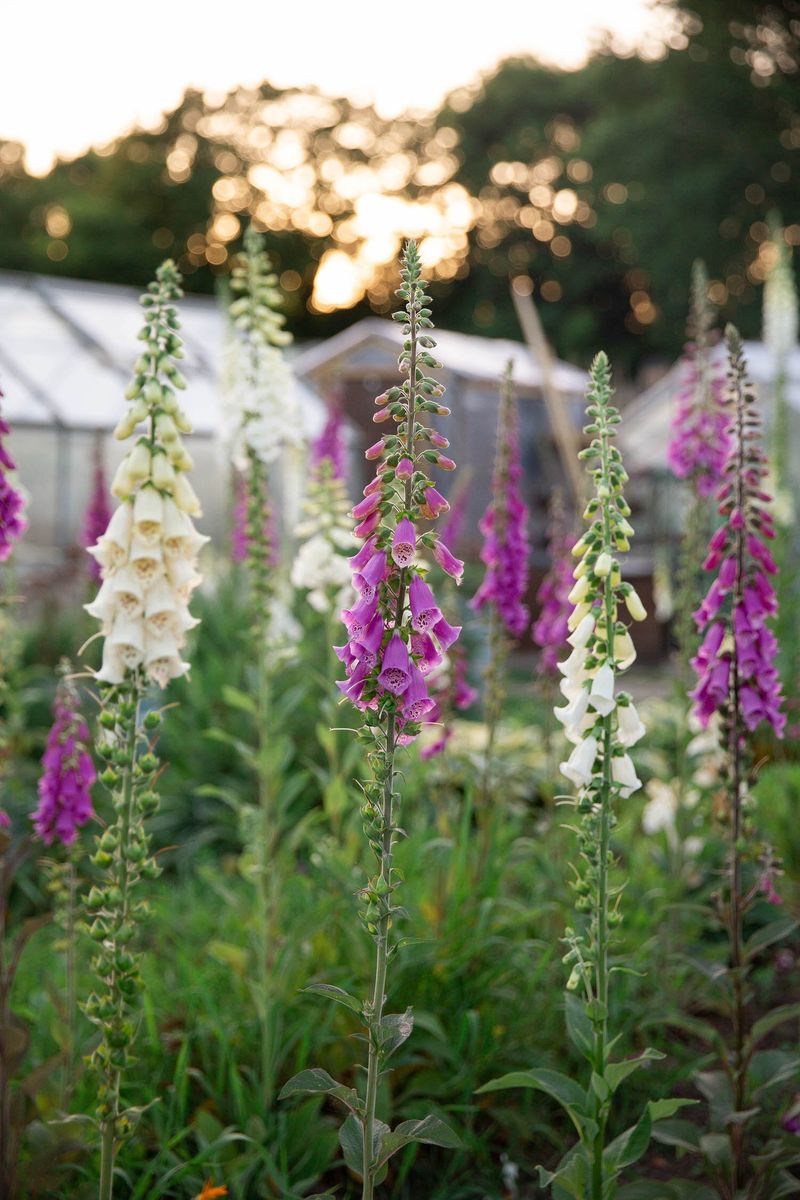
Foxglove’s towering spires once evoked fear for their medicinal potency, especially among Victorian parents. However, these bell-shaped beauties now reign supreme in pollinator-friendly havens and herbal gardens. Their delicate colors, from pinks to purples, dance in the breeze, inviting bees and butterflies to play. Rising like floral skyscrapers, they add vertical elegance wherever they stand. Embracing both beauty and utility, Foxgloves are a testament to nature’s duality—capable of healing and harming. Their resurgence is a celebration of their versatility, captivating hearts with every blossom.
4. Monkshood (Aconitum napellus)
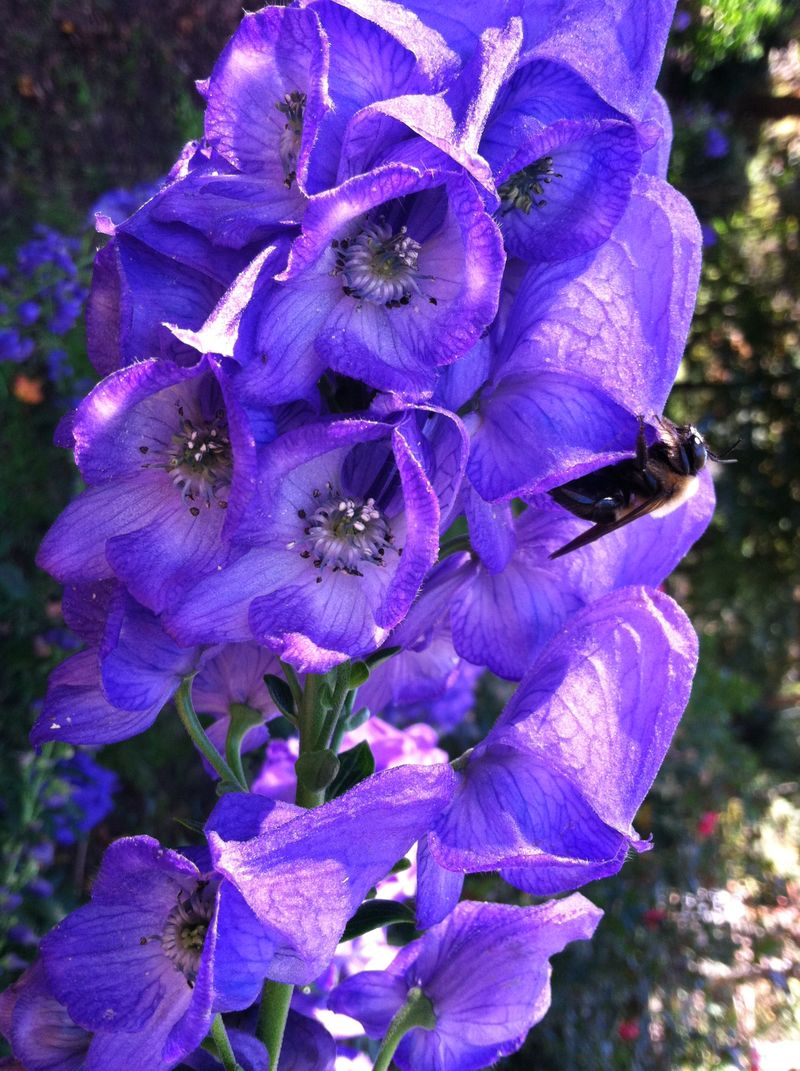
Known as the “Queen of Poisons,” Monkshood scared Victorians with its lethal nature. Yet, its electrifying blue flowers have found admirers among those daring enough to embrace its beauty. In shaded garden beds or elegant terrariums, Monkshood’s vibrant hue offers a striking contrast, drawing eyes with its boldness. Perfect as a dramatic element in botanical bridal bouquets, it whispers of both danger and allure. Its presence is not for the timid, but for those who appreciate the thrill of the forbidden. A true testament to nature’s fierce glamour.
5. Lily-of-the-Valley (Convallaria majalis)
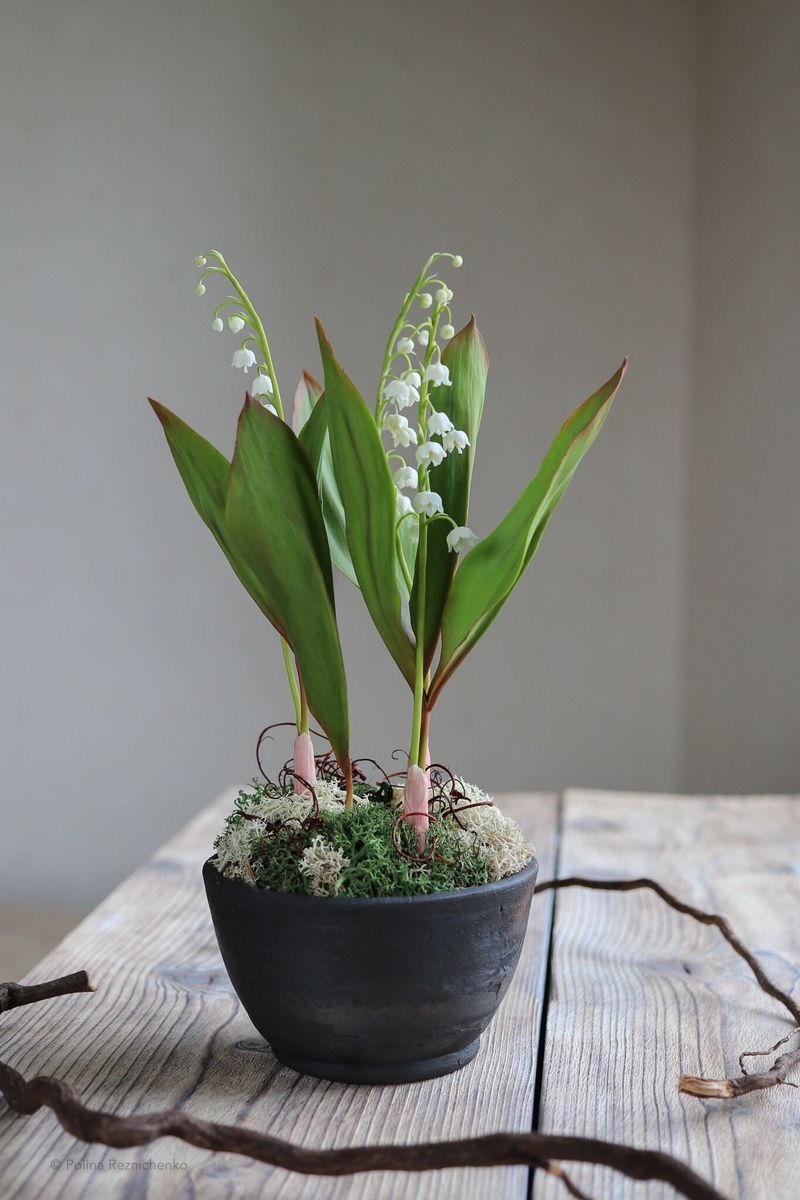
Though dainty and sweetly scented, Lily-of-the-Valley carried sorrowful connotations in Victorian floriography. Today, its delicate white bells are cherished in minimalist Scandinavian weddings and fragrance workshops. Their purity and simplicity evoke innocence and grace, transforming spaces with an ethereal touch. As their fragrance wafts through the air, they whisper of timeless elegance, leaving a lasting impression. This flower’s journey from a symbol of sadness to an icon of understated beauty illustrates the power of reimagined traditions.
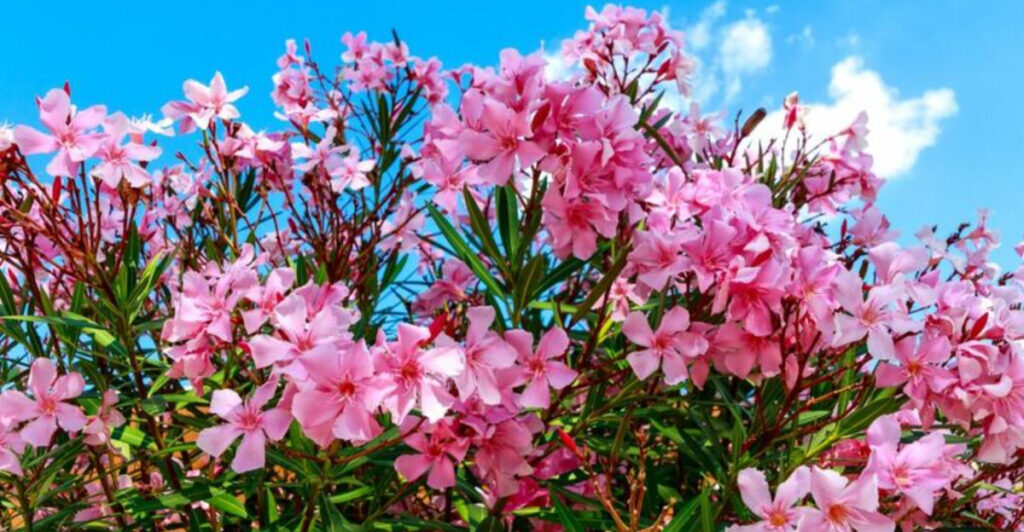
6. Oleander (Nerium oleander)
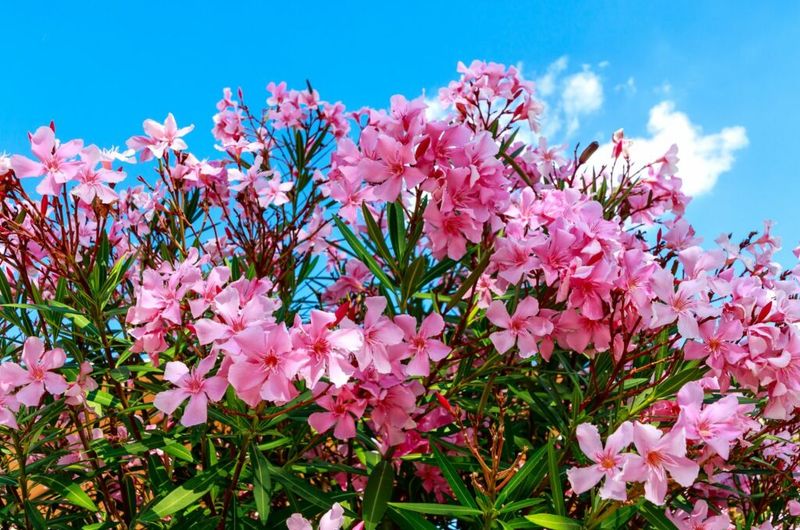
Oleander’s toxic sap made it a no-go in Victorian gardens. Yet, its resilience and beauty have made it a star in Mediterranean-style landscapes. Today, masses of pink and white blooms thrive in sun-drenched patios, offering vibrant color and lush greenery. This shrub’s adaptability to drought conditions makes it a favorite for eco-friendly gardeners. Its presence turns any space into a warm, inviting oasis. Oleander’s revival showcases the harmony of beauty and strength, blossoming where others cannot.
7. Jimson Weed (Datura stramonium)
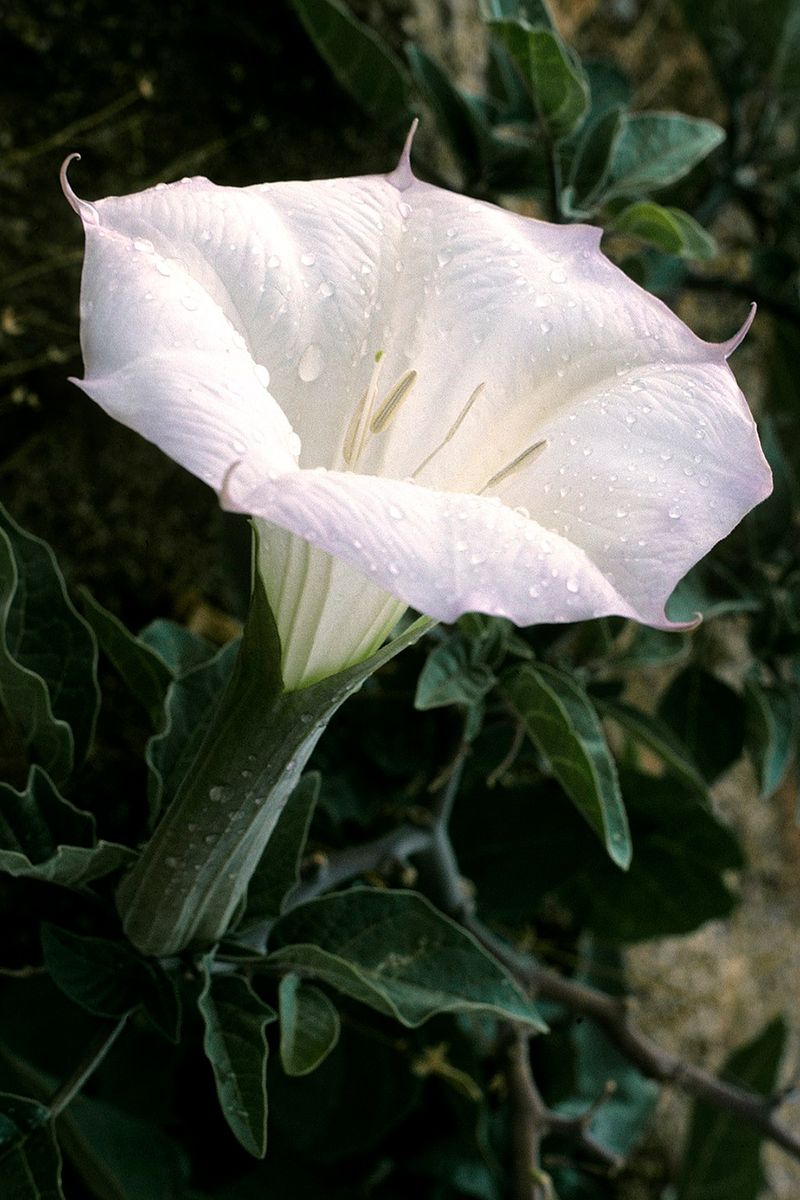
Known for its hallucinogenic properties, Jimson Weed was feared by Victorians, yet its ghostly white blooms are now a hit in moonlit gardens. These trumpet-shaped flowers unfurl like whispers in the night, adding an element of the mystical and surreal. Ideal for avant-garde floral arrangements, they beckon admirers with their spectral beauty. Handled with care, they transform ordinary spaces into realms of wonder, where the imagination runs wild. Jimson Weed’s enigmatic charm lies in its ability to enchant under the moon’s watchful gaze.
8. Red Poppy (Papaver rhoeas & Opium Poppy, Papaver somniferum)
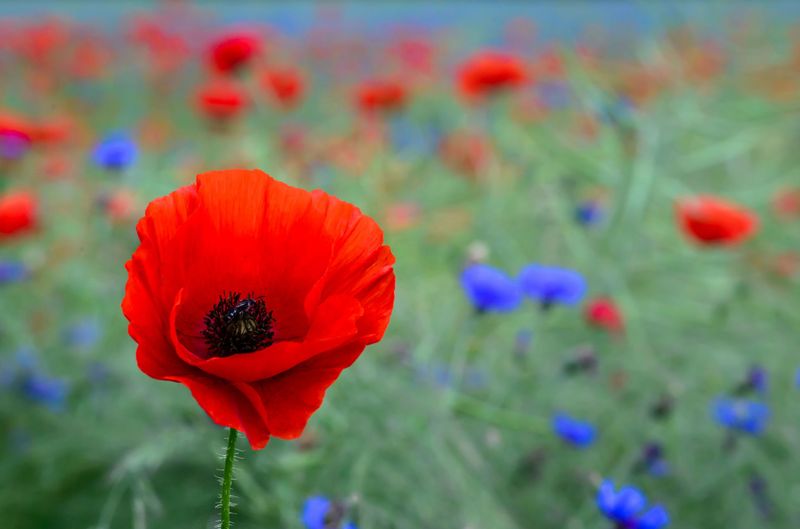
With its ties to opium, the Red Poppy was once seen as morally suspicious in Victorian times. Now, its vibrant scarlet petals symbolize remembrance and resilience. Often found in wildflower meadows and sustainable seed bombs, they dance in the wind like flames of renewal. These bold blossoms connect past with present, offering a visual homage to those remembered. Their delicate yet striking presence invites reflection and inspiration, making them a beloved choice for those honoring both history and hope.
9. Yew (Taxus baccata)
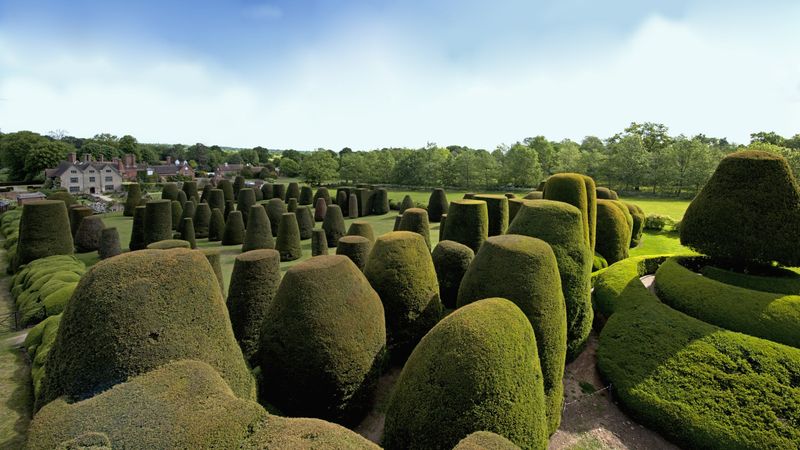
The Yew tree, with its toxic reputation and churchyard associations, loomed ominously over Victorian England. Today, its dark needles are embraced for their stately elegance in topiary and modern garden designs. Pruned into sophisticated shapes, they serve as the evergreen backbone of urban gardens. Their resilience and timeless beauty create a serene, contemplative atmosphere. As symbols of longevity and rebirth, Yews invite a deeper connection with the natural world, blending the past’s mystique with the present’s sophistication.
10. Bleeding Heart (Dicentra spectabilis)
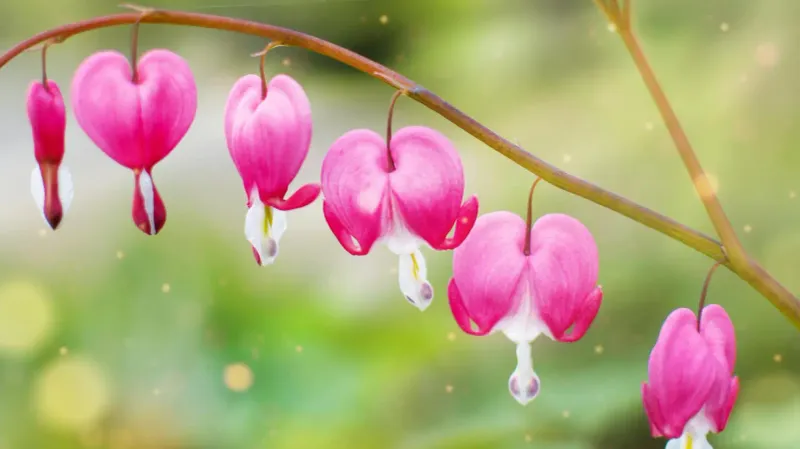
Victorians avoided Bleeding Hearts for their weeping form, but today, their graceful arching stems enchant shade gardens. These pink-white heart-shaped blooms sway like delicate dancers, inviting admiration with their romantic charm. Ideal for woodland settings, they add a whimsical touch to any garden. Their revival turns sorrow into beauty, symbolizing love and compassion. The Bleeding Heart’s transformation from a symbol of heartbreak to one of enchantment reflects the ever-evolving language of flowers, captivating hearts anew with each blossom.