
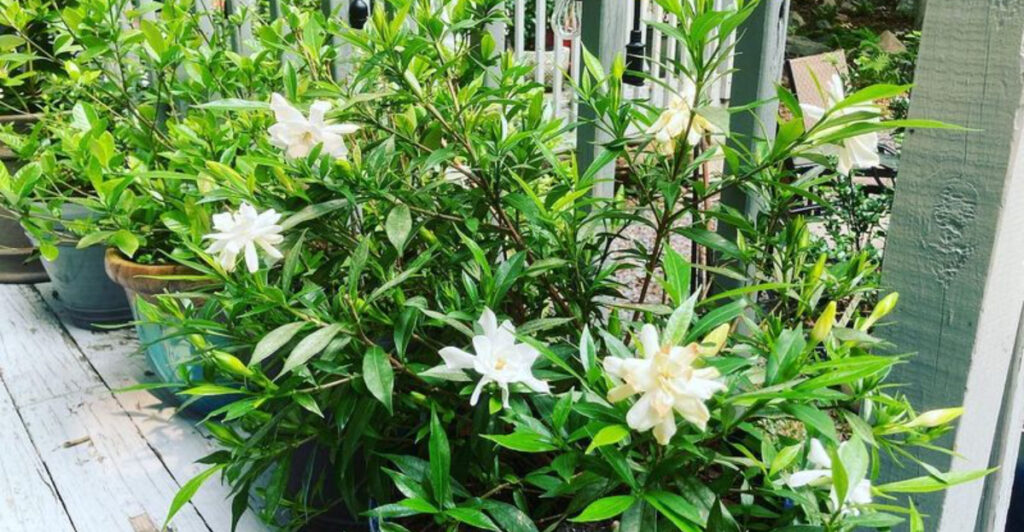
Gardenias are known for their fragrant blooms and glossy foliage, but they can be notoriously tricky to grow.
Many gardeners struggle to provide the right conditions for these delicate beauties.
With the right approach and understanding, you can master the art of growing gardenias. Here are ten essential tips to help you succeed.
1. Pick the Right Location
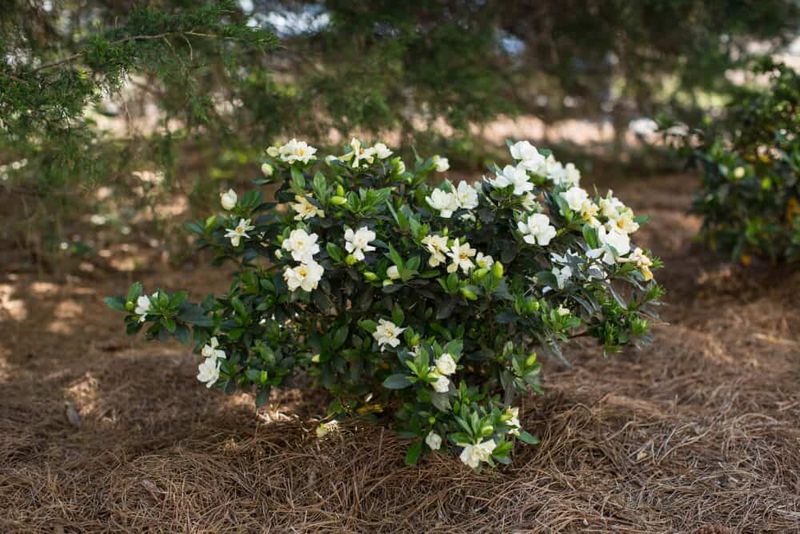
Finding the perfect spot for your gardenias is like setting up a cozy home for a cherished guest. These plants thrive best with bright, indirect sunlight or the gentle touch of morning sun followed by afternoon shade. Too much direct sunlight can scorch their delicate leaves, leaving them brown and crispy, a sad sight indeed.
On the other hand, if they are starved of sunlight, they may sulk and refuse to bloom, leaving you without their intoxicating fragrance. It’s all about balance, so choose a location that offers just the right mix to keep your gardenias happy.
2. Acidic Soil Is a Must
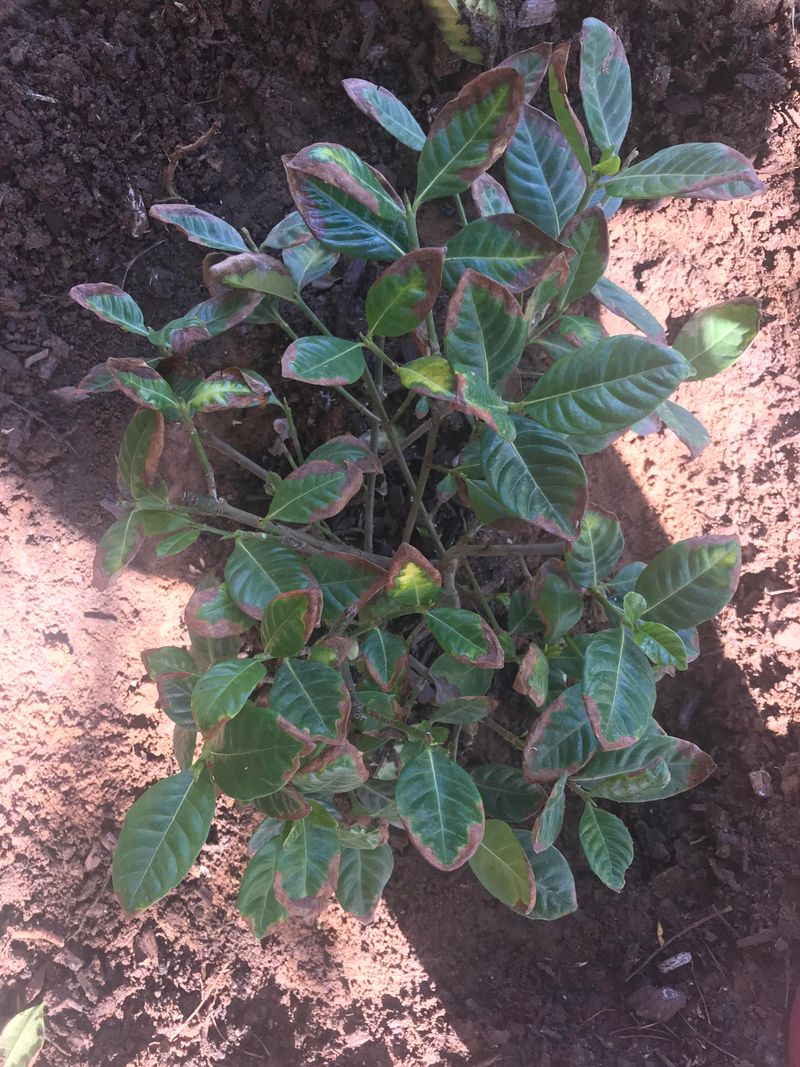
Gardenias are picky about their soil, and they aren’t shy about it. They demand acidic soil, ideally with a pH level between 5.0 and 6.0. This might sound like a chemistry lesson, but it’s crucial for their health.
If your garden soil leans towards alkaline, don’t fret. You can easily amend it by adding peat moss or sulfur, or using a fertilizer specially formulated for acid-loving plants. This simple adjustment can transform your gardenia from a droopy shrub into a flourishing star of your garden.
3. Water Consistently—but Don’t Overwater
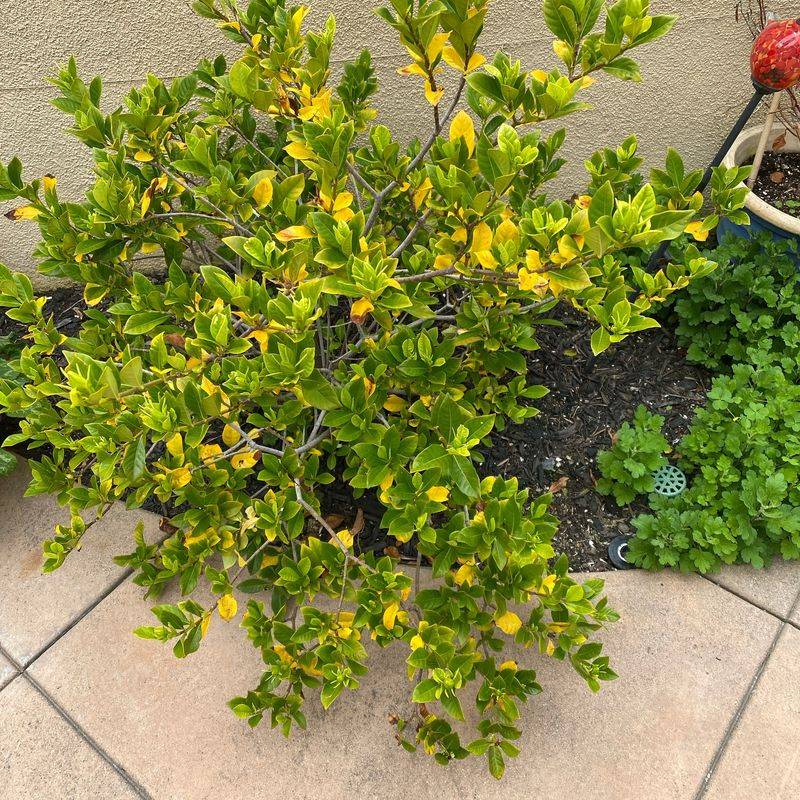
Watering gardenias can feel like a juggling act, but it’s crucial for their survival. These plants appreciate consistency — they like their soil moist but never soggy. Overwatering is the number one nemesis, often leading to root rot, a deadly foe.
The trick is to water deeply when the top inch of soil feels dry to the touch. Ensure the soil is well-draining, allowing excess water to escape, keeping the roots healthy and happy. Mastering this balance will keep your gardenias thriving and vibrant, ready to inspire envy among your gardener friends.
4. Humidity Is Their Best Friend
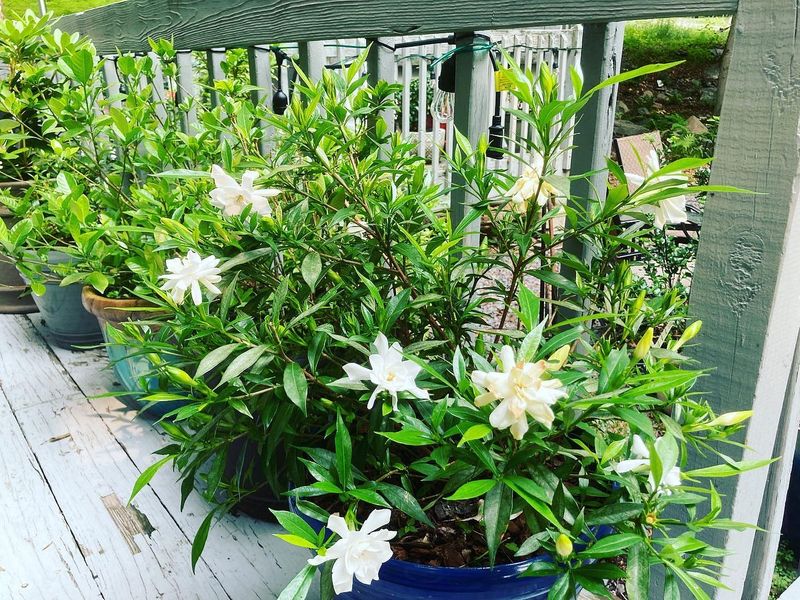
Imagine gardenias luxuriating in a spa-like environment where humidity is abundant. These plants thrive in moist air, especially when kept indoors or in arid climates. You can create this environment by misting their leaves regularly, adding a pebble tray filled with water beneath the pot, or running a humidifier nearby.
This added humidity prevents their leaves from drying out and helps them maintain that lush, glossy look. By mimicking their natural habitat, you’ll ensure they remain happy and healthy, ready to reward you with their stunning blooms.
5. Don’t Mess with the Roots
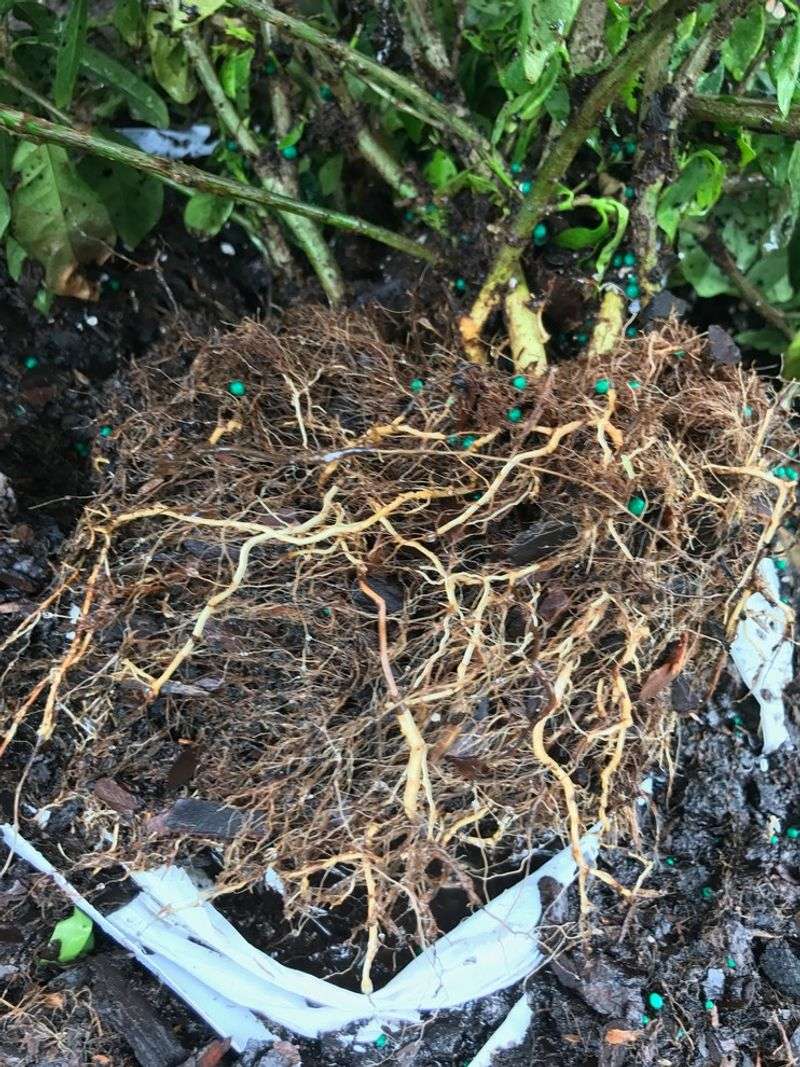
Gardenias are the divas of the plant world when it comes to their roots. They absolutely hate being disturbed once they’ve settled in. Transplanting them carelessly can lead to stress and poor health, impacting their ability to bloom.
When planting, handle the roots with care, and once established, let them be. Avoid unnecessary disturbances, and your gardenias will reward you with abundant flowers. Treating their roots with respect ensures they continue to grace your garden with their beauty for many seasons to come.
6. Feed Them Right
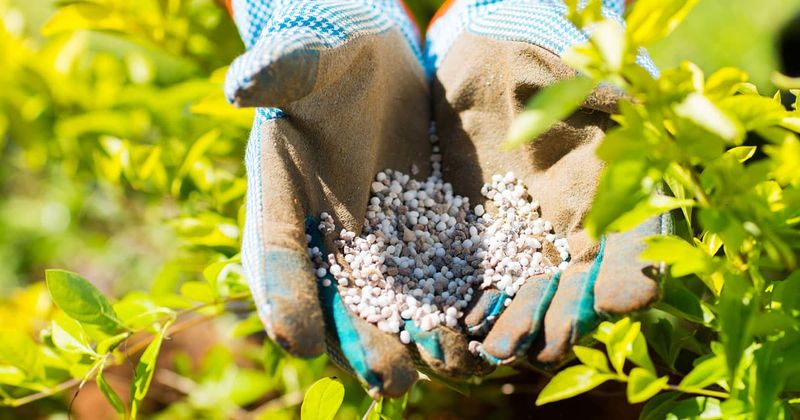
Feeding gardenias is not as simple as tossing some fertilizer around. They have specific dietary needs that must be met for them to thrive. Opt for a fertilizer formulated for acid-loving plants like azaleas or camellias.
Apply this every 2–4 weeks during the growing season, typically from spring through summer. This regular feeding schedule ensures they receive the nutrients they need, helping them produce those lush leaves and fragrant flowers. A well-fed gardenia is a happy gardenia, ready to dazzle with its floral display.
7. Prune After Blooming
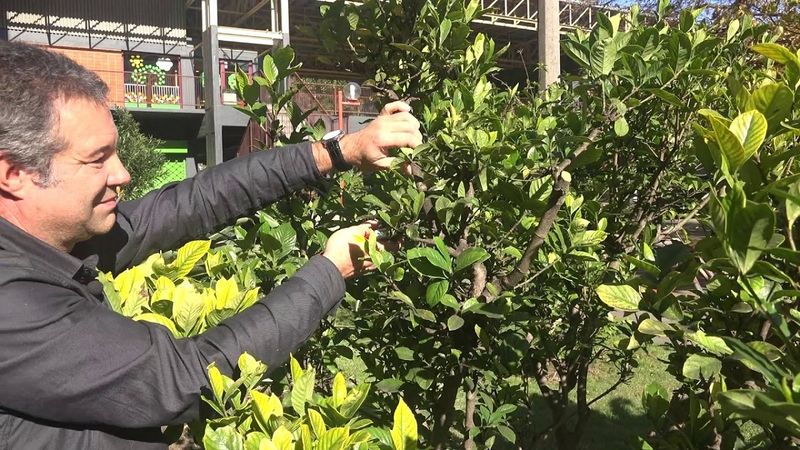
Pruning is an art, especially with gardenias. The key is to prune them just after the last flower fades, ensuring you don’t accidentally snip off next year’s buds. This careful timing is essential to maintain their shape and encourage more blooms.
Avoid pruning in fall or winter, as it could lead to disappointment when spring arrives. With the right touch and timing, your gardenias will reward you with a lush, compact shape and a profusion of blooms, making your garden the envy of the neighborhood.
8. Watch for Pests and Problems
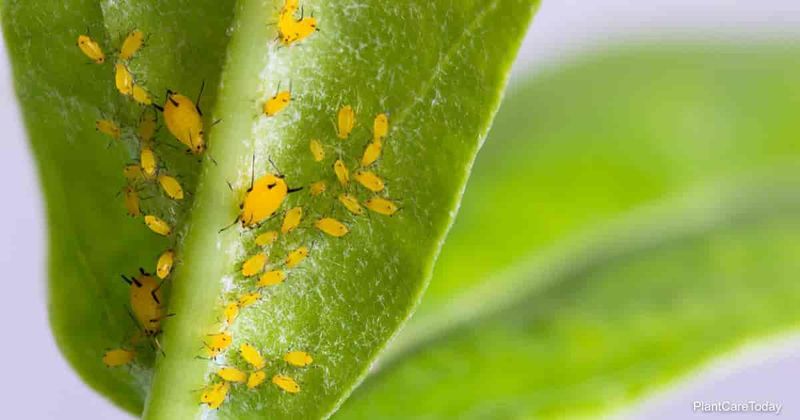
Gardenias may be beautiful, but they’re also a magnet for pests like aphids, whiteflies, and spider mites. Keeping a vigilant eye out for these unwelcome guests is crucial. At the first sign of trouble, act swiftly.
Use neem oil or insecticidal soap to treat the infestation without harming your beloved plants. Regular inspections and prompt action ensure that your gardenias stay healthy and free from pests, ready to bloom undisturbed in your garden oasis.
9. Yellow Leaves? Don’t Panic (Yet)
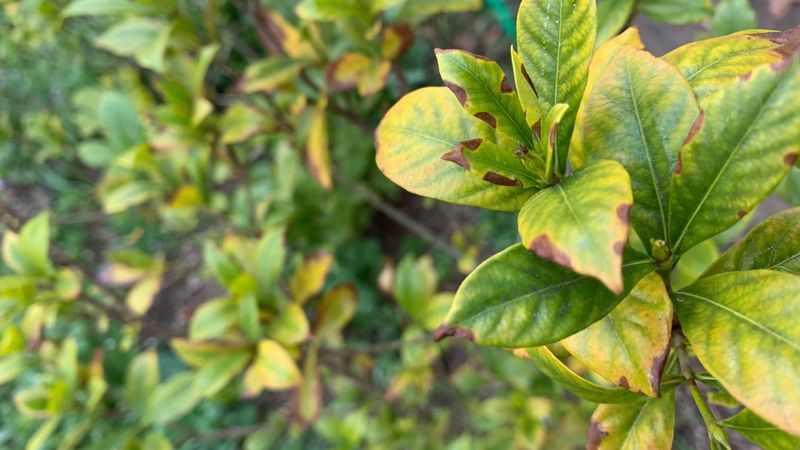
Yellow leaves on gardenias can cause alarm, but they often signal common issues like overwatering, poor drainage, or iron deficiency. Before you panic, identify the root cause. Adjusting your watering routine or checking the soil’s drainage might solve the problem.
If iron deficiency is to blame, an iron supplement can bring your gardenias back to life. With a little detective work and timely intervention, those yellow leaves will soon be a thing of the past, restoring your gardenia’s lush appearance.
10. Winter Protection Is Key
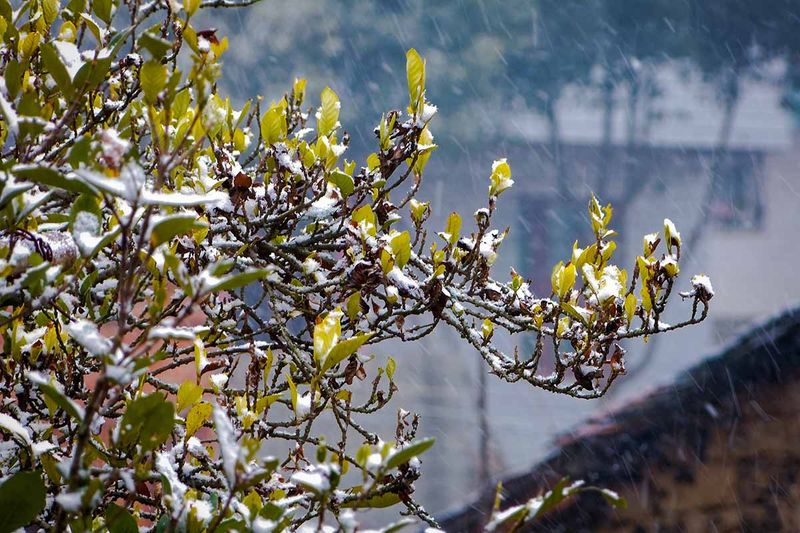
Gardenias and frost are not friends. If you reside in colder zones, it’s essential to protect your gardenias from winter’s chill. Planting them in containers allows for easy relocation indoors as temperatures drop.
Alternatively, mulching heavily around the base can insulate them against the cold. This winter care preserves their vitality, ensuring they survive the harsh season to bloom afresh when spring warmth returns, ready to enchant with their beauty once more.