
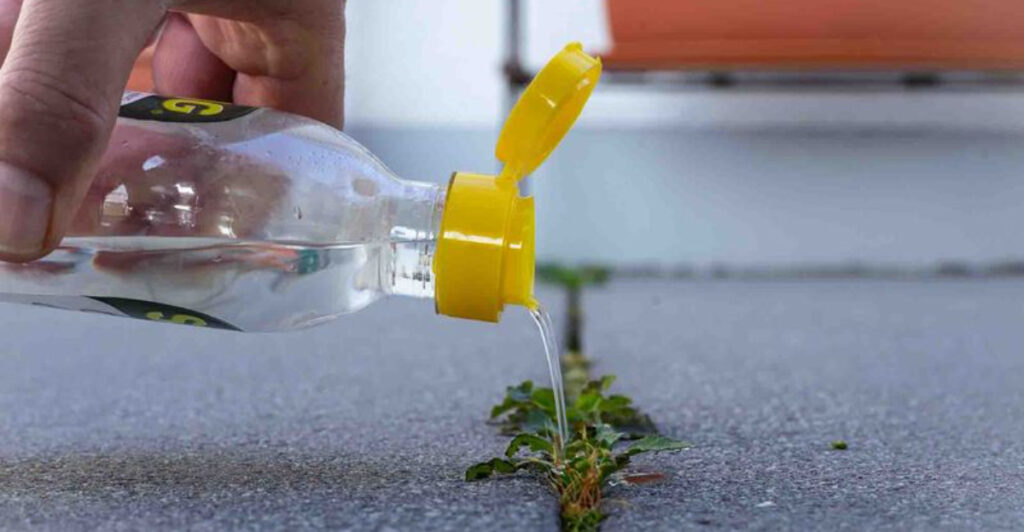
Vinegar is often hailed as a natural solution for garden woes, but it comes with its own set of challenges. This blog post explores the disadvantages of using vinegar in the garden and offers safer alternatives that promote a healthy and vibrant outdoor space. Discover how simple changes can make a significant difference in maintaining a flourishing garden without relying on harsh chemicals.
1. Harms Beneficial Insects
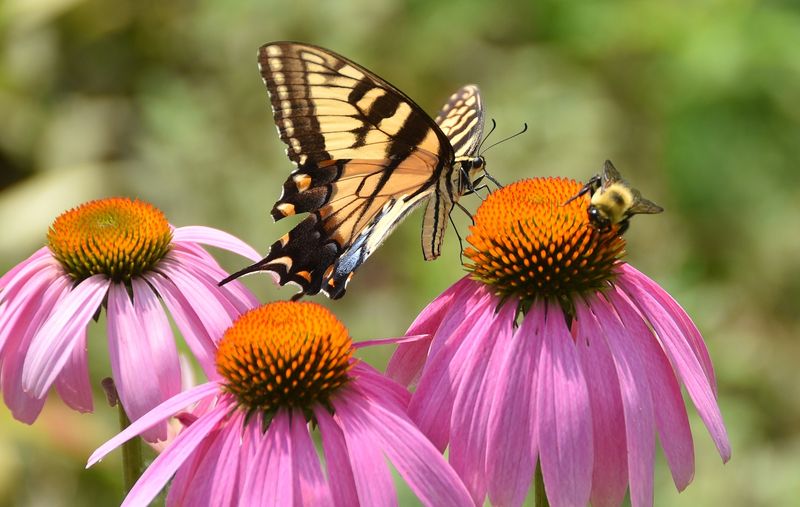
The garden buzzes with life, from bees to butterflies, weaving around the blooms. But vinegar, though natural, can disrupt this delicate dance. Sprayed as a weed killer, it doesn’t differentiate between foes and friends. Beneficial insects, essential for pollination, may find themselves repelled or harmed.
Imagine a curious ladybug landing on a leaf, only to encounter a vinegar-slick surface — it’s an unintentional hazard. This collateral damage can upset the ecological balance of your garden, leading to fewer blooms and a quieter, less vibrant landscape. A thriving garden needs its buzzing companions.
2. Soil Damage
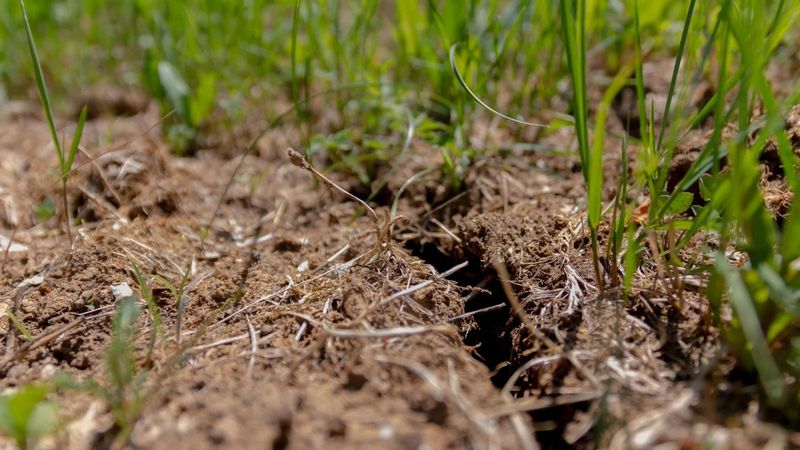
Healthy soil is the foundation of a thriving garden. Vinegar, with its acidity, can alter this critical component. When used excessively, it lowers the soil’s pH dramatically, creating an inhospitable environment for essential microbes.
Microorganisms, the unseen workhorses, break down organic matter and enrich the soil. Without them, plants struggle to absorb nutrients, leading to stunted growth and poor yields. Picture a garden bed, once vibrant, now struggling under the weight of this imbalance. For long-term garden health, maintaining soil integrity is key.
3. Non-Selective Weed Killer
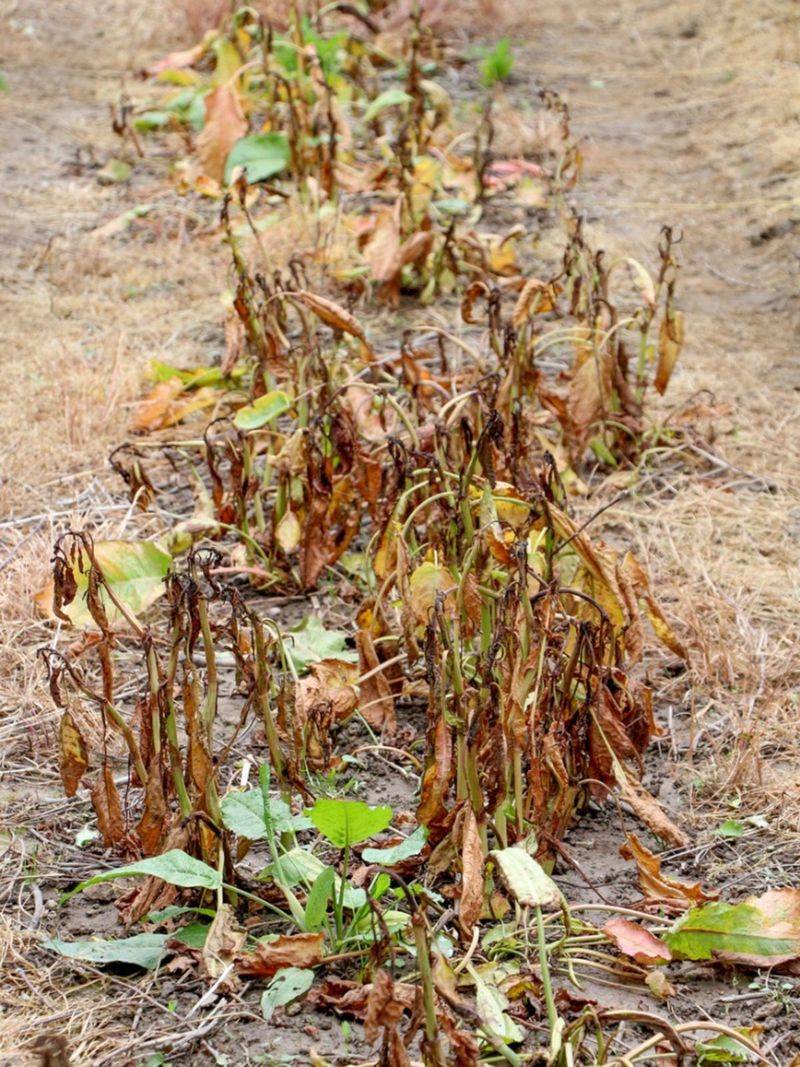
In the quest to control weeds, vinegar makes no distinctions. Its non-selective nature means that desirable plants may suffer collateral damage. Imagine a lush garden where, alongside pesky weeds, your cherished flowers begin to wither.
Spraying vinegar indiscriminately can harm grass, flowers, and even young trees. This broad-spectrum effect requires precision and caution. For gardeners wanting to preserve their plantings, this is a significant drawback. A misplaced spray can lead to unintended consequences, turning a flourishing garden into a patchwork of damaged plants.
4. Temporary Results
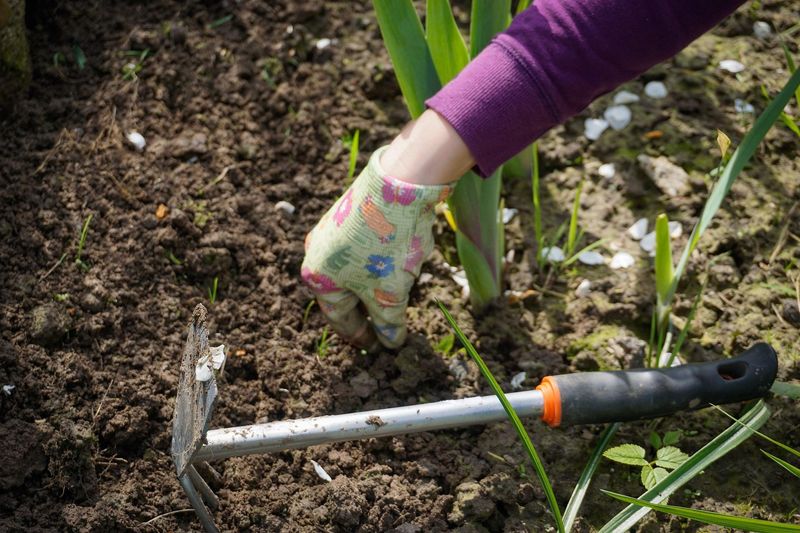
Vinegar’s power in the garden is fleeting. It primarily affects the foliage, causing wilting and browning, but seldom reaches the roots. This superficial impact means weeds often make a comeback, reemerging with vigor.
Consider the persistent dandelion, its deep roots untouched beneath the soil. While the leaves may wither, the roots remain, ready to sprout anew. For gardeners seeking lasting solutions, vinegar’s temporary effect can be frustrating. A cycle of regrowth demands constant vigil and repeat applications, an ongoing battle in the garden.
5. Possible Skin and Eye Irritant
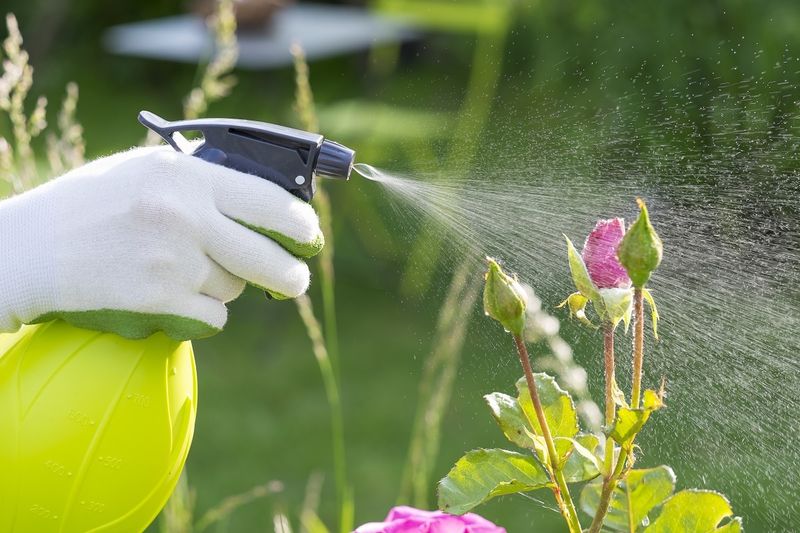
Vinegar, despite its household ubiquity, can pose risks when concentrated. Handling it in the garden might lead to irritation. A burning sensation follows, a sharp reminder of its potency.
Eyes, too, are vulnerable. A stray droplet can cause stinging pain, interrupting your gardening zen. Safety precautions, like gloves and goggles, become essential. These irritations, though minor, highlight the need for careful handling. Understanding this risk helps prevent discomfort and ensures a more pleasant gardening experience.
6. Damages Stone and Concrete

The charm of a garden pathway, whether stone or concrete, adds a timeless appeal to outdoor spaces. Yet, vinegar, with its acidic nature, can mar this beauty. Over time, repeated applications can discolor these surfaces, corroding their finish.
This aesthetic decline is more than skin deep, potentially leading to structural weaknesses. For those who cherish their outdoor aesthetics, understanding vinegar’s corrosive potential is crucial. Preserving the integrity of garden structures requires careful consideration.
7. Limited Effectiveness on Mature Weeds
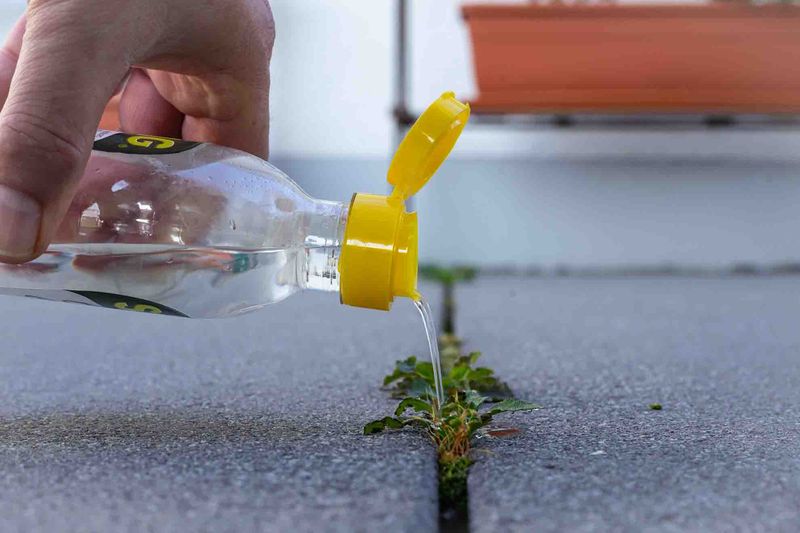
For young weeds, vinegar can be a formidable foe, but mature plants tell a different story. Deep-rooted perennials, like dandelions or thistles, challenge its effectiveness. Their resilience means a simple vinegar spray may leave them unfazed.
While the foliage might suffer, the roots remain steadfast, ready to regrow. For gardeners tackling established weeds, vinegar’s limitations become apparent. Seeking alternative methods becomes necessary to combat these stubborn intruders effectively, ensuring a more robust garden defense.
1. Mulching
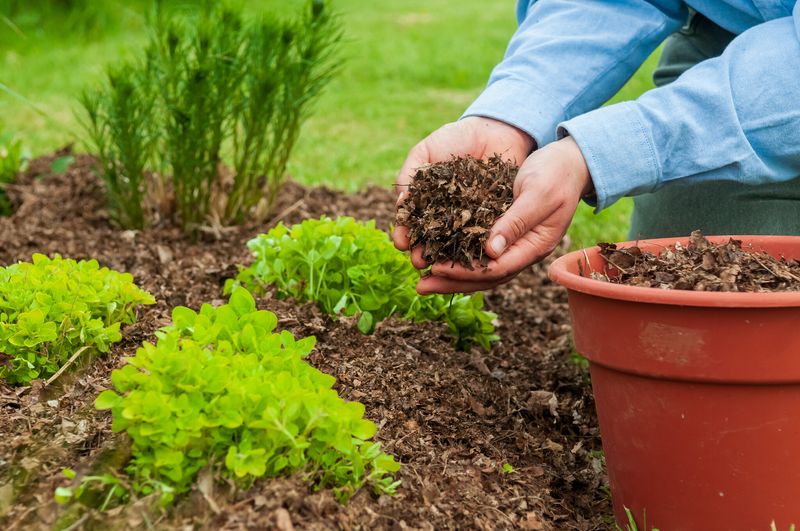
Mulching transforms gardens, offering a natural shield against weeds while nourishing the soil. By spreading wood chips, straw, or grass clippings, gardeners can suppress unwanted growth and maintain soil moisture.
This eco-friendly practice enriches the soil as it breaks down, promoting healthy plant growth. For those seeking a sustainable approach, mulching presents an appealing solution, harmonizing aesthetics with function. It’s a simple yet powerful tool for any gardener.
2. Boiling Water
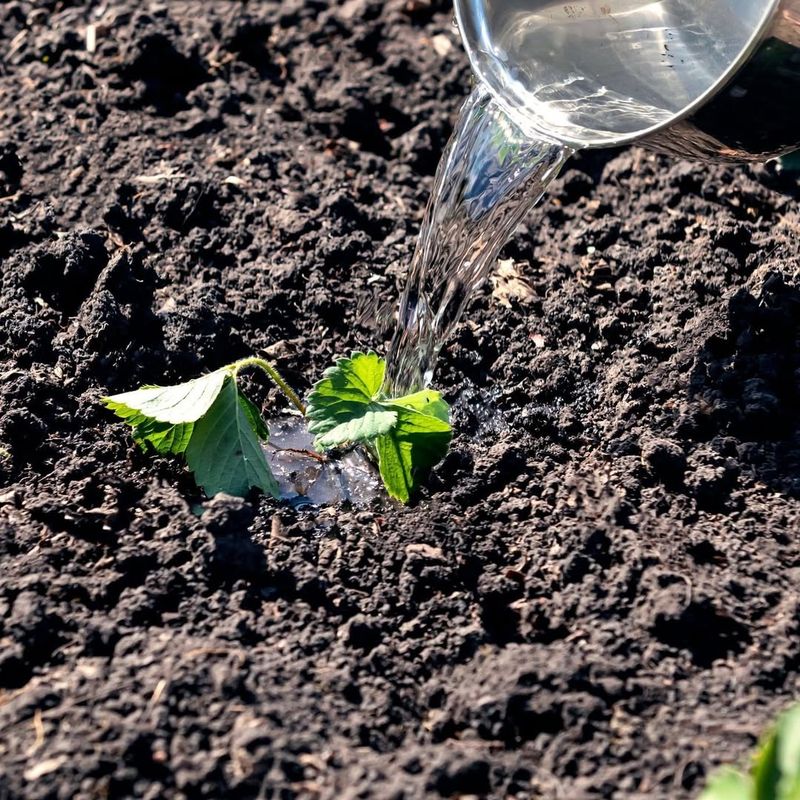
Boiling water, a readily available tool, offers a quick fix for pesky weeds. By pouring it directly onto unwanted plants, gardeners can kill them swiftly without chemicals.
The heat penetrates, causing cells to burst, wilting the plant. This method, though labor-intensive, targets weeds efficiently, leaving the surrounding flora unharmed. For those craving immediate results with minimal environmental impact, boiling water is a straightforward alternative.
3. Hand-Pulling
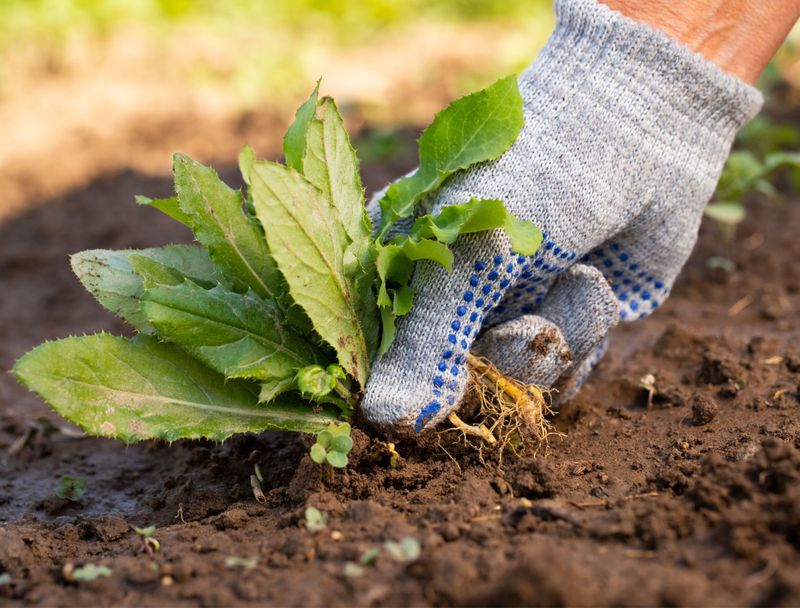
There’s an undeniable satisfaction in hand-pulling weeds. Root and all, they’re removed, ensuring they won’t return soon. This hands-on approach is as old as gardening itself, connecting us with the earth.
The tactile nature of this method allows for precision, protecting desirable plants. While labor-intensive, it’s a meditative practice, promoting mindfulness. For those willing to invest the time, hand-pulling offers a rewarding, thorough solution.
4. Corn Gluten Meal
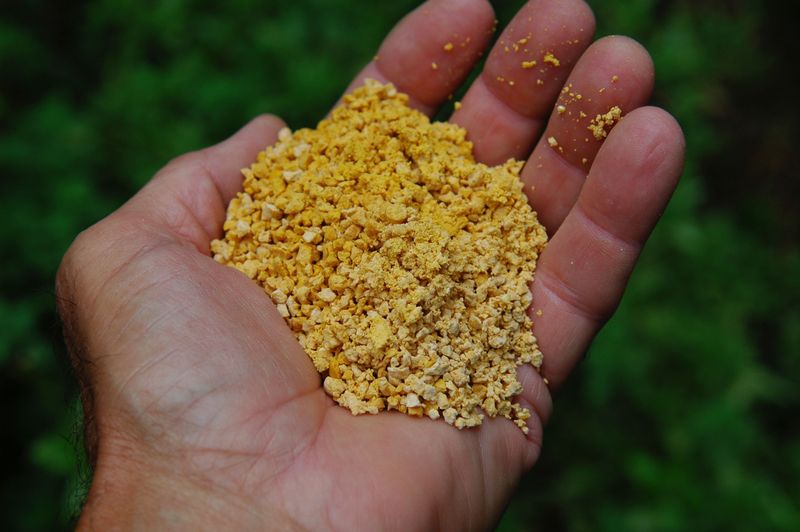
Corn gluten meal, a byproduct of milling, serves as a natural pre-emergent herbicide. By inhibiting seed germination, it prevents weeds before they start.
As it settles into the soil, it forms a barrier, safeguarding young plants without harming them. For gardeners seeking preventative measures, corn gluten meal offers a chemical-free solution, fostering a tidy, thriving garden space. It’s a proactive step towards weed management.
5. Landscape Fabric
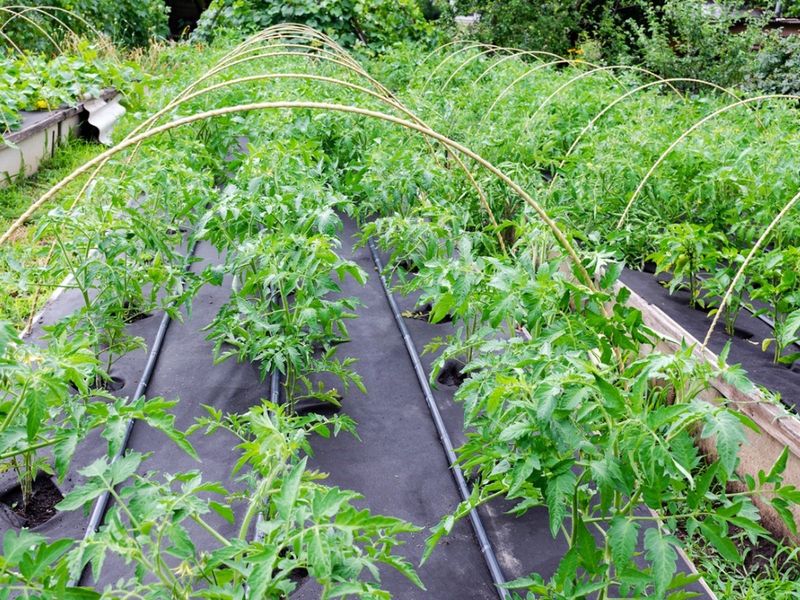
Landscape fabric acts as a silent guardian underneath the garden’s surface. This permeable barrier blocks weeds without disturbing beneficial microbes.
It allows water and nutrients to pass through, ensuring plant health while preventing weed intrusion. For gardeners dedicated to preserving their efforts, landscape fabric provides a low-maintenance, lasting solution. This method offers peace of mind, reducing the time spent on weed control.
6. Baking Soda
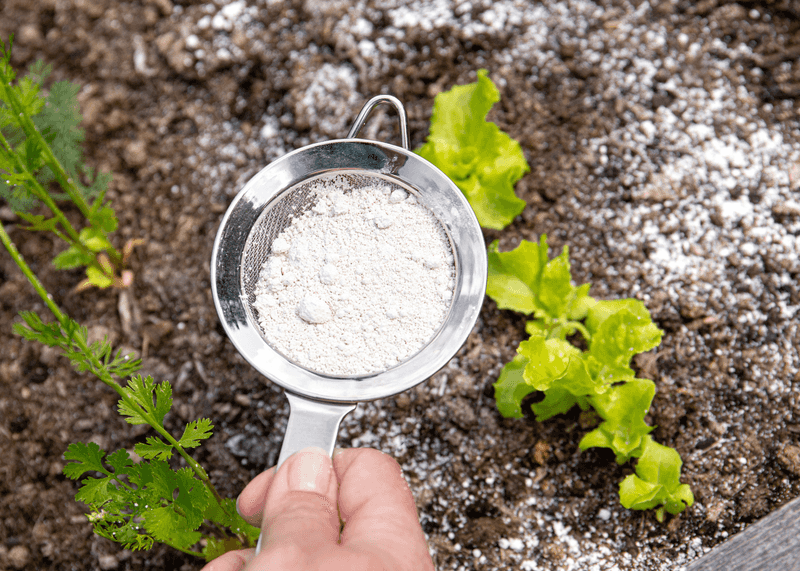
Baking soda, a kitchen staple, extends its utility to the garden. When sprinkled on paths and cracks, it prevents weeds without harming nearby plants.
The presence of baking soda alters the pH, creating an inhospitable environment for weeds. For gardeners seeking simplicity and safety, this method offers an appealing alternative. It’s a natural choice that aligns with eco-friendly practices.
7. Soapy Water Solution
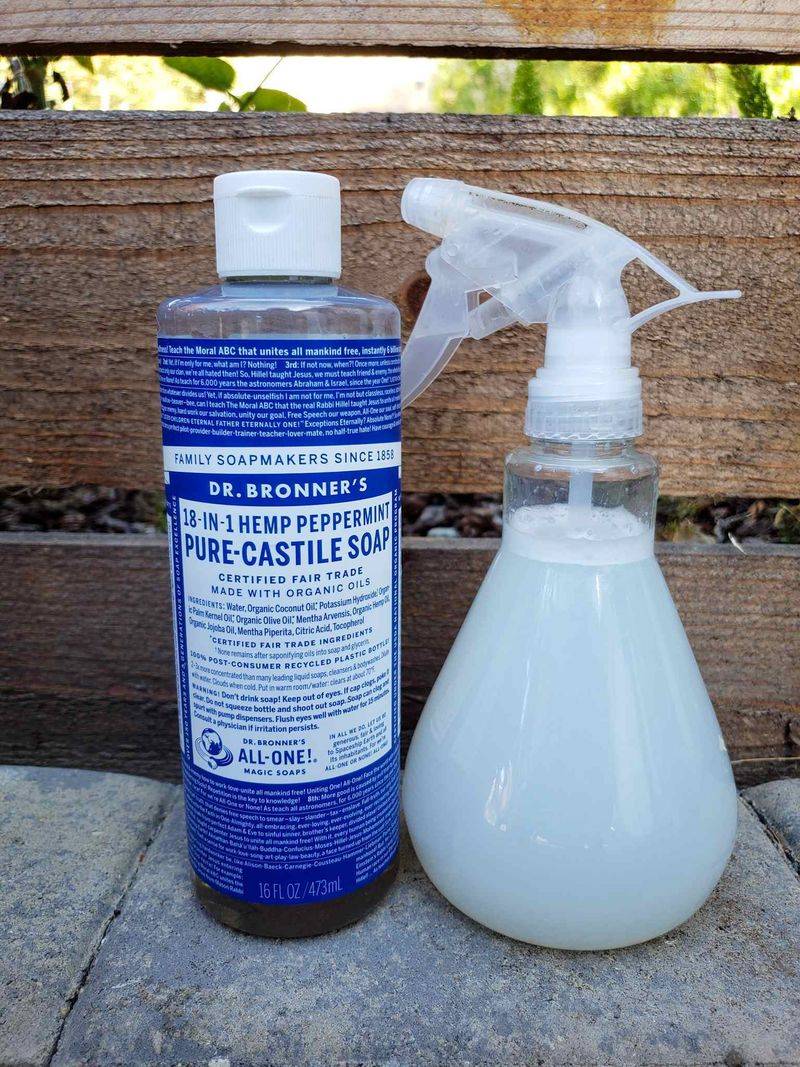
A blend of mild dish soap and water becomes a gardener’s ally against pests. This gentle solution targets aphids, mites, and other small insects without harming the plants.
The soap disrupts their cell membranes, eliminating them while keeping foliage intact. For those wary of chemical insecticides, a soapy water solution offers a natural, effective method. It’s a straightforward approach to maintaining a pest-free garden.
8. Neem Oil
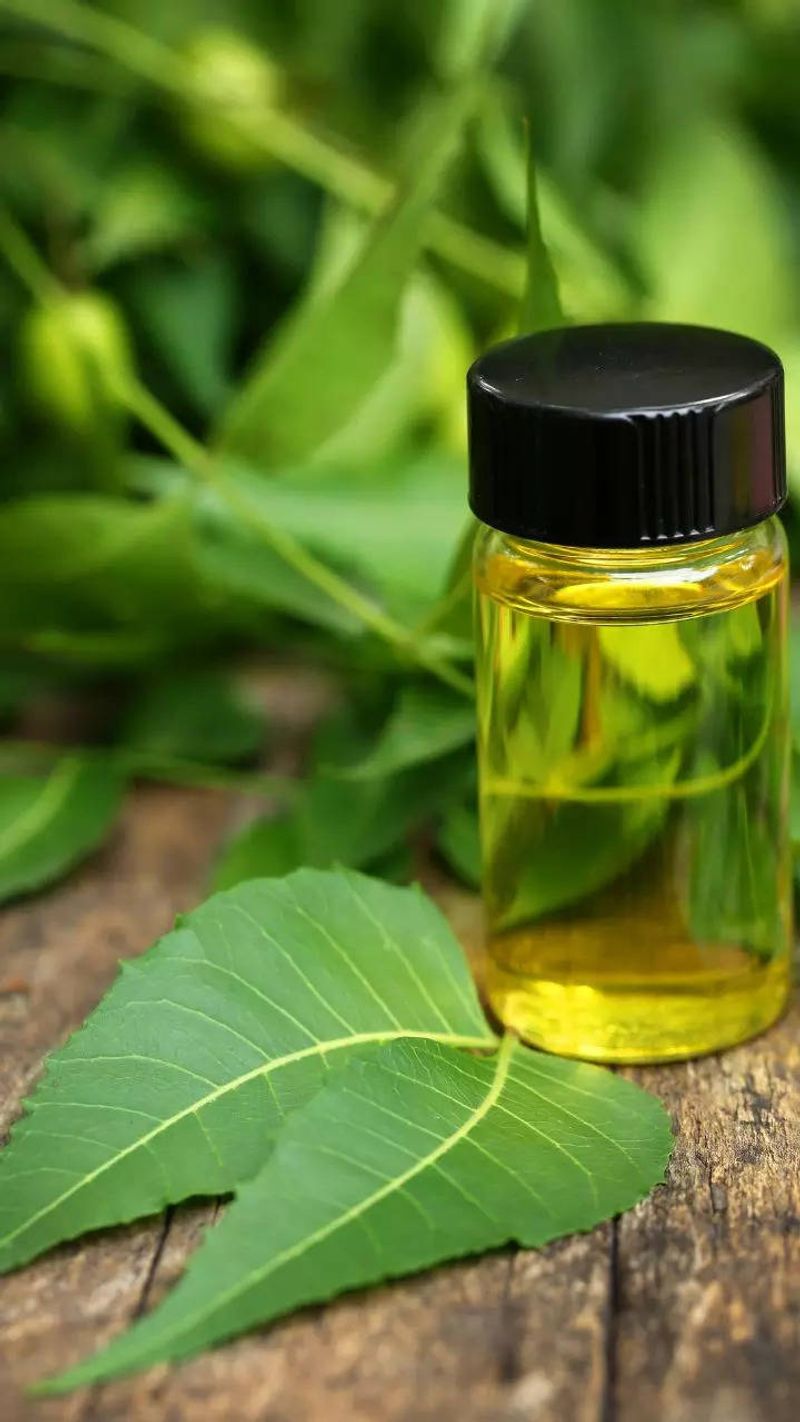
Neem oil, derived from the neem tree, serves as a versatile tool in organic gardening. It acts as an insecticide and fungicide, gentle on beneficial insects like bees.
Its natural compounds deter insects and prevent fungal diseases without harsh chemicals. For those committed to organic practices, neem oil provides a holistic, sustainable solution, fostering a biodiverse garden ecosystem.
9. Diatomaceous Earth
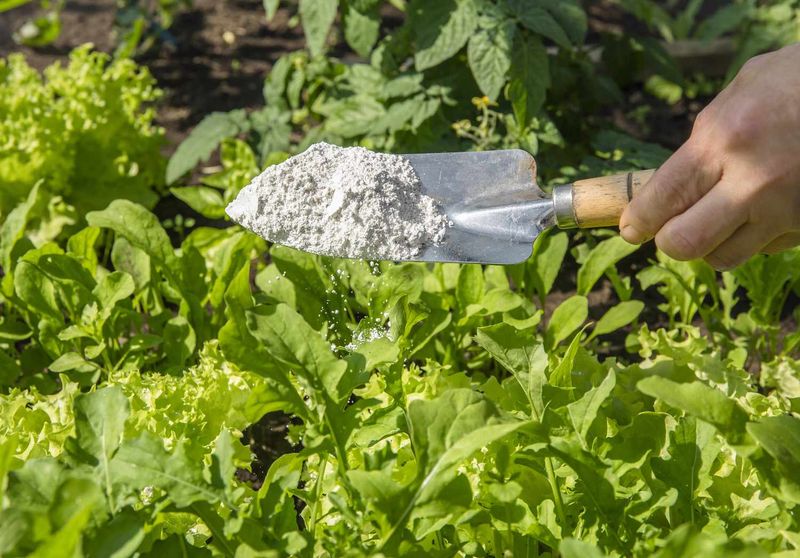
Diatomaceous earth, a fine powder of fossilized algae, offers a non-toxic pest control method. It dehydrates insects upon contact, safeguarding plants effectively.
As they traverse it, damage to their exoskeletons ensures they won’t threaten your crops. For gardeners seeking a safe, pet-friendly option, diatomaceous earth delivers peace of mind. It aligns with a commitment to sustainability and plant health.
10. Companion Planting
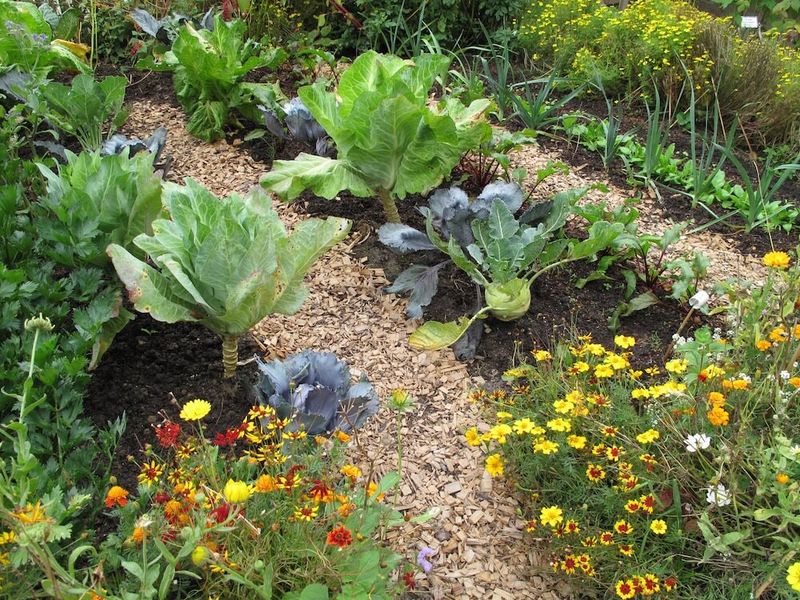
Companion planting weaves together different plants to bolster garden health. By strategically interplanting, gardeners can naturally deter pests and improve yields.
These partnerships create a dynamic ecosystem, reducing pest presence while boosting productivity. For those embracing natural methods, companion planting fosters a balanced, thriving environment. It’s a harmonious approach that enhances both beauty and function in the garden.