
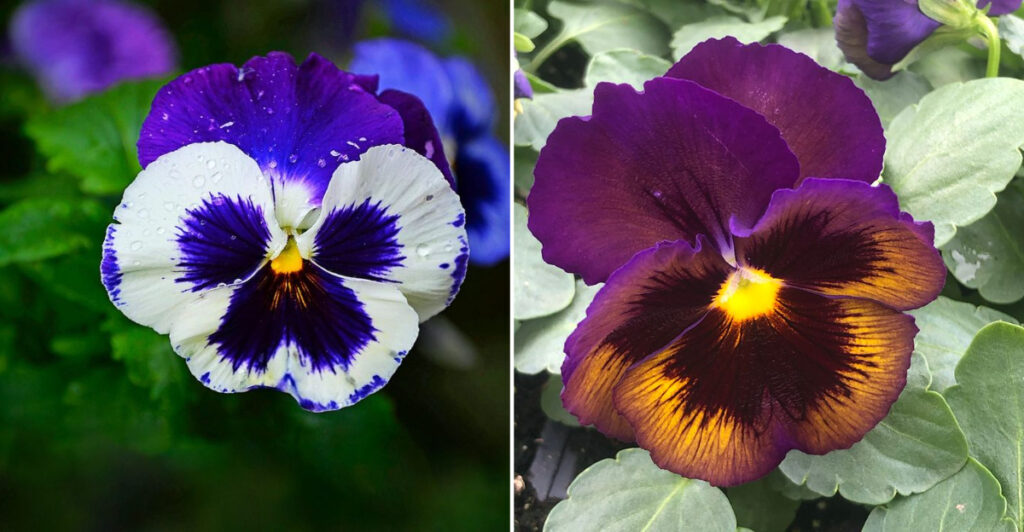
Distinguishing between pansies and violas can be a delightful challenge for garden enthusiasts. While these vibrant blooms may appear similar at first glance, there are key differences that set them apart. This guide explores 12 unique characteristics to help you identify each flower with confidence. From size and scent to color patterns and blooming habits, you’ll become adept at recognizing these charming garden favorites.
1. Flower Size
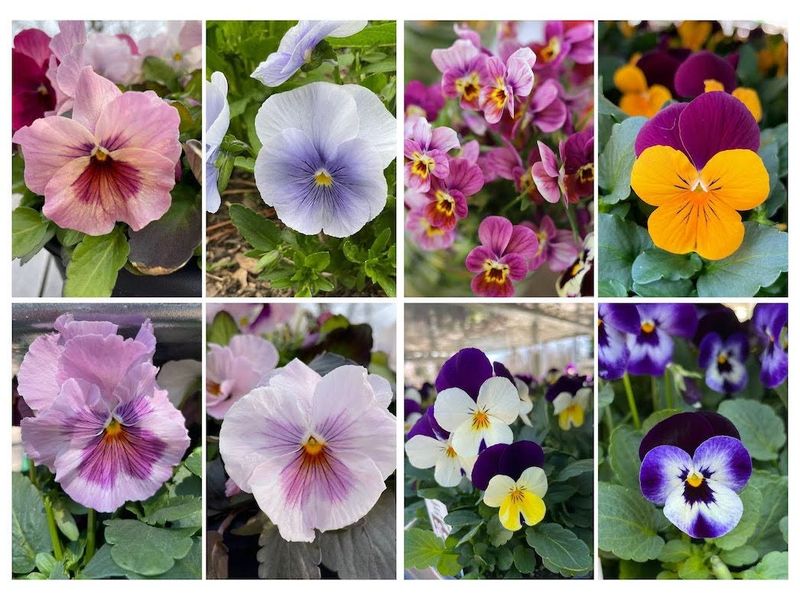
Flower size is the first telltale sign when distinguishing pansies from violas. Pansies are known for their larger, more flamboyant blooms that make a striking statement in any garden bed. These broad petals create a bold display, often capturing attention with their vivid colors. In contrast, violas offer a more understated elegance with their petite blossoms, exuding a sense of delicacy and charm. The smaller size of violas makes them ideal for filling in gaps and creating lush, continuous color. Whether bold or subtle, both flowers bring unique beauty to the garden.
2. Number of Petals Facing Up
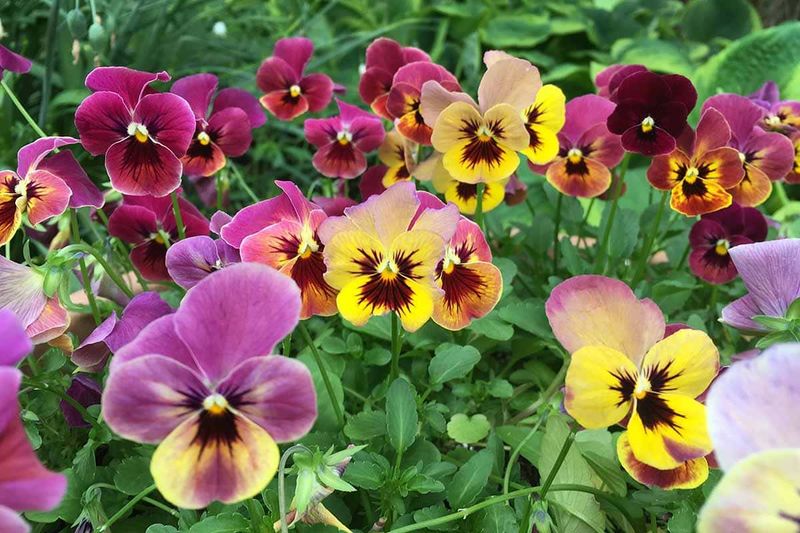
The number and arrangement of petals can reveal the identity of these garden beauties. Pansies typically feature a unique petal configuration with four petals facing upwards and a single petal pointing downward. This distinct arrangement gives pansies their characteristic ‘face,’ often reminiscent of a thoughtful expression. Violas, however, present a slightly different orientation with two petals up and three facing down. This subtle distinction, while easily overlooked, provides a clever hint for those in the know. With a closer inspection, you’ll soon be a pro at identifying these floral features.
3. Blooming Season
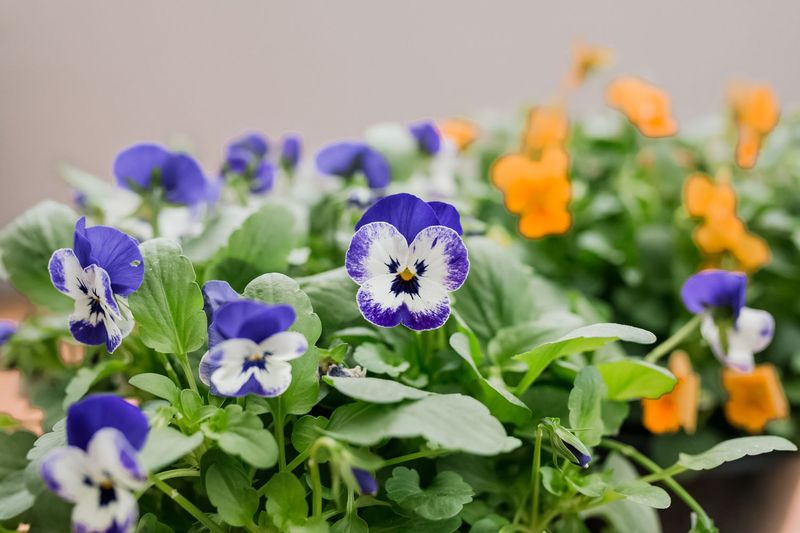
The blooming season plays a crucial role in telling pansies and violas apart. Violas are celebrated for their hardiness, thriving even in cooler climates where many flowers falter. Their ability to bloom longer, enduring chilly temperatures, makes them a favorite for early spring and late fall gardens. Pansies, on the other hand, prefer milder conditions, often blooming in the sweet spot between cool and warm weather. As temperatures climb, pansies may struggle, making violas the more resilient choice for year-round color. This seasonal endurance is what sets these blooms apart.
4. Plant Size
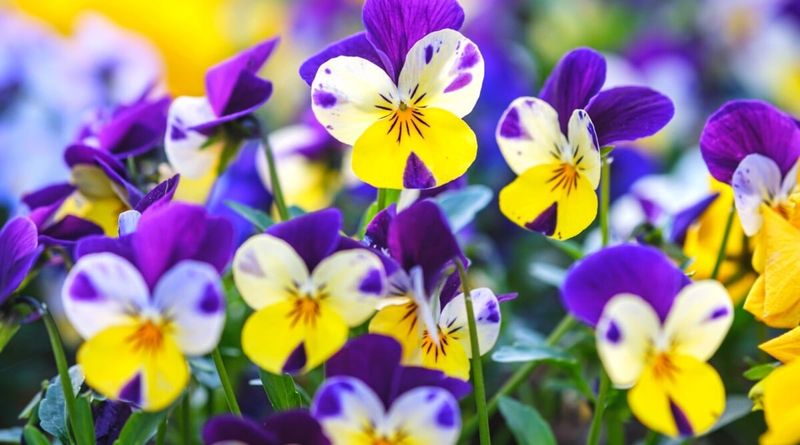
Plant size can be a distinguishing factor between these floral siblings. Violas are known for their compact, low-growing habit, making them perfect for edging or container planting. Their petite stature allows them to fill spaces without overpowering neighboring plants. Pansies, in contrast, tend to grow a bit taller and fuller, offering a more robust presence in garden arrangements. This difference in growth habit allows gardeners to use them in varied ways, from creating borders with violas to showcasing pansies as focal points. Embrace the diversity in your garden with these versatile plants.
5. Scent
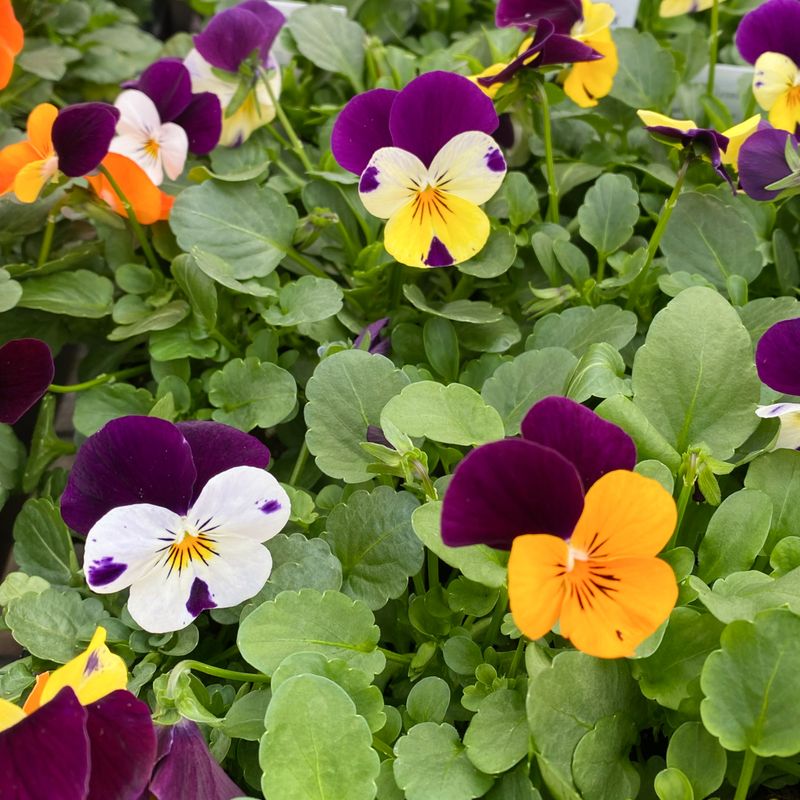
The scent is a subtle yet charming difference between these two flowers. Violas often exude a light, sweet fragrance that adds another layer of sensory delight to the garden experience. This gentle aroma can evoke memories of springtime and fresh beginnings. Pansies, however, are not typically known for their fragrance, focusing instead on their visual appeal. This contrast in sensory experience makes violas a multi-sensory pleasure, while pansies captivate with their vibrant appearance alone. Take a moment to savor the delicate perfume of violas next time you stroll through a garden.
6. Color Patterns
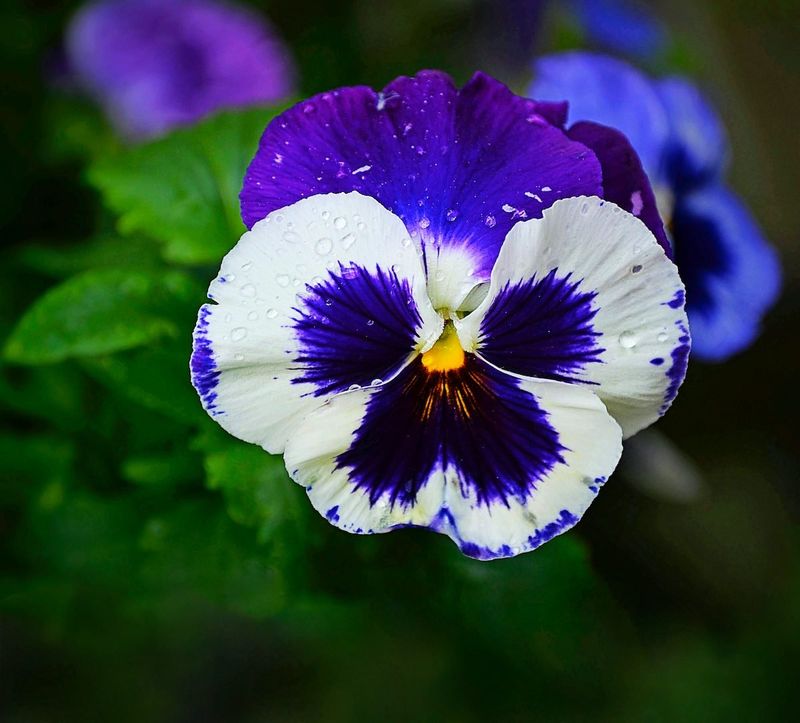
Color patterns offer an artistic insight into these floral companions. Pansies are often recognized for their bold, dramatic “faces”—patterns that contrast strikingly against their petals, adding a playful character to their appearance. These distinct markings make pansies a delightful addition to colorful gardens. Violas, however, usually boast more subtle, evenly colored petals, exuding a soft harmony and elegance. This understated beauty allows them to blend seamlessly with other plants, offering gentle color transitions. Whether you prefer bold statements or quiet grace, both blooms have their place in garden artistry.
7. Growth Habit
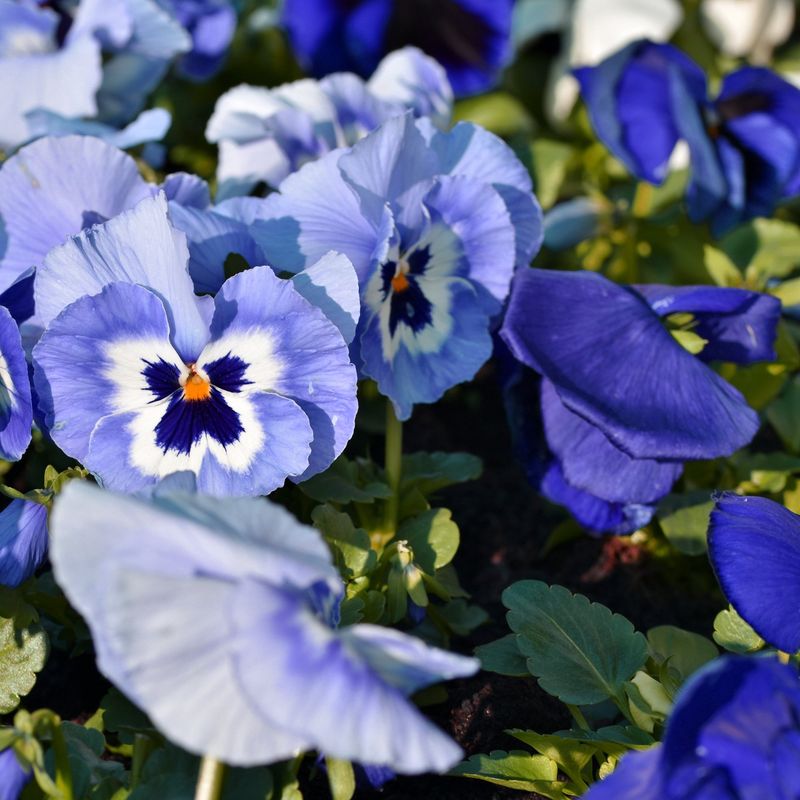
Growth habit is another fascinating aspect where pansies and violas diverge. Violas are known for their spreading nature, often producing an abundance of small blooms that blanket garden beds with color. This ability to cover ground makes them ideal for creating continuous flower carpets. Pansies, on the other hand, channel their energy into fewer, larger blooms, offering a different kind of visual impact. Their focus on producing standout flowers makes them suitable for focal points in garden arrangements. Whether you desire a lush spread or a statement bloom, both plants offer unique contributions to garden aesthetics.
8. Botanical Background
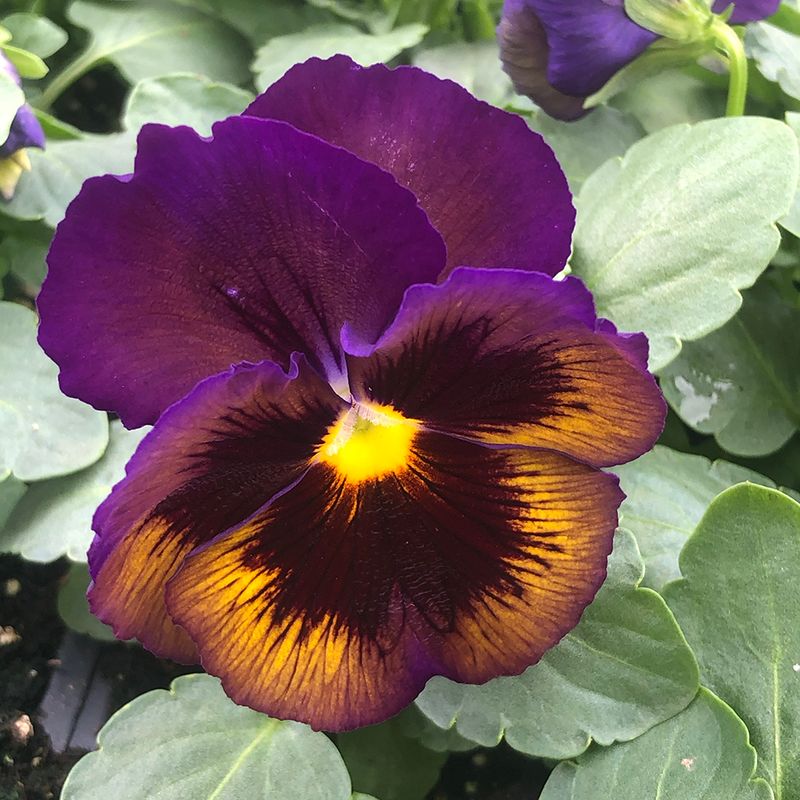
Botanical background provides a deeper understanding of these charming flowers. Violas represent a broader genus that encompasses a variety of species, including the well-loved pansy. Pansies are actually a type of hybrid viola, scientifically known as Viola × wittrockiana. This botanical connection explains why they share so many characteristics, yet exhibit their unique traits. Knowing this lineage helps appreciate the diversity within the genus and the special qualities each type brings to the garden. Whether categorized as hybrid or species, both contribute to the rich tapestry of floral beauty.
9. Heat Tolerance
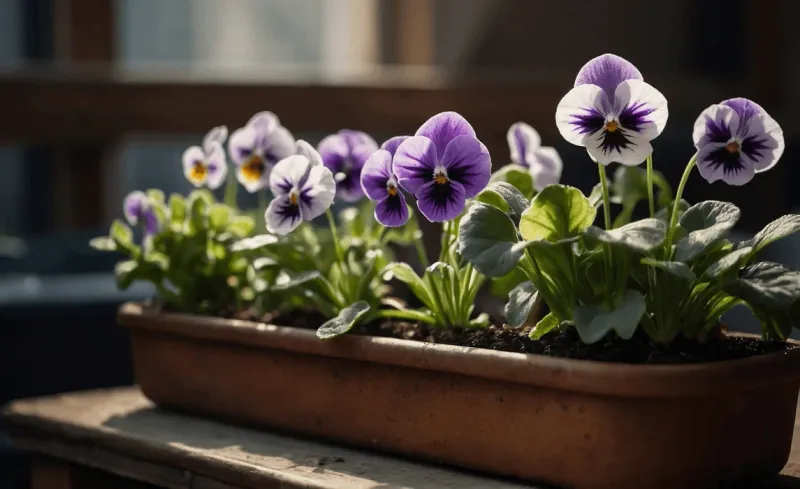
Heat tolerance is a key attribute when considering plant longevity in various climates. Violas typically exhibit better resistance to heat, allowing them to flourish in the lingering warmth of late spring and early fall. This resilience enables them to maintain blooms longer when temperatures rise. In contrast, pansies, though vibrant during cooler periods, often struggle as the heat intensifies. Their preference for milder weather limits their blooming seasons compared to their more heat-hardy viola counterparts. Selecting the right flower for your climate can ensure a longer-lasting, colorful display throughout the growing season.
10. Flower Abundance
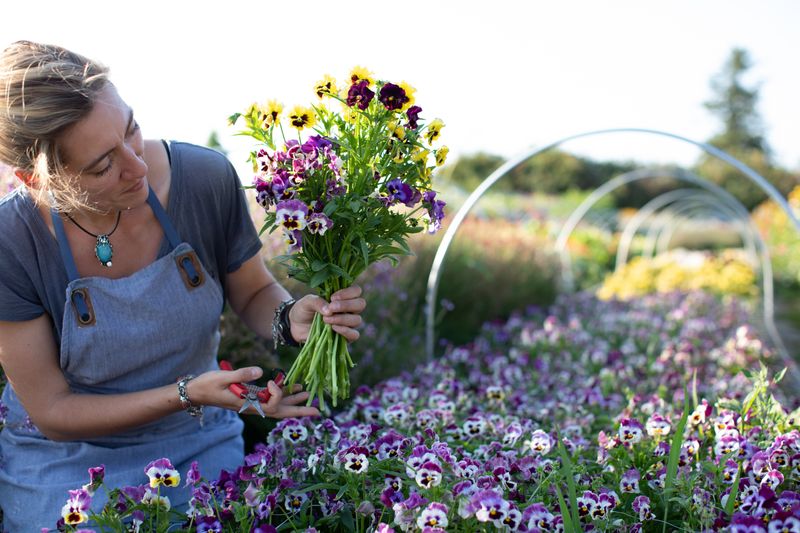
Flower abundance is a delightful difference between these floral cousins. Violas are celebrated for their prolific nature, often producing a multitude of small blooms that collectively create a vibrant tapestry of color. This abundance provides a lively, cheerful presence in any garden setting. Pansies, in contrast, may offer fewer blooms at any given time, but each flower tends to be larger and more visually impactful. This contrast highlights the diverse ways these plants can enhance garden aesthetics, whether through a rich abundance of small blooms or a few striking, sizeable flowers.
11. Leaf Shape
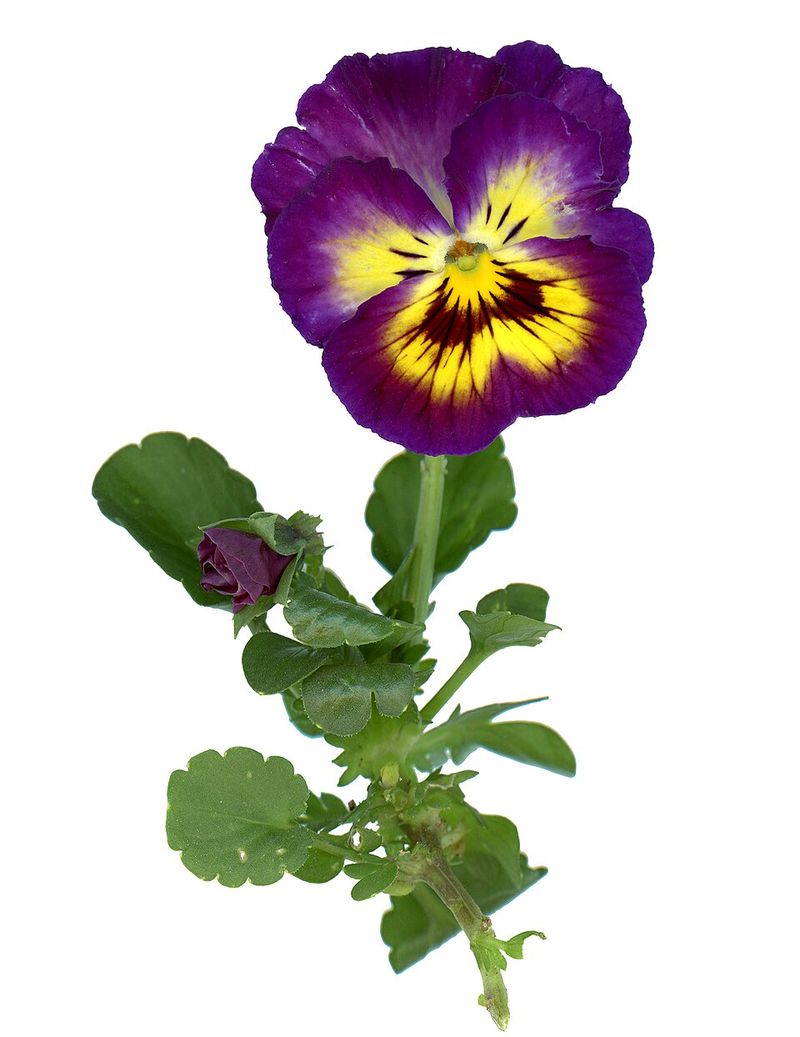
Leaf shape provides a subtle clue in distinguishing these garden favorites. Pansy leaves are typically broader and rounder, creating a lush, full foliage that adds to their visual appeal. These leaves provide a strong backdrop for the colorful blooms above. Violas, on the other hand, feature narrower and slightly more pointed leaves, offering a lighter, more delicate foliage appearance. This difference in leaf shape not only aids in identification but also complements the distinct growth habits and aesthetic qualities of each plant. Embrace the diversity in leaf shapes as you admire your garden’s beauty.
12. Self-Seeding
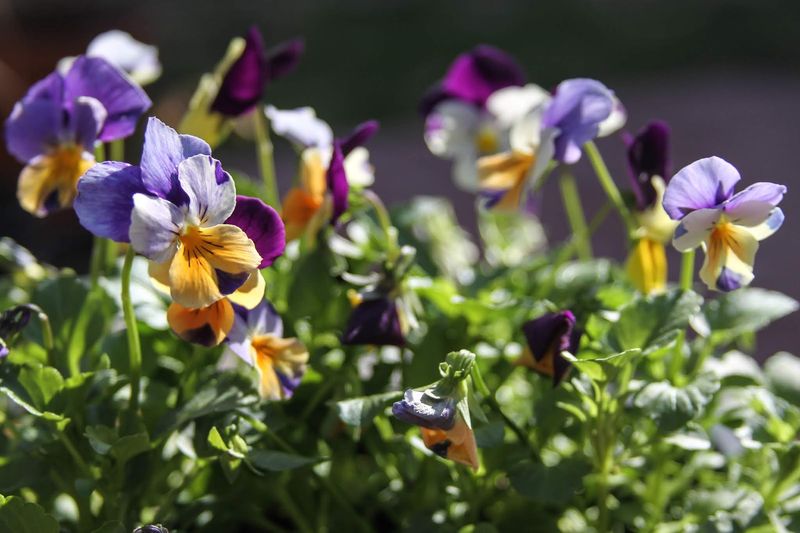
Self-seeding is a delightful trait that brings surprises to the garden year after year. Violas are often praised for their ability to self-seed, allowing them to return with little intervention, particularly in cooler climates. This natural propagation offers a sustainable way to enjoy continuous blooms without replanting. Pansies, while attractive, are less likely to self-seed, often requiring fresh planting each season. Embracing the self-seeding nature of violas can lead to a garden filled with unexpected beauty, as new plants emerge and thrive, weaving a tapestry of color and life season after season.