
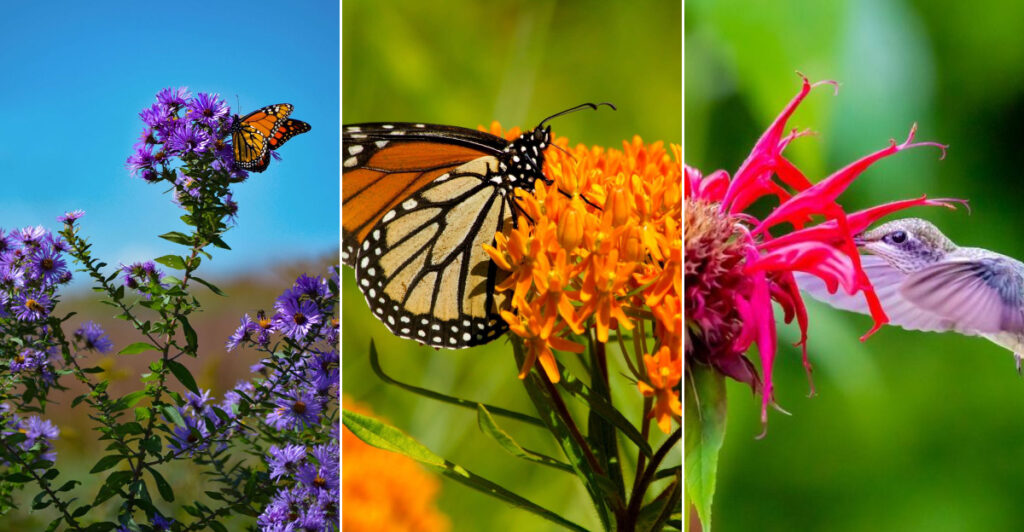
Creating a pollinator paradise in your garden begins with choosing the right plants. Native perennials offer the perfect solution, not only beautifying your landscape but also supporting essential pollinators like bees and butterflies. These plants are well-adapted to local climates and soil conditions, making them easy to grow and maintain. By planting these native perennials in April, you can ensure a vibrant and healthy garden that attracts and supports pollinating wildlife throughout the growing season.
1. Purple Coneflower (Echinacea purpurea)
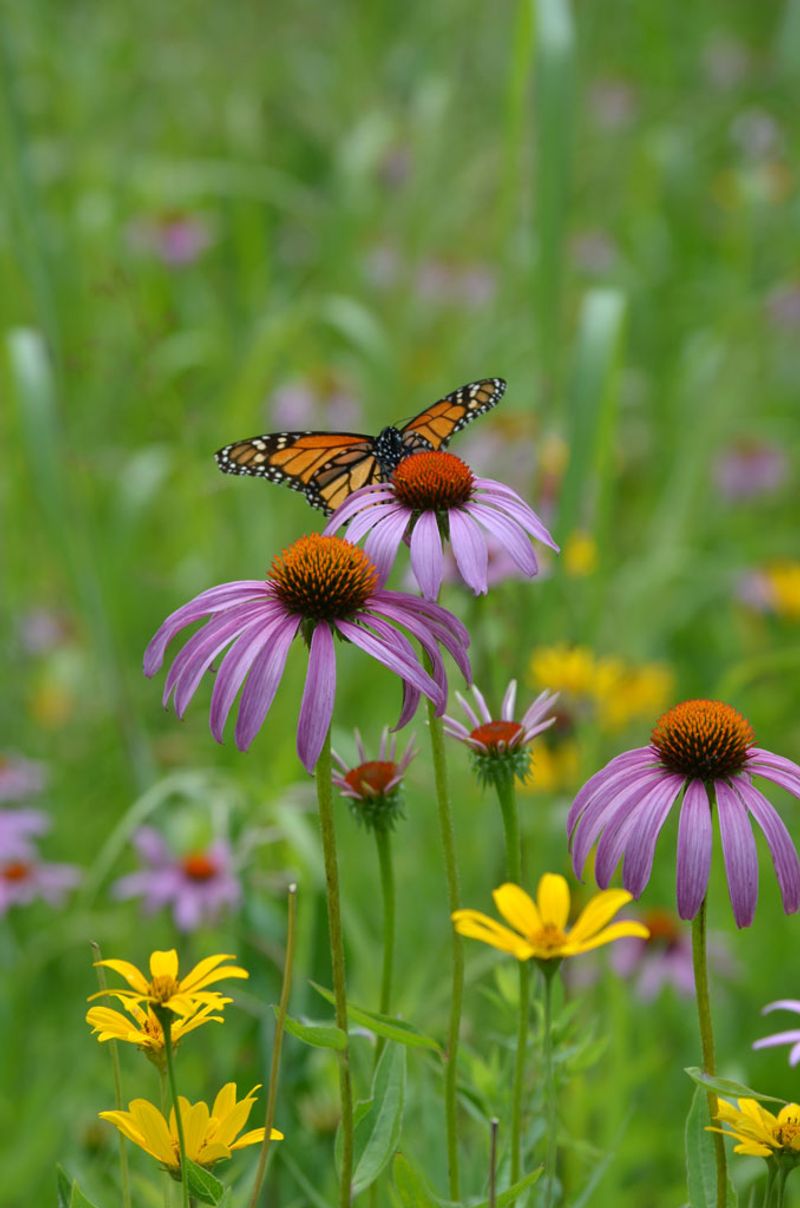
Purple Coneflower stands tall with its striking purple petals and orange centers, inviting bees and butterflies to visit. This perennial is not only stunning but also incredibly resilient, thriving in a variety of soil types.
With its drought-tolerant nature, it requires little maintenance once established. Known for its medicinal properties, Echinacea has been used historically for immune support.
Plant Purple Coneflower in full sun for the best blooms, and enjoy its beauty from midsummer to fall. This plant’s vibrant colors and sturdy nature make it a garden favorite.
2. Butterfly Weed (Asclepias tuberosa)
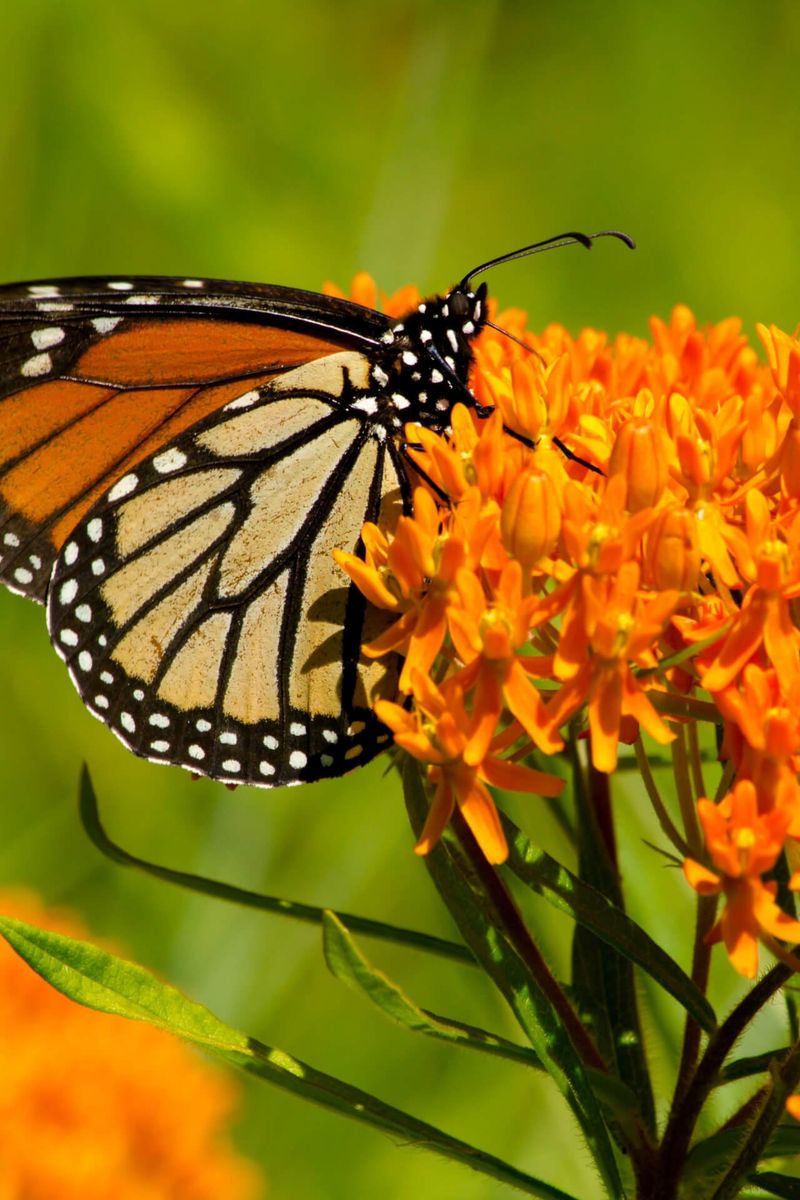
Butterfly Weed, with its vivid orange blooms, is a magnet for monarch butterflies and other pollinators. This hardy plant thrives in well-drained soil and full sunlight, adding a splash of color to any garden.
With its deep roots, Butterfly Weed withstands drought conditions, making it a low-maintenance choice. Historically, it was used by Native Americans for various medicinal purposes.
Perfect for a sunny spot, Butterfly Weed blooms throughout the summer, providing a long-lasting display of color. It’s a must-have for any pollinator-friendly garden.
3. Black-eyed Susan (Rudbeckia hirta)
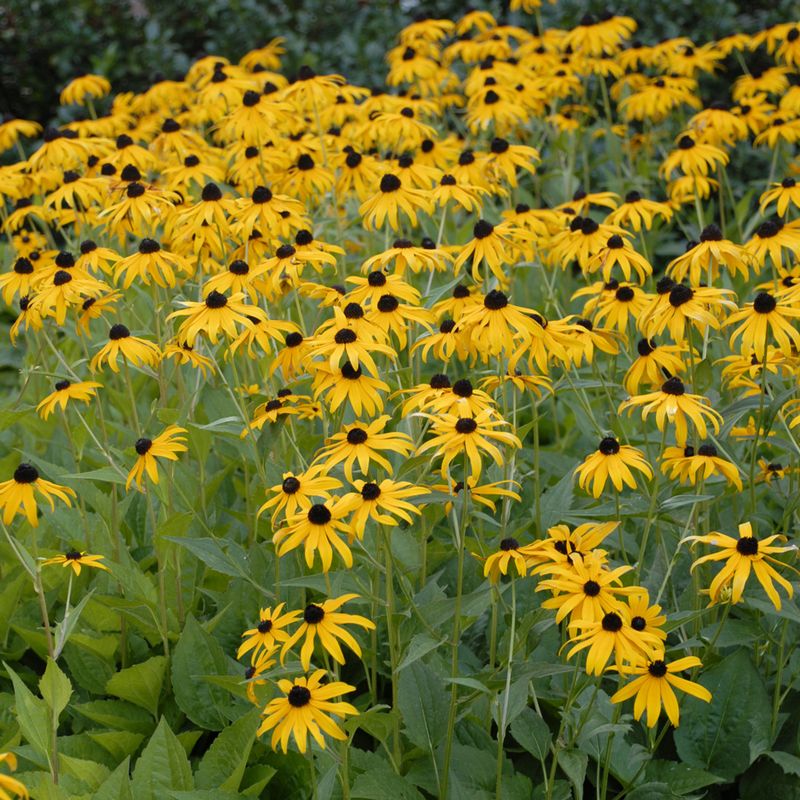
Black-eyed Susan is a cheerful addition to any garden, with bright yellow petals and dark centers. This classic perennial attracts a variety of pollinators, including bees and butterflies.
Easy to grow, Black-eyed Susan thrives in full sun and adapts to different soil conditions. Its long blooming period ensures continuous color from summer to fall.
This plant is not only beautiful but also resilient, making it an excellent choice for novice gardeners. Its sunny disposition and hardiness make it a beloved garden staple.
4. Bee Balm (Monarda didyma)
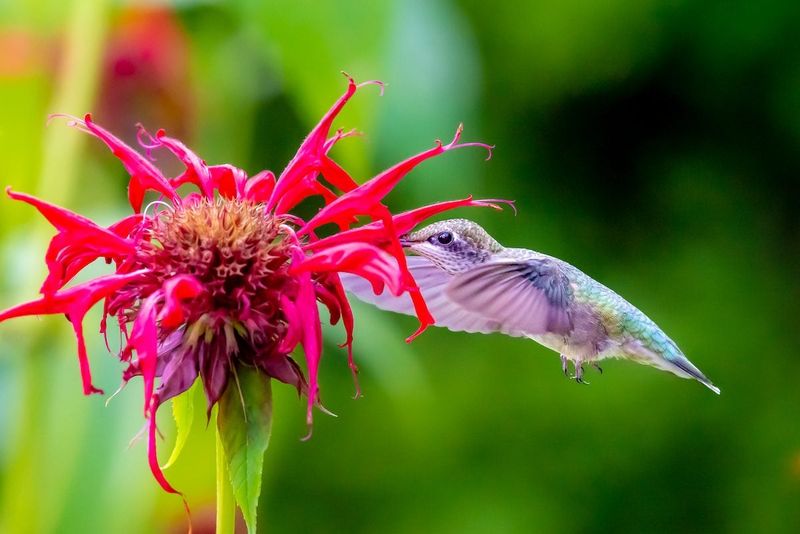
Bee Balm, with its distinctive red blooms, is a favorite among hummingbirds and bees. This aromatic perennial thrives in moist, well-drained soil and full sun to partial shade.
Its vibrant flowers add a splash of color to any garden, while its fragrant leaves can be used to make herbal teas. Bee Balm’s long blooming period provides continuous nectar for pollinators.
Planting Bee Balm in groups creates a stunning visual effect and attracts wildlife. It’s a versatile plant that brings both beauty and ecological benefits to your garden.
5. New England Aster (Symphyotrichum novae-angliae)
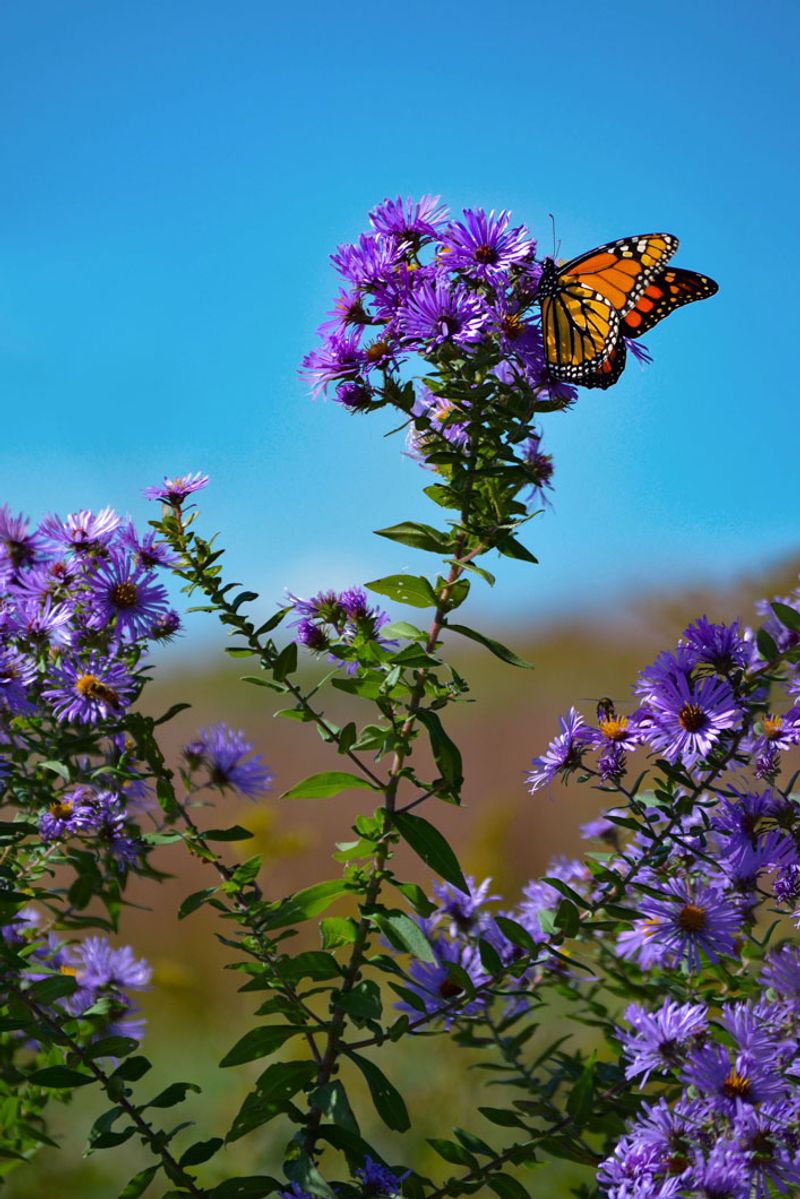
New England Aster is a late-season bloomer, offering vibrant purple flowers that attract late-season pollinators like bees and butterflies. This perennial thrives in full sun and moist, well-drained soil.
Its tall stature and abundant blooms make it a striking addition to any garden. Known for its hardiness, New England Aster can withstand cooler temperatures, extending the garden’s bloom season.
With its historical use by Native Americans for medicinal purposes, this aster adds both beauty and cultural significance to your landscape. It’s a lovely choice for autumn gardens.
6. Goldenrod (Solidago spp.)
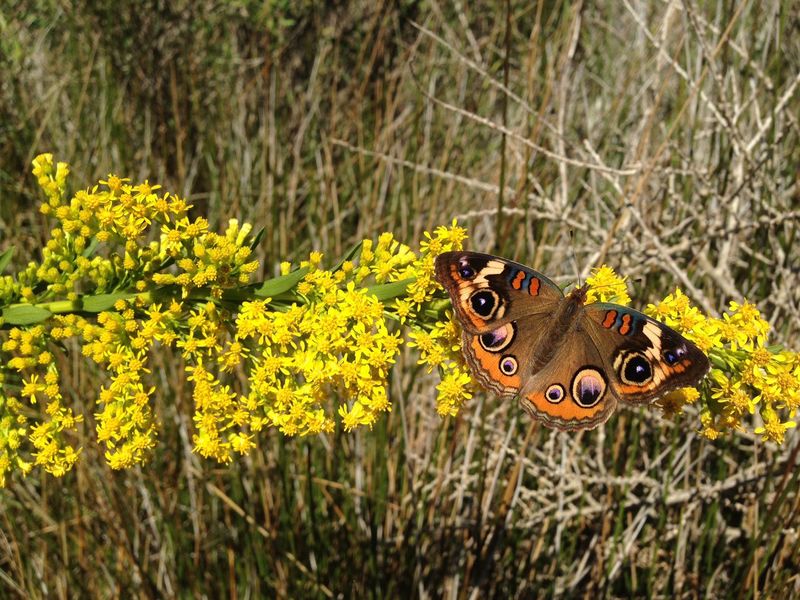
Goldenrod is often unfairly blamed for allergies, but it’s a vital plant for pollinators. Its bright yellow flowers are a magnet for bees and butterflies, adding a golden touch to your garden.
Thriving in full sun, Goldenrod prefers well-drained soil and requires minimal care once established. It’s a great choice for late summer blooms, providing essential nectar sources.
This perennial’s robust nature and vivid coloration make it a standout in any landscape. It’s perfect for naturalizing areas, bringing both beauty and ecological benefits.
7. Blue Vervain (Verbena hastata)
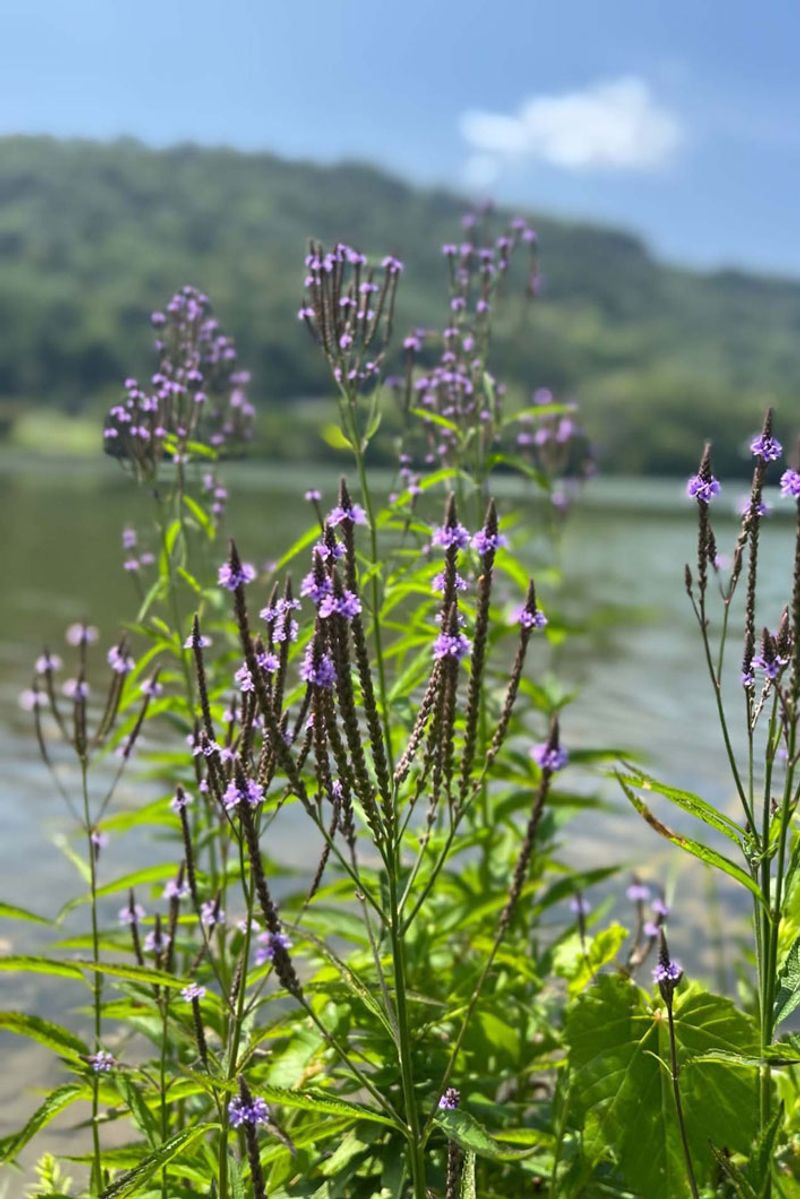
Blue Vervain offers delicate spikes of blue flowers that sway gracefully in the breeze. This elegant perennial is a favorite among bees and butterflies.
Preferring moist soil and full sun to partial shade, Blue Vervain is often found near water sources. Its tall, stately appearance adds vertical interest to any garden.
Used traditionally for medicinal purposes, it adds both beauty and historical value. Blue Vervain’s serene presence and pollinator appeal make it a cherished addition to natural landscapes.
8. Joe Pye Weed (Eutrochium purpureum)
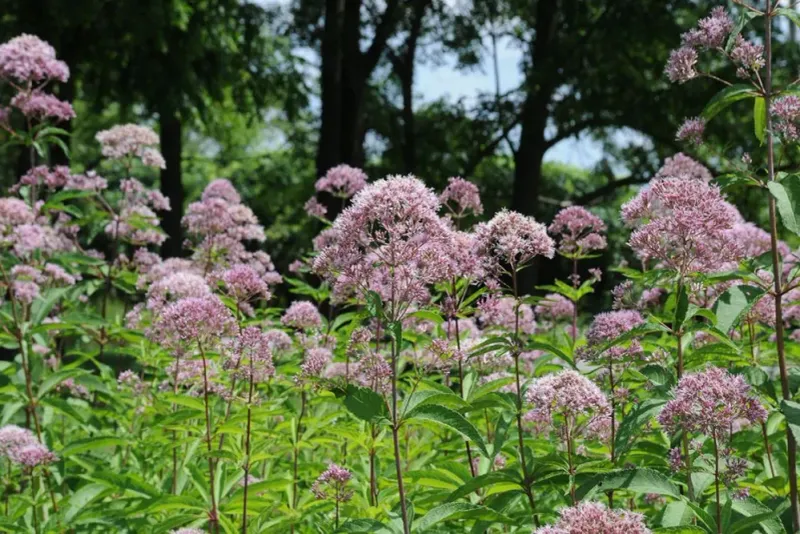
Joe Pye Weed, with its tall pink clusters, is a majestic perennial that attracts a multitude of pollinators. It’s particularly favored by butterflies.
Thriving in moist, well-drained soil and full sun to partial shade, it adds height and drama to garden designs. Its subtle vanilla fragrance is an added bonus.
Joe Pye Weed’s historical use by Native Americans for medicinal purposes adds to its charm. Its towering presence and pollinator appeal make it a standout choice for gardens.
9. Wild Bergamot (Monarda fistulosa)
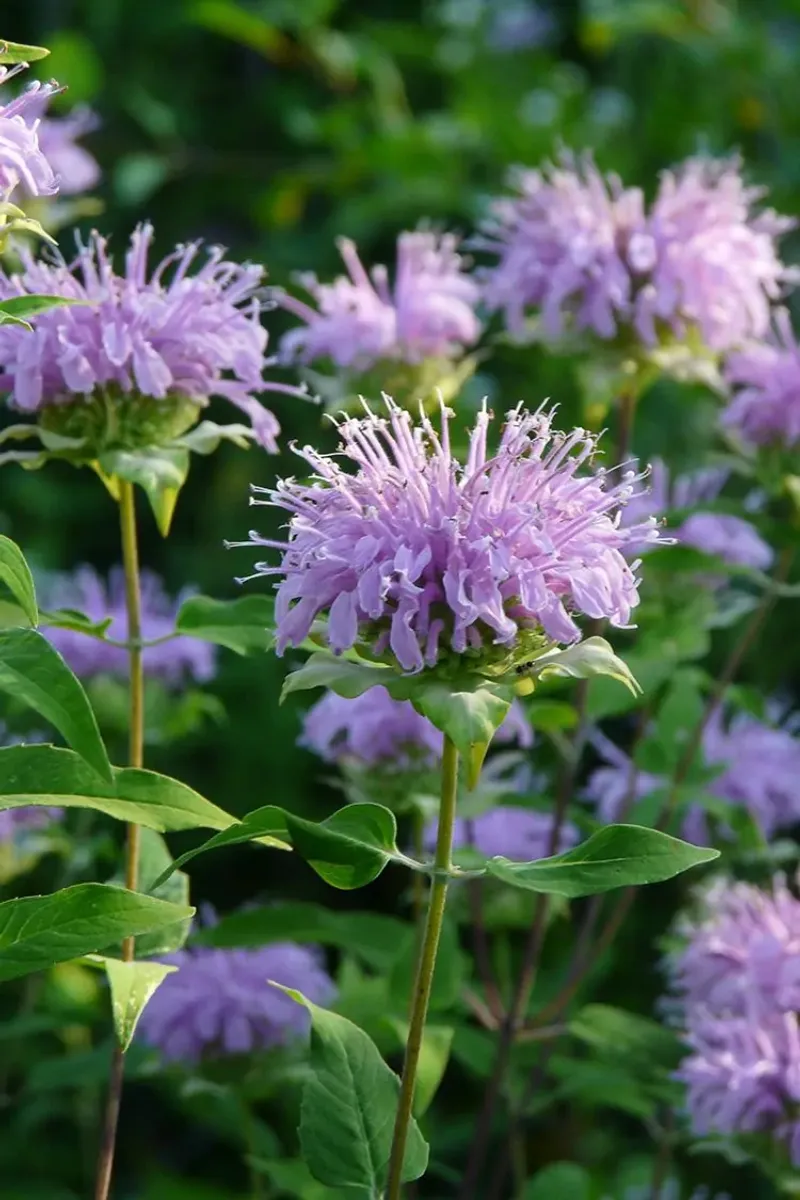
Wild Bergamot is known for its lovely lavender blooms and delightful aroma. This perennial is a magnet for bees and other pollinators.
Preferring full sun and well-drained soil, Wild Bergamot’s fragrant leaves can be used in teas and potpourris, adding a sensory element to your garden.
Its historical use by Native Americans for medicinal purposes enhances its intrigue. Wild Bergamot’s whimsical flowers and pollinator-friendly nature make it a garden highlight.
10. Cardinal Flower (Lobelia cardinalis)
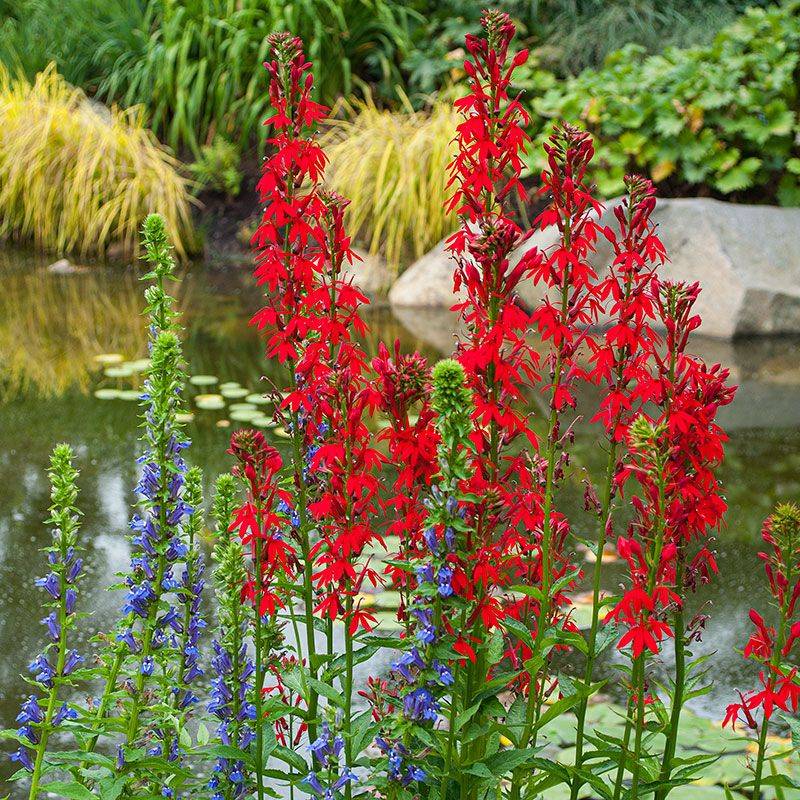
Cardinal Flower’s striking red blooms are irresistible to hummingbirds. This perennial thrives in moist soil and partial shade, often found near water.
Its vibrant color and tall spikes create a stunning garden focal point. Known for its medicinal properties, it carries historical significance.
Cardinal Flower’s dramatic beauty and wildlife attraction make it an essential addition to water-side plantings. It’s a showstopper that brings both color and life to your garden.