 Complete Gardening
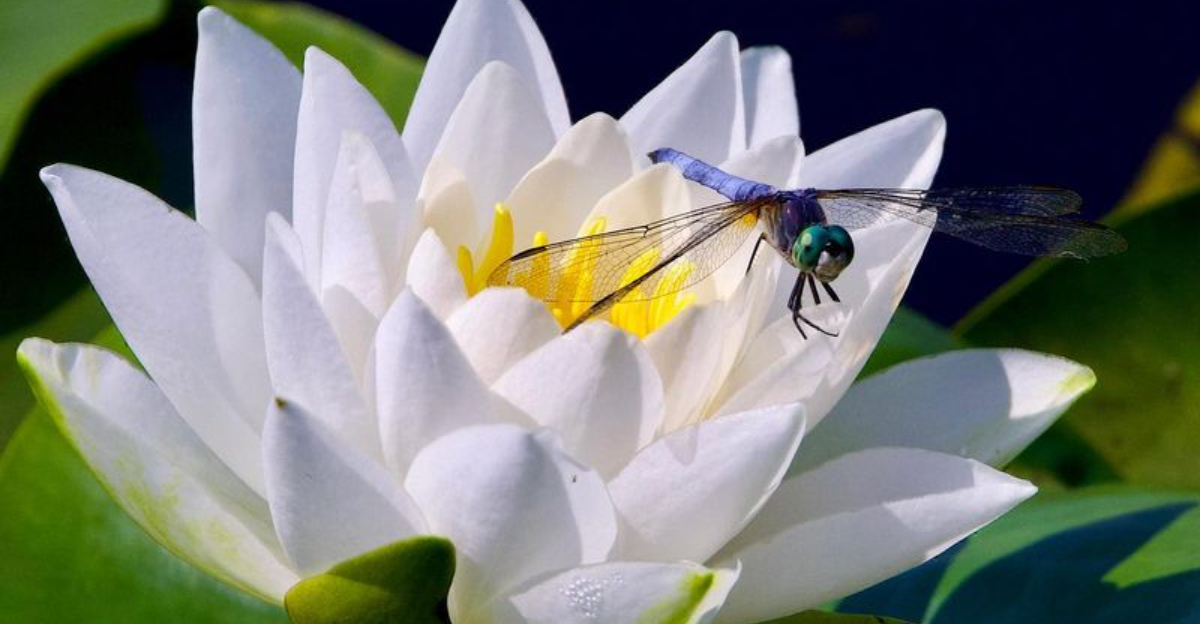
Gardens are thriving ecosystems, and beneficial insects play a crucial role in maintaining their balance. From pollinators that boost flower and fruit production to natural pest controllers, these tiny allies are essential for a healthy garden.
Embracing beneficial insects can reduce the need for chemical pesticides, making your garden a sustainable and vibrant oasis. In this post, we explore 15 indispensable insects that will enhance your garden’s vitality and beauty.
1. Ladybugs
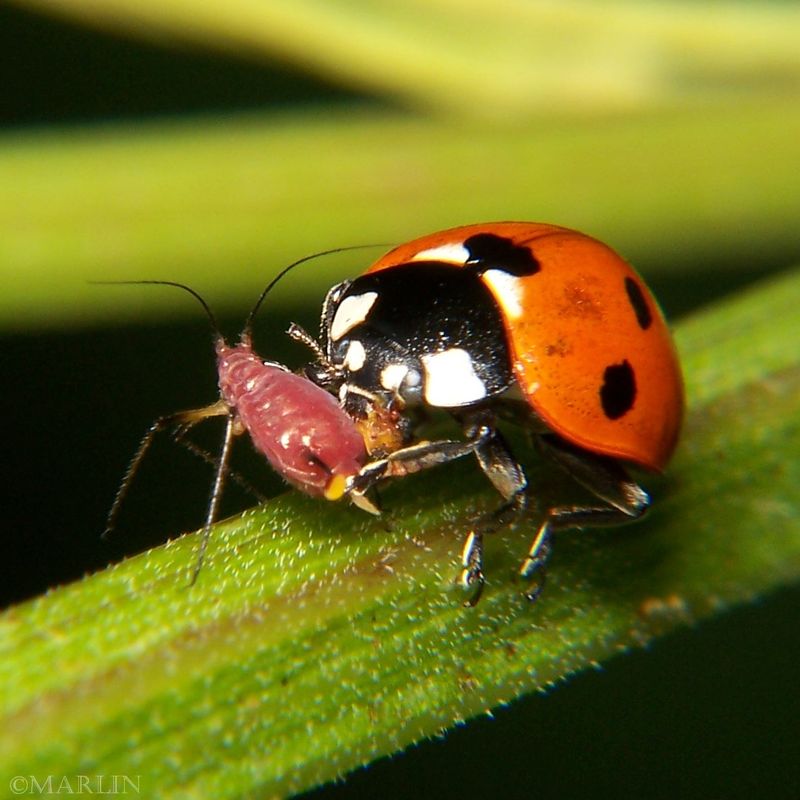
Ladybugs, with their striking red shells and black spots, are every gardener’s favorite pest control agent. Known for their voracious appetite, they can consume up to 50 aphids a day, making them essential for managing these pesky garden invaders. Their gentle nature makes them a delightful sight in any garden. Releasing them in your garden can reduce the need for chemical pesticides. Fun fact: Ladybugs are considered a symbol of good luck in many cultures.
2. Praying Mantis
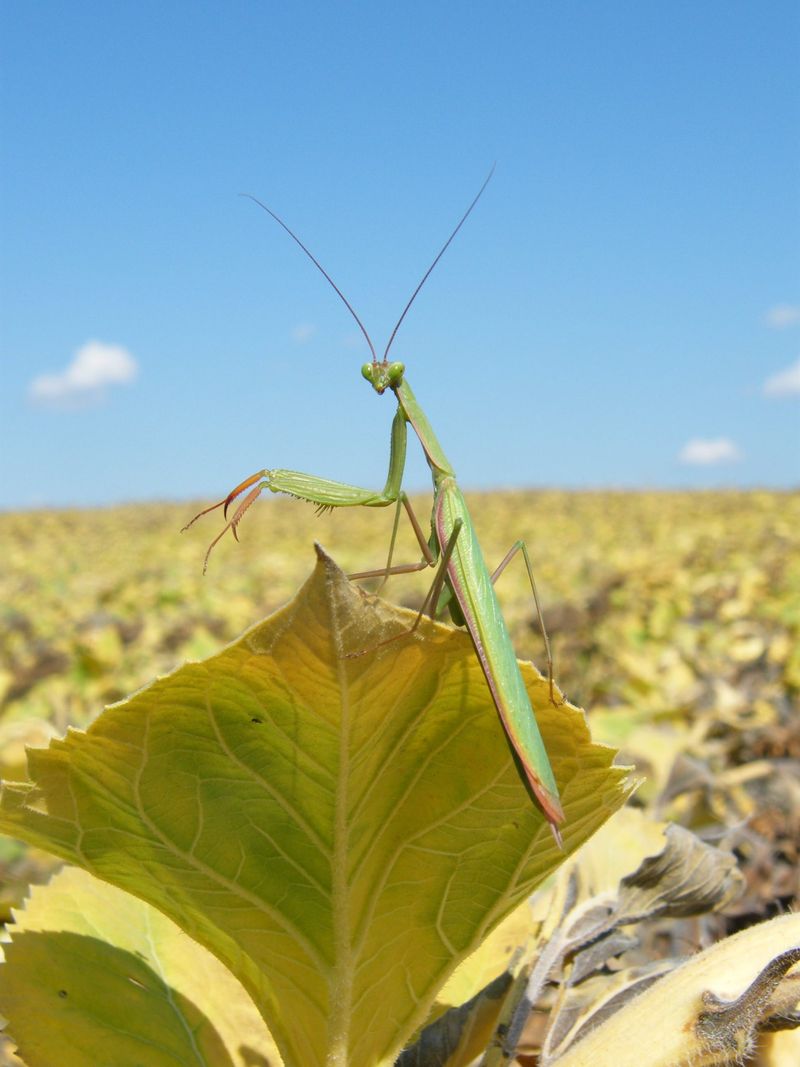
Praying mantis, with their distinctive prayer-like stance, are fascinating predators in the garden. They are masters of camouflage, blending seamlessly with their surroundings to ambush prey. These insects are adept hunters, feeding on a variety of pests including beetles, crickets, and grasshoppers. Their presence in the garden ensures a natural balance, controlling pest populations effectively. Did you know? The name ‘mantis’ is derived from the Greek word for prophet or seer.
3. Hoverflies
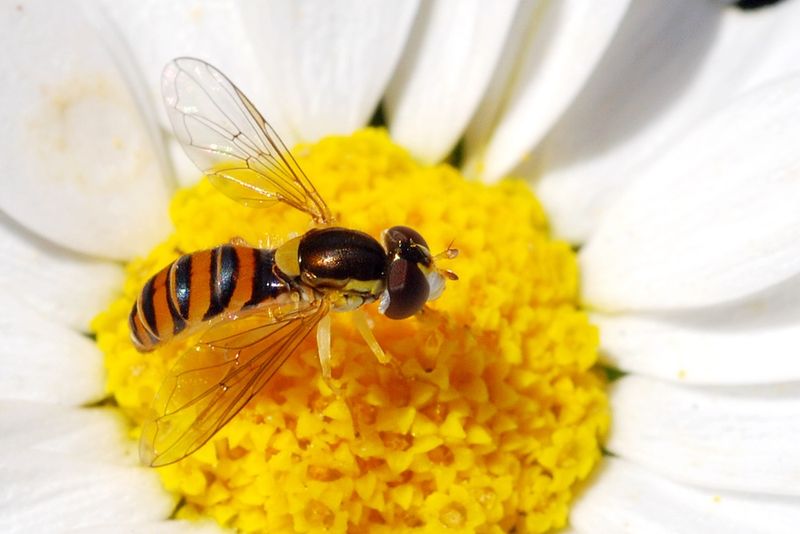
Hoverflies, resembling small bees, are unsung heroes in pollination. While adult hoverflies are busy pollinating flowers, their larvae feast on aphids, keeping these pests in check. Their ability to mimic bees deters predators, ensuring their survival in gardens. With a gentle buzz and vibrant stripes, they add charm to any garden. These efficient pollinators are a boon for gardeners looking to increase fruit and vegetable yields. Fun fact: Some hoverfly species can even mimic wasps!
4. Green Lacewings
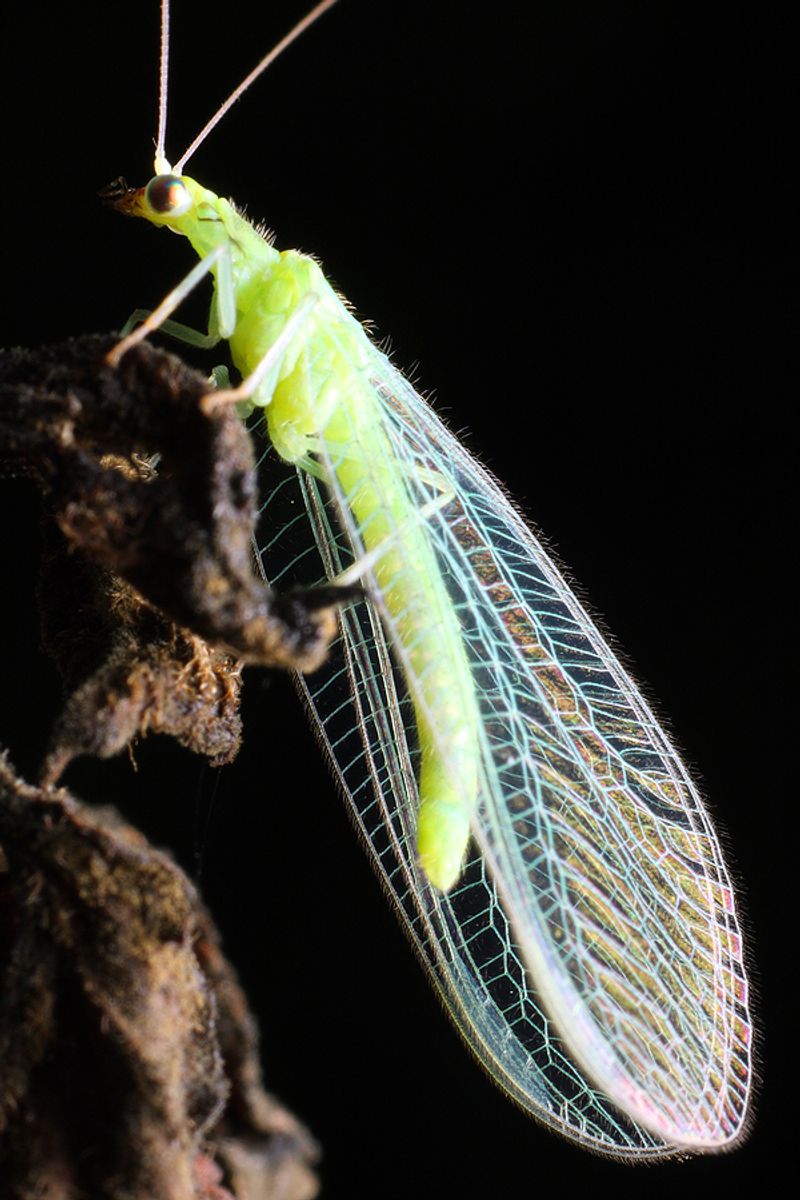
Green lacewings, with their delicate wings and golden eyes, are known as aphid lions during their larval stage. These larvae are ferocious predators, consuming aphids, thrips, and other soft-bodied insects. Adult lacewings primarily feed on nectar and pollen, contributing to pollination. Encouraging their presence in your garden can drastically reduce pest populations. With their ethereal appearance, they bring a touch of elegance to any garden. Did you know? Lacewings are attracted to lights at night.
5. Ground Beetles
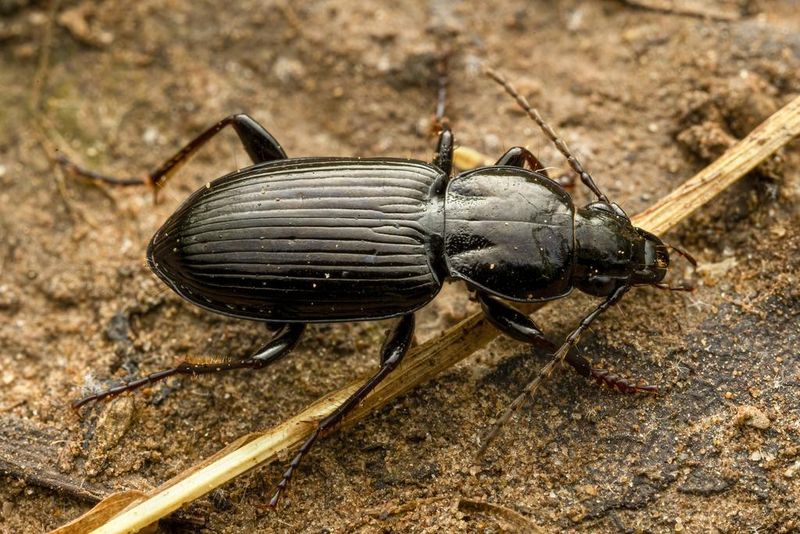
Ground beetles are tireless nocturnal hunters. They patrol the garden floor, preying on slugs, caterpillars, and other soil-dwelling pests. With their shiny bodies and strong legs, they are built for speed and efficiency. These beetles thrive in undisturbed areas, so providing mulch or stones can create a perfect habitat. Their presence in the garden significantly reduces the need for chemical pest control. Ground beetles are a testament to the power of natural pest management.
6. Parasitic Wasps
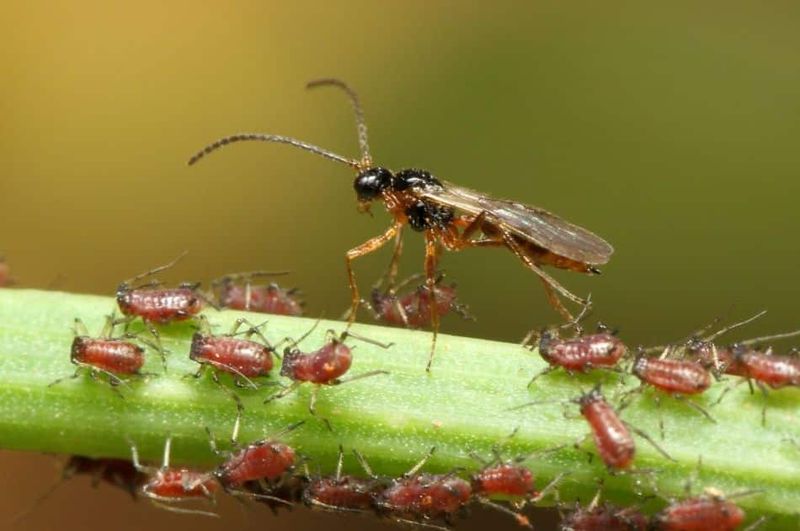
Parasitic wasps might sound intimidating, but they are tiny powerhouses of pest control. These wasps target and lay eggs in or on pest hosts like caterpillars and aphids, effectively reducing their populations. Their life cycle is a fascinating aspect of biological pest management. Despite their small size, they play a significant role in keeping gardens healthy. Gardeners can encourage their presence by planting diverse, flowering plants. Fun fact: Some species are so small they can barely be seen with the naked eye.
7. Dragonflies
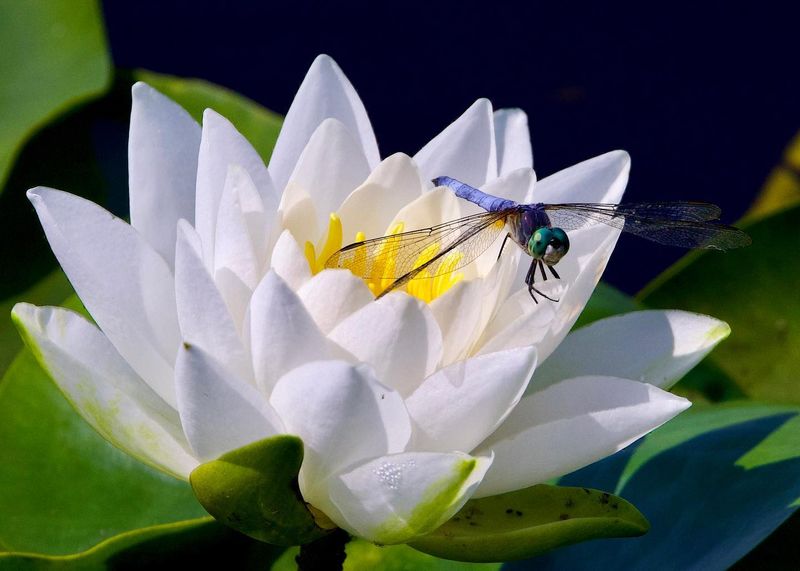
Dragonflies are not only stunning with their iridescent wings, but they are also effective predators of mosquitoes and other small flying insects. Their acrobatic flight patterns make them excellent hunters. By maintaining a garden pond, you can attract these beneficial insects. They thrive near water, where they lay their eggs. Aside from pest control, dragonflies add a dynamic element to the garden landscape. Did you know? Dragonflies have been around for over 300 million years!
8. Soldier Beetles
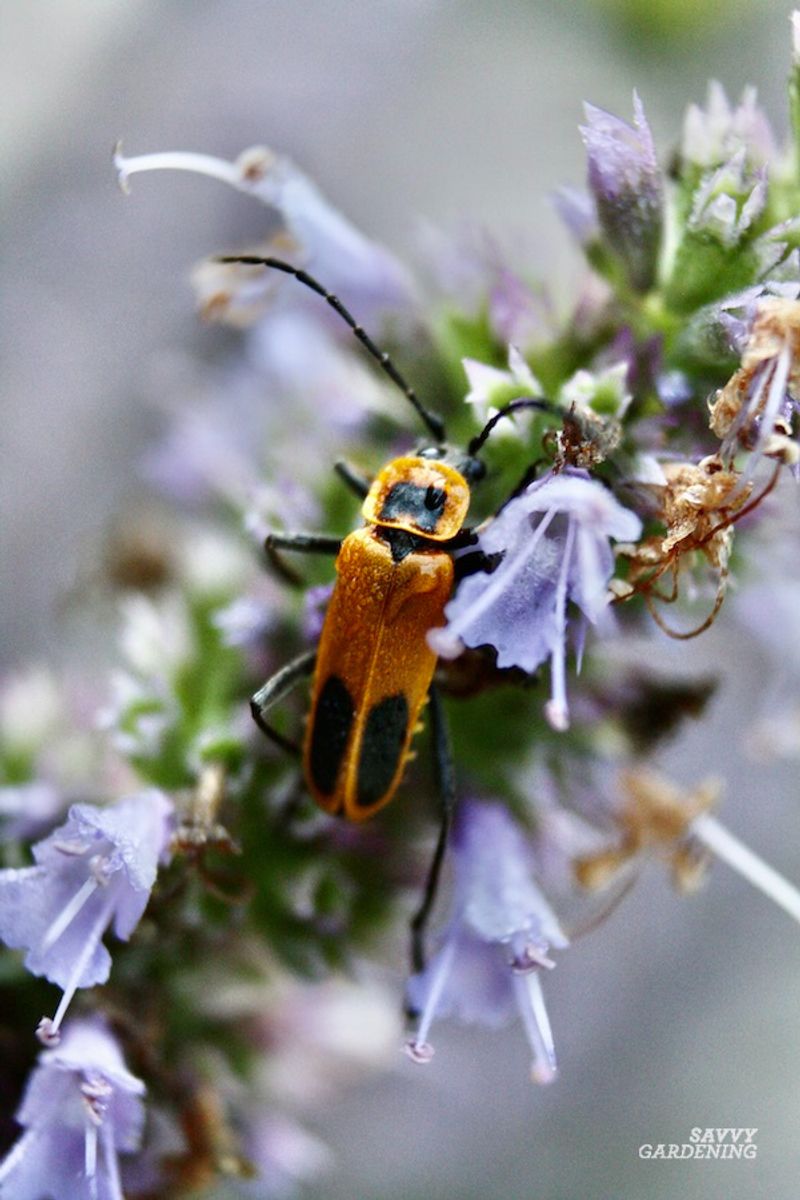
Soldier beetles, often mistaken for fireflies, are valuable allies in the garden. Their larvae feed on soft-bodied insects and eggs, while adults are known to consume aphids and other plant pests. These beetles enjoy open, sunny spaces with plenty of flowers. By planting a variety of flowering plants, you can encourage their presence. Their bright orange and black bodies add a splash of color while controlling unwanted pests. Fun fact: Soldier beetles are named after their resemblance to British redcoats.
9. Tachinid Flies
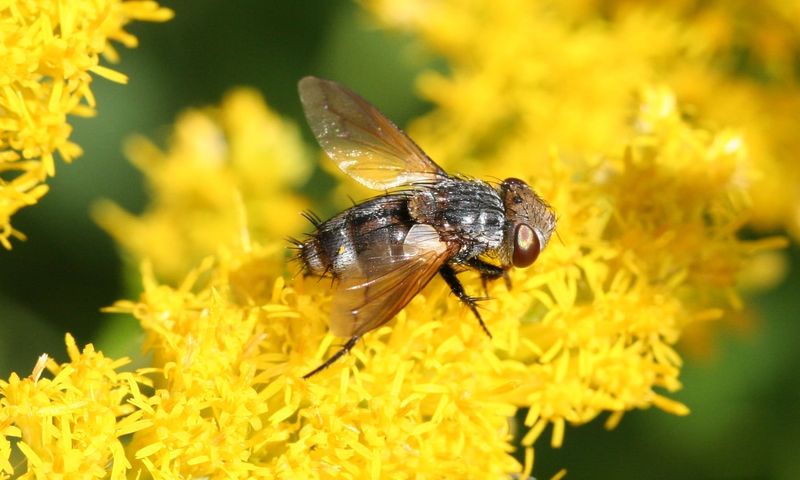
Despite their rather plain appearance, tachinid flies are impressive biological control agents. Their larvae develop inside host insects, such as caterpillars and beetles, eventually killing them. This parasitoid behavior effectively curtails pest populations. Adult tachinid flies feed on nectar, contributing to pollination. With over 1,500 species, they are found in various habitats, and diverse plantings can attract them. Did you know? Tachinid flies are closely related to houseflies but are far more beneficial in gardens.
10. Braconid Wasps
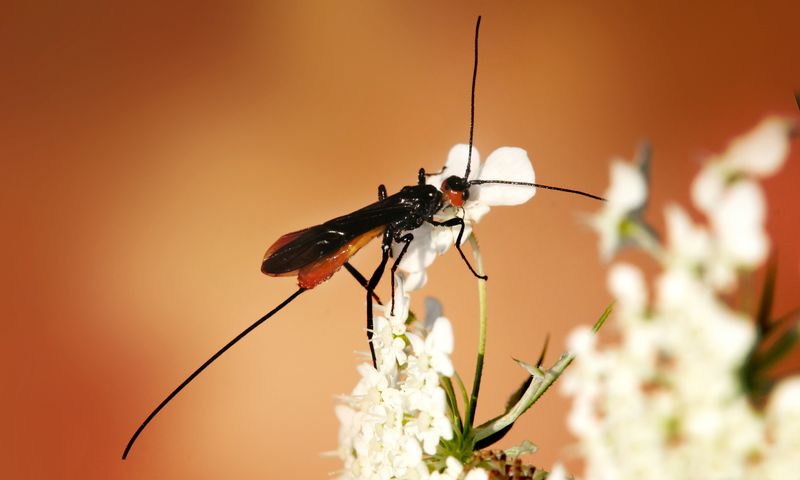
Braconid wasps are tiny yet mighty allies in pest management. These wasps lay their eggs inside host insects like aphids and caterpillars, leading to the host’s demise. Their role in the garden is crucial, especially in controlling pest outbreaks. By planting a mix of flowers, you can attract these beneficial wasps. Their presence supports a balanced garden ecosystem, reducing reliance on chemical pesticides. Fun fact: Some braconid wasps can target hornworms, a common tomato pest.
11. Bumblebees
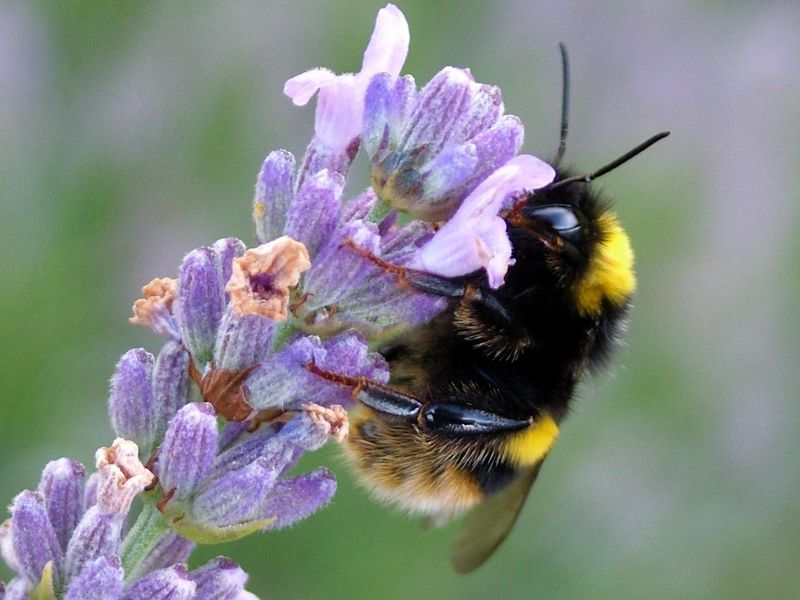
Bumblebees are gentle giants in the world of pollinators. Their robust bodies and furry coats make them efficient pollen carriers, enhancing the productivity of flowers, fruits, and vegetables. Unlike honeybees, bumblebees can pollinate in cooler temperatures and lower light conditions, making them versatile allies. A diversity of flowering plants can attract these buzzing friends. Their presence is a boon for gardeners aiming to boost crop yields naturally. Did you know? Bumblebees can fly at altitudes exceeding 18,000 feet!
12. Rove Beetles
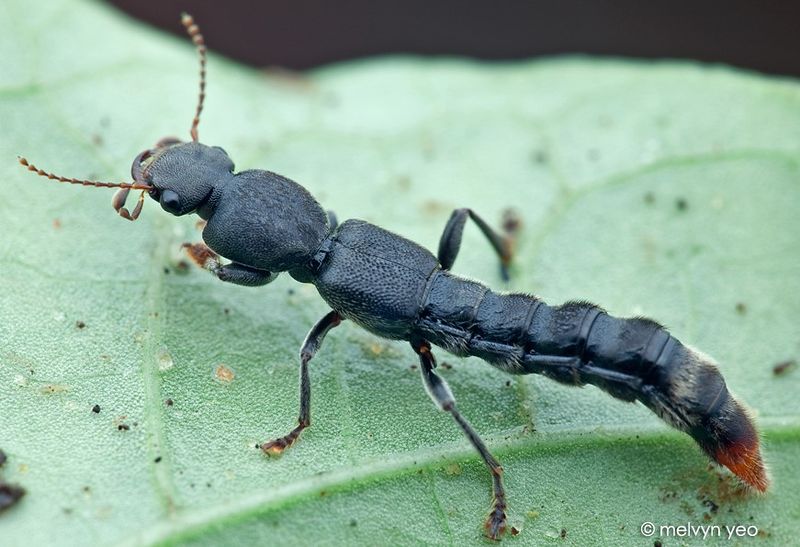
Rove beetles, with their elongated bodies and swift movements, are fervent hunters of ground-dwelling pests like slugs and snails. These beetles are easily recognized by their short wing covers that leave most of their abdomen exposed. They thrive in moist environments, so mulching can provide an ideal habitat. Their presence in the garden underscores the importance of natural pest control. Rove beetles are a testament to the biodiversity needed for a healthy garden ecosystem.
13. Butterflies
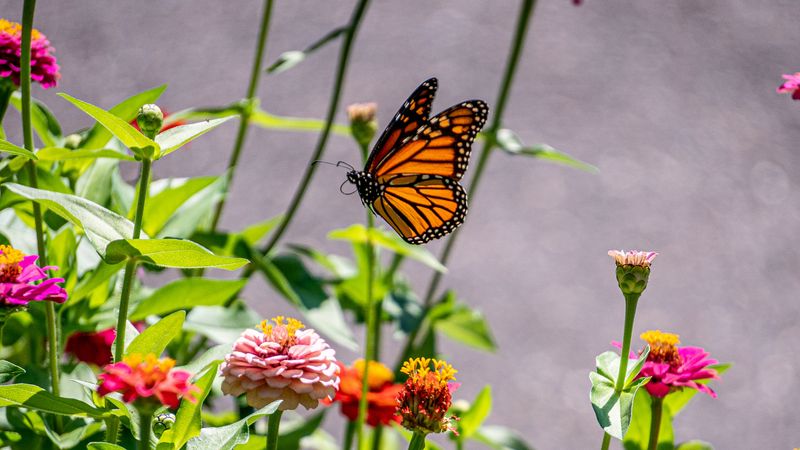
Butterflies are more than just beautiful garden ornaments; they are essential pollinators. Their delicate wings and gentle fluttering bring life to gardens. Species like the monarch butterfly migrate long distances, providing pollination services across regions. By planting nectar-rich flowers, you can create a haven for these charming insects. Their presence enhances the visual appeal and biodiversity of gardens. Did you know? Some butterfly species have symbiotic relationships with ants, providing mutual benefits.
14. Predatory Mites
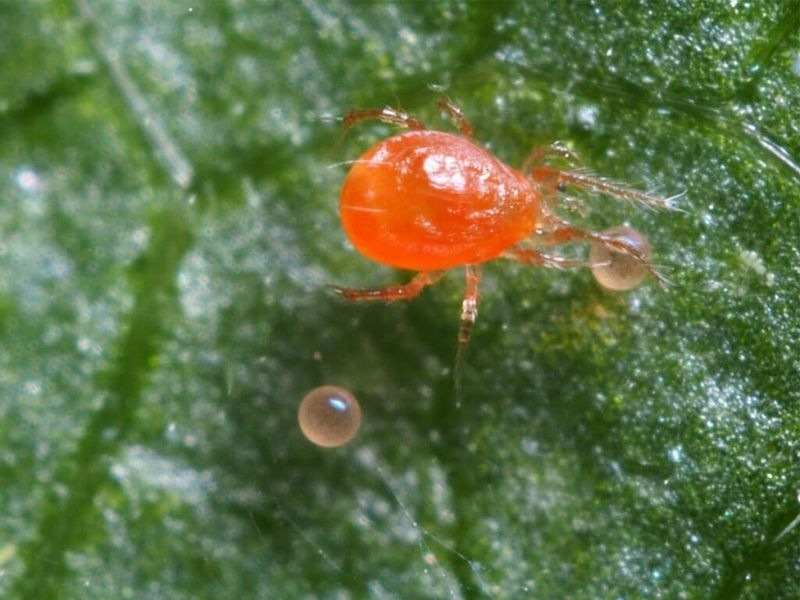
Predatory mites are minute warriors in the fight against spider mites and other plant-damaging pests. These tiny arachnids consume harmful mites, helping to prevent infestations. They are especially beneficial in greenhouses and indoor gardens where pest populations can flourish. By maintaining a humid environment, you can encourage their activity. Their presence is a natural alternative to chemical pest control, supporting environmentally friendly gardening practices. Did you know? Predatory mites can consume up to 20 pest mites a day.
15. Fireflies
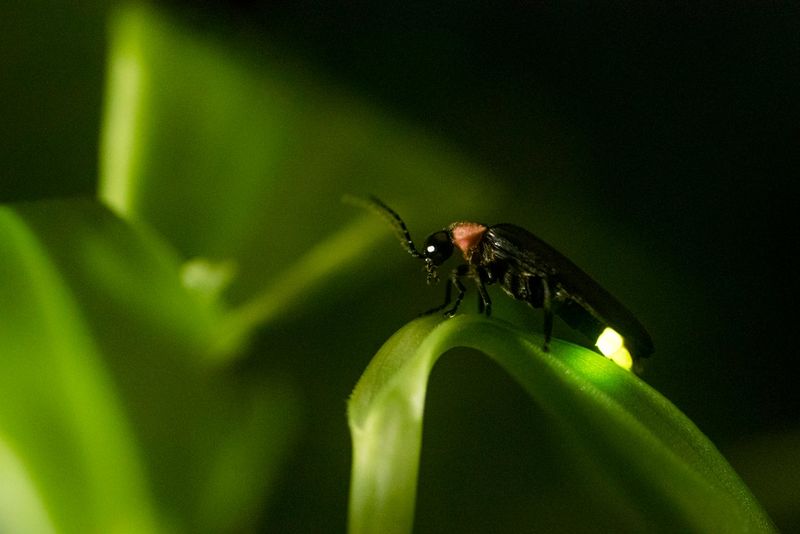
Fireflies, or lightning bugs, are enchanting both for their bioluminescence and their environmental benefits. Their larvae are voracious predators of slugs, snails, and other garden pests. Fireflies thrive in humid environments with ample organic matter. By creating a habitat with moist areas and leaf litter, you can attract these magical insects. Aside from their pest control abilities, fireflies add a whimsical charm to summer evenings. Did you know? Each firefly species has a unique flashing pattern.