
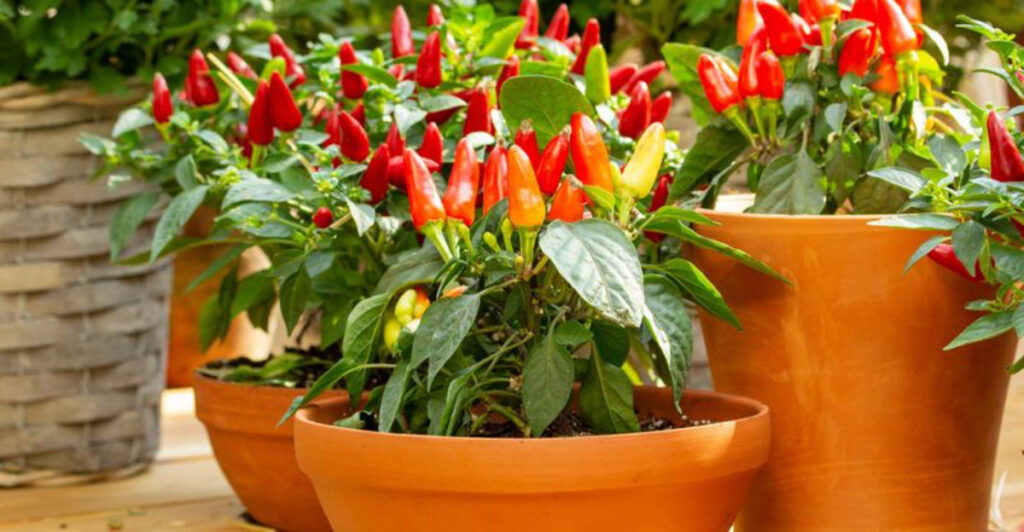
Growing peppers can be a rewarding and flavorful journey. Whether you’re aiming for the robust heat of a jalapeño or the sweet crunch of a bell pepper, these tried-and-true hacks are designed to boost your pepper gardening success.
From choosing the right varieties to optimizing growing conditions, discover how to nurture your peppers for a bountiful harvest.
1. Choose the Right Variety
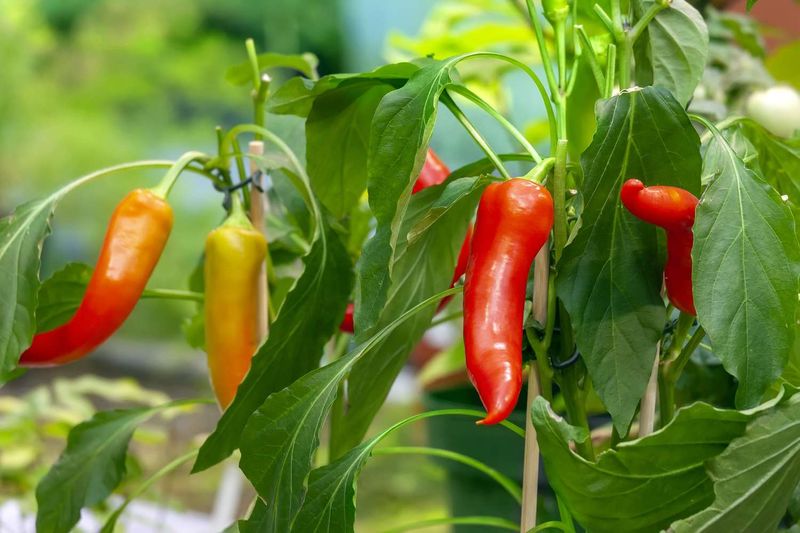
Selecting the right pepper variety is crucial. Consider your local climate and the available space in your garden. If you live in a warmer area, spicy peppers like jalapeños thrive. Cooler climates might favor sweet bell peppers. Ornamental varieties can add a pop of color to smaller spaces. Each type has its own unique flavor and heat level. For example, bell peppers offer a sweet, crisp taste, while jalapeños bring a fiery kick. Research each variety’s growth requirements and choose ones that align with your gardening goals.
2. Start Seeds Indoors
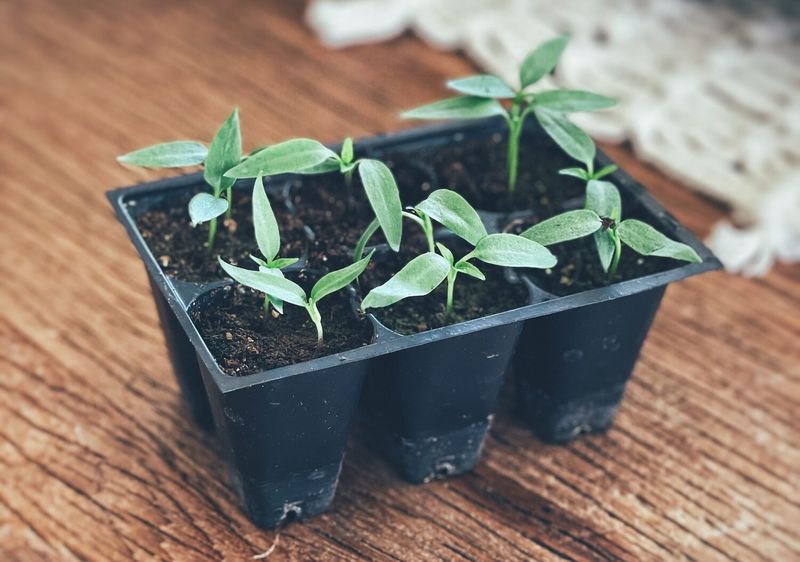
Starting seeds indoors allows you to get a head start on the growing season. Pepper seeds should be planted 8-10 weeks before the last frost date. Using a heat mat can accelerate germination, offering a cozy environment for these heat-loving plants. As seedlings emerge, ensure they receive ample light, either from a sunny windowsill or a grow light. This early nurturing stage is vital for robust growth. Transplanting these well-established seedlings into the garden gives them a better chance to thrive.
3. Give Them Plenty of Sun
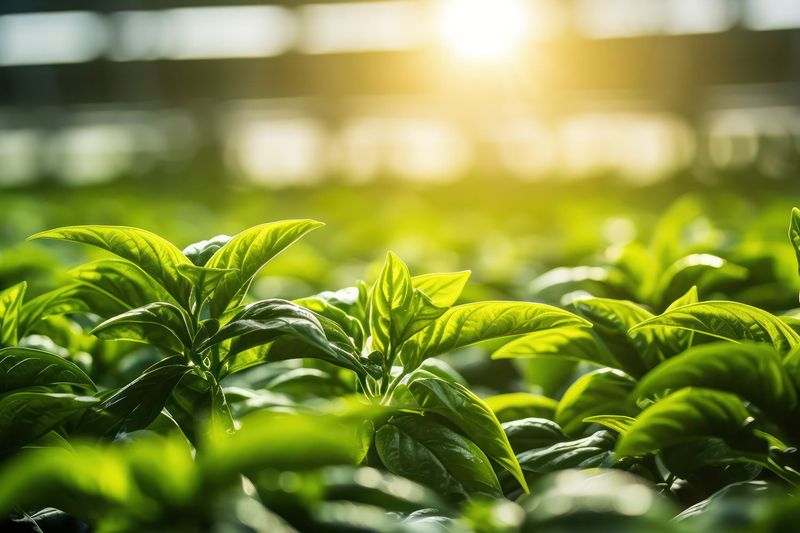
Peppers are sun-loving plants and require at least 6-8 hours of direct sunlight each day. Position your plants in the sunniest part of your garden to ensure they soak up all the light they need. This exposure is essential for photosynthesis, leading to healthy growth and abundant fruiting. Neglecting this aspect may result in weaker plants with fewer peppers. Monitoring sunlight exposure can help maximize your harvest and ensure vibrant, flavorful peppers.
4. Warm Soil = Happy Peppers
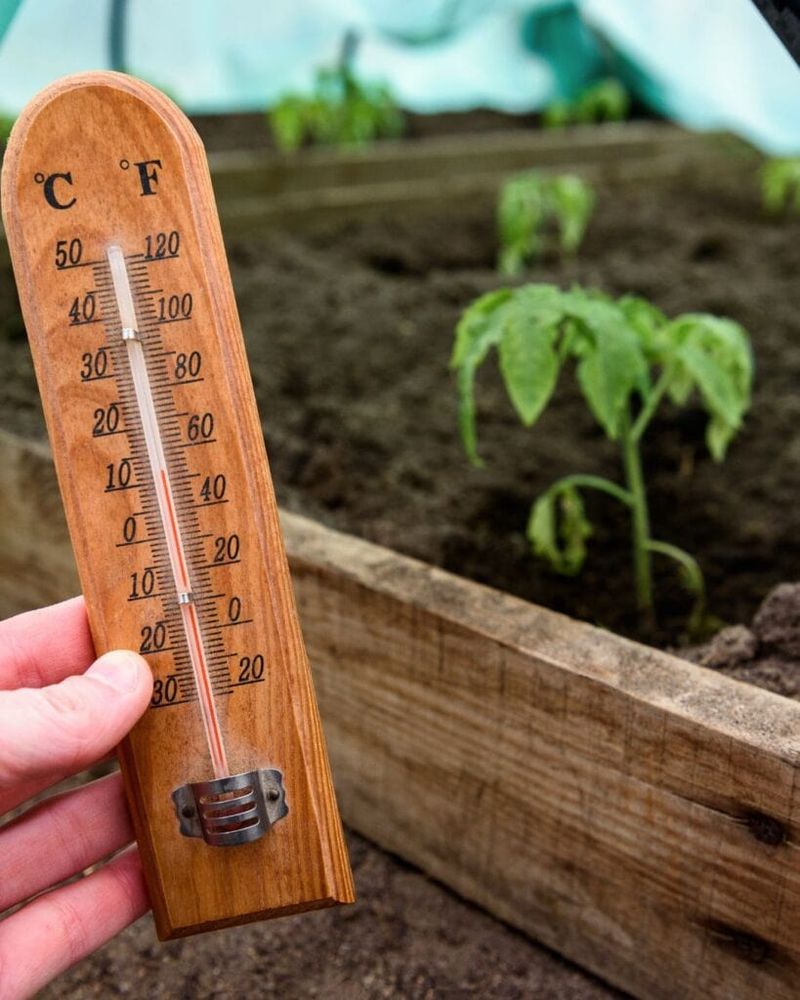
Peppers thrive in warm soil, so wait until the soil temperature consistently reaches 70°F (21°C) before transplanting seedlings outdoors. Cold soil can stunt growth and delay fruit production. Using black plastic mulch can help retain heat and increase soil temperature. This practice mimics the peppers’ native tropical environment, encouraging vigorous growth. Ensuring warm soil conditions prepares your pepper plants for success, setting the stage for a lush, productive garden.
5. Space Them Out
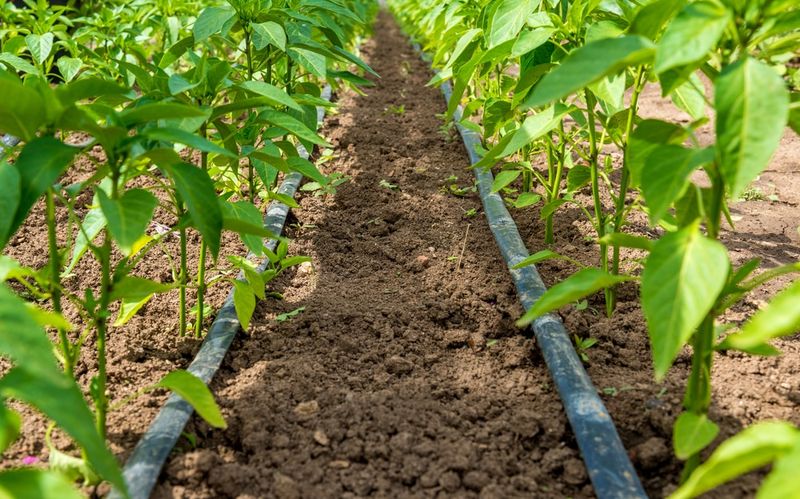
Proper spacing between pepper plants is essential to prevent fungal diseases and promote air circulation. Planting them 18-24 inches apart allows each plant room to breathe and access sunlight equally. Crowded plants can lead to poor airflow, increasing the risk of disease and pest infestations. Adequate spacing also facilitates easier access for tending and harvesting. By giving each plant its personal space, you’ll encourage healthier growth and a more abundant pepper yield.
6. Use Rich, Well-Draining Soil
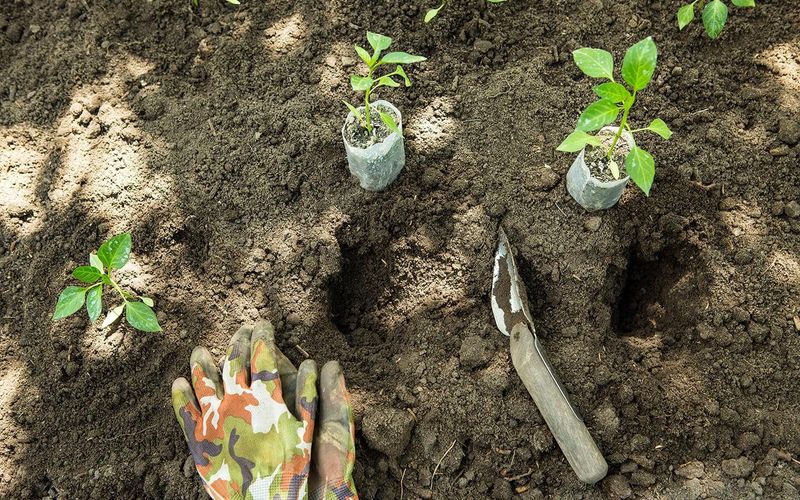
Rich, well-draining soil is the foundation of successful pepper cultivation. Incorporate organic matter like compost or aged manure into your garden soil. This not only enriches the soil with vital nutrients but also improves its texture and drainage capabilities. Peppers are prone to root rot if the soil retains too much water. Ensuring the soil is fertile and drains well creates an ideal environment for pepper roots to flourish, leading to robust plants and plentiful harvests.
7. Water Consistently
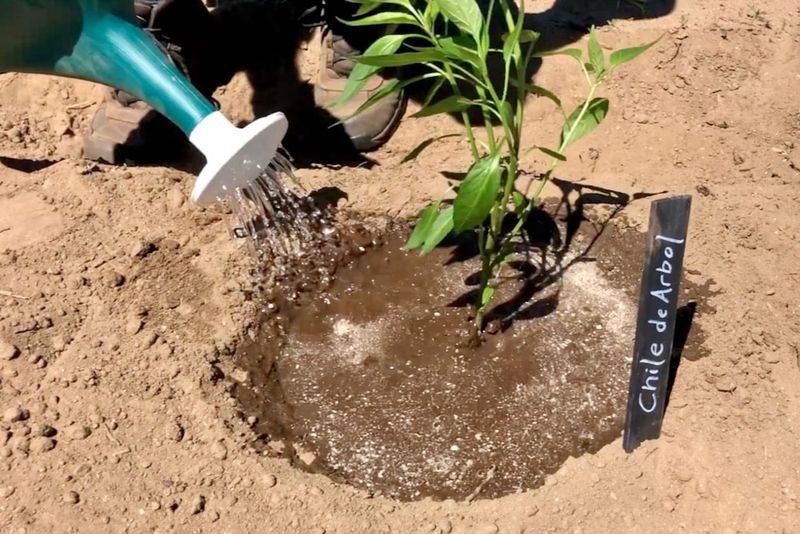
Consistent watering is key to healthy pepper plants. Aim to keep the soil evenly moist without allowing it to become soggy. Fluctuations in moisture levels can lead to bitter or misshapen peppers. Regular watering ensures steady growth, helping the plant focus energy on fruit production. Using mulch can help retain soil moisture and reduce evaporation. Monitoring soil moisture and adjusting your watering routine as needed ensures that your peppers remain healthy and productive.
8. Mulch to Retain Moisture
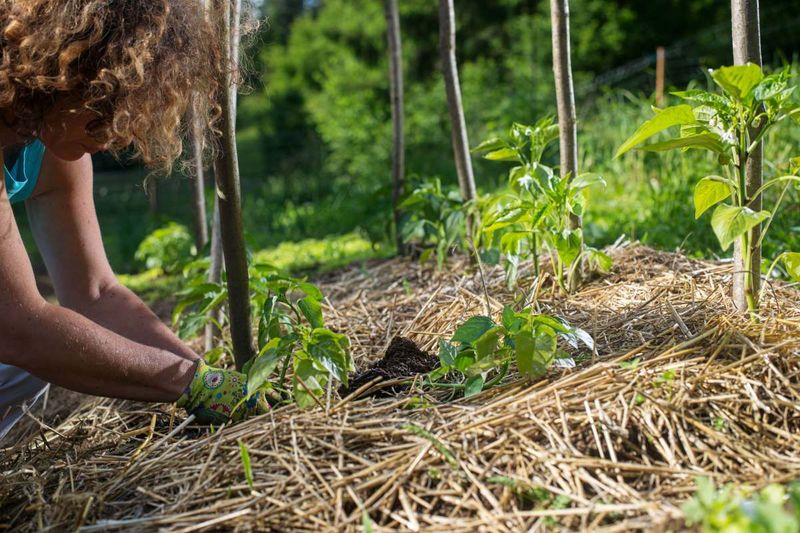
Applying mulch around pepper plants is a simple yet effective strategy to conserve moisture. Mulch acts as a barrier, reducing evaporation and stabilizing soil temperature. This is particularly beneficial during hot weather when soil tends to dry out quickly. Organic mulches, such as straw or wood chips, decompose over time, adding nutrients to the soil. By maintaining consistent soil moisture and temperature, mulch supports overall plant health and encourages abundant fruiting.
9. Fertilize Lightly
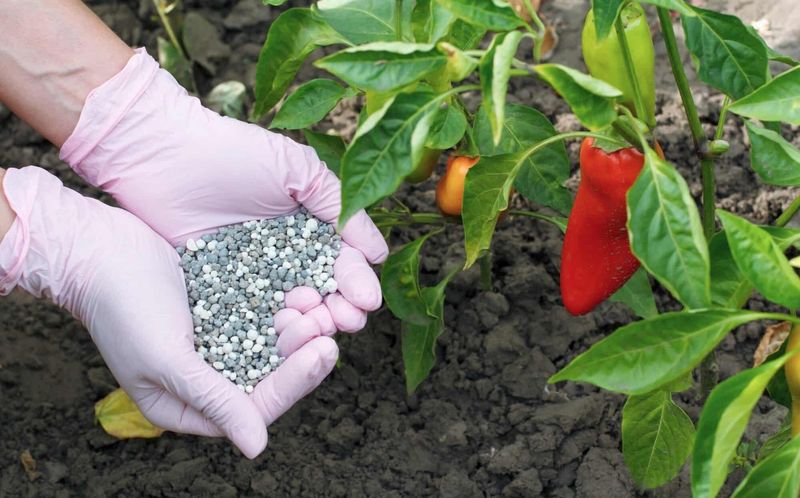
Peppers benefit from light fertilization, especially once they start fruiting. A balanced fertilizer provides essential nutrients without promoting excessive leaf growth. Too much nitrogen can lead to lush foliage but fewer peppers. It’s important to follow the recommended dosage on the fertilizer packaging. A light hand ensures that the plants receive just enough nutrients to support healthy growth and prolific fruiting. Fertilization is a critical aspect of pepper care that influences both plant vigor and yield.
10. Support Tall Varieties
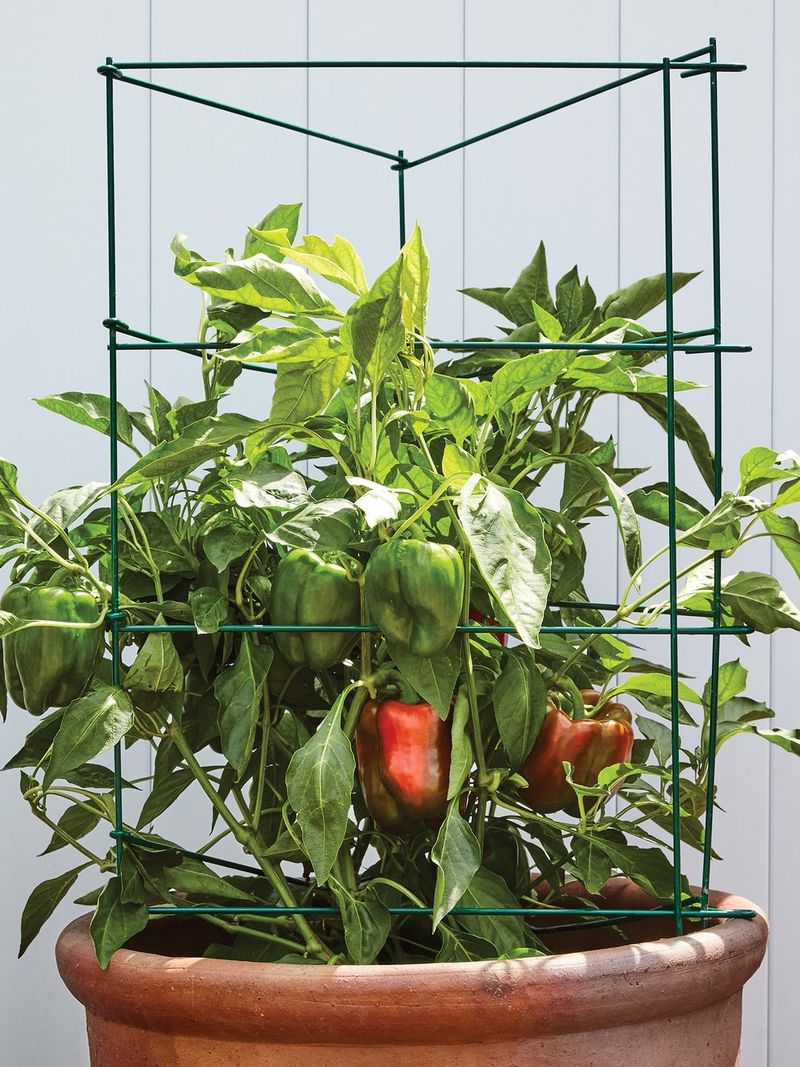
Some pepper varieties can grow quite tall and may require support to prevent them from bending or breaking under the weight of their fruit. Using stakes or cages early in the growing season helps maintain a vertical growth habit. This support system ensures that plants remain upright, improving air circulation and sun exposure. It also makes harvesting easier and reduces the risk of damage from strong winds. By providing adequate support, you can encourage healthier plants and a more bountiful harvest.
11. Watch for Pests
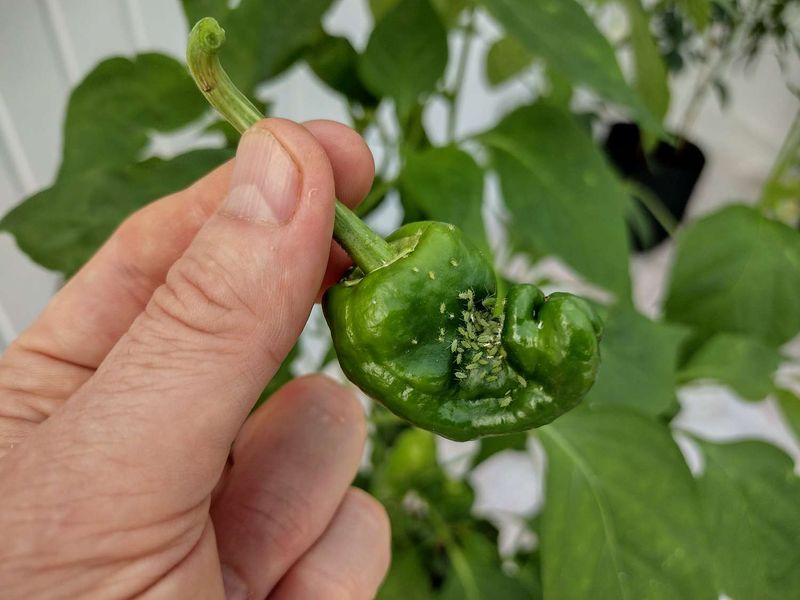
Vigilance is key in keeping pests at bay. Regularly inspect your pepper plants for common pests such as aphids, cutworms, and spider mites. These tiny invaders can cause significant damage if left unchecked. Neem oil or insecticidal soap can be effective in controlling infestations. Encouraging beneficial insects, such as ladybugs, can also help keep pest populations under control. By staying proactive and addressing pest issues early, you can protect your plants and ensure a healthy, productive garden.
12. Harvest at the Right Time
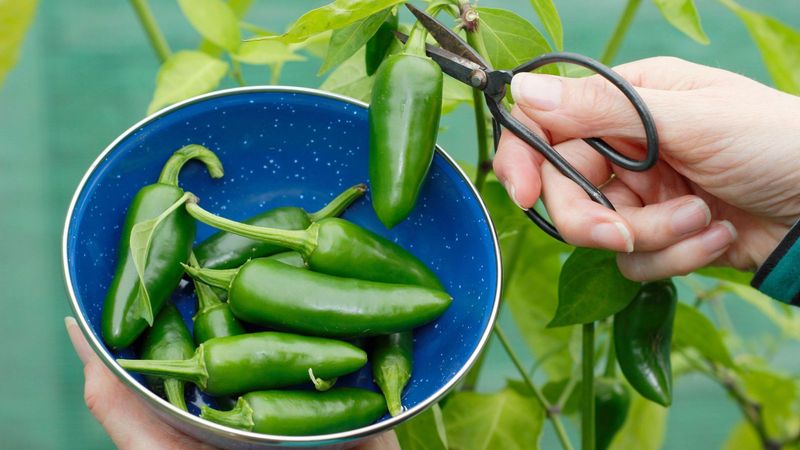
Harvesting peppers at their peak ensures the best flavor and quality. Wait until peppers reach their full color and desired size before picking them. Using scissors or pruning shears to cut the peppers from the plant minimizes damage and encourages continued production. Each variety has its own optimal harvest time, so it’s beneficial to know the specific characteristics of your chosen peppers. Proper timing and careful handling during harvest help preserve the plant’s vitality and prolong its fruiting season.
13. Keep Picking for More
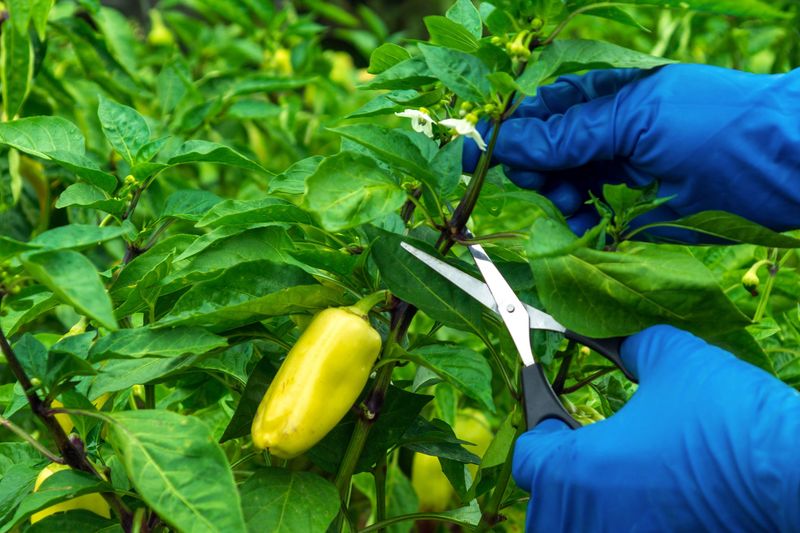
Regular harvesting encourages pepper plants to produce more fruit throughout the season. By picking peppers as they ripen, you stimulate the plant to set new fruit. This ongoing cycle can significantly increase your overall yield. It also prevents peppers from overripening on the plant, which can lead to spoilage. Engaging in frequent harvests keeps the plants productive and healthy, providing a steady supply of fresh peppers. Enjoy the rewards of your labor with each flavorful harvest.
14. Grow in Pots if Needed
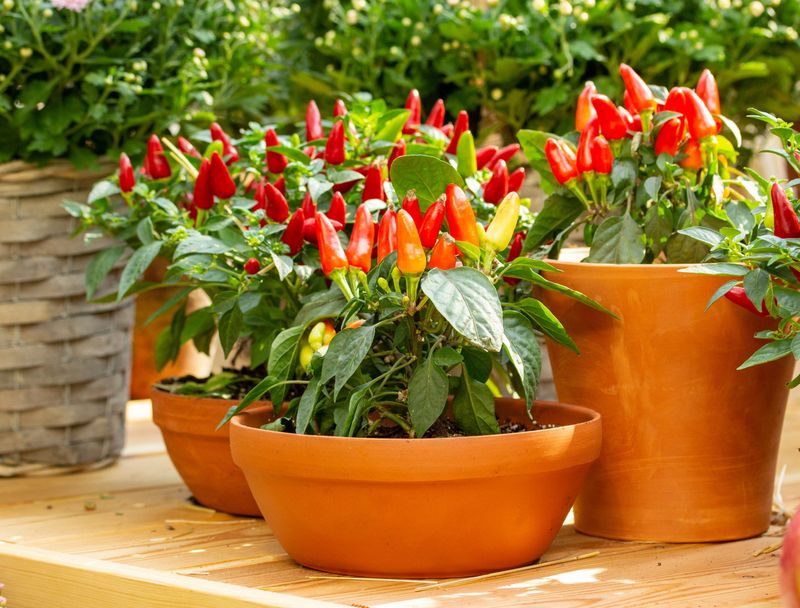
Growing peppers in pots is an excellent option for those with limited space. Choose containers that are at least 12 inches wide and deep to accommodate the plant’s root system. Potted peppers require well-draining soil and regular watering, as containers dry out faster than garden beds. Position them in a sunny spot to ensure they receive adequate light. Container gardening offers flexibility and allows you to move plants as needed for optimal growing conditions. This method makes pepper gardening accessible to anyone, regardless of space constraints.
15. Companion Plant Wisely
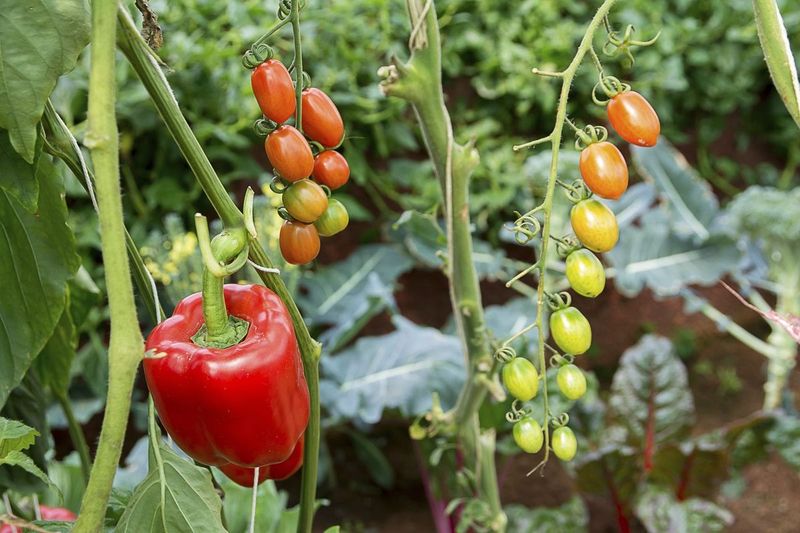
Companion planting can enhance the growth and health of your pepper plants. Pairing peppers with beneficial companions like basil, onions, or marigolds can deter pests and improve overall growth. Basil, for instance, can enhance the flavor of peppers, while marigolds help repel nematodes. Onions can deter aphids and other common pests. By thoughtfully choosing plant neighbors, you create a balanced garden ecosystem that supports robust pepper production. This strategic approach maximizes both plant health and yield.