
Impatiens are a gardener’s delight, known for their vibrant colors and ability to brighten up any garden.
However, when these blooms fail to appear, it can be disheartening.
Here are 10 surprising reasons why your impatiens might not be blooming, along with actionable tips to bring those blossoms back.
1. Lack of Sunlight
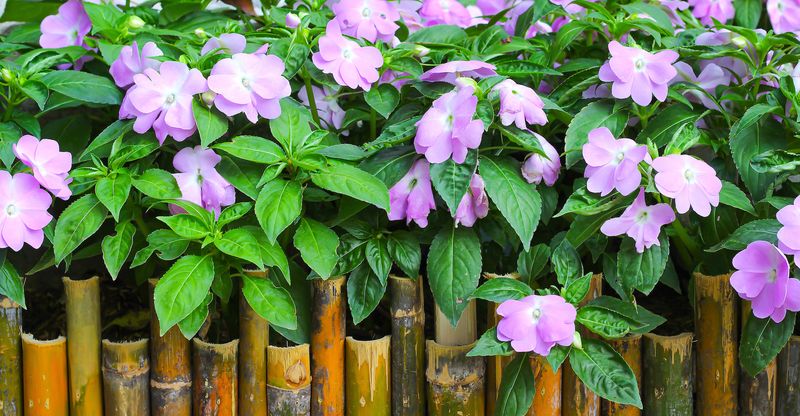
Impatiens thrive in shady conditions, but they still need some sunlight to bloom. Too much shade can prevent them from developing flowers. Try relocating your impatiens to a spot where they receive dappled sunlight during the day.
Check the surrounding environment for any overgrown trees or shrubs that might be blocking the light. A gentle garden trim might be all that’s needed.
Additionally, consider the distance between the plants; overcrowding can further limit light exposure. This simple adjustment can make a world of difference in your garden’s floral display.
2. Improper Watering
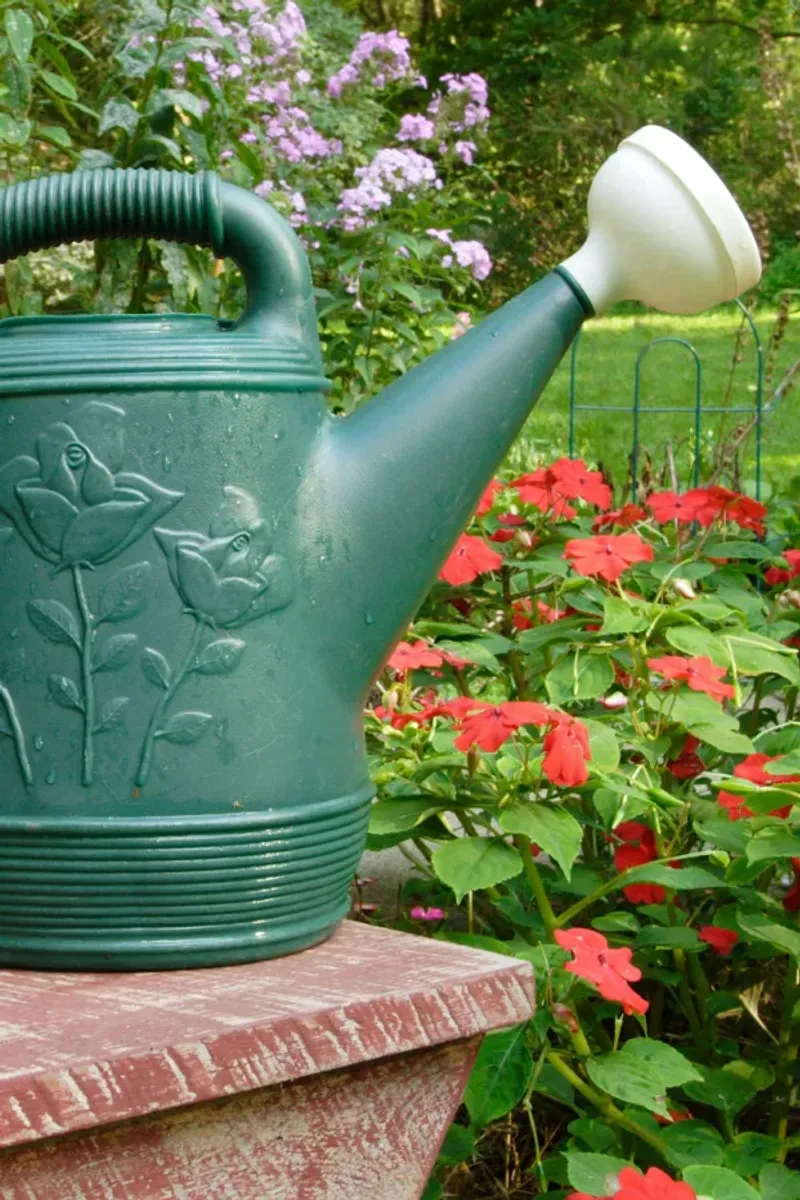
Watering impatiens can be a bit of an art. Too much water can lead to root rot, while too little can dry them out. Ensure the soil is consistently moist but not waterlogged.
A good rule of thumb is to water them deeply and less frequently, allowing the top inch of soil to dry out between waterings.
Consider installing a drip irrigation system or using a soaker hose for even moisture distribution. Regularly check the soil moisture level with your finger to avoid guesswork. This balance will encourage lush and vibrant blooms.
3. Nutrient Deficiency
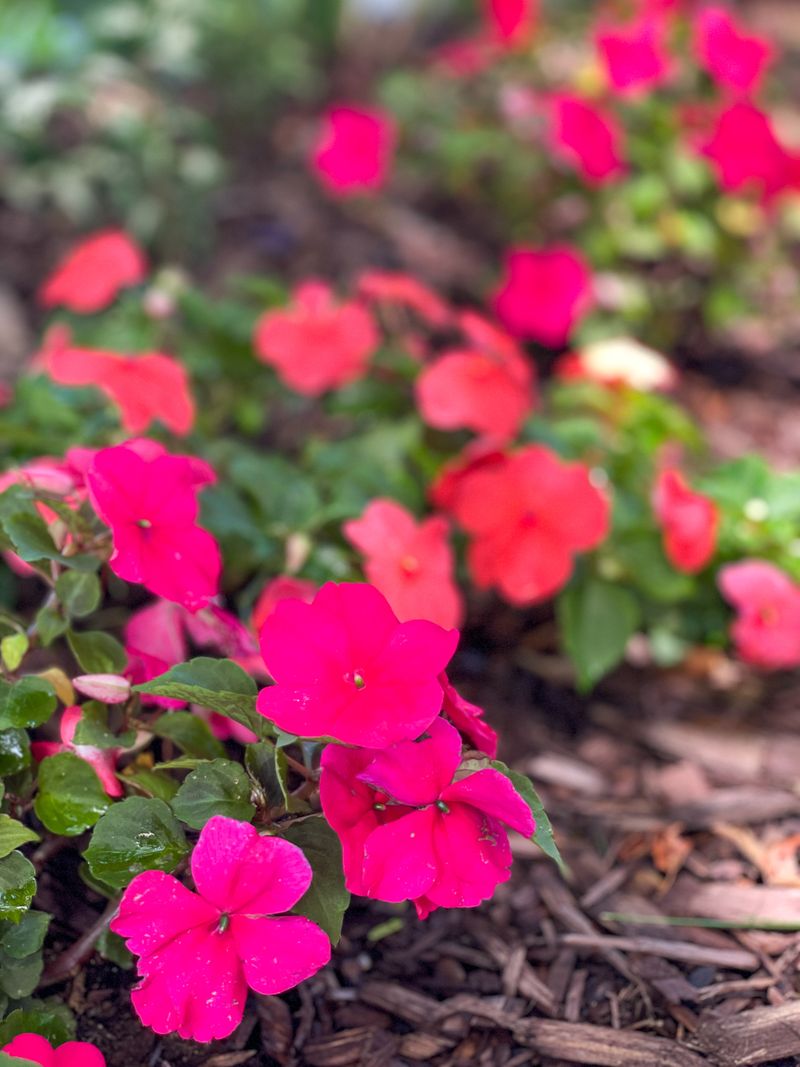
Just like people, impatiens need a balanced diet to thrive. A deficiency in essential nutrients can lead to poor blooming. Use a balanced, water-soluble fertilizer every few weeks to keep them healthy.
Look for signs like yellowing leaves, which can indicate nutrient issues. Adjust the fertilization schedule based on the plant’s response.
Avoid over-fertilization as it can burn the plants and stunt growth. A regular feeding routine can revitalize your impatiens, leading to a colorful display in your garden.
4. Pests and Diseases
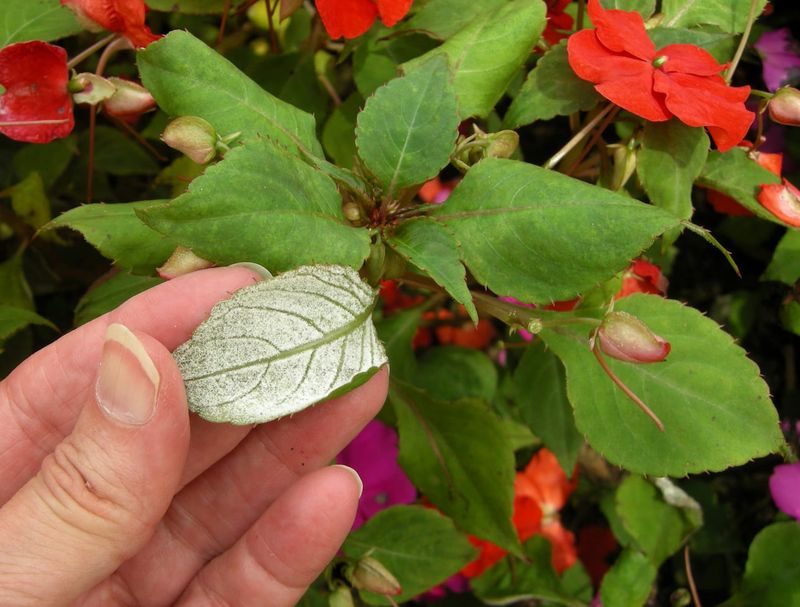
Pests and diseases can be sneaky culprits behind underperforming impatiens. Aphids, spider mites, and fungal infections can sap the plant’s energy. Regularly inspect your plants for any signs of infestation.
Introduce beneficial insects like ladybugs or use organic pesticides to control the pest population.
Ensure good airflow around the plants to minimize fungal issues, and remove any dead or diseased foliage promptly. Proper care and vigilance can help maintain a healthy, blooming garden.
5. Incorrect Soil pH
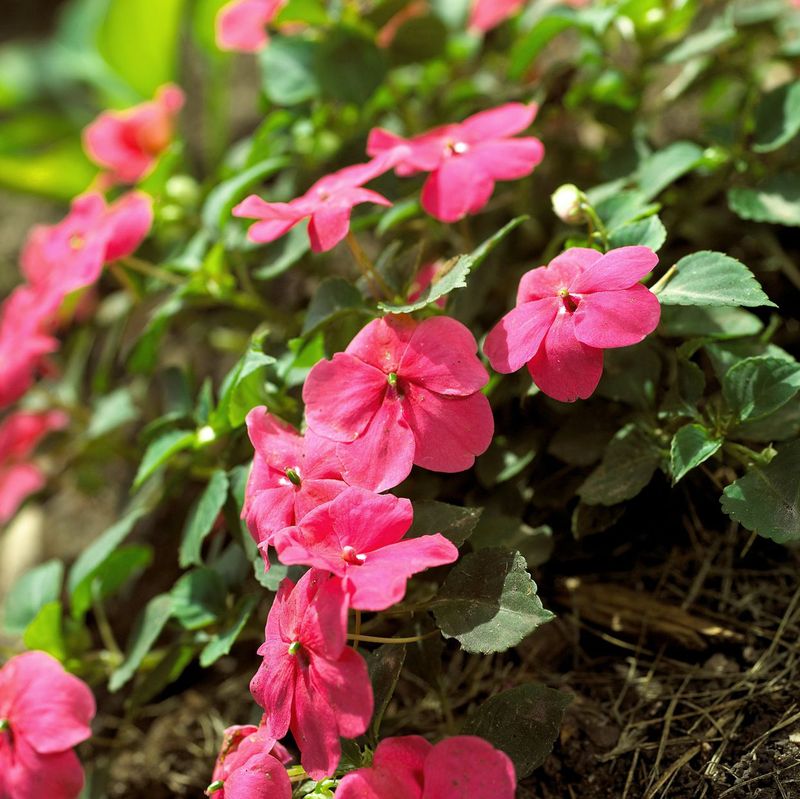
Soil pH plays a crucial role in plant health. Impatiens prefer slightly acidic to neutral soil. If the pH is off, it can hinder nutrient absorption, affecting blooming.
Use a soil pH meter to test your garden soil. If needed, adjust the pH by adding lime to raise it or sulfur to lower it.
Regularly testing and amending the soil ensures that your impatiens get the nutrients they need. This often-overlooked factor can dramatically improve your plants’ flowering potential.
6. Overcrowding

Impatiens need space to breathe and grow. Overcrowding can lead to competition for nutrients, water, and sunlight, which hinders blooming. Ensure that each plant has enough space to thrive.
Thin out any densely packed areas by transplanting some of the plants to other parts of your garden.
Providing ample room encourages airflow, reduces disease risk, and allows each plant to reach its full potential. A well-spaced garden can enhance the beauty and health of your impatiens.
7. Temperature Stress
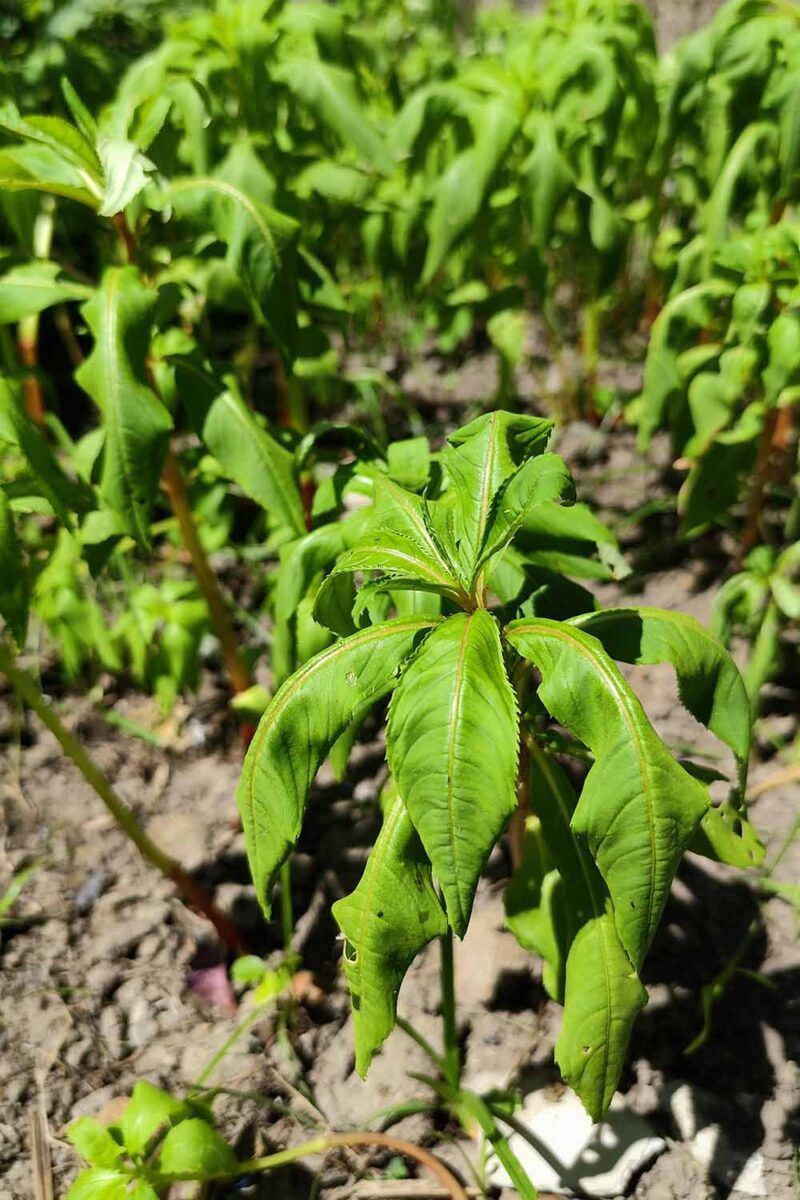
Temperature swings can stress impatiens, affecting their ability to bloom. These plants are sensitive to extreme heat and cold. Protect them from harsh conditions with mulch to regulate soil temperature.
During heatwaves, provide shade using garden fabric or nearby taller plants.
For unexpected cold spells, cover them with a breathable material to prevent frost damage. Keeping a watchful eye on the weather forecast can help you take timely action and ensure your impatiens bloom beautifully.
8. Improper Pruning
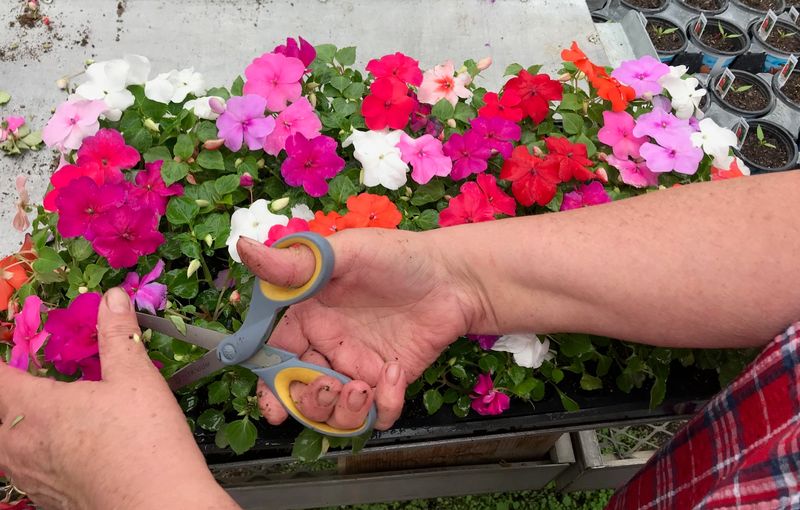
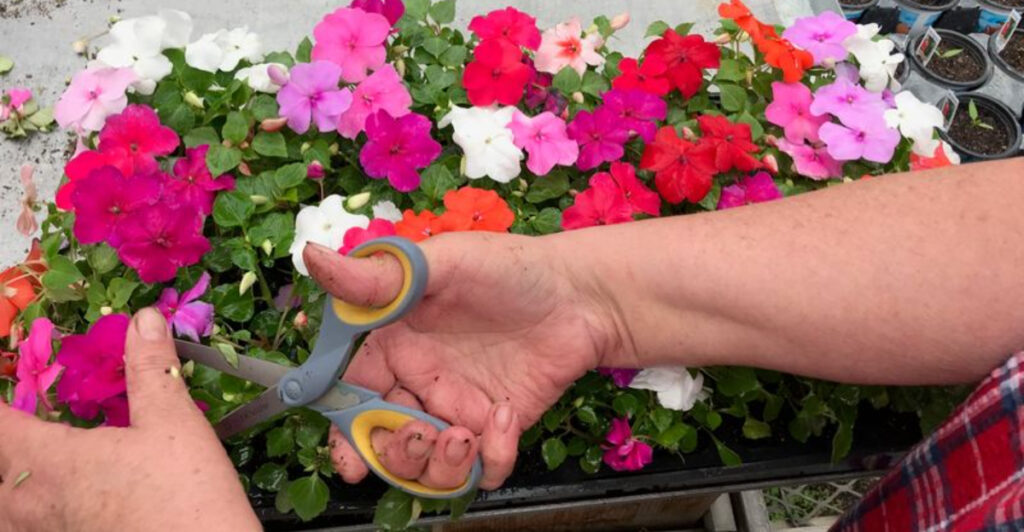
Pruning is essential for maintaining healthy impatiens. Improper or lack of pruning can lead to leggy growth and fewer blooms. Trim back dead or leggy stems to encourage new growth and flowering.
Use clean, sharp shears to avoid damaging the plant. Pruning not only shapes the plant but also stimulates bloom production.
Regular maintenance keeps the plants healthy and visually appealing. Incorporating this practice into your routine can significantly boost the blooming potential of your impatiens.
9. Transplant Shock
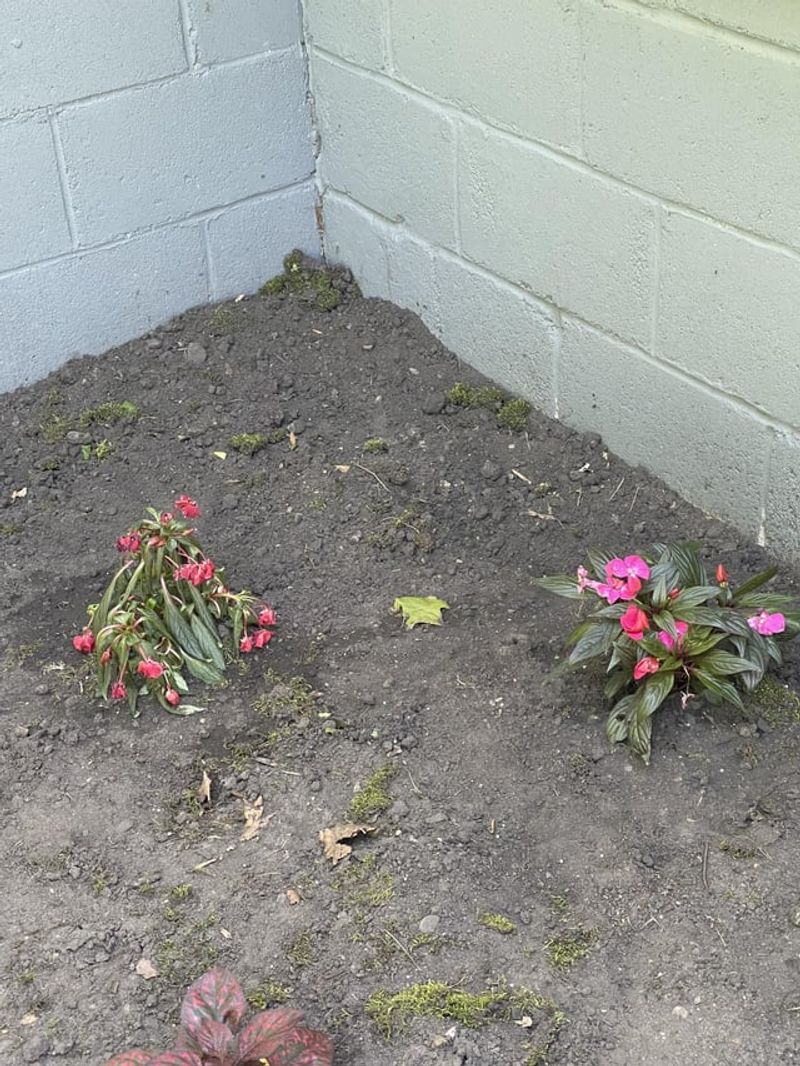
Moving impatiens can be a traumatic experience for the plants, sometimes leading to transplant shock. Signs include wilting and a temporary halt in blooming. To minimize shock, water the plants thoroughly before and after moving.
Ensure the new location has similar conditions to the original spot. Add compost to the new soil to support recovery.
Giving the plants a few days to acclimate can make the transition smoother. With care and patience, your impatiens will bounce back, ready to bloom again.
10. Excessive Fertilizer
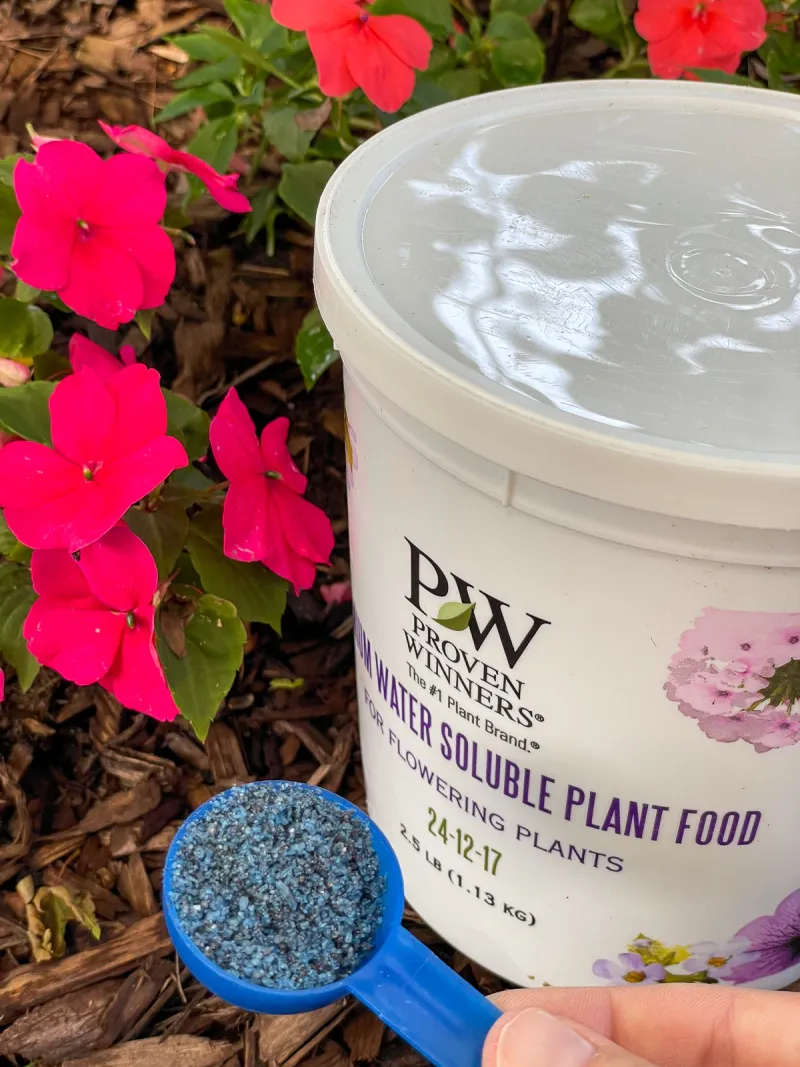
While feeding impatiens is important, over-fertilizing can be counterproductive. Too much fertilizer can lead to lush foliage but few flowers. The key is moderation.
Use a balanced fertilizer and follow the recommended dosage. If you suspect over-fertilization, flush the soil with water to remove excess nutrients.
Observing your plants’ response to feeding can guide future applications. A balanced approach ensures your impatiens are well-nourished and free to bloom abundantly.