
Embark on a journey through the world’s deepest jungles where peculiar and rare plants thrive in mystery and wonder. These 30 extraordinary flora captivate the imagination with their unique beauty and survival adaptations, from the fascinating Rafflesia arnoldii to the delicate Ghost Orchid.
Each of these botanical wonders has a story to tell, enchanting botanists and nature enthusiasts alike with their incredible characteristics and elusive nature. Join us as we explore these mysterious plants, each one offering a glimpse into the astonishing diversity and hidden secrets of nature’s unexplored realms.
1. Rafflesia arnoldii
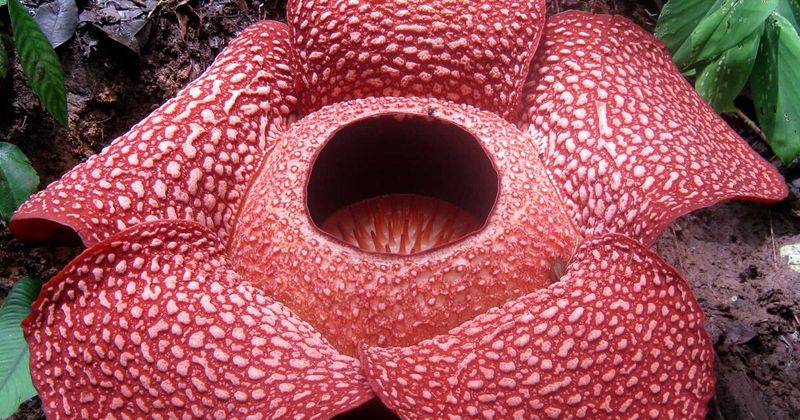
The Rafflesia arnoldii is known for being the world’s largest single flower. This remarkable plant can grow up to a meter wide and weigh up to 11 kilograms. It thrives in the rainforest ecosystems of Southeast Asia, particularly in Sumatra and Borneo.
The flower emits a strong odor reminiscent of decaying flesh, attracting carrion flies for pollination. Despite its unpleasant scent, this parasitic plant is a marvel of adaptation, lacking leaves, stems, or roots.
It draws nutrients from a host vine, making it a botanical curiosity and a symbol of the jungle’s hidden wonders.
2. Amorphophallus titanum (Titan Arum)
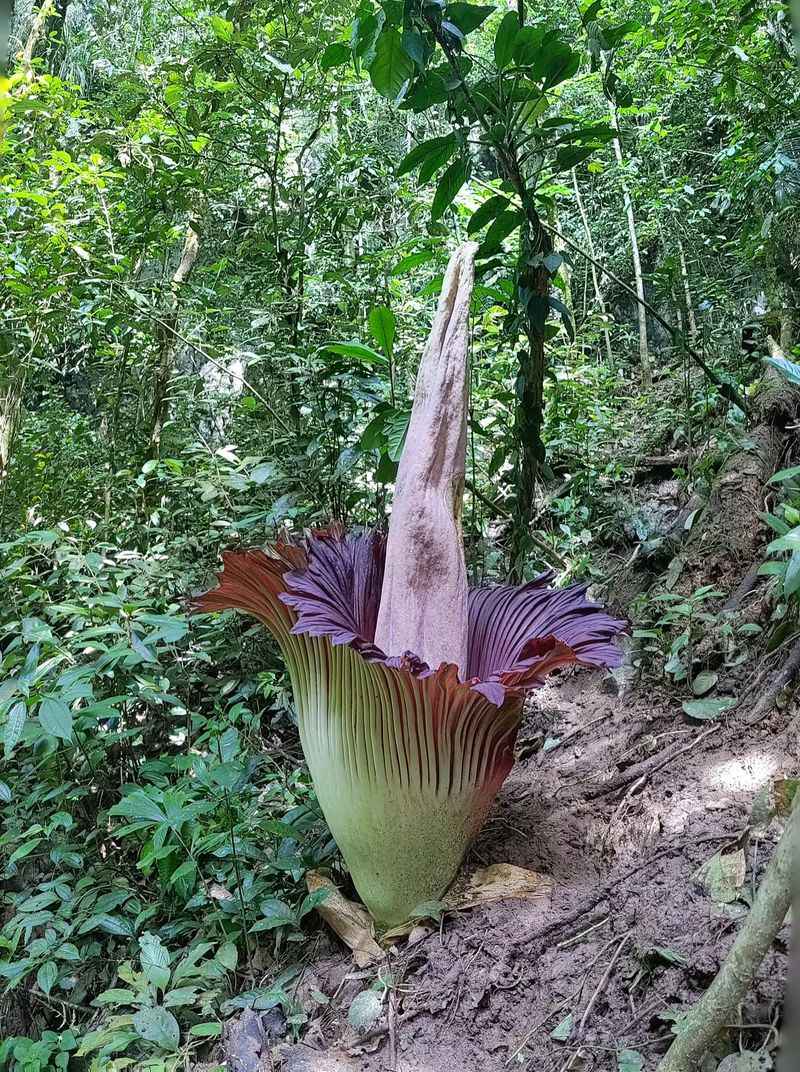
The Titan Arum, or Amorphophallus titanum, is another colossal flower native to the equatorial rainforests of Sumatra. Known for its impressive height, it can reach over three meters when in bloom.
Its blooming period is quite rare, and when it happens, the plant releases a powerful odor similar to rotting meat. This scent lures pollinators like carrion beetles and flies.
Despite its short-lived bloom, the Titan Arum is a wonder of the jungle, showcasing the extraordinary adaptations of jungle flora to their environment.
3. Dracula simia (Monkey Face Orchid)
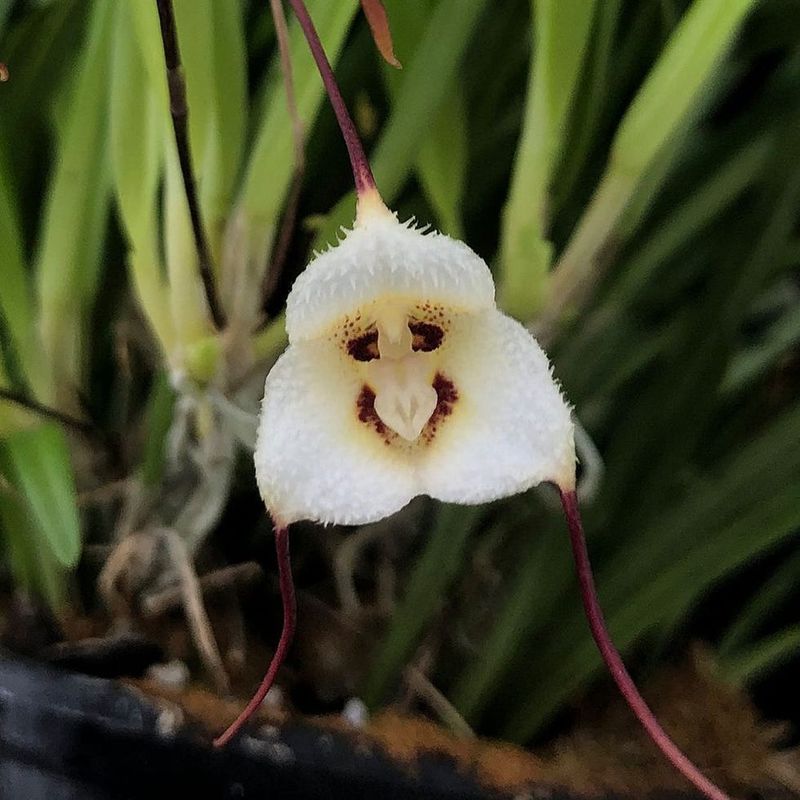
The Monkey Face Orchid, scientifically known as Dracula simia, is a whimsical orchid that hails from the cloud forests of Ecuador and Peru. This intriguing flower gets its name from the unique shape of its petals, resembling a monkey’s face.
It thrives in the humid, misty environments of high-altitude jungles, adding a touch of mystery and charm to the forest canopy.
The orchid’s subtle fragrance is reminiscent of ripe oranges, making it a delightful discovery for those exploring these remote jungles.
4. Dendrophylax lindenii (Ghost Orchid)
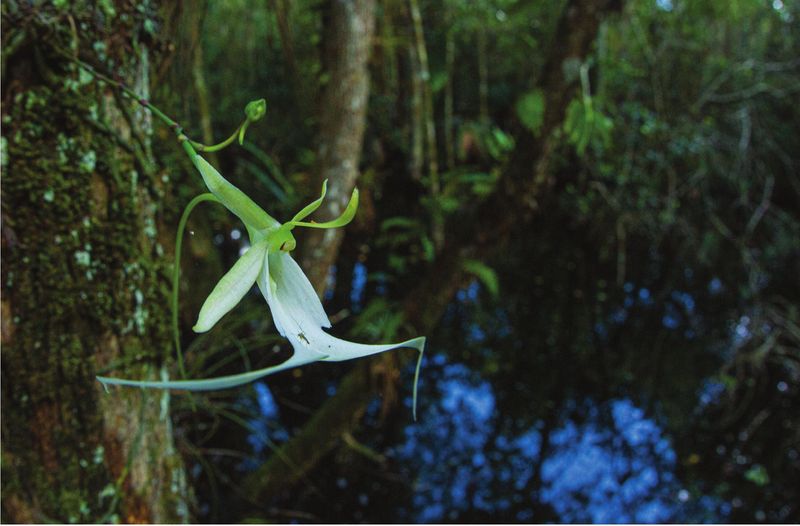
The Ghost Orchid, or Dendrophylax lindenii, casts an ethereal presence in the swamps and jungles of Florida and Cuba. This rare and elusive orchid captures attention with its ghostly white petals and absence of leaves.
Suspended in the air, it appears to float, anchored only by its spidery roots. Blooming unpredictably, it releases a subtle fragrance during nighttime, attracting moths for pollination.
The Ghost Orchid’s enchanting appearance and mysterious habitat make it a true gem of the jungle, admired by botanists around the world.
5. Nepenthes attenboroughii
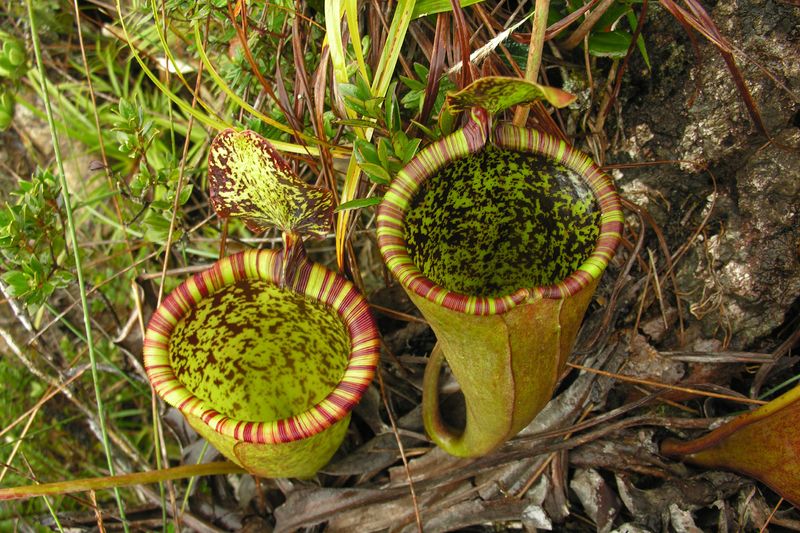
Nepenthes attenboroughii is a spectacular pitcher plant native to the Philippines’ remote jungles. Named after the famed broadcaster David Attenborough, this carnivorous plant features massive, bulbous pitchers capable of trapping small animals.
The plant’s pitchers are filled with a digestive liquid, attracting prey with nectar and a sweet aroma. These plants thrive in nutrient-poor soils, showcasing a unique adaptation to their environment.
Their fascinating hunting method and striking appearance make them a standout example of jungle biodiversity.
6. Nepenthes rajah
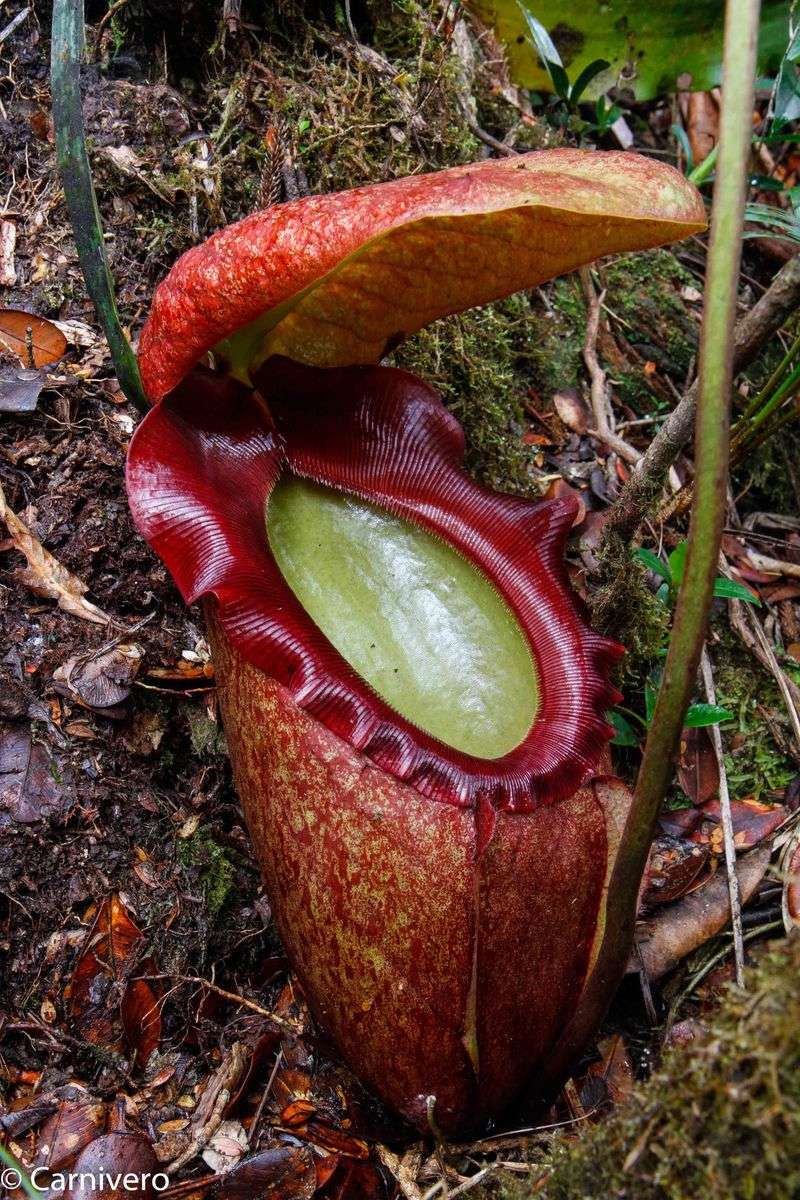
Nepenthes rajah, the king of pitcher plants, reigns in the jungles of Borneo. Known for its enormous size, this carnivorous plant can hold up to three liters of fluid in its pitchers.
It employs a cunning strategy to lure insects, small animals, and even lizards into its trap, digesting them with enzymes to obtain essential nutrients.
The plant’s majestic presence and ingenious survival tactics capture the imagination, making it a botanical legend within the jungle ecosystem.
7. Nepenthes lowii
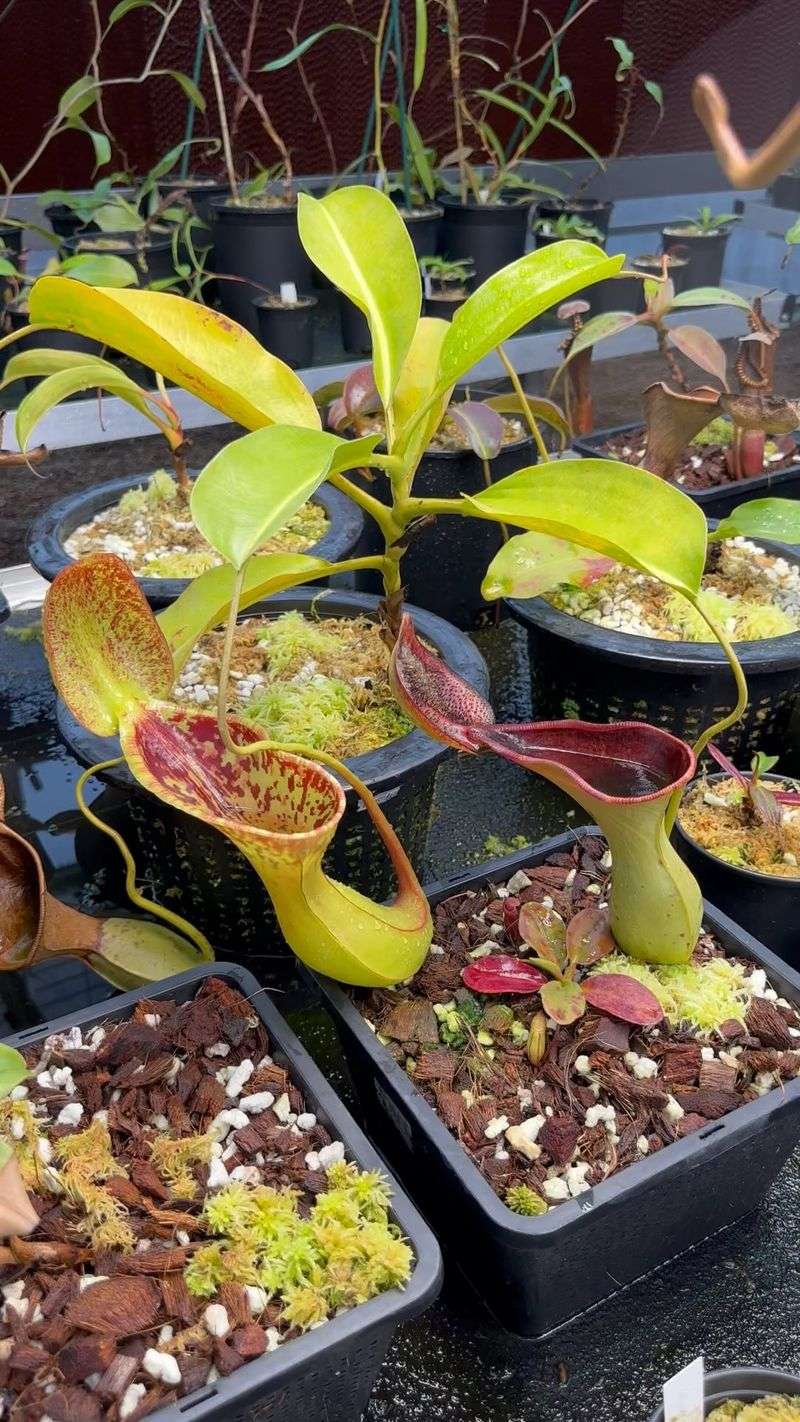
Nepenthes lowii, a peculiar pitcher plant, thrives high in the montane forests of Borneo. Unlike its relatives, it feeds primarily on tree shrew droppings rather than insects.
This plant displays a unique adaptation where tree shrews are lured by the plant’s nectar, standing on the pitcher’s rim to feed. The plant then collects their droppings for nutrients.
This symbiotic relationship underscores the intricate web of life within the jungle, highlighting the plant’s ingenuity and the ecosystem’s complexity.
8. Psychotria elata (Hooker’s Lips)
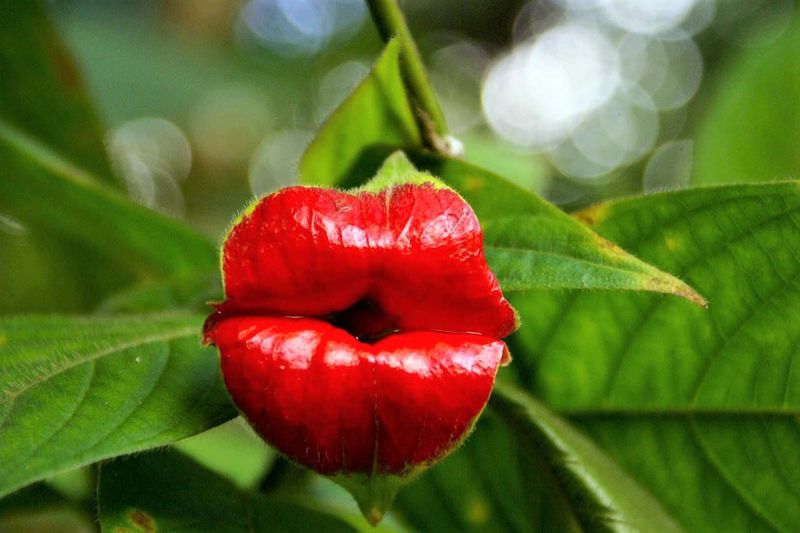
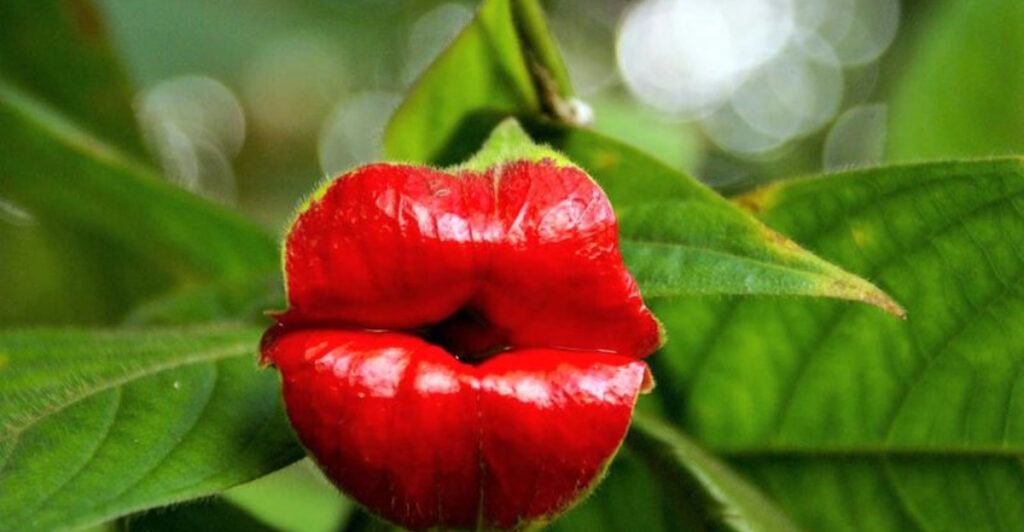
Psychotria elata, affectionately known as Hooker’s Lips, displays one of the most distinctive shapes in the plant kingdom. Its bright red bracts bear an uncanny resemblance to human lips.
This plant thrives in the tropical rainforests of Central and South America, where its vibrant color attracts pollinators like hummingbirds and butterflies.
As the bracts mature, they reveal small white flowers hidden within, completing a transformation that enchants all who encounter it. It’s a testament to nature’s playful creativity and allure.
9. Aristolochia salvadorensis (Jungle Dutchman’s Pipe)
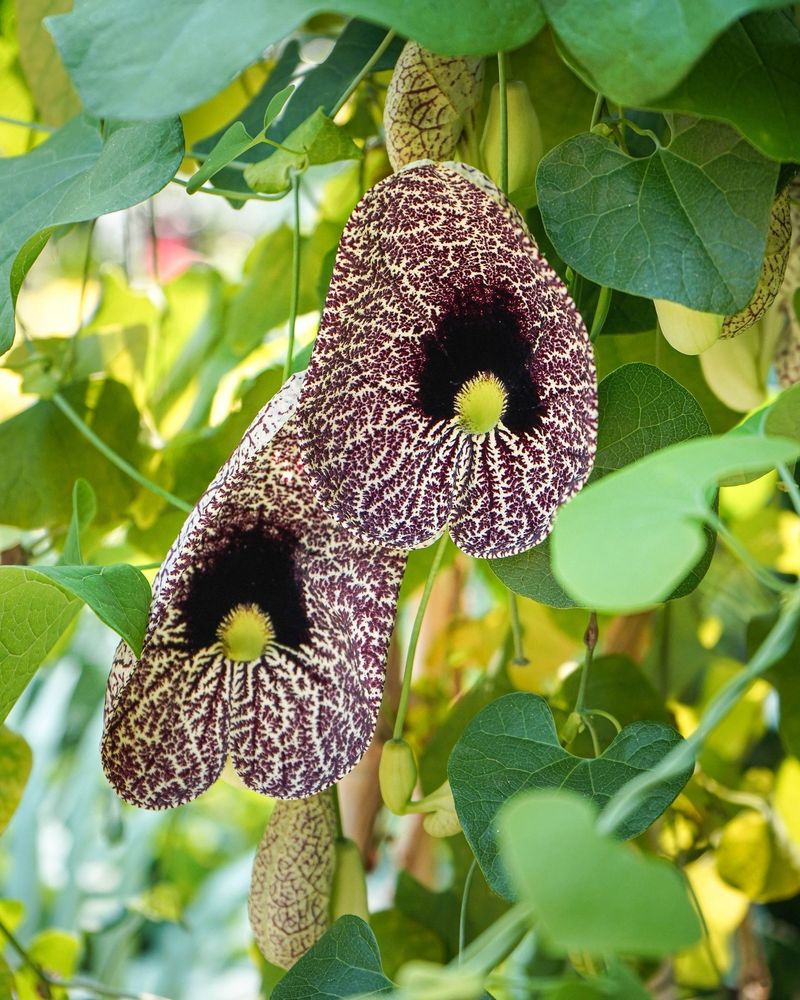
Aristolochia salvadorensis, commonly referred to as Jungle Dutchman’s Pipe, is a striking vine with pipe-shaped flowers. Found in Central and South American jungles, this plant uses its unique structure to trap and temporarily hold insects for pollination.
The flowers exude a sweet aroma that lures pollinators, ensuring the plant’s reproductive success. After pollination, the trapped insects are released, continuing the cycle.
Its eye-catching design and fascinating strategy make it a captivating study of jungle survival and innovation.
10. Utricularia alpina
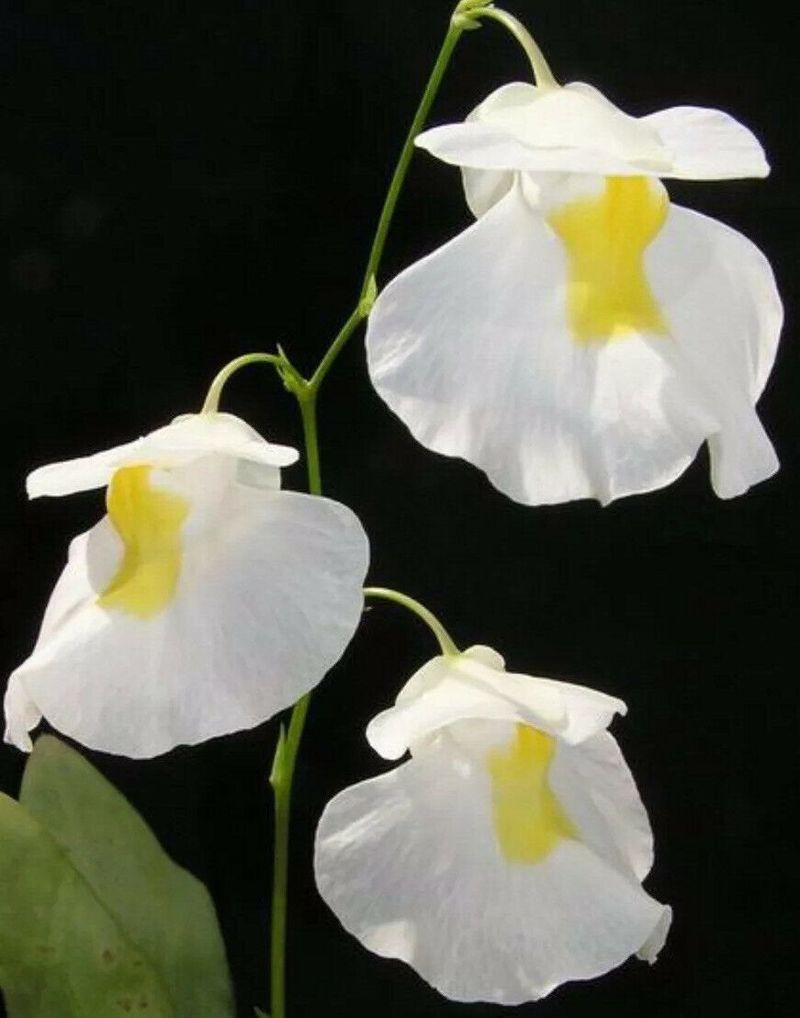
Utricularia alpina is a small but mighty carnivorous plant that inhabits the cool, misty jungles of the Andean cloud forests. It captures tiny aquatic organisms using bladder-like traps.
These traps create a vacuum, sucking in prey when triggered by movement. This resourceful adaptation allows the plant to thrive in nutrient-poor environments.
Its delicate flowers and ingenious hunting mechanism make it a remarkable example of evolution’s creativity, adding to the jungle’s rich tapestry of life.
11. Hydnora africana
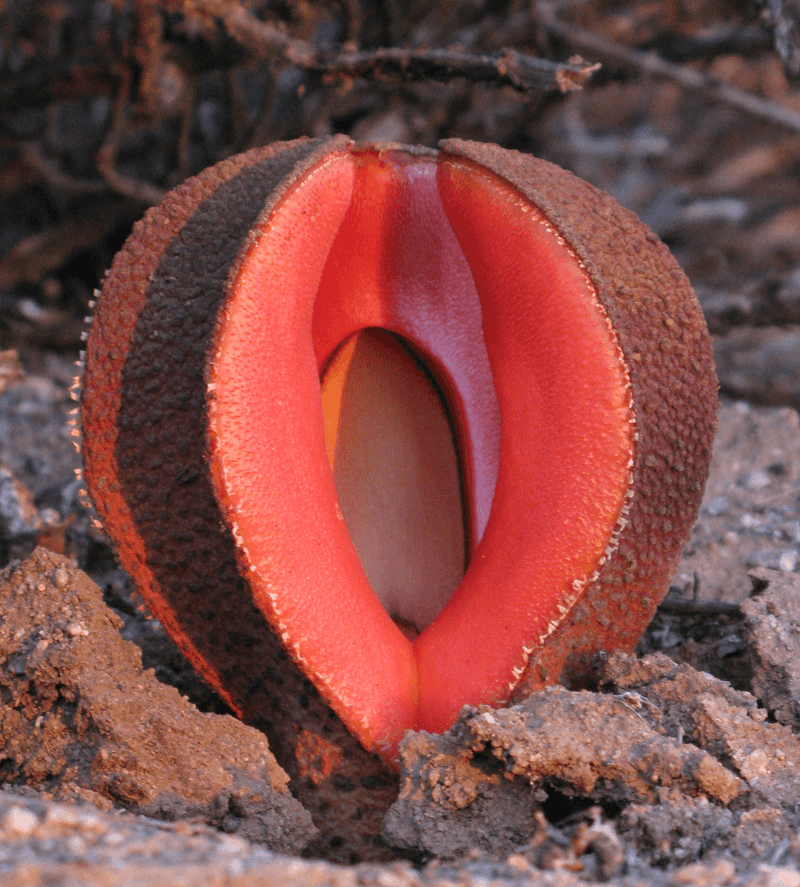
Hydnora africana is a bizarre and fascinating plant, largely hidden beneath the soil. Native to the arid regions of Southern Africa, this parasitic plant emerges only to bloom.
Its fleshy, tube-like flower exudes a smell of decaying matter to attract pollinators like beetles. Once inside, the insects aid in pollination before being allowed to escape.
The plant’s peculiar appearance and strategy are a testament to the diverse survival tactics found in nature, intriguing all who stumble upon it.
12. Tacca chantrieri (Black Bat Flower)
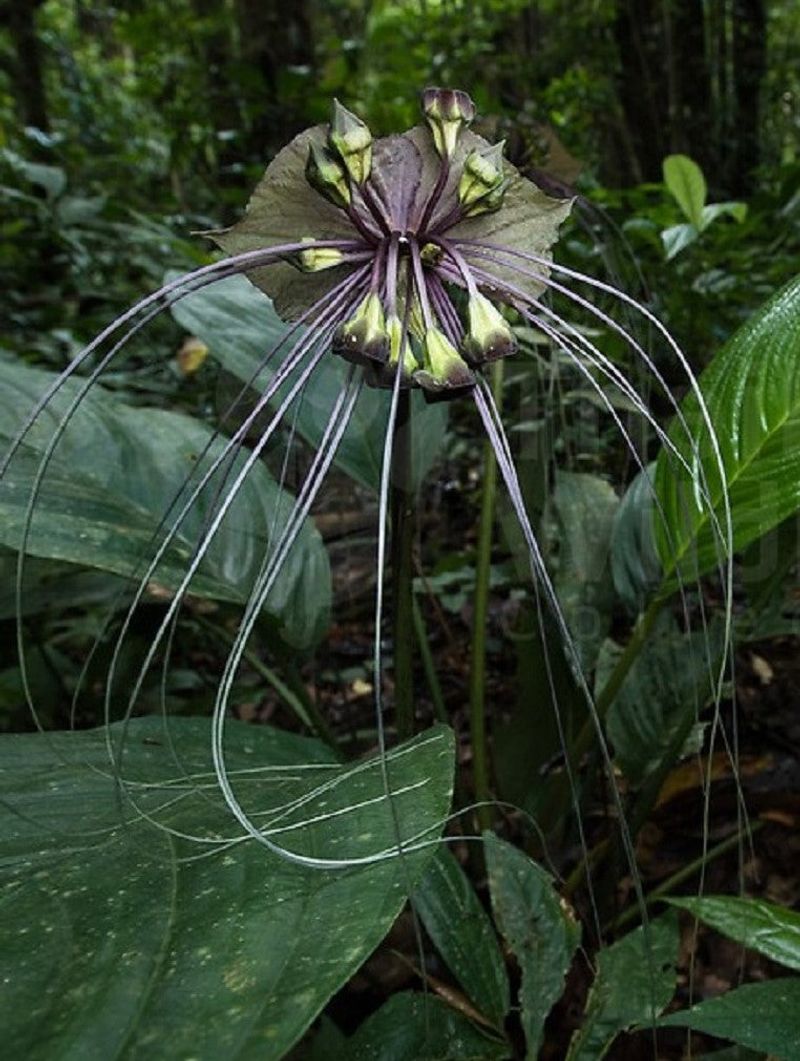
Tacca chantrieri, or the Black Bat Flower, is a mysterious and exotic plant found in the tropical regions of Southeast Asia. Its striking black flowers resemble a bat in flight, complete with long, whisker-like appendages.
This plant thrives in humid, shaded environments, often found under the jungle canopy. Its unusual appearance attracts curious onlookers, while its dark color and unique structure aid in pollination.
The Black Bat Flower’s eerie beauty and fascinating biology make it a standout among jungle flora, captivating plant enthusiasts worldwide.
13. Codonanthe devosiana
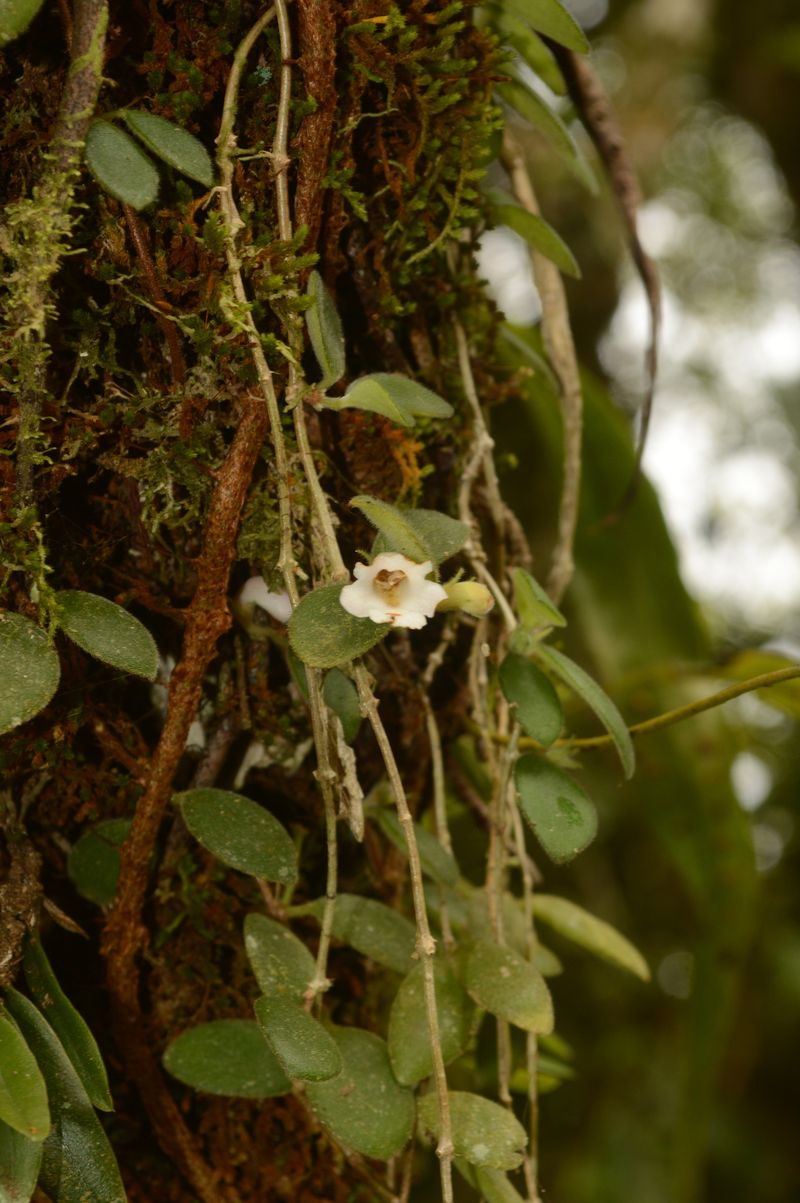
Codonanthe devosiana is a charming epiphytic vine with small, tubular flowers. Native to the lush jungles of Central and South America, this plant often grows on trees, deriving moisture and nutrients from the air.
Its delicate blooms and trailing vines create a graceful presence in the jungle, attracting pollinators with subtle fragrances.
This plant’s adaptability and enchanting beauty make it a delightful find for those exploring dense, vibrant jungle ecosystems.
14. Coryanthes speciosa (Bucket Orchid)
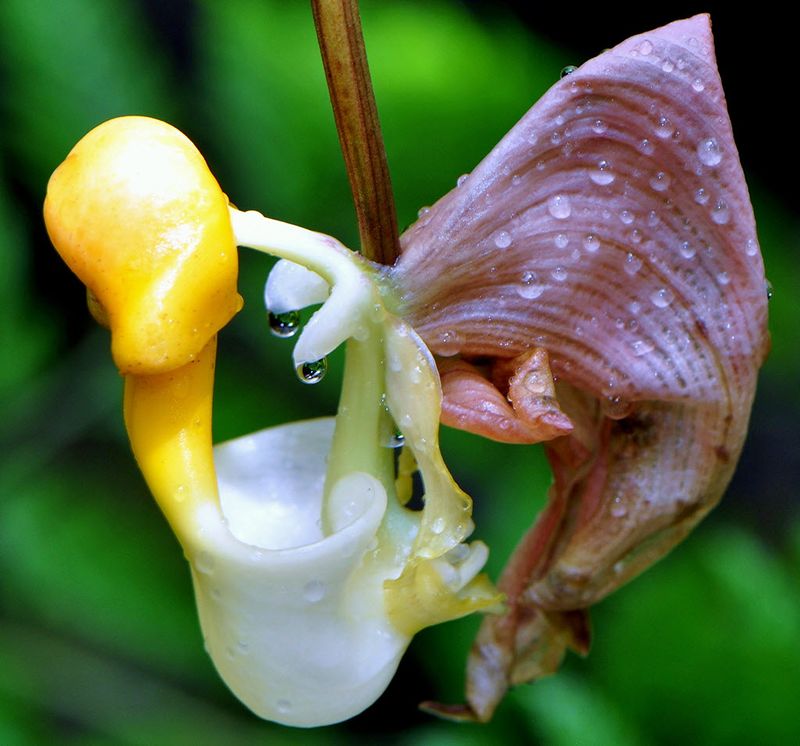
Coryanthes speciosa, known as the Bucket Orchid, presents one of nature’s most intricate pollination strategies. Found in the rainforests of Central and South America, this orchid lures male euglossine bees with its enticing fragrance.
The bees slip into the flower’s bucket, where they are temporarily trapped. As they escape, they pick up pollen, aiding in the plant’s reproduction.
The Bucket Orchid’s clever mechanism and vibrant appearance highlight the complex relationships within jungle ecosystems, offering insights into evolutionary ingenuity.
15. Ceropegia ampliata (Parachute Plant)
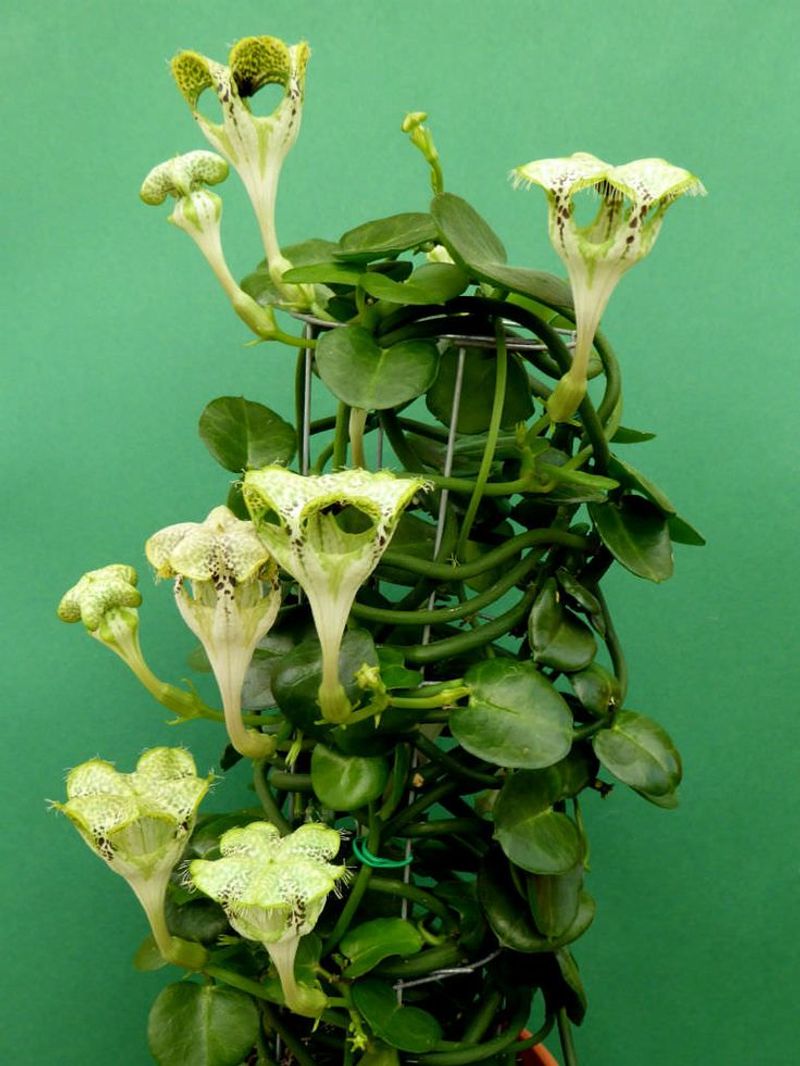
Ceropegia ampliata, known as the Parachute Plant, is a quirky and unique climber native to the jungles of Africa and India. Its peculiar parachute-shaped flowers are designed to trap insects.
These insects, lured by the flower’s scent, become temporary captives, helping in pollination before their release. This intriguing method ensures the plant’s survival and reproduction.
The Parachute Plant’s unusual blooms and fascinating strategy make it a true marvel of jungle flora, showcasing nature’s endless creativity.
16. Tacca integrifolia (White Bat Flower)
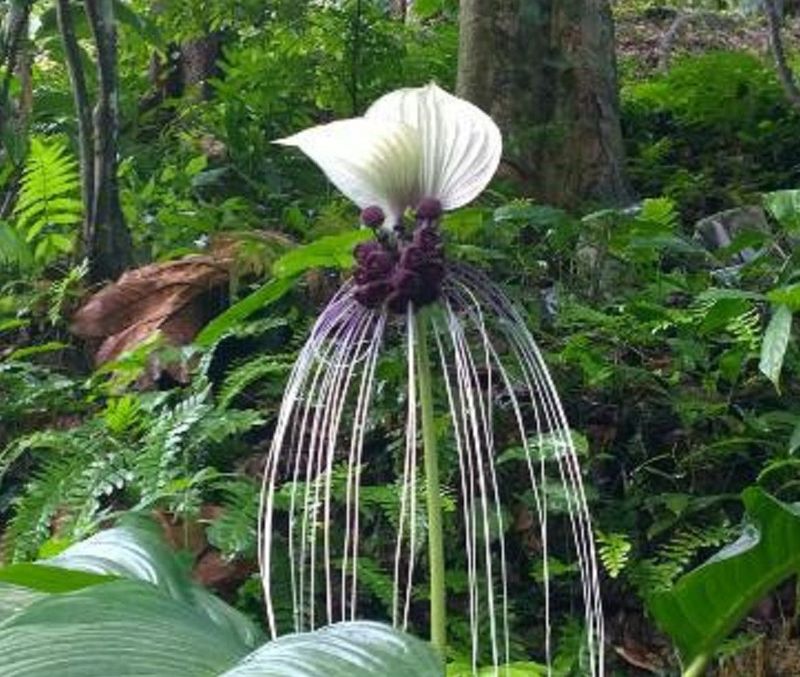
Tacca integrifolia, or the White Bat Flower, is a captivating plant found in the humid jungles of Southeast Asia. Its large, white bracts mimic a bat in flight, complete with trailing whiskers.
This dramatic appearance not only attracts human admiration but also serves to draw pollinators, ensuring the plant’s continued survival.
The White Bat Flower’s unique design and graceful presence make it a sought-after spectacle in the wild, intriguing botanists and nature lovers alike.
17. Medinilla magnifica
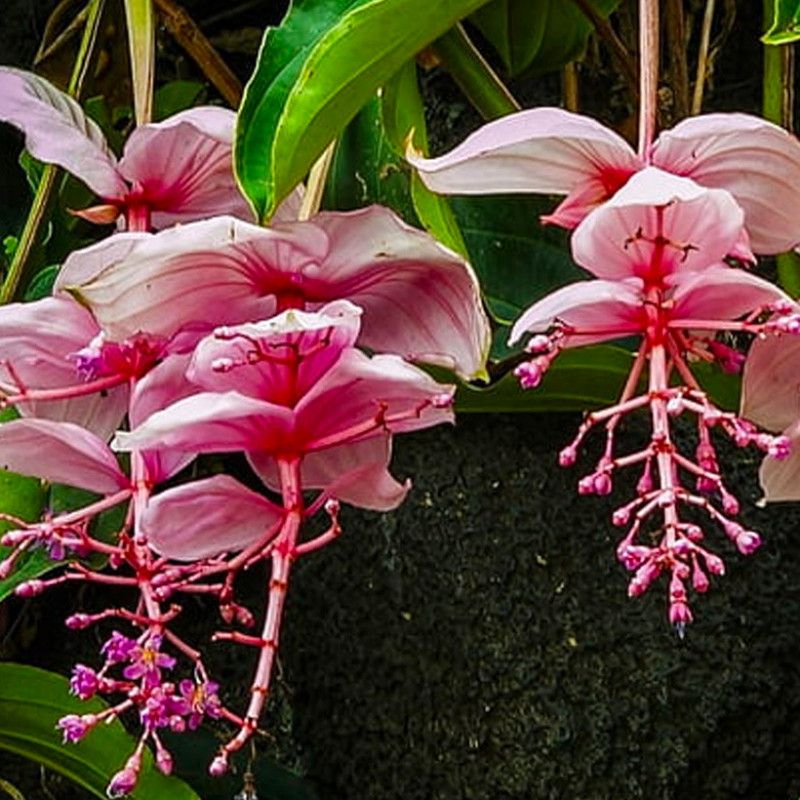
Medinilla magnifica, often referred to as the Showy Medinilla, boasts clusters of delicate pink flowers. Native to the Philippines’ tropical jungles, it thrives under the canopy’s gentle shade.
Its glossy green leaves complement the vibrant blooms, creating an enchanting display. Pollinators are drawn to the plant’s striking colors and sweet nectar.
This plant’s regal appearance and lush growth make it a jewel of the jungle, admired for its elegance and contribution to biodiversity.
18. Victoria amazonica (Giant Amazon Waterlily)
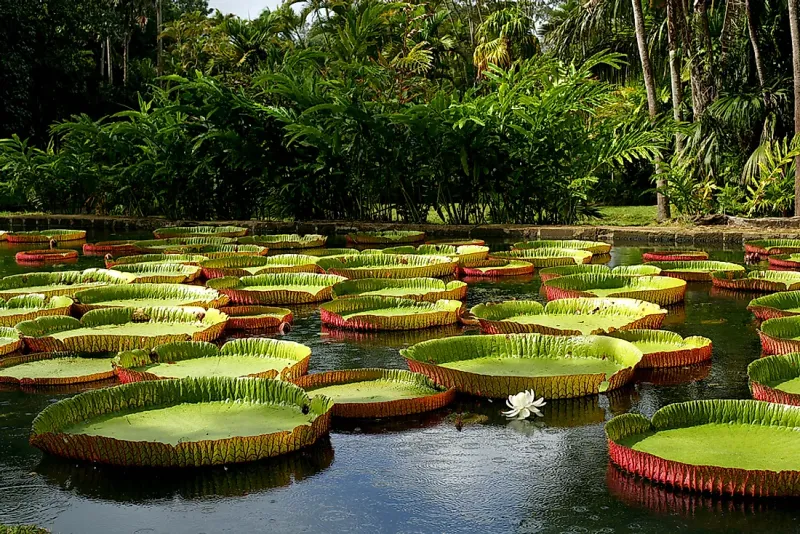
Victoria amazonica, the Giant Amazon Waterlily, reigns supreme in the waterways of the Amazon Basin. Its leaves can span over two meters, providing a stunning sight as they float gracefully.
The plant’s flowers bloom at night, releasing a sweet fragrance that attracts nocturnal pollinators like beetles. After pollination, the flowers submerge to develop seeds.
This waterlily’s immense size and enchanting lifecycle make it a symbol of the jungle’s aquatic beauty and intricate eco-dynamics.
19. Zingiber spectabile (Beehive Ginger)
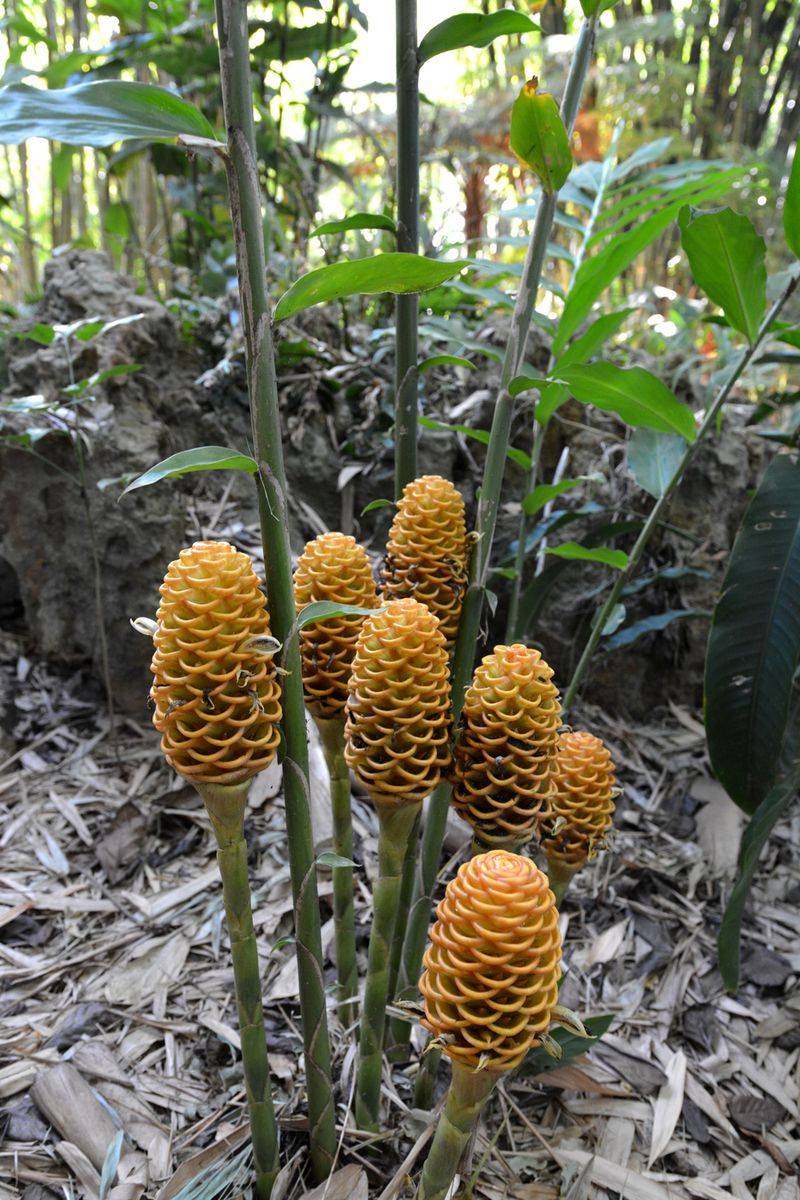
Zingiber spectabile, known as Beehive Ginger, is a captivating plant with unique cone-shaped bracts. Found in Southeast Asian jungles, it captivates with its bright colors and distinctive form.
The bracts, resembling beehives, hold small flowers that emerge over time, attracting pollinators with their sweet nectar.
This plant’s vibrant presence and fascinating structure make it a standout in the jungle, offering a glimpse into nature’s artistic flair and diversity.
20. Heliconia rostrata (Lobster Claw)

Heliconia rostrata, commonly known as Lobster Claw, is a striking plant native to the tropical jungles of Central and South America. Its cascading bracts resemble lobster claws, displaying vibrant reds and yellows.
These bracts house small flowers that attract hummingbirds, key pollinators for the plant. Its dramatic appearance and ecological role make it a vital component of the jungle landscape.
The Lobster Claw’s vivid allure and unique design capture the essence of tropical beauty and biodiversity.
21. Strelitzia reginae (Bird of Paradise)

Strelitzia reginae, known as the Bird of Paradise, is a captivating plant native to South Africa, though it thrives in many tropical jungles. Its flowers mimic a bird in flight, with striking orange and blue petals.
This resemblance attracts birds and insects, facilitating pollination and ensuring the plant’s survival.
Celebrated for its exotic beauty and unique structure, the Bird of Paradise is a symbol of the jungle’s vibrant life and the intricate relationships within its ecosystem.
22. Heliconia psittacorum

Heliconia psittacorum is a slender and elegant plant, found in the tropical jungles of Central and South America. It features pointed bracts in bright colors, housing delicate flowers.
These blooms attract hummingbirds, crucial for pollination, highlighting the plant’s role in the ecosystem’s balance.
Its graceful form and vivid colors make it a favorite among jungle flora, contributing to the vibrant tapestry of life that defines these ecosystems.
23. Calathea rufibarba (Furry Feather)

Calathea rufibarba, often called Furry Feather, is a charming plant with velvety leaves and intricate patterns. Hailing from the jungles of Brazil, it adds texture and depth to the jungle floor.
Its leaves have a soft, tactile quality that appeals to the senses, making it a delightful discovery for those exploring the undergrowth.
The plant’s lush appearance and unique texture highlight the jungle’s diversity, offering a sensory experience that captivates botanists and nature lovers alike.
24. Stromanthe sanguinea
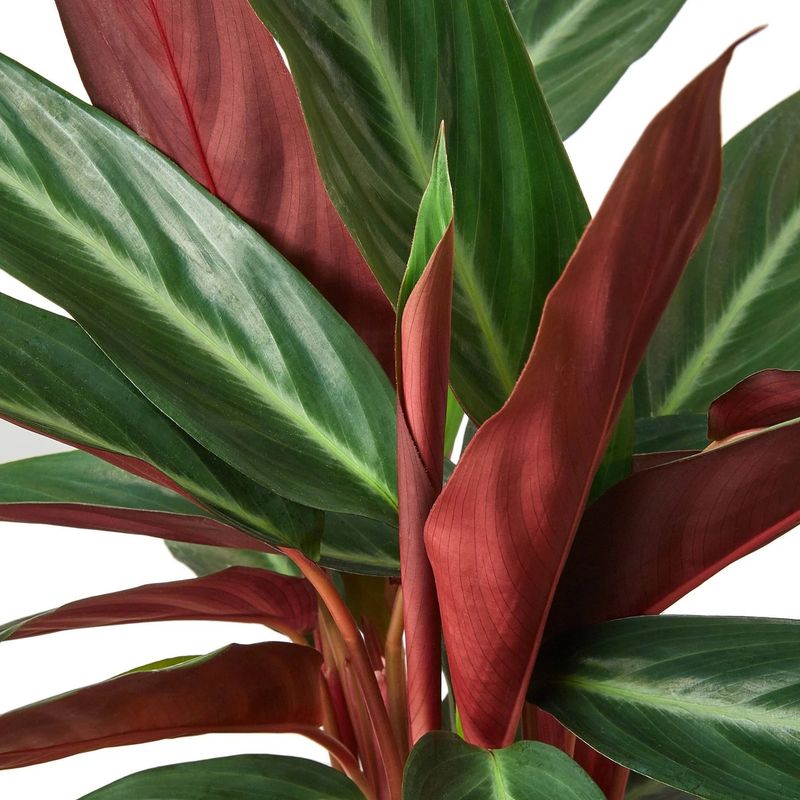
Stromanthe sanguinea is a vivid plant known for its striking foliage, featuring a dramatic contrast of red and green. Native to the rainforests of Brazil, it thrives in the shaded understory.
Its leaves display a beautiful symmetry, capturing light and adding vibrancy to the jungle’s dense flora.
This plant’s colorful presence and hardy nature make it a resilient and attractive component of the jungle ecosystem, admired for its aesthetic appeal and adaptability.
25. Anthurium andraeanum
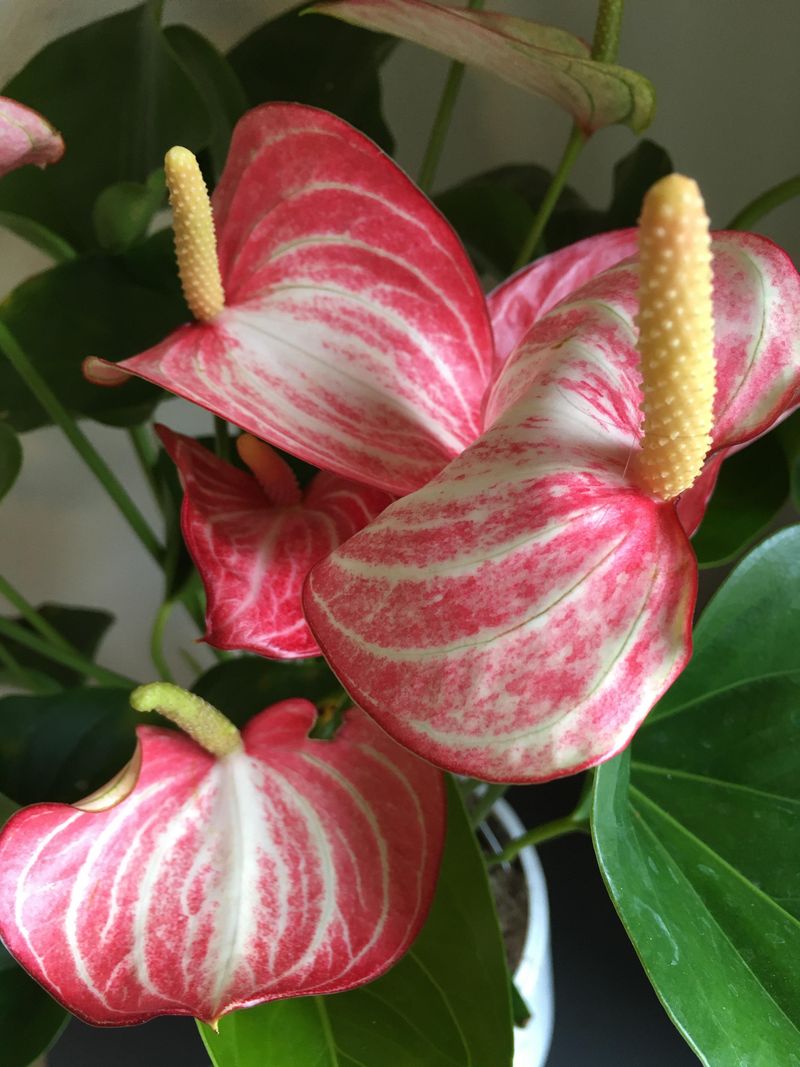
Anthurium andraeanum, the Flamingo Flower, captivates with its glossy leaves and vivid red spathes. This plant is native to the rainforests of Colombia and Ecuador.
Its bright colors attract pollinators, playing a vital role in the jungle’s reproductive cycles.
The Flamingo Flower’s striking appearance and contribution to the ecosystem make it a cherished find among jungle flora, celebrated for its beauty and ecological importance.
26. Philodendron melanochrysum
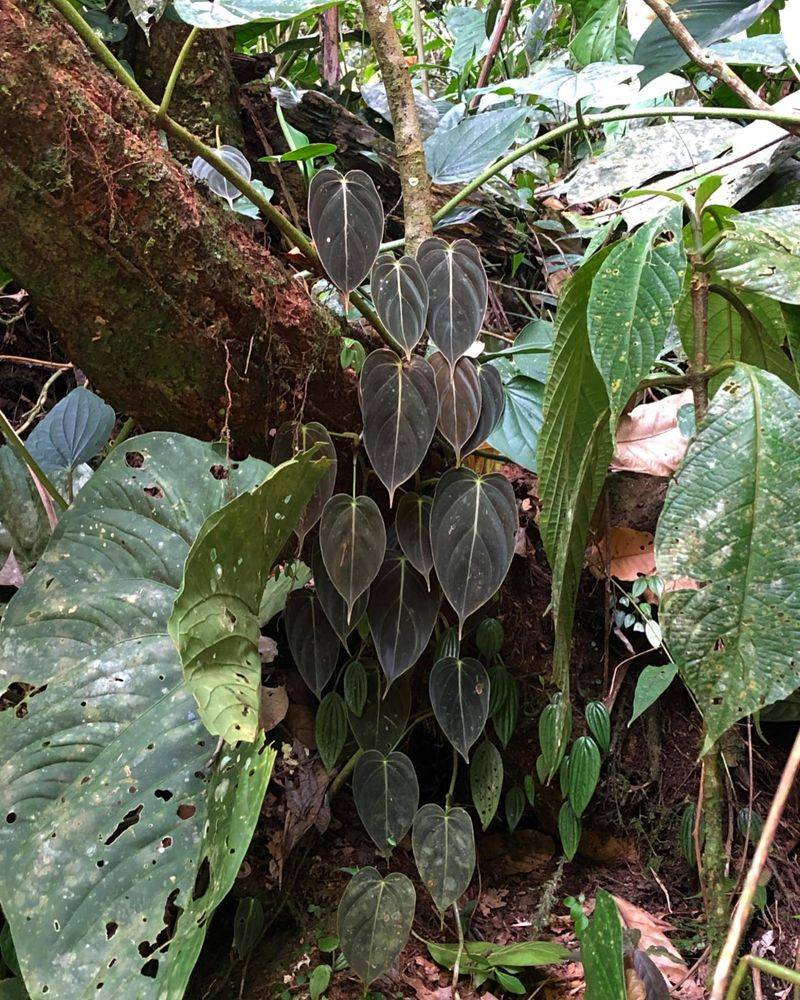
Philodendron melanochrysum is a stunning climbing plant with large, velvety leaves. Native to the jungles of Colombia, it climbs tree trunks to reach sunlight, creating a lush green tapestry.
Its leaves shimmer with a golden hue, adding a touch of elegance to the jungle landscape.
The plant’s climbing nature and captivating foliage make it a treasured species for botanists and plant enthusiasts exploring the jungle’s vertical diversity.
27. Monstera obliqua
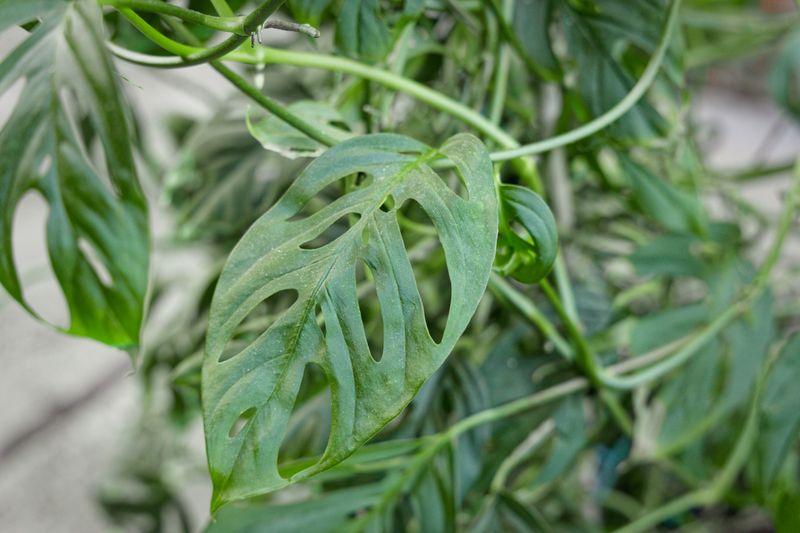
Monstera obliqua is a rare and intriguing plant with delicate, perforated leaves. Found in the tropical jungles of Central and South America, it adds an air of mystery to the jungle’s undergrowth.
The plant’s unique leaf structure allows light to filter through, benefiting its growth and the ecosystem.
Its enigmatic presence and distinctive foliage make it a sought-after marvel among jungle flora, admired for its beauty and ecological role.
28. Cecropia peltata (Trumpet Tree)
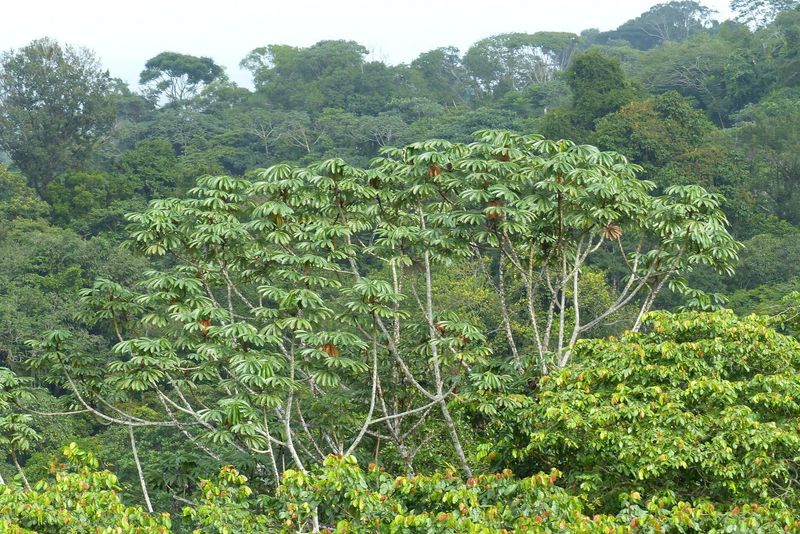
Cecropia peltata, known as the Trumpet Tree, is a fast-growing tree that dominates jungle canopies in Central and South America. Its large, umbrella-like leaves create an impressive silhouette against the sky.
The tree’s hollow branches house ants, forming a mutualistic relationship that provides protection and benefits both species.
The Trumpet Tree’s rapid growth and symbiotic partnerships make it a crucial element of the jungle ecosystem, illustrating nature’s intricate balances.
29. Ceiba pentandra (Kapok Tree)
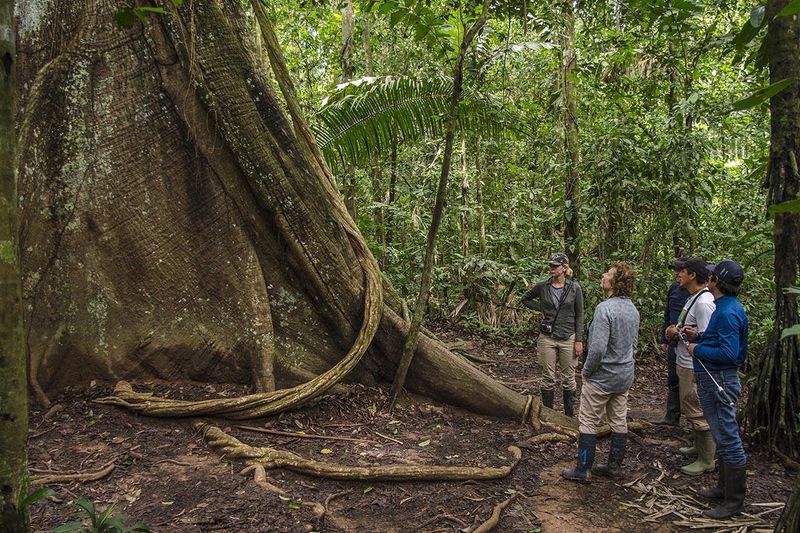
Ceiba pentandra, or the Kapok Tree, is a majestic giant of the jungle, native to Central and South America. Its enormous trunk and expansive buttress roots support its towering height.
The tree provides habitat and food for countless species, playing a central role in the jungle’s ecological web.
Its grandeur and ecological significance make the Kapok Tree a symbol of the jungle’s vitality and resilience, admired by all who encounter its impressive form.
30. Heliocarpus americanus (Seaside Mallow)
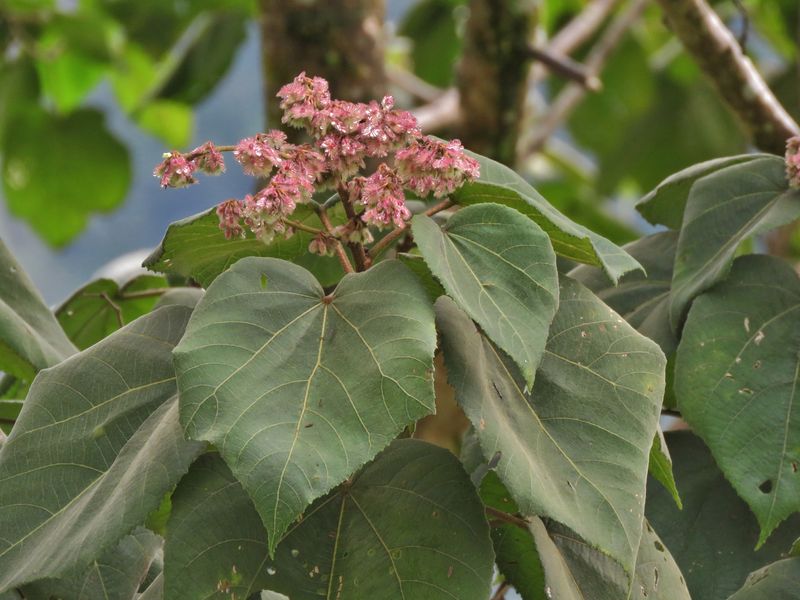
Heliocarpus americanus, or Seaside Mallow, is a graceful tree found near the waterways of Central and South American jungles. Its heart-shaped leaves and delicate flowers add charm to the landscape.
The tree thrives in moist environments, providing habitat and sustenance for various wildlife.
Its gentle beauty and ecological contributions make the Seaside Mallow a cherished component of the jungle, showcasing the interconnectedness of flora and fauna within these vibrant ecosystems.