
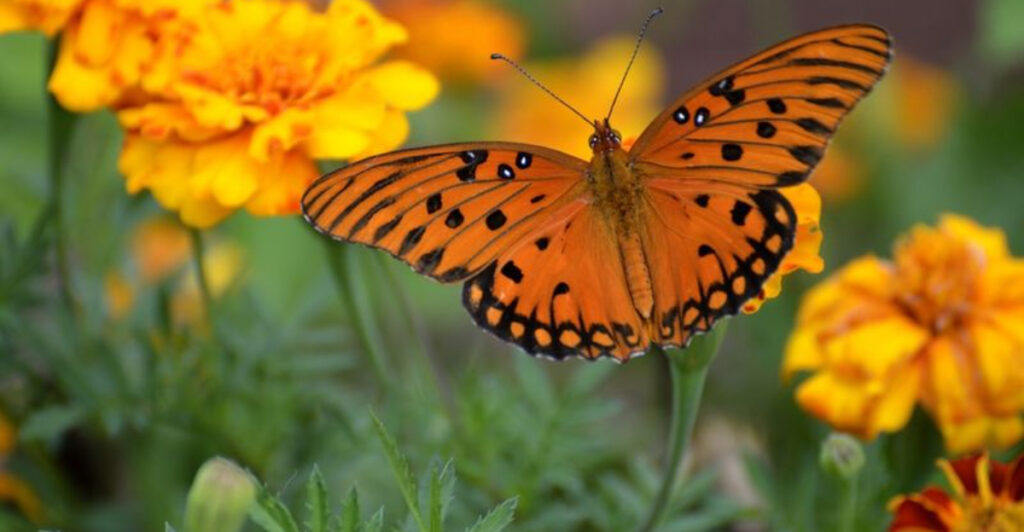
Creating a butterfly garden can be a rewarding endeavor, attracting delightful fluttering visitors to your backyard. However, certain common mistakes can prevent your garden from becoming a haven for butterflies.
From neglecting essential host plants to over-tidying your flower beds, these pitfalls can be detrimental to your butterfly-friendly landscape. By understanding these errors and learning how to avoid them, you will ensure your garden remains a vibrant retreat for these beautiful creatures.
1. Skipping Host Plants
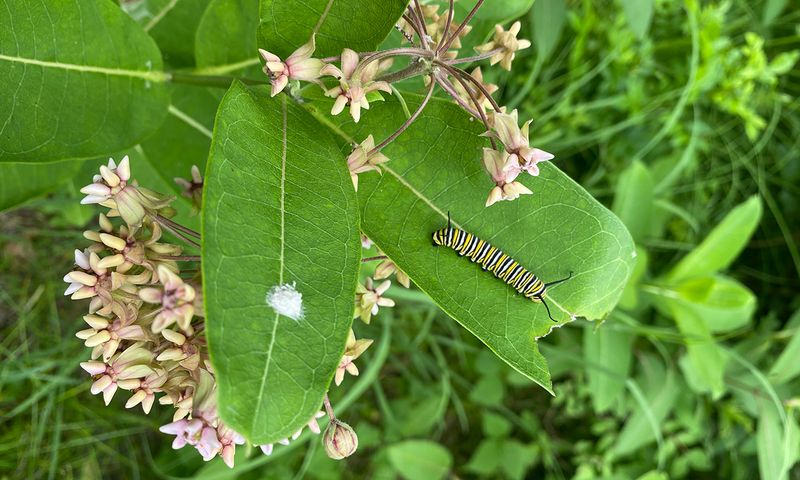
The secret is in the details: host plants. Without milkweeds for monarchs or parsley for swallowtails, butterflies have nowhere to lay their eggs.
This crucial step stalls the life cycle of your garden, leaving you with a beautiful but barren landscape. Incorporating the right plants is essential for nurturing caterpillars.
By providing these vital nurseries, your garden transforms into a bustling ecosystem, supporting not just butterflies, but also creating a balanced environment that flourishes all season long.
2. Planting Sterile Hybrids
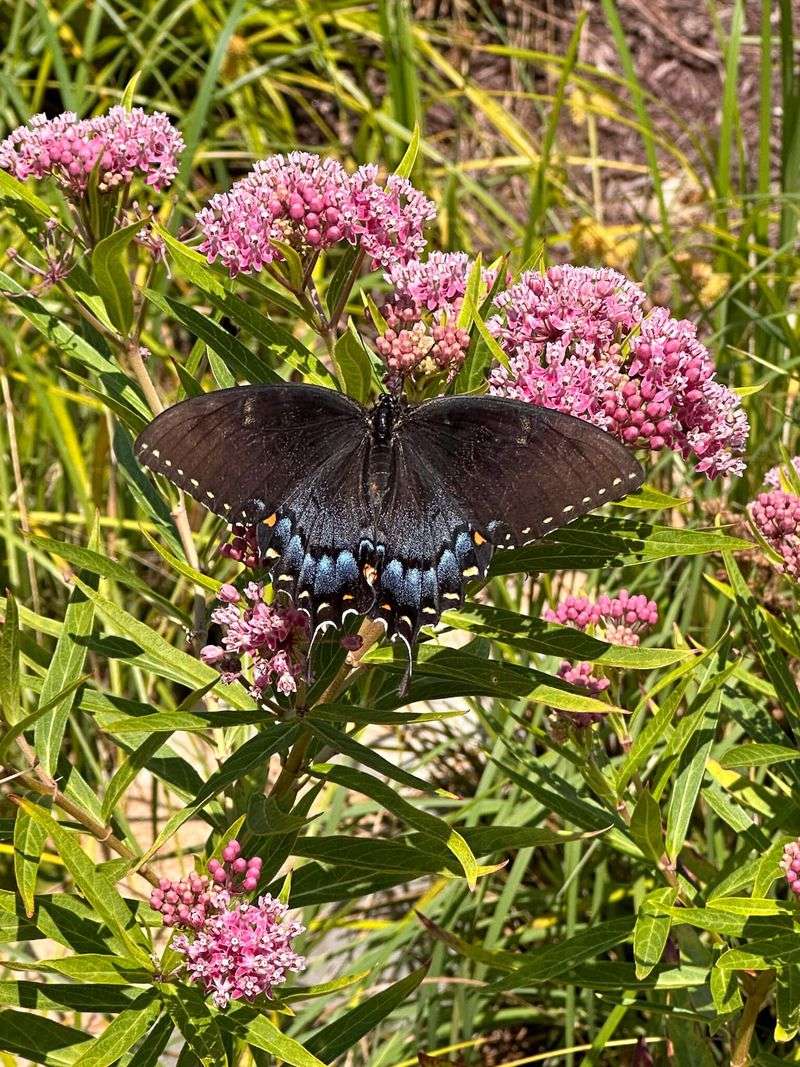
While double-petaled flowers make a stunning display, they often lack the nectar butterflies need. Novelty blooms might capture the eye, but they don’t sustain the life that visits them.
Opting for single-flowered, nectar-rich natives instead will feed the hungry butterflies and keep your garden lively. Native plants are adapted to local climates, offering better sustenance.
A garden focused on supporting local wildlife not only blooms vibrantly but also buzzes with activity. By choosing wisely, you can ensure that your garden is more than just a pretty picture; it’s a living paradise.
3. Overusing Pesticides & Insecticides
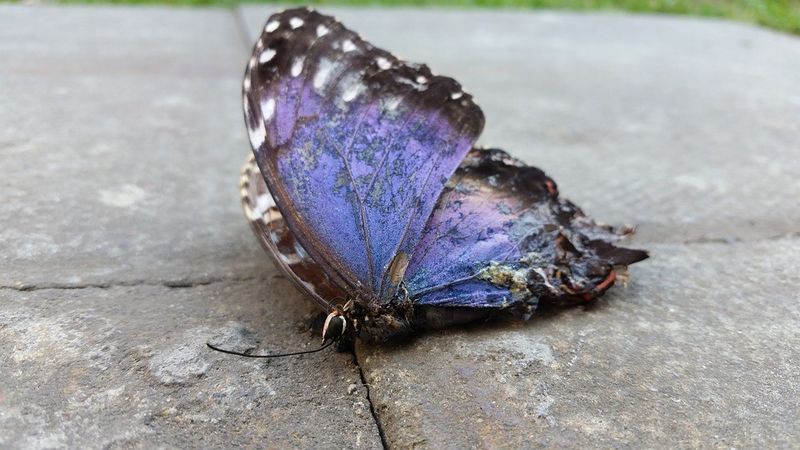
In the quest for a pest-free garden, the overuse of pesticides can be a grave mistake. Even organic sprays can harm delicate caterpillars and beneficial insects.
Embracing integrated pest management fosters a healthier garden by encouraging natural predators and reducing chemical reliance. Hand-picking pests or using a strong water spray can be effective alternatives to chemical warfare.
By minimizing pesticide use, you’re not only protecting butterflies but allowing your garden ecosystem to thrive naturally. This careful approach enables a more sustainable and vibrant garden environment.
4. Ignoring Continuous Bloom
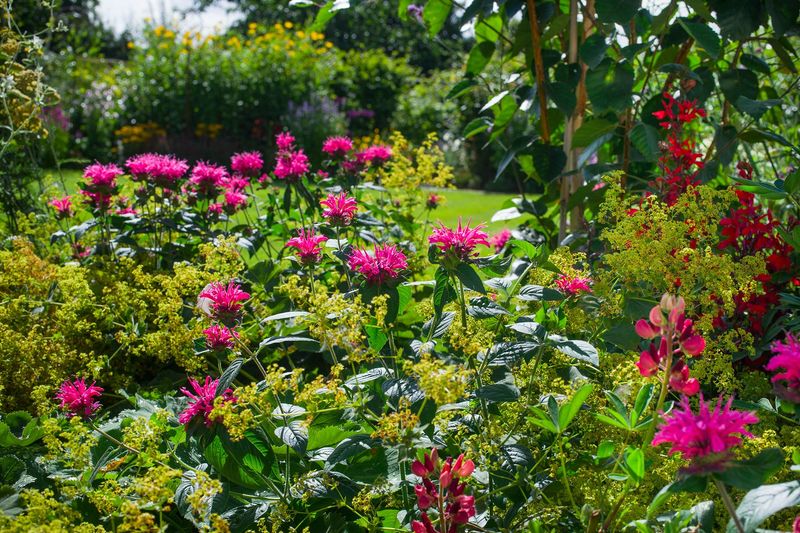
A garden that blooms all at once may look impressive, but it creates a feast-or-famine situation for butterflies. Diversity in bloom times is key to maintaining a steady source of nectar throughout the seasons.
By staggering plantings and selecting varieties that flower from spring through fall, your garden can provide a continuous supply of food.
This approach not only sustains butterfly populations but enhances your garden’s beauty year-round. Planning and planting with seasonal variety ensures that your garden is a lively place from the first thaw to the last frost.
5. Forgetting Water & Mud Puddles
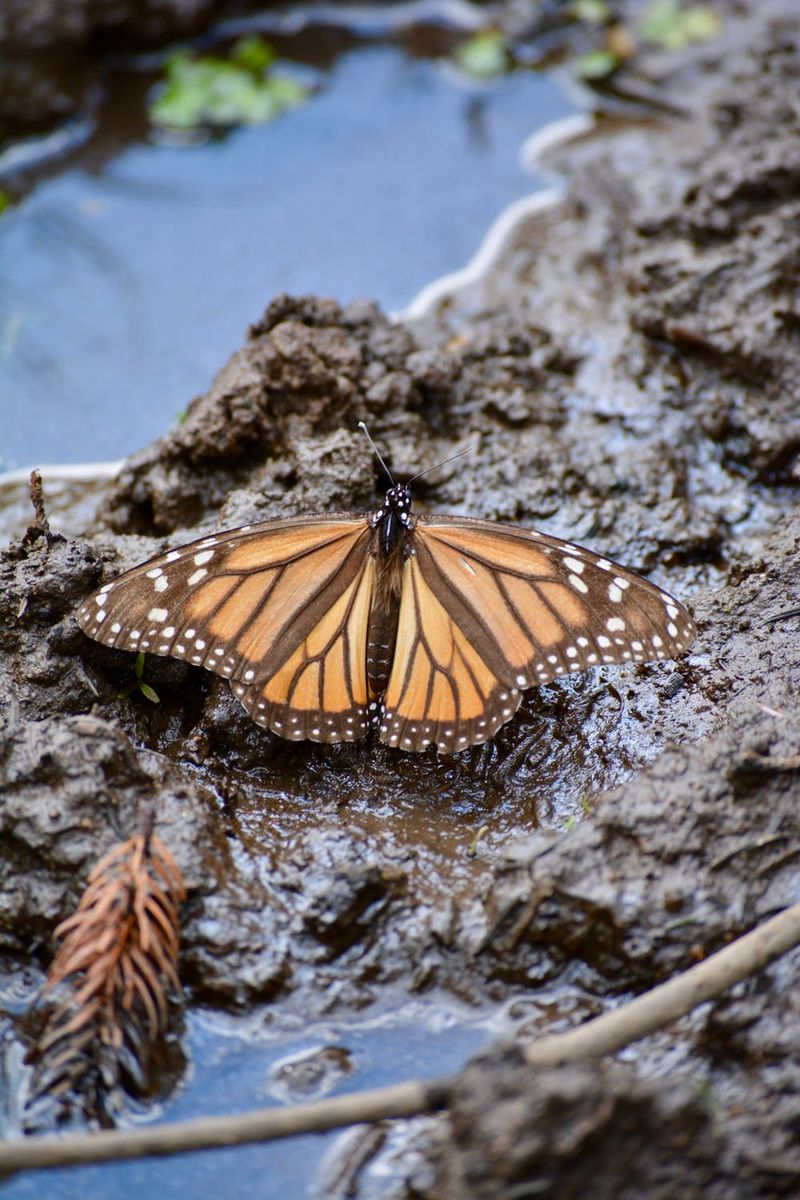
Butterflies require more than just flowers; they need moisture for minerals. Without damp sand or mud patches, these elegant creatures may go thirsty.
Creating shallow puddles or placing water dishes in your garden can attract butterflies, offering them the hydration they need. A simple addition that can make a big difference.
With a small effort, your garden becomes a welcoming oasis, filled with the gentle flutter of wings. By providing these essential resources, you’ll see an increase in butterfly visitors seeking the nourishing minerals your garden offers.
6. Over-Tidying Your Beds
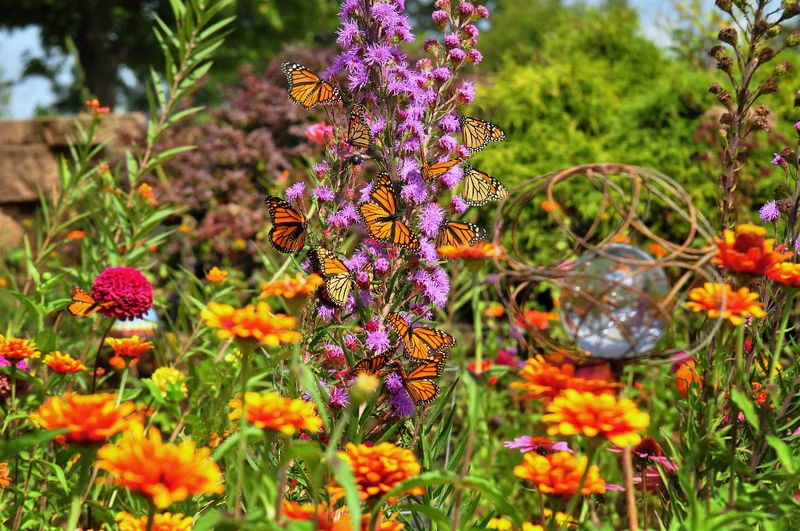
While a tidy garden may appeal to our sense of order, it can be inhospitable to butterflies. Clearing every dead stem and leaf denies them places to hide and overwinter.
Leaving some plant debris and brush piles provides essential shelter, turning your garden into a welcoming habitat for butterflies to thrive all year.
These natural elements also offer places for chrysalises to form, adding more life to your garden. By embracing a bit of wildness, you can create a space that’s not only beautiful but teeming with life and growth.
7. Planting in Full Shade
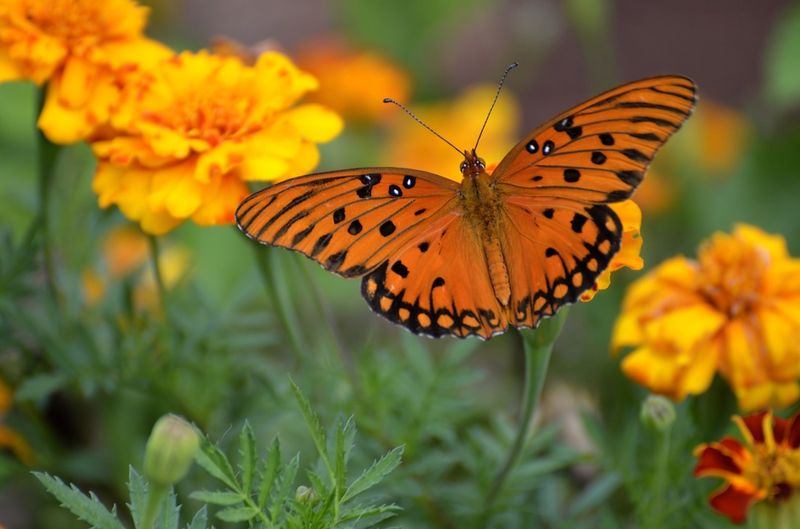
Most butterflies prefer sunlit areas where they can bask and feed. A garden shrouded in shade will see fewer visitors, as butterflies are drawn to warmth and light.
Ensuring sunny spots for your plants can increase butterfly activity, creating a more attractive environment. Consider the placement of your garden and the structures that may block sunlight.
By optimizing sunlight exposure, you not only support butterfly habits but also enhance the growth of your plants. A balance of light ensures a thriving, lively garden buzzing with activity and joy.
8. Using Heavy Mulch or Hardpan Soil
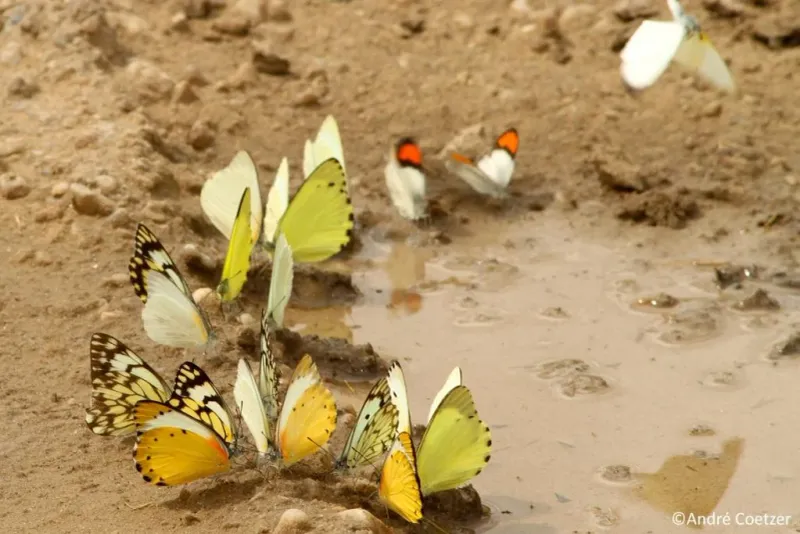
Heavy mulch and compacted soil can smother low-growing blooms and deter butterflies from puddling. Loose soil around host and nectar plants allows for better growth and access.
By adjusting your gardening techniques, you can create an inviting atmosphere for butterflies, ensuring their frequent visits. Avoid over-mulching and keep the soil light around key plants.
This simple adjustment can transform the garden environment, promoting a healthier space for butterflies to interact and thrive. A more natural ground condition invites not just butterflies, but a host of beneficial insects.
9. Neglecting Wind Protection
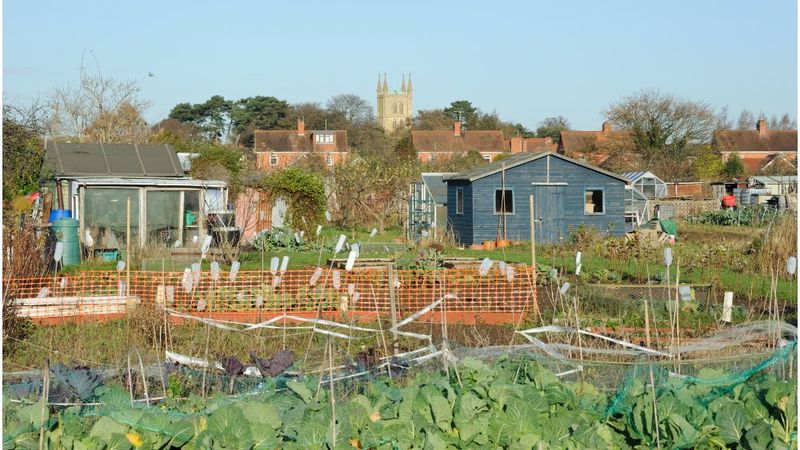
Strong breezes can deter delicate butterflies from feeding and resting. Incorporating shrubs, fencing, or tall grasses acts as a natural windbreak, providing a calm environment.
These structures also add dimension and interest to your garden, making it more diverse and resilient. Thoughtful planning ensures that butterflies have safe havens to enjoy.
By creating pockets of tranquility, your garden becomes a preferred destination for butterflies, allowing them to flourish. With attention to wind protection, you enhance your garden’s appeal and functionality.
10. Relying Only on Annuals
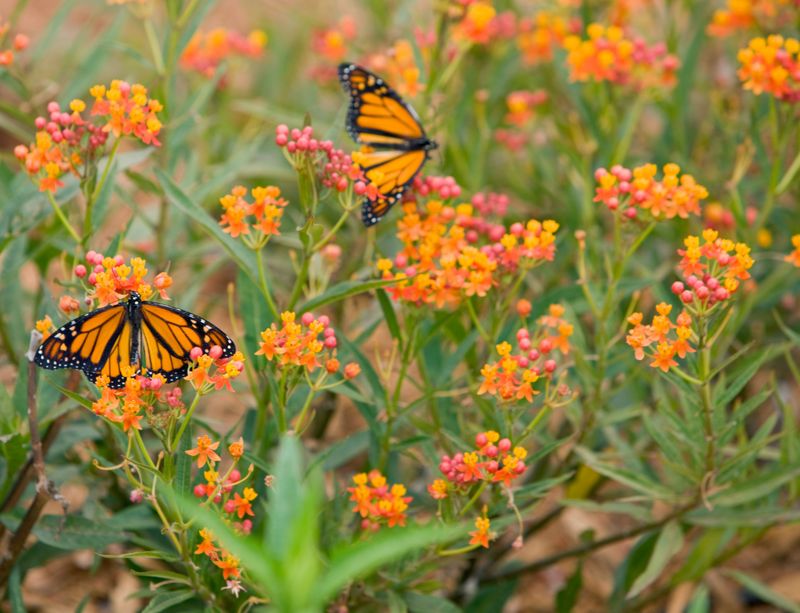
Annuals bring quick color but leave bare patches as they fade. Mixing in perennials and biennials ensures a robust garden that remains lush through season changes.
By diversifying plant types, you create a garden that sustains itself and offers continuous beauty. This approach provides consistent nectar sources for butterflies.
A balanced mix of plants enriches the garden ecosystem, supporting a wide range of wildlife. The garden’s ever-changing tapestry keeps it interesting, inviting both butterflies and admirers alike to enjoy its splendor.