
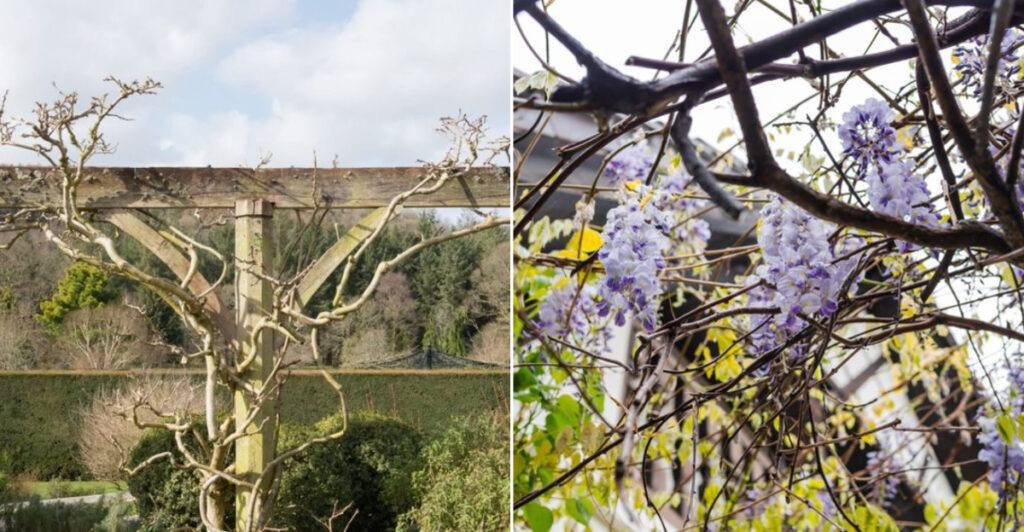
Wisteria is a popular and beautiful garden plant, known for its cascading purple blooms and enchanting fragrance. However, it can be quite frustrating when these floral beauties refuse to make an appearance.
Whether your wisteria is young, overfed, poorly pruned, or just not getting enough sunlight, understanding the reasons behind the lack of blooms can guide you to find the right solutions. Let’s explore seven common reasons your wisteria might not be blooming and how you can coax it back into its spectacular floral display.
1. It’s Too Young

Wisteria often requires patience, as these plants can take several years to mature and bloom. If your wisteria is under three to five years old, it might just need a little more time. Picture a young plant with vibrant green leaves, promising but not yet flowering. Ensuring the plant receives proper care, including adequate sunlight and a healthy watering routine, will support its growth. As it matures, wisteria will reward your patience with a breathtaking display of flowers. Don’t rush nature; sometimes, the wait is part of the beauty.
2. Over-Fertilizing
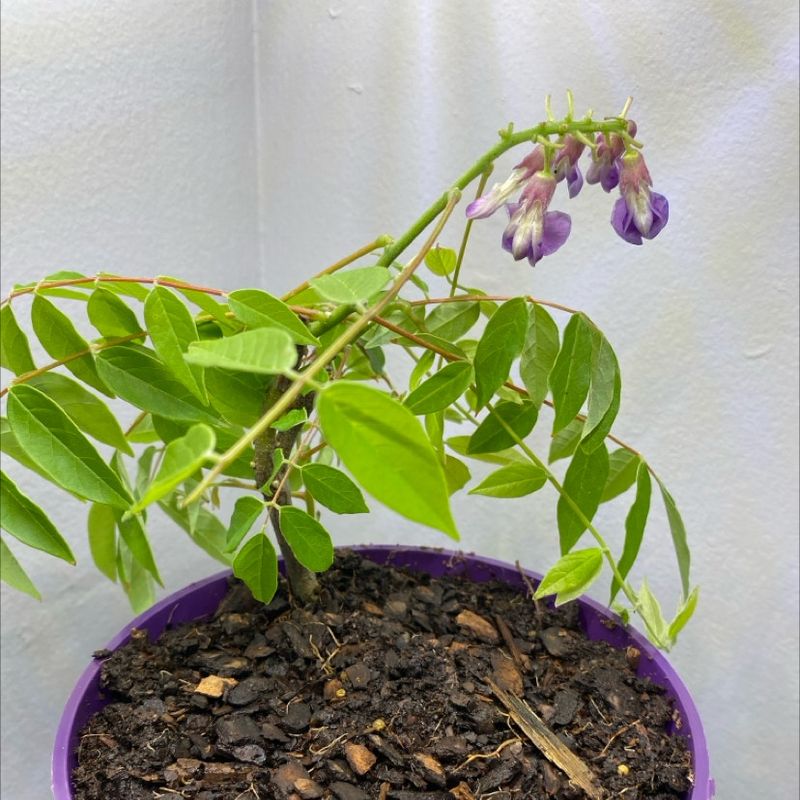
Too much nitrogen in the soil can lead to lush foliage and few flowers. Imagine a wisteria plant with abundant leaves but no blooms in sight. This could be the result of over-fertilizing, especially with high-nitrogen products. Instead, consider using a low-nitrogen fertilizer or skipping fertilization if your soil is naturally rich. The goal is to encourage blooms rather than foliage. Adjusting your fertilization strategy can make a significant difference in promoting those sought-after wisteria blossoms.
3. Pruning at the Wrong Time
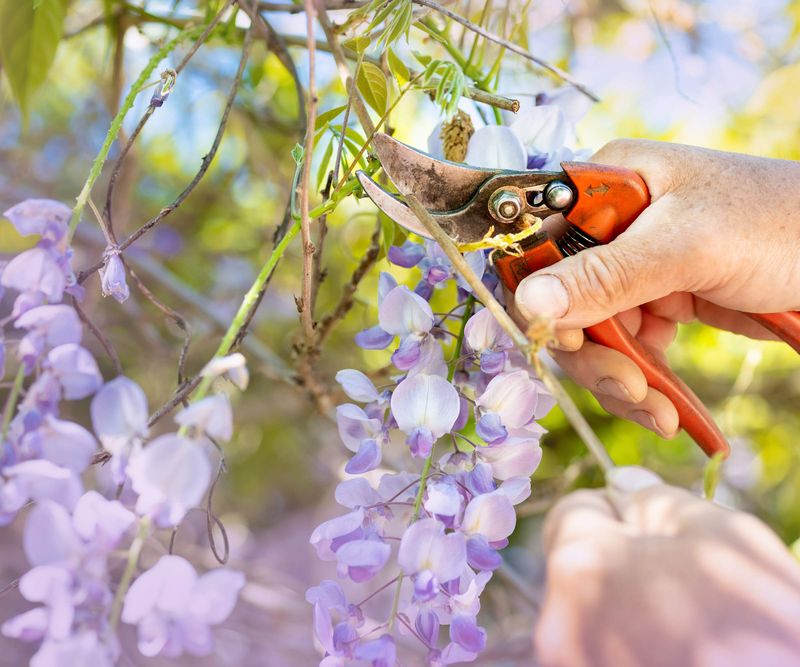
Pruning plays a critical role in whether your wisteria will bloom. Cutting back at the wrong time might remove potential flower buds. Picture a gardener with pruning shears in late winter, carefully choosing which branches to trim. Proper timing involves pruning in late winter and again in summer, making sure flower buds remain untouched. Understanding where and when your variety sets its buds is key to ensuring a flowering spectacle. This careful approach to pruning can help transform your wisteria into a blooming wonder.
4. Lack of Sunlight
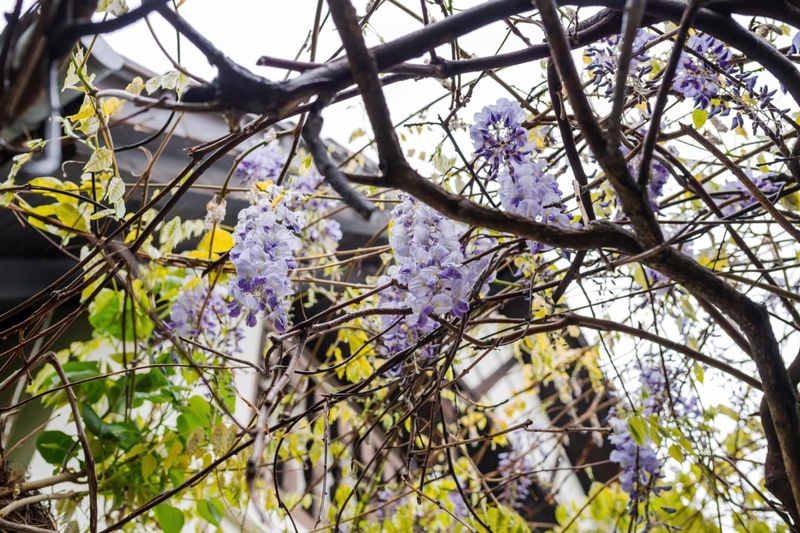
Wisteria loves the sun, and without it, blooms might be sparse or nonexistent. Imagine a wisteria vine struggling in the shade, reaching for light but producing few flowers. These plants thrive best with at least six hours of direct sunlight each day. If your wisteria is shaded by trees or structures, it may need to be relocated or trimmed to allow more light. Providing ample sunlight can transform a reluctant bloomer into a floral masterpiece, making every sunbeam count.
5. Improper Support Structure
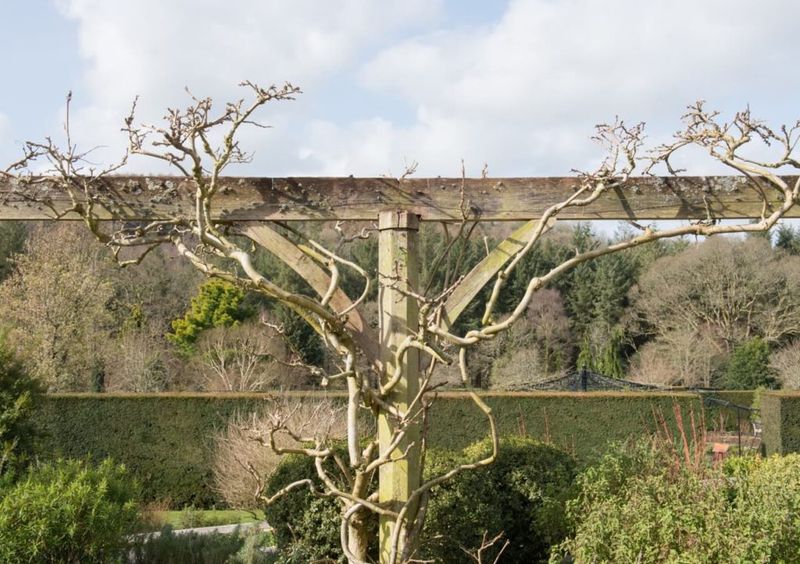
The support structure can heavily influence wisteria’s ability to flourish. Imagine a plant on a crowded trellis, vines tangled and growth stunted. A proper support allows wisteria to spread and encourages ample air circulation. If your structure is weak or too crowded, consider upgrading to a sturdy arbor or trellis. This not only supports the plant’s weight but also facilitates healthy blooming. By providing the right structure, you ensure the plant has room to grow and blossom freely.
6. Poor Soil Drainage
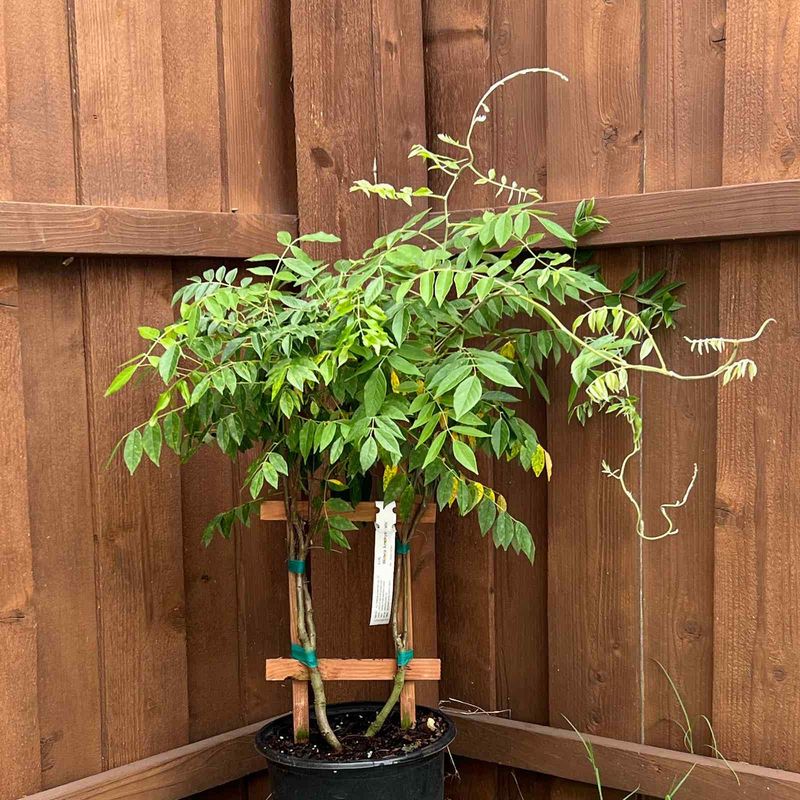
Wisteria’s roots dislike being soggy, and poor drainage can hinder flowering. Visualize a plant with waterlogged roots, struggling in compacted or clay-heavy soil. Amending the soil with compost and ensuring proper drainage can create a more conducive environment for growth. This adjustment helps keep the roots healthy and encourages blooms. By tackling drainage issues, you nurture a cascading display of flowers, allowing wisteria to thrive as nature intended.
7. It Needs a Little Stress
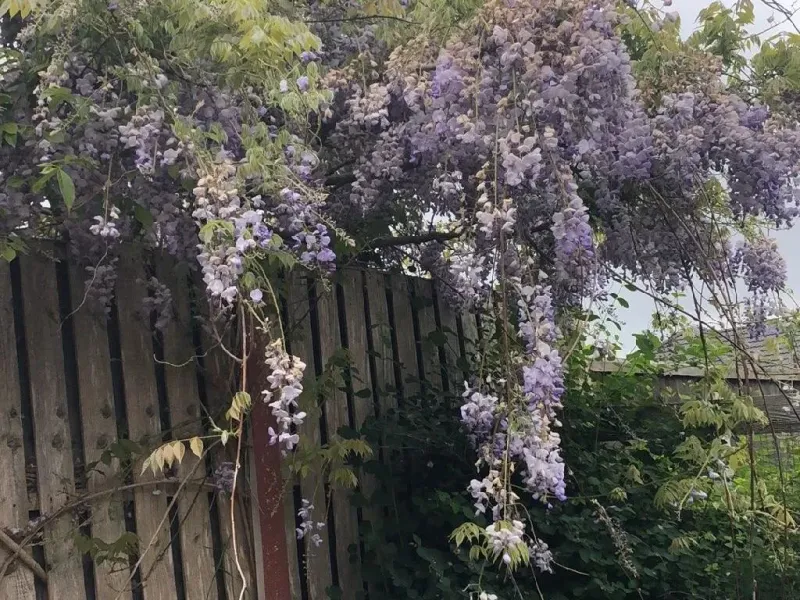
Surprisingly, a bit of stress can sometimes promote wisteria blooming. Imagine a gardener gently pruning roots or reducing watering to encourage reproduction. This controlled stress can signal the plant to focus energy on flowering. By carefully implementing these techniques, you might induce blooming. Remember, though, that too much stress can harm the plant, so proceed with caution. This delicate balance can awaken your wisteria’s luscious flowers, turning a quiet plant into a garden star.