
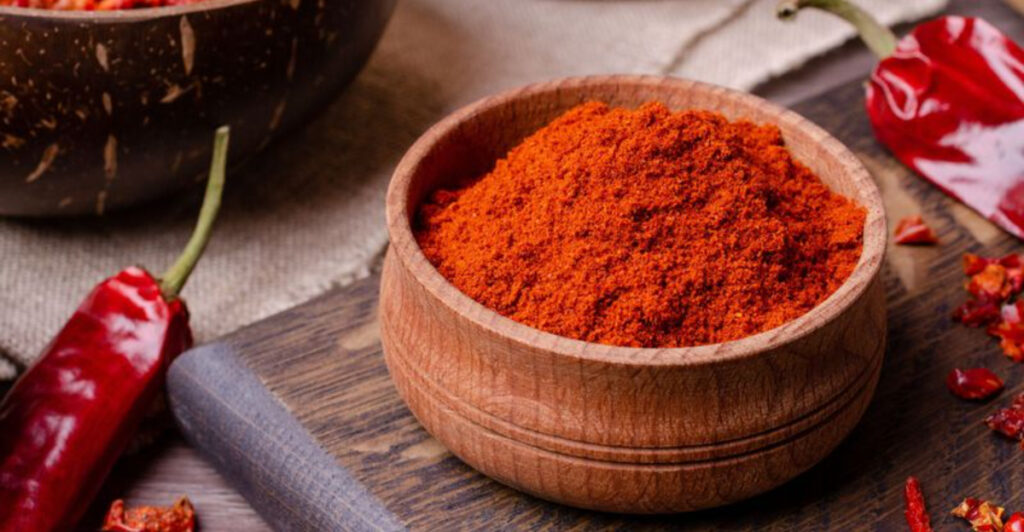
Spices are not just for the kitchen; they can play a surprising role in nurturing your houseplants. From stimulating growth to fighting off pests, these common household spices can be a gardener’s hidden ally. Explore these ten creative ways to use spices that will make your indoor garden thrive like never before.
1. Cinnamon as a Rooting Hormone
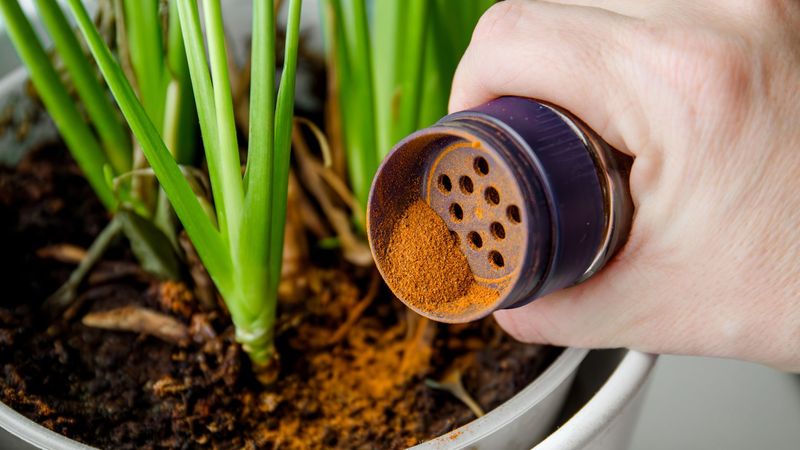
Cinnamon, with its aromatic charm, holds more than just culinary magic. Known for its antifungal properties, cinnamon is an excellent rooting hormone.
Dip your plant cuttings into this brown, fragrant powder to stimulate root growth and shield them from fungal infections. Cinnamon acts as a natural protector, ensuring your cuttings take root successfully.
Its spicy scent isn’t just a treat for the nose; it wards off fungi that might otherwise harm tender sprouts. Embrace this simple practice, and watch your plant babies grow strong and vibrant!
2. Cinnamon to Prevent Damping-Off
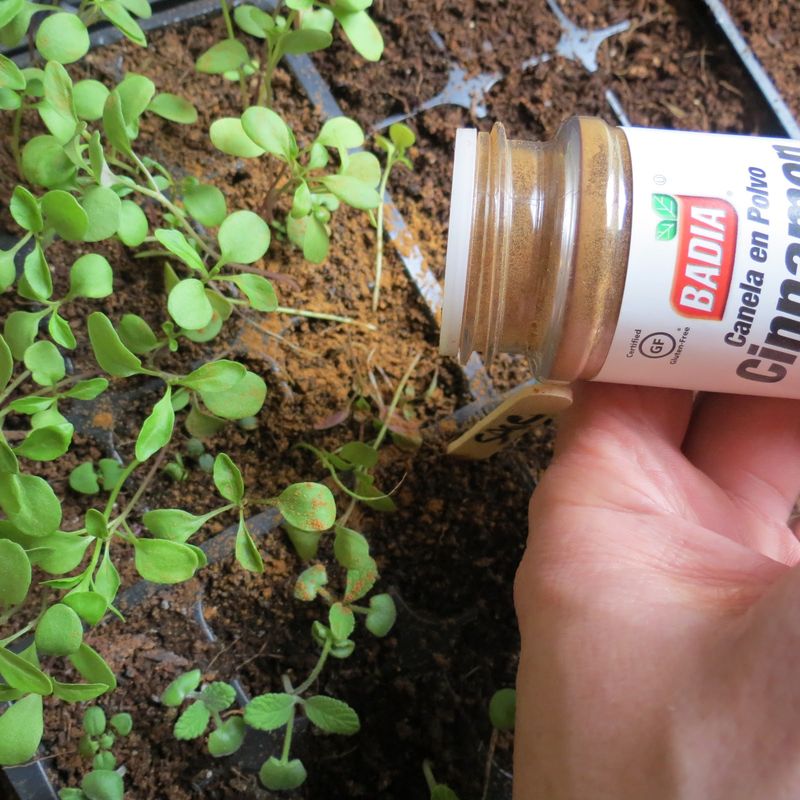
Sprinkling cinnamon on your seedlings’ soil offers a fragrant shield against damping-off disease. This common ailment, caused by fungal pathogens, can devastate young plants.
The warm, spicy aroma of cinnamon acts as a deterrent, creating a hostile environment for harmful fungi. Your seedlings will be safe, nurtured under this natural guardian.
Cinnamon’s natural properties ensure your sprouts grow strong and healthy. With this simple addition, your indoor garden will thrive, free from the threats of mold and fungal attacks. Embrace the power of cinnamon!
3. Turmeric Antifungal Spray
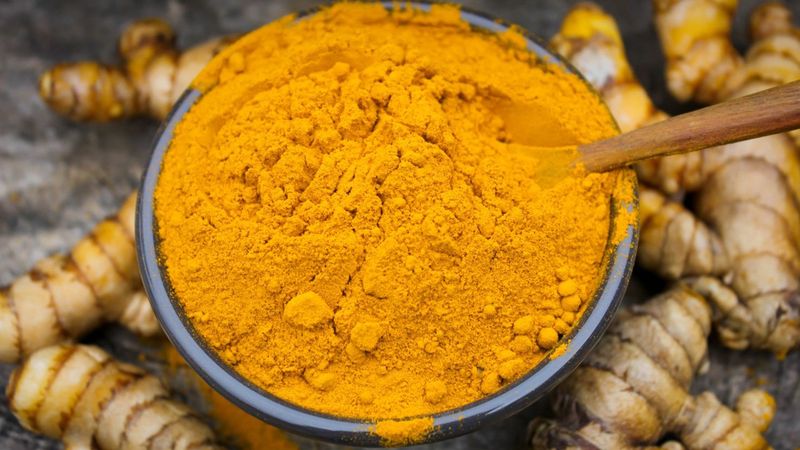
Turmeric, with its bright golden hue, isn’t just a culinary delight. It’s also a powerful antifungal agent for houseplants. Dissolve a pinch of turmeric in water and strain it into a spray bottle.
This vibrant mist helps prevent powdery mildew and root rot, two common problems for indoor plants. The turmeric-infused spray not only protects but adds a unique touch to your plant care routine.
Its subtle scent and protective properties make it a favorite among plant enthusiasts. Spritz away and watch your plants flourish with this sunny solution!
4. Clove Oil or Ground Cloves for Fungus Gnats
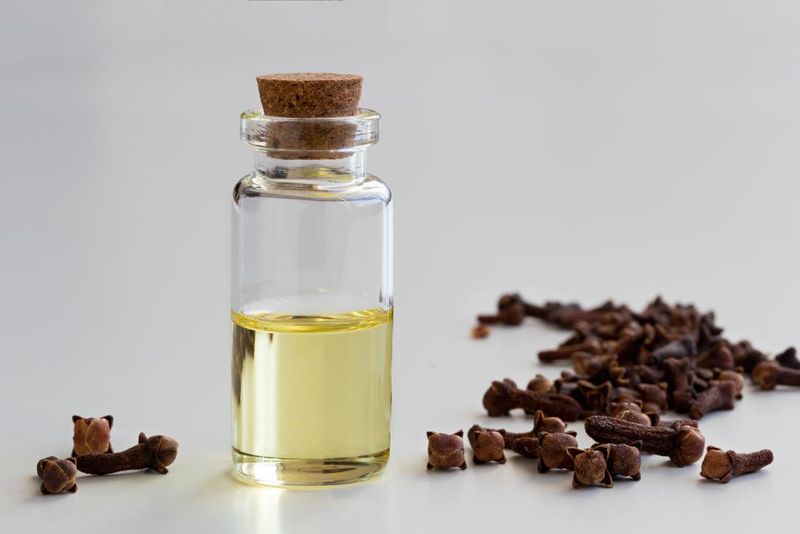
Clove oil, with its rich, spicy aroma, is a potent enemy of fungus gnats. These tiny pests can wreak havoc on your indoor plants, but clove comes to the rescue.
Mix a few drops of clove essential oil into your topsoil, or dust plain ground cloves over it. The scent drives away gnat larvae, keeping your plants safe and thriving.
Embrace this aromatic solution, and enjoy a pest-free indoor garden. Your plants will thank you, basking in the fragrant safety of cloves!
5. Chili Powder or Cayenne Pepper Barrier
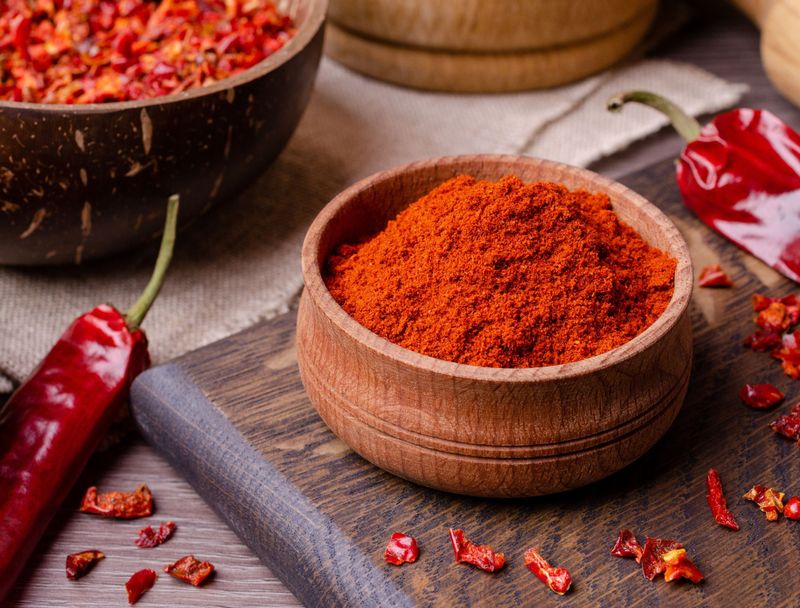
Chili powder and cayenne pepper, with their fiery kick, serve as a formidable barrier against crawling pests. Ants and slugs, common nuisances in plant care, are kept at bay with a sprinkle of these spicy powders.
The heat from chili deters these pests without harming your beloved plants. Simply sprinkle around pot rims or on the soil surface to create an effective, natural barrier.
Your houseplants will thrive, protected from unwelcome visitors. Embrace the fiery defense of chili powder and cayenne for a flourishing indoor garden!
6. Garlic Powder Pesticide
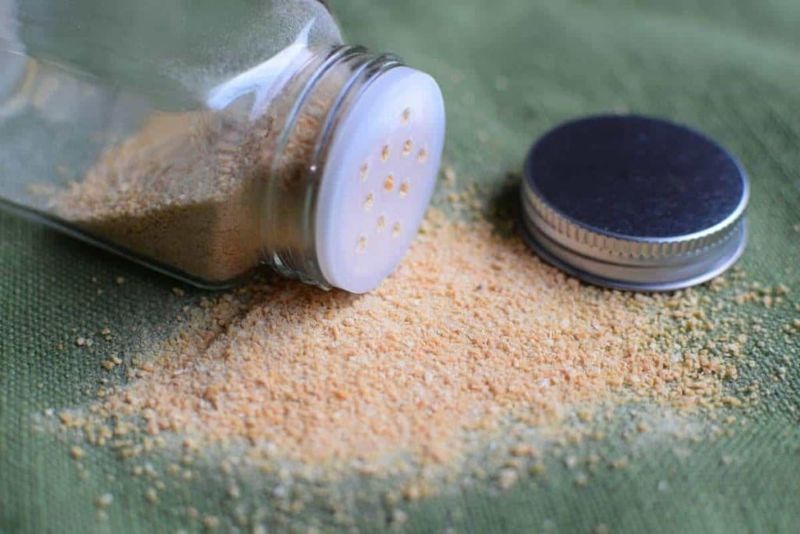
Garlic, renowned for its pungent aroma, works wonders as a natural pesticide. Stir a teaspoon of garlic powder into a quart of water and let it steep overnight.
Strain the mixture into a spray bottle and mist your plant’s foliage. This spicy concoction repels aphids and mites, two common threats to indoor plants.
Garlic powder infused water provides a protective shield, keeping your plants healthy and vibrant. The strong aroma not only defends but invigorates your plant care routine. Spray away pests with the power of garlic!
7. Black Pepper Dust for Ant Control
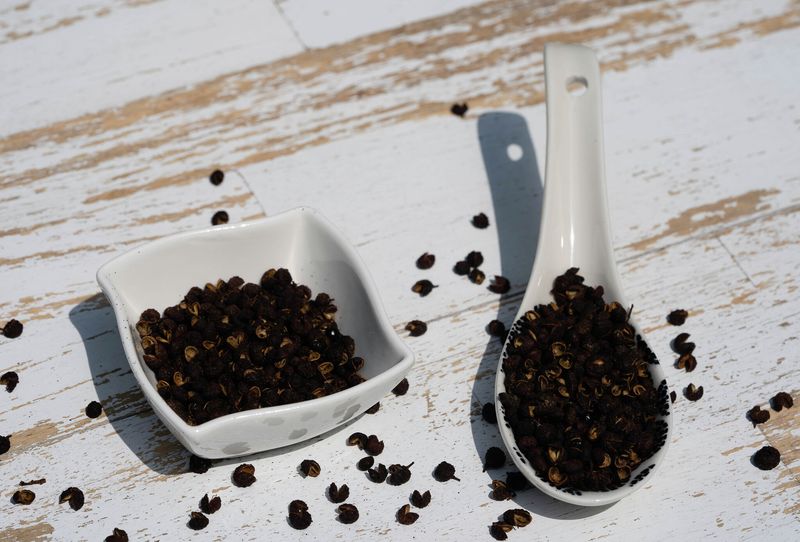
Black pepper, with its bold, spicy scent, is an excellent ant deterrent. Create a protective ring around your pots by dusting soil edges with ground black pepper.
Ants, deterred by the pungent aroma, will steer clear of your precious plants. This natural barrier is both effective and environmentally friendly.
Your indoor jungle will remain safe and thriving, free from these pesky invaders. With black pepper on guard, your plants can grow undisturbed in a peaceful, ant-free haven.
8. Peppermint Spice Sachets as Natural Repellents
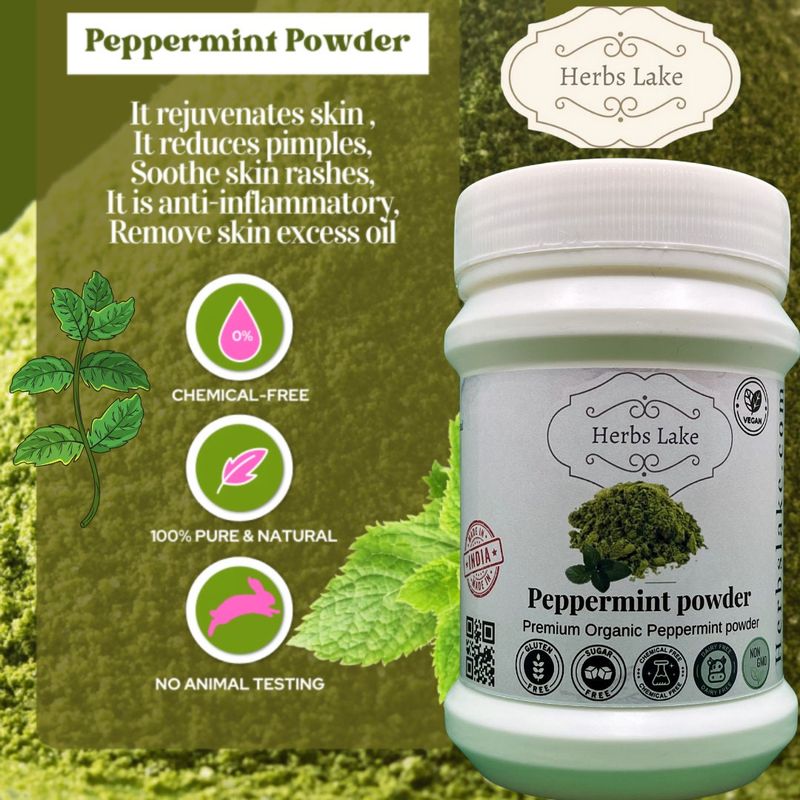
Peppermint, with its refreshing fragrance, serves as a natural repellent. Tuck small pouches of dried peppermint or mint-oil-soaked cotton around your pots.
The invigorating scent deters rodents and some insects, keeping your indoor garden safe and serene. Peppermint’s fresh aroma not only protects but adds a pleasant fragrance to your home.
Your houseplants will thrive, surrounded by this minty safeguard. Transform your indoor garden into a fragrant sanctuary with the help of peppermint spice sachets!
9. Onion-Skin “Tea” Fertilizer
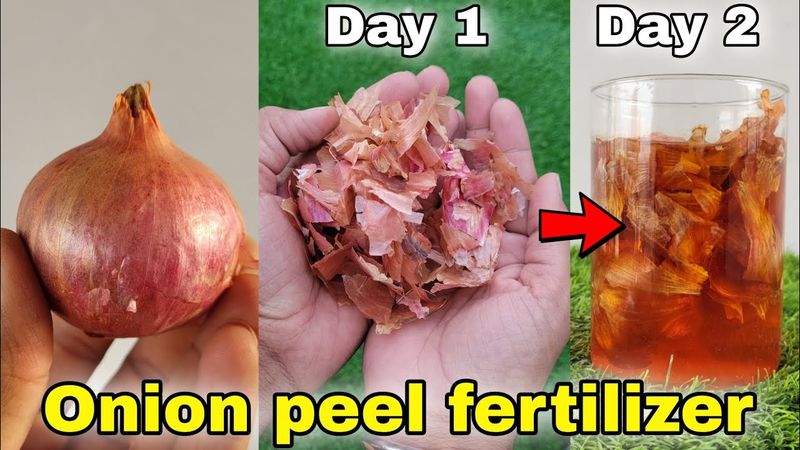
Onion skins, often discarded, hold a secret power as a potent fertilizer. Boil the skins, let the infusion cool, then strain and use it as a soil drench.
Rich in micronutrients and sulfur, this onion-skin “tea” nourishes your plants, promoting strong, healthy growth. The nutrients seep into the soil, invigorating your indoor garden.
This homemade fertilizer is both simple and sustainable, turning waste into a valuable resource. Watch your plants flourish with this nutrient-rich elixir!
10. Ginger Slices in the Soil for Propagation
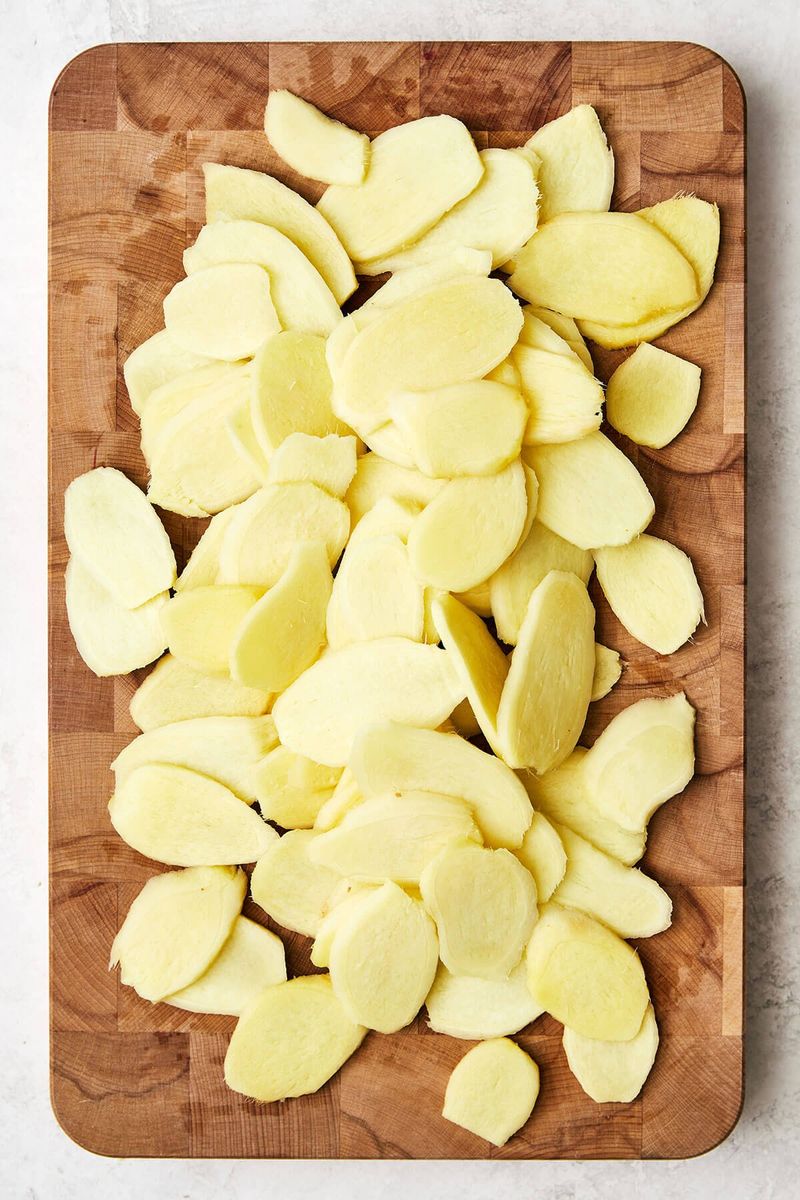
Ginger, with its warm, comforting aroma, is more than just a kitchen staple. Bury thin ginger slices near the base of cuttings to encourage root development.
The natural auxins found in ginger promote faster callusing and rooting, aiding successful propagation. This spicy addition acts as a nurturing companion for young plants.
Your cuttings will thrive, supported by ginger’s gentle, yet effective properties. Transform your propagation process with this aromatic ally and watch your indoor garden grow.