 Complete Gardening
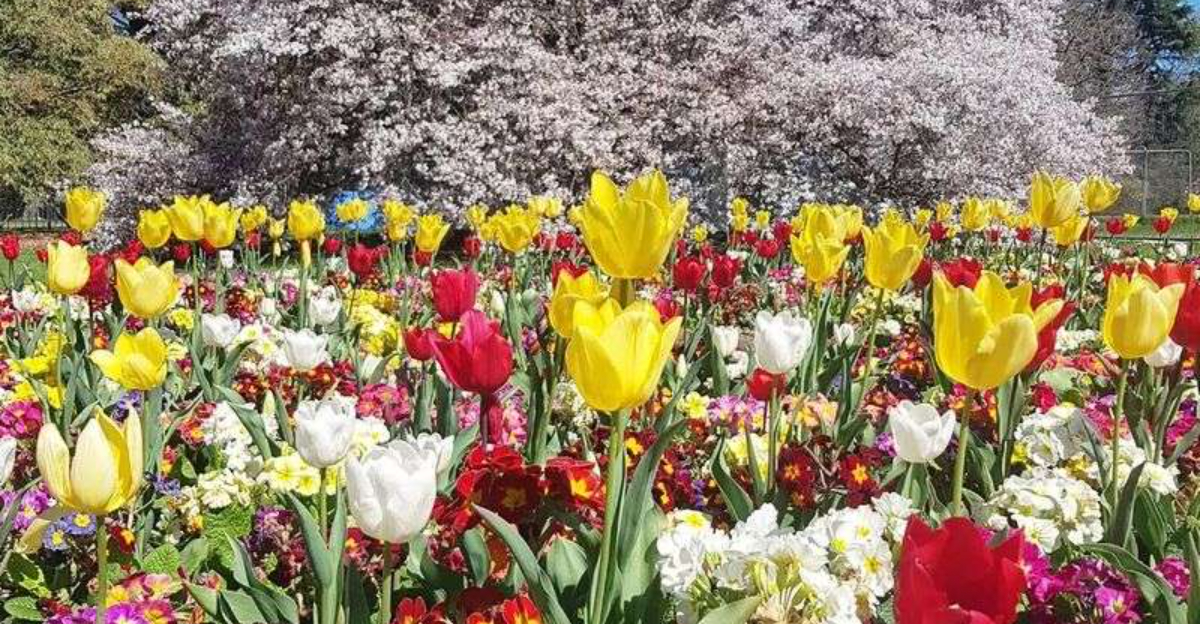
Public gardens are often seen as peaceful sanctuaries where nature can be admired and appreciated. However, some plants are so coveted that they become targets for theft. In this article, we explore 23 plants that are frequently stolen from public gardens worldwide, highlighting the allure and rarity that make them irresistible to some. From exotic orchids to ancient cycads, these plants represent a diverse array of botanical treasures.
1. Venus Flytrap (Dionaea muscipula)
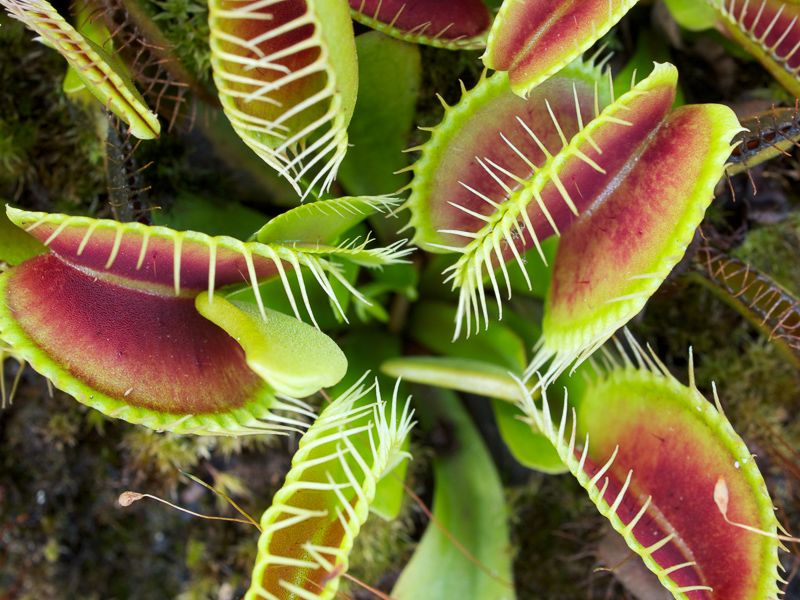
The Venus Flytrap, native to North Carolina, has fascinated garden visitors with its carnivorous antics. This unique plant snaps its hinged leaves shut to capture unsuspecting insects, making it a standout in any collection.
Unfortunately, its scarcity and decline have made it a prime target for poachers. In North Carolina, several individuals faced felony charges for stealing these wild plants.
The Venus Flytrap’s allure lies in its dramatic feeding mechanism, but this very trait may also spell its doom if conservation efforts fail. It’s a plant that captivates both the imagination and the unethical desires of thieves.
2. World’s Smallest Water Lily (Nymphaea thermarum)
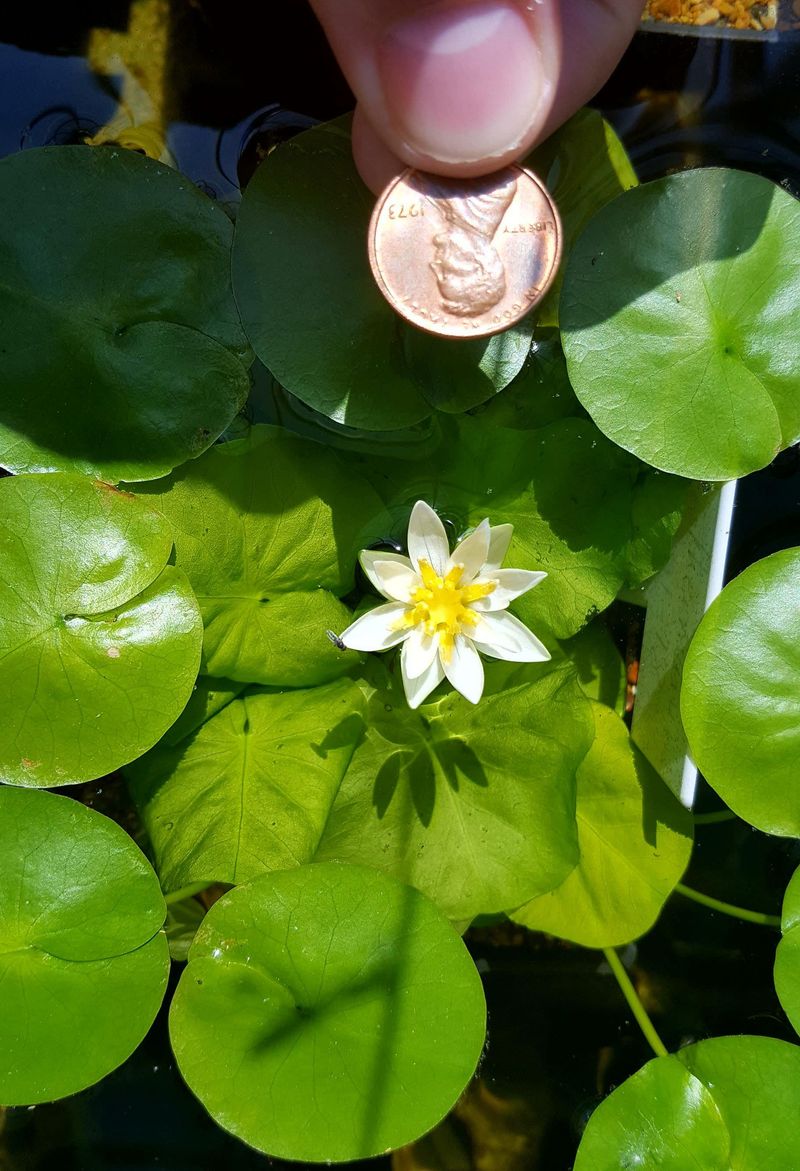
The World’s Smallest Water Lily, Nymphaea thermarum, is a botanical marvel that has captured the hearts of many. Its petite stature and exquisite flowers make it highly desirable.
In 2014, a bud was stolen from Kew Gardens’ Princess of Wales Conservatory. This theft threatened the survival of a species already on the brink of extinction.
The lily’s allure is undeniable, yet its fragility and rarity require protection. Its theft underscores the challenges faced by conservationists trying to preserve this natural wonder for future generations.
3. Summer Lady’s Tresses Orchid (Spiranthes aestivalis)
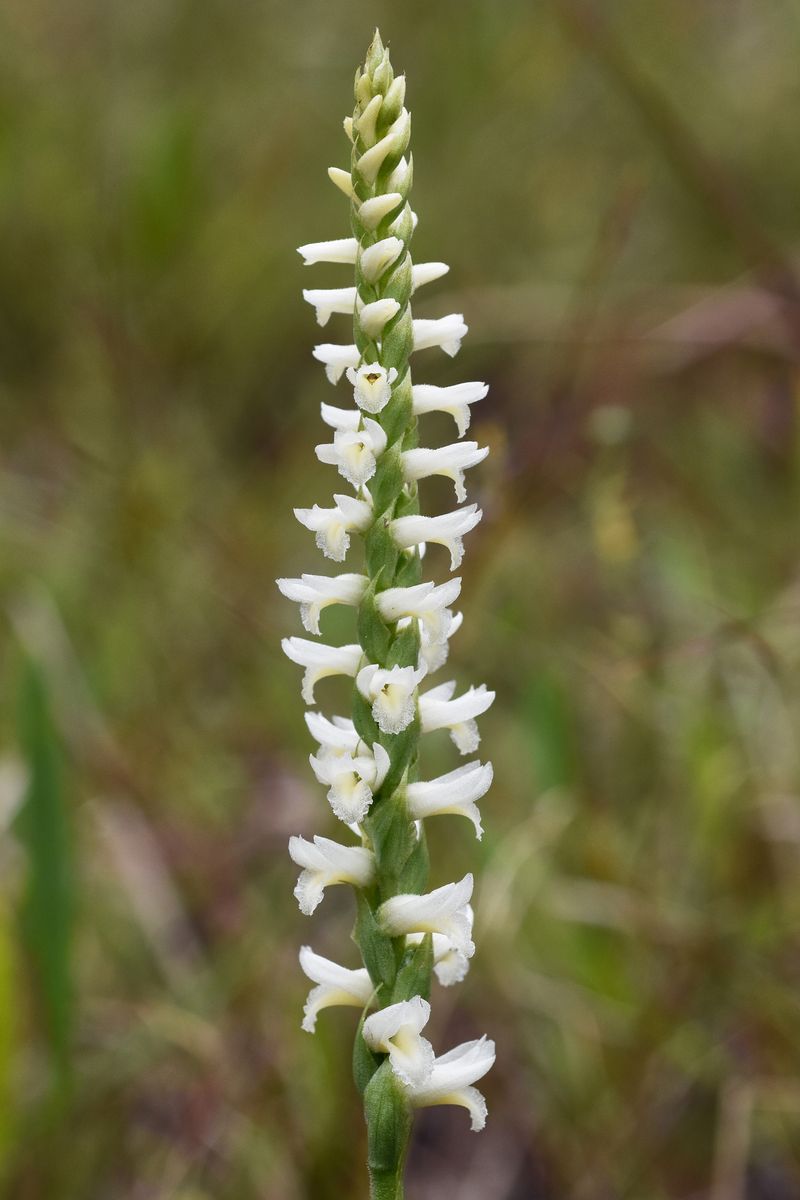
The Summer Lady’s Tresses Orchid is a symbol of ethereal beauty with its spiraling blooms that elegantly dance in the breeze.
In 1956, the last known British specimen was taken from Hampshire’s New Forest. Since then, it hasn’t recovered, leaving a void in the local ecosystem.
This orchid’s allure lies in its simple elegance and the challenge it poses to conservationists. Its disappearance is a poignant reminder of the delicate balance required to protect native flora from both human greed and environmental challenges.
4. Lady’s Slipper Orchid (Cypripedium calceolus)
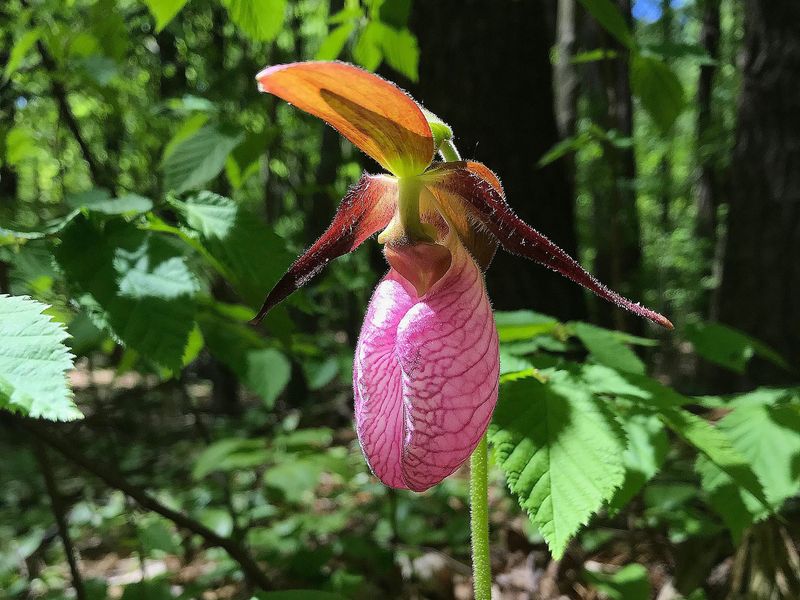
The Lady’s Slipper Orchid is a botanical jewel, revered for its unique, shoe-shaped flowers that attract both pollinators and admirers.
Once driven to local extinction by Victorian collectors, this orchid continues to vanish from public collections when it blooms.
Its beauty is both a blessing and a curse, as it fascinates plant enthusiasts and tempts thieves alike. Efforts to protect this rare orchid highlight the ongoing struggle to preserve biodiversity in the face of human desire and ecological fragility.
5. Paphiopedilum vietnamense
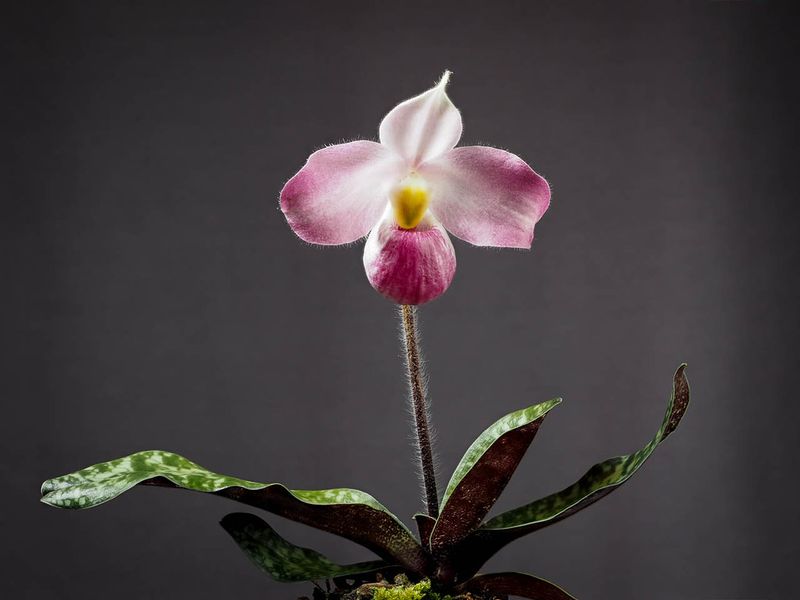
Paphiopedilum vietnamense is a rare orchid species that stands out with its elegant slipper-shaped blooms, making it a coveted addition to any collection.
This plant surfaced illegally on the U.S. market before trade permits existed, accelerating its decline in the wild.
Its allure is intertwined with its rarity and unique beauty. Conservationists continue to battle against illegal trade, striving to protect this delicate species from disappearing entirely. The story of Paphiopedilum vietnamense is a cautionary tale about the impact of human greed on precious natural resources.
6. Cardinal Wild Pine (Tillandsia fasciculata)
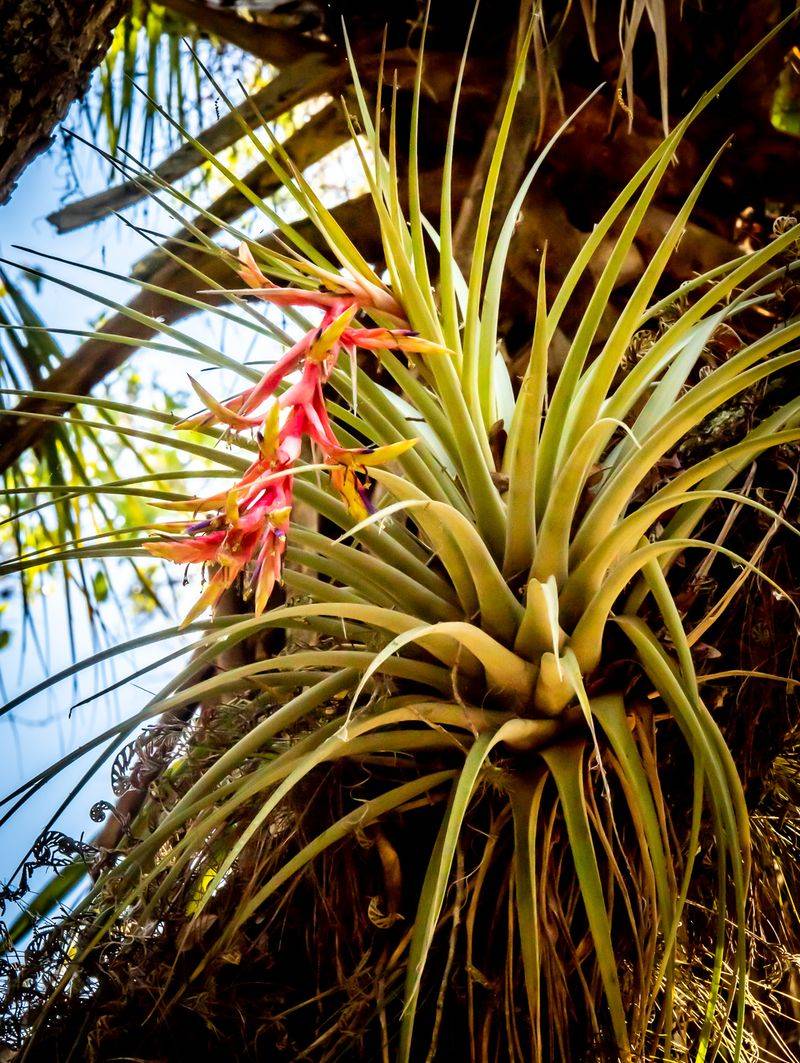
The Cardinal Wild Pine is a striking air plant native to Florida, known for its vibrant red bracts and ability to thrive in swampy habitats.
Unfortunately, its appeal has made it a target for poachers who seek to sell it in the ornamental plant trade. Endangered by such activities, its presence in public gardens is continuously threatened.
This plant’s beauty and adaptability are both its strengths and vulnerabilities. Efforts to protect it highlight the ongoing battle against poaching and the need for conservation awareness.
7. Reflexed Wild Pine (Tillandsia balbisiana)
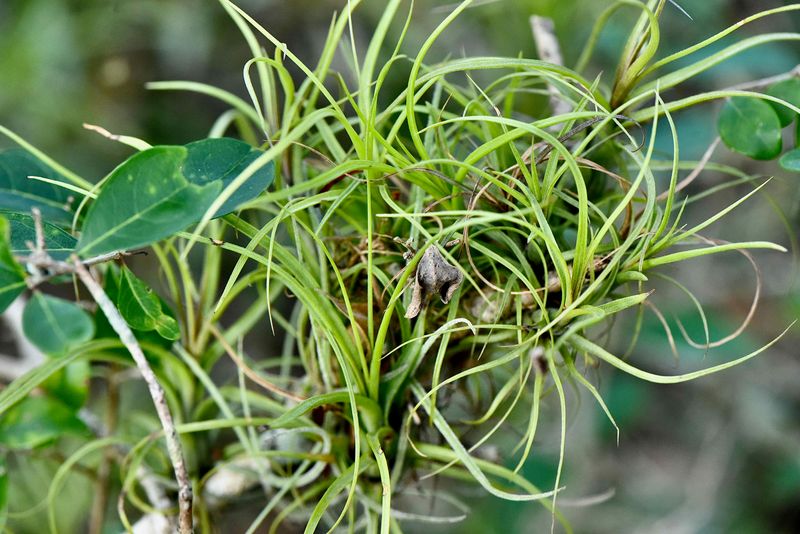
The Reflexed Wild Pine, with its gracefully bending leaves, is a Florida native that captures the essence of tropical allure.
Targeted by thieves in locations like the Loxahatchee National Wildlife Refuge, these bromeliads are sought after on the black market for their unique appearance.
The plant’s charm lies in its architectural beauty and resilience. However, the constant threat of theft challenges conservationists to protect this native gem from disappearing from its natural habitat.
8. Common Ball Moss (Tillandsia recurvata)
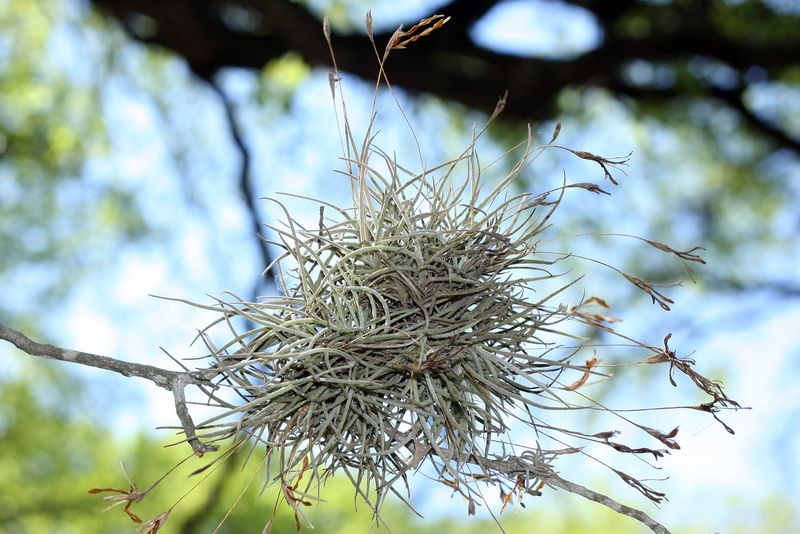
Common Ball Moss is an unassuming yet fascinating plant that often adorns trees with its spherical clusters.
Its easy-care nature and epiphytic habit make it a popular target for those seeking to add a touch of greenery to their spaces.
Despite its common appearance, Ball Moss contributes to the biodiversity of public parks and gardens. Unfortunately, it frequently falls victim to theft, threatening its role in local ecosystems. Conservation efforts aim to educate the public on its ecological importance and curb illegal collection.
9. Wood’s Cycad (Encephalartos woodii)
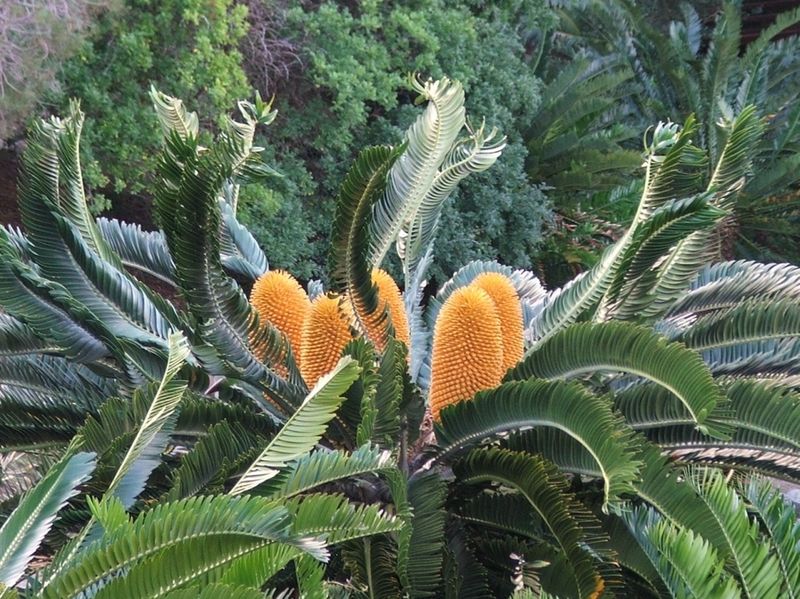
Wood’s Cycad, often referred to as a ‘living fossil,’ is a singular wonder in the plant kingdom, as only a lone male exists.
Its theft from Kirstenbosch Gardens in a $35,000 heist underscores its desirability and rarity. Such incidents highlight the challenges faced by botanical collections in safeguarding these ancient plants.
The cycad’s story is one of resilience and vulnerability, as it stands alone in the world. Efforts to protect it focus on raising awareness and preventing further loss of this irreplaceable natural treasure.
10. Other Rare Cycad Species
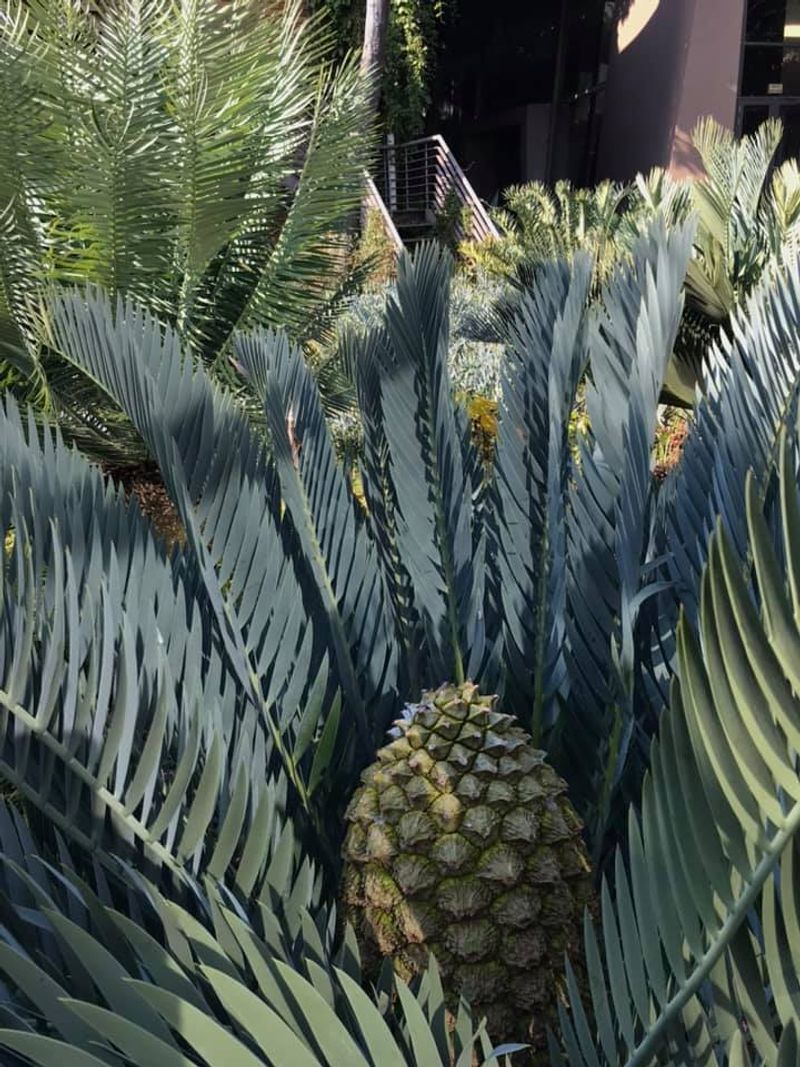
Rare cycad species are living links to prehistoric times, captivating both scientists and plant enthusiasts with their ancient lineage.
Botanical gardens worldwide report repeated thefts due to their slow growth and high value. These plants are often targets for collectors seeking to own a piece of botanical history.
Conservationists emphasize the importance of protecting these unique species to preserve biodiversity. Their theft is a stark reminder of the ongoing battle to safeguard our natural heritage from human exploitation.
11. Saguaro Cactus (Carnegiea gigantea)

The Saguaro Cactus, an emblem of the American Southwest, stands tall and proud in the arid desert landscape.
Unfortunately, these majestic giants are often uprooted by poachers from locations like Saguaro National Park. Their impressive stature makes them coveted by international collectors.
The Saguaro’s charm is its iconic silhouette, yet it requires decades to reach full maturity. Conservation efforts focus on education and enforcement to prevent illegal collection and ensure these desert sentinels continue to thrive.
12. Shimpaku Juniper Bonsai (Juniperus chinensis var. sargentii)
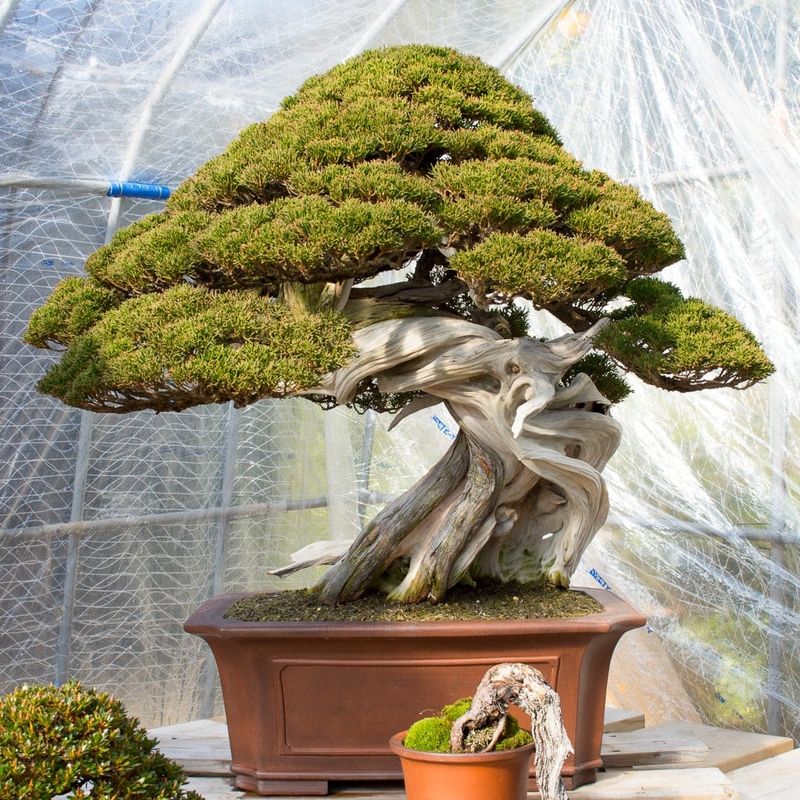
The Shimpaku Juniper Bonsai is a testament to the artistry and patience involved in bonsai cultivation.
In Saitama, Japan, centuries-old bonsai, including a 400-year-old Shimpaku, were stolen from a master’s open garden. Such thefts represent a substantial loss to both cultural heritage and horticultural art.
These bonsai are living sculptures, embodying a balance between nature and human creativity. Their allure lies in their intricate form and historical significance, making them irresistible to both enthusiasts and thieves.
13. American Ginseng (Panax quinquefolius)
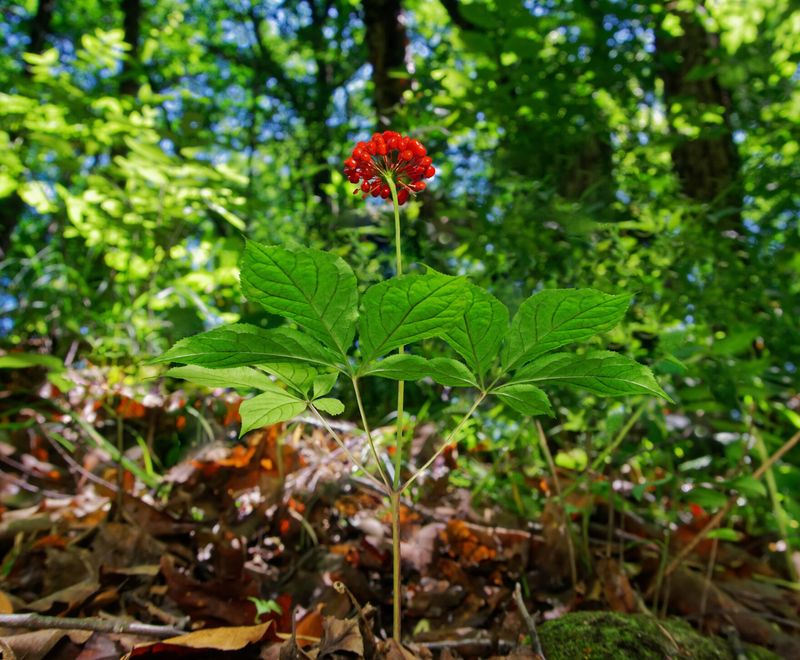
American Ginseng, prized for its medicinal properties, grows wild in the shaded forests of Appalachia.
The lucrative traditional-medicine market drives illegal digging of its roots, threatening its survival in the wild. This demand persists despite conservation efforts.
Ginseng’s allure is its reputed health benefits, yet its future depends on sustainable harvesting practices. Protecting this natural remedy requires balancing cultural traditions with modern conservation strategies.
14. Snowdrops (Galanthus nivalis)
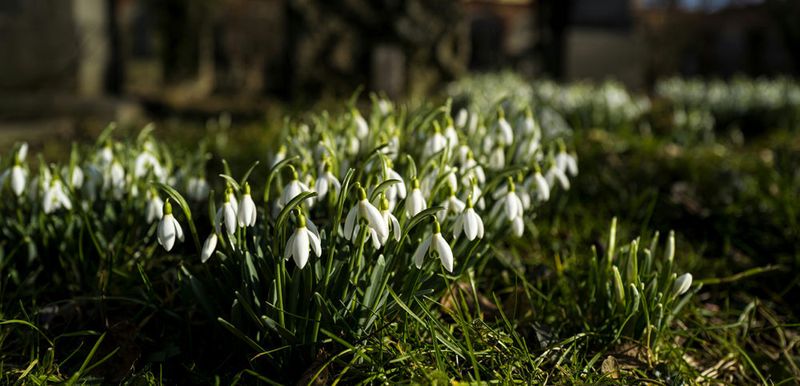
Snowdrops are the harbingers of spring, offering a delicate display of nodding white flowers that brighten the winter-worn landscape.
In Ballard Water Meadow, Hampshire, clumps of these bulbs were uprooted and stolen, leaving gaps in their natural display.
Their gentle beauty and early bloom make them a seasonal favorite, yet their frequent theft threatens local biodiversity. Conservation efforts aim to educate the public on their ecological importance and discourage illegal collection.
15. Agapanthus (Agapanthus spp.)
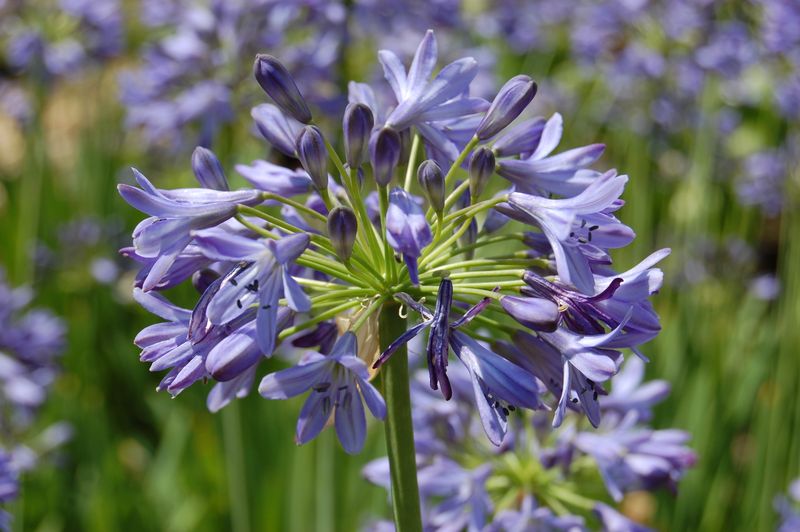
Agapanthus, with its architectural elegance and vibrant blue clusters, is a favorite in public gardens.
At Kew Gardens, these plants have vanished almost overnight, prompting staff to secure their borders. The theft of such plants disrupts the visual harmony of garden landscapes.
Agapanthus’s charm is its bold color and structure, making it a prized target for garden enthusiasts and thieves alike. Protecting these plants requires vigilance and community awareness.
16. Hybrid Succulent Cultivars (e.g., Echeveria hybrids)
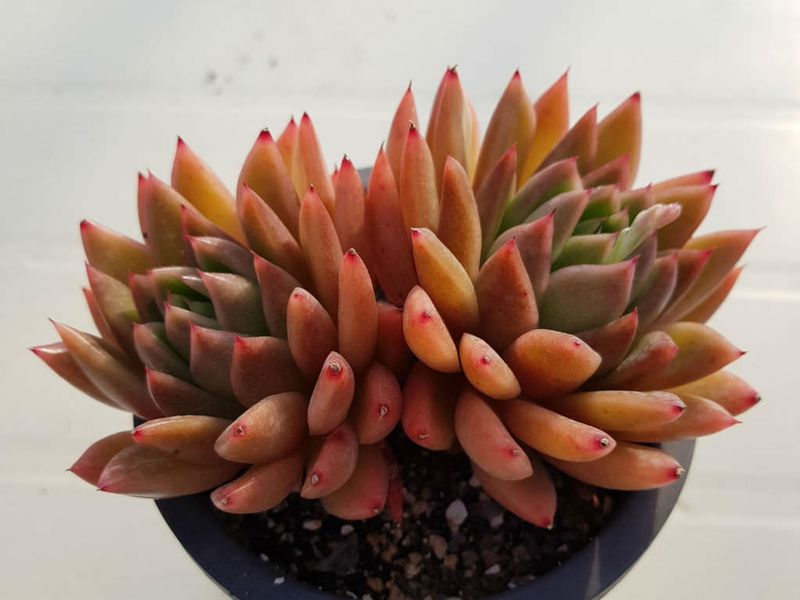
Hybrid Succulent Cultivars, particularly Echeveria hybrids, are a vibrant addition to any collection with their varied shapes and colors.
These horticulturally created succulents are frequently targeted at major botanical collections like Huntington’s. Their theft highlights the challenges in safeguarding hybrid varieties.
Their visual appeal is undeniable, yet their protection depends on increased security measures and public education on the importance of preserving horticultural diversity.
17. Orchids (Various Genera)
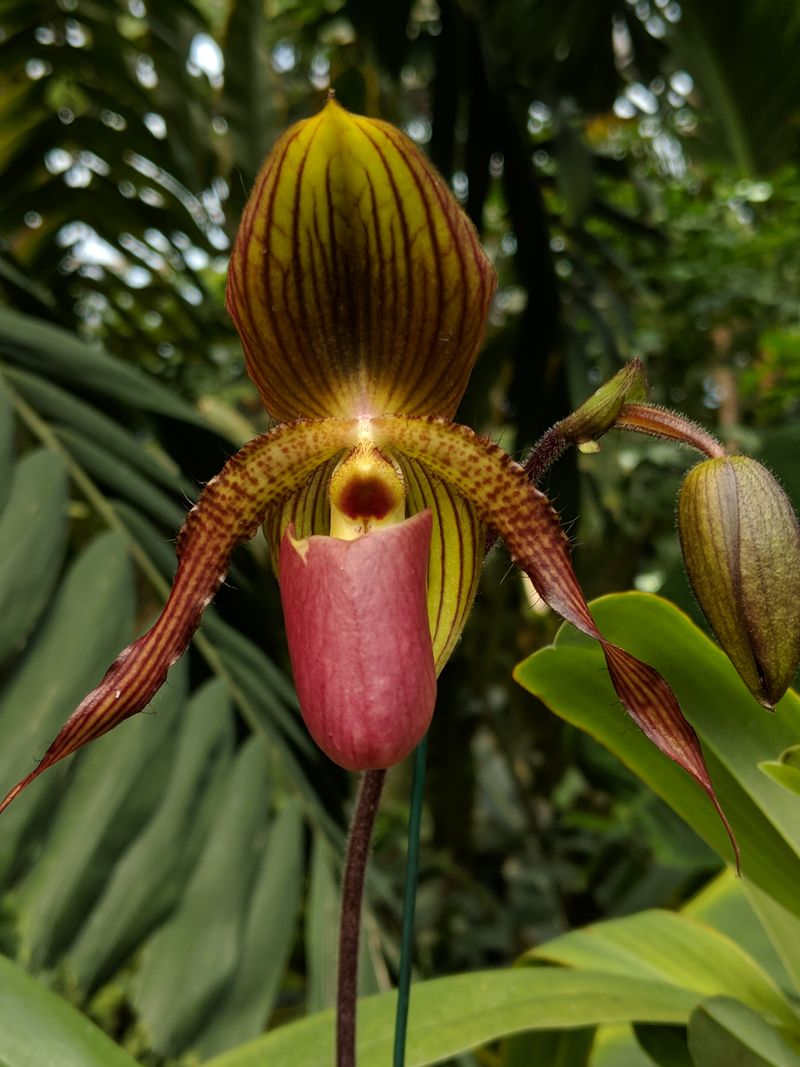
Orchids, with their exotic allure and variety, are often stolen from greenhouses for the black market.
High-value species are particularly at risk, as seen at Huntington Botanical Gardens. These thefts represent a significant threat to conservation and research efforts.
The orchid’s beauty is its biggest draw, but it requires careful cultivation and protection. Ongoing efforts focus on security and raising public awareness to prevent the loss of these botanical treasures.
18. Alpine Plants (e.g., Saxifraga spp.)
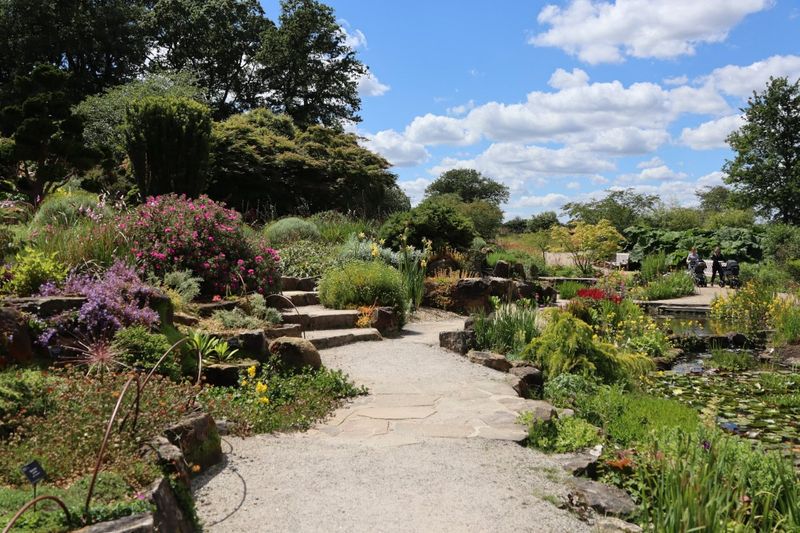
Alpine Plants, like the Saxifraga species, are adapted to harsh conditions and known for their delicate beauty.
At Wisley Gardens, repeated poaching attempts led to increased security, including wiring and alarms for their alpine-house specimens.
These plants’ resilience and charm make them a favorite among gardeners and collectors. Protecting them requires innovative security measures and public education on the importance of preserving alpine biodiversity.
19. Tulips (Tulipa spp.)
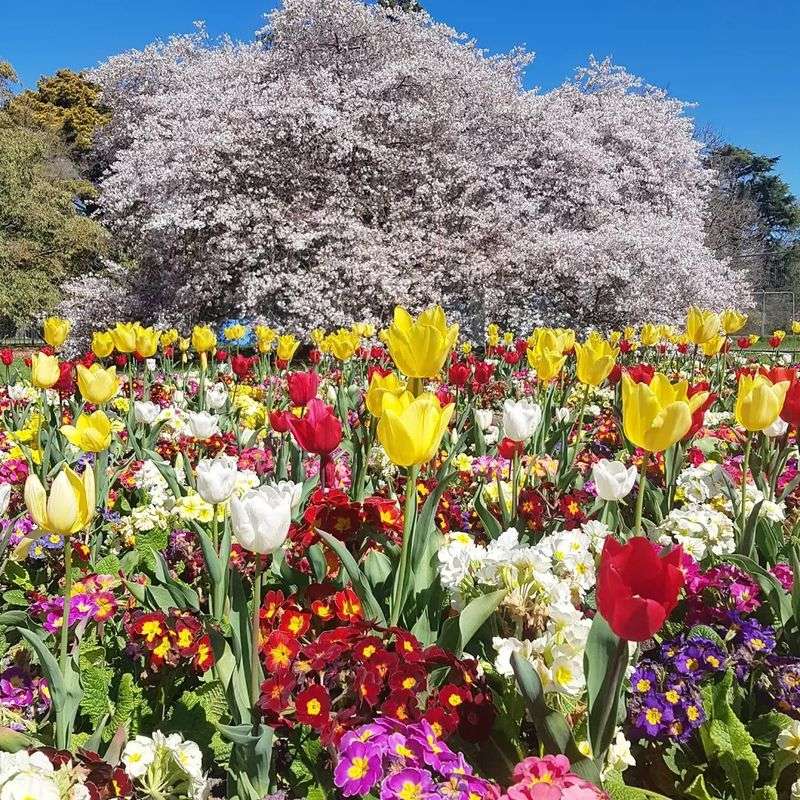
Tulips, with their vivid colors and elegant forms, are a staple of spring gardens worldwide.
Unfortunately, in places like Christchurch Botanical Gardens, entire displays have been snatched overnight, prompting a reevaluation of planting strategies.
Their allure lies in their simplicity and beauty, making them a perennial favorite. However, their theft underscores the need for community involvement and awareness in protecting public displays.
20. Daffodils (Narcissus spp.)
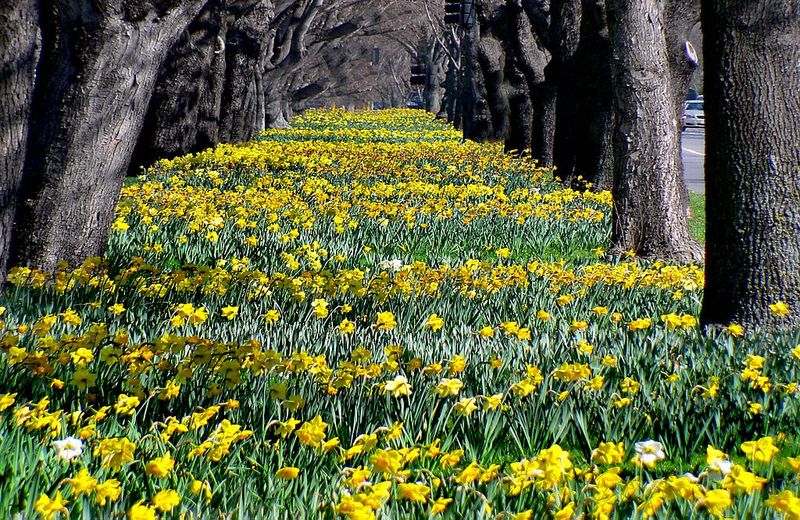
Daffodils, with their cheerful yellow blooms, are symbols of renewal and hope in many public gardens.
In Christchurch, bucket-loads have been pilfered, prompting public appeals to leave them be. Such thefts disrupt the visual enjoyment and ecological balance of these areas.
Their charm is their vibrant color and association with spring, but protecting them requires community cooperation and awareness. Efforts to preserve daffodils focus on public education and conservation strategies.
21. Lilac (Syringa vulgaris)
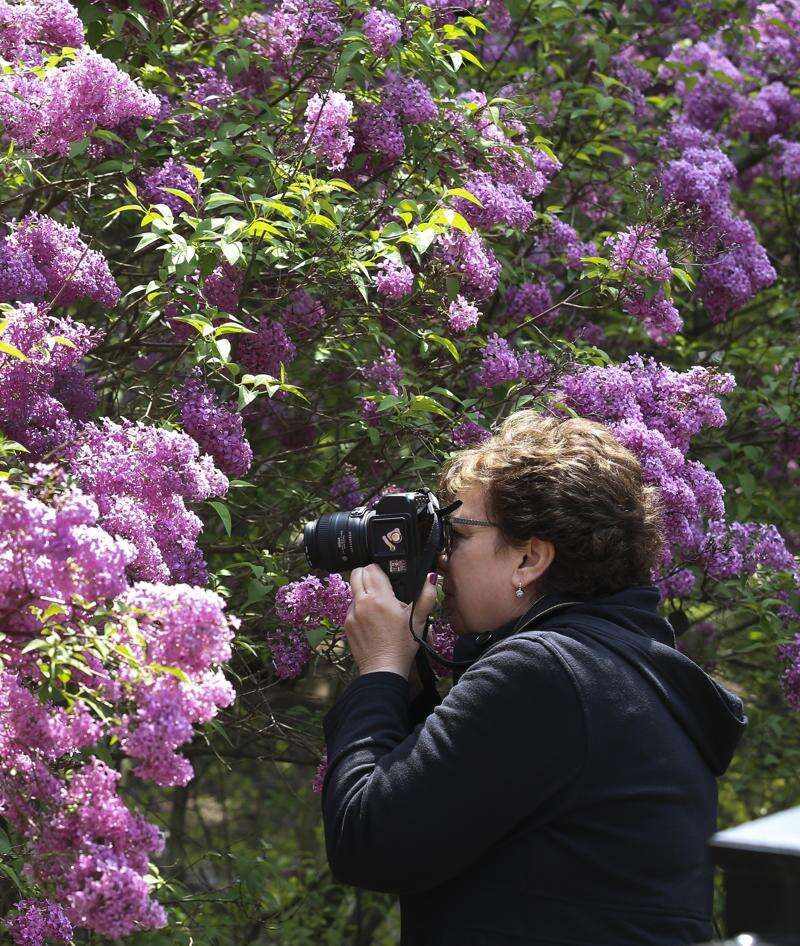
Lilacs are celebrated for their intoxicating fragrance and lush blooms, making them a beloved feature in public hedges.
Unfortunately, their blooms and cuttings are often taken before reaching peak bloom, depriving others of their beauty.
The plant’s sensory appeal is a strong draw, yet its protection relies on public respect and awareness. Conservation efforts aim to foster appreciation for these fragrant classics while ensuring their continued presence in public spaces.
22. Annual Bedding Plants (Petunias & Begonias)
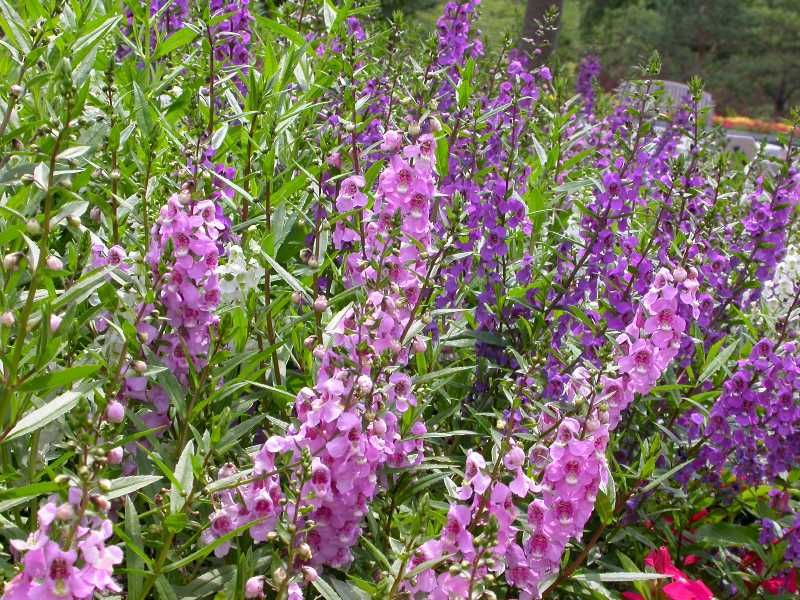
Annual Bedding Plants, such as petunias and begonias, offer vibrant seasonal displays that brighten public parks.
Nearly 200 are stolen each year from Tower Grove Park, disrupting the planned arrangements and efforts of horticultural staff.
Their vivid colors and ease of care make them appealing, yet their theft undermines community enjoyment. Protecting these floral displays requires vigilance and a shared commitment to preserving public beauty.
23. Tropical Display Plants (e.g., Canna lilies, Elephant ears)
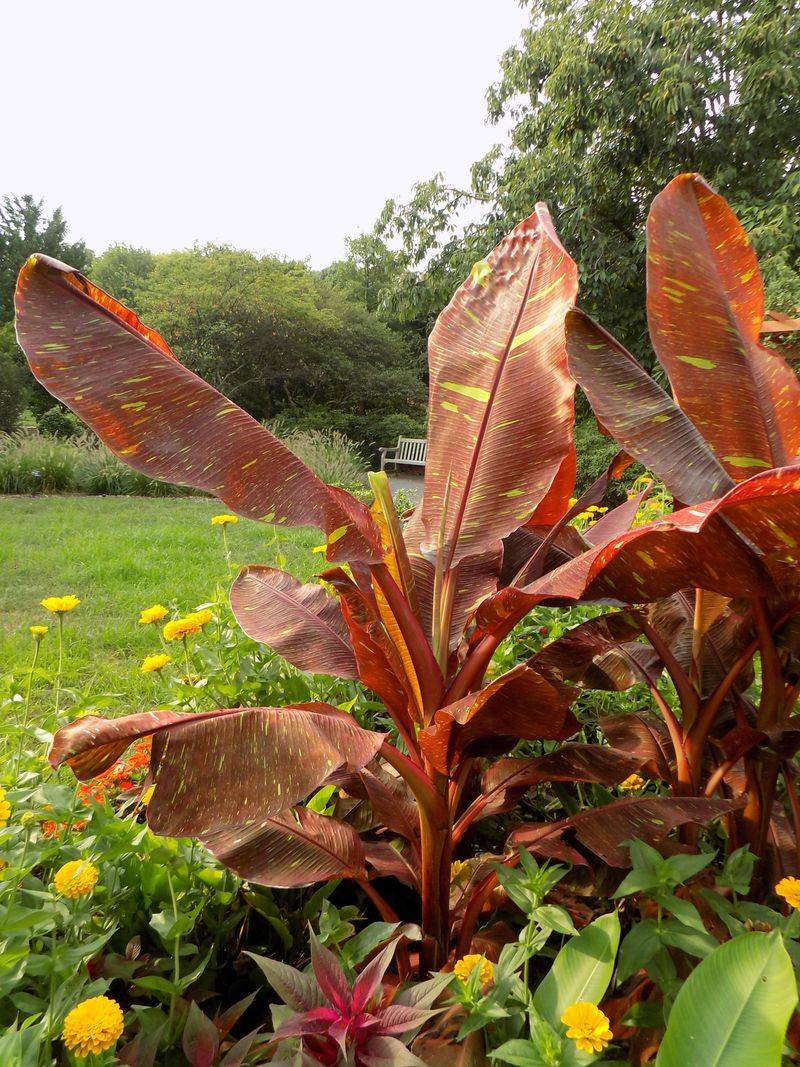
Tropical Display Plants, including Canna lilies and Elephant ears, bring a touch of the exotic to public gardens.
Up to 350 vanish yearly from Tower Grove Park’s greenhouse, highlighting the challenges in protecting these captivating displays.
Their tropical allure and dramatic appearance are both enticing and vulnerable to theft. Conservation efforts focus on security and fostering a sense of community stewardship to preserve these vibrant tropical displays.