 Complete Gardening
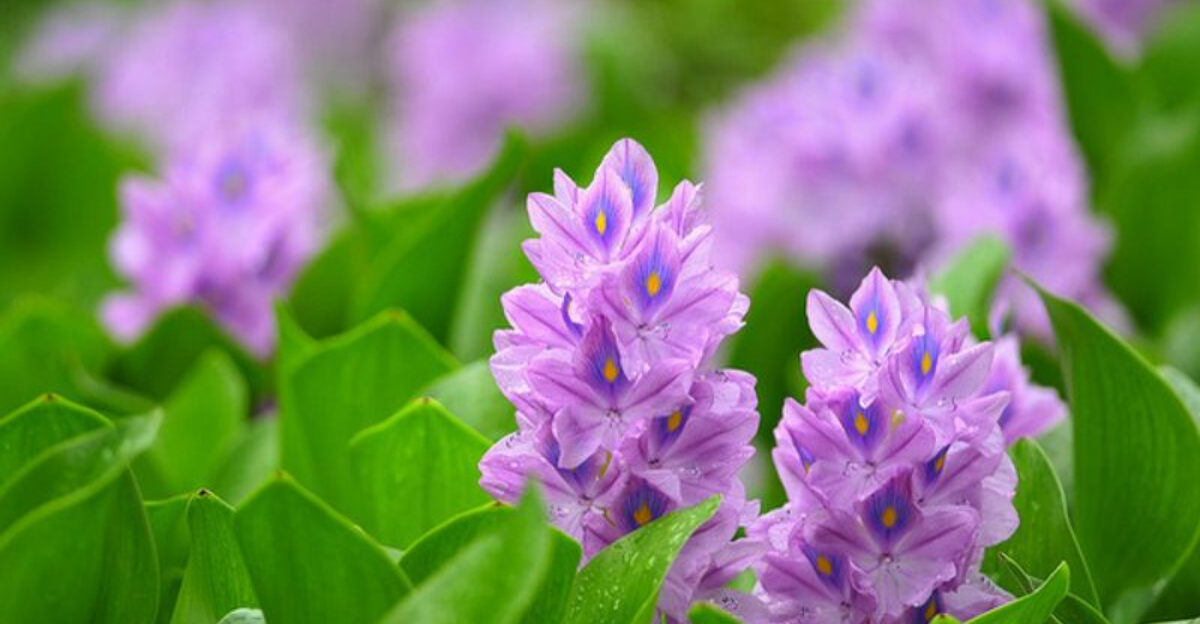
In the world of gardening, some perennials are deemed too disruptive to local ecosystems and are therefore illegal to plant in certain U.S. states. This list details 20 such perennials, each with unique characteristics and legal restrictions.
1. Japanese Knotweed (Fallopia japonica)
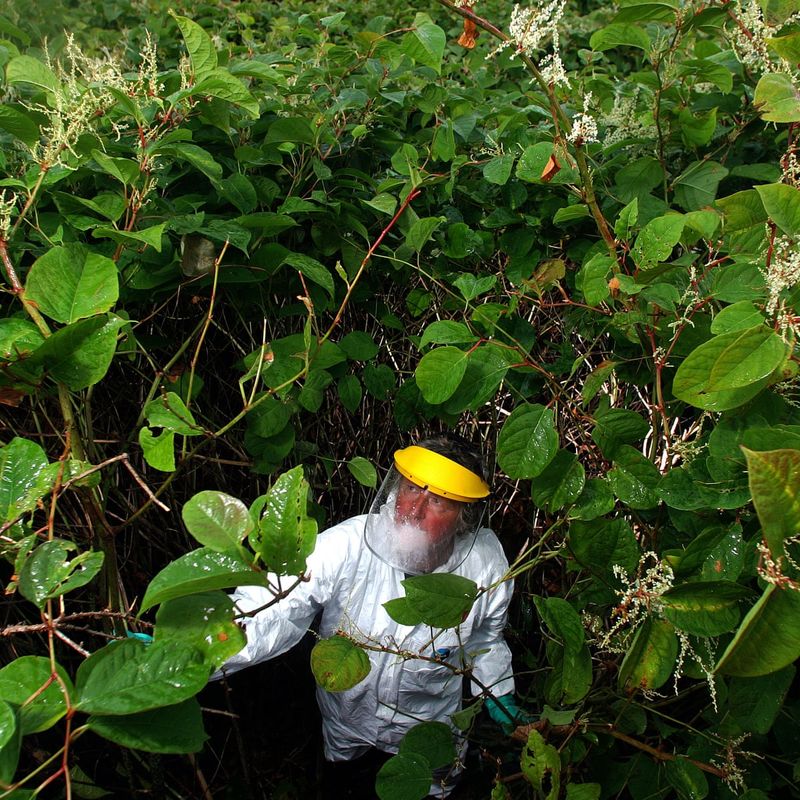
Japanese Knotweed is notorious for its tenacious nature. This vigorous perennial herb can break through asphalt and concrete, forming dense thickets that choke out native vegetation. It’s prohibited in Michigan and controlled in states like Oregon and Washington. In Japan, it’s a symbol of resilience, but in the U.S., its invasive habit makes it a legal target. Gardeners should resist its allure, as it can spread rapidly and cause ecological havoc. Instead, consider native alternatives that provide similar structural beauty without the environmental impact.
2. Kudzu (Pueraria montana)
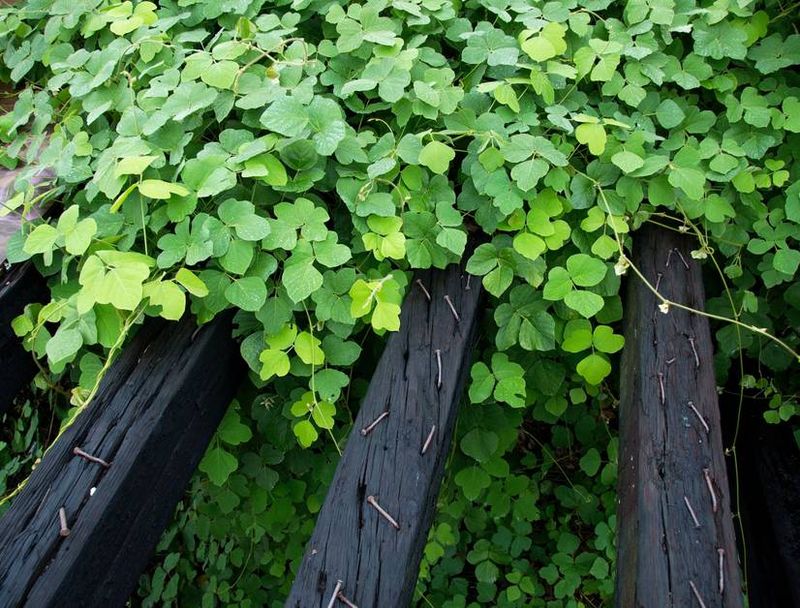
Once admired for its rapid growth, Kudzu became infamous as “the vine that ate the South.” Originating from Asia, this climbing plant is now classified as a noxious weed in several Southern states, including Alabama and Mississippi. Its ability to smother trees and landscapes makes it a botanical nightmare. Kudzu’s blanket of greenery can be appealing, but it devastates local ecosystems and is banned from sale and planting in many areas. Instead of Kudzu, explore native vines that harmonize with local flora without overwhelming it.
3. Cogongrass (Imperata cylindrica)
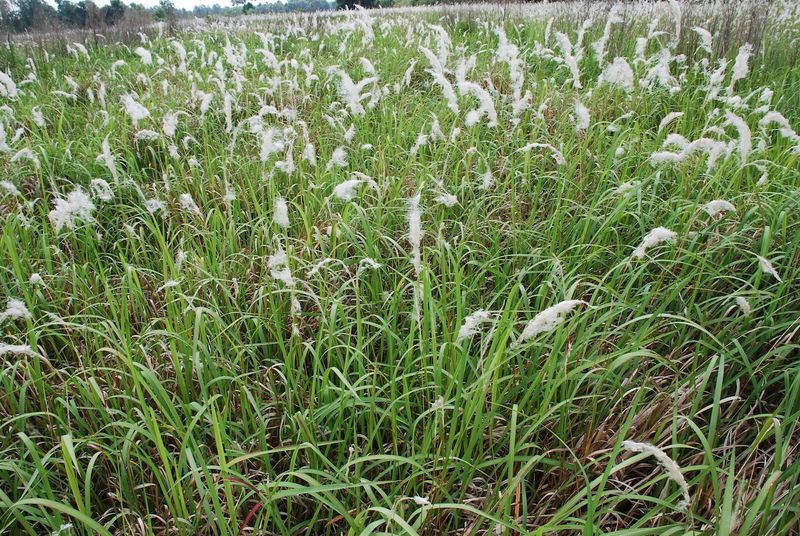
Cogongrass is more than just a nuisance; it’s a fire hazard. This invasive grass spreads through rhizomes, choking out other vegetation and increasing wildfire risks. States like Alabama and Georgia have banned its sale and cultivation. Its fluffy white tops might look innocuous, but don’t be fooled; Cogongrass can take over landscapes rapidly. Firefighters and ecologists alike dread its presence due to the danger it poses. Opt for native grasses that support local wildlife and reduce fire risks instead.
4. Chinese Privet (Ligustrum sinense)
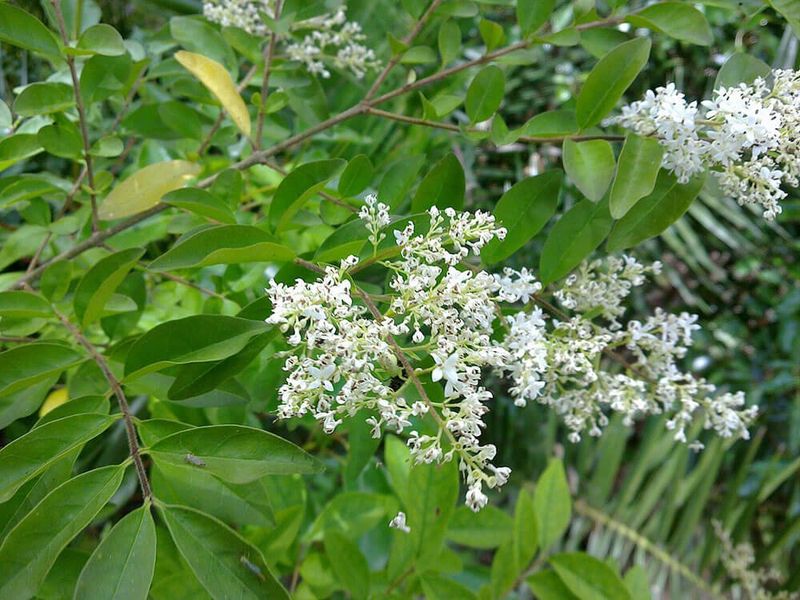
Chinese Privet might seem like the perfect hedge plant, but its ability to outcompete native species is a problem. This shrub forms dense thickets, particularly in Southern states like Georgia and Texas, where it’s prohibited. Its small white flowers are attractive, but they lead to prolific seed production, allowing it to spread aggressively. If you need a privacy hedge, consider native shrubs that provide the same benefits without the invasive repercussions. Protecting local ecosystems begins with mindful planting choices.
5. Canada Thistle (Cirsium arvense)
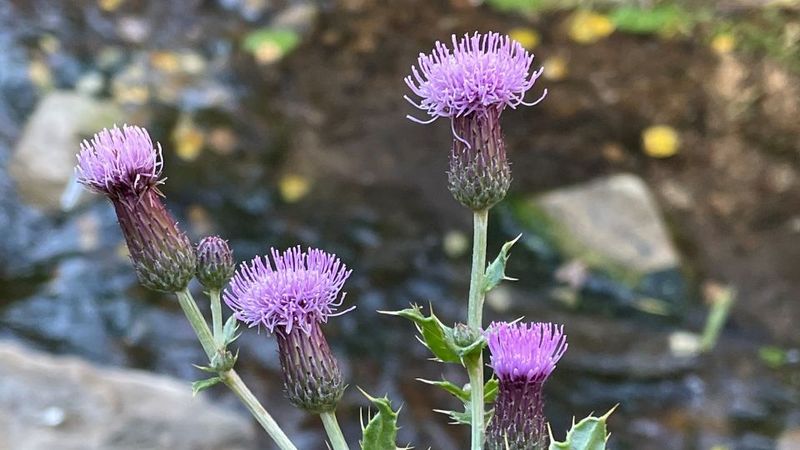
Despite its unassuming name, Canada Thistle is a formidable adversary for farmers and naturalists. This perennial weed spreads aggressively through its roots, damaging crops and pastures. States like Michigan and Washington maintain stringent controls against it. Its spiny leaves deter wildlife and its purple flowers, though pretty, aren’t enough to justify its ecological costs. Gardeners can help by choosing thistle-like native plants that support local pollinators without the aggressive spread.
6. Fig Buttercup (Ficaria verna)
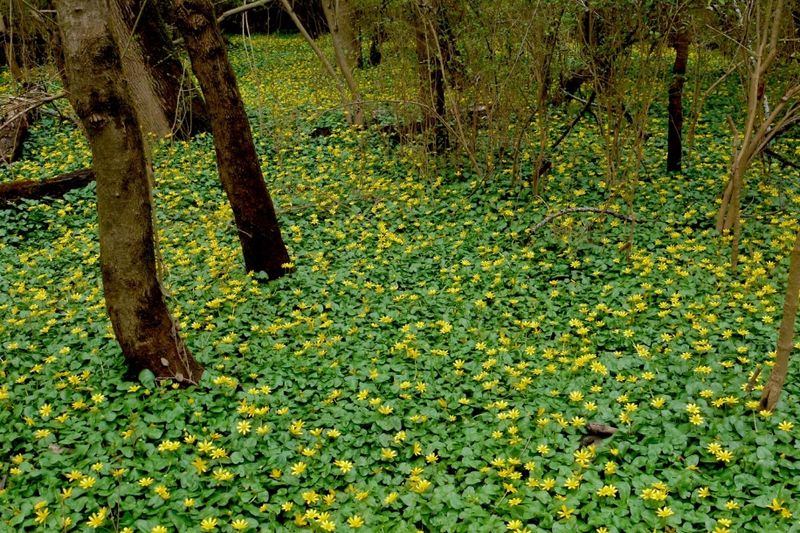
Fig Buttercup, also known as Lesser Celandine, is a springtime invader with a charming appearance. Its golden-yellow flowers create a carpet that smothers native woodland plants. States like Connecticut and Massachusetts have banned it due to its ecological impact. Despite its beauty, it poses a significant threat to biodiversity by monopolizing resources. Gardeners should opt for native wildflowers that provide early spring color and support native insect populations, fostering a healthier ecosystem.
7. Water Hyacinth (Eichhornia crassipes)
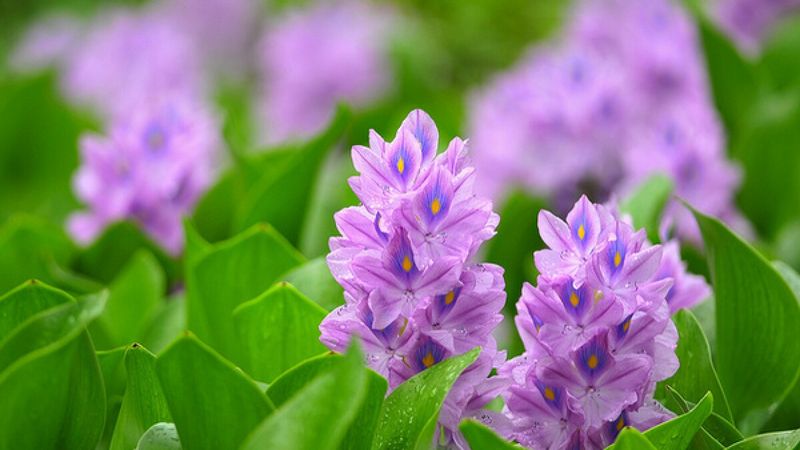
Water Hyacinth’s striking flowers and floating leaves make it a popular choice for water gardens, but it quickly becomes a headache. This aquatic plant forms dense mats that reduce oxygen levels in water bodies, harming aquatic life. Banned in states like Florida and Texas, it requires strict regulation due to its rapid spread. Instead of Water Hyacinth, consider native aquatic plants that enhance water quality and support local wildlife, maintaining the ecological balance of ponds and waterways.
8. Parrot’s Feather (Myriophyllum aquaticum)
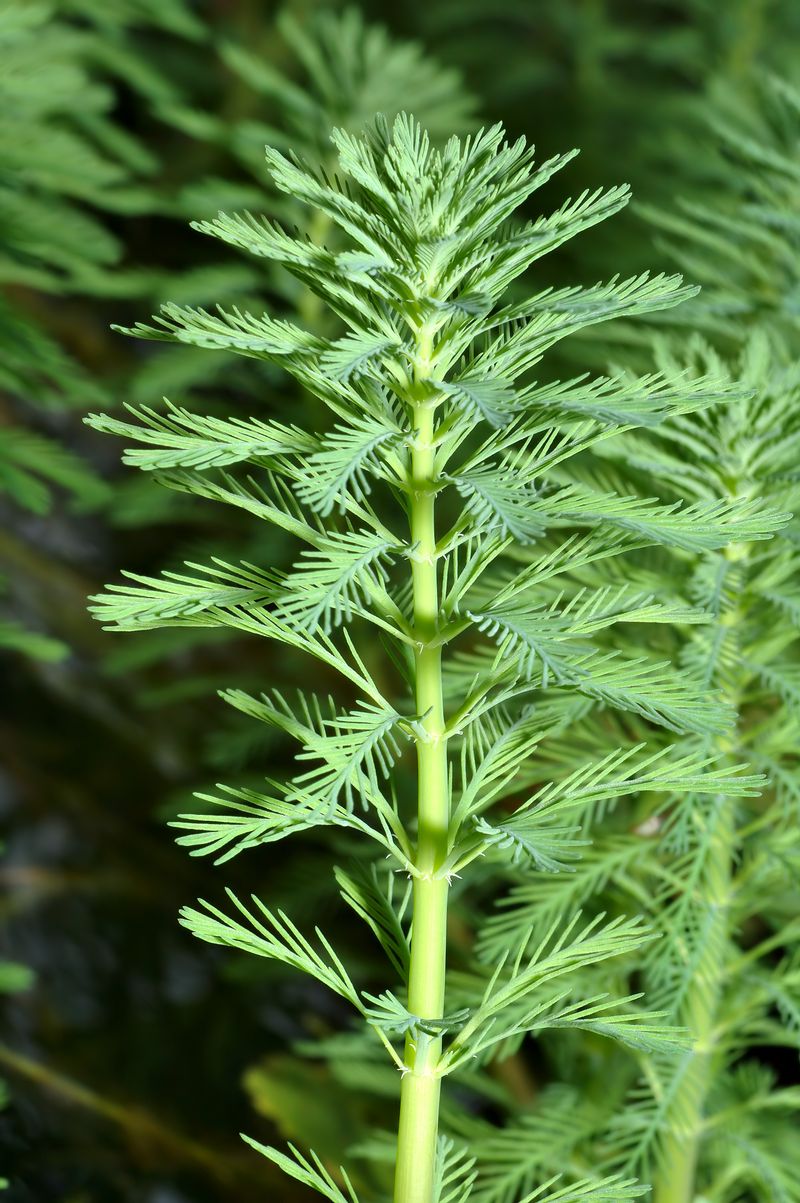
Parrot’s Feather is an ornamental delight that turns into an ecological nuisance. This aquatic plant spreads through stem fragments, overtaking ponds and choking out other water vegetation. States like California and Illinois have prohibited its import due to its invasive potential. Its lush, feathery appearance is tempting for water features, but the risks outweigh the rewards. Gardeners can keep water gardens vibrant by choosing non-invasive aquatic plants that complement native ecosystems, ensuring balanced growth and diversity.
9. Water Lettuce (Pistia stratiotes)
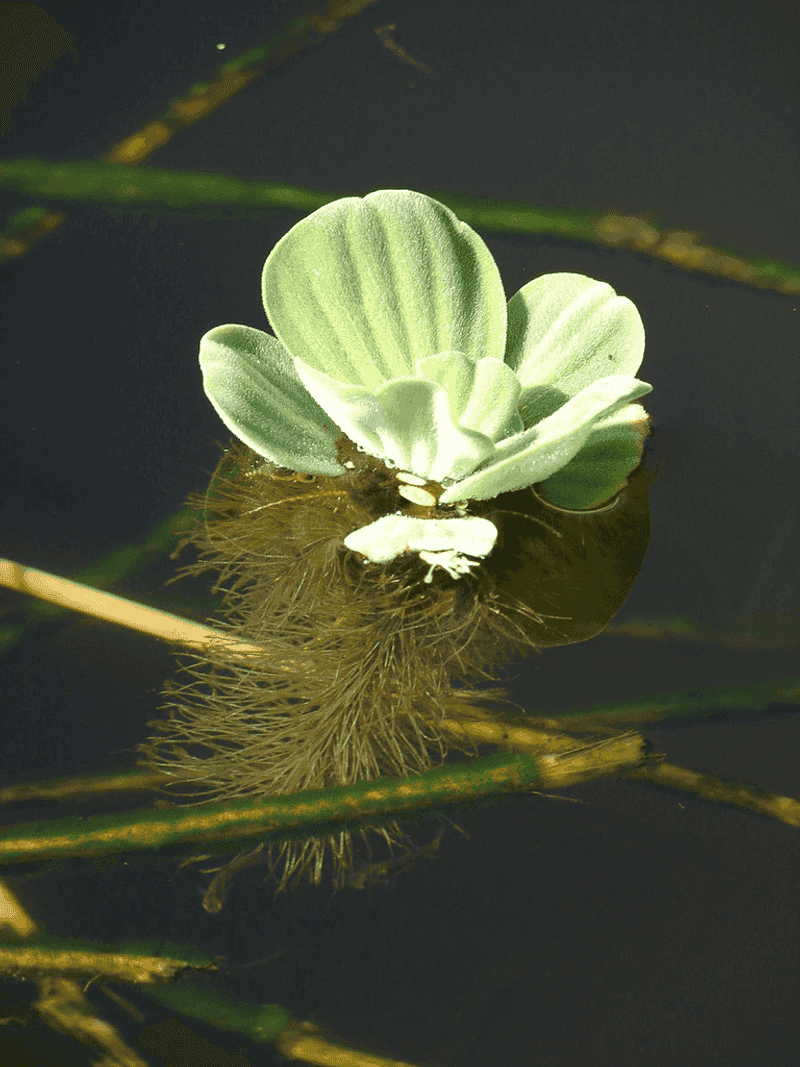
Water Lettuce is a floating plant that creates a picturesque scene but can quickly clog waterways. Its thick mats hinder boat traffic and reduce biodiversity, leading to its prohibition in states like Florida and California. Although its velvety, rosette-shaped leaves are visually appealing, its impact on water systems is detrimental. To maintain healthy aquatic environments, opt for native floating plants that offer habitat for local wildlife and contribute positively to the ecosystem dynamics.
10. Yellow Flag Iris (Iris pseudacorus)
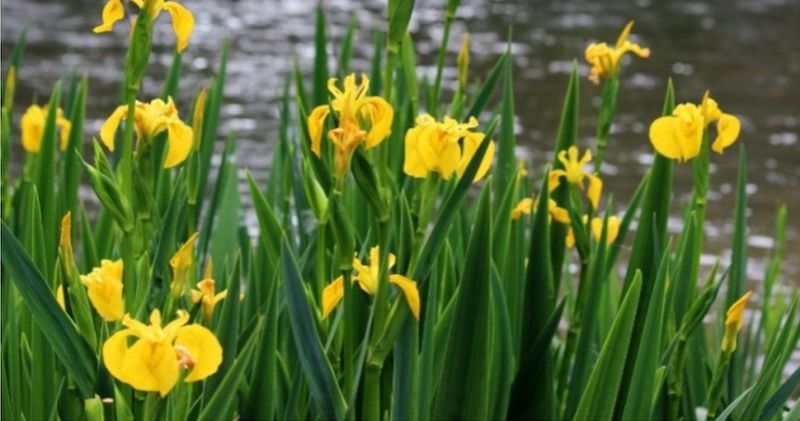
Yellow Flag Iris is known for its showy yellow flowers and tall, sword-like leaves, but its invasive nature puts wetland ecosystems at risk. Banned in Illinois, it forms dense stands that block water flow and compete with native species. Its beauty is deceptive, as it can spread aggressively, disrupting habitats. For gardeners seeking striking blooms, native irises offer similar aesthetic appeal without the ecological threat. Supporting wetland diversity means choosing species that harmonize rather than compete with local flora.
11. Giant Hogweed (Heracleum mantegazzianum)
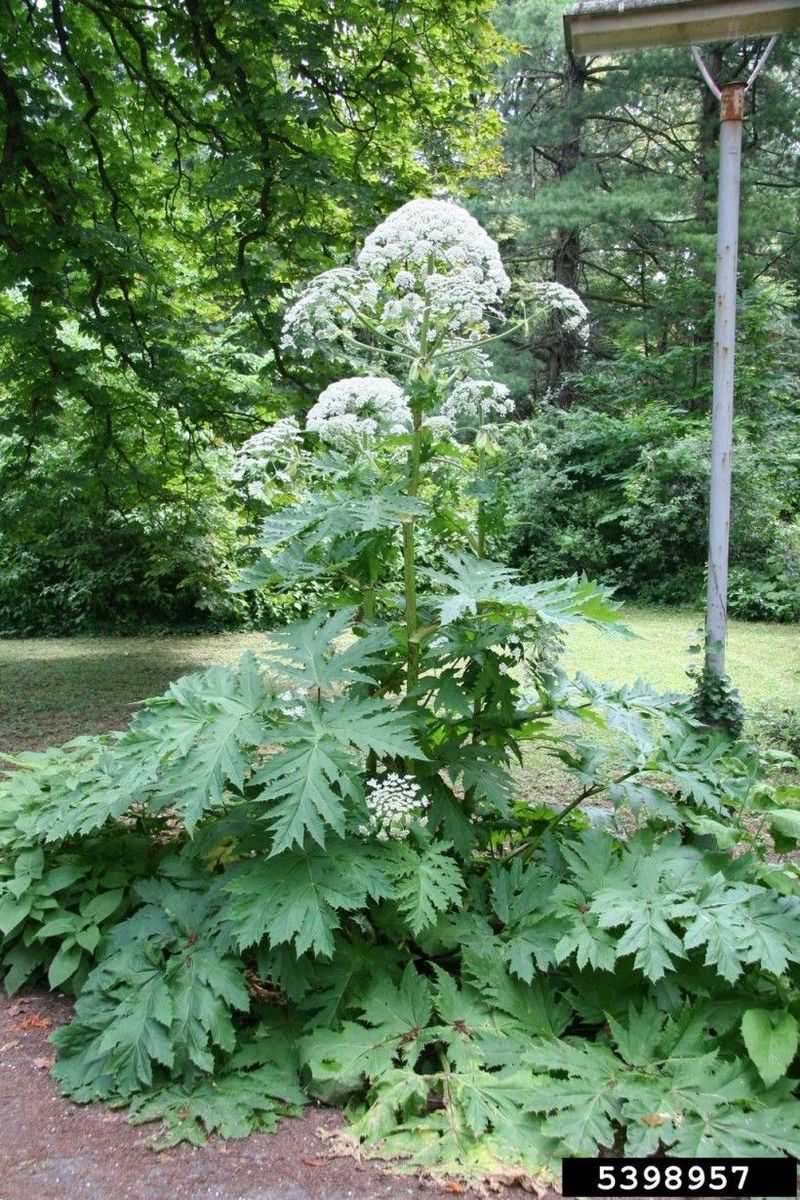
Giant Hogweed is not just an invasive plant; it’s a public health concern. Contact with its sap can cause severe skin burns and sensitivity to sunlight. Federally listed as a noxious weed, it’s prohibited in states like New York and Ohio. Though its towering white flower clusters are visually impressive, the risks it poses to humans and ecosystems are significant. Gardeners should avoid this perilous plant and opt for giant perennials with similar dramatic flair but without the health hazards.
12. Purple Loosestrife (Lythrum salicaria)
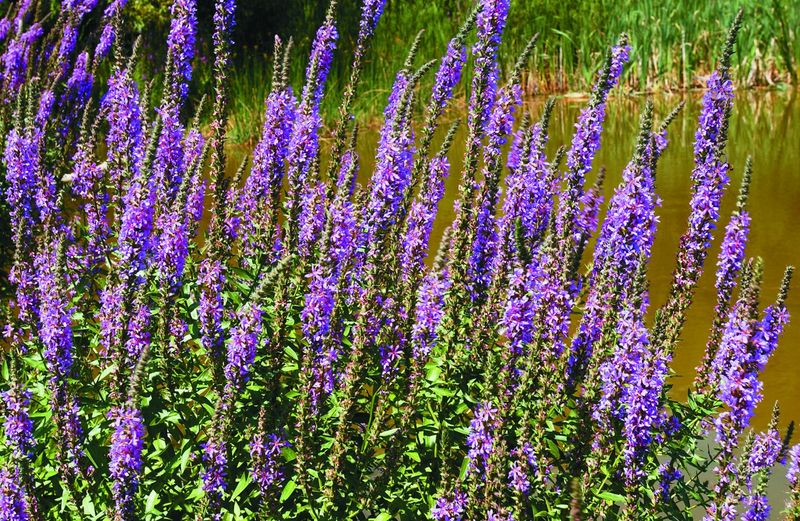
Purple Loosestrife dazzles with vibrant spikes of magenta flowers, yet it’s a formidable foe for wetlands. It outcompetes native plants, altering water flow and habitats. Banned in states like Minnesota and Illinois, its ecological impact is adverse. Despite its allure, Purple Loosestrife is a plant to be wary of. Gardeners and conservationists are encouraged to choose native wetland flowers that support local biodiversity and provide nectar sources for pollinators, fostering a thriving ecosystem.
13. Oriental Bittersweet (Celastrus orbiculatus)
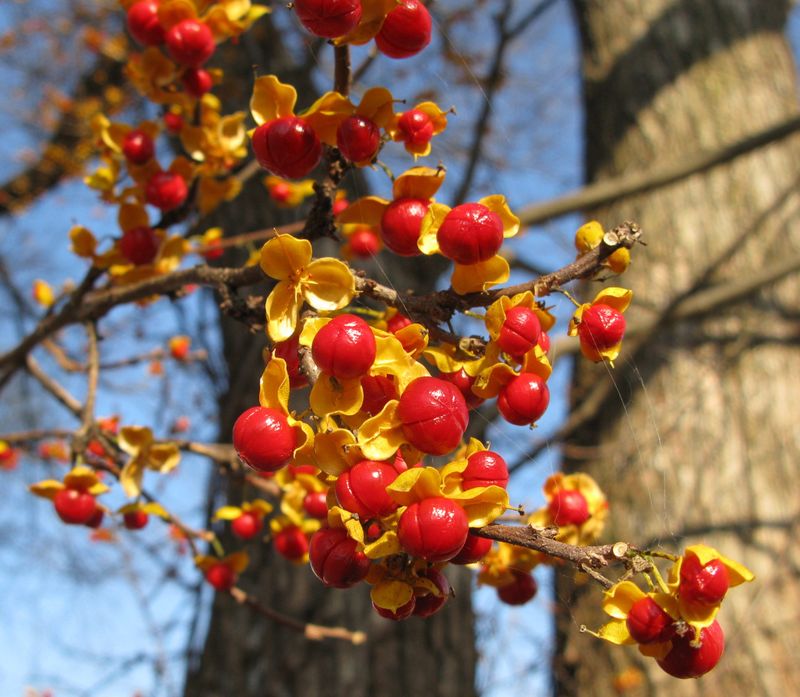
Oriental Bittersweet is a vine that intertwines and suffocates trees and shrubs. Its decorative appeal during the fall, with bright orange berries, masks its destructive nature. Banned in Illinois and Connecticut, it is notorious for overpowering landscapes. Despite its ornamental uses, its ecological cost is high. Consider native vines that provide beauty without the invasive impact, allowing trees and shrubs to thrive without competition and preserving the natural balance of the environment.
14. Yellow Floating Heart (Nymphoides peltata)
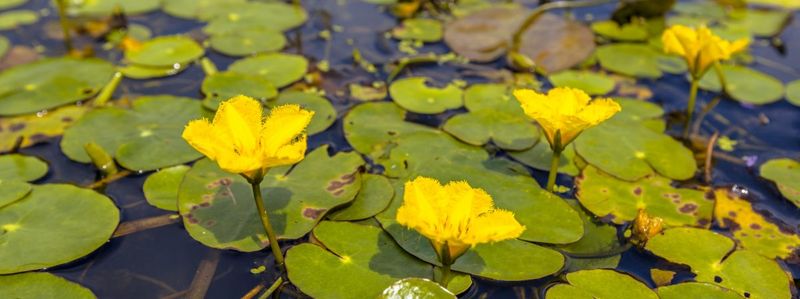
Yellow Floating Heart enchants with its sunny blooms and heart-shaped leaves, yet it’s a waterway menace. It clogs waterways and reduces oxygen levels, harming aquatic life. Banned in states like South Carolina, its invasive potential is significant. Despite its beauty, the disruption it causes to water systems calls for caution. For a vibrant water garden, choose native floating plants that enhance water quality and support aquatic ecosystems, ensuring a balanced and thriving habitat for all water life.
15. Eurasian Watermilfoil (Myriophyllum spicatum)
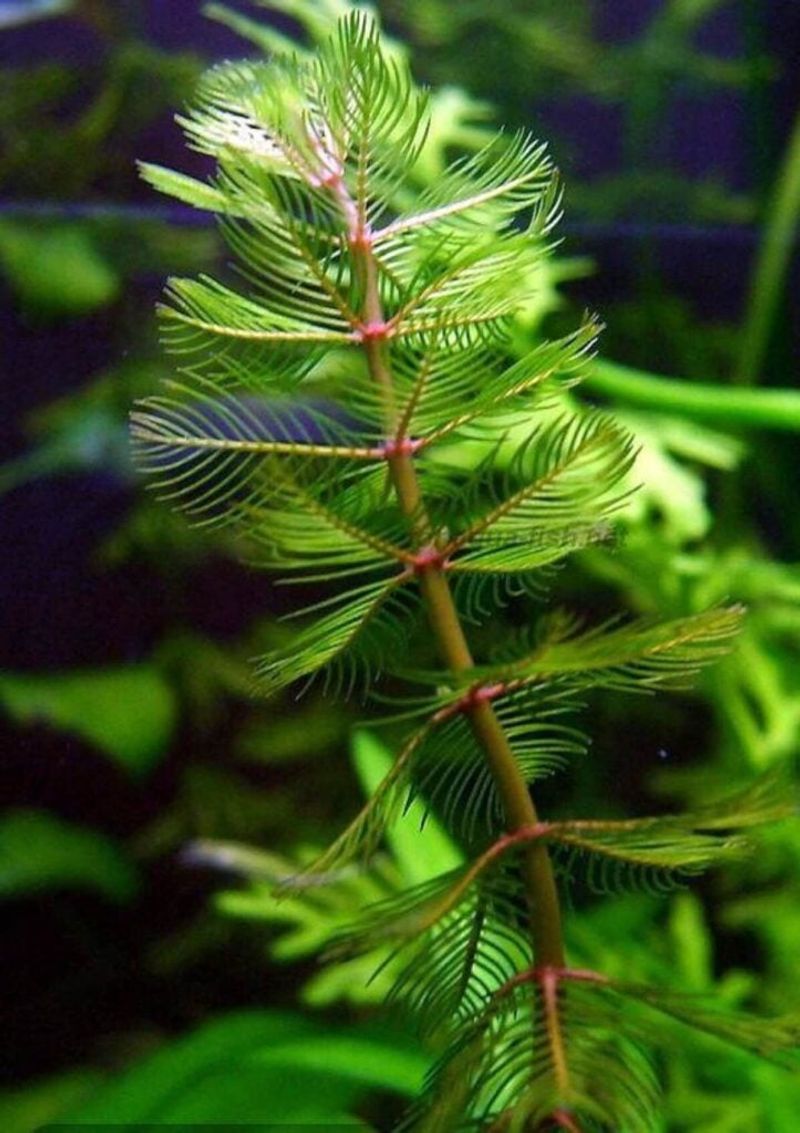
Eurasian Watermilfoil is a stealthy invader, forming thick underwater mats that reduce biodiversity. Listed as prohibited in states like Minnesota and Michigan, it poses a threat to aquatic ecosystems. Its feathery leaves might look delicate, but they can dominate water bodies swiftly. To protect waterways, avoid introducing this plant and choose native aquatic species that promote healthy water environments, supporting diverse aquatic life without the threat of overgrowth and ecological imbalance.
16. Alligator Weed (Alternanthera philoxeroides)
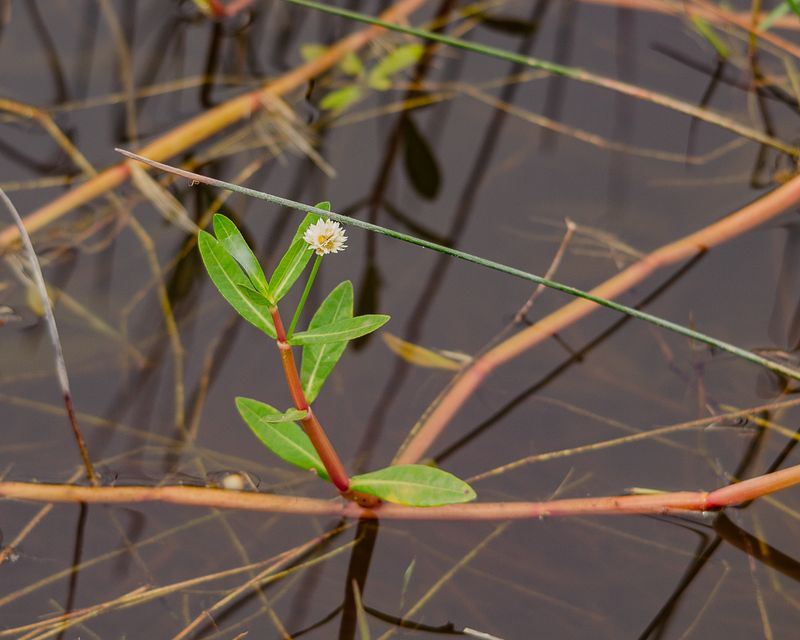
Alligator Weed is not just an aquatic nuisance; it disrupts water usage and navigation. Its dense, floating mats hinder boat traffic and reduce water flow. Federally listed as a noxious weed, it’s banned in states like Florida. Despite its unassuming appearance, it carries a significant ecological cost. For vibrant waterways, opt for native aquatic plants that support local fauna and flora, ensuring waterway accessibility and ecological integrity. Gardening with intention means choosing plants that coexist with native species.
17. Brazilian Peppertree (Schinus terebinthifolia)
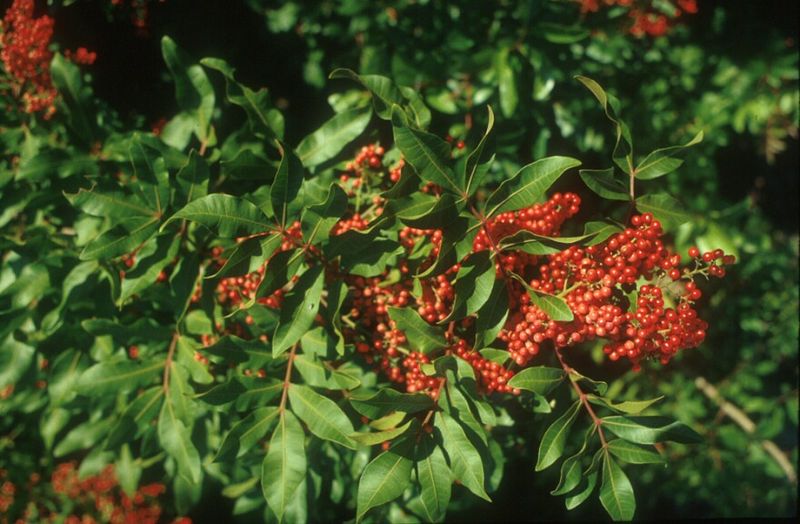
The Brazilian Peppertree’s vibrant red berries and glossy leaves are eye-catching, yet this evergreen shrub is a persistent invader. Prohibited in states like Florida, it displaces native species and affects pastures. Its allure is tempting, but its ecological impact is detrimental. Instead, opt for native trees that bring vibrant colors and support wildlife, contributing to a balanced and diverse ecosystem. Understanding the implications of plant choices helps maintain the health and beauty of our natural spaces.
18. Winter Creeper (Euonymus fortunei)
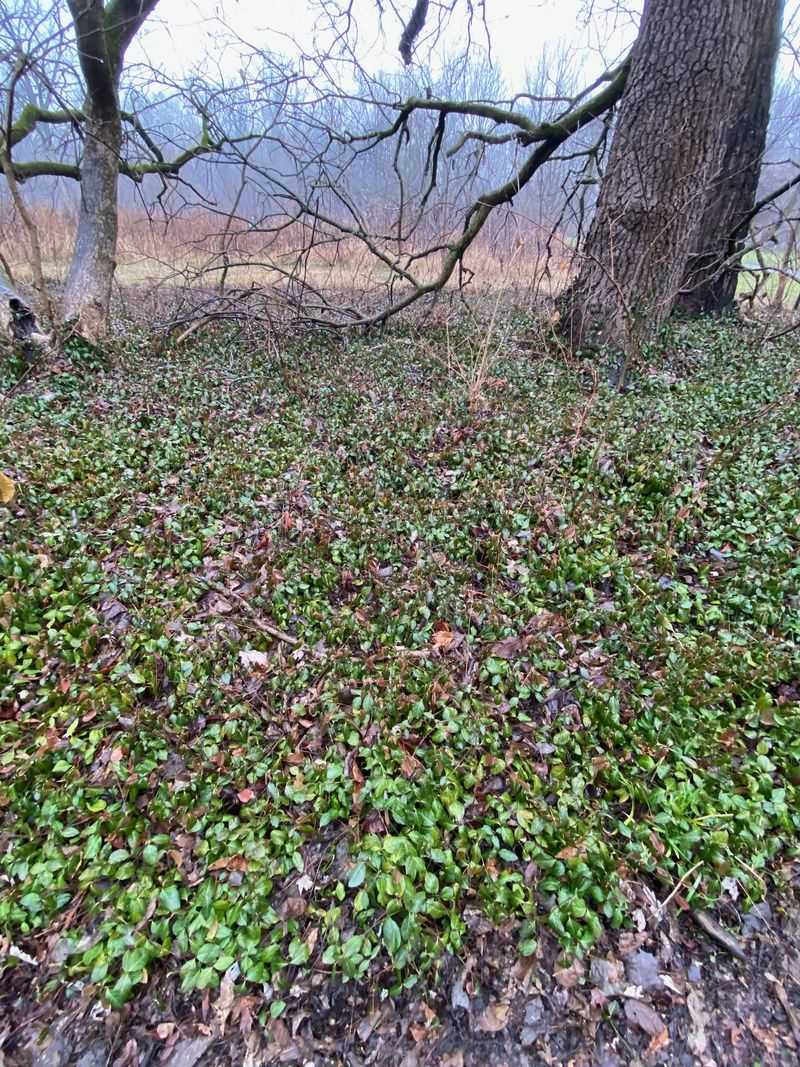
Winter Creeper is an evergreen vine that spreads tenaciously, often overtaking ground layers in forests. Its lush green foliage is attractive, but in states like Indiana, it’s banned for sale due to its invasive nature. Its ability to form dense mats makes it a threat to native plant communities. Gardeners can achieve similar ground cover effects by selecting native groundcovers that provide habitat for local fauna, ensuring ecological harmony and preventing the dominance of a single species.
19. English Ivy (Hedera helix)
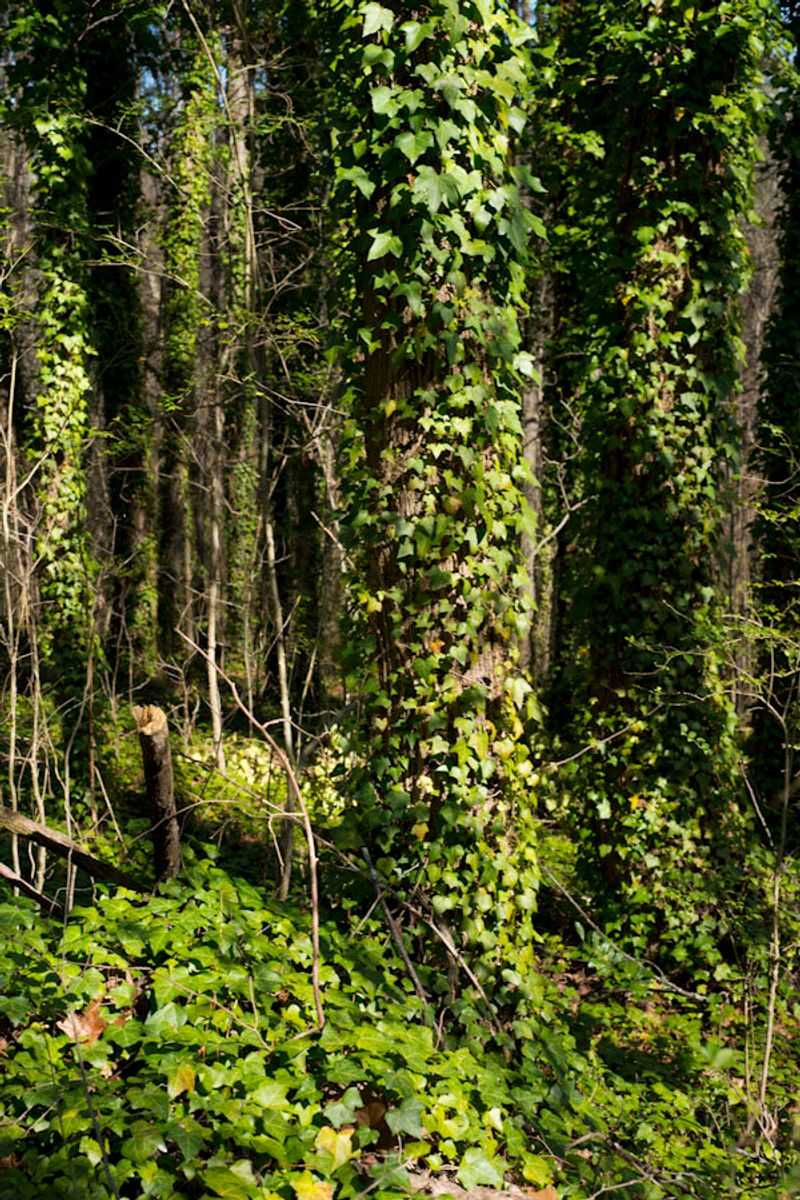
English Ivy is beloved for its classic look, draping over walls and trees. However, its invasive tendencies in states like Oregon and Washington make it a controversial choice. Its dense growth can smother trees and outcompete native plants. For a similar aesthetic without the invasiveness, consider native climbing plants that provide habitat and support local ecosystems. Being mindful of plant selections supports biodiversity and maintains the delicate balance necessary for thriving habitats.
20. Autumn Olive (Elaeagnus umbellata)
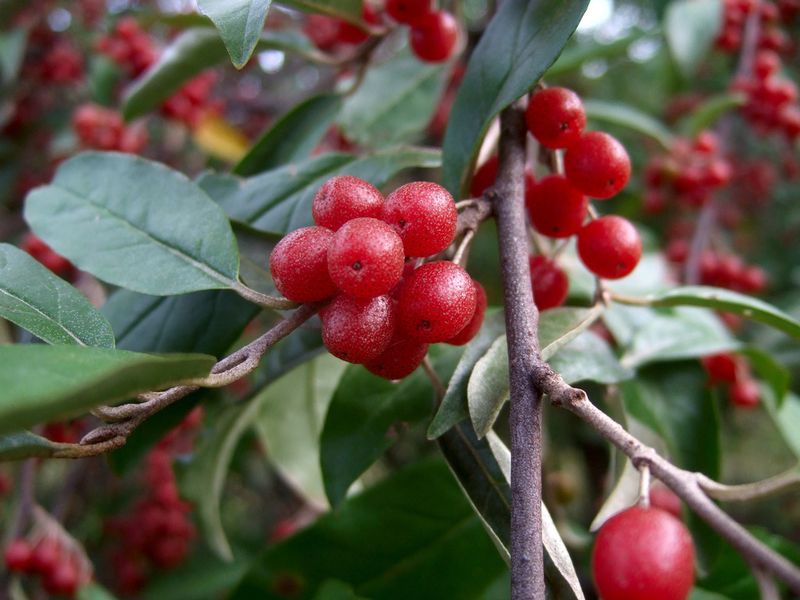
Autumn Olive is known for its silvery foliage and red berries, offering visual interest and nitrogen fixation. Yet, it’s a highly invasive shrub in many Eastern states, including New York. Its ability to spread rapidly and displace natives poses significant ecological challenges. Instead of Autumn Olive, choose native shrubs that provide similar benefits without threatening local plant communities. Ensuring a diverse and resilient landscape requires thoughtful plant choices that prioritize ecological health over ornamental appeal.