
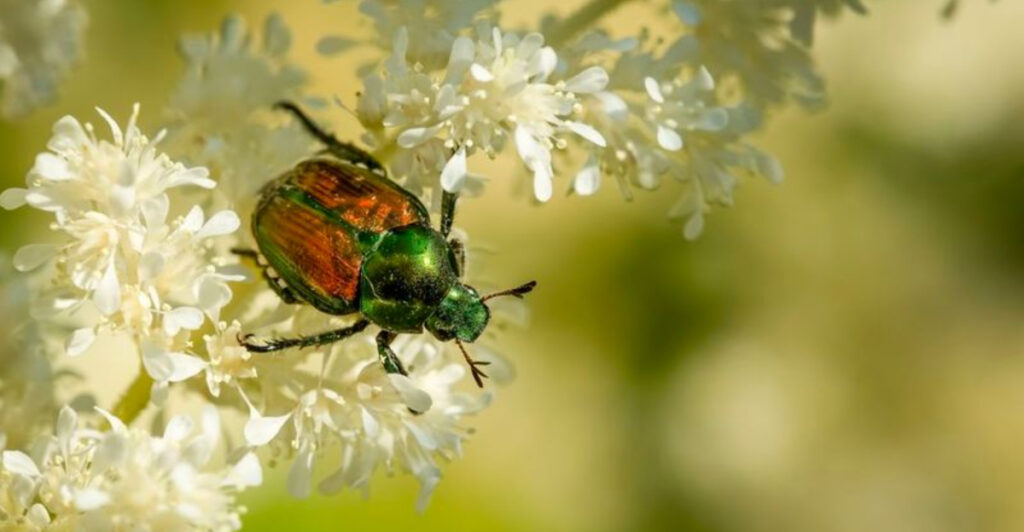
Japanese beetles can wreak havoc in gardens, leaving plants in tatters and gardeners at their wits’ end. But fear not!
There are effective strategies to combat these persistent pests. Here are 11 tried-and-true tricks to keep your garden thriving and beetle-free.
1. Handpick Them in the Morning
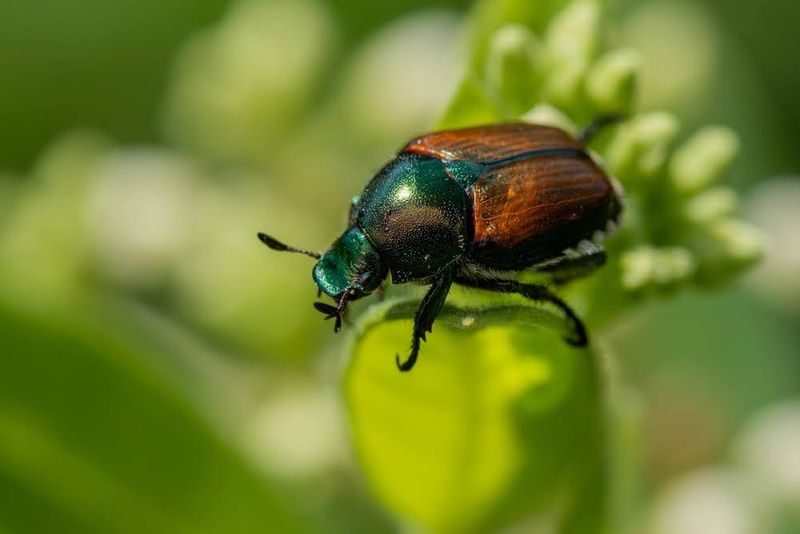
At dawn, when the world is still waking up, Japanese beetles are at their most sluggish. This is the perfect time for gardeners to launch a stealthy attack. Armed with a bucket of soapy water, you can easily pluck these beetles from your beloved plants. As you work, enjoy the tranquil morning air and the soft light filtering through leaves. Each beetle dropped into the soapy water spells victory for your garden. This simple yet effective method turns the morning into a peaceful routine while ensuring your plants remain unscathed by these hungry invaders.
2. Use Row Covers
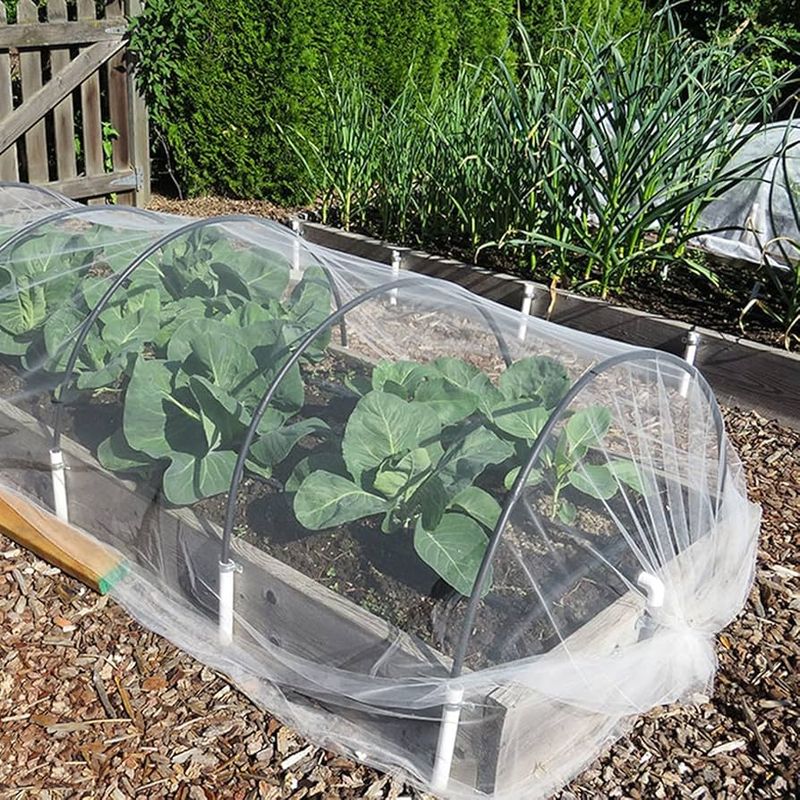
During the peak summer months, Japanese beetles make their uninvited appearance. Installing row covers provides a physical barrier that protects your plants from these ravenous pests. Imagine your garden flourishing beneath the protective veil, untouched by beetles’ destructive appetites. As the sun beats down, your vegetables and flowers can thrive in peace. Row covers are a simple, non-toxic solution that ensures your garden remains a sanctuary for growth and beauty, safeguarding it from the beetle onslaught. It’s a practical approach with a big payoff in plant health.
3. Trap with Caution
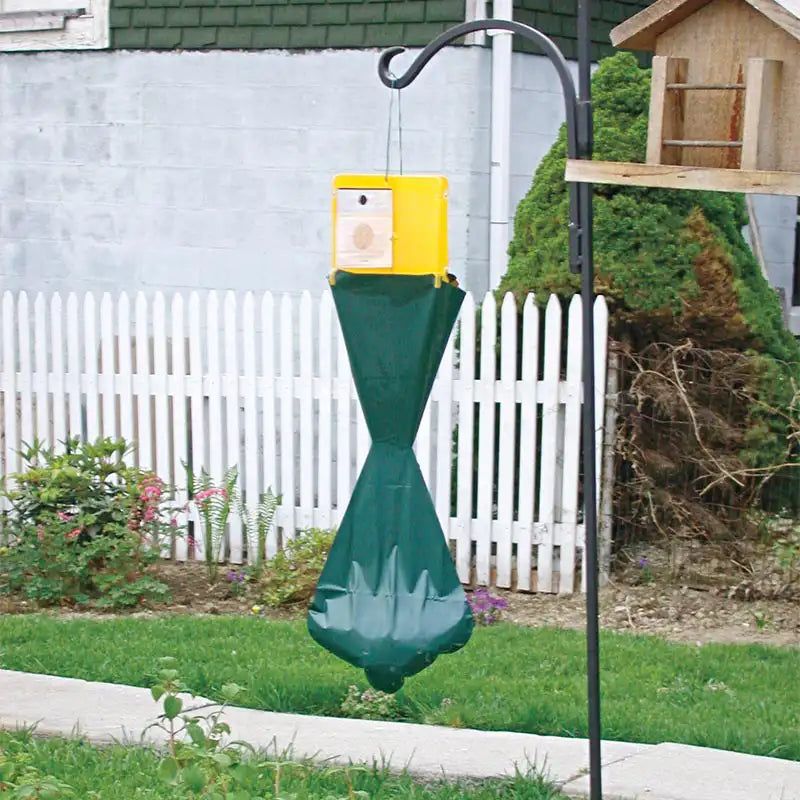
While beetle traps may seem like a perfect solution, they can inadvertently invite more trouble than they resolve. These traps lure beetles in with irresistible scents, often attracting more pests to your yard. To mitigate this, place traps well away from your precious plants. Picture a trap nestled in a far corner of your garden, surrounded by greenery, acting as a decoy to draw beetles away. Although not foolproof, when used judiciously, traps can serve as a part of your integrated pest management strategy, protecting your garden from the beetle invasion.
4. Neem Oil Spray
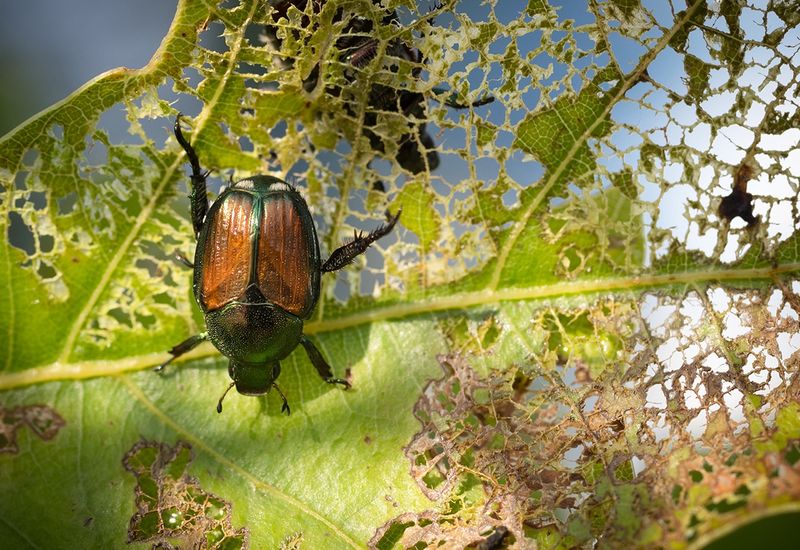
Neem oil is a gardener’s ally when combating beetle larvae. When consistently applied, it serves as a deterrent that’s both safe for plants and deadly to young beetles. Picture this: a gentle misting of neem oil envelops your plants, creating a protective shield. With regular use, you’ll notice fewer beetles disturbing your blooms. The process is straightforward and eco-friendly, ensuring that your garden remains a haven of natural beauty. By incorporating neem oil into your routine, you’re taking a pro-active step in promoting plant health and vigor.
5. Milky Spore for Long-Term Control
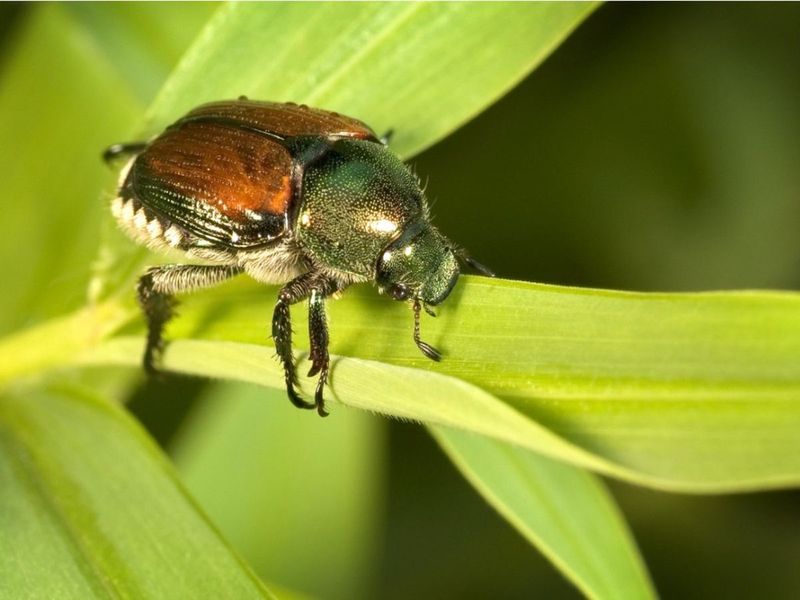
For those seeking a long-term solution, milky spore is the secret weapon against Japanese beetles. This natural bacterium targets beetle grubs in the soil, providing a lasting defense. Envision your garden soil being treated with milky spore, setting the stage for robust plant development. Over time, as the spore takes effect, you’ll witness a noticeable decline in beetle presence. This method assures peace of mind and a flourishing garden free from pest damage. Amidst thriving plants, milky spore stands as a testament to sustainable gardening practices.
6. Plant Deterrents
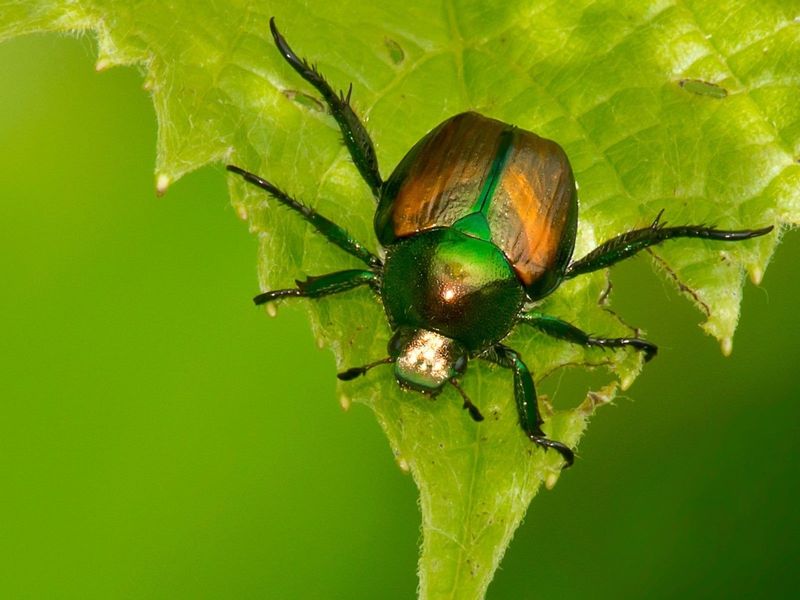
Certain plants naturally repel Japanese beetles, acting as botanical bodyguards for your garden. Imagine a garden brimming with garlic, tansy, rue, and chives, each plant playing its part in the defense strategy. These aromatic allies not only enhance your garden’s aesthetic but also create an unfavorable environment for beetles. As their scents waft through the air, they serve as a natural deterrent, keeping your garden’s ecosystem in balance. With these plant partners, you cultivate not just a garden, but a fortress against beetle invasions.
7. Sacrificial Plants
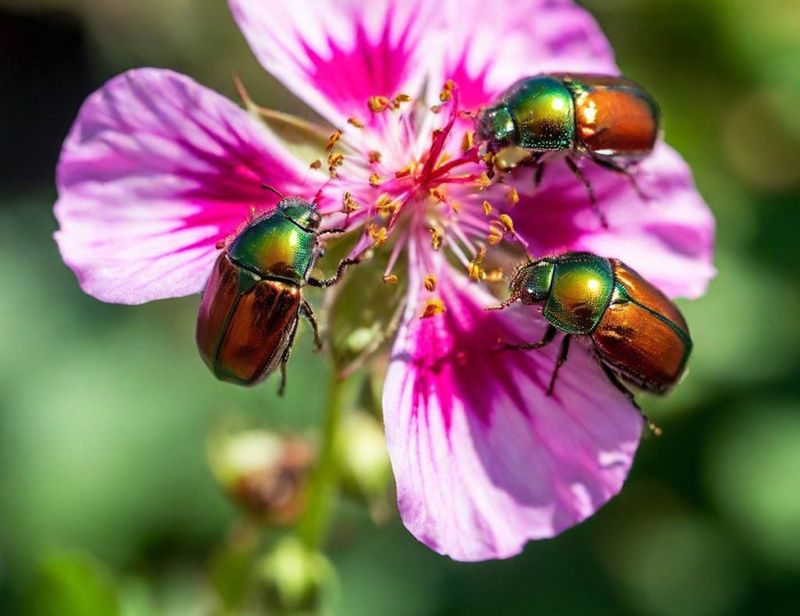
Sometimes, luring beetles away from your prized plants can be the best defense. Sacrificial plants like geraniums act as irresistible bait for Japanese beetles. Picture a colorful patch of geraniums, buzzing with beetles, drawing them away from your vegetable beds. This strategic sacrifice protects your main crops while allowing you to easily target and eliminate beetles congregating there. By offering up these decoy plants, you create a natural trap, making pest control both efficient and visually pleasing in your garden’s orchestration.
8. Diatomaceous Earth
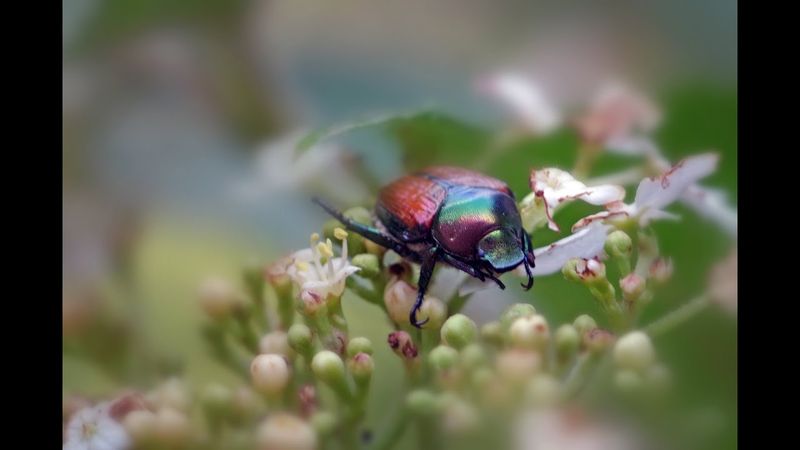
Diatomaceous earth is a formidable defender against beetles, utilizing its microscopic edges to dehydrate and defeat them. Imagine dusting this fine powder over your plants, where it lies in wait for unsuspecting beetles. As the sun filters through the foliage, diatomaceous earth works silently, safeguarding your garden from these pests. This non-toxic solution is as gentle on the environment as it is tough on beetles. By incorporating it into your pest management routine, you ensure a thriving garden, free from the beetle menace, with minimal environmental impact.
9. Beneficial Nematodes
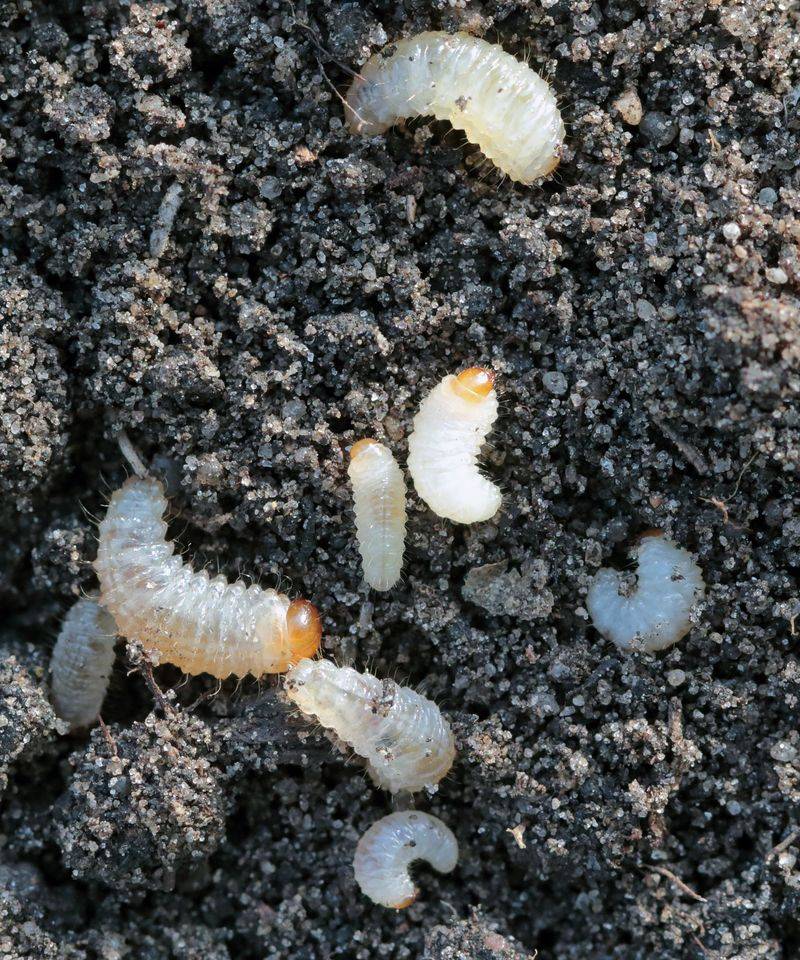
Beneath the soil surface, beneficial nematodes wage a microscopic war against beetle grubs. Imagine these tiny allies, unseen yet powerful, navigating the rich earth to hunt down pests. By introducing nematodes into your garden, you unleash a biological force that curbs future beetle populations. Your plants thrive above, nourished by the teamwork happening below. This natural method aligns with eco-friendly gardening principles, maintaining a harmonious balance. With these invisible armies at work, your garden flourishes, safeguarded from the root by microscopic guardians.
10. Avoid Lawn Overwatering
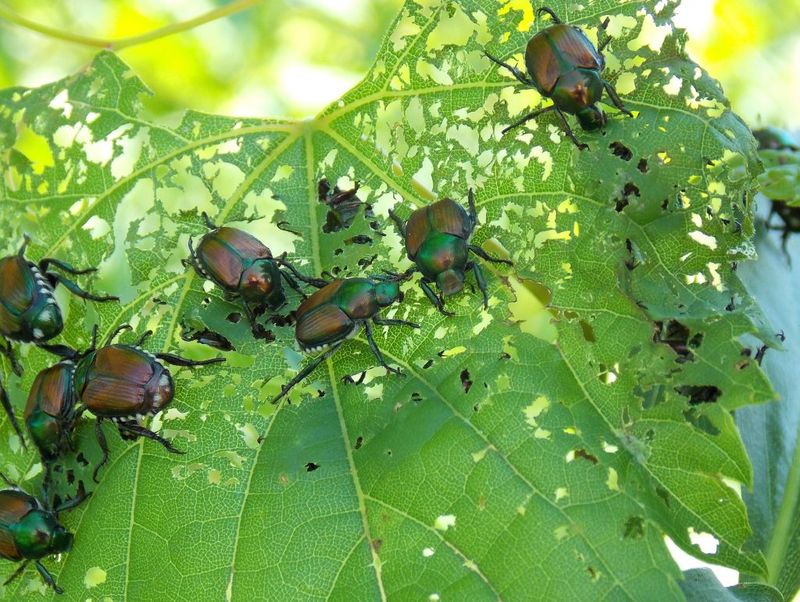
Overwatering your lawn can create a breeding ground for Japanese beetles, as damp soil attracts females ready to lay eggs. Picture a lush garden surrounded by dry grass, a deliberate choice to deter these beetles. By keeping your lawn on the drier side, especially during mating season, you discourage beetles from setting up camp. This simple adjustment in your watering routine can significantly reduce beetle populations in your garden, paving the way for healthier plant growth and less pest interference.
11. Choose Beetle-Resistant Plants
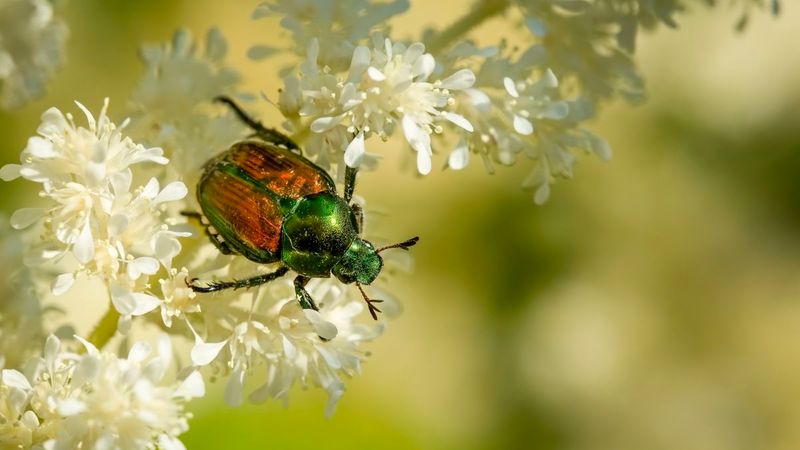
Opting for plants less appetizing to Japanese beetles is a smart strategy for a resilient garden. Imagine a beautiful spread of boxwood, lilacs, and forsythia, thriving in the sunshine, untouched by beetles. These plants naturally repel these pests, reducing the likelihood of damage. By selecting beetle-resistant varieties, you cultivate a garden that stands strong against infestations. This proactive choice not only beautifies your space but also ensures that your plants remain robust and healthy, with minimal maintenance required to ward off beetle intruders.