
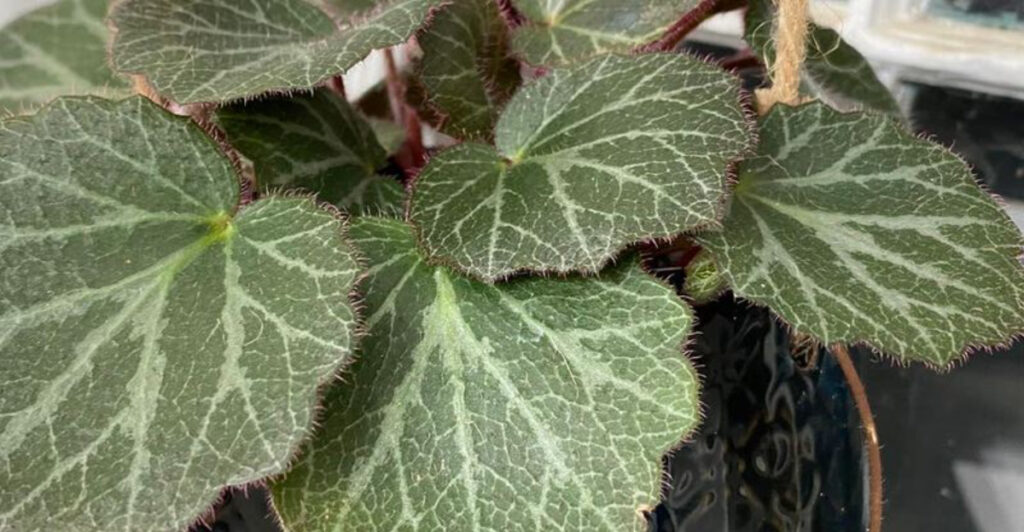
Explore essential secrets to caring for the charming Strawberry Begonia, a plant known for its cascading runners and vibrant leaves.
Discover how to create the perfect environment for your plant to flourish while keeping pests at bay and propagating new life with ease.
1. Indirect Light Is Best
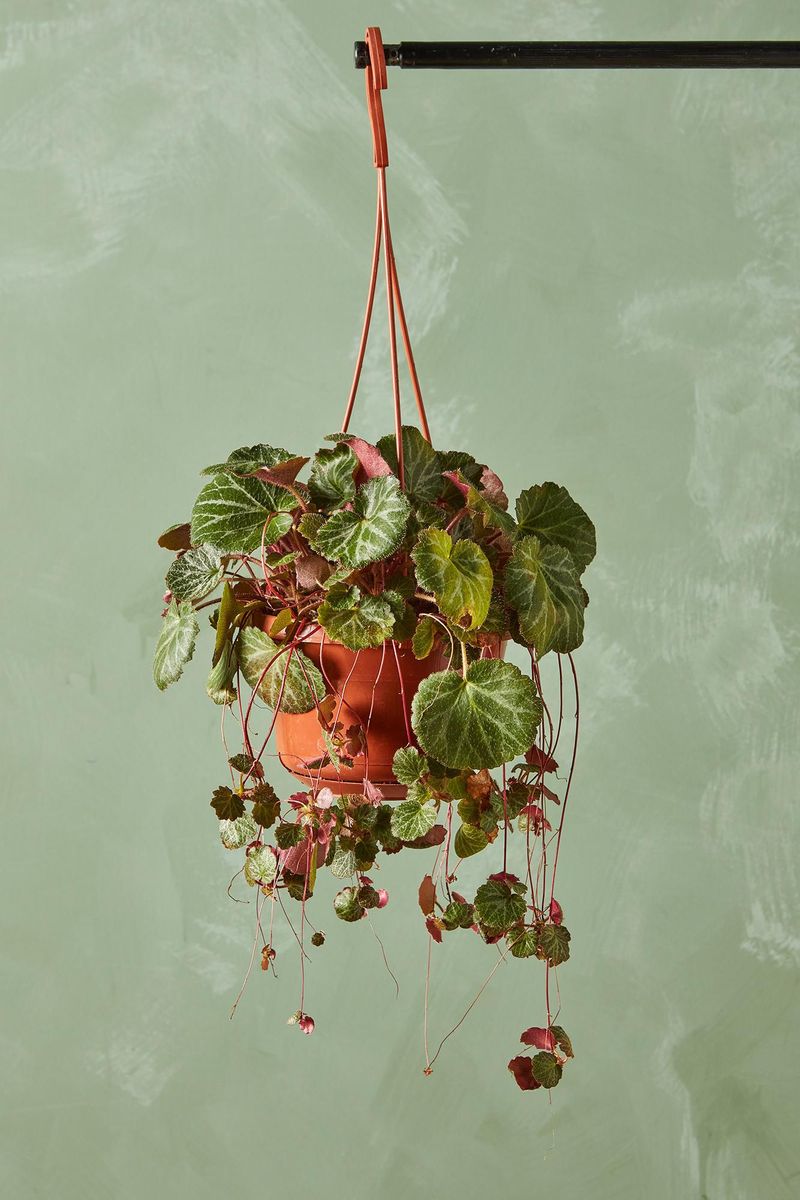
Finding the perfect light balance for your Strawberry Begonia can make all the difference. They thrive in bright, indirect sunlight, which keeps their leaves lush and colorful. Too much direct sunlight, however, can scorch those delicate leaves.
Position your plant near a window where it can soak up the sun without the harsh rays. If you notice leaf burn, move it a bit further from the window. Remember, the goal is to keep it in a light and airy space without the risk of direct sun damage.
2. Keep It Slightly Moist (Not Soggy!)
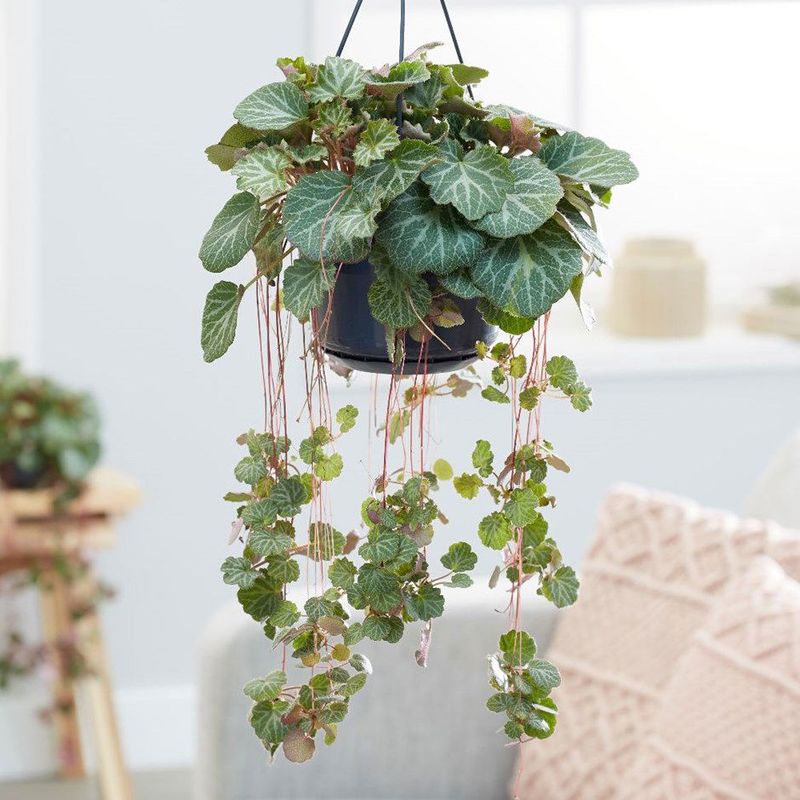
Strawberry Begonias prefer their soil just right—not too wet, not too dry. Water them when the top inch feels dry to the touch, ensuring the roots stay healthy and rot-free.
Here’s a tip: use a pot with drainage holes to avoid water accumulation. It’s better to underwater slightly than to overdo it, as soggy roots can spell disaster for your plant. Consistency in watering schedules will help your Begonia thrive happily.
3. Use Well-Draining Soil
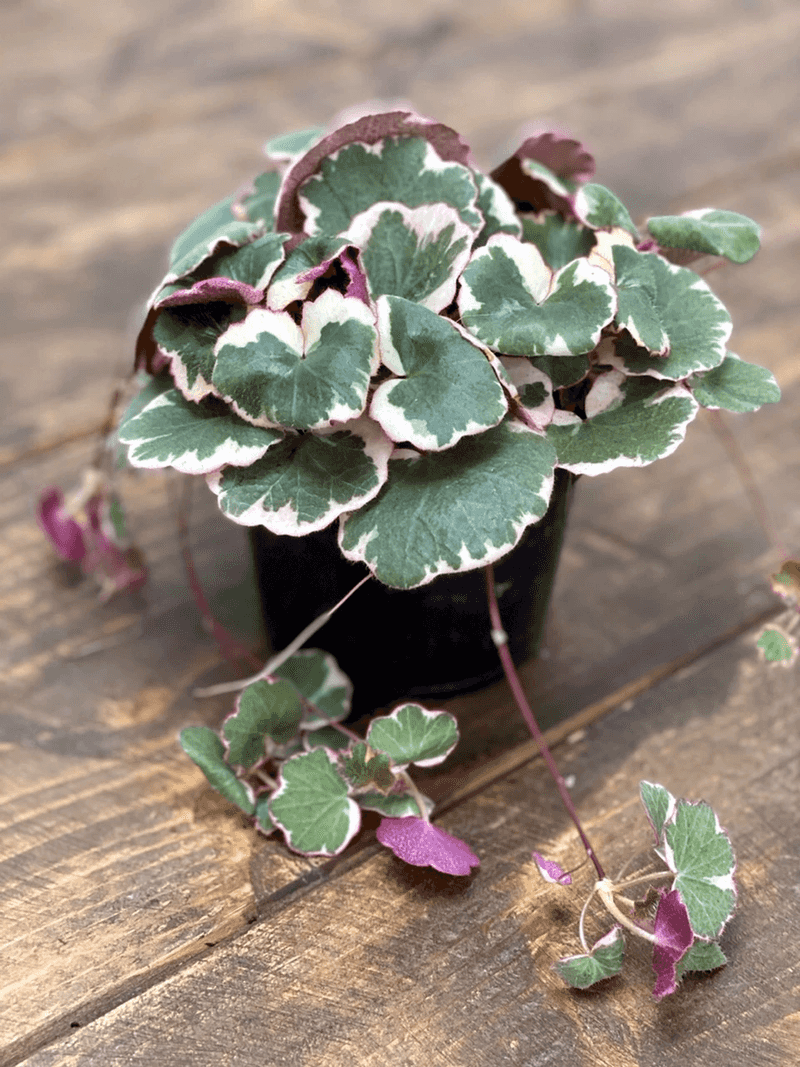
Selecting the right soil mix is crucial for Strawberry Begonias. Aim for a blend that promotes good drainage—try peat, perlite, and a touch of sand for the perfect texture.
Avoid heavy soils that retain too much moisture, as they can lead to root rot, a common issue with this plant. The goal is to mimic the plant’s natural habitat, allowing for plenty of air circulation around the roots.
4. Humidity Helps—Especially Indoors

Humidity is a Strawberry Begonia’s best friend, especially indoors where air tends to be drier. You can use a pebble tray filled with water to increase moisture in the air around the plant.
Alternatively, position a humidifier nearby or group it with other plants to create a mini greenhouse effect. These methods will help keep your Begonia’s leaves lush and vibrant, countering the drying effects of indoor heating or air conditioning.
5. Don’t Skip the Feeding
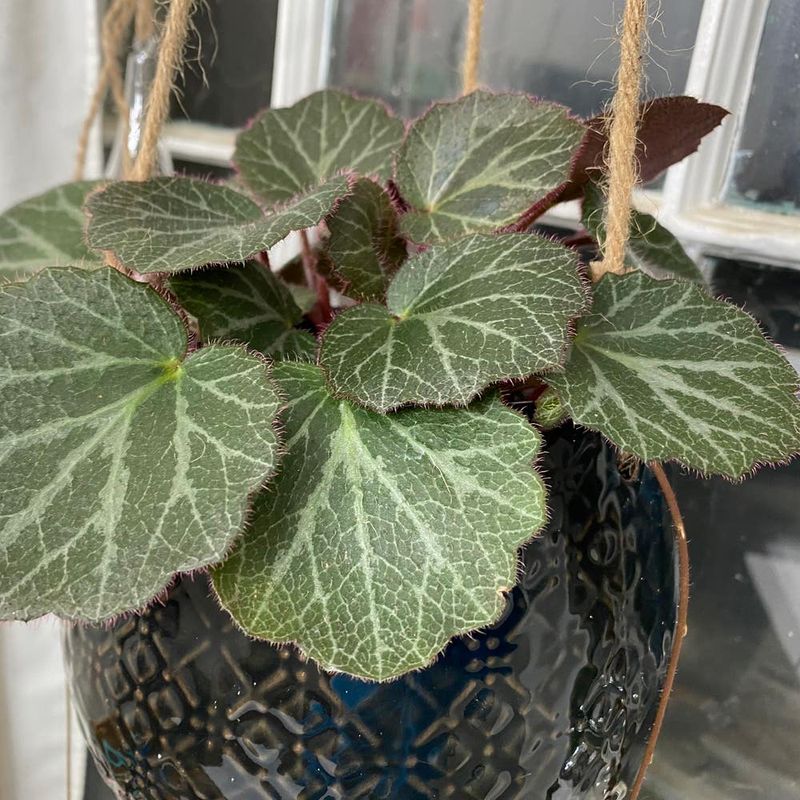
To encourage lush foliage, regular feeding during the growth seasons is key. A balanced, diluted houseplant fertilizer applied monthly during spring and summer works wonders.
Think of it as giving your plant a little boost to support its growth journey. Avoid over-fertilizing, as this can harm the roots. Instead, follow the recommended dosage and watch your Begonia flourish.
6. Prune Runners to Control Spread
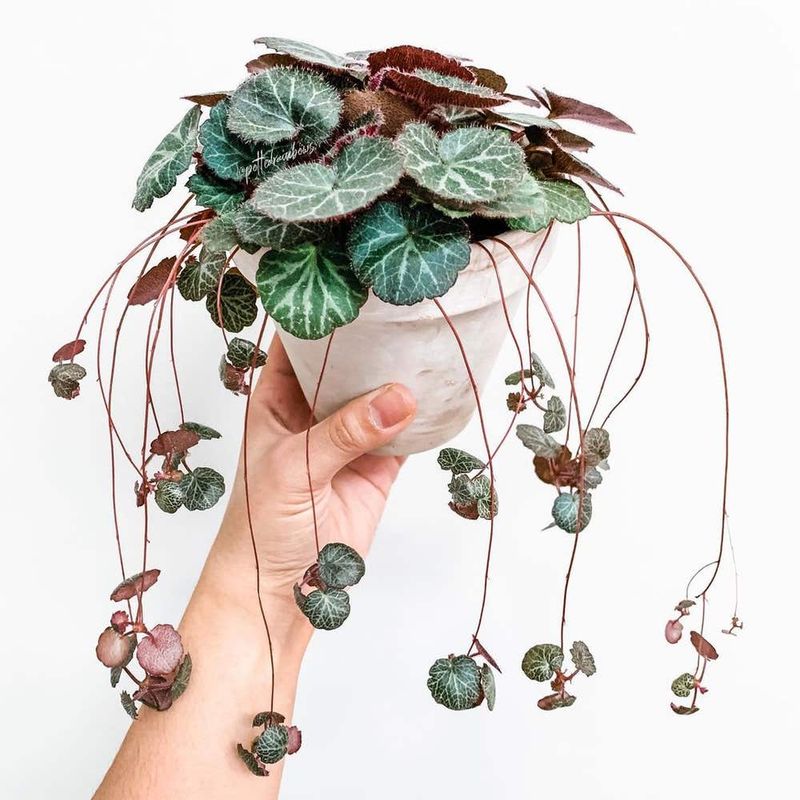
Strawberry Begonias are known for their charming stolons or ‘runners’ that can quickly spread. Pruning these helps maintain the plant’s shape and manage its growth.
It’s an opportunity to shape the plant to your liking or propagate new ones from the plantlets that appear at the end of the runners. Pruning can be a rewarding task, encouraging a fuller, bushier appearance.
7. Propagate the Babies!
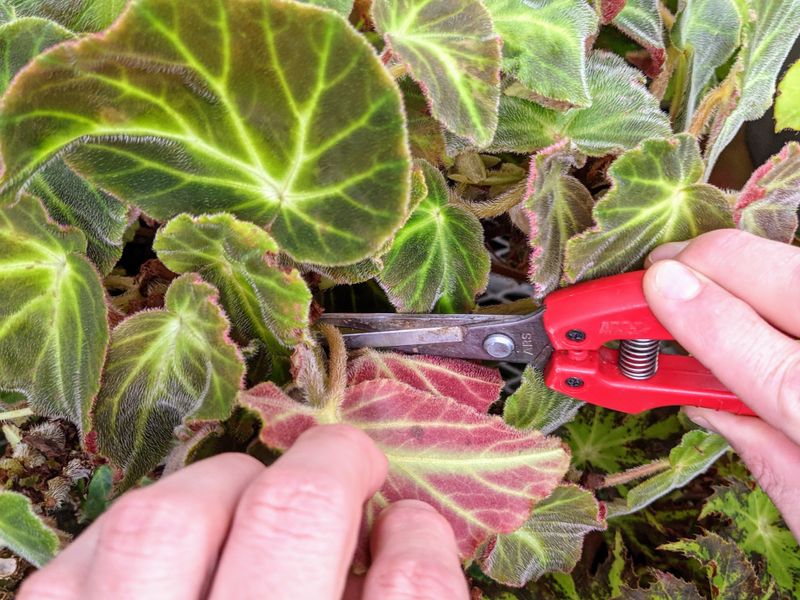
Propagating Strawberry Begonias is a delightful way to expand your plant collection. Snip off those adorable plantlets at the end of runners and root them in soil or water.
This plant has a knack for producing ‘babies’ that are eager to grow. Offering them the right environment helps them take root and flourish into independent plants. It’s an easy and satisfying gardening project for any plant lover.
8. Watch for Pests
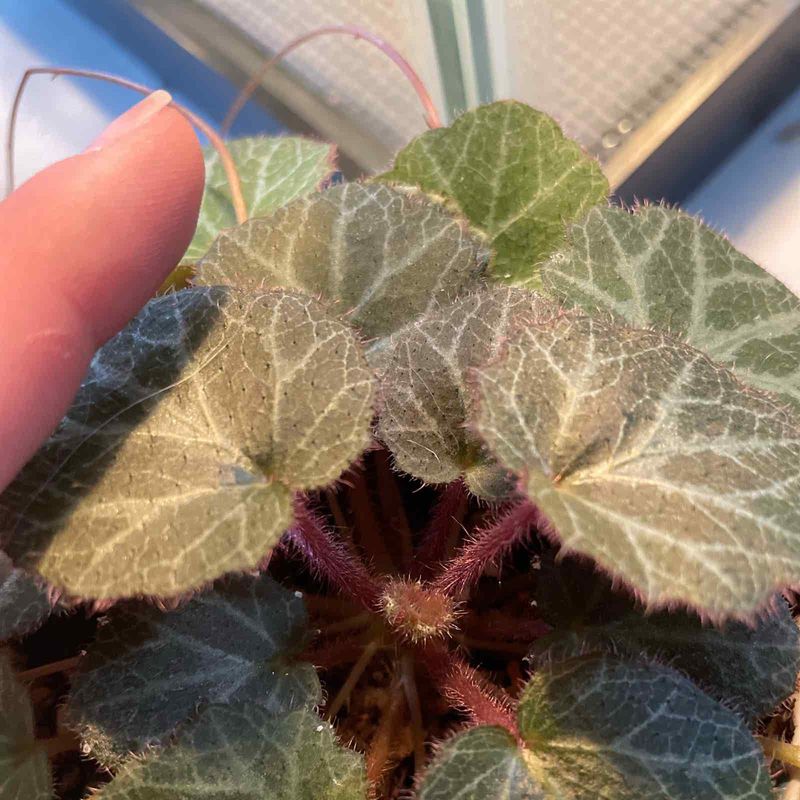
Pests can be pesky for Strawberry Begonias, with spider mites, aphids, and mealybugs often lurking around. Regularly inspect your plant for these unwanted guests.
At the first sign of infestation, act immediately with insecticidal soap or neem oil to control the situation. Prevention and early treatment are key to keeping your plant healthy and thriving.
9. Avoid Cold Drafts
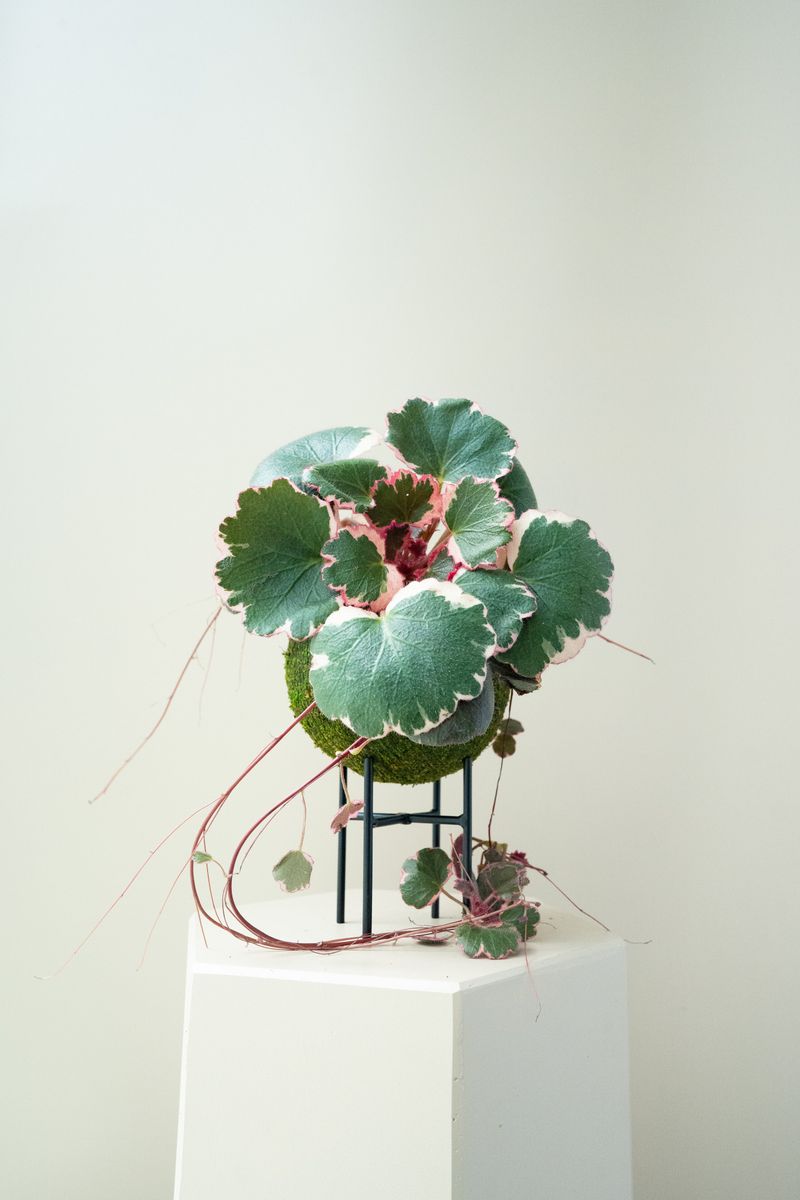
Strawberry Begonias are sensitive to cold drafts, particularly during winter months. Keep them away from windowsills and doors where cold air might sneak in.
Temperatures below 50°F (10°C) can cause leaf drop and stress the plant. Offering a stable, warm environment ensures your Begonia maintains its health and beauty throughout the colder seasons.
10. Repot Every 1–2 Years
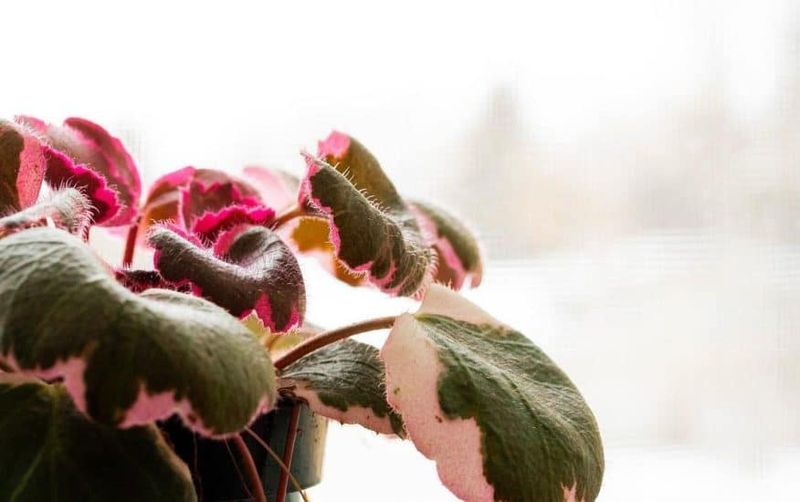
Repotting Strawberry Begonias every 1 to 2 years gives their roots more room to grow and refreshes the soil. It’s beneficial, especially if the plant appears crowded or sluggish.
Choose a pot that’s slightly larger, ensuring proper drainage and fresh, well-draining soil. Regular repotting promotes healthy growth and prevents the plant from becoming root-bound.
11. Give It a Hanging Home
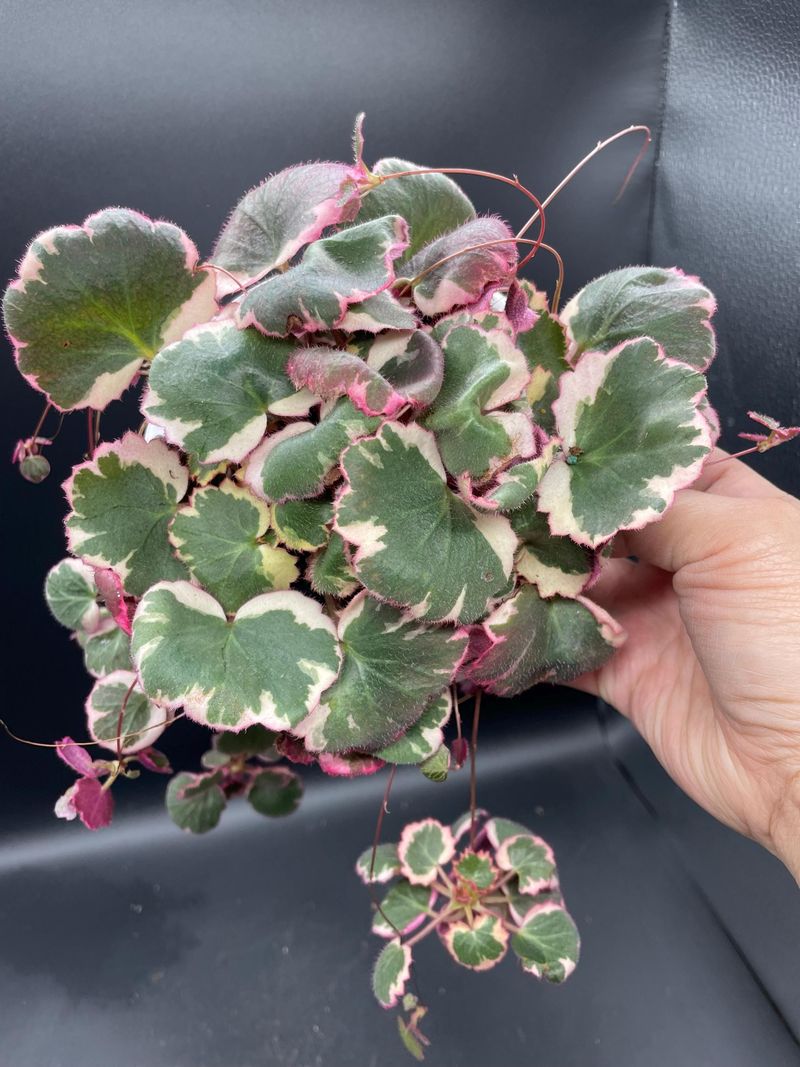
Displaying Strawberry Begonias in hanging baskets allows their cascading runners to spill over gracefully. It’s a stunning way to showcase their natural beauty.
Hanging them also keeps the delicate leaves safe from being knocked over, providing an airy spot to catch the light. Consider placing them at eye level for a charming view.
12. Let It Rest in Winter
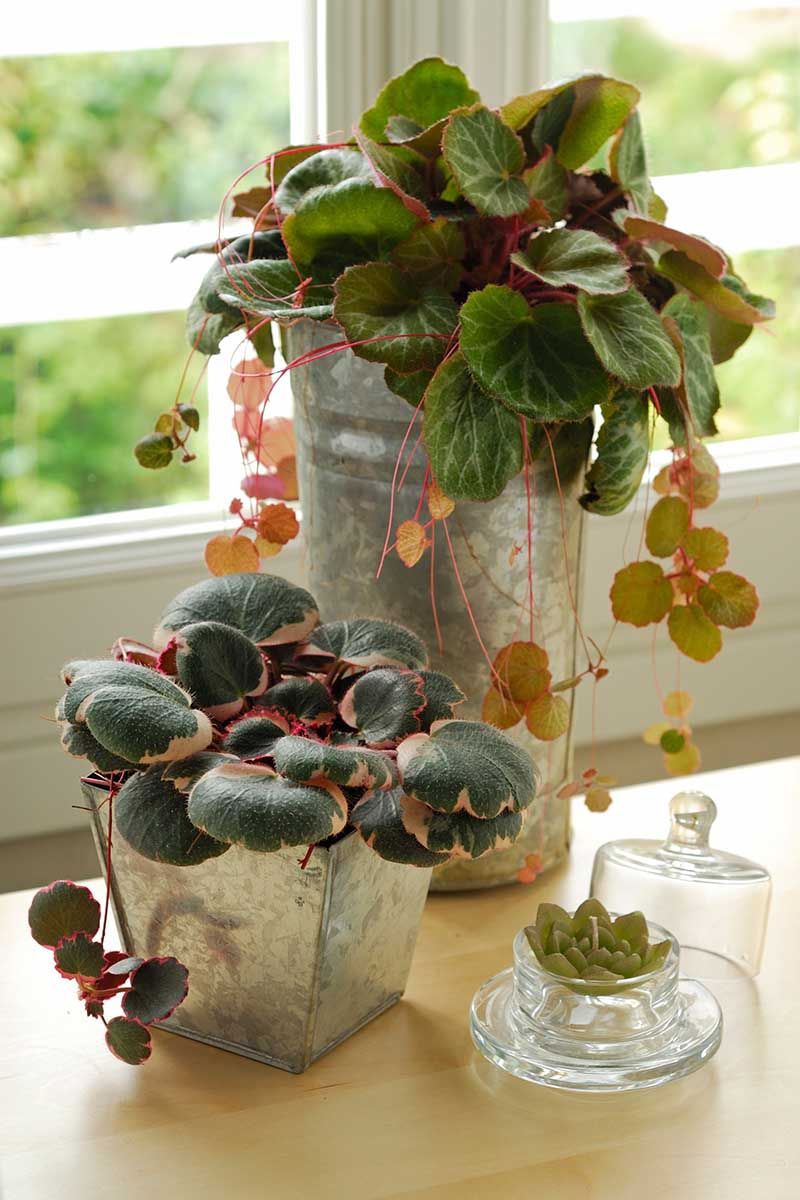
During winter, Strawberry Begonias naturally slow their growth, needing less water and no fertilizing. This rest period is vital for their health.
Cut back on watering and allow the soil to dry out more between waterings. Come spring, your plant will be ready to bounce back with vigor. Embracing this seasonal rhythm helps your Begonia thrive year-round.