 Complete Gardening
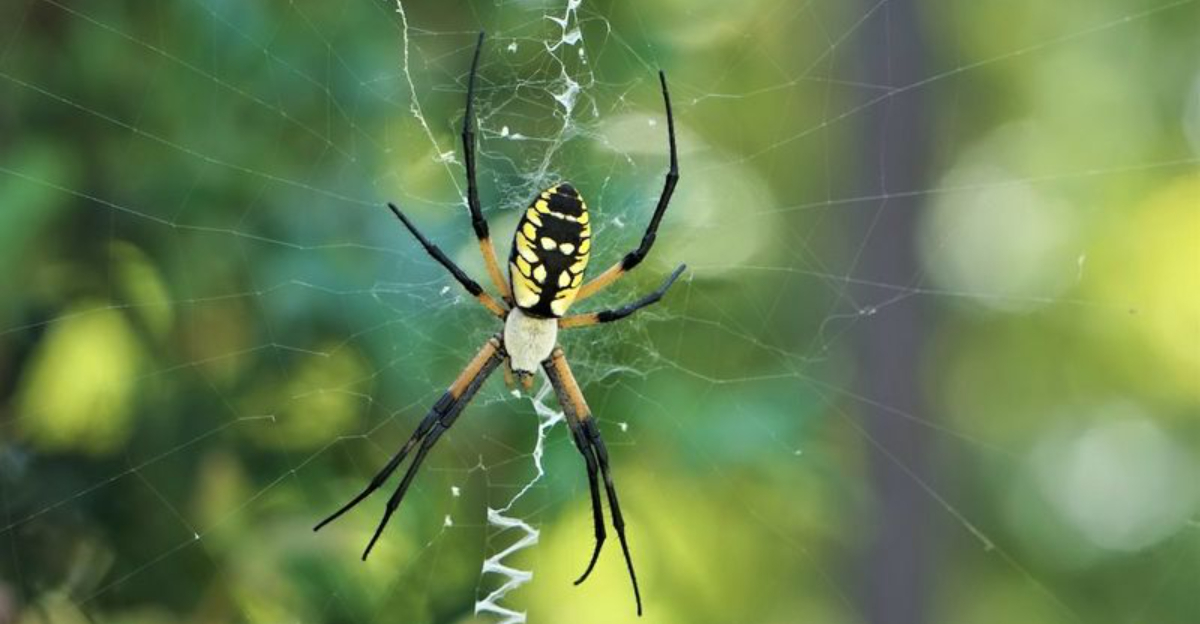
Spiders are often misunderstood creatures, particularly when it comes to their role in our gardens. Despite the myths and misconceptions, these eight-legged allies can be invaluable for maintaining a healthy ecosystem. This blog post explores 20 common myths about spiders and highlights why they are beneficial for your garden.
1. Myth: All Spiders Are Dangerous
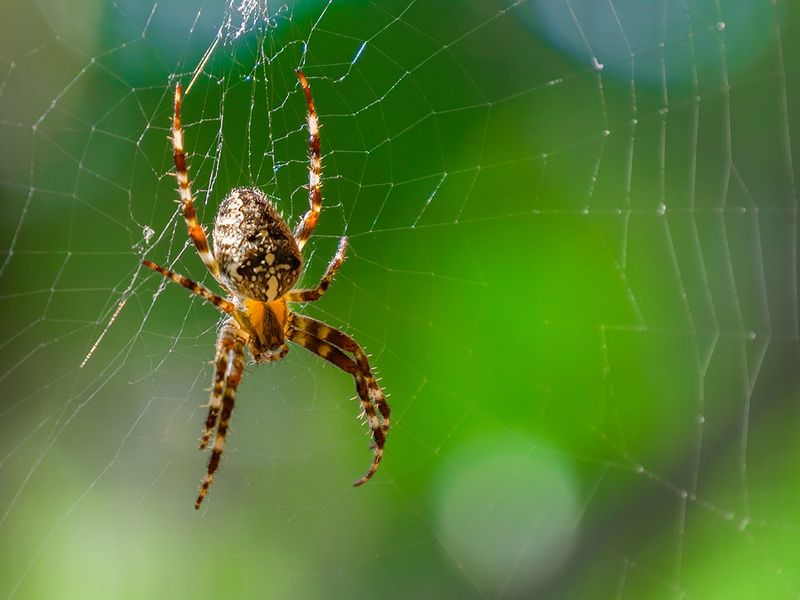
Contrary to popular belief, most spiders are not a threat to humans. In fact, less than 1% of spider species can cause harm. These humble inhabitants prefer to steer clear of humans and focus on their favorite pastime—eating insects. With their presence, you gain a natural pest control system, reducing the need for chemicals. Embrace their existence, knowing they are more afraid of you than you are of them.
2. Myth: Spiders Will Overrun Your Garden
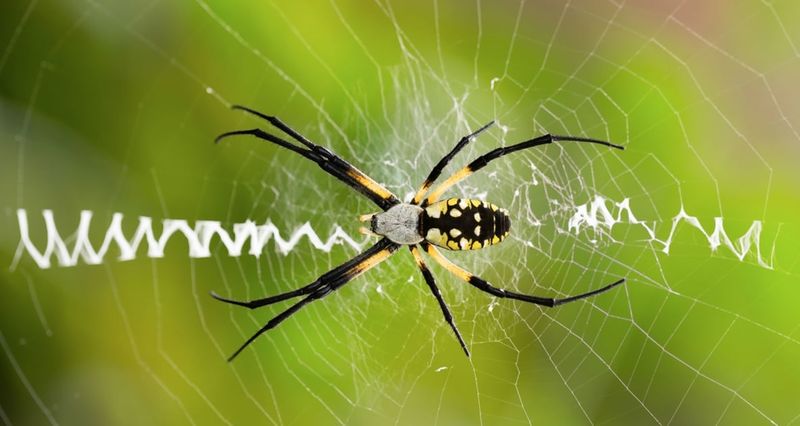
Forget the idea of an arachnid invasion. Spiders are solitary creatures, each claiming their own patch of garden paradise. Their territorial nature means they regulate their population naturally. Instead of overrunning your space, they help maintain balance by controlling pest numbers. These garden guardians work silently to keep unwanted pests at bay. Encouraging their presence can actually lead to a more harmonious, balanced garden environment.
3. Myth: Spiders Are a Sign of a Dirty Garden
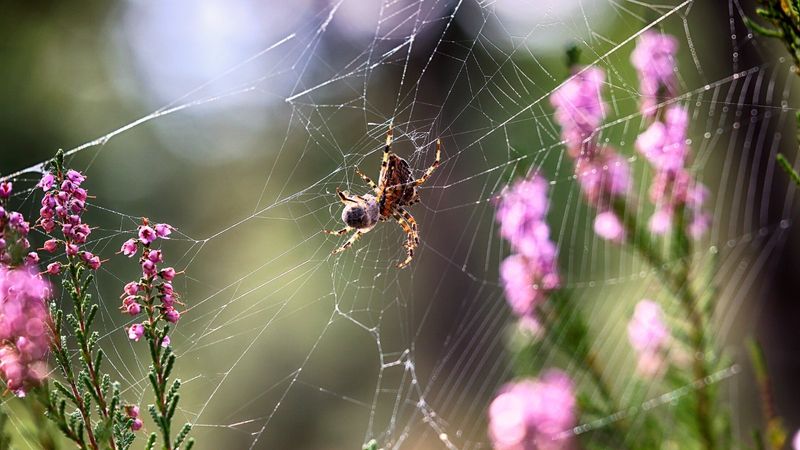
Seeing spiders in your garden doesn’t mean it’s dirty; rather, it indicates a thriving ecosystem. Spiders are drawn to areas rich in the biodiversity they need to sustain themselves. Their presence suggests an abundant food source, meaning your garden is teeming with life, not filth. By welcoming spiders, you’re supporting a healthier environment for all garden inhabitants. A spider-friendly garden is a sign of ecological harmony and vitality.
4. Myth: Spider Webs Are Just a Nuisance
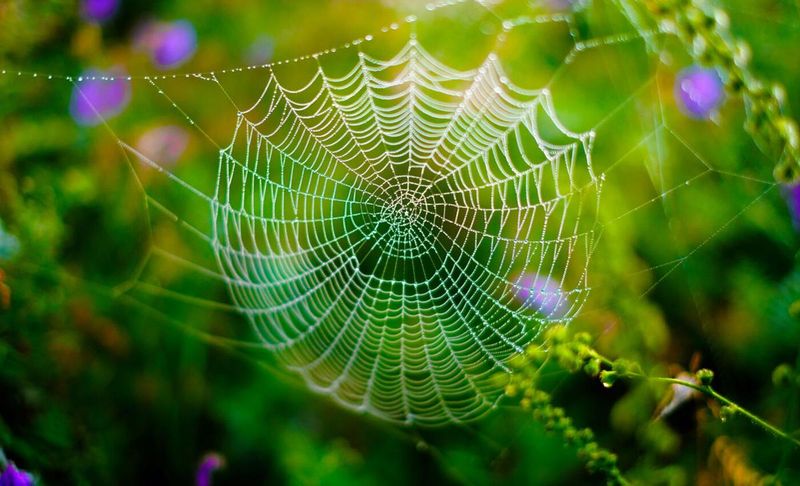
Spider webs, often seen as unsightly, serve a critical purpose. These delicate structures are masterfully designed to trap pests like flies, gnats, and aphids. Not only do these webs reduce the need for chemical pesticides, but they also add a layer of beauty to your garden, reflecting sunlight in intricate patterns. As natural pest controllers, spider webs help maintain the delicate balance of your garden ecosystem, making them more of a blessing than a bane.
5. Myth: All Spiders Spin Webs
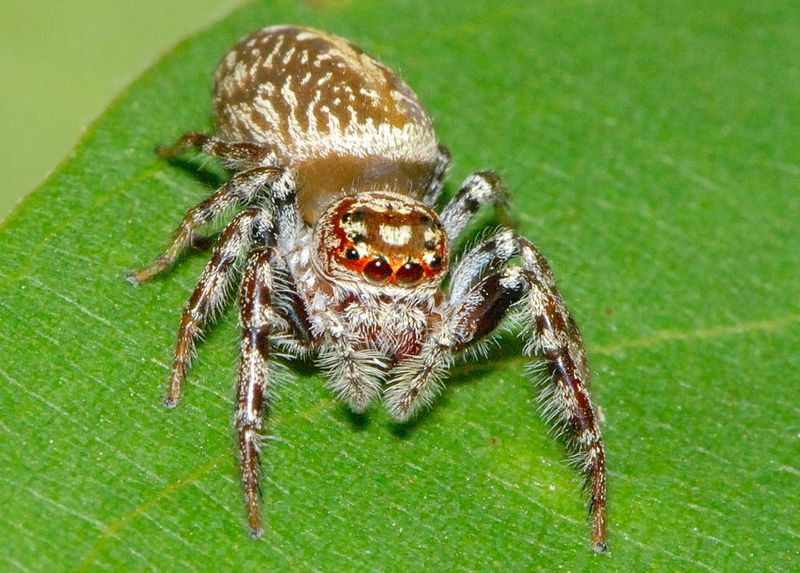
Not all spiders rely on webs to catch their prey. Some, like the agile jumping spider or the stealthy wolf spider, actively hunt. These spiders are on constant patrol, keeping insect populations in check without the need for webs. This diversity in hunting strategies showcases the adaptive nature of spiders. By understanding these behaviors, you appreciate their role in maintaining garden health, offering an organic solution to pest management.
6. Myth: You Should Kill Every Spider You See
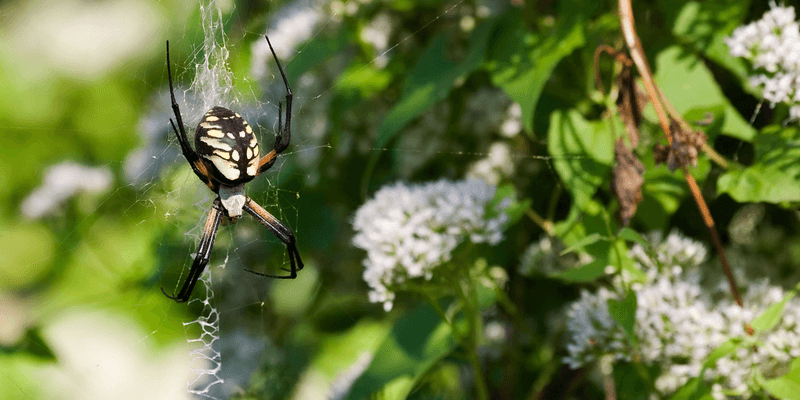
Before reaching for that shoe, consider the benefits of letting spiders be. Removing spiders disrupts a natural balance, leading to increased pest populations. Their presence reduces the need for harmful pesticides, fostering a safer environment for other wildlife. When you allow spiders to thrive, you support a holistic approach to pest control, one that benefits the entire ecosystem. Next time you see a spider, remember it’s a vital part of your garden’s health.
7. Myth: Spiders Serve No Real Purpose
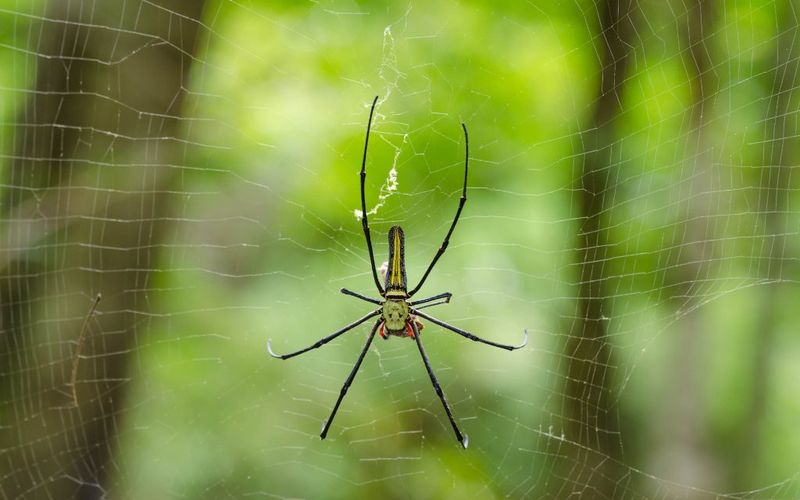
The idea that spiders serve no purpose couldn’t be further from the truth. As natural predators, they play a critical role in controlling pest populations, serving as eco-friendly alternatives to pesticides. They reduce the need for chemical interventions, allowing your plants to flourish naturally. Supporting spiders means embracing a more sustainable approach to gardening, one where every organism has its place and purpose.
8. Myth: Spiders Eat Plants
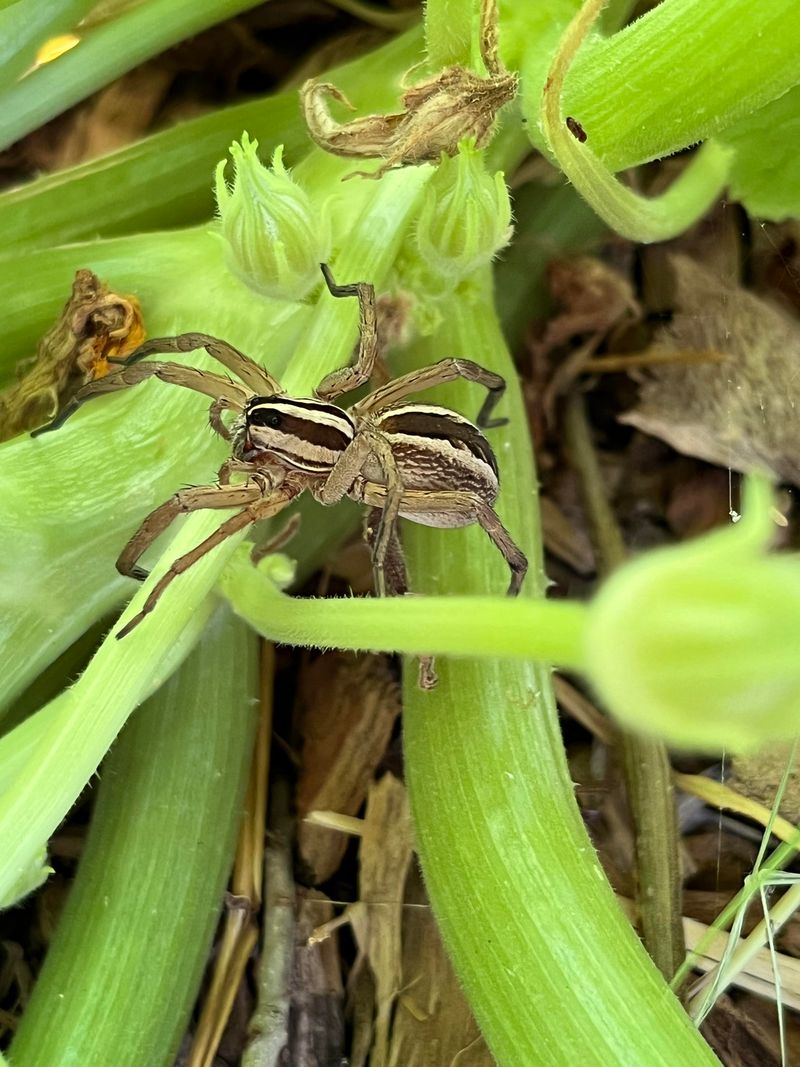
Spiders are carnivorous, focusing their diet on insects, not your cherished flowers or vegetables. Their predatory instincts benefit your garden, reducing the risk of plant damage. By consuming pests that harm your foliage, spiders indirectly support the health and vitality of your plants. Picture a web-dwelling spider catching a pesky caterpillar destined to munch on your leaves. Spiders are your garden’s unsung heroes, safeguarding your plants from harm.
9. Myth: All Spider Bites Are Deadly
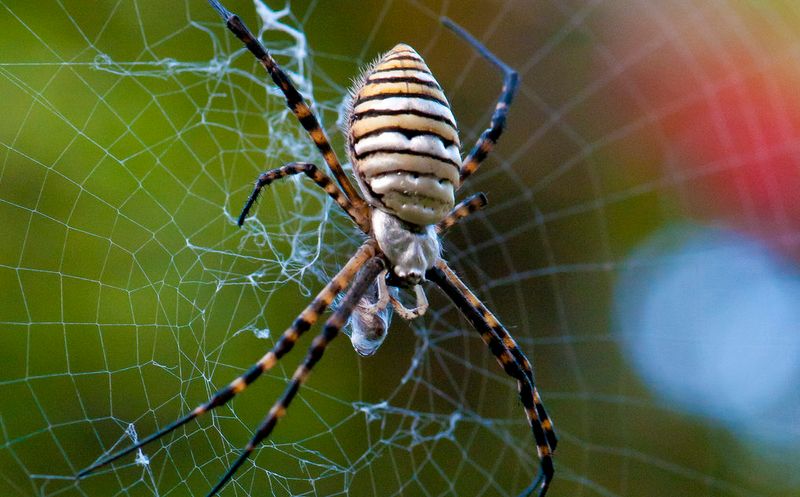
The fear of spider bites is often exaggerated. Most spiders are not aggressive and only bite in self-defense. Bites are rare and often misattributed to spiders. When they do occur, reactions are typically mild. Understanding their behavior alleviates unnecessary fear and promotes coexistence. Next time you spot a spider, appreciate its role rather than reaching for the bug spray. Knowledge dispels myths, allowing for a more peaceful garden experience.
10. Myth: Spider Presence Means You Have a Pest Problem
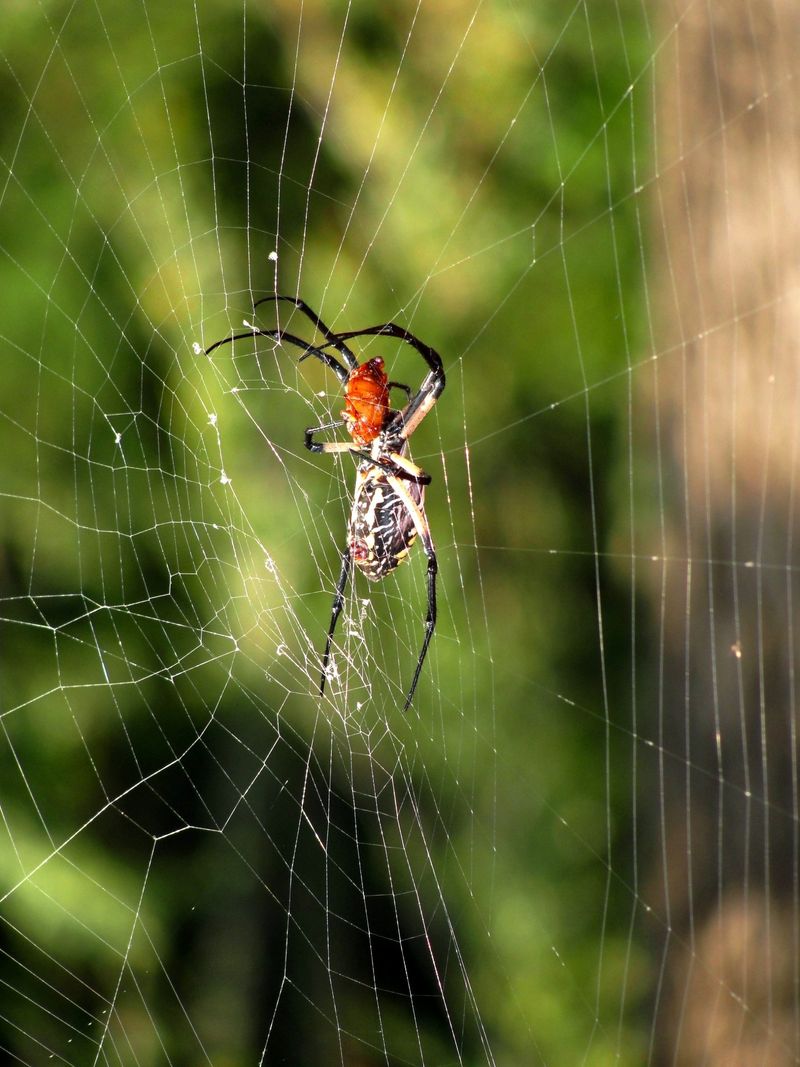
Seeing spiders doesn’t necessarily indicate a problem; it may mean they’re nipping potential issues in the bud. Consider spiders as early responders, keeping pest populations in check. Their presence often signifies a proactive approach to pest management rather than a sign of infestation. With spiders around, you’re likely avoiding bigger pest issues down the line. Their quiet work behind the scenes is invaluable in maintaining a balanced ecosystem.
11. Myth: Spiders Come Indoors From the Garden
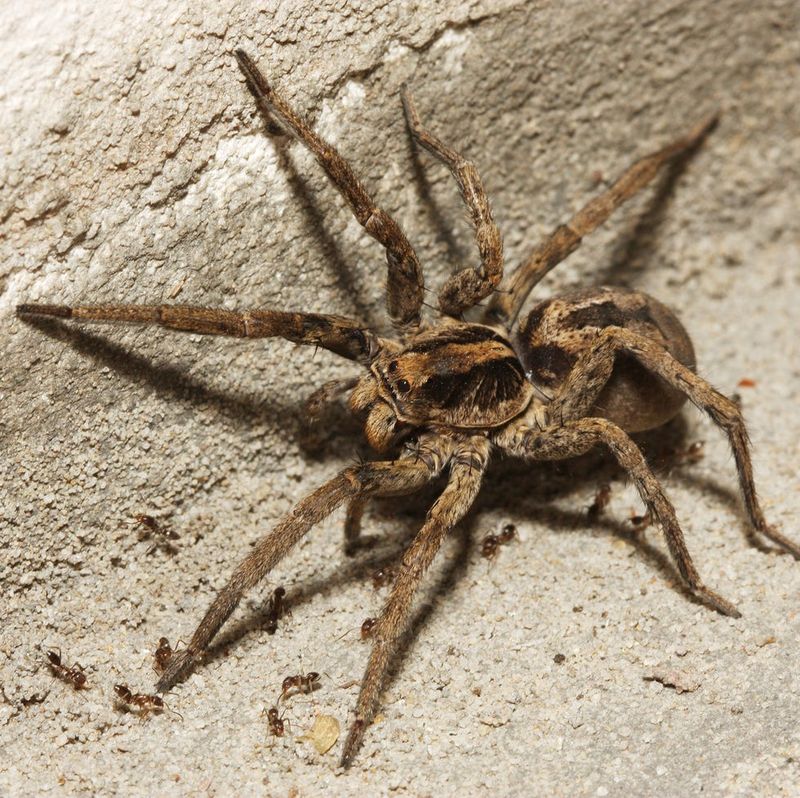
While it’s a common belief that garden spiders wander indoors, many indoor spiders are adapted to life inside. Garden spiders typically remain outdoors, where their food is abundant. Understanding this separation helps reduce unfounded fears of spider invasions. By respecting their habitats, both indoor and outdoor spiders contribute to pest control, each in their own domain. Enjoy a harmonious balance without worry of crossover.
12. Myth: You Can’t Control Spiders in the Garden
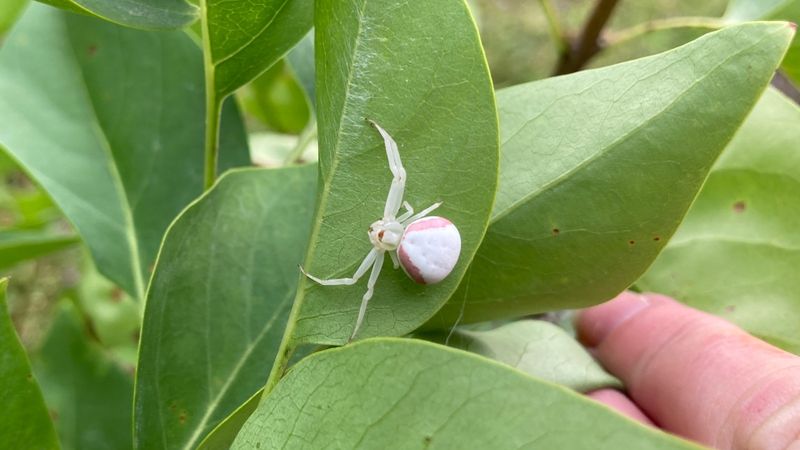
Controlling spider populations is possible with a few garden-friendly practices. Reduce pesticide use, plant a variety of vegetation, and leave some natural areas undisturbed to encourage beneficial spiders. By fostering an environment that welcomes spiders, you’re enhancing natural pest management systems. They act as allies, not adversaries, in creating a flourishing garden. Embrace practices that support these spiders, and watch your garden thrive naturally.
13. Myth: Spiders Are Ugly and Creepy
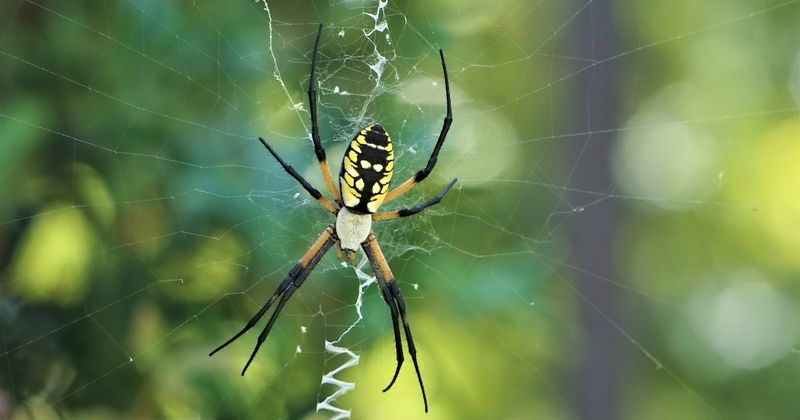
Beauty is in the eye of the beholder, and spiders are no exception. Many spiders are stunning in their own right, like the orb-weaver with its remarkable webs or the colorful peacock spider. These eight-legged artists contribute to the garden’s beauty and intrigue. Rather than viewing them as creepy, appreciate their aesthetic and ecological value. Spiders bring a unique charm to your garden, showcasing a world of wonder woven into each web.
14. Myth: Spider Webs Mean Neglect
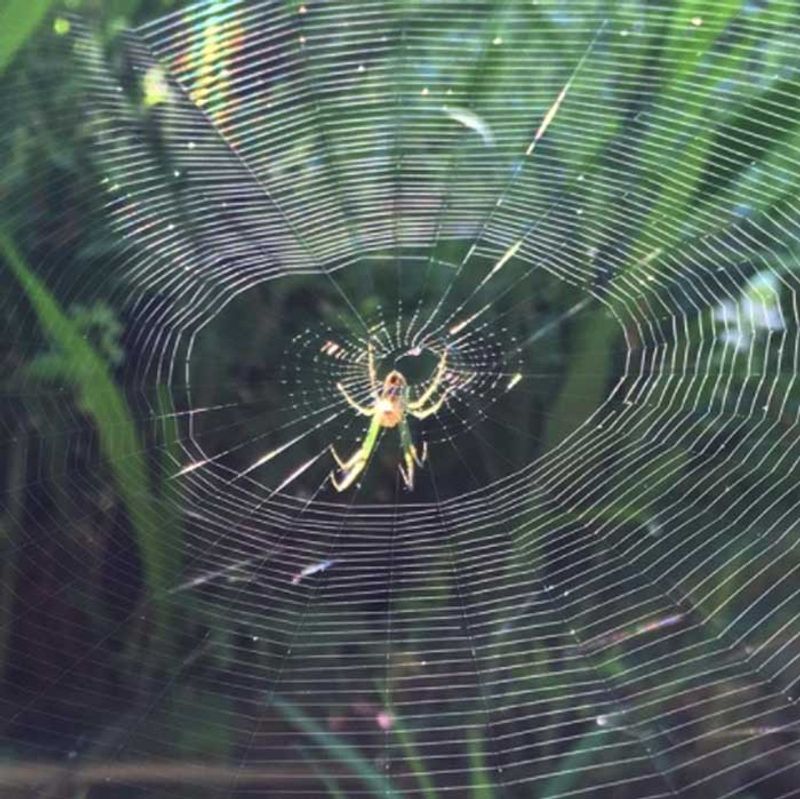
Spider webs are not signs of neglect but indicators of a thriving ecosystem. Each web plays a role in pest control, capturing insects that could harm your plants. These structures are crucial for maintaining ecological balance. Rather than seeing webs as untidy, view them as part of the garden’s natural cycle, demonstrating active management and biodiversity. Embrace the webs, knowing they contribute to a healthy garden environment.
15. Myth: Spiders Destroy Butterfly Populations
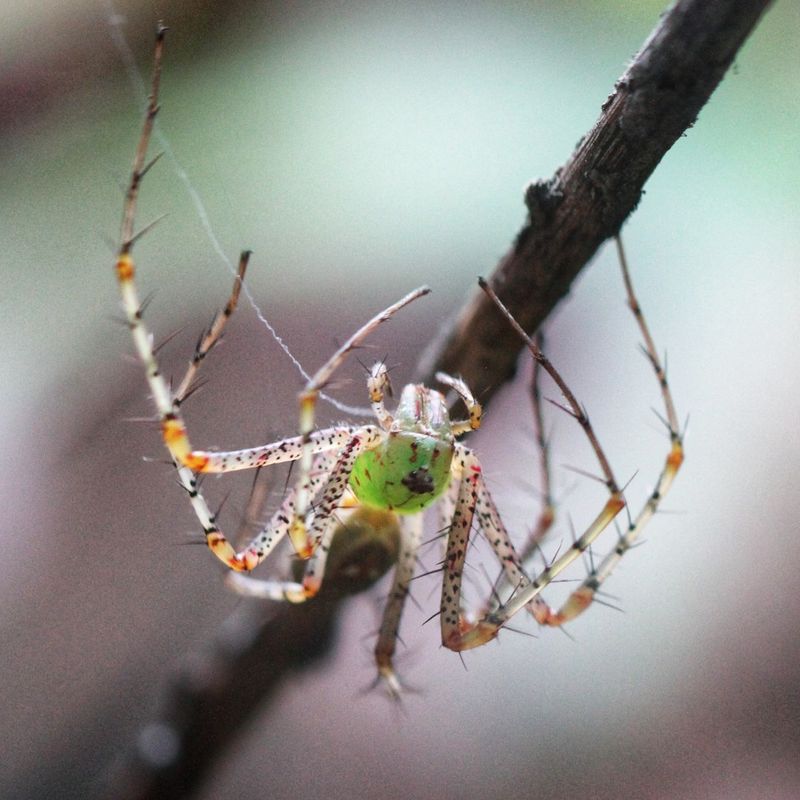
While spiders occasionally catch butterflies, their impact is minimal compared to habitat loss or pesticides. Spiders primarily target smaller, more numerous pests, leaving butterflies to flutter about unthreatened. This balance allows both to thrive, contributing to the garden’s vibrancy. By understanding the limited impact spiders have on butterflies, you can appreciate the complex interplay of garden life. It’s a dance of survival where each species plays its part.
16. Myth: You Can’t Garden Naturally With Spiders Around
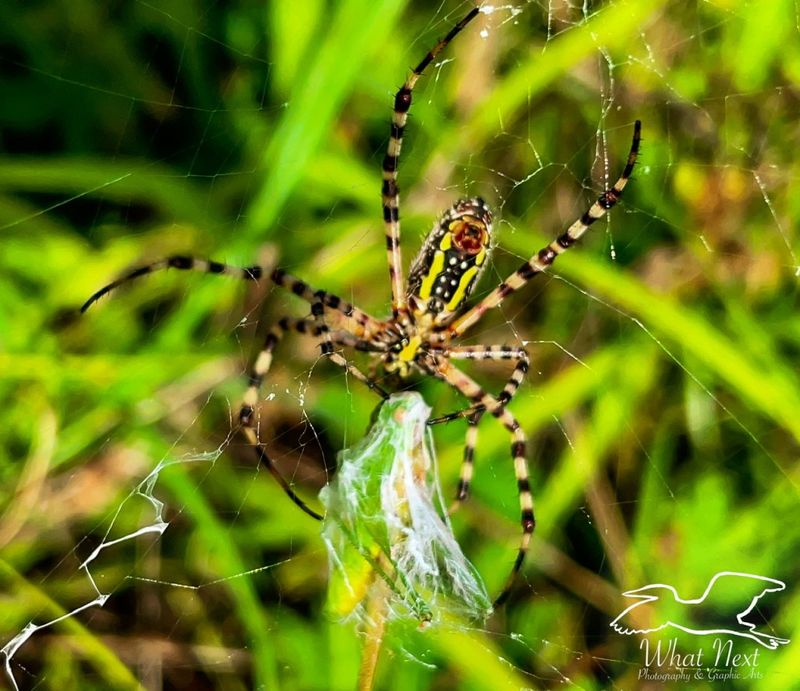
Spiders are integral to natural gardening practices, acting as indicators of a healthy, balanced ecosystem. Their presence suggests a vibrant, self-sustaining environment. Embrace their role in your gardening efforts, as they help manage pests naturally. By fostering a spider-friendly space, you’re promoting sustainable gardening practices that benefit all inhabitants. With spiders as partners, your garden can flourish with minimal intervention.
17. Myth: Spiders Only Come Out at Night
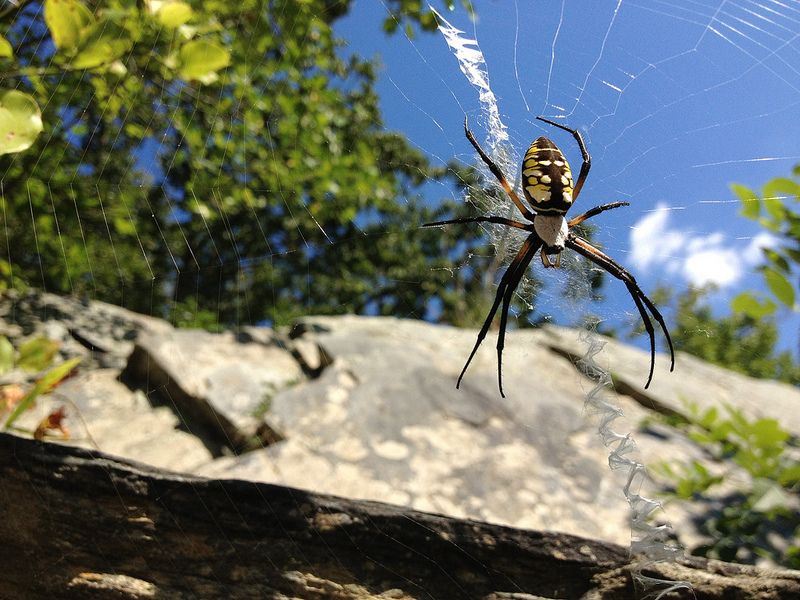
While many spiders are nocturnal, some, like the energetic jumping spider, are active during the day. This day-time activity helps maintain pest balance around the clock. By witnessing spiders at work in daylight, you gain insight into their varied lifestyles and adaptability. No longer just creatures of the night, these spiders enrich your garden throughout the day. Their constant vigil ensures a thriving garden, demonstrating their indispensable role regardless of the hour.
18. Myth: You Need to Clear Webs Daily
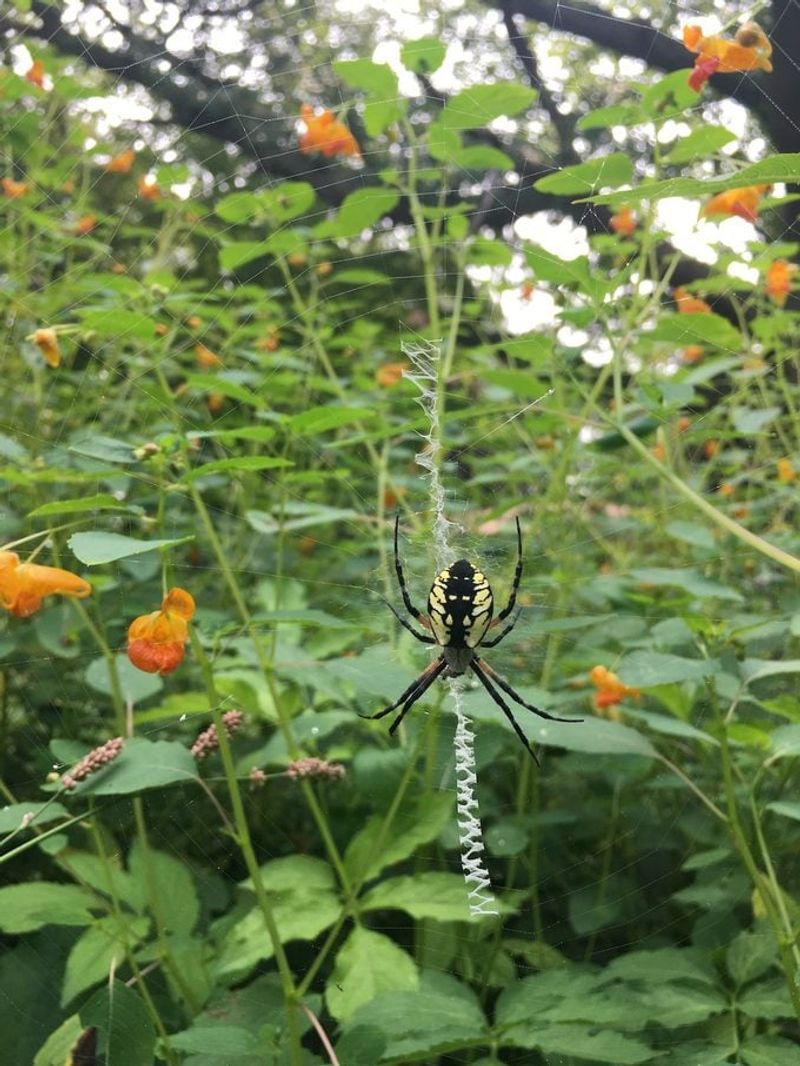
Clearing webs daily disrupts the natural order, preventing spiders from effectively managing pests. These webs are rebuilt regularly, demonstrating spiders’ resilience and dedication to pest control. By allowing webs to remain, you support their natural cycle, enabling spiders to do what they do best. This hands-off approach fosters a healthier garden environment, where nature is allowed to work its magic with minimal interference. Let webs be, and your garden will thank you.
19. Myth: Spiders Multiply Like Crazy
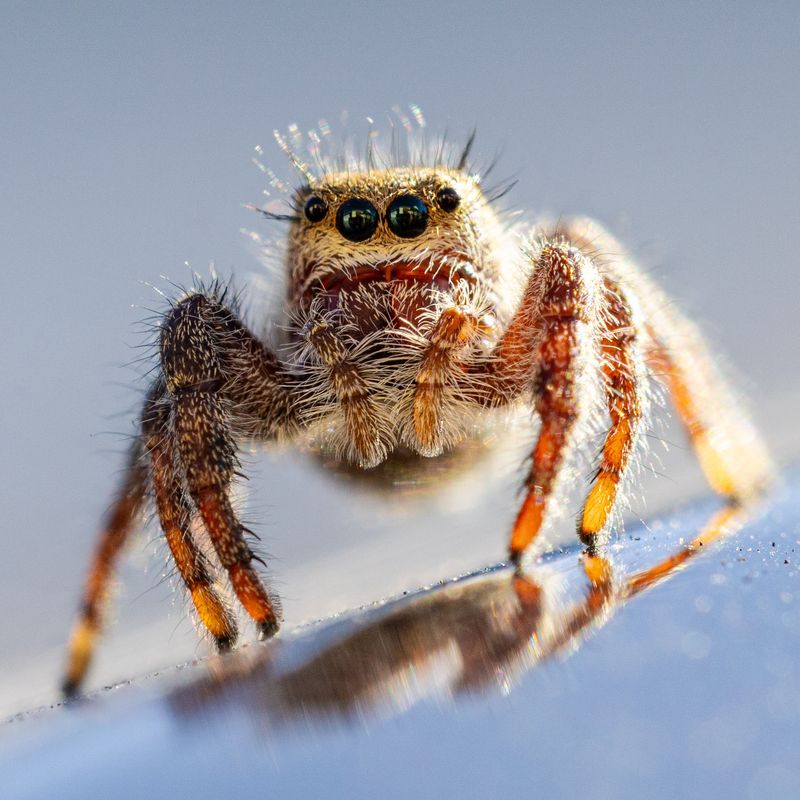
Spiders are self-regulating, adjusting their numbers based on food availability. When food is scarce, spider numbers dwindle, maintaining equilibrium in the ecosystem. This natural regulation ensures they never overwhelm your garden. By understanding this cycle, you can welcome spiders as part of the natural order, knowing they won’t spiral out of control. A balanced garden with spiders contributes to a harmonious environment, where each creature finds its way.
20. Myth: Spiders Are More Harm Than Help
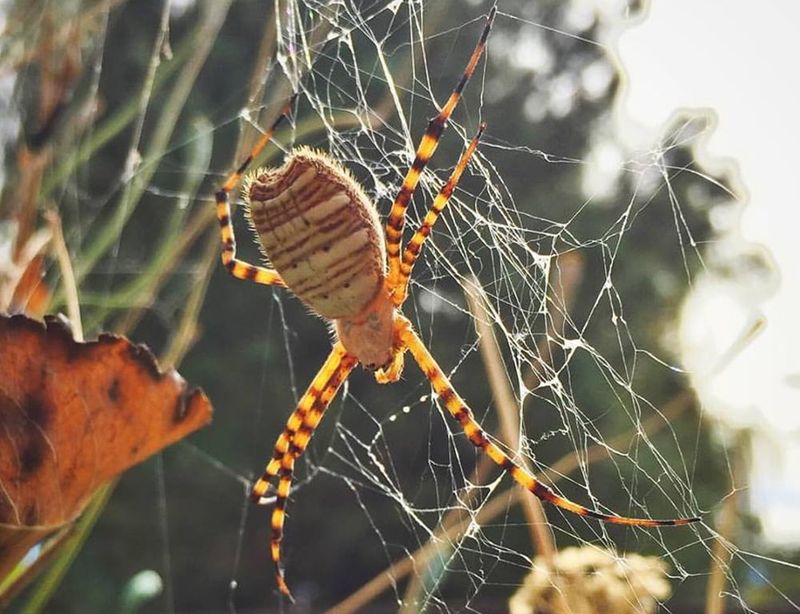
Spiders are unsung heroes, tirelessly working behind the scenes to manage insect populations. Their quiet efforts help reduce the need for chemical pesticides, offering an eco-friendly solution to pest management. By keeping insect numbers in check, spiders contribute to a thriving garden environment. Embrace their presence, acknowledging the critical role they play in supporting garden health and biodiversity. Every spider is a small guardian of your garden’s future.