
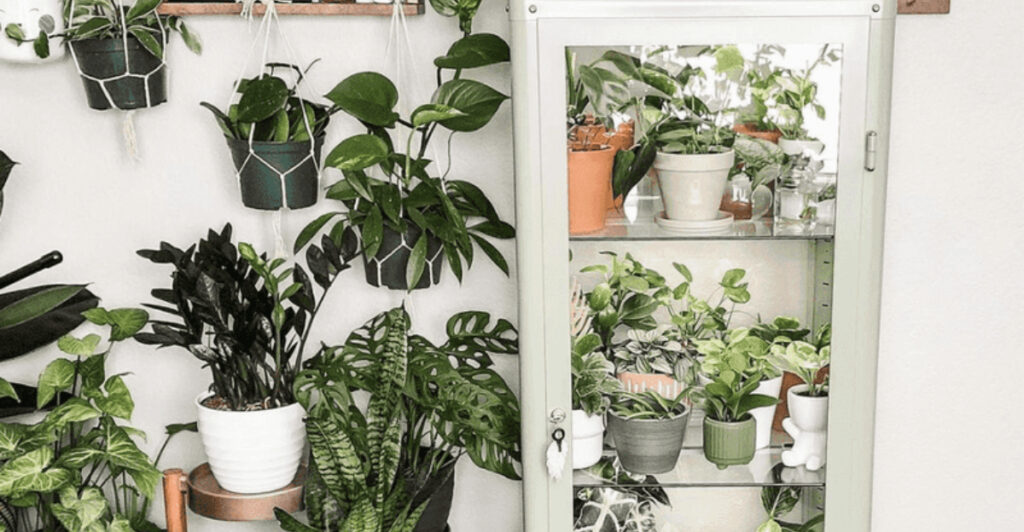
Indoor plants bring life and vibrancy to our spaces, but not every nook and cranny in our homes serves as a perfect haven for them. Some spots, though seemingly ideal, can become plant death traps due to heat, lack of light, or hidden dangers. Let’s explore ten places you should avoid placing your green friends, including a couple of surprising ones you might not expect!
1. Directly Above Heating Vents or Radiators
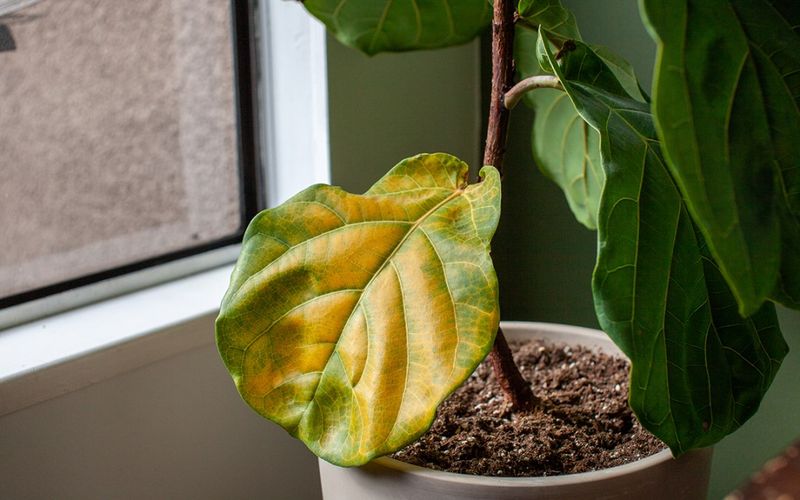
Placing plants above heating vents or radiators is a common mistake. The forced dry heat emitted can rapidly dehydrate the soil and scorch plant leaves. Even heat-tolerant species are not immune to the damage caused by repeated cycles of drying and wilting. To keep your plants healthy, ensure they are positioned at least 1–2 meters away from any heat source. During winter, it’s essential to monitor soil moisture more frequently to prevent the drying effects of indoor heating.
2. Right Under Air-Conditioning Units
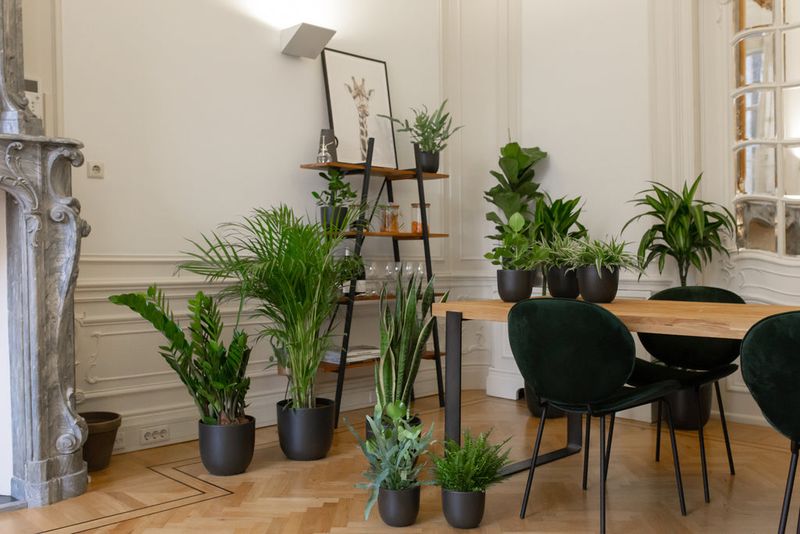
Avoid placing plants directly under air-conditioning units. The blasts of cold, dry air can stunt growth and cause leaves to drop, as repeated exposure mimics a sudden cold snap outdoors. The plant’s physiology is shocked, making it difficult to thrive. If your only option is near an AC, consider rotating the plants in for just a few hours each day rather than a permanent spot. This ensures they get relief from the cold air and continue to flourish.
3. On Top of the Stove or Oven Hood
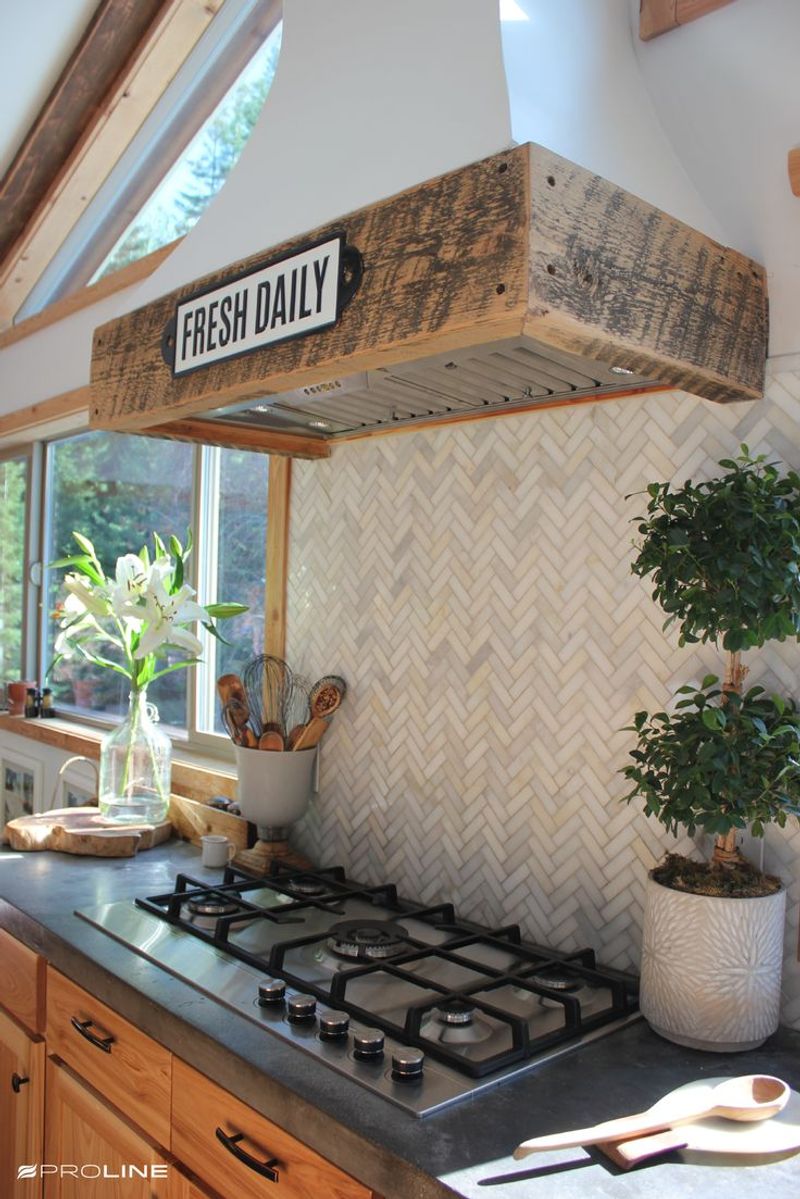
Though it might seem like a bright spot, placing plants on top of the stove or oven hood exposes them to extreme heat and cooking fumes. These elements can quickly damage foliage and affect soil health. Opt for locations further away from the burners, such as countertops. Herbs in particular will appreciate the humidity of a kitchen but not the direct heat, allowing them to thrive away from the stovetop’s harmful effects.
4. In Windowless Bathrooms
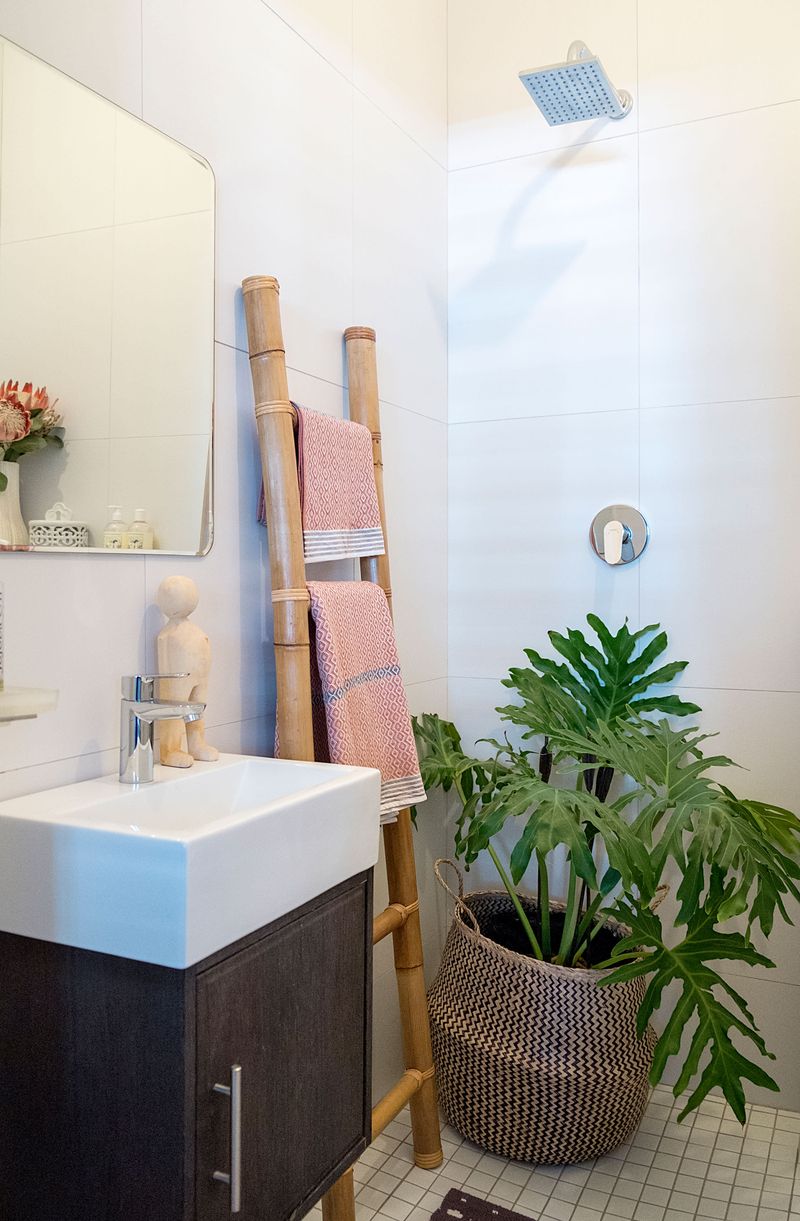
Plants need light to photosynthesize, making windowless bathrooms a poor choice for their placement. High humidity can encourage mold or pests in the soil, compounding the problem. For those who desire greenery in the bathroom, choose low-light–tolerant species like the ZZ plant or sansevieria. Supplementing with a grow lamp can also help provide the necessary light for these plants to thrive in such challenging conditions.
5. Dark Hallways and Corridors
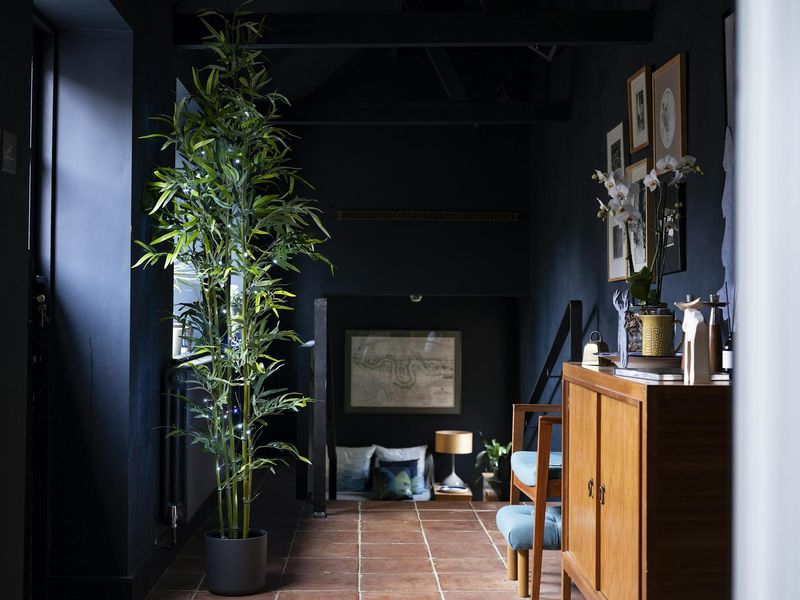
Plants placed in dark hallways or corridors suffer from a lack of light, leading to leggy growth as they stretch towards any available source. Even brief slivers of indirect light fail to meet their needs. Instead of live plants, consider decorating these spaces with faux greenery or artwork that doesn’t require sunlight. This ensures that your decor remains vibrant without compromising plant health.
6. On Top of the Refrigerator (Unexpected!)
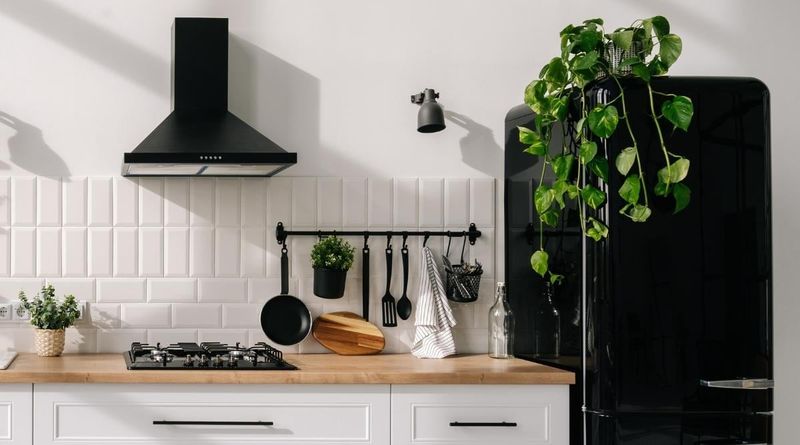
Though often seen as a safe spot from pets or children, the top of a refrigerator is one of the warmest, driest places in a kitchen. This environment is the opposite of what most houseplants need. If you wish to utilize this space, opt for heat-tolerant succulents in shallow pots, and remember to water them sparingly. This will help them survive despite the challenging conditions atop your fridge.
7. Under a Staircase
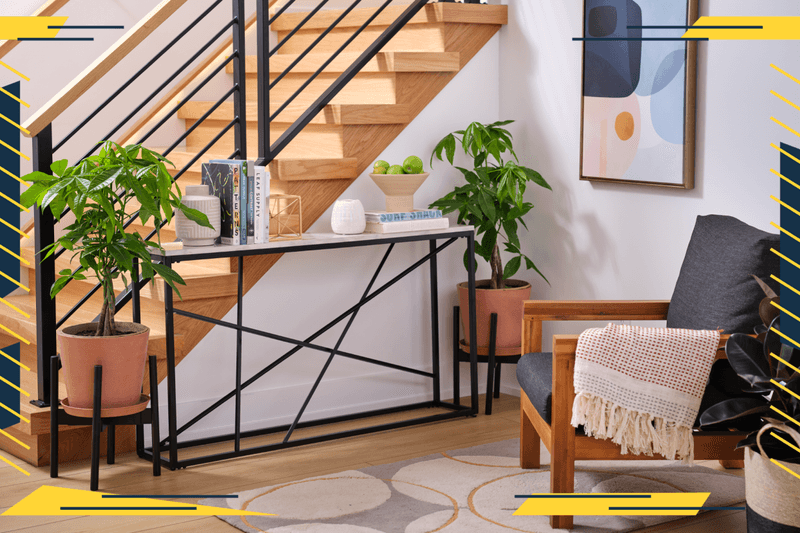
While the space under your staircase might seem like a creative spot for a plant display, it often lacks the natural light most plants need to thrive. This dimly lit area can lead to leggy growth as your plants stretch desperately towards any available light source, weak and unhealthy.
Instead of keeping plants directly under the stairs, consider using this space for other decorative items or opt for artificial plants that won’t mind the low light conditions. If you’re set on having live plants there, select varieties known for their shade tolerance and regularly rotate them to areas where they can receive some natural light.
It’s essential to remember that airflow can also be limited in such spaces, which might encourage mold growth in the soil. Ensure the area is well-ventilated to keep your plants healthy and happy.
8. Beside Your TV or Computer Screens
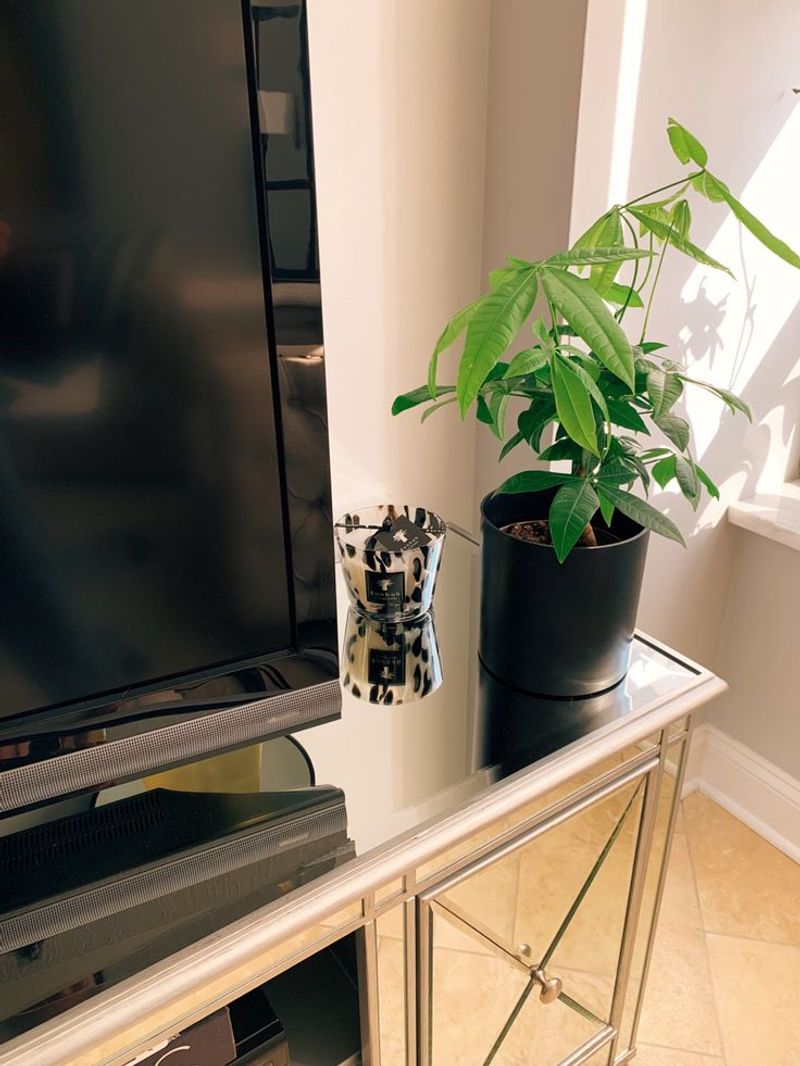
Electronics like TVs and computer screens emit heat and electromagnetic fields over time, which can stress nearby plants. The glare from screens also disrupts natural light cycles. To protect your plants, maintain a clear buffer of at least 50 cm between them and any heat-emitting device. This ensures they receive the right environment to grow without added stress from electronic interference.
9. Inside Closed Cabinets or Storage Rooms
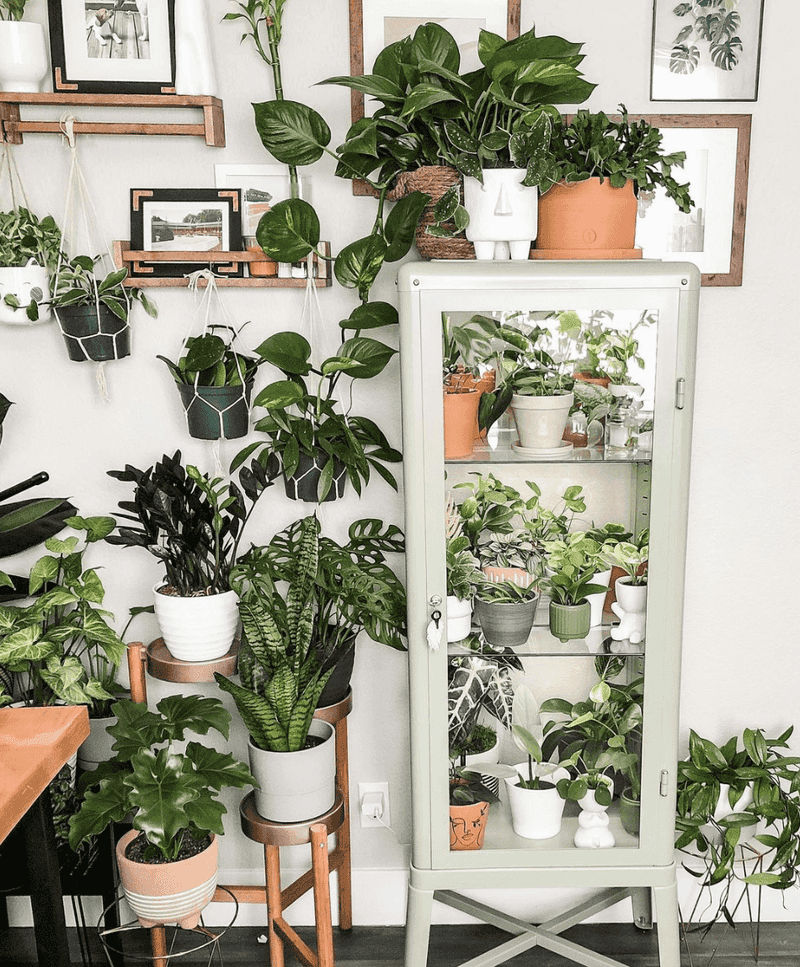
Closed cabinets or storage rooms lack ventilation and light and often have stale air, posing a lethal environment for most plants. Without airflow, mold can develop, harming even the most resilient species. If you desire greenery inside furniture, consider open shelving or glass-front cabinets, and occasionally crack the door for airflow. This provides a more suitable microenvironment for your plants.
10. Under Cool-White Fluorescent Office Lights
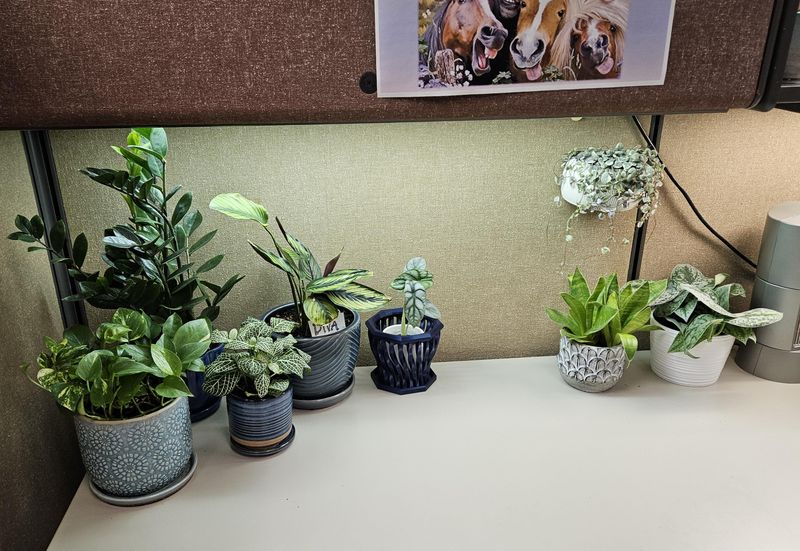
Most office fluorescents don’t offer the full spectrum of light that plants need. As a result, you’ll notice pale, spindly growth and yellowing leaves. If your office lacks natural light, invest in a full-spectrum LED grow light instead. This will provide the necessary conditions for your plants to thrive, ensuring they remain healthy and vibrant despite the artificial lighting environment.