
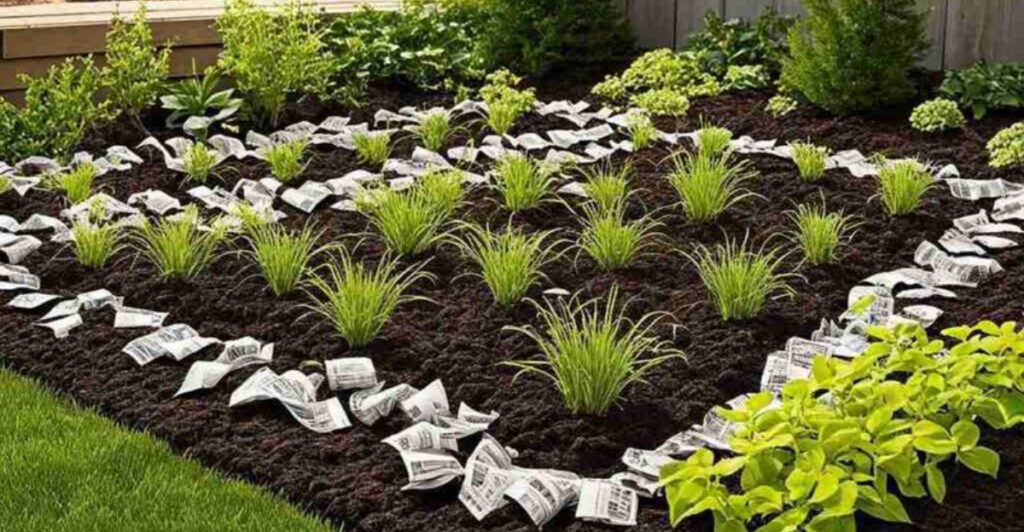
Mulching is a common practice in gardening, providing benefits like moisture retention and weed suppression. However, not all mulches are created equal. Some can cause more harm than good, affecting soil health, plant growth, and even posing risks to pets.
Understanding which mulches to avoid can save your garden from potential disaster. Here’s a guide on the top ten mulches to keep out of your garden, along with reasons why they’re unsuitable choices.
1. Dyed Wood Mulch
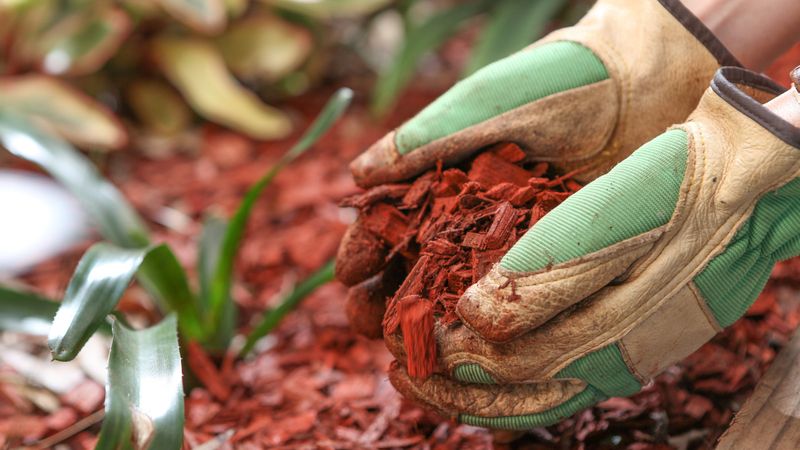
Dyed wood mulch may catch the eye, but its origins often lie in recycled wood, like old pallets, treated with chemicals. The vibrant hues can leach into the soil, disrupting the delicate balance of beneficial microbes and potentially harming the plants. Consider the impact on your garden’s ecosystem before choosing this mulch. Think twice, as it’s not just the aesthetics but the underlying implications that could trouble your garden.
2. Rubber Mulch
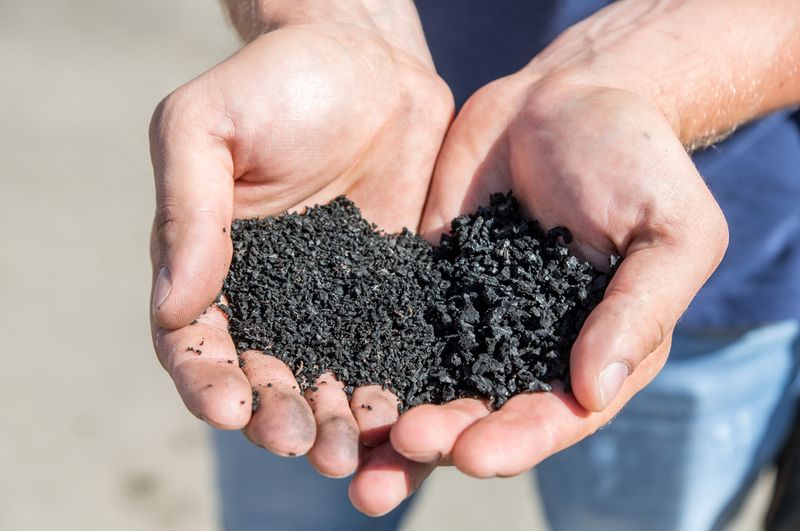
Once touted as a durable alternative, rubber mulch’s potential threats are hard to ignore. Made from shredded tires, it may contain heavy metals and toxic substances. This mulch lacks biodegradability, providing no nutrients to the soil, and can even cause soil temperatures to rise. These hidden dangers mean that what seems like a convenient option could spell trouble for your garden’s health and vitality.
3. Fresh Sawdust
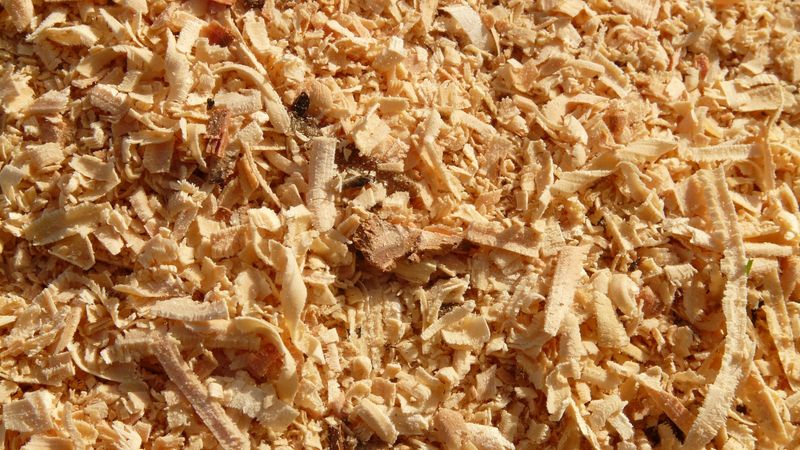
Fresh sawdust might seem like a natural choice, but it comes with a hidden catch. As it breaks down, it ties up nitrogen, essentially starving your plants. Its tendency to compact means it can create a water-resistant barrier, preventing moisture from reaching plant roots. This seemingly benign mulch may silently hinder your garden’s growth, turning a simple choice into a cause for concern.
4. Black Plastic Sheeting
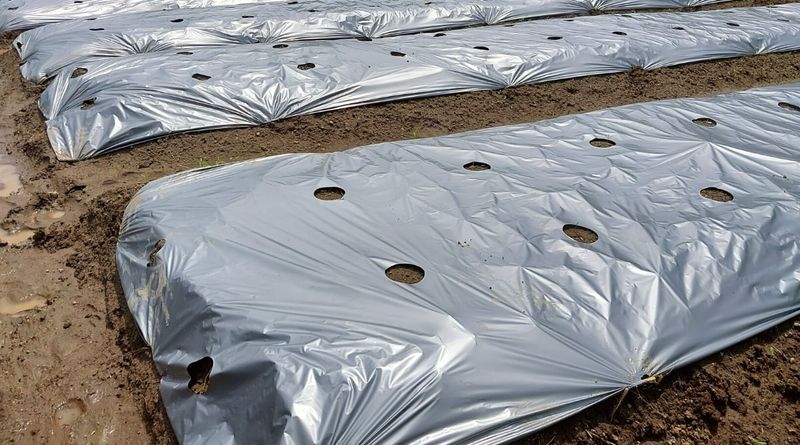
Black plastic sheeting is often used for weed control, but its downsides are significant. By preventing water and air from reaching the soil, it can create a suffocating environment. The increased soil temperatures can stress plants, leading to overheated root zones. Its initial appeal as a weed deterrent quickly fades when considering the negative impact on soil and plant health.
5. Cocoa Bean Mulch
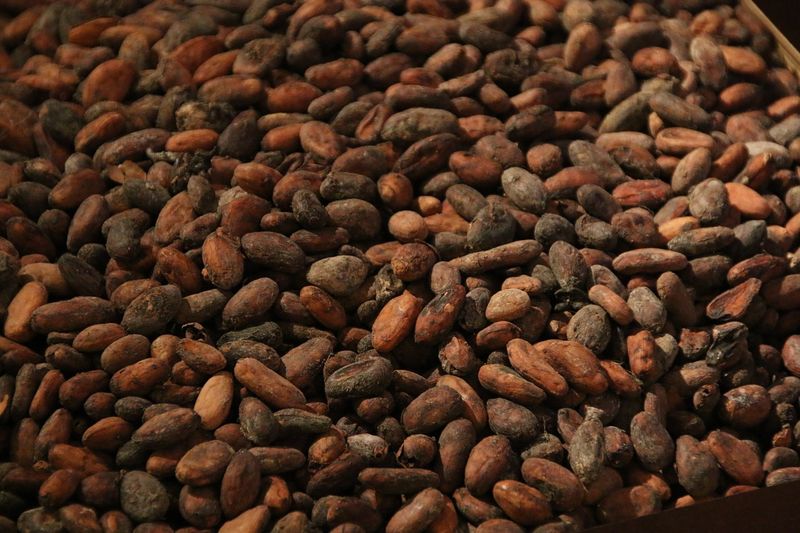
Cocoa bean mulch, known for its pleasant chocolate scent, hides a dangerous secret. The theobromine content makes it toxic to pets, especially dogs. Add to that its tendency to mold in wet conditions, and you’ve got a recipe for potential disaster. While it may seem like a luxurious choice, the risks outweigh the benefits, particularly for pet-friendly gardens.
6. Non-Composted Manure
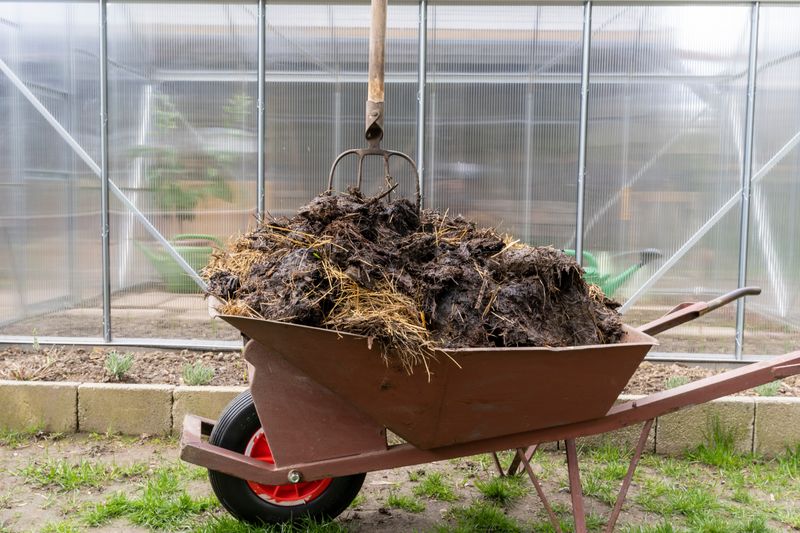
Non-composted manure’s raw nature can lead to burnt plant roots due to high ammonia levels. This “hot” mulch can also introduce weed seeds or harmful pathogens into your garden. While it may appear to be a straightforward way to enrich the soil, the drawbacks are significant, making it an unwise choice for those aiming to nurture a thriving garden.
7. Grass Clippings (Thick Layers)
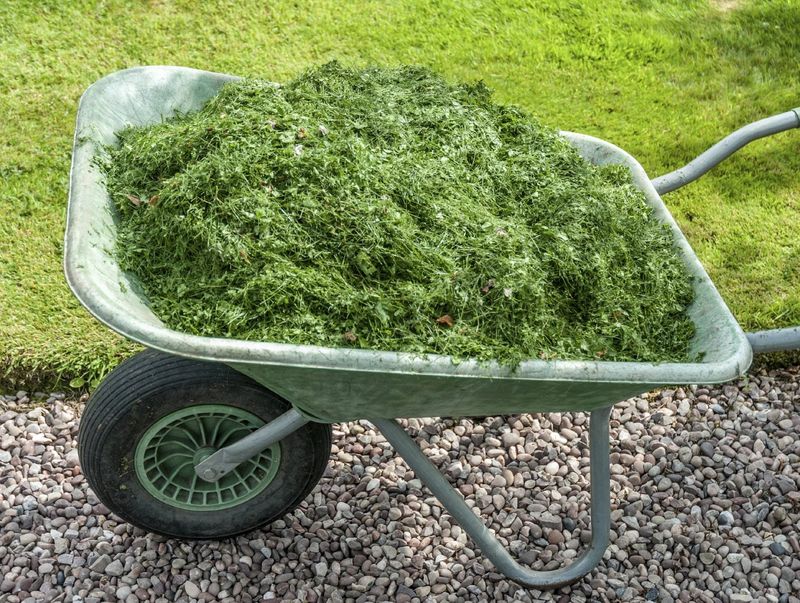
Grass clippings might initially seem like an easy mulch solution, but thick layers can backfire. They tend to mat, blocking air and water, and the decomposing clippings might emit an unpleasant smell. Additionally, if the grass was treated with herbicides, residues could transfer to the soil. What starts as a straightforward option can quickly turn into a problematic choice for your garden.
8. Pine Needles in Excess
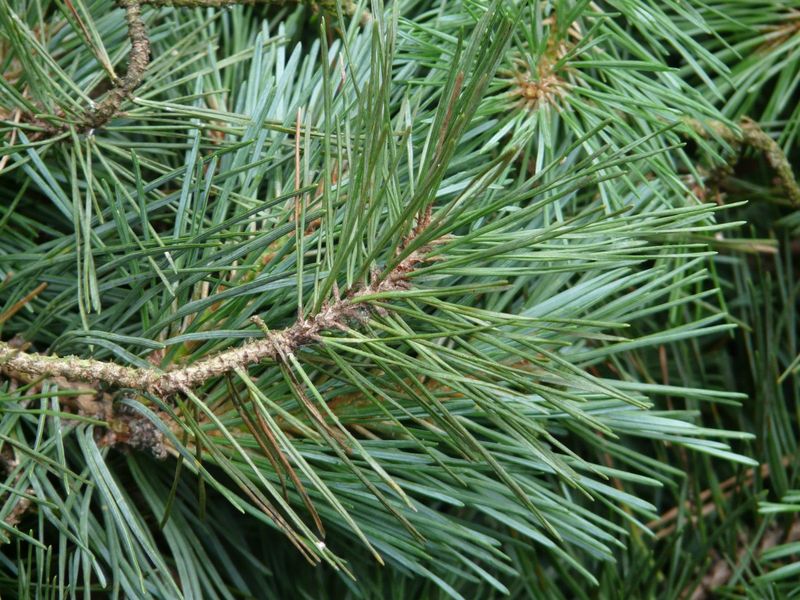
Pine needles can add acidity to the soil, a trait not all plants appreciate. In excess, they may lower soil pH over time, leading to issues for non-acid-loving plants. Additionally, the needles can form a slippery layer that sheds water rather than absorbing it. While they offer a natural appearance, their drawbacks might outweigh the visual appeal for many gardens.
9. Hay
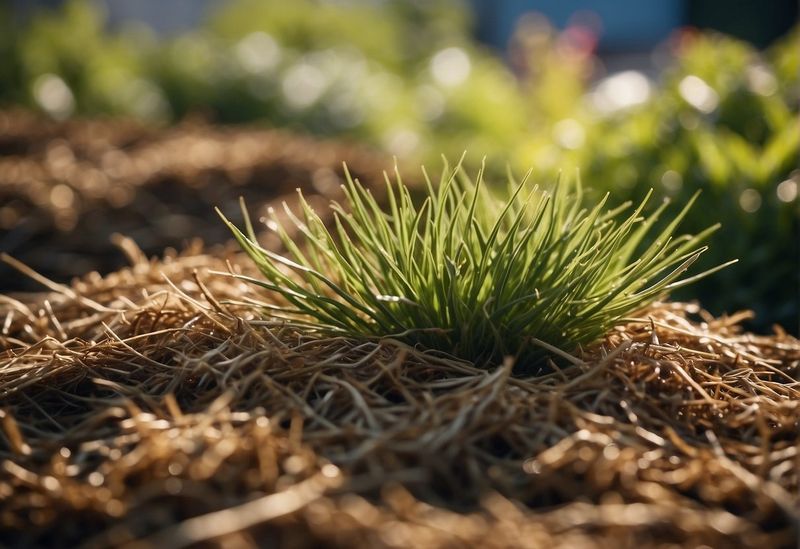
Hay might appear to be a rustic mulch choice, but it’s often riddled with weed seeds. As it breaks down quickly, it requires frequent replenishment, adding to the gardener’s workload. While the natural look might be inviting, the ongoing battle with unwanted growth and maintenance can make hay a less appealing option for keeping your garden in check.
10. Newspaper or Cardboard with Glossy Ink
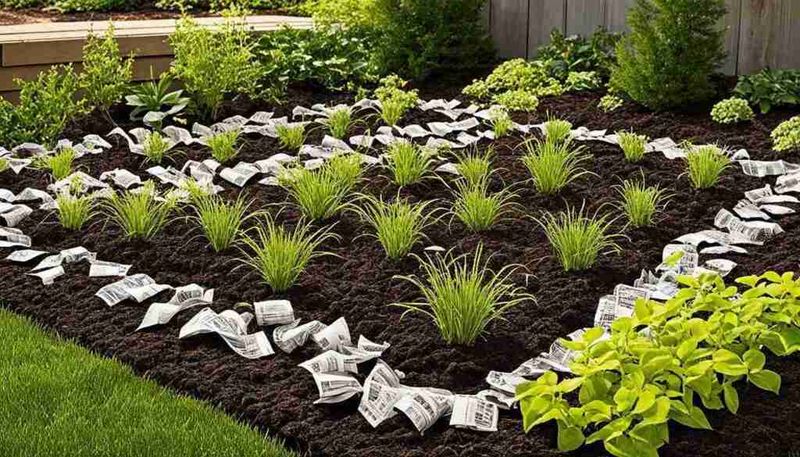
Utilizing newspaper or cardboard with glossy ink might seem resourceful, but it comes with a caveat. The glossy coatings can contain toxic chemicals or heavy metals, posing a risk to soil health. Additionally, these materials might not break down properly, impeding soil airflow. What starts as an environmentally friendly idea can quickly become a hindrance to the garden’s natural vitality.