 Complete Gardening
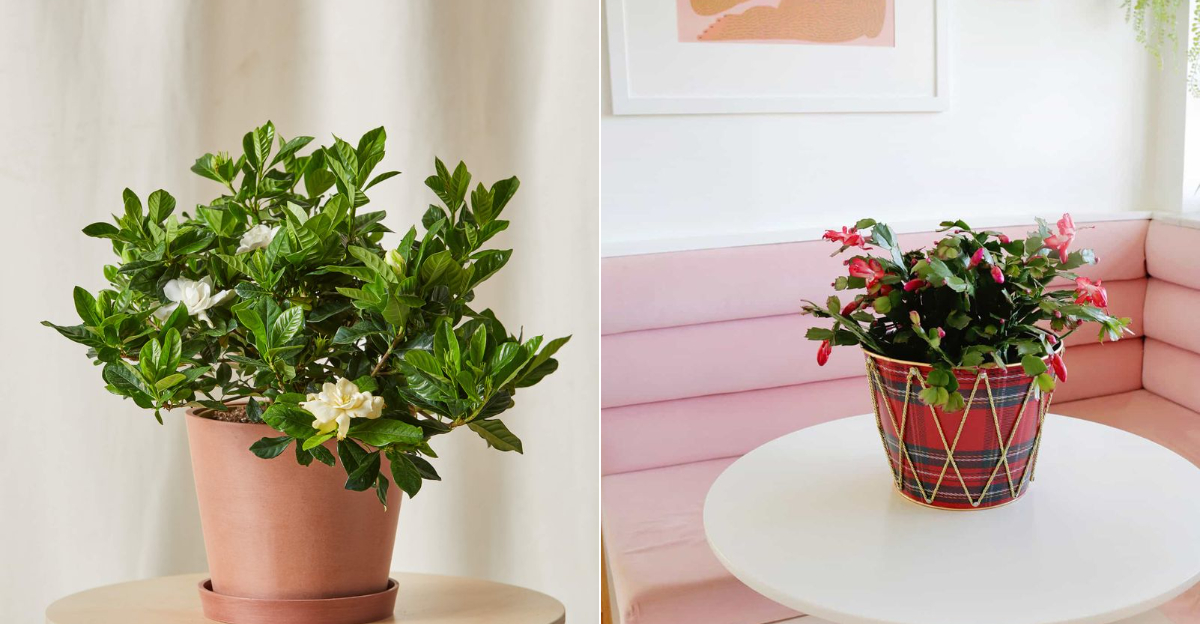
Coffee grounds can be a fabulous addition to your houseplant care routine, but only for specific types of plants. While some houseplants thrive on the nutrient boost provided by coffee grounds, others may suffer due to their acidity. Here’s a detailed look at 12 houseplants that love coffee grounds and 12 that can’t stand them, helping you choose the right care for your green companions.
1. African Violet (Saintpaulia)
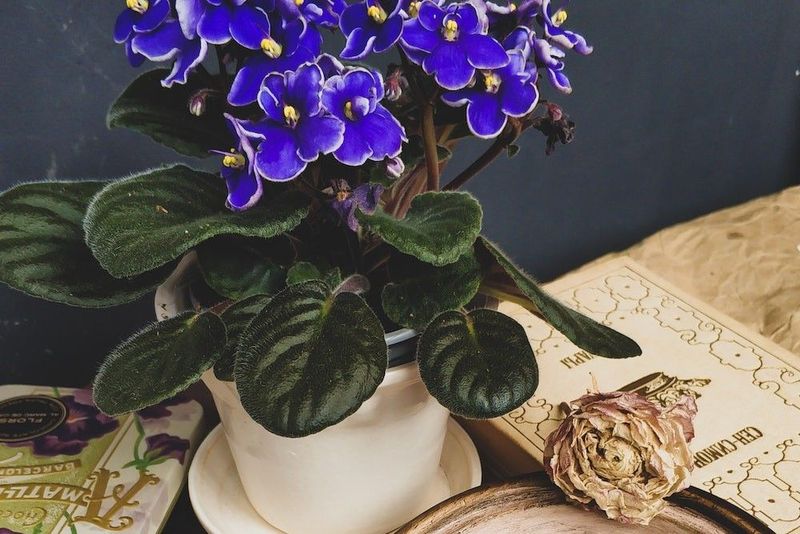
African Violets are the epitome of indoor charm, with their stunning purple blooms and velvety leaves. These plants adore the slight acidity and nitrogen boost that coffee grounds provide, making them flourish in well-drained soil. Just imagine a little sprinkle of coffee grounds working its magic, turning your African Violet into the star of your windowsill.
However, moderation is key. Too much coffee can lead to excess nitrogen, which might hinder blooming. Keep a balanced approach, and your African Violet will reward you with endless blooms.
2. Peace Lily (Spathiphyllum)
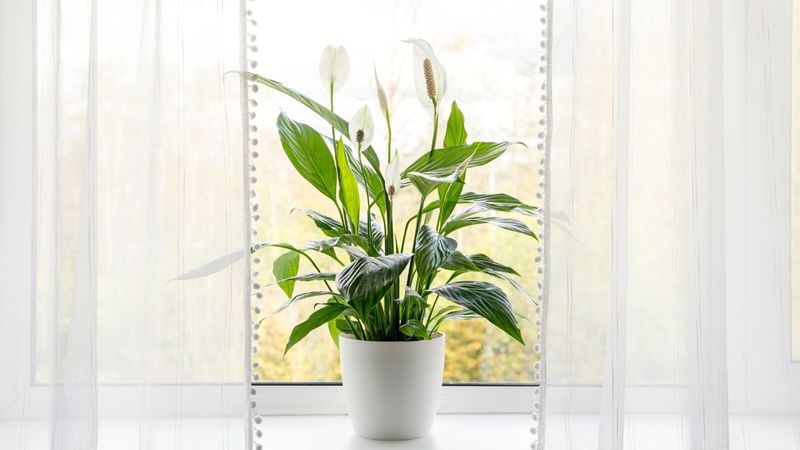
With their graceful white blooms, Peace Lilies are a beloved choice for indoor gardens. They appreciate the added nutrients from coffee grounds, which help maintain their lush green foliage. By adding coffee grounds occasionally, you can enhance their growth without overwhelming them.
These plants are known for their air-purifying qualities, making them perfect companions for your home. Keep the soil moist but not soggy, and watch your Peace Lily thrive with a hint of caffeinated care.
3. Boston Fern (Nephrolepis exaltata)
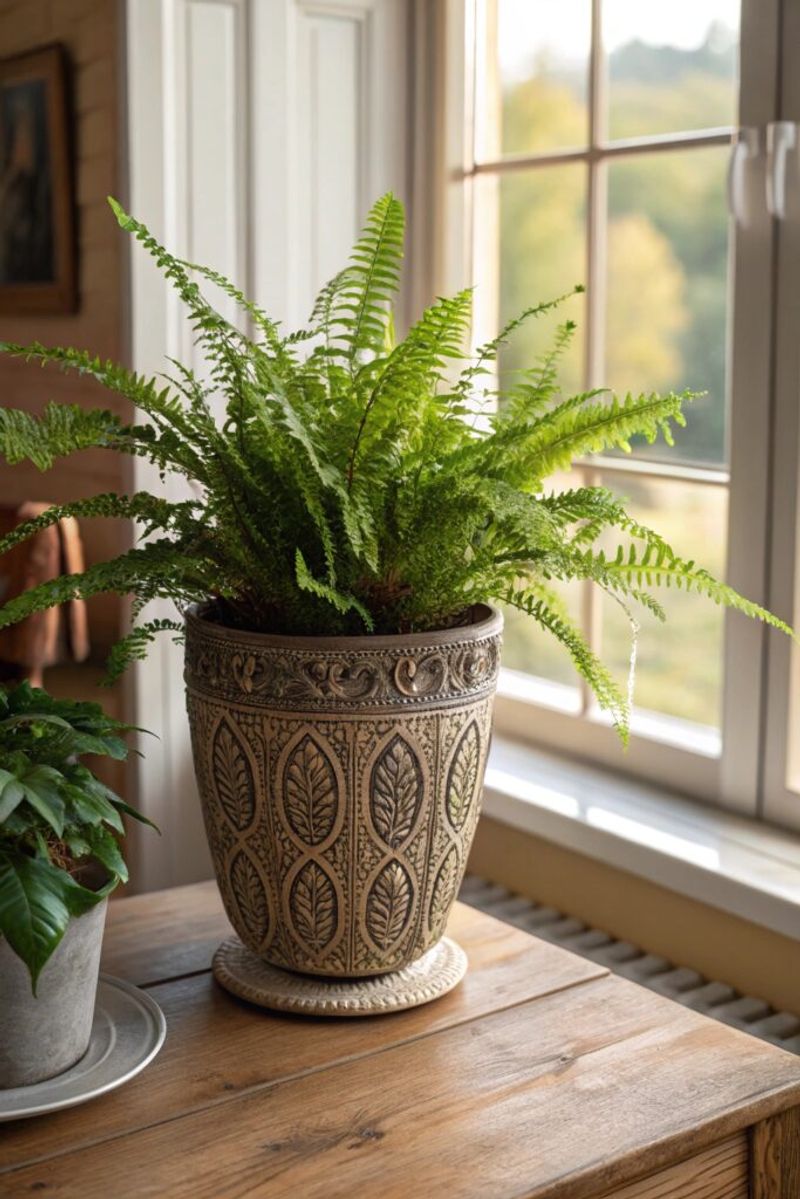
Boston Ferns, with their lush, feathery fronds, bring a touch of elegance to any room. They enjoy the organic matter provided by coffee grounds, which enhances their growth and vibrancy. This natural boost helps Boston Ferns maintain their classic, arching fronds.
Ensure the soil stays moist, as they dislike dryness. A regular, balanced addition of coffee grounds can give them the perfect nutrient mix they crave. Keep them away from direct sunlight, and your fern will remain a lush, green oasis.
4. Spider Plant (Chlorophytum comosum)
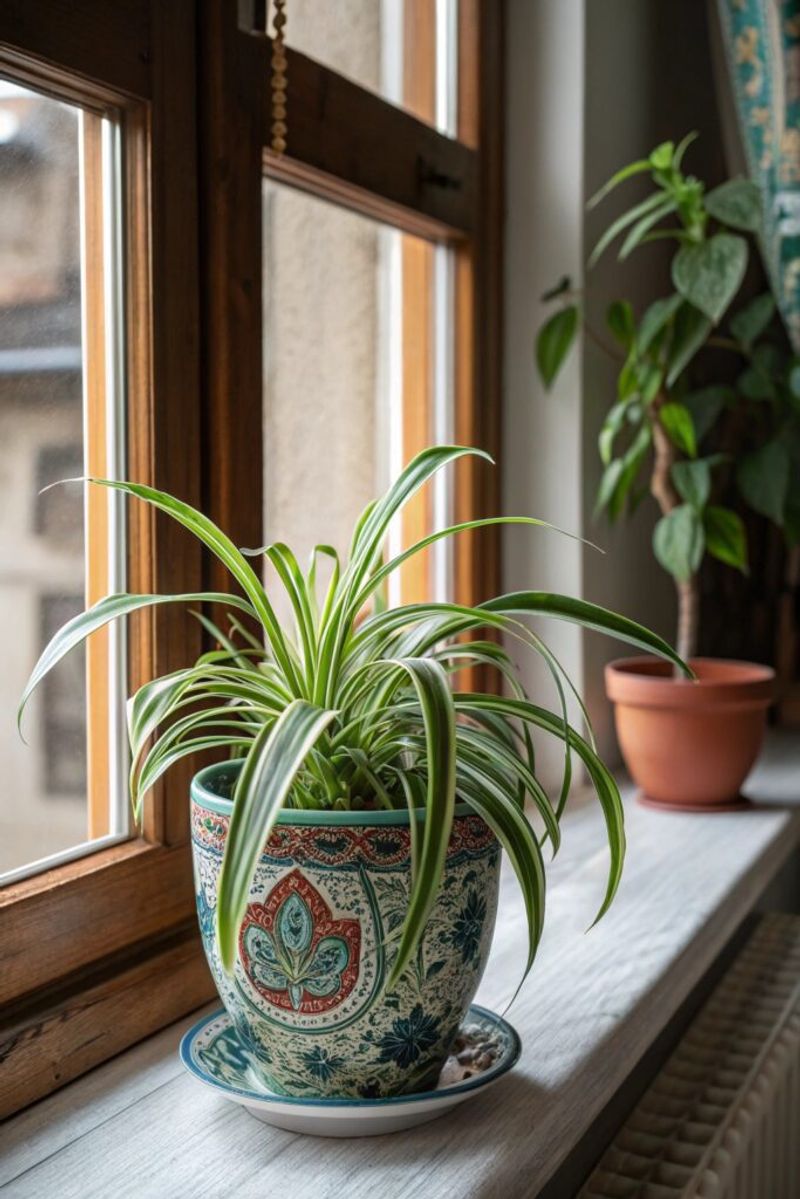
Spider Plants are famous for their resilient and easy-going nature. A sprinkle of coffee grounds can provide these plants with a gentle nutrient boost, enhancing their vibrant variegated leaves. They thrive in various light conditions, making them adaptable to most indoor settings.
Keep them in well-drained soil and enjoy the playful cascade of their spiderettes. With moderate watering and occasional coffee grounds, your Spider Plant will continue to grace your home with its lively presence.
5. Philodendron (Philodendron spp.)
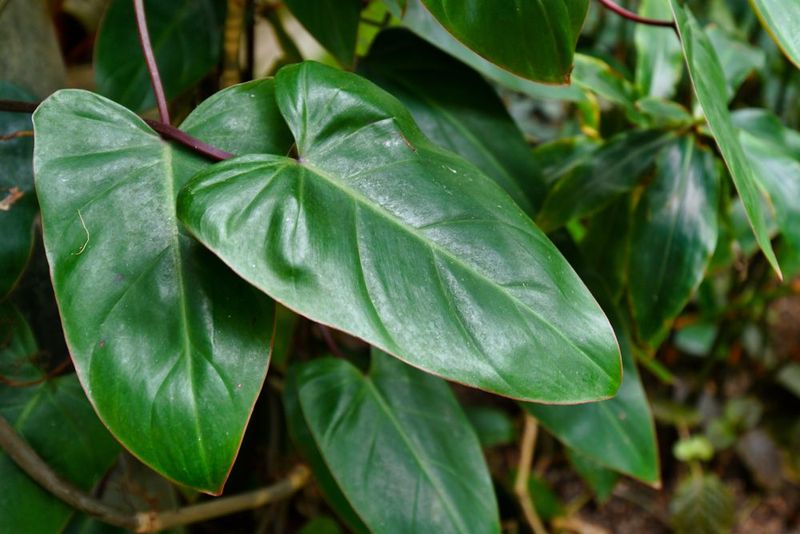
Philodendrons, with their broad, heart-shaped leaves, are a staple in indoor gardening. They appreciate the organic matter from coffee grounds, which adds nutrients to the soil and supports their robust growth.
These plants are tolerant of various light conditions but prefer a humid environment. With the right care, including coffee grounds in moderation, Philodendrons will remain a lush, green feature in your home. Their easy maintenance and aesthetic appeal make them a favorite among plant lovers.
6. Pothos (Epipremnum aureum)
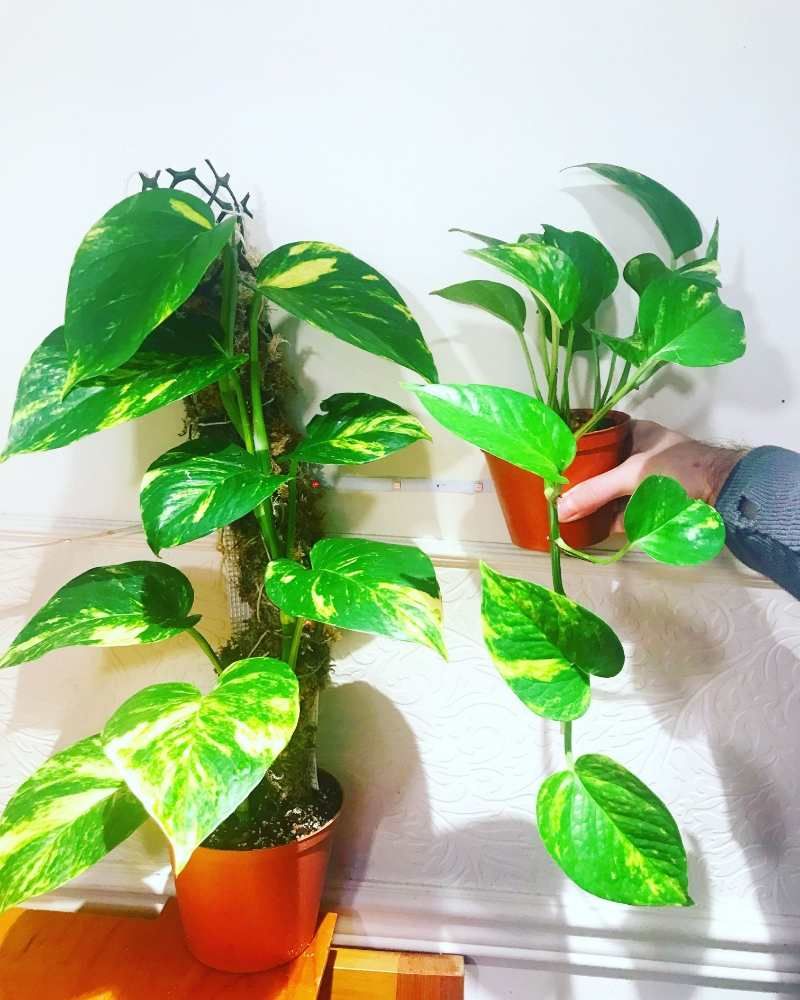
Pothos, known for their cascading vines and heart-shaped leaves, thrive with a little extra nitrogen from coffee grounds. This enhances their growth and keeps their foliage lush and vibrant.
These resilient plants adapt well to various lighting conditions, making them ideal for both beginners and seasoned plant enthusiasts. Regular watering combined with an occasional coffee ground treat will keep your Pothos thriving. They’re perfect for adding greenery to any space, from desktops to hanging baskets.
7. Anthurium
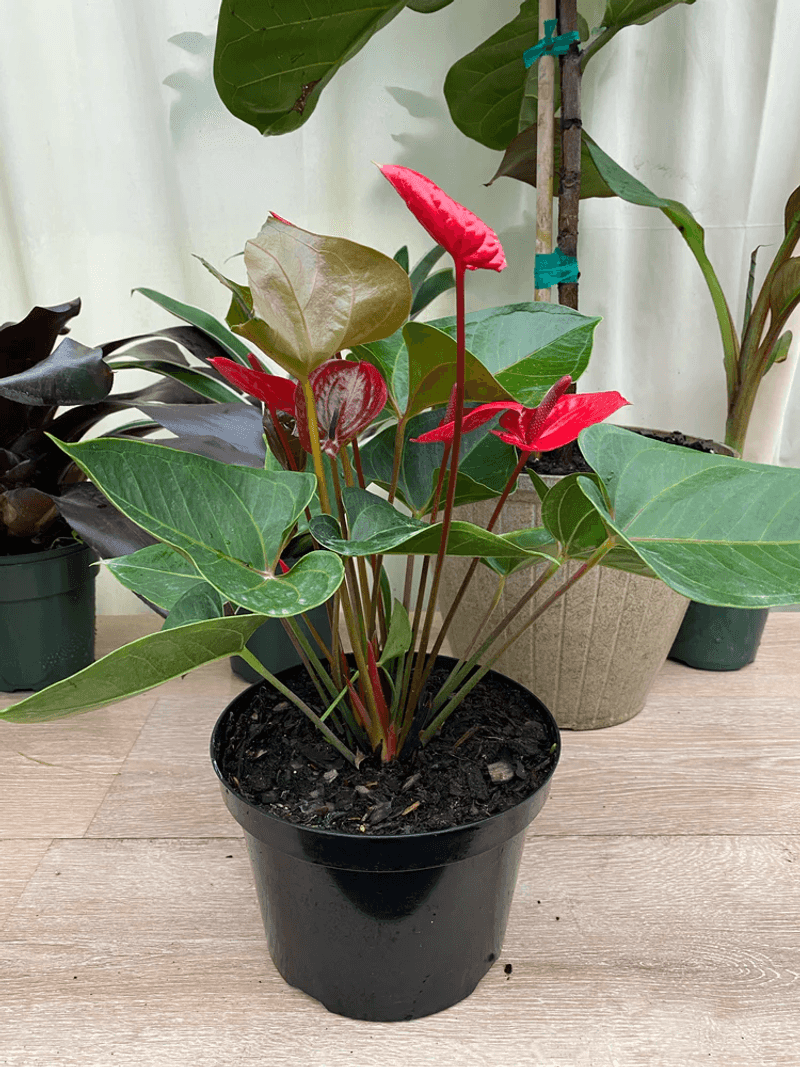
Anthuriums captivate with their vivid red spathes and glossy foliage. These tropical beauties enjoy the slight acidity provided by coffee grounds, which helps maintain their vibrant colors.
Ensure they have well-drained soil and indirect light to flourish. By balancing moisture with occasional coffee grounds, you can keep your Anthurium healthy and stunning. It’s a perfect plant for those looking to add a splash of color to their indoor spaces.
8. Gardenia (grown as a houseplant)
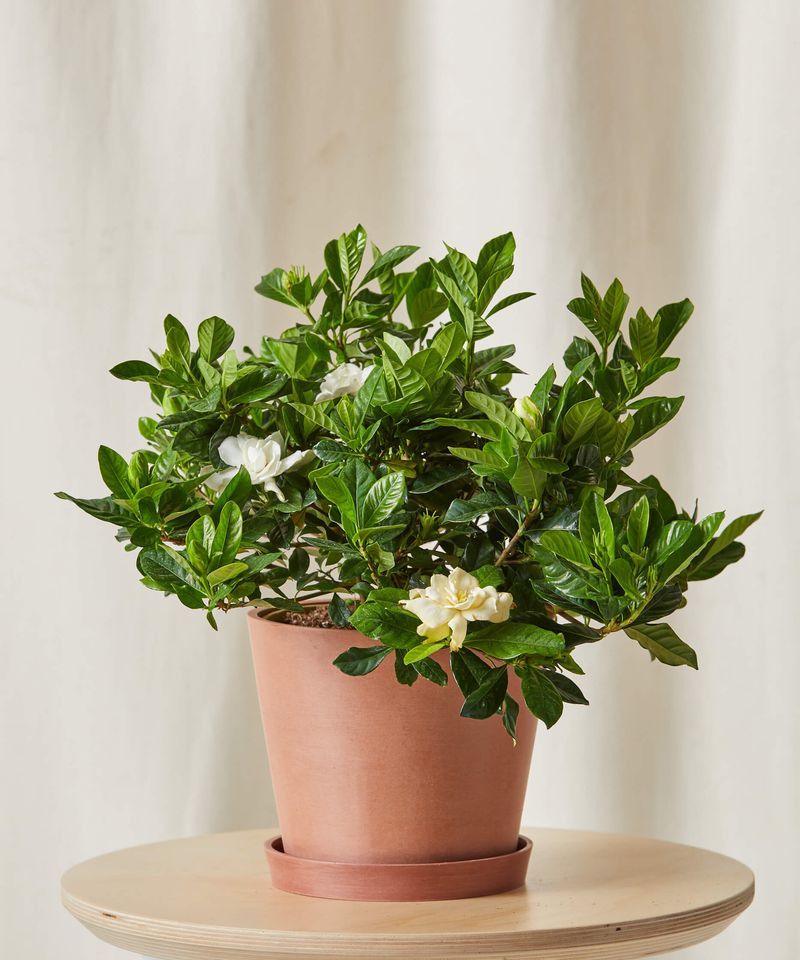
Gardenias, known for their fragrant white blooms, love the acidic environment that coffee grounds create. This addition can enhance their flowering and foliage health, making them a favorite among plant enthusiasts.
Provide them with bright, indirect light and consistent moisture for the best results. Regular care with coffee grounds can turn your Gardenia into an aromatic centerpiece. Just imagine the sweet scent filling your home as these beautiful flowers bloom.
9. Dracaena marginata
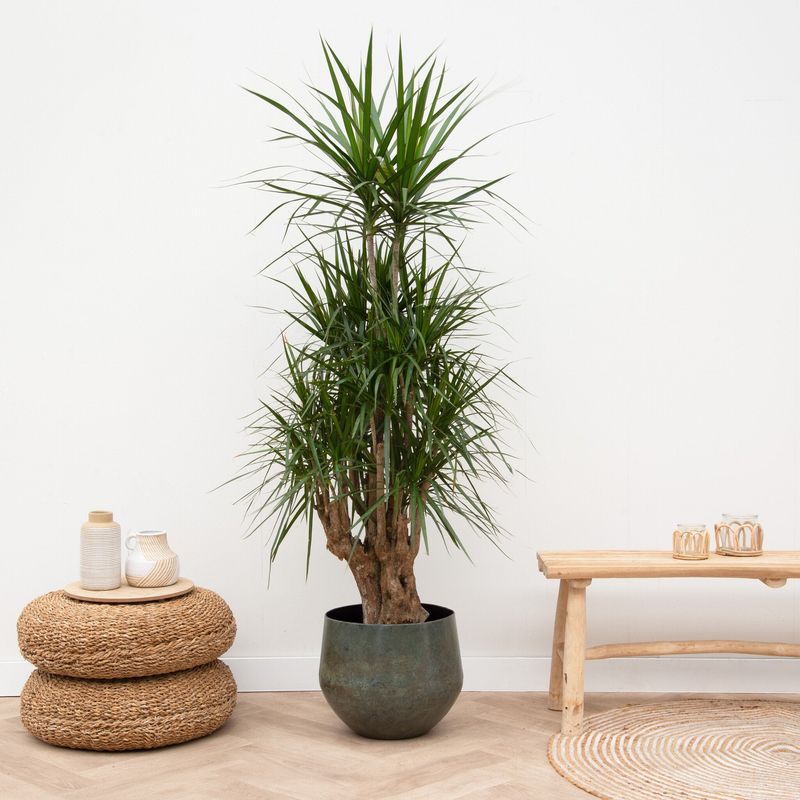
Dracaena Marginata, also known as the Dragon Tree, boasts slender, spiky leaves that add a modern touch to any interior. They can benefit from coffee grounds, which provide necessary nutrients for healthy growth.
These plants prefer well-drained soil and indirect sunlight. With proper care, including the occasional addition of coffee grounds, your Dracaena will thrive. Their unique appearance makes them a popular choice for contemporary decor.
10. Areca Palm (Dypsis lutescens)
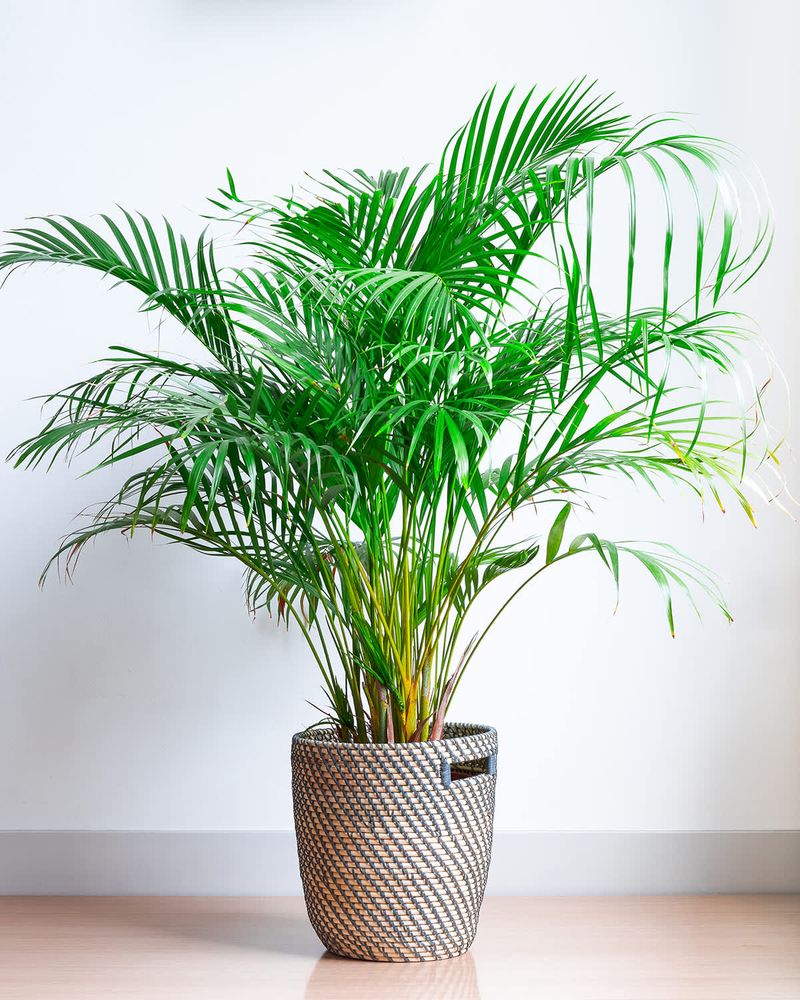
The Areca Palm, with its feathery fronds, adds a tropical flair to indoor spaces. Coffee grounds can provide them with essential nutrients, fostering lush growth and vibrant foliage.
Ensure they have a bright spot away from direct sunlight and maintain evenly moist soil. Regular care and a touch of coffee grounds can make your Areca Palm a thriving indoor oasis.
11. English Ivy (Hedera helix)
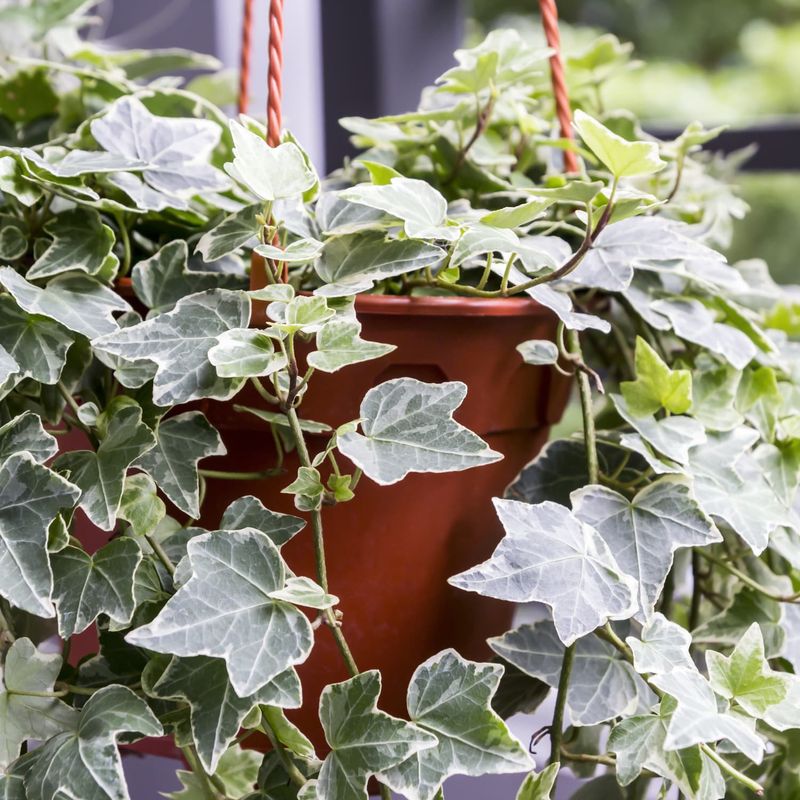
English Ivy, with its trailing vines and variegated leaves, can benefit from the nutrient-rich coffee grounds. This addition helps maintain their lush appearance and supports vigorous growth.
They thrive in moderate to bright, indirect light and prefer evenly moist soil. With consistent care and the occasional coffee infusion, your English Ivy will bring a classic, elegant touch to your home.
12. Chinese Evergreen (Aglaonema)
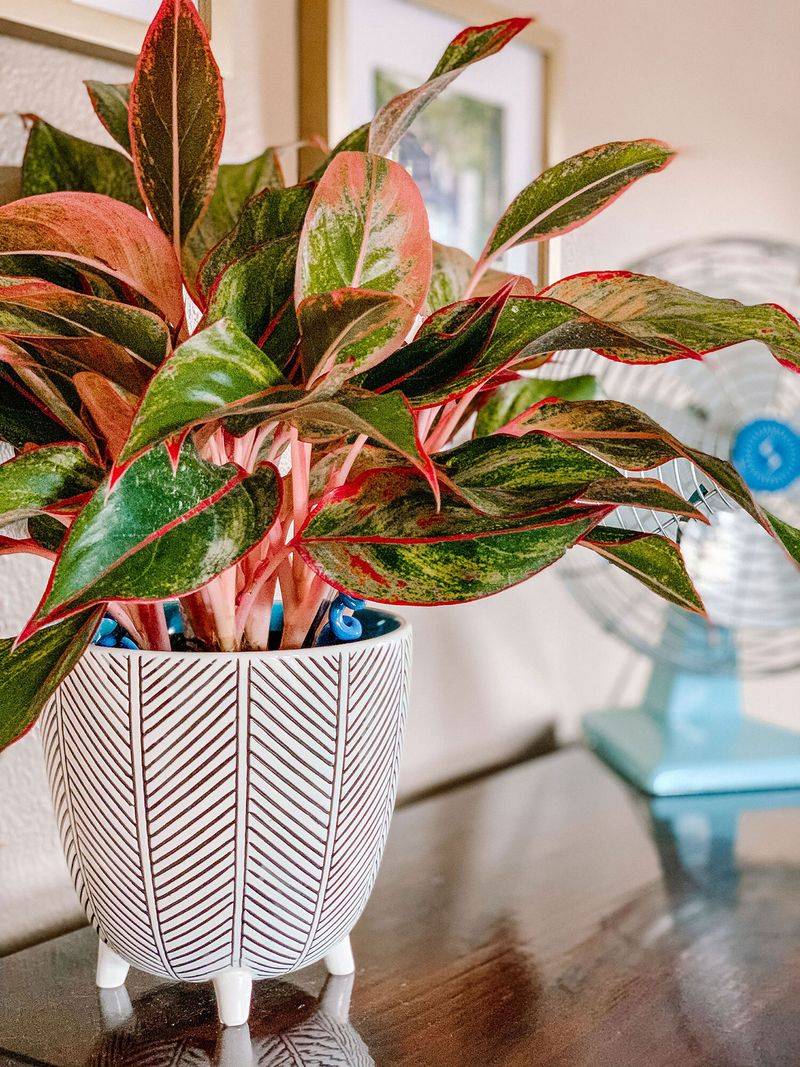
Chinese Evergreens are treasured for their stunning, patterned leaves. Coffee grounds can enhance their growth by providing extra nutrients.
These resilient plants prefer indirect light and well-drained soil. A careful balance of watering and coffee grounds can keep them thriving. They’re an excellent choice for adding a touch of elegance and color to indoor spaces.
1. Cacti (various desert species)
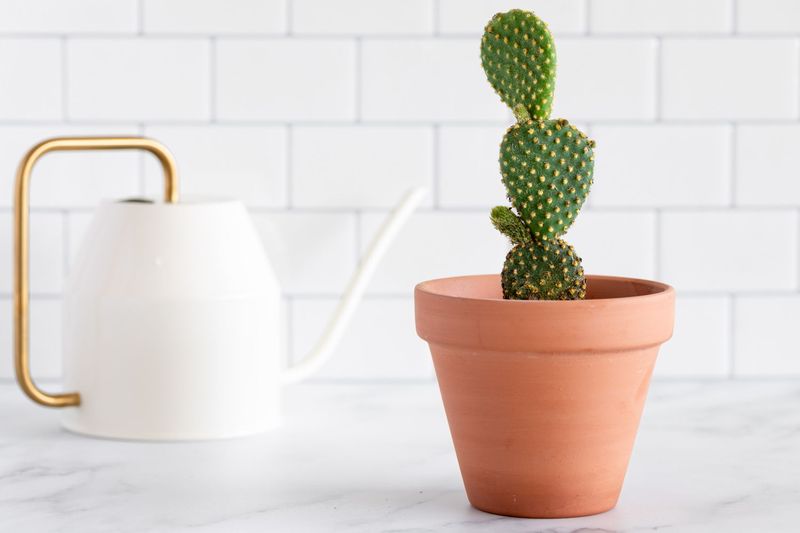
Cacti, with their unique forms and minimal water needs, are not fans of coffee grounds. These desert dwellers prefer fast-draining soil, and the acidity from coffee can be detrimental.
They thrive in bright, direct sunlight and require minimal watering. Keep coffee grounds away to ensure your cacti remain healthy. Their striking appearance and low-maintenance nature make them perfect for those who love a touch of the desert indoors.
2. Aloe Vera
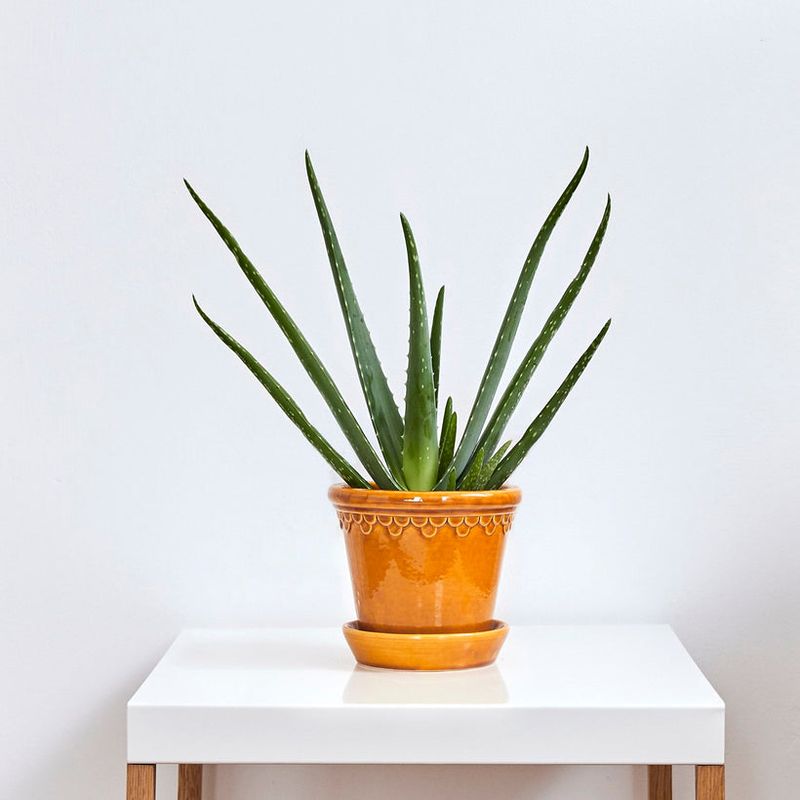
Aloe Vera, renowned for its healing properties, prefers alkaline, well-drained soil. Coffee grounds, with their acidity, are a poor match for this plant.
These succulents thrive in bright, indirect sunlight and require minimal watering. Avoid coffee grounds to keep your Aloe Vera robust and ready to provide its soothing gel. It’s a practical choice for those who appreciate both beauty and utility in a plant.
3. Jade Plant (Crassula ovata)
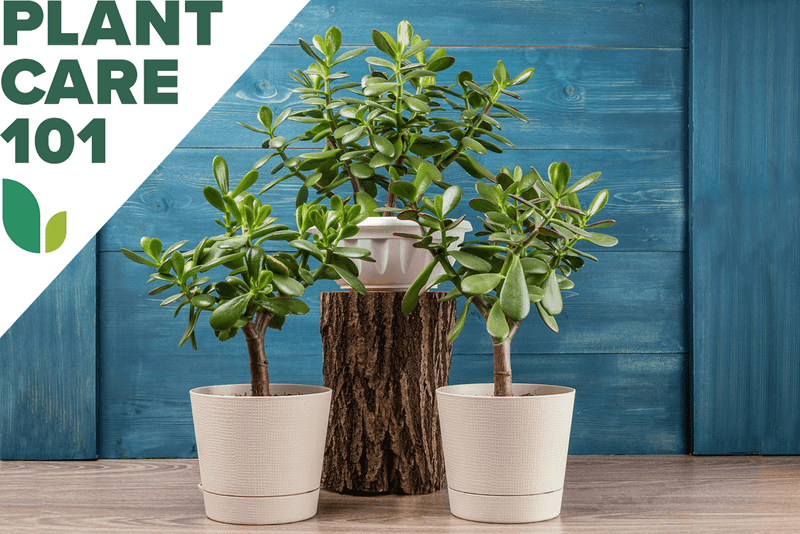
Jade Plants, with their plump, succulent leaves, prefer neutral to slightly alkaline soil. Coffee grounds, too acidic for their liking, can impede their health.
These plants thrive in bright light and require minimal watering. Keeping coffee at bay ensures their leaves remain vibrant and healthy. Jade Plants are symbols of prosperity and make delightful additions to any home or office.
4. Snake Plant (Sansevieria trifasciata)
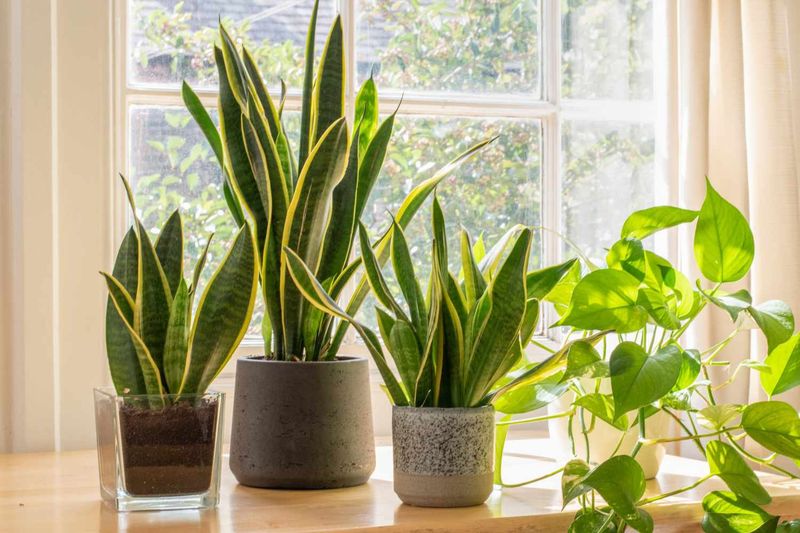
Snake Plants, known for their tall, architectural leaves, prefer well-drained, neutral soil. Coffee grounds, with their acidity, aren’t suitable for these hardy plants.
They thrive in a variety of lighting conditions and require infrequent watering. Keeping them coffee-free helps maintain their striking appearance and resilience. Snake Plants are excellent air purifiers, making them a practical choice for any space.
5. ZZ Plant (Zamioculcas zamiifolia)
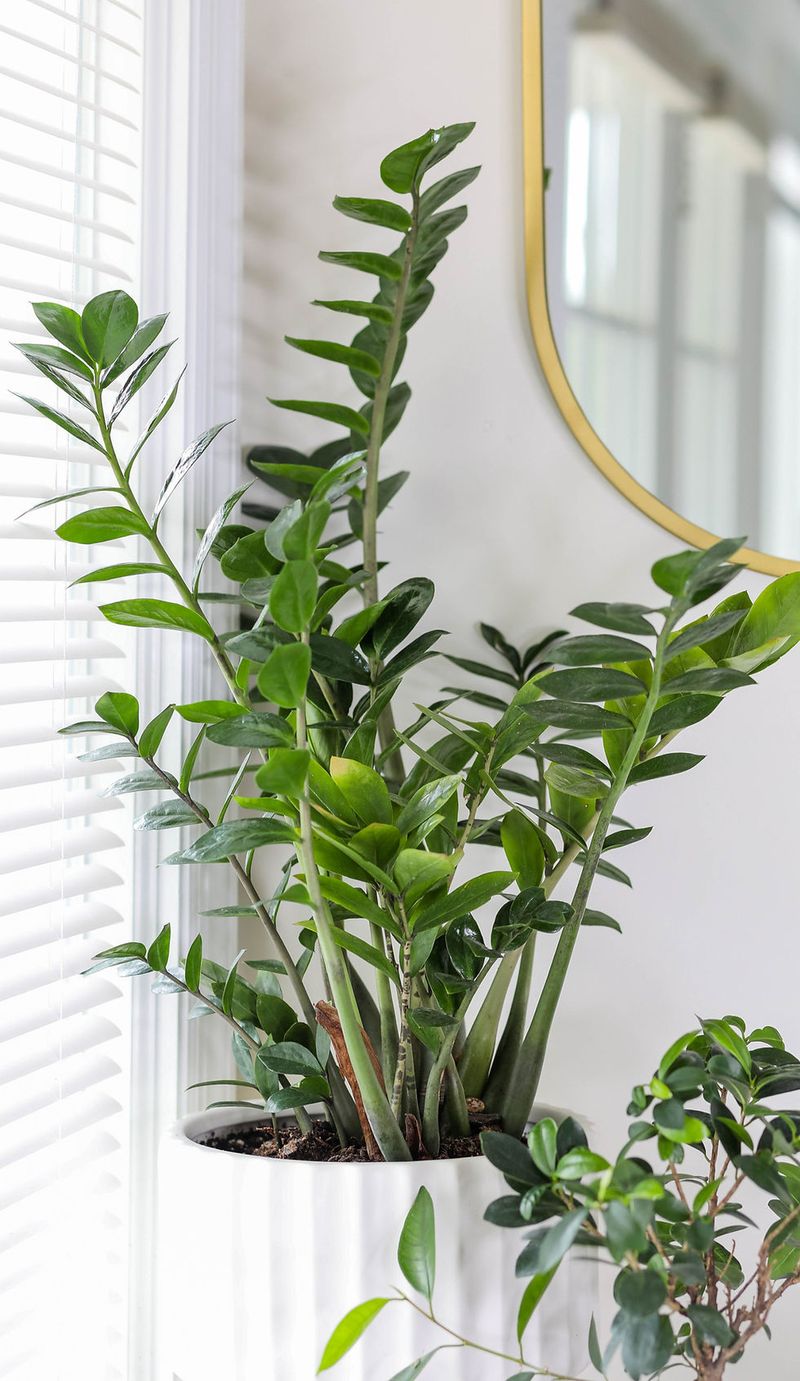
ZZ Plants, with their shiny leaves and robust nature, prefer neutral soil. Coffee grounds, with their acidity, can hinder their growth.
These plants thrive in low light and require very little water, making them ideal for busy individuals. By avoiding coffee grounds, you can ensure your ZZ Plant remains healthy and vibrant. Their ease of care and striking appearance make them popular houseplants.
6. Bromeliads (e.g., Guzmania)
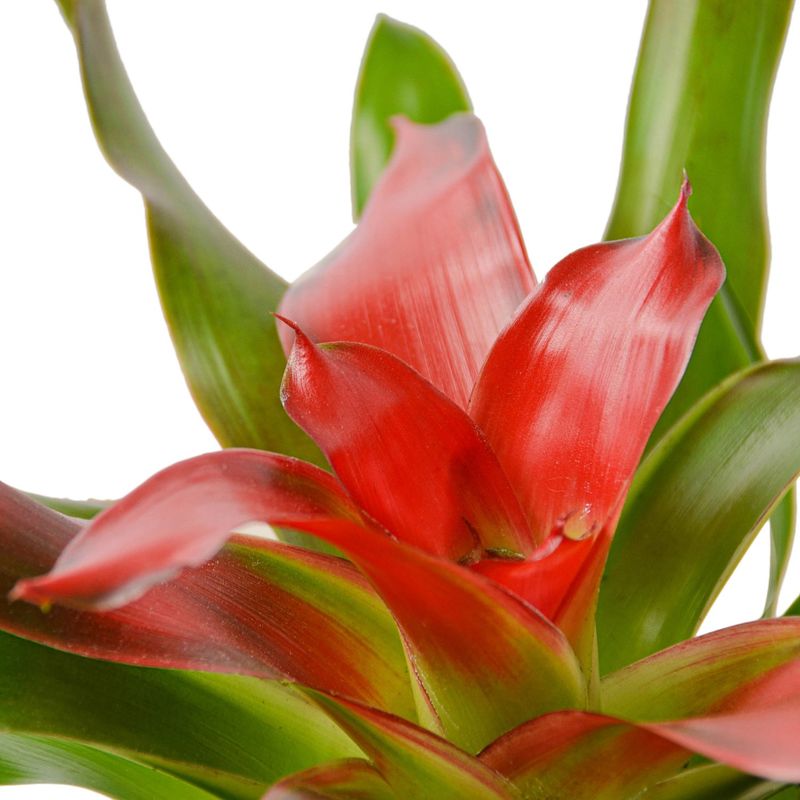
Bromeliads, with their colorful rosettes, prefer well-drained, neutral soil. Coffee grounds can disrupt their growth due to their acidic nature.
These tropical plants thrive in bright, indirect light and require careful watering. Without coffee grounds, your Bromeliad will remain a stunning centerpiece. They’re perfect for adding a splash of color and exotic flair to any room.
7. Orchids (Phalaenopsis & similar epiphytes)
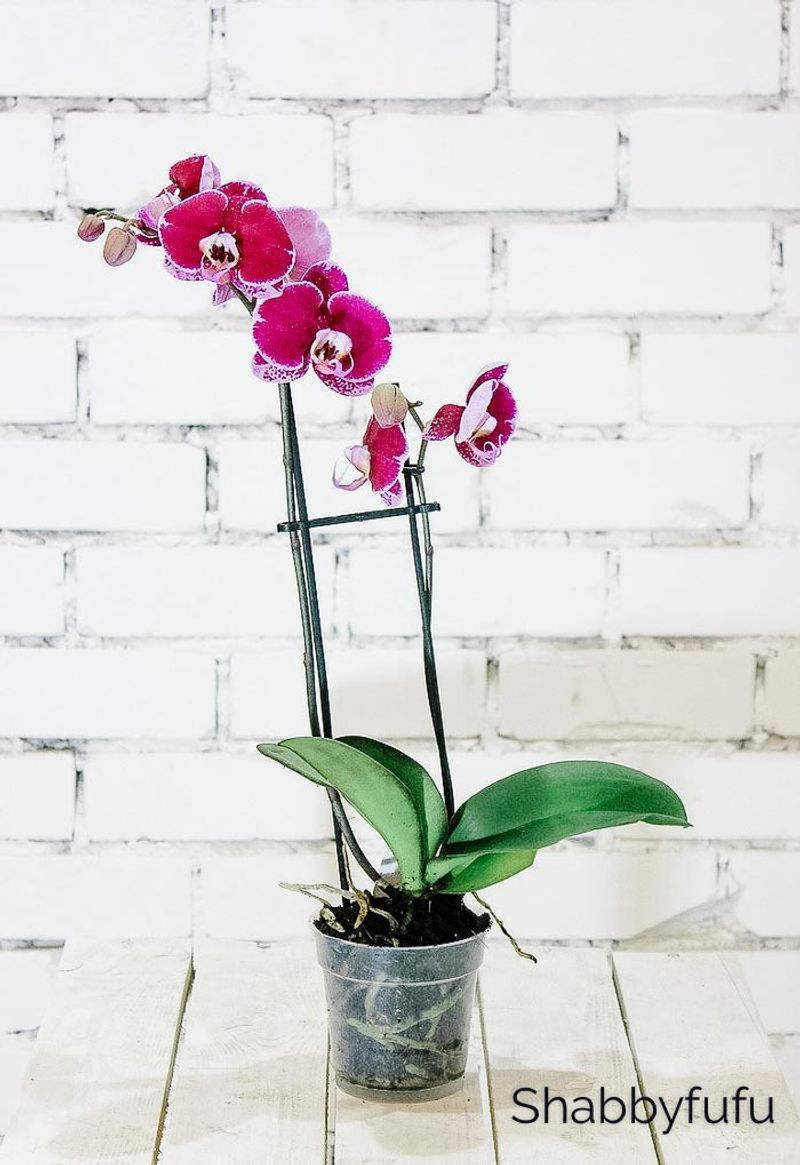
Orchids, celebrated for their intricate blooms, prefer low-organic, well-drained media. Coffee grounds, with their density and acidity, can harm these delicate plants.
They flourish in bright, indirect light and require careful watering. Avoid coffee grounds to ensure their elegant blooms continue to enchant. Orchids are a symbol of luxury and grace, making them a favorite for sophisticated decor.
8. Ponytail Palm (Beaucarnea recurvata)
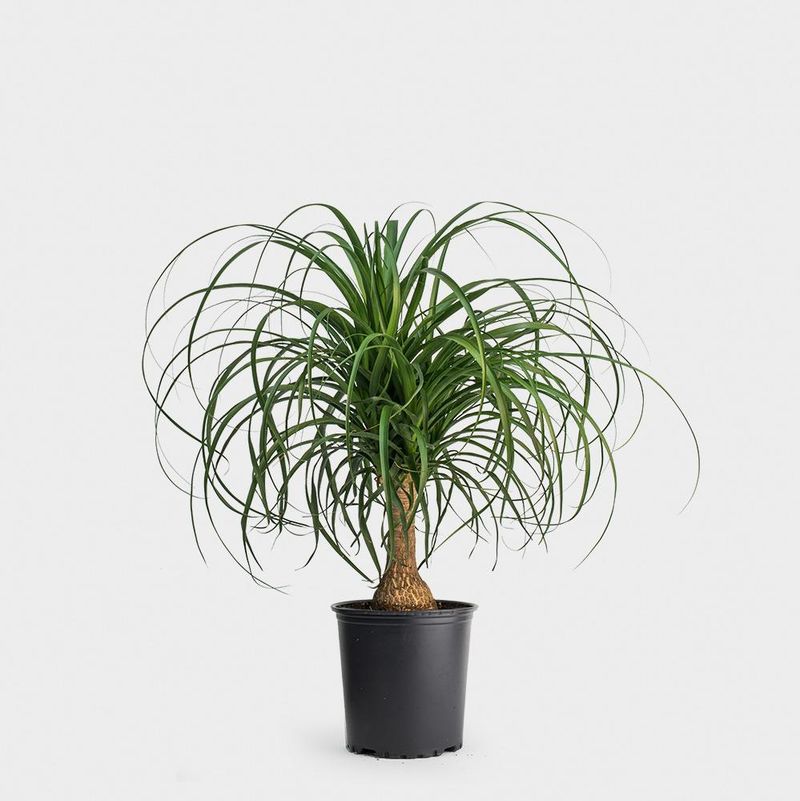
Ponytail Palms, with their bulbous bases and flowing fronds, prefer well-drained soil. Coffee grounds, being too dense and acidic, are not suitable for these unique plants.
They thrive in bright, indirect light and require minimal watering. By avoiding coffee grounds, you can maintain their striking appearance and health. Ponytail Palms add a quirky, tropical touch to any space.
9. Christmas Cactus (Schlumbergera)
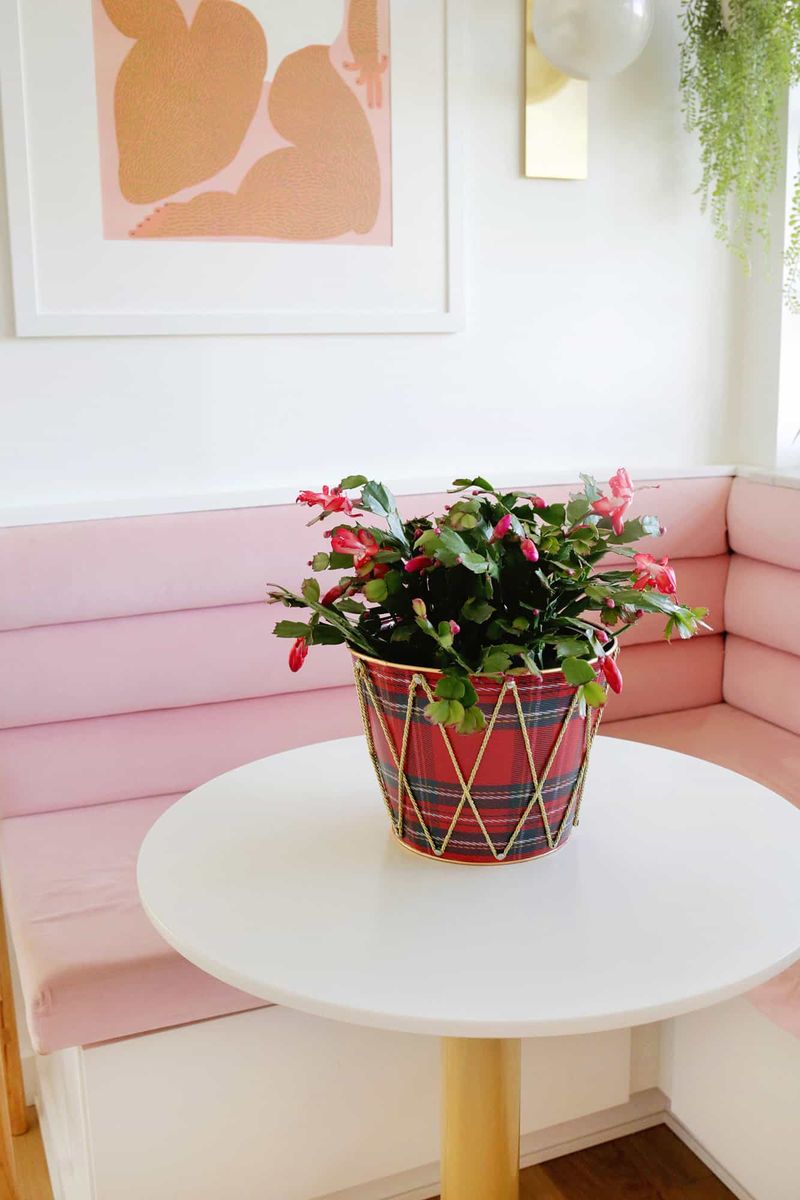
Christmas Cacti, known for their stunning holiday blooms, prefer well-drained, slightly acidic soil. However, the acidity from coffee grounds can be too much for them.
These plants flourish in bright, indirect light and benefit from regular, moderate watering. Keeping them coffee-free ensures their vibrant blooms continue to delight. Their festive appearance makes them a popular choice for holiday decor.
10. Lithops (Living Stones)
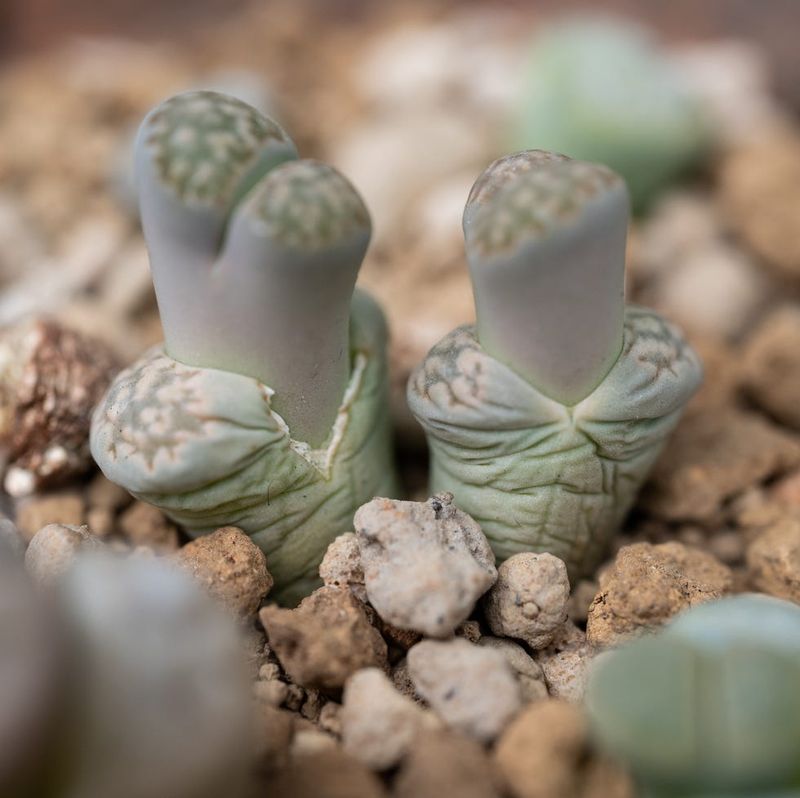
Lithops, or Living Stones, have evolved to blend seamlessly into their desert environments. They require sandy, fast-draining soil, making coffee grounds unsuitable due to their moisture-retaining and acidic properties.
These unique plants thrive in bright light and require very little water. Keeping them free of coffee ensures their continued health and distinctive appearance. Lithops are fascinating conversation pieces, perfect for succulent enthusiasts.
11. Yucca (indoor varieties)
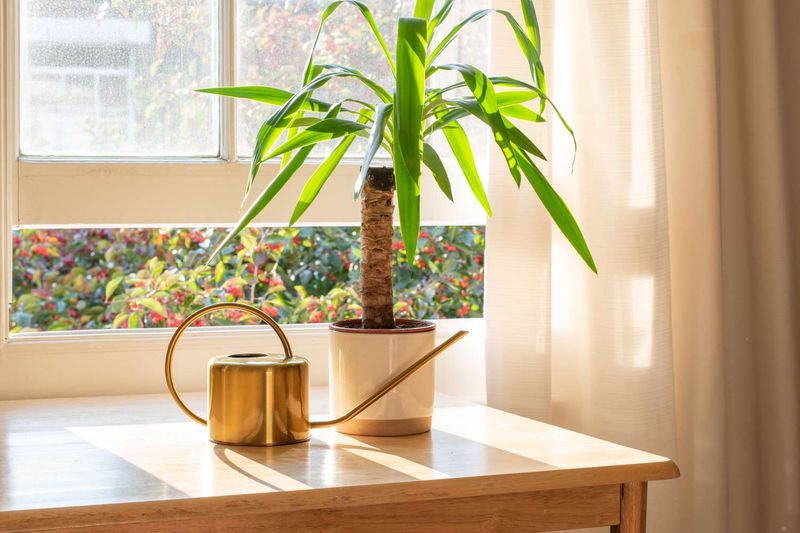
Yucca plants, with their bold, upright leaves, prefer fast-draining, alkaline soil. Coffee grounds, with their acidic nature, can impede their growth.
They thrive in bright, indirect light and require minimal watering. Avoiding coffee grounds ensures your Yucca remains healthy and vigorous. Their striking form makes them a dramatic addition to any indoor space.
12. Agave (container-grown)
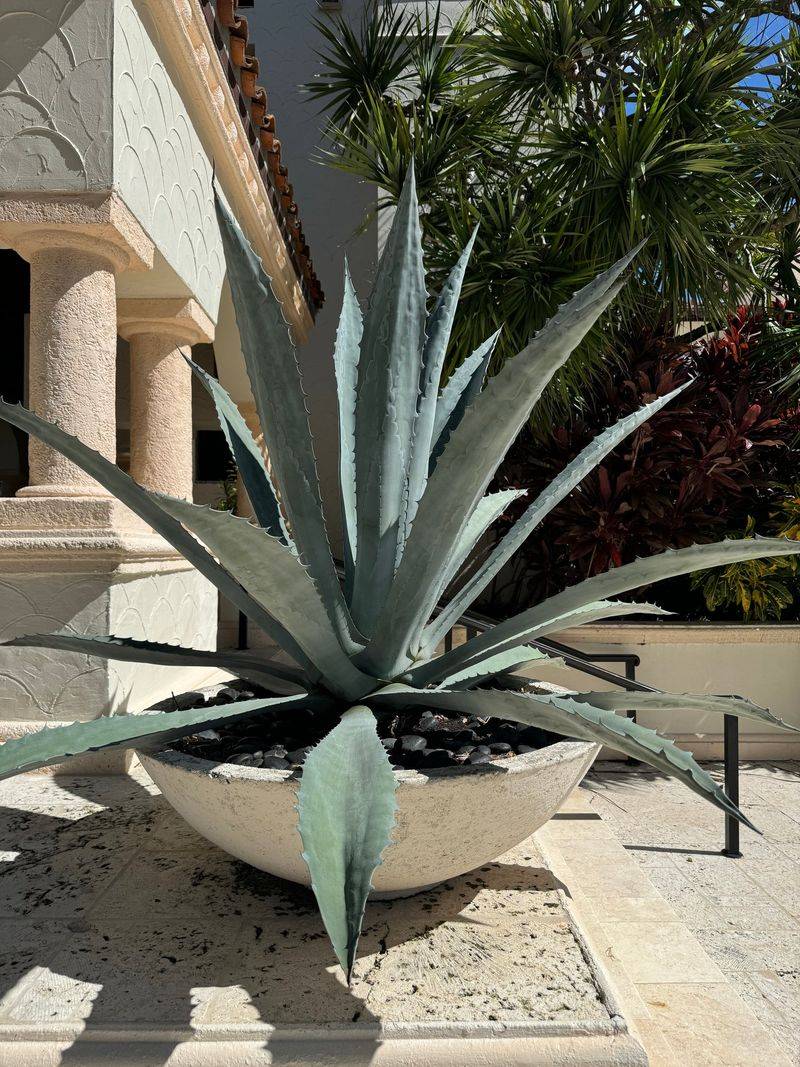
Agave, with its symmetrical rosette of spiky leaves, prefers well-drained, alkaline soil. Coffee grounds, being acidic, are unsuitable for these hardy plants.
These sun-loving plants require minimal watering and thrive in bright light. By keeping coffee grounds away, you can maintain their robust health and distinctive appearance. Agave plants are perfect for adding a touch of the desert to patios or sunny indoor spaces.