
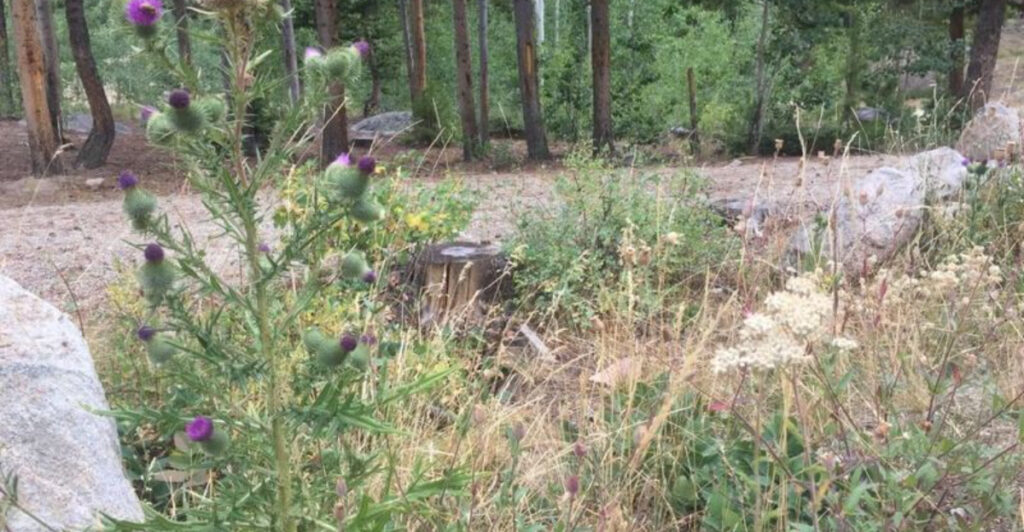
Thistles are a gardener’s notorious foe, with their prickly leaves and persistent growth. While they can be a challenge, they are not invincible.
With the right strategies, you can reclaim your lawn, garden, and flower beds from these stubborn weeds.
Below are ten effective tips to help you eliminate thistles for good using a mix of natural and mechanical methods.
1. Frequent Mowing
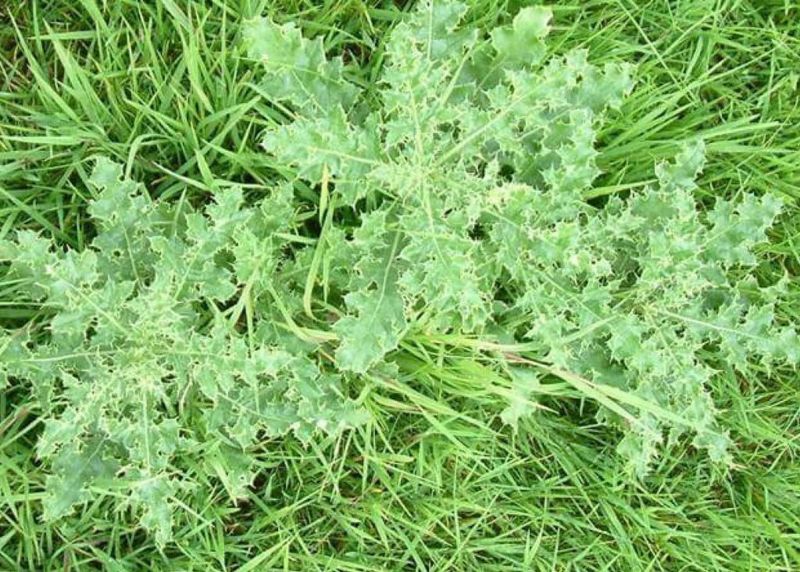
Mowing the lawn regularly keeps thistles at bay. Consistent mowing weakens these weeds by preventing them from flowering and seeding. This is because thistles primarily spread through their seeds, and frequent cutting disrupts this cycle. Moreover, mowing encourages the grass to grow thicker, which crowds out thistles.
A robust lawn forms a natural barrier, reducing the chances of thistle resurgence. Regular maintenance, combined with proper lawn care, is essential for long-term control.
2. Hand Pulling

Ever tried hand-pulling weeds on a cool morning? This method is effective, especially after rain when the soil is soft. Using gloves, grasp the thistle firmly at the base and pull it out by the roots. Doing this helps prevent regrowth, as thistles can regenerate from root fragments.
Hand pulling is an eco-friendly way to manage thistles without chemicals, though it requires patience and persistence. It’s perfect for small gardens or isolated thistle patches.
3. Mulching
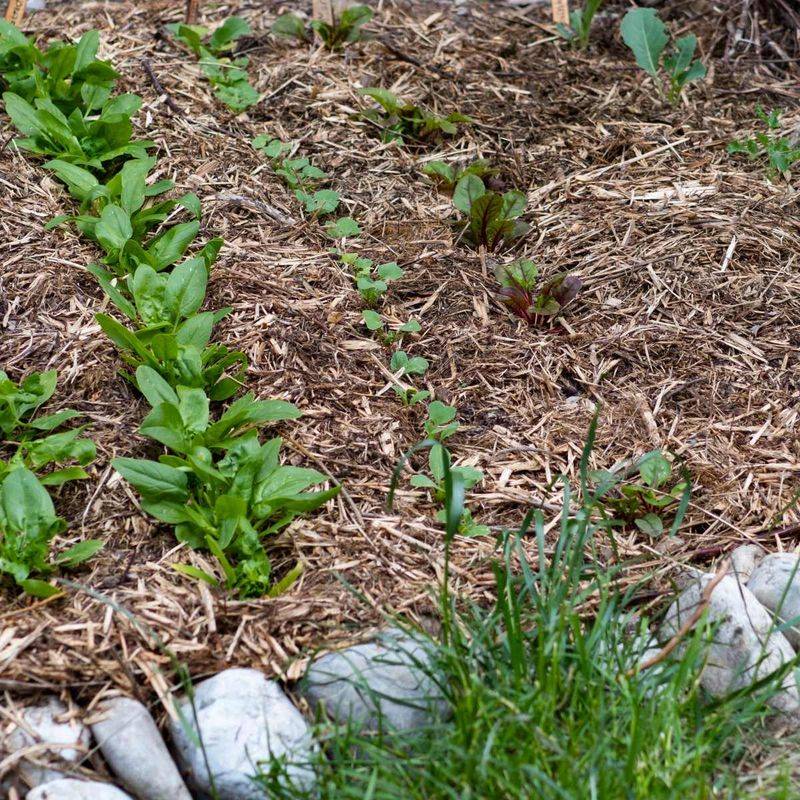
Mulch acts as a shield, blocking sunlight and preventing thistles from sprouting. By covering the soil with a thick layer of organic material, such as bark or wood chips, you suppress weed growth. Mulching also retains soil moisture and improves its fertility over time.
In the battle against thistles, mulch is a valuable ally. Besides suppressing weeds, it adds a pleasant aesthetic to your garden, giving plants a clean, tidy appearance.
4. Vinegar Spray
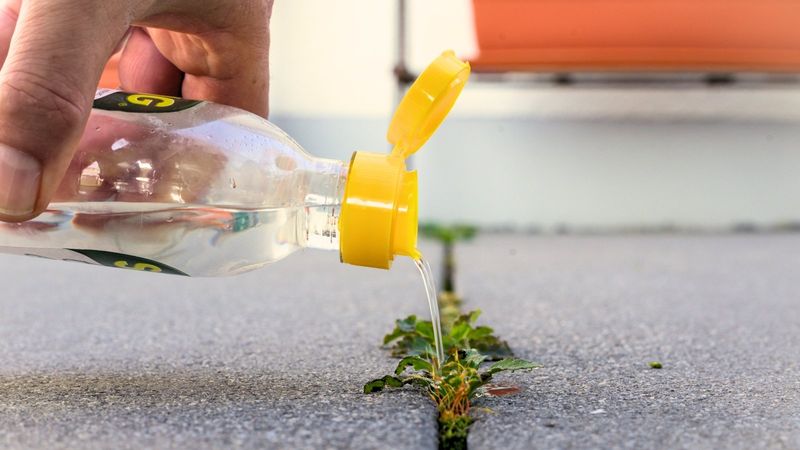
Looking for a natural weed killer? Try vinegar, a household staple. Vinegar’s acetic acid content draws moisture from thistle leaves, causing them to wither. For best results, use it on a sunny day to enhance absorption.
Spray directly onto the thistle leaves, taking care to avoid plants you want to keep. Although it may require several applications, vinegar offers a chemical-free alternative to commercial herbicides.
5. Boiling Water Treatment
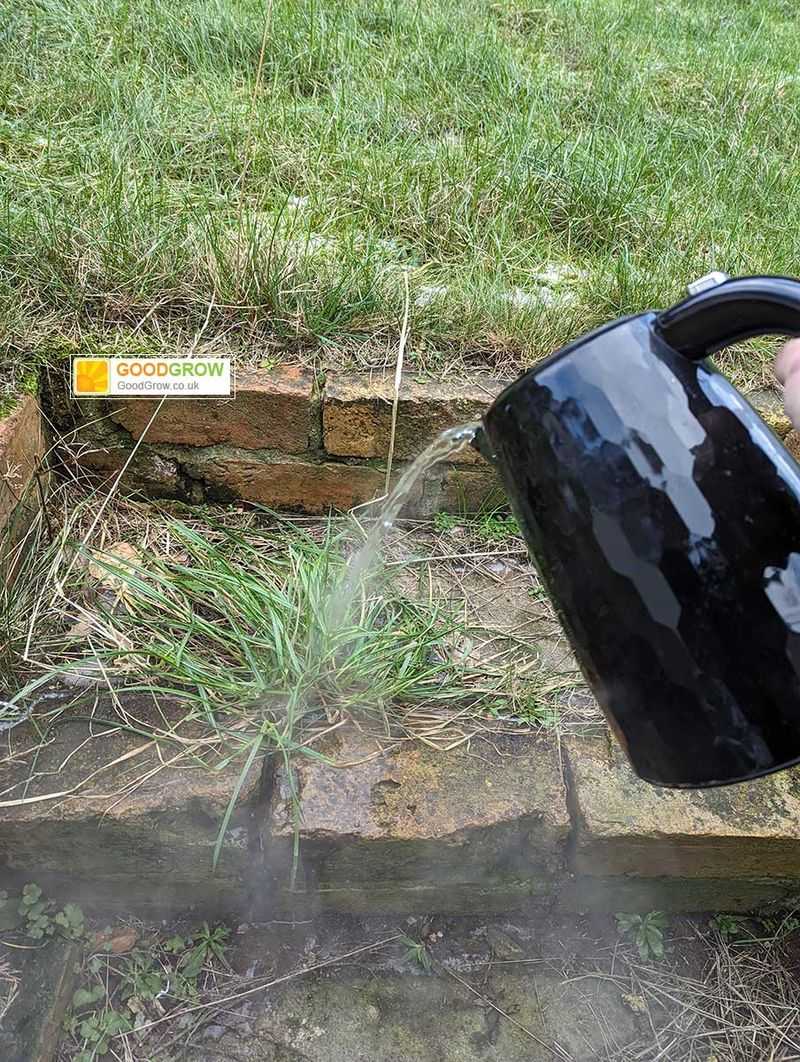
Imagine attacking thistles with nothing but water! Pouring boiling water over thistles is a simple yet effective method. The heat destroys the plant’s cellular structure, killing it quickly. This method is ideal for driveways or walkways, where precision is less critical.
However, caution is required to avoid splashing on desirable plants. Boiling water is an excellent spot treatment for isolated thistle growth, offering a swift solution to stubborn weeds.
6. Cultivation and Tilling
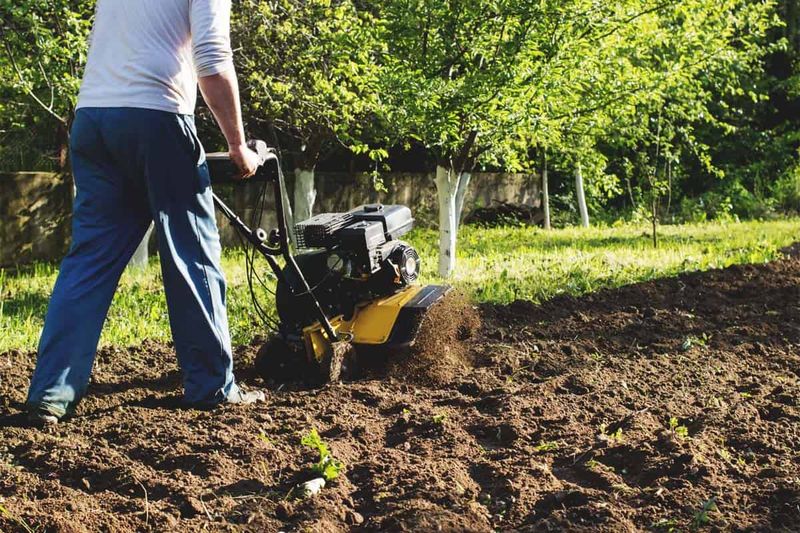
Cultivation and tilling disrupt the root systems of thistles. By turning the soil, you expose the roots to air and sunlight, which inhibits growth. This method is particularly effective for large plots where thistles are widespread.
Regular tilling prevents thistle establishment, making it hard for them to take root. Proper technique and timing ensure maximum effectiveness, turning cultivation into a reliable tool for thistle management.
7. Herbicide Application

For those seeking immediate results, herbicides provide a quick fix. Various products cater specifically to thistle eradication, targeting them at the root level. It’s crucial to follow the manufacturer’s instructions for safe and effective use.
While herbicides offer convenience, they should be used judiciously to minimize environmental impact. Combining chemical solutions with other methods helps maintain a balanced and thistle-free garden.
8. Plant Competitive Vegetation

Thistles dislike competition! By planting dense vegetation, you create an environment where thistles struggle to survive. Choose native plants well-suited to your climate, as they grow robustly and require minimal care.
These plants act as natural suppressors, reducing thistle growth by outcompeting them for nutrients and sunlight. This strategy not only controls thistles but also enhances your garden’s beauty and biodiversity.
9. Improve Soil Health

Healthy soil deters thistle growth. By improving soil structure and fertility, you create conditions unfavorable to these weeds. Regularly add organic matter, such as compost, to maintain nutrient levels.
Conduct soil tests to ensure the right pH balance and nutrient profile for your plants. A well-maintained soil supports strong plant growth, naturally crowding out thistles and other unwanted weeds.
This process promotes a thriving, vibrant garden.
10. Regular Inspection
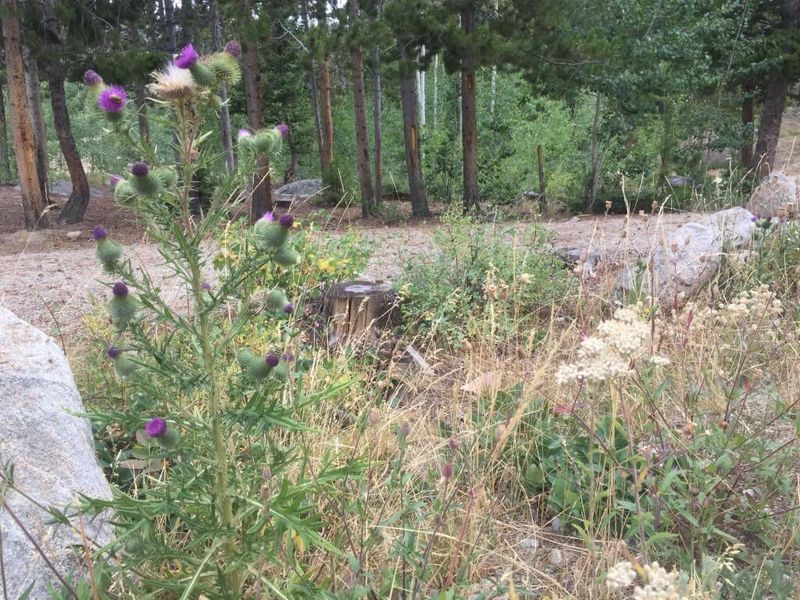
Ever thought about being a garden detective? Regular inspections allow for early thistle detection and removal. By routinely checking your garden, you can catch thistles before they spread.
Quick action is key to preventing large infestations. Inspections help identify problem areas, allowing for targeted treatment. This proactive approach is essential for long-term thistle control, keeping your garden in peak condition year-round.